
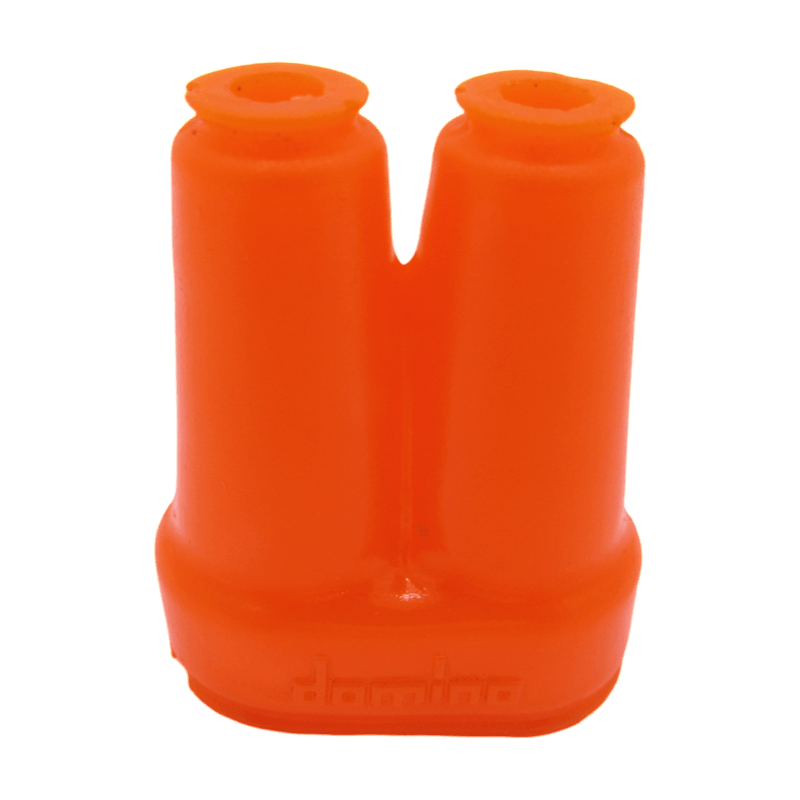
SKU: PP300651
Polyurethane motorcycle throttle cable boot Ktm 250 XC-W TPI 2021-2022
In stock15 pcs.$14.15Log in as dealer
Polyurethane motorcycle throttle cable boot Ktm 250 XC-W TPI 2021-2022
In stock15 pcs.Polyurethane motorcycle throttle cable boot Ktm 300 EXC 2023
In stock15 pcs.Polyurethane motorcycle throttle cable boot Ktm 300 EXC ERZBERGRODEO 2023
In stock15 pcs.Polyurethane motorcycle throttle cable boot Ktm 300 EXC ERZBERGRODEO TPI 2022
In stock15 pcs.Polyurethane motorcycle throttle cable boot Ktm 300 EXC SIX DAYS 2023
In stock15 pcs.Polyurethane motorcycle throttle cable boot Ktm 300 EXC SIX DAYS CKD 2023
In stock15 pcs.Polyurethane motorcycle throttle cable boot Ktm 300 EXC SIX DAYS TPI 2022
In stock15 pcs.Polyurethane motorcycle throttle cable boot Ktm 300 EXC SIX DAYS TPI CKD 2022
In stock15 pcs.Polyurethane motorcycle throttle cable boot Ktm 300 EXC TPI 2021-2022
In stock15 pcs.Polyurethane motorcycle throttle cable boot Ktm 300 XC-W ERZBERGRODEO 2023
In stock15 pcs.Polyurethane motorcycle throttle cable boot Ktm 300 XC-W ERZBERGRODEO TPI 2021-2022
In stock15 pcs.Polyurethane motorcycle throttle cable boot Ktm 300 XC-W TPI 2021-2022
In stock15 pcs.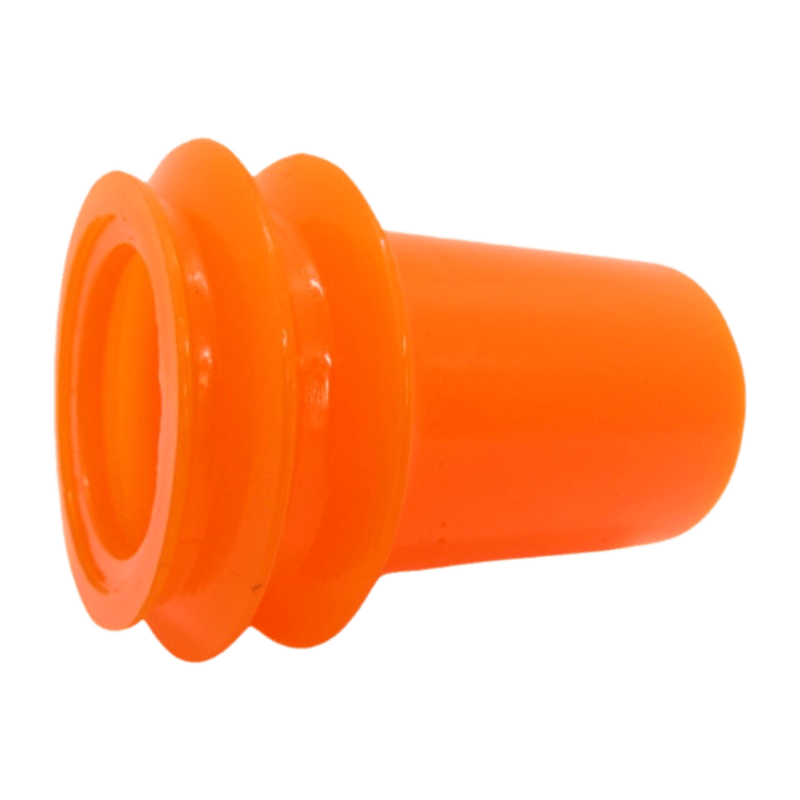
Polyurethane shaft seal of Ilka DDR freezer
In stock15 pcs.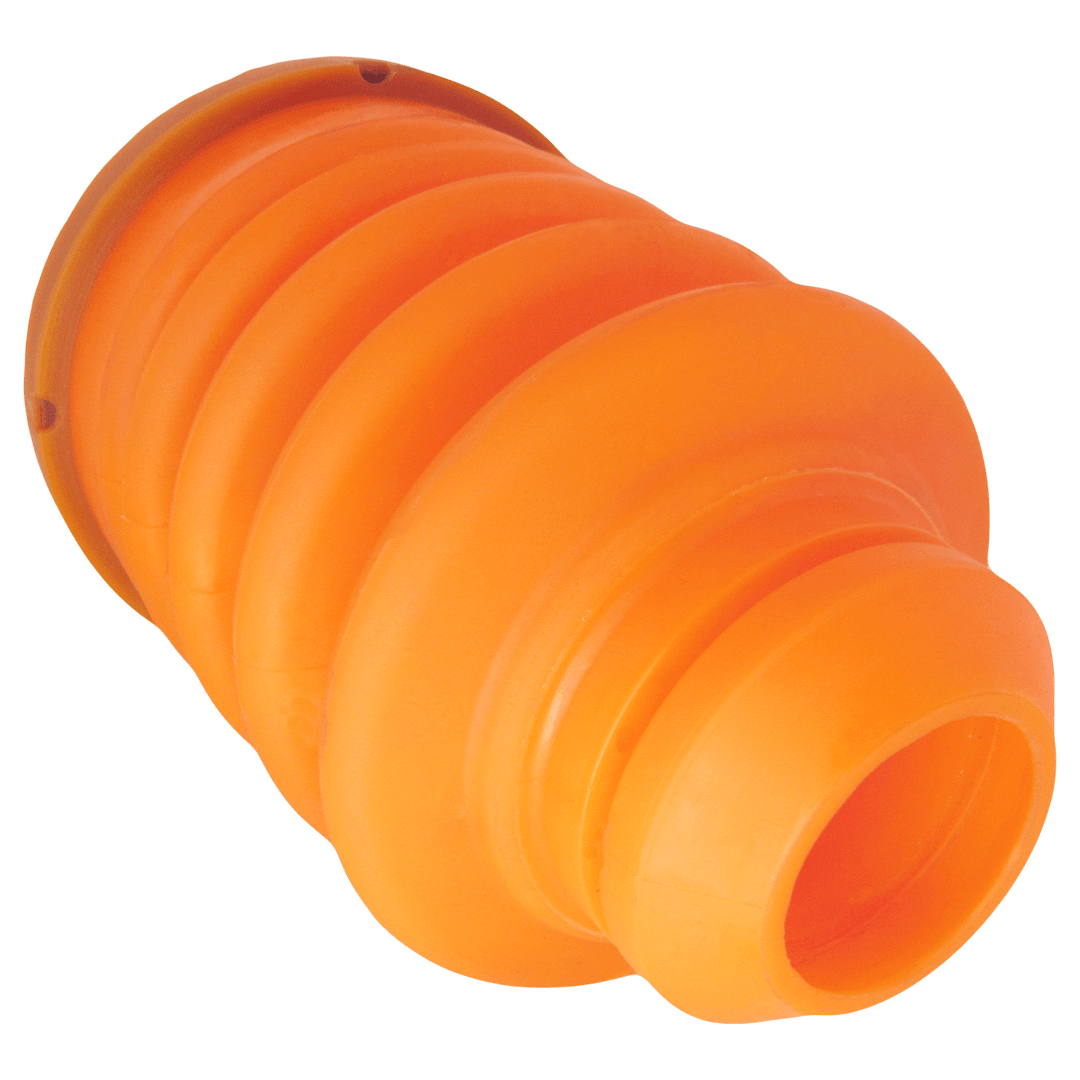
Polyurethane tie rod end boot John Deere 8120
In stock15 pcs.Polyurethane tie rod end boot John Deere 8130
In stock15 pcs.Polyurethane tie rod end boot John Deere 8220
In stock15 pcs.Polyurethane tie rod end boot John Deere 8225R
In stock15 pcs.Polyurethane tie rod end boot John Deere 8230
In stock15 pcs.Polyurethane tie rod end boot John Deere 8235R
In stock15 pcs.Polyurethane tie rod end boot John Deere 8245R
In stock15 pcs.Polyurethane tie rod end boot John Deere 8260R
In stock15 pcs.Polyurethane tie rod end boot John Deere 8270R
In stock15 pcs.Polyurethane tie rod end boot John Deere 8285R
In stock15 pcs.Polyurethane tie rod end boot John Deere 8295R
In stock15 pcs.Polyurethane tie rod end boot John Deere 8310R
In stock15 pcs.Polyurethane tie rod end boot John Deere 8320
In stock15 pcs.Polyurethane tie rod end boot John Deere 8320R
In stock15 pcs.Polyurethane tie rod end boot John Deere 8330
In stock15 pcs.Polyurethane tie rod end boot John Deere 8335R
In stock15 pcs.Polyurethane tie rod end boot John Deere 8345R
In stock15 pcs.Polyurethane tie rod end boot John Deere 8360R
In stock15 pcs.Polyurethane tie rod end boot John Deere 8370R
In stock15 pcs.Polyurethane tie rod end boot John Deere 8400R
In stock15 pcs.Polyurethane tie rod end boot John Deere 8420
In stock15 pcs.Polyurethane tie rod end boot John Deere 8430
In stock15 pcs.Polyurethane tie rod end boot John Deere 8520
In stock15 pcs.Polyurethane tie rod end boot John Deere 8530
In stock15 pcs.Polyurethane tie rod end boot John Deere 8R 230
In stock15 pcs.Polyurethane tie rod end boot John Deere 8R 250
In stock15 pcs.Polyurethane tie rod end boot John Deere 8R 280
In stock15 pcs.Polyurethane tie rod end boot John Deere 8R 310
In stock15 pcs.Polyurethane tie rod end boot John Deere 8R 340
In stock15 pcs.Polyurethane tie rod end boot John Deere 8R 370
In stock15 pcs.Polyurethane tie rod end boot John Deere 8R 410
In stock15 pcs.A rack and pinion boot is the bellows on the steering rack housing that shields the toothed rack and the inner tie rod ends from dirt, water and road salt. One is fitted at each end of the housing on passenger cars, crossovers and light commercial vehicles with rack steering. PolyPro moulds these boots from polyurethane in its own tooling and ships them with no middlemen — single units and wholesale alike. The other protective covers sit in the catalogue
The steering rack turns wheel rotation into lateral travel of the toothed rack, which pulls the tie rods and steers the wheels. The toothed section slides inside the housing on bushings and runs in grease, so both ends of it have to be sealed. That is the job of the boot: the bellows slips onto the housing at one end and onto the tie rod at the other, clamped at both ends.
As the wheel is turned, the rack extends on one side and retracts on the other, so one boot compresses while the opposite one stretches. The folds of the bellows absorb that travel without straining the material. While the steering rack boot stays sealed, no puddle water, sand or brine gets in and the grease stays on the teeth. A split cover lets abrasive reach the toothed pair and the inner tie rod directly.
Inspect the boot on a lift with the wheels turned to full lock: the bellows is stretched in that position and cracks become visible. Check separately whether it is wet inside — on power-assisted racks, fluid escaping past the seals collects in the boot and attacks the rubber, so a wet cover also points to a leaking rack. Inspect the opposite side the same way; the two rarely wear at the same rate.
If the cover is already torn, fitting a new one is not the whole job: flush the housing and inspect the teeth and the inner tie rod for corrosion and play. Dry knocking through the wheel after driving with a split boot is a reason to check the toothed pair rather than simply cover it up. Replace the clamps along with the boot.
Original rack boots are made of rubber or thermoplastic. Rubber is soft and cheap, but under the car three things attack it at once: engine bay heat, de-icing salt from below and power steering fluid from inside when the seals weep. The material swells, thins along the fold crests and tears. Polyurethane resists oils and road chemicals better, stays flexible in the cold and holds the geometry of the bellows for longer.
The second argument is how the lips hold under the clamps. A polyurethane lip does not stretch under a clamp, so the cover will not creep off the housing after a few hundred parking-lock turns. While the boot is off, it is worth checking the steering rack bushing: a worn bushing allows lateral play, which makes the bellows work out of line and chafe against the housing.
Selection goes by the dimensions of the assembly, not by the car badge: measure both lip diameters and the length of the cover in place. Then account for the clamping arrangement and the hardness the duty calls for.
Three figures are needed: the inner diameter of the large lip that seats on the rack housing, the inner diameter of the small lip on the tie rod, and the free length of the cover. Measure an intact part with a caliper, or take the figures straight off the housing and the rod if the old bellows has crumbled. Match the length to rack travel: a short cover goes taut at full lock and pulls its lip out of the clamp, while an over-long one bunches into folds that rub each other and the housing. Fold count matters too, since it sets how freely the bellows follows full travel.
The lips are held by clamps: a wider one on the housing and a narrow one on the tie rod, often a plastic tie or a wire clamp. Before buying, check whether the lips have grooves for the clamps and how wide those grooves are — without a groove the clamp creeps, and an over-narrow channel will not let it pull down evenly. Fit the cover onto a clean, degreased seat, straighten the bellows so no fold is tucked under, and only then tighten. Do not reuse old clamps; they have already been stretched once. After fitting, turn the wheel to both locks and watch that no fold is pulled out from under the clamp.
Shore hardness is stated on every product page. A softer compound follows full rack travel more freely and resists steering effort less in freezing weather, which suits passenger cars that rarely leave sealed roads. A harder one stands up better to stone strikes, to chafing against the subframe and to constant contact with grease and fluid, so it makes sense for light commercial vehicles and cars that run gravel regularly. For mixed duty, take the middle figure from the product page. Hardness does not affect the fitting dimensions: pick the size first, then the material within it.
PolyPro makes these boots in-house: our own tooling, our own casting and dimensional control at the end of the line, so lip diameters and bellows length repeat from batch to batch. We sell direct — single units at retail, no minimum order, with a product warranty and international shipping. If the size you need is not in the catalogue, the cover is made to a drawing, to a sample or to your worn part, starting from one piece.
Repair shops, parts retailers, fleets and resellers are covered by the partner programme: bonuses on turnover or on single-order volume, access to prices and stock levels, and shipment under the partner's own brand. Specific sizes can be scheduled for a regular partner.
The car will drive, but every puddle pushes water and sand onto the toothed rack and the inner tie rod. Abrasive wears the teeth and bushings quickly, play and knocking appear in the steering, and rebuilding a rack costs incomparably more than a cover. A torn boot is therefore replaced straight away, along with flushing and inspecting the assembly.
That points to a leaking rack: power steering fluid escapes past the seals and pools in the lower fold of the bellows. Rubber swells and thins in contact with oil, so the cover tears sooner than it otherwise would. A new boot alone does not solve it — cure the leak first, or the next cover will go the same way.
Not always. On many racks the left and right covers differ in length or in the diameter of the small lip, because the tie rods are not identical. Measure each side separately, even when both are being replaced at once. Replacing them in pairs is generally sensible: a cover of the same age on the other side is usually close to failing.
Usually yes: the small lip slides onto the tie rod, so the outer end has to be unscrewed or the rod removed to pass the cover over it. The exact sequence depends on the design of the rack. After reassembly, have the alignment set, because the position of the tie rod changes during removal.
New ones — old clamps are already stretched and will not give the required grip. A wider clamp goes on the rack housing and a narrow one on the tie rod, with the type matched to the grooves in the lips. Tighten only after the bellows is straightened and no fold is tucked under, otherwise the lip seats crooked and starts letting water in.
Yes. Alongside the catalogue sizes we make boots to order: to a drawing, to a sample, or to the worn cover you send us for measurement. That covers rare racks, trucks and special vehicles, and assemblies whose original boot is no longer available anywhere. The minimum for that work is one piece.
Yes, we sell by the piece with no minimum order, so one cover for one side of the rack is fine. A retail order is handled exactly like a wholesale one: pick the size and the Shore hardness on the product page, and we ship with a product warranty and international delivery. Parts made to a sample also start from one piece.
Wholesale buyers — repair shops, retailers, fleets and resellers — are covered by the partner programme: bonuses on turnover or on single-order volume, access to current prices and stock levels, and shipment under the partner's brand. Since the production is ours, a regular partner can have specific boot sizes scheduled for them.