SKU: PP201044
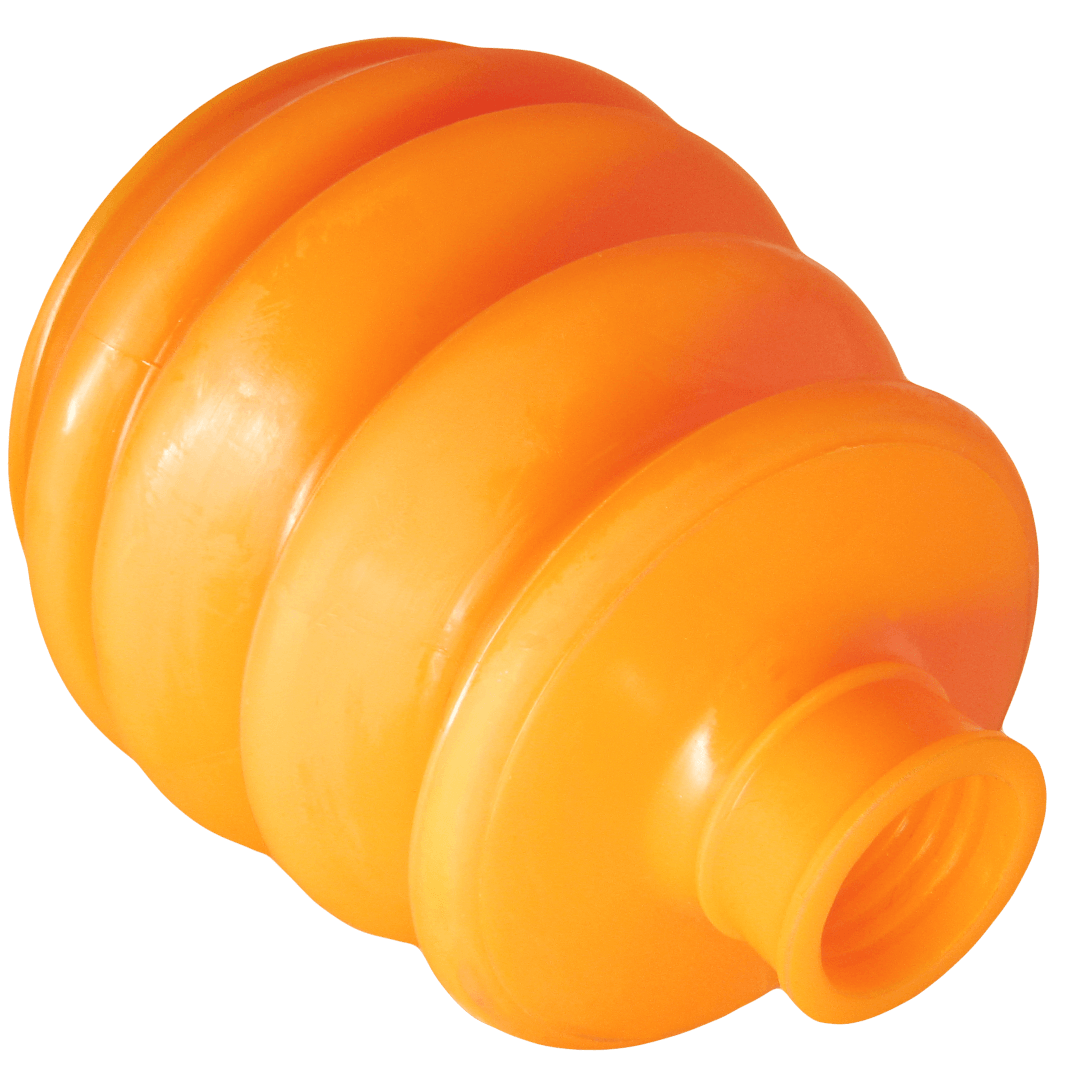
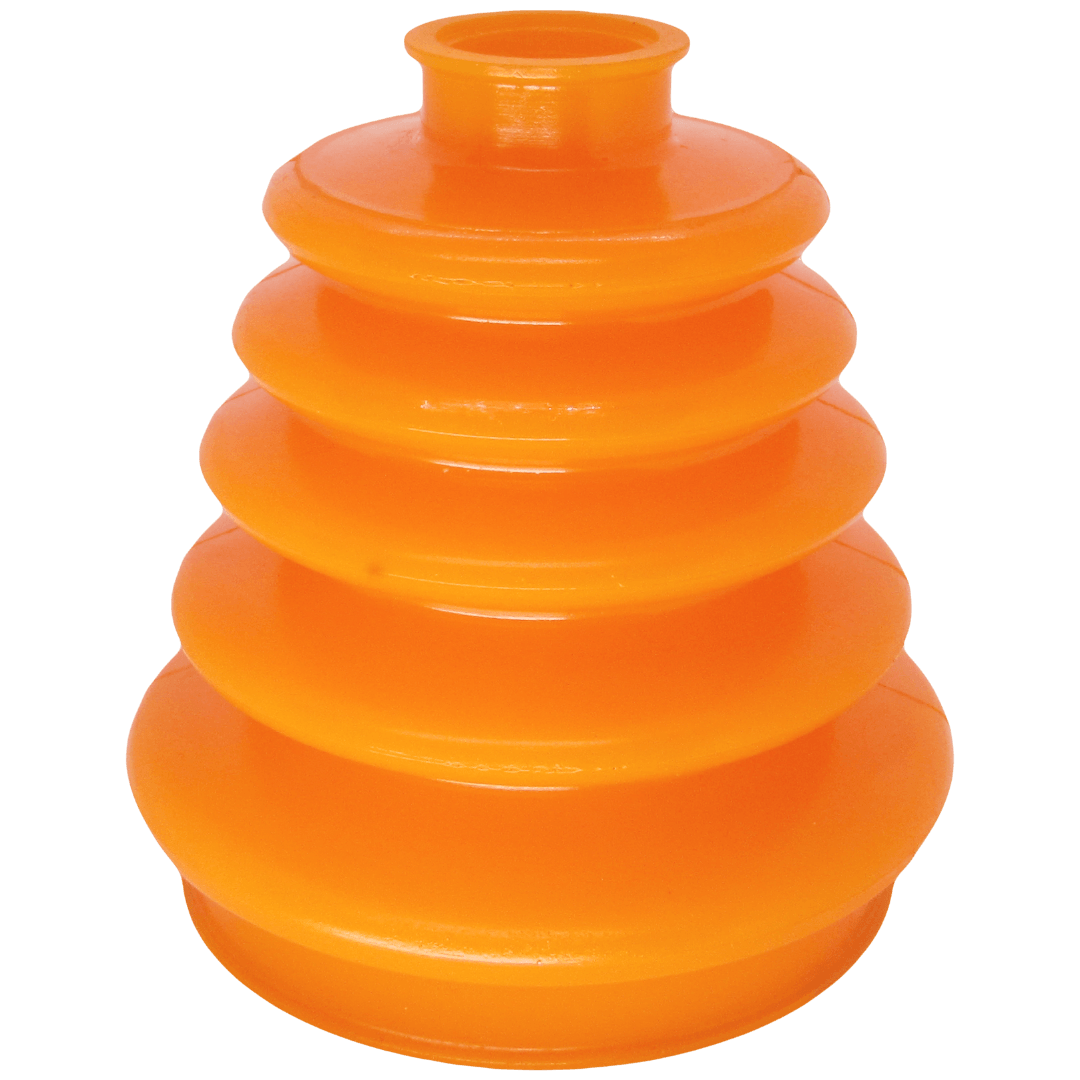
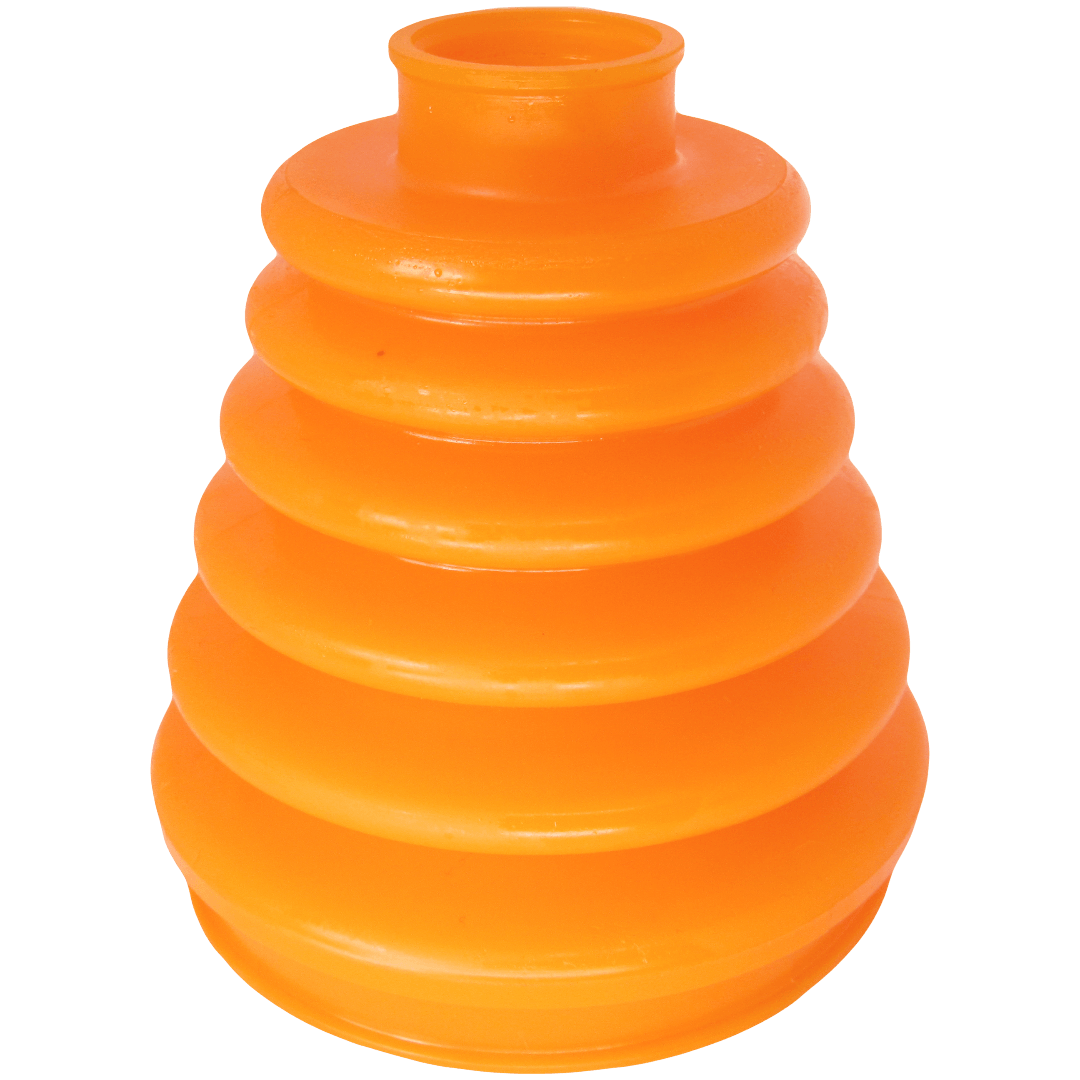
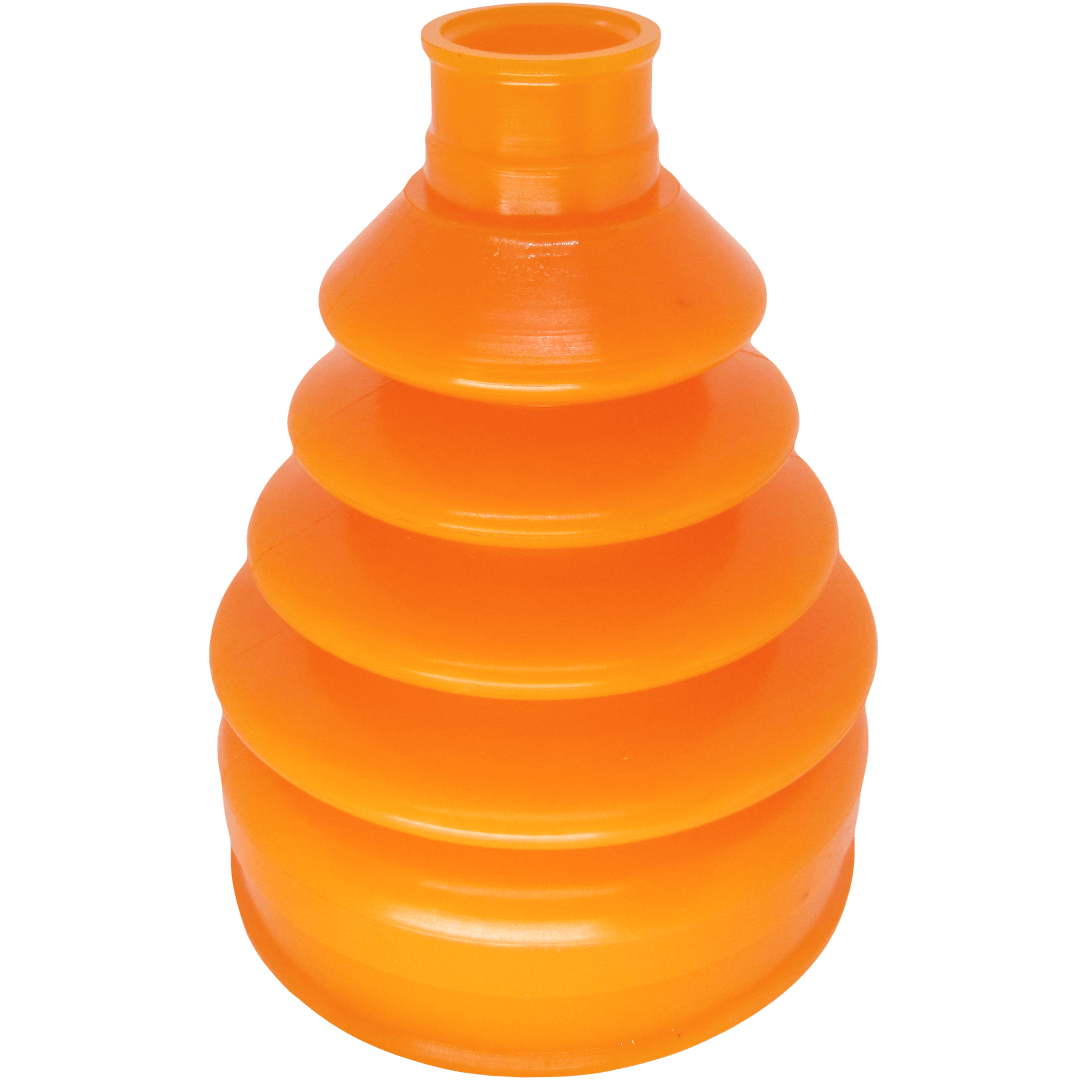
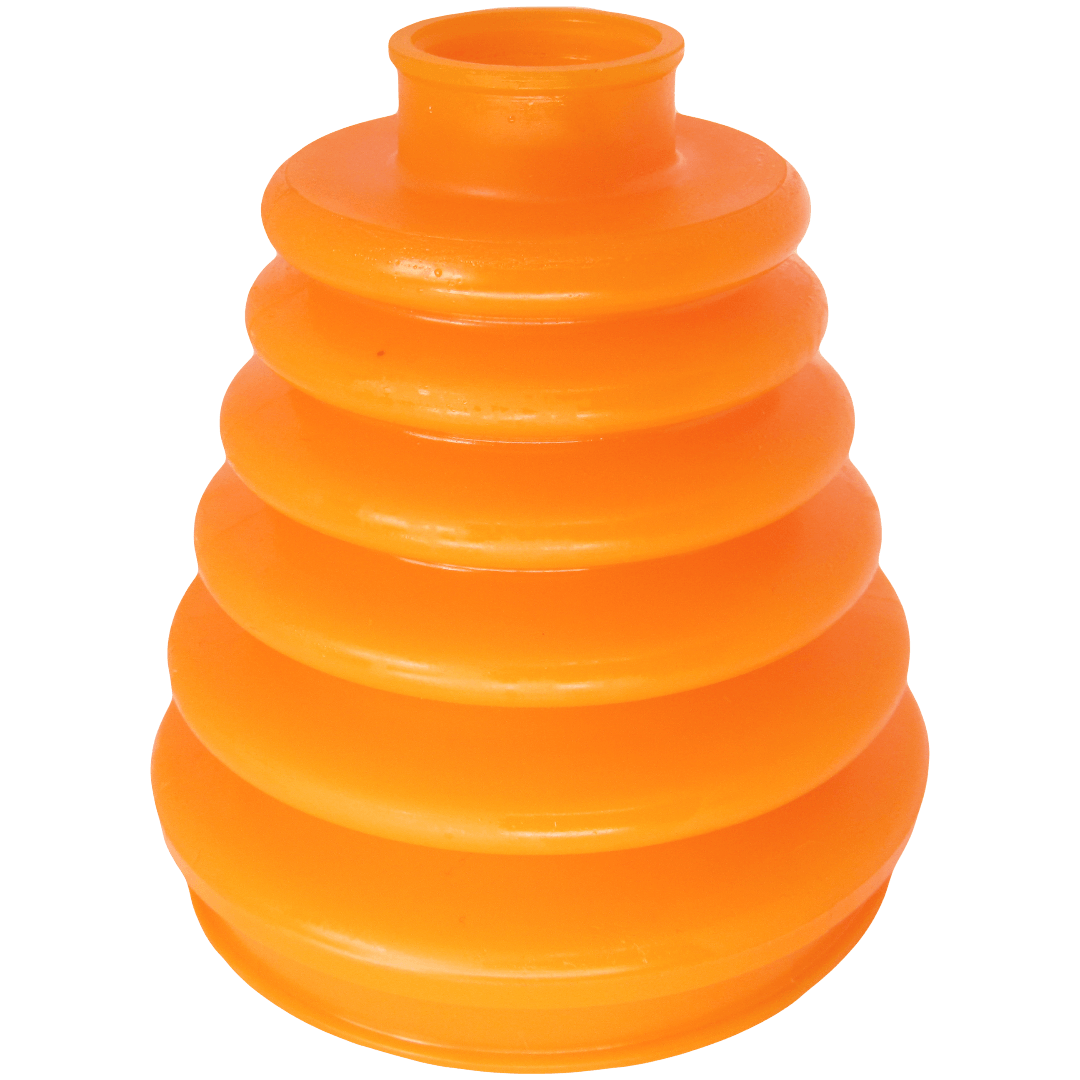
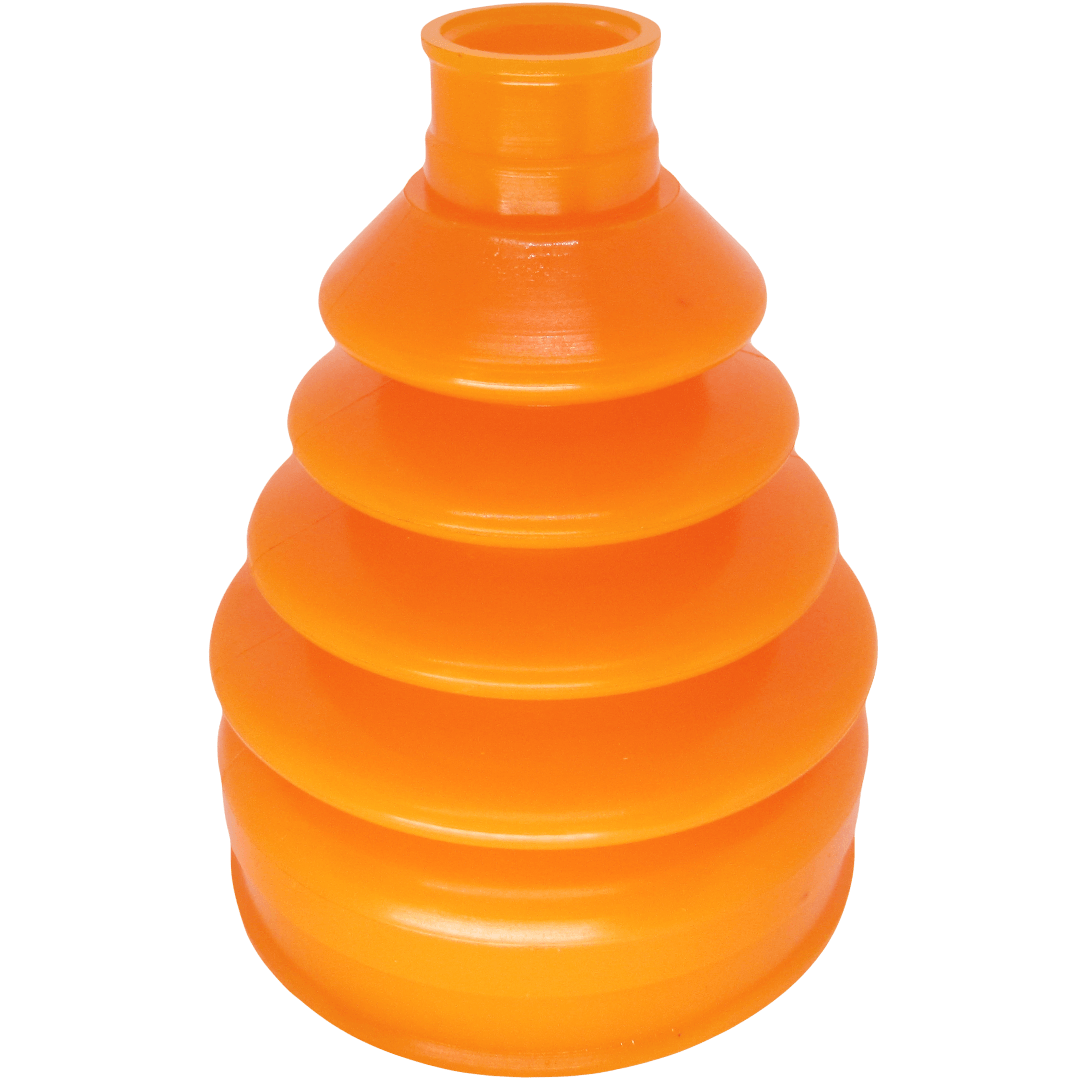
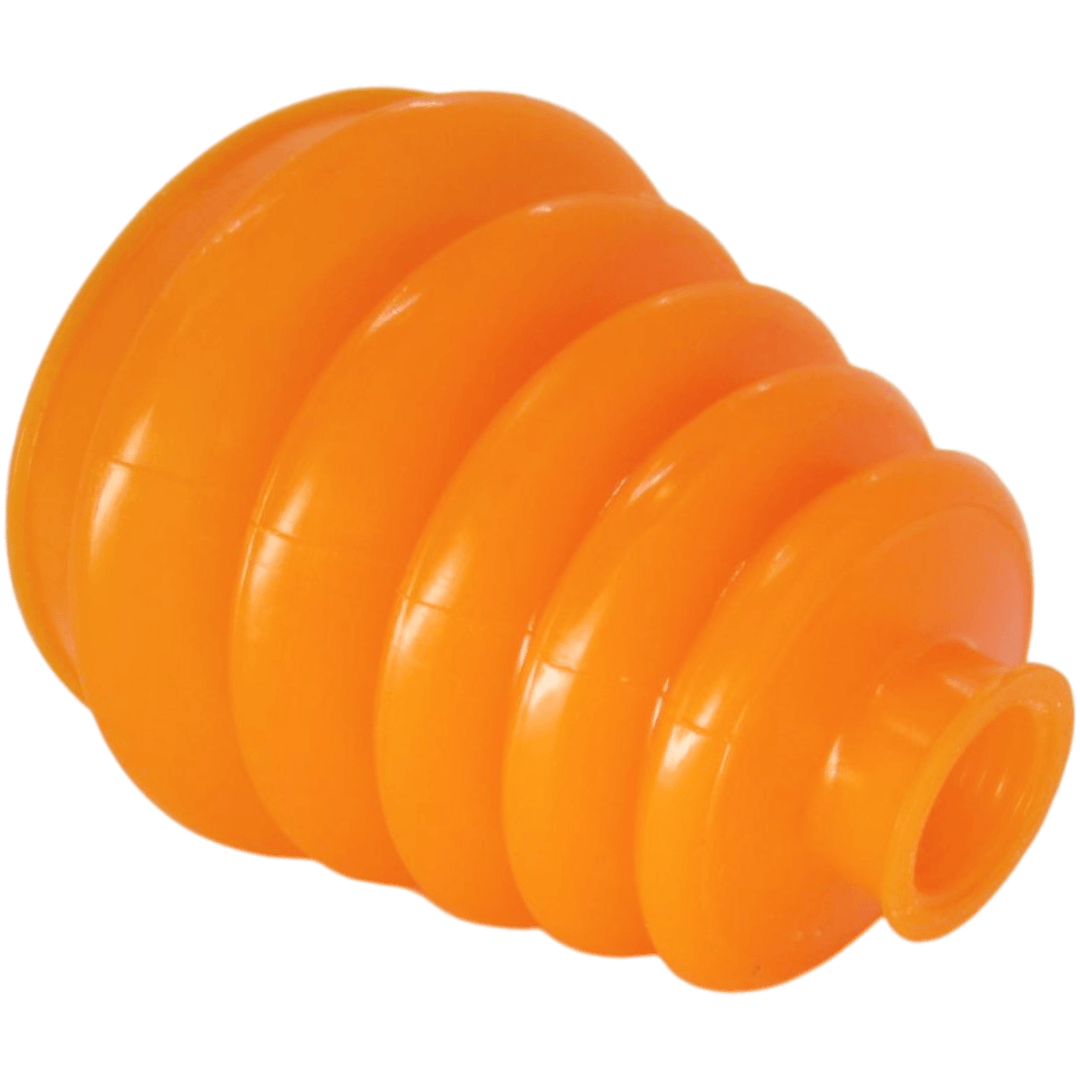
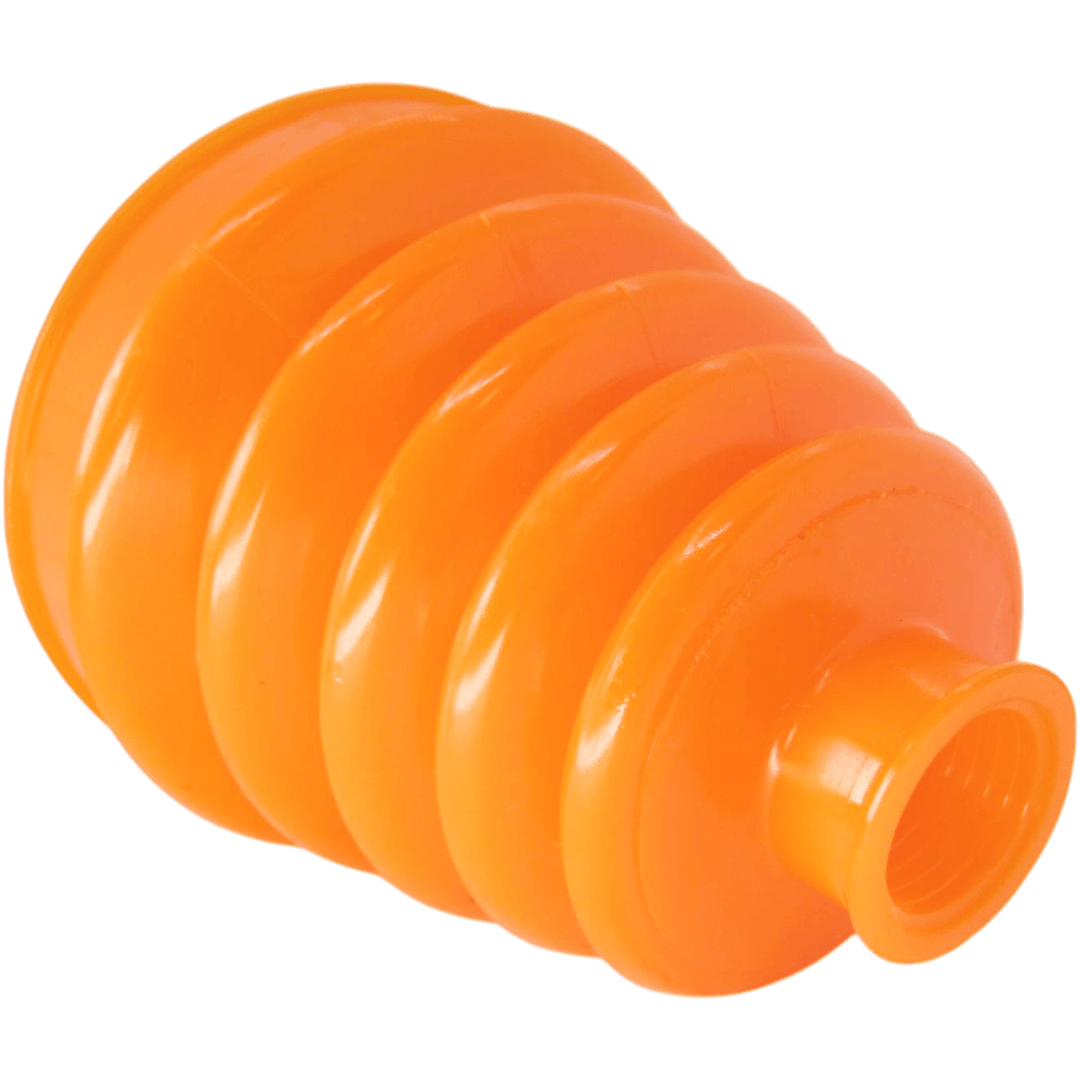
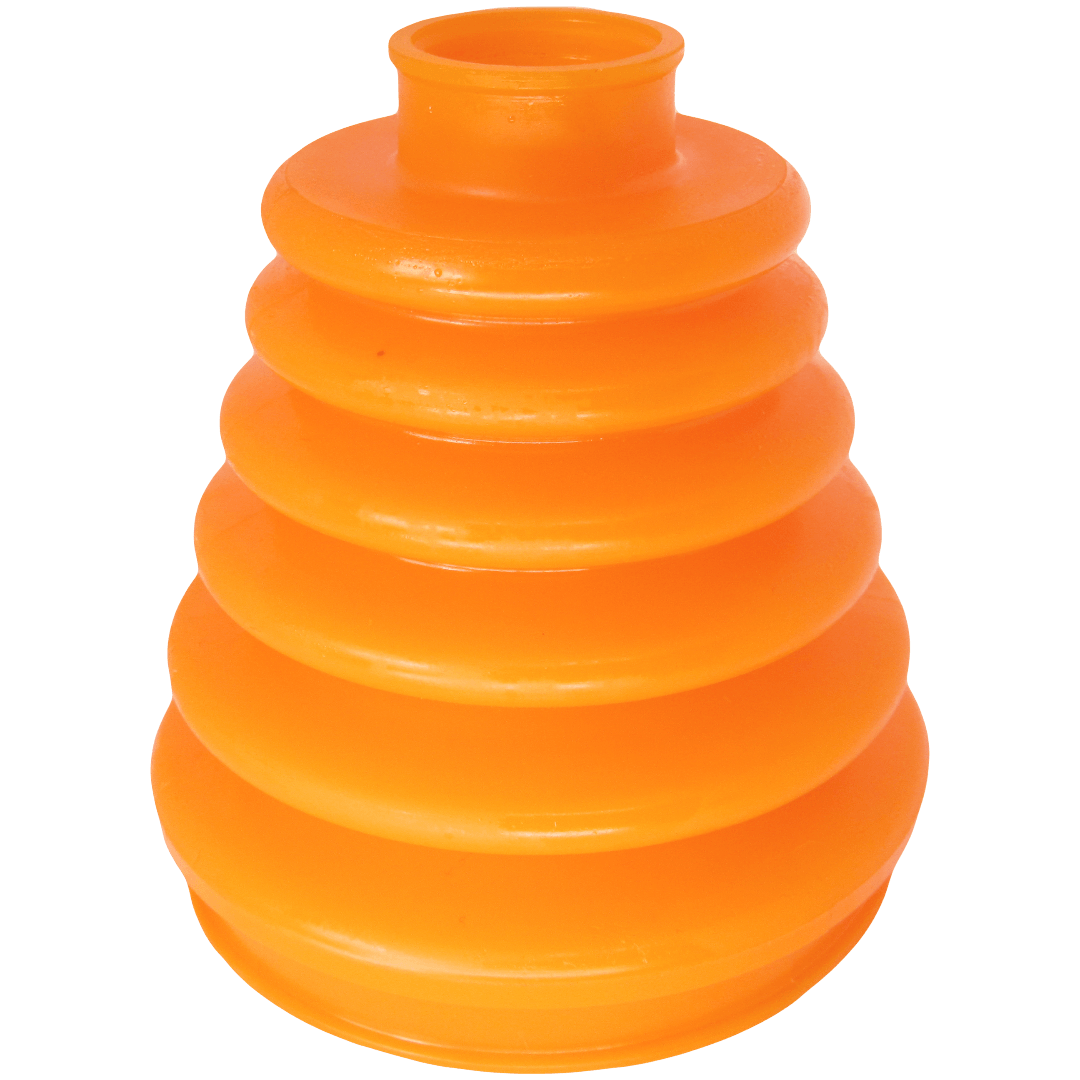
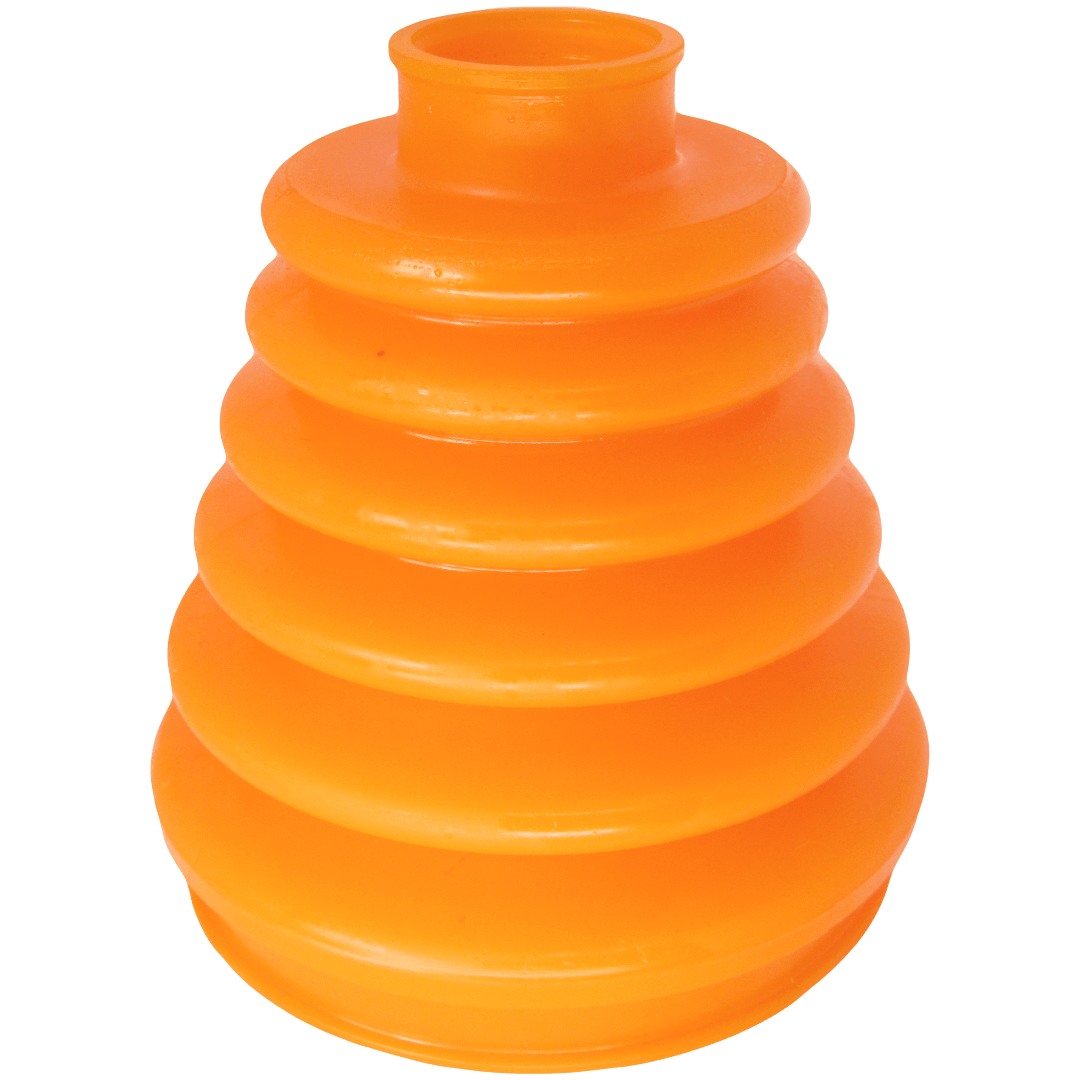
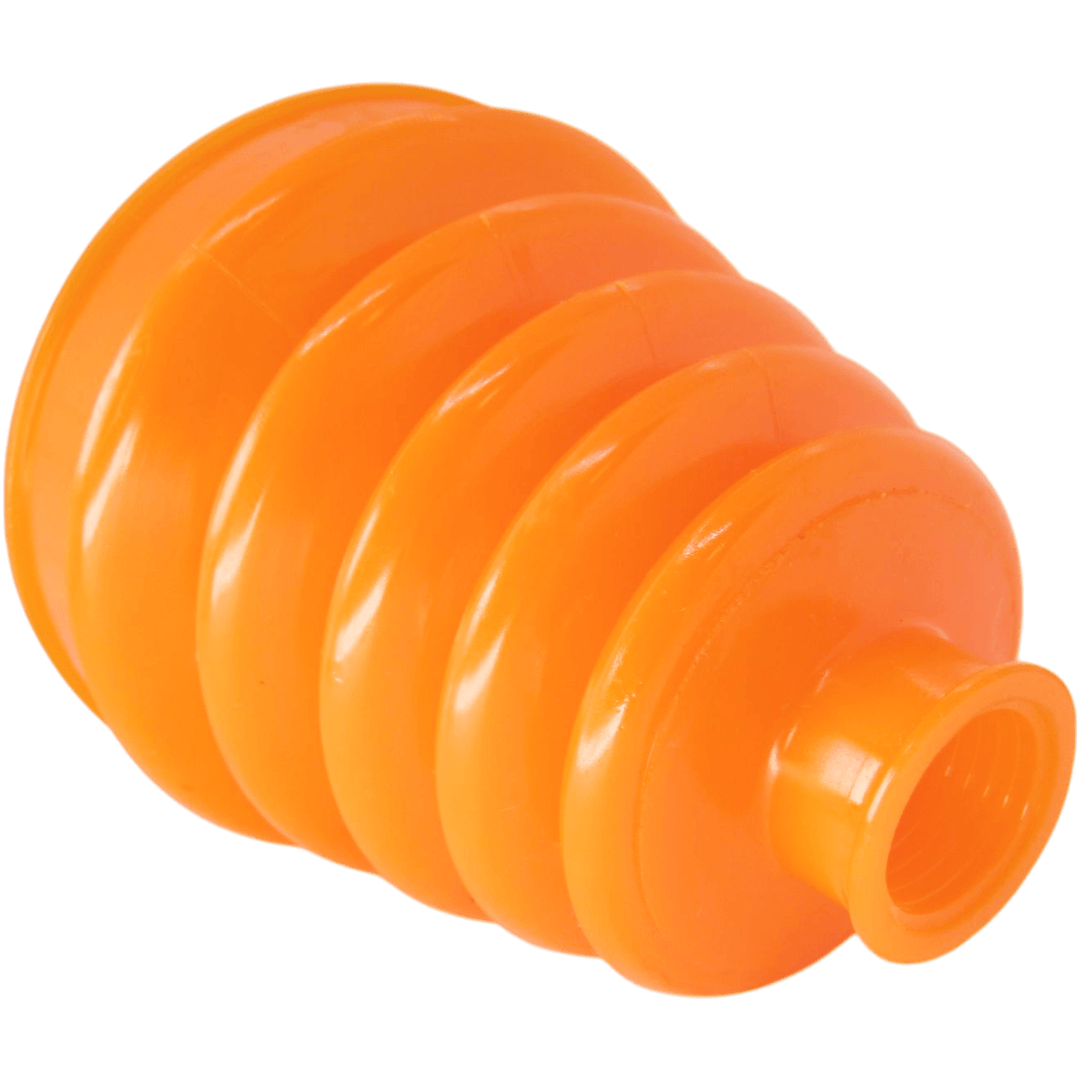
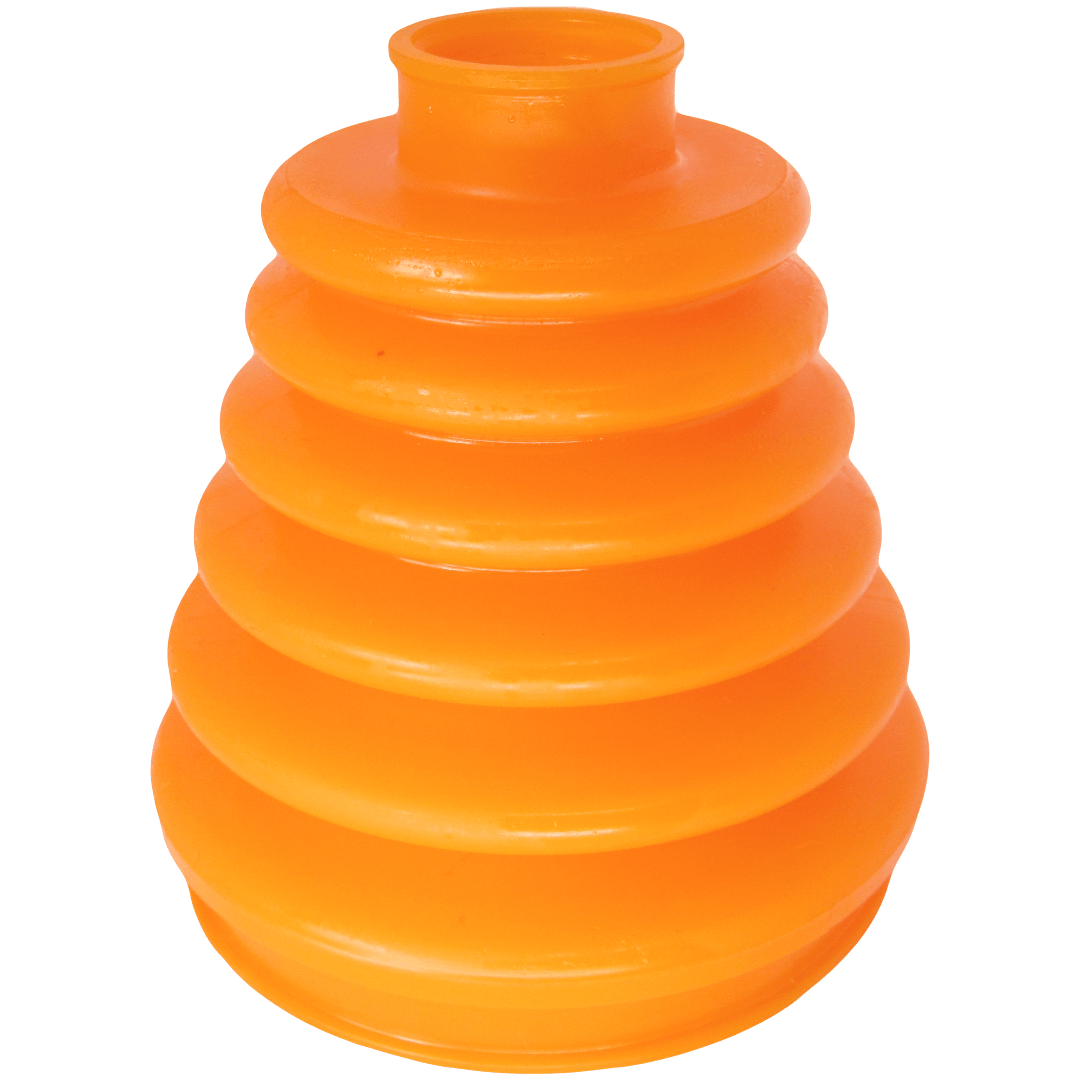
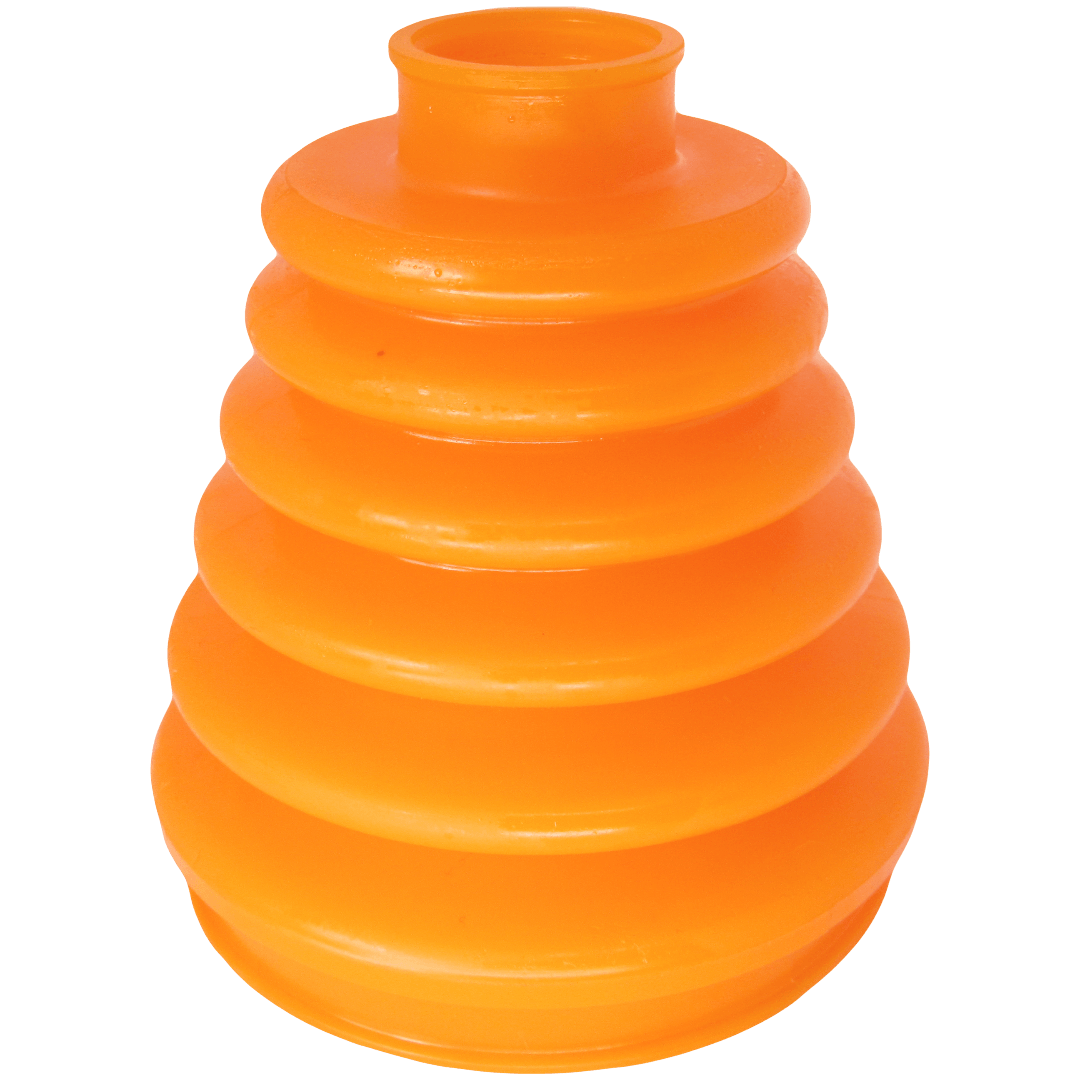
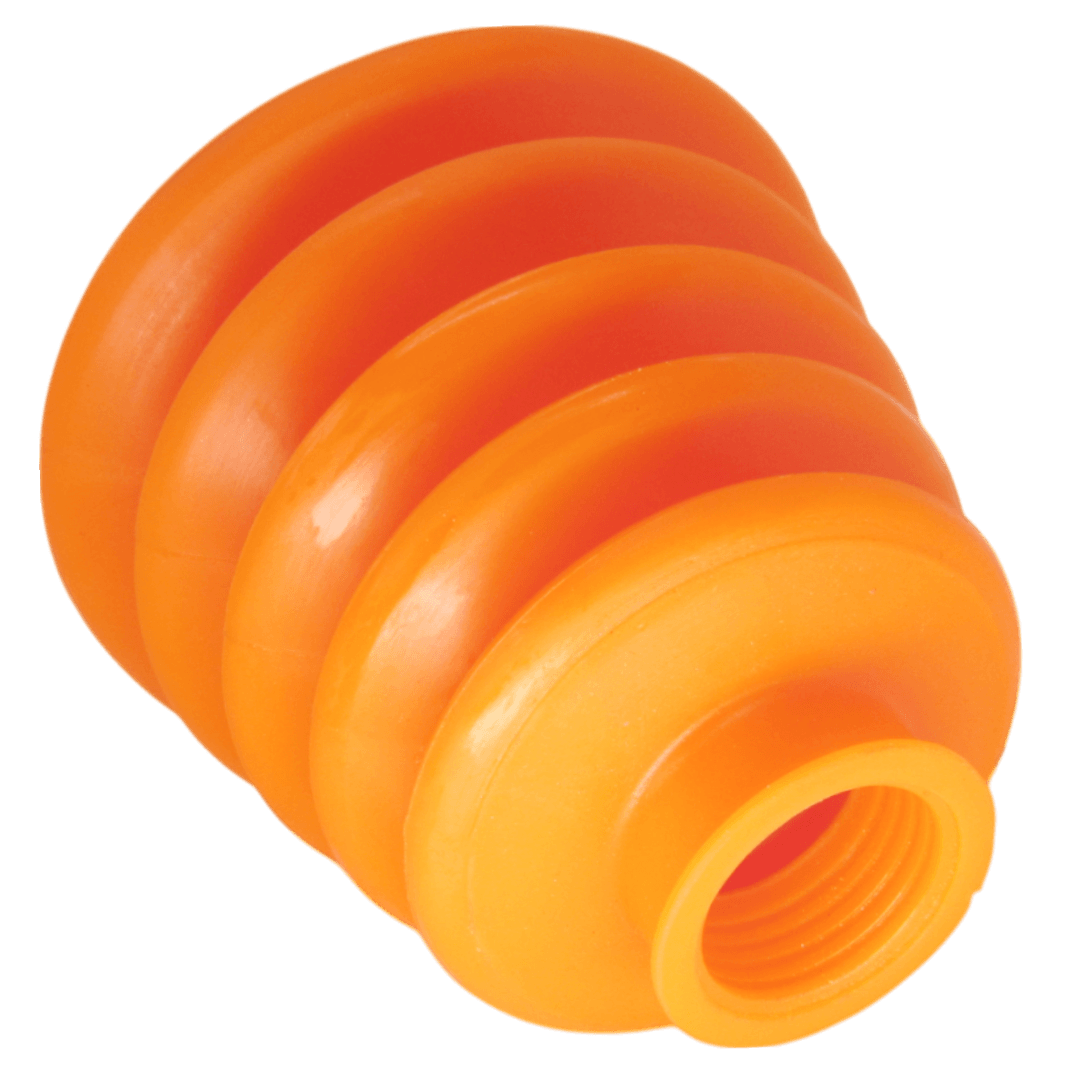
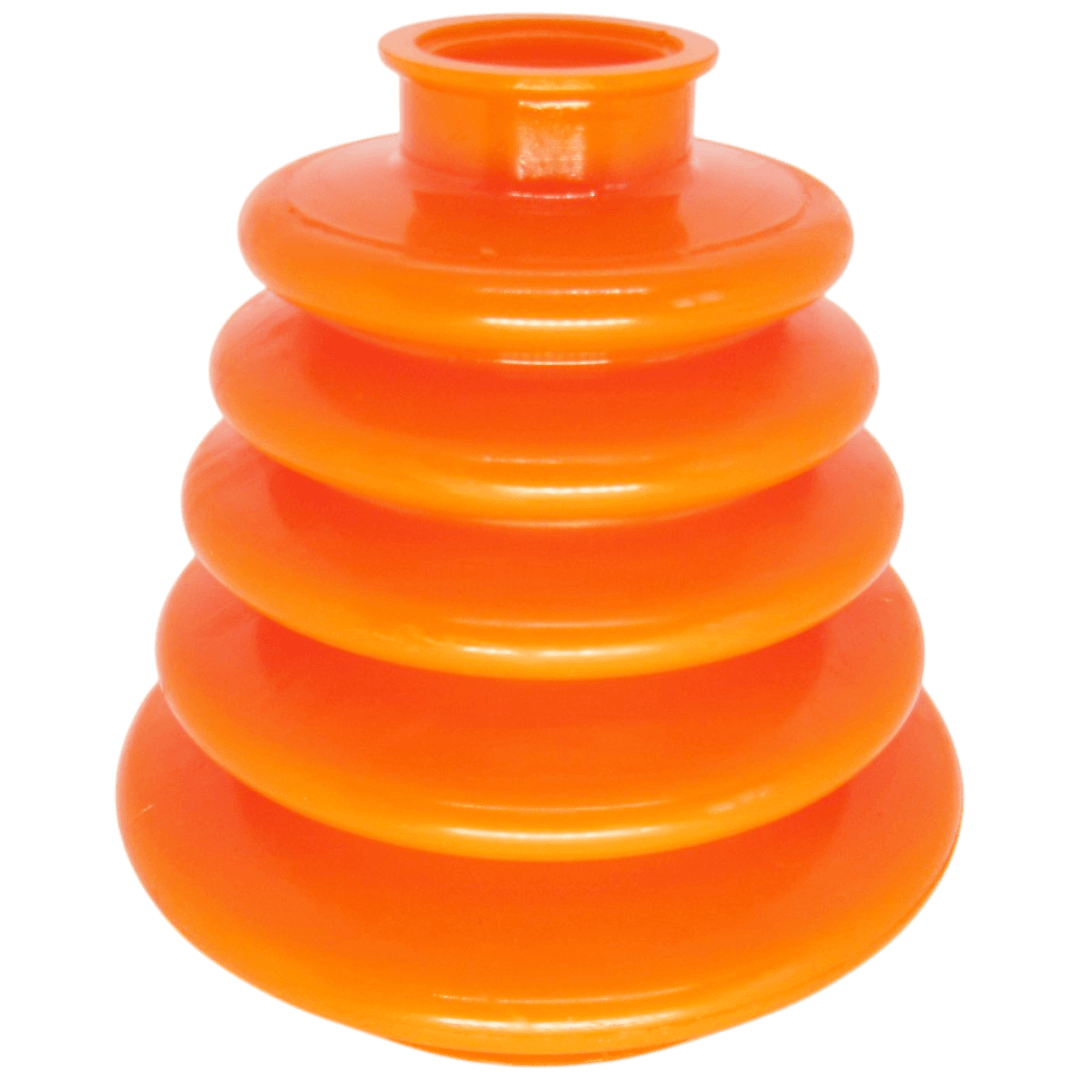
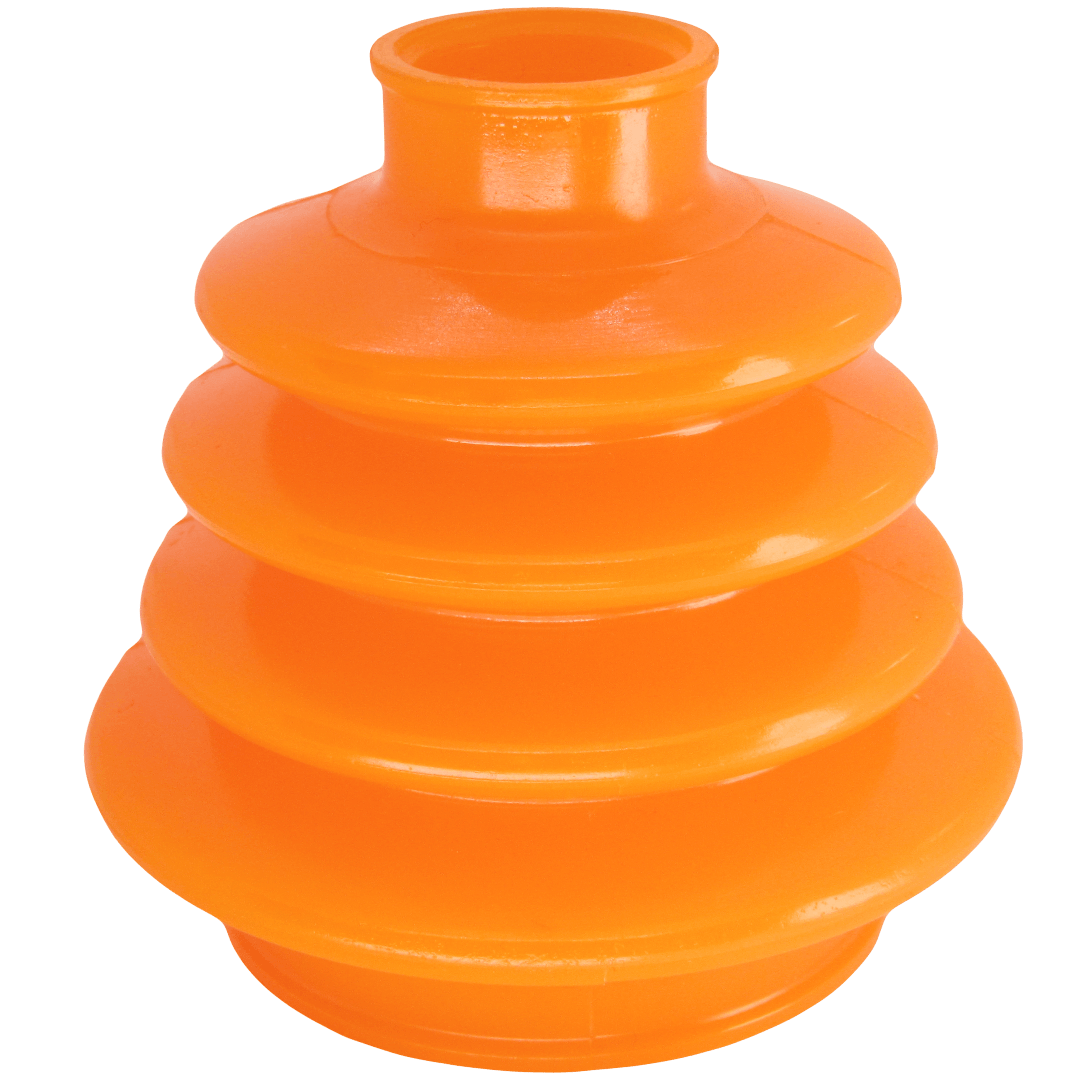
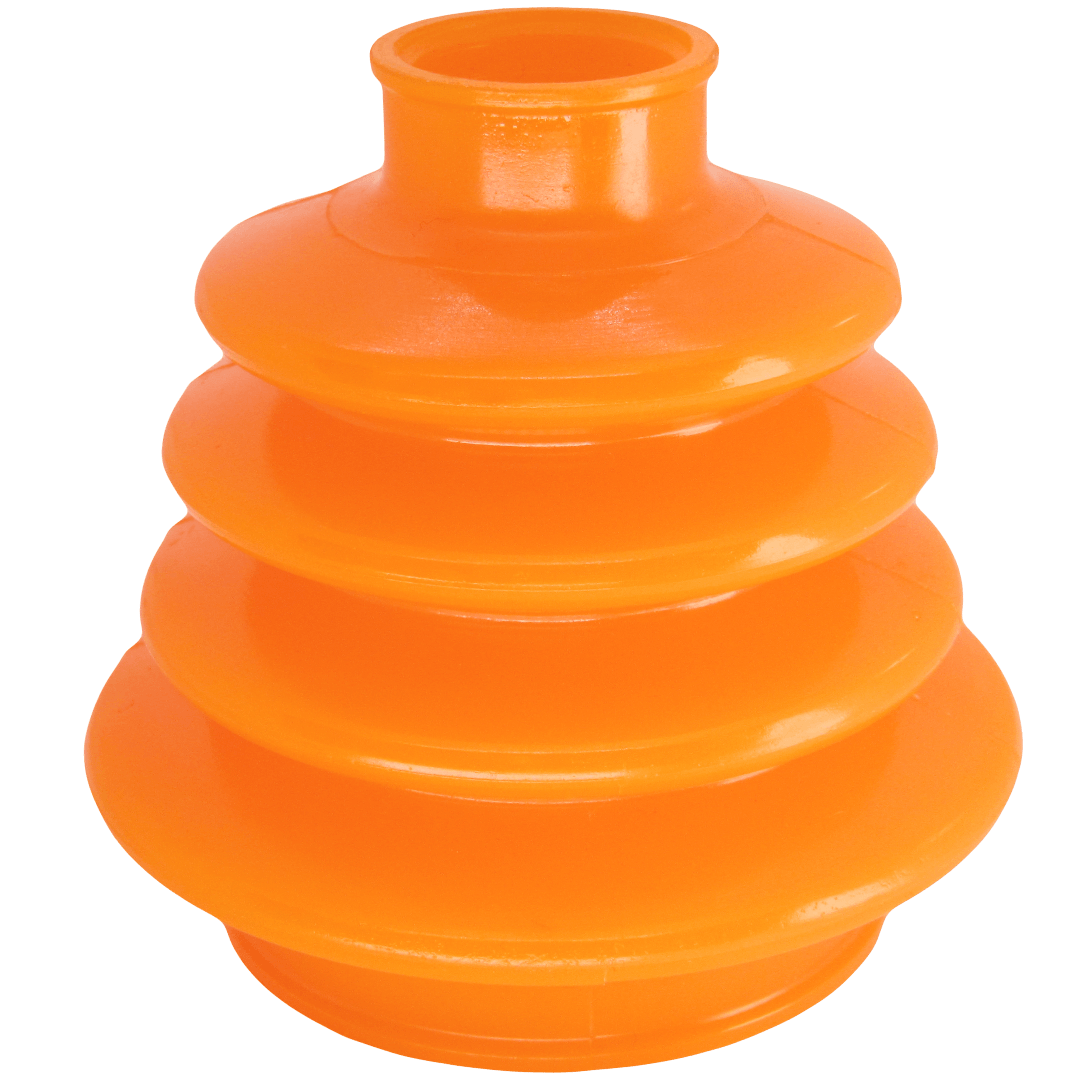
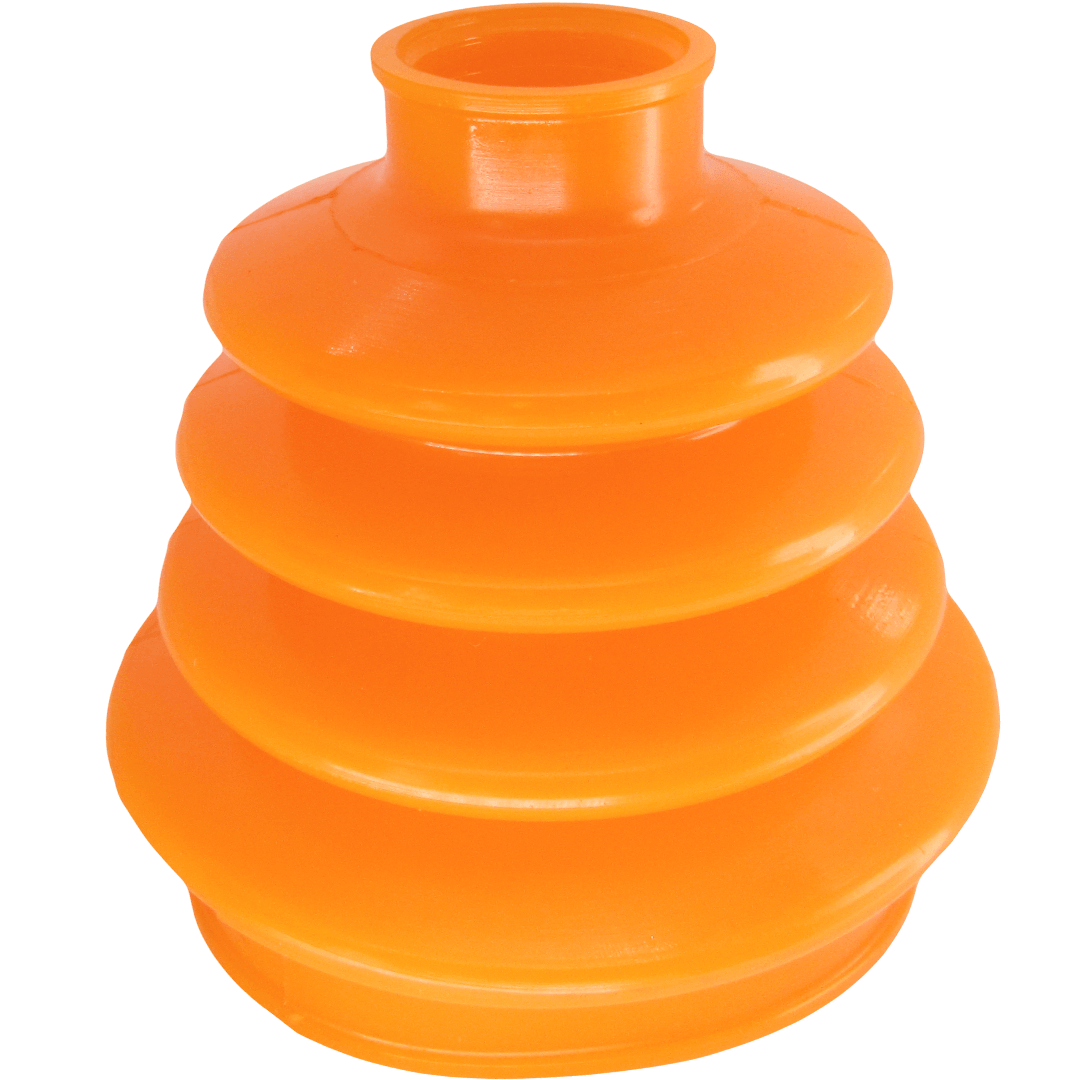
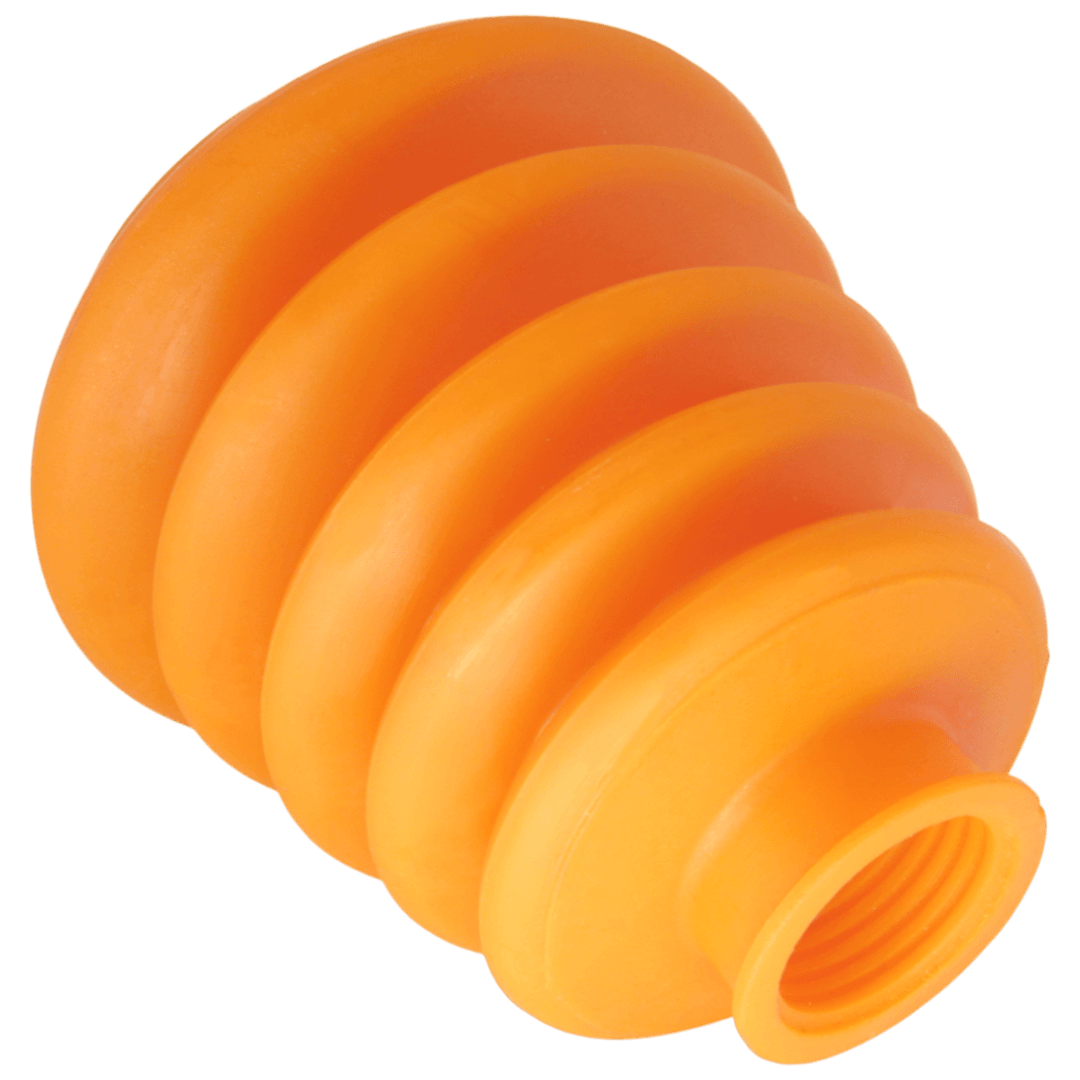
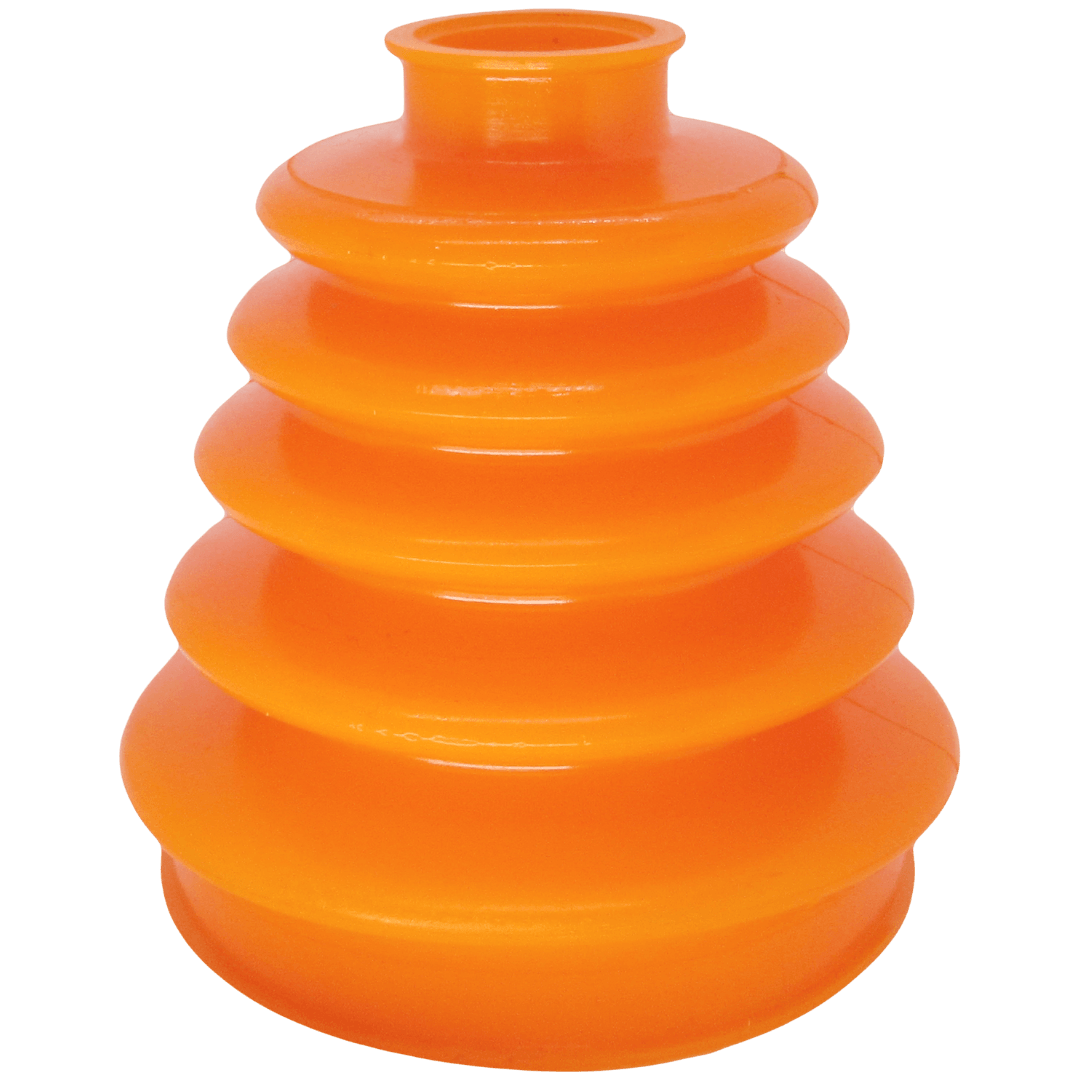
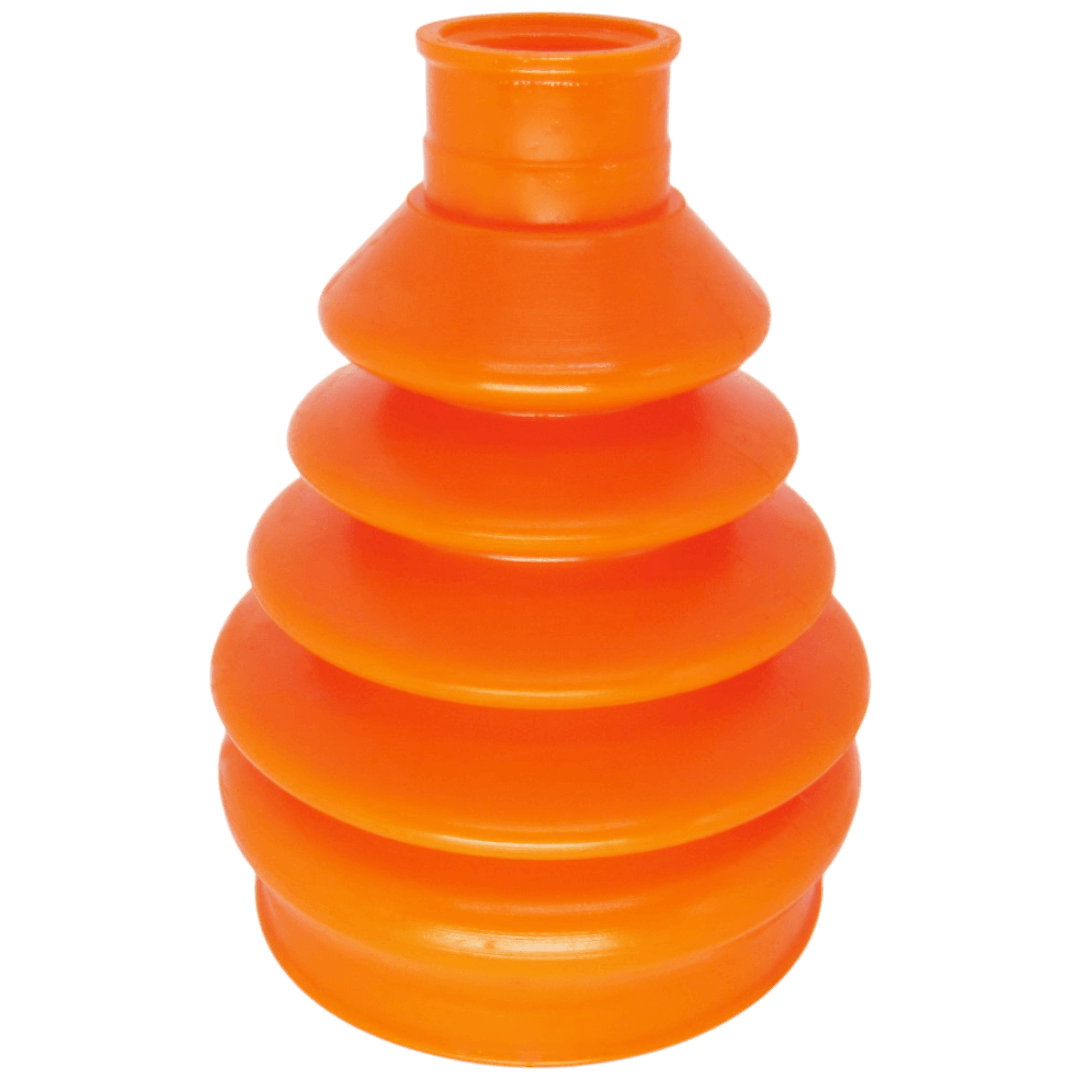
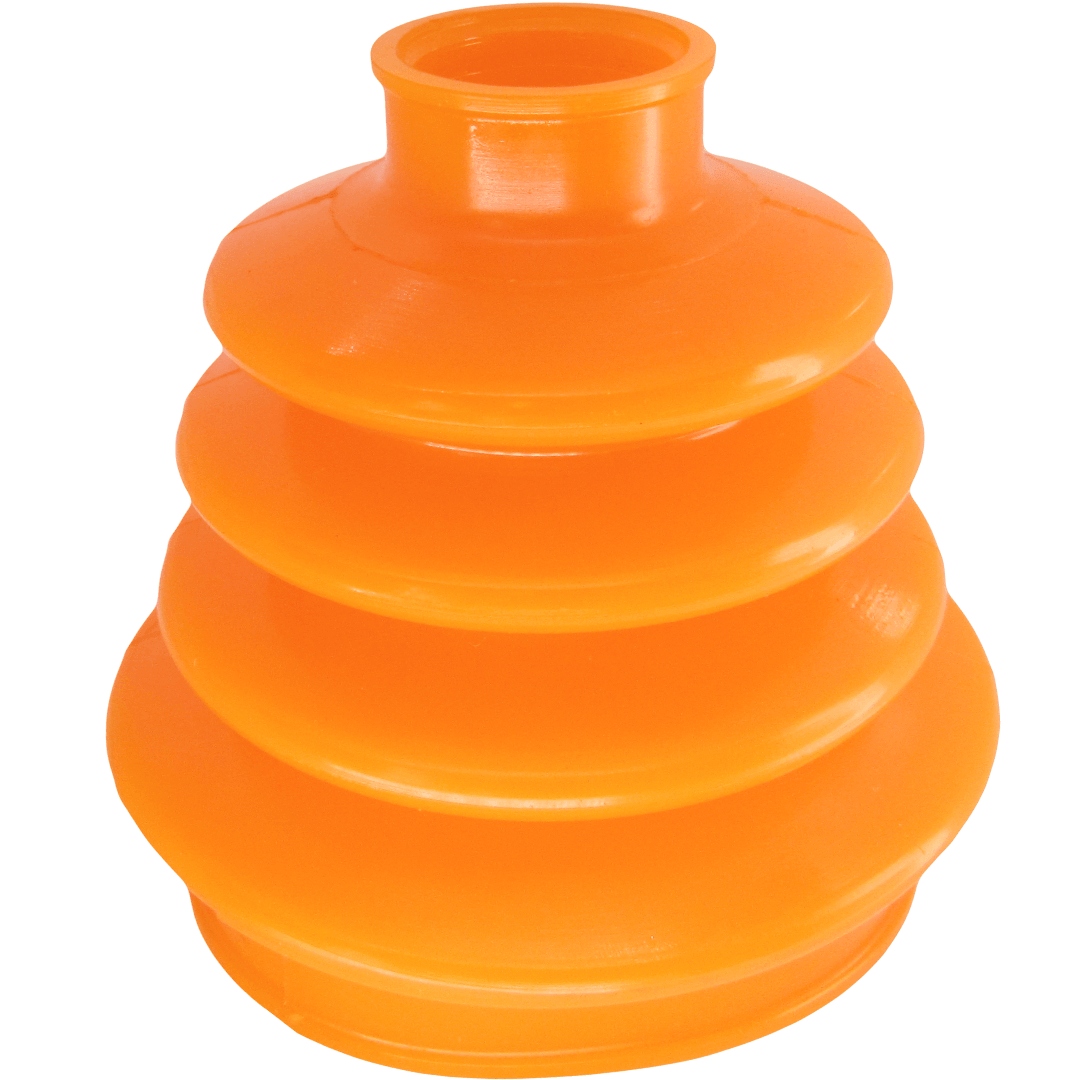
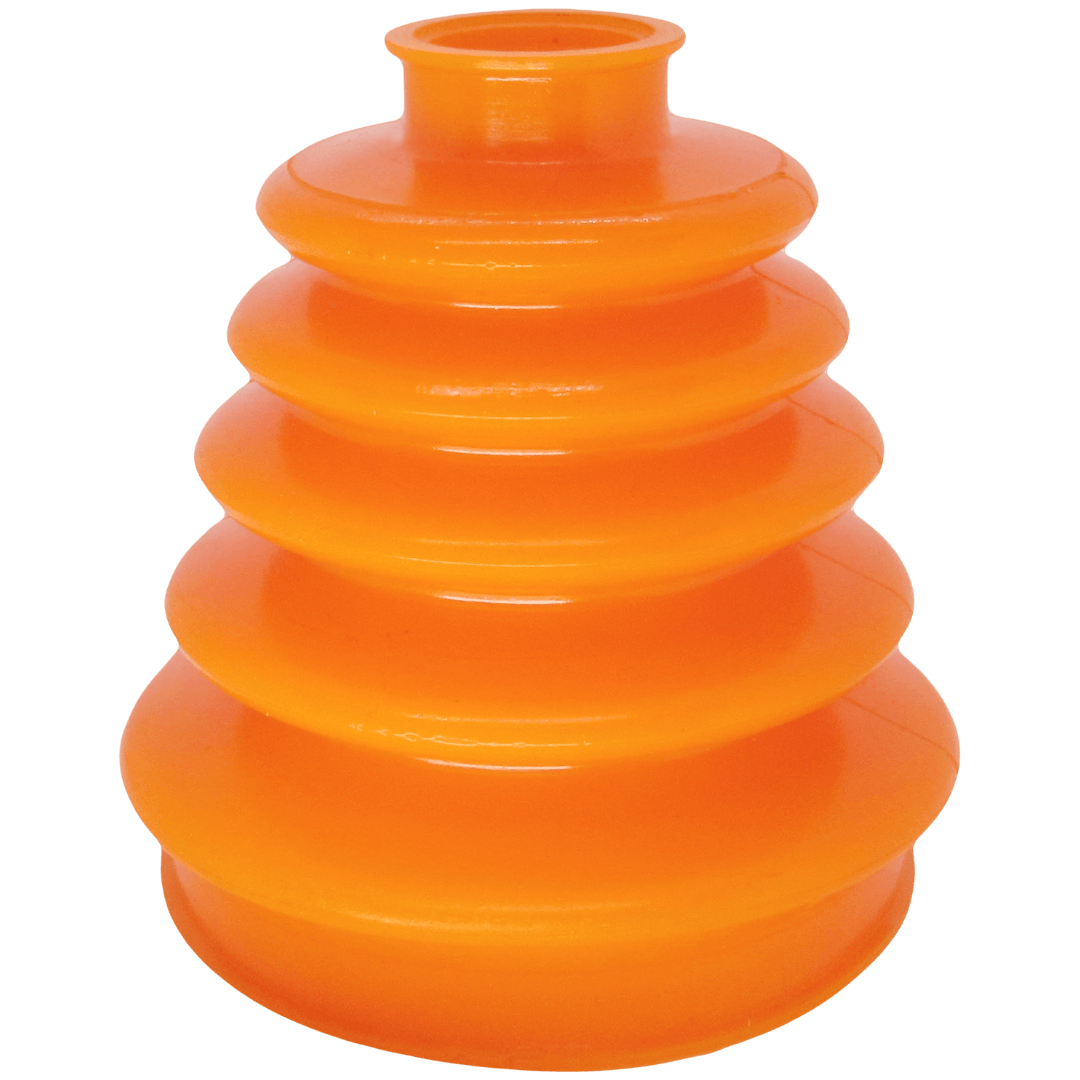
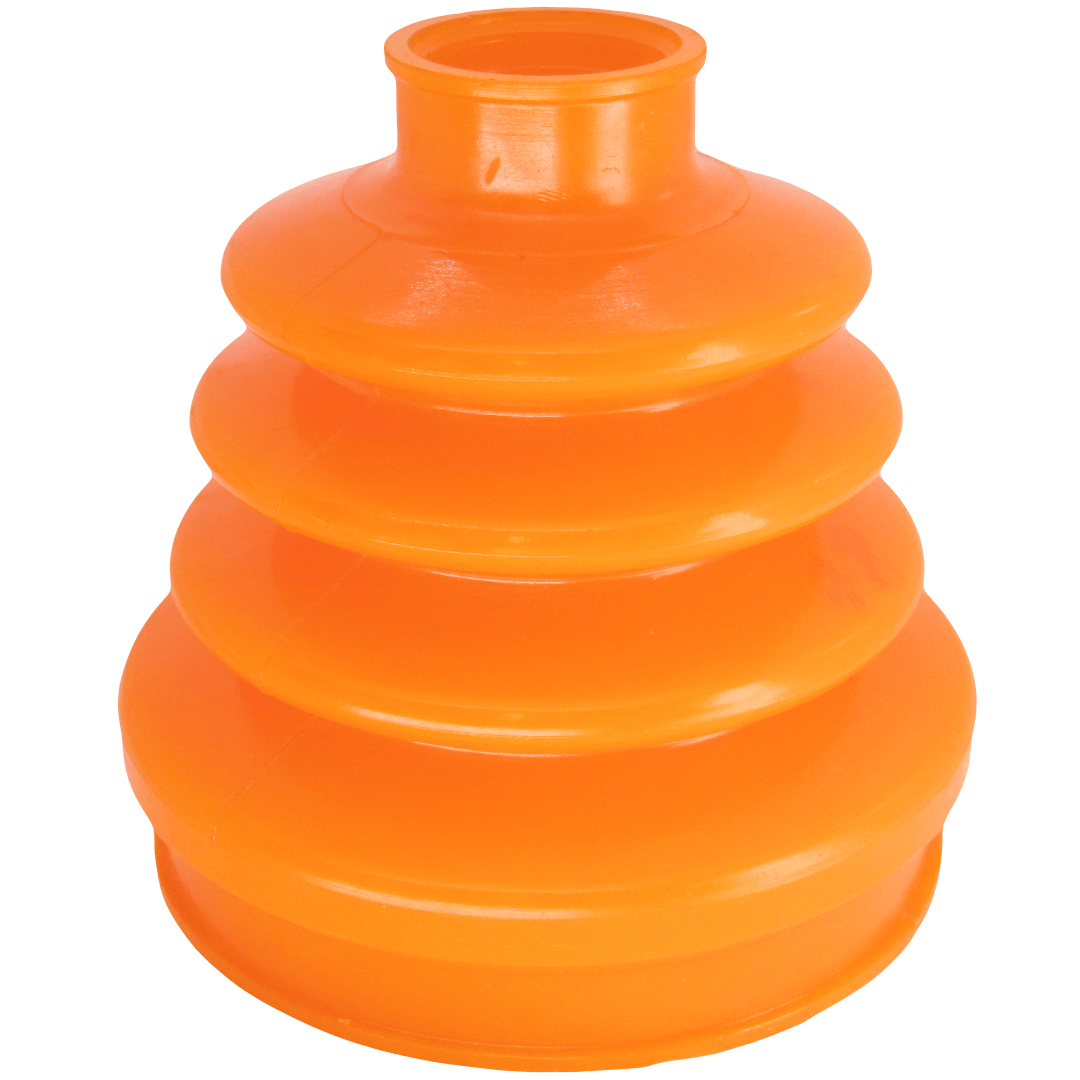
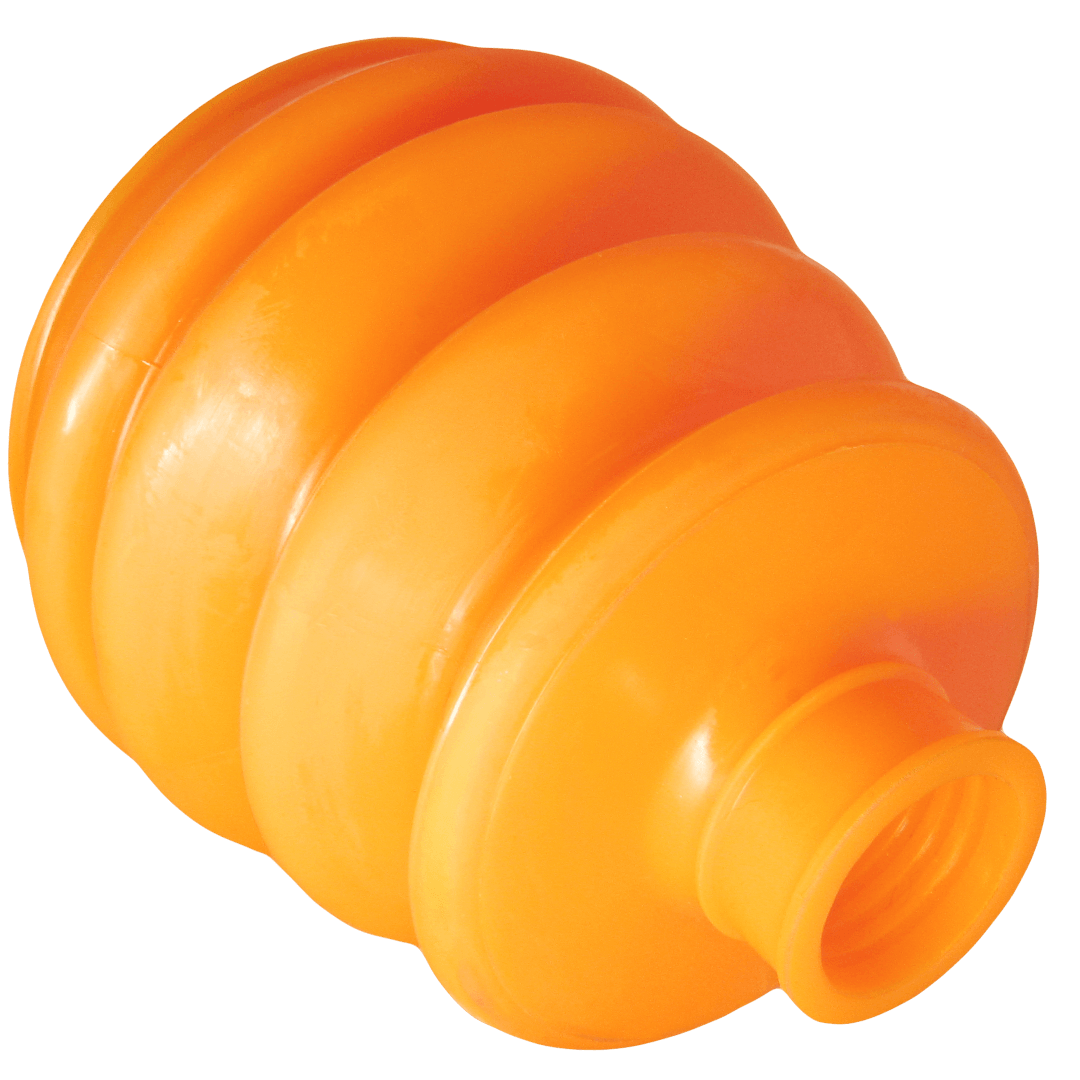
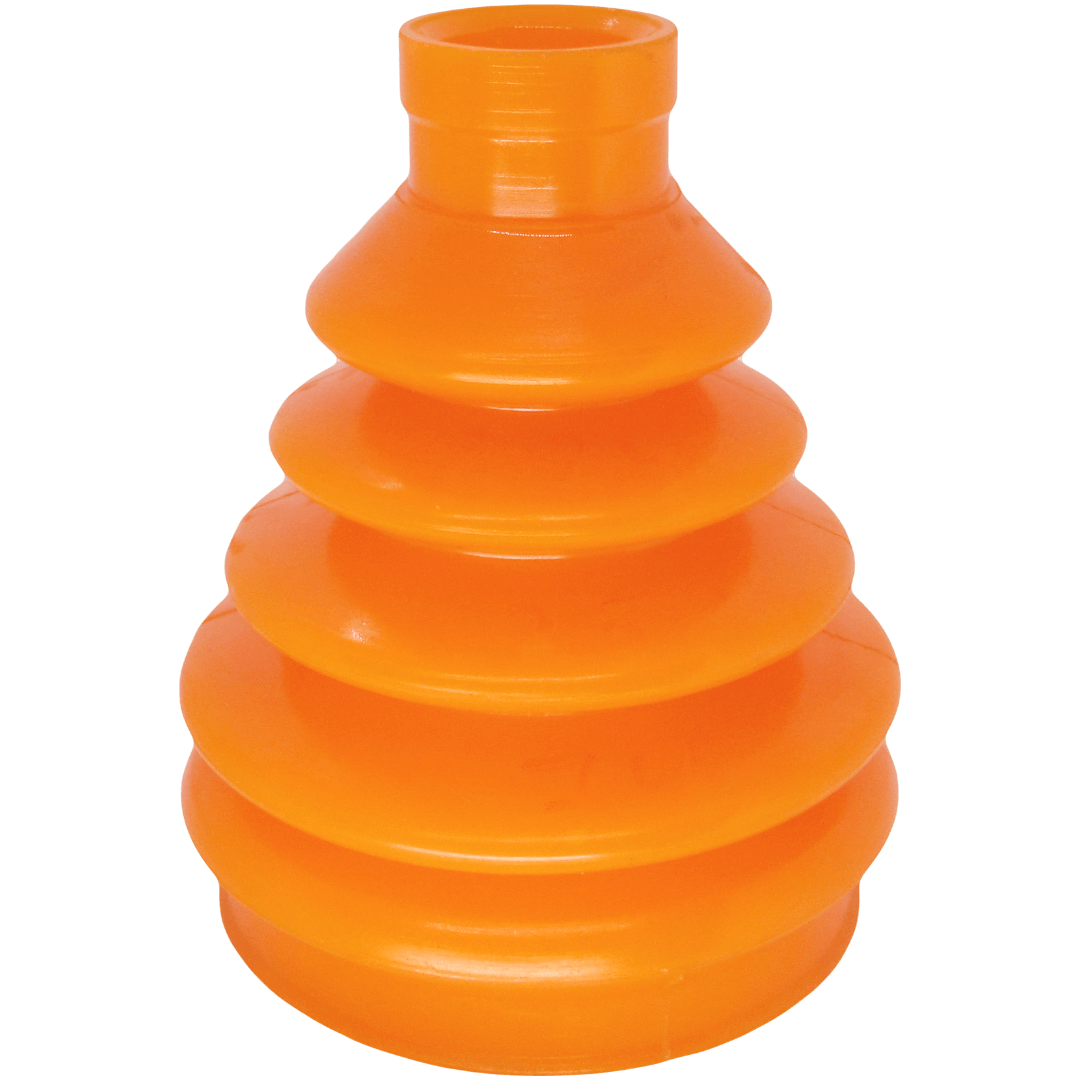
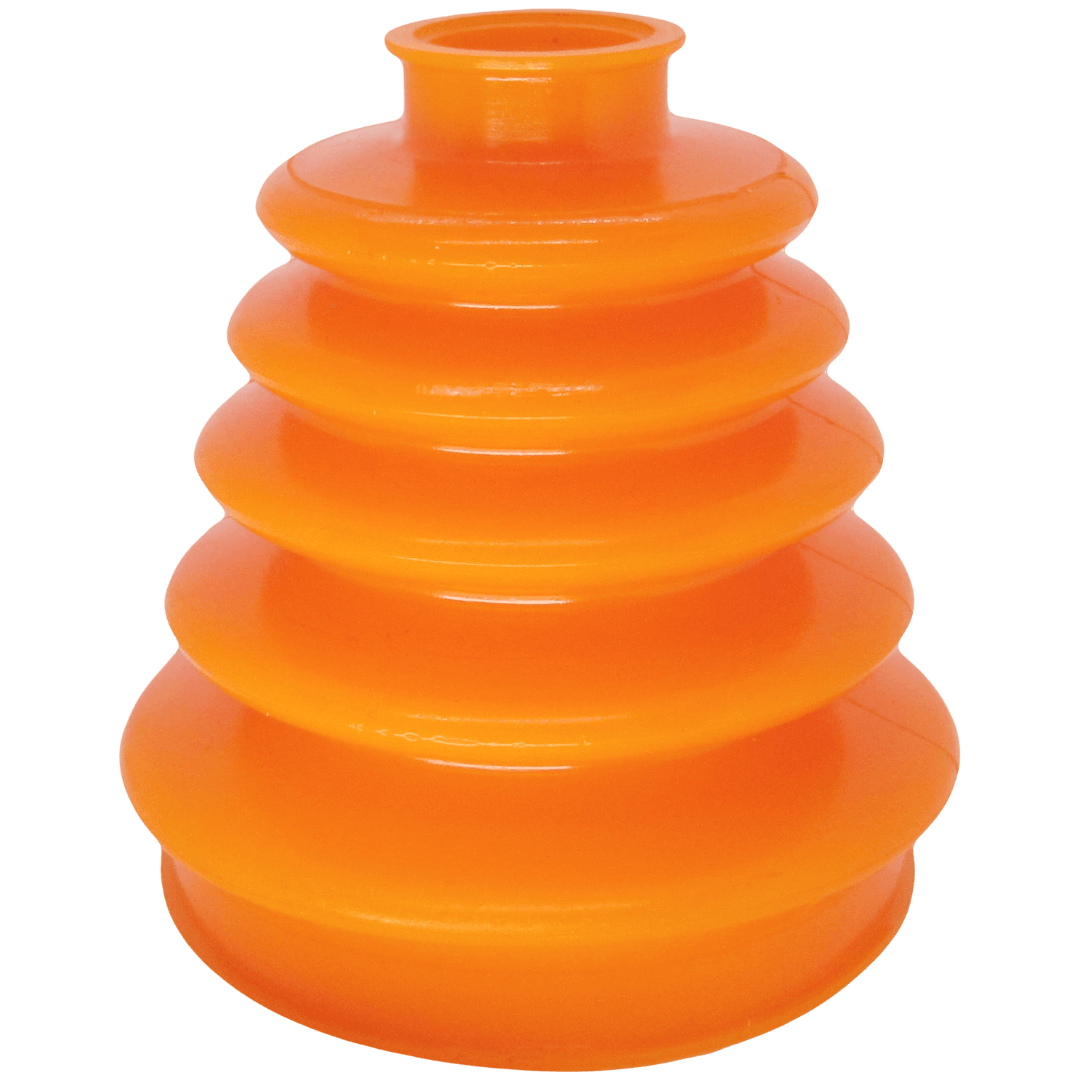
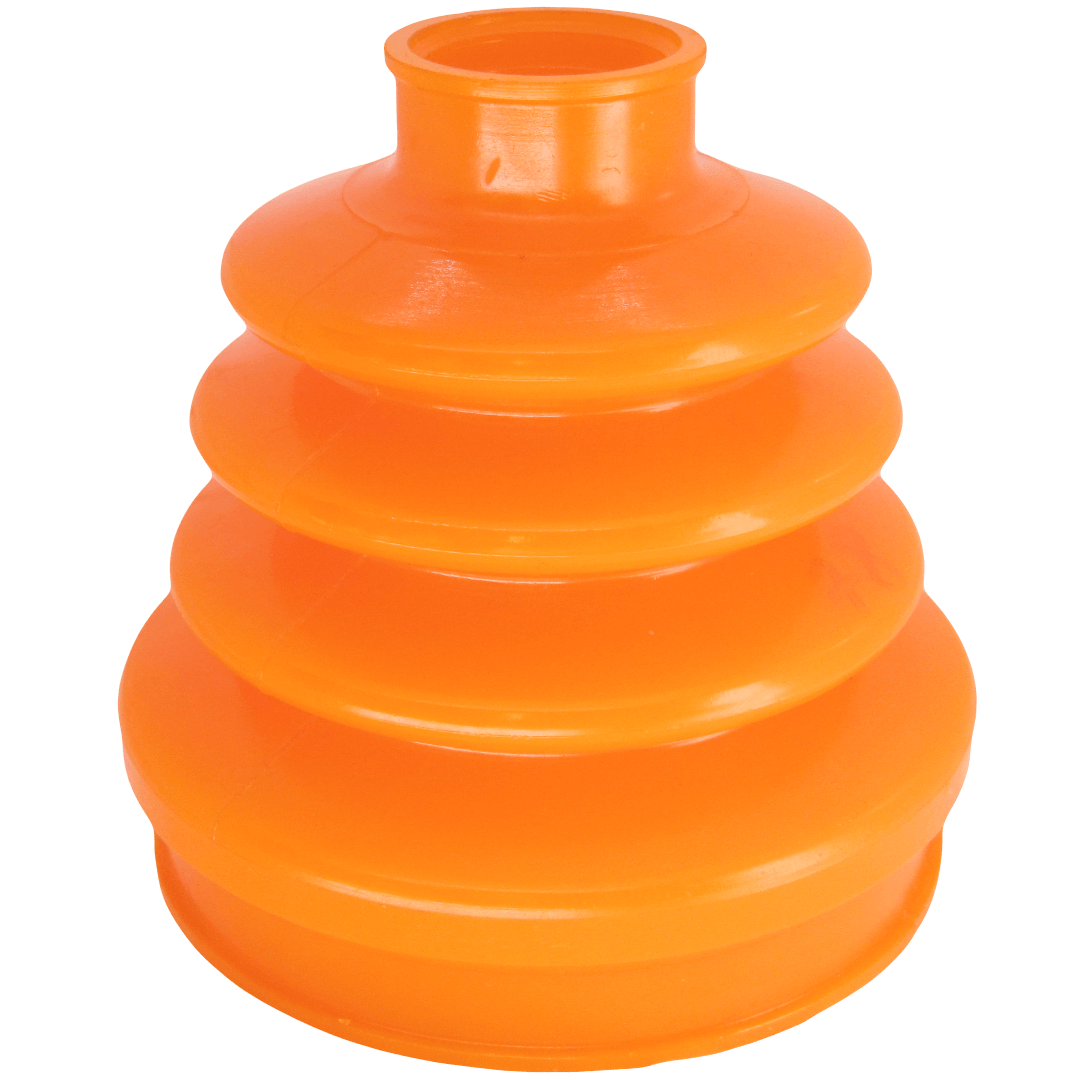
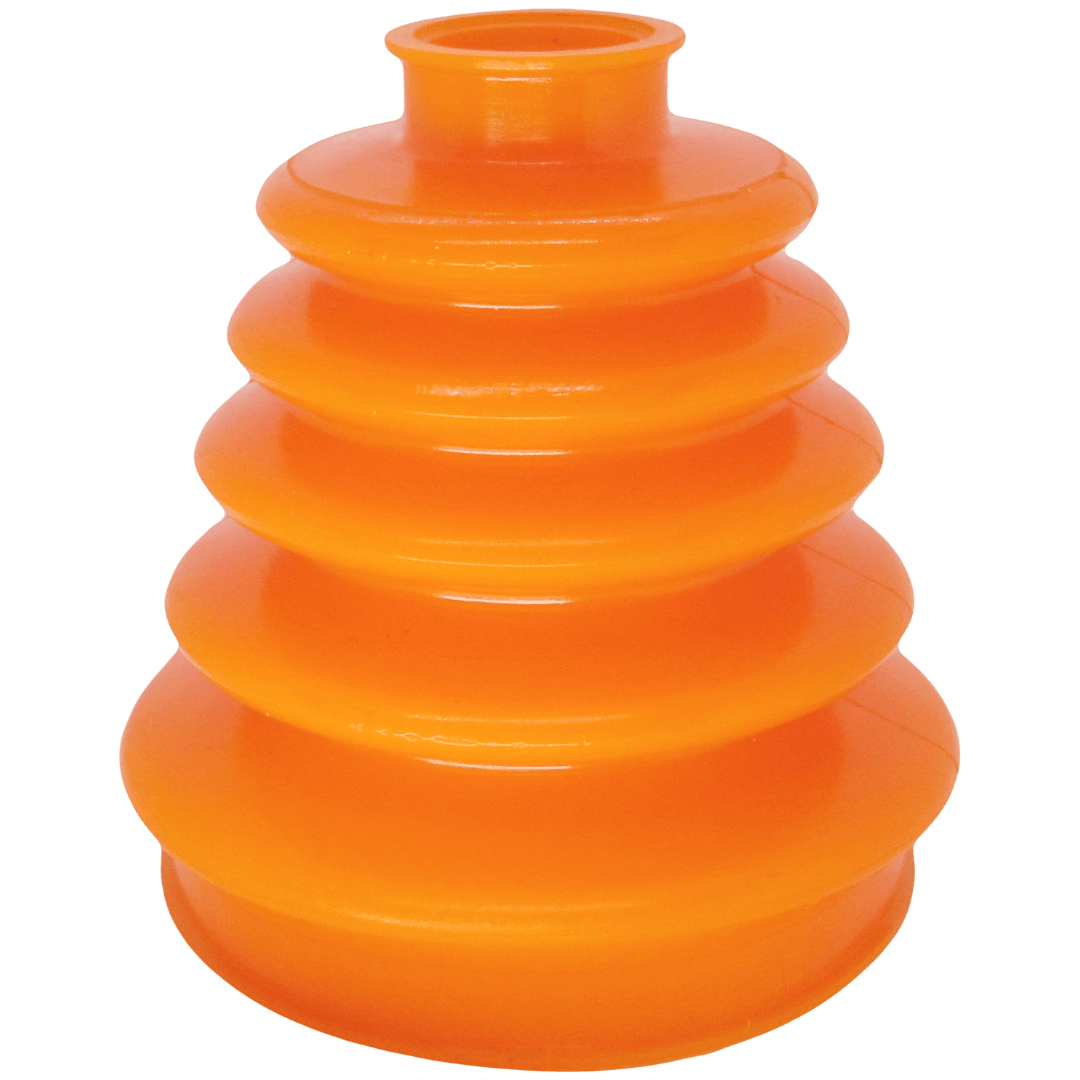
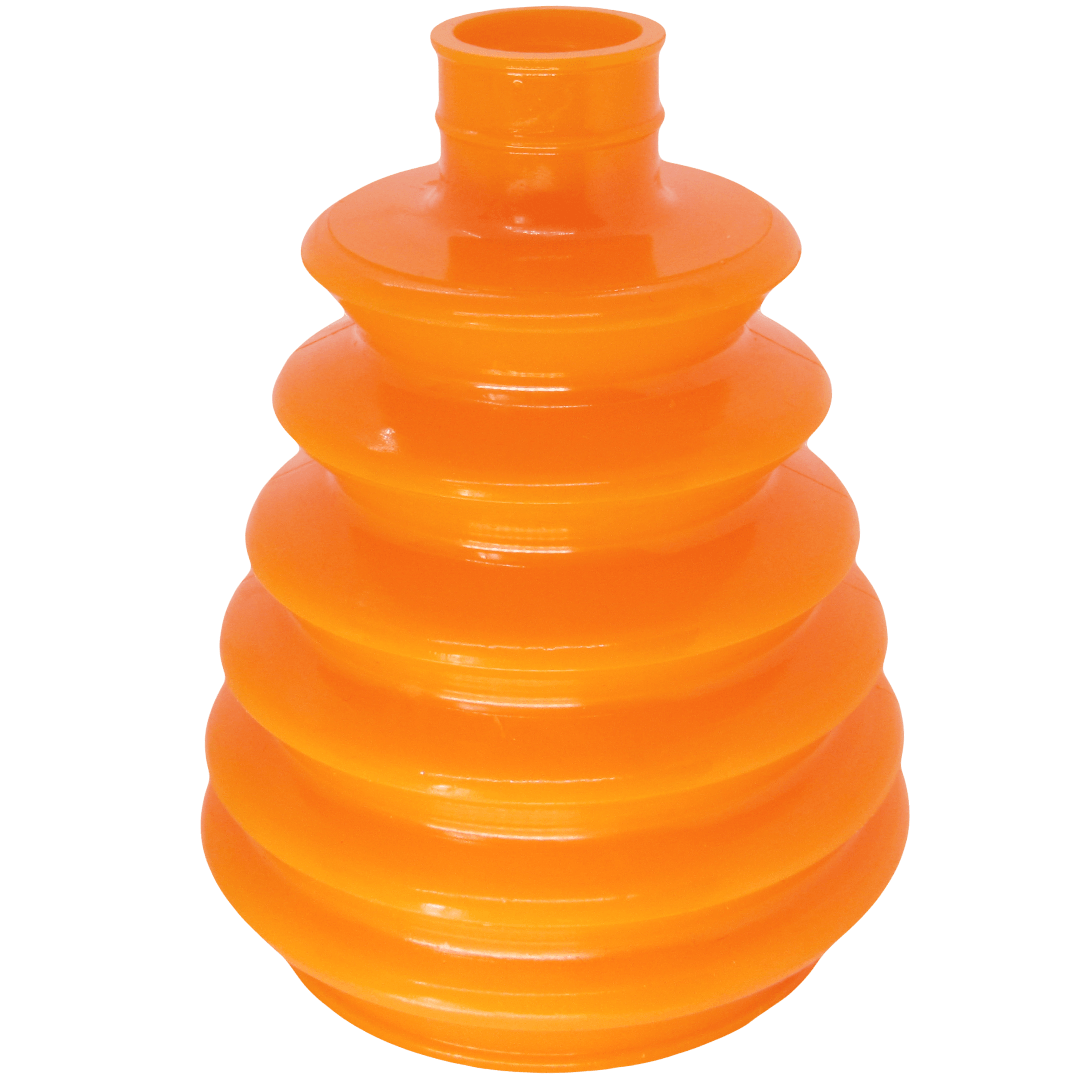
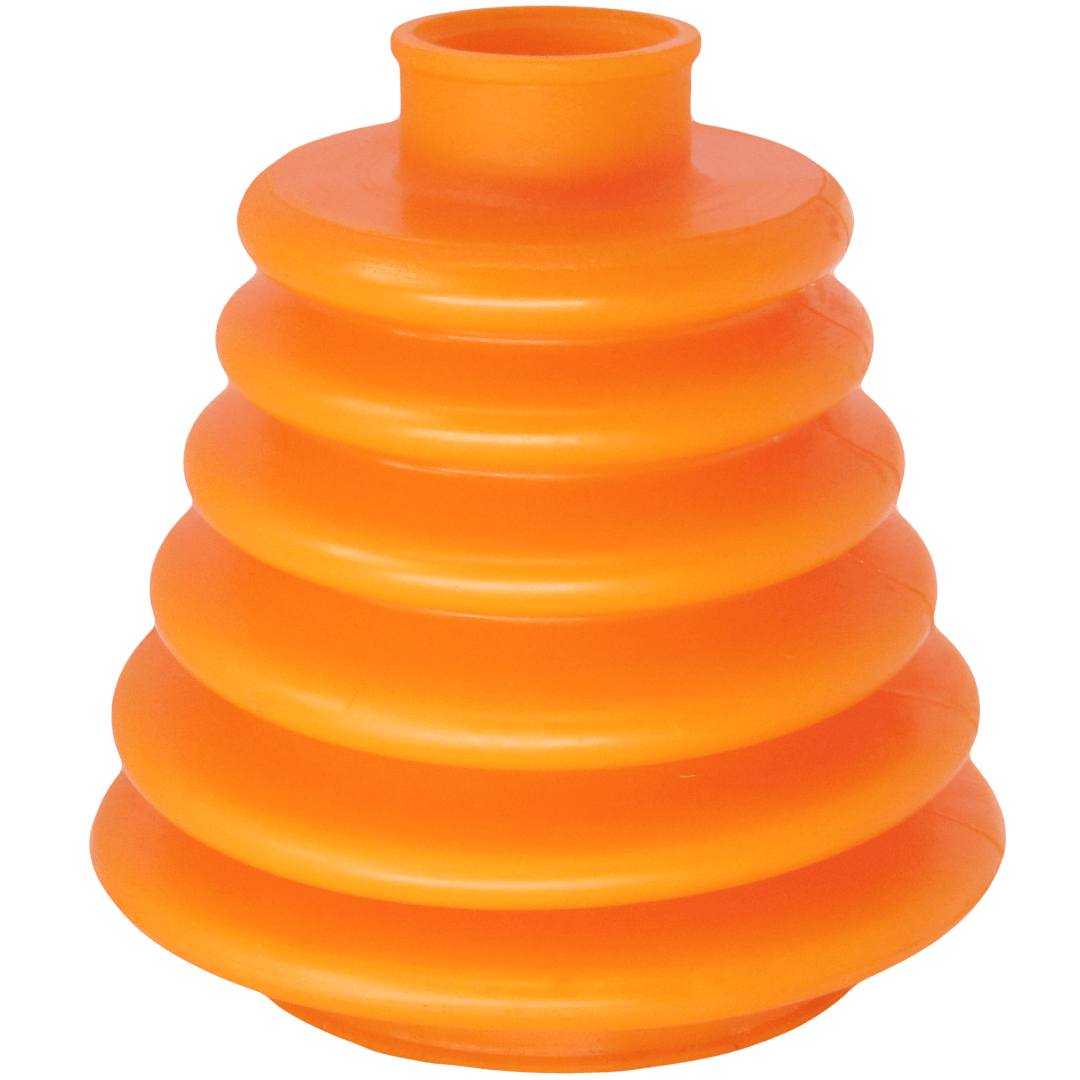
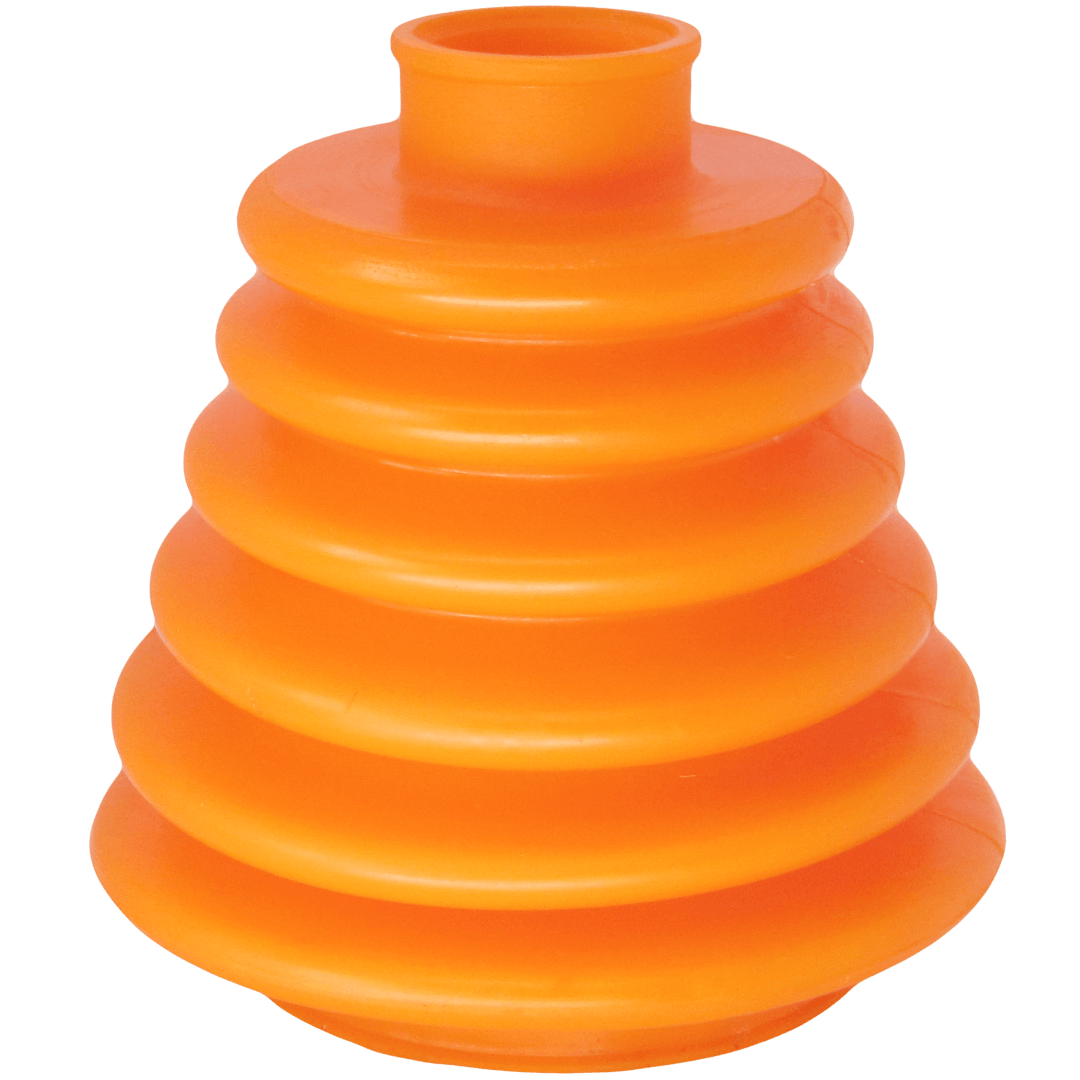
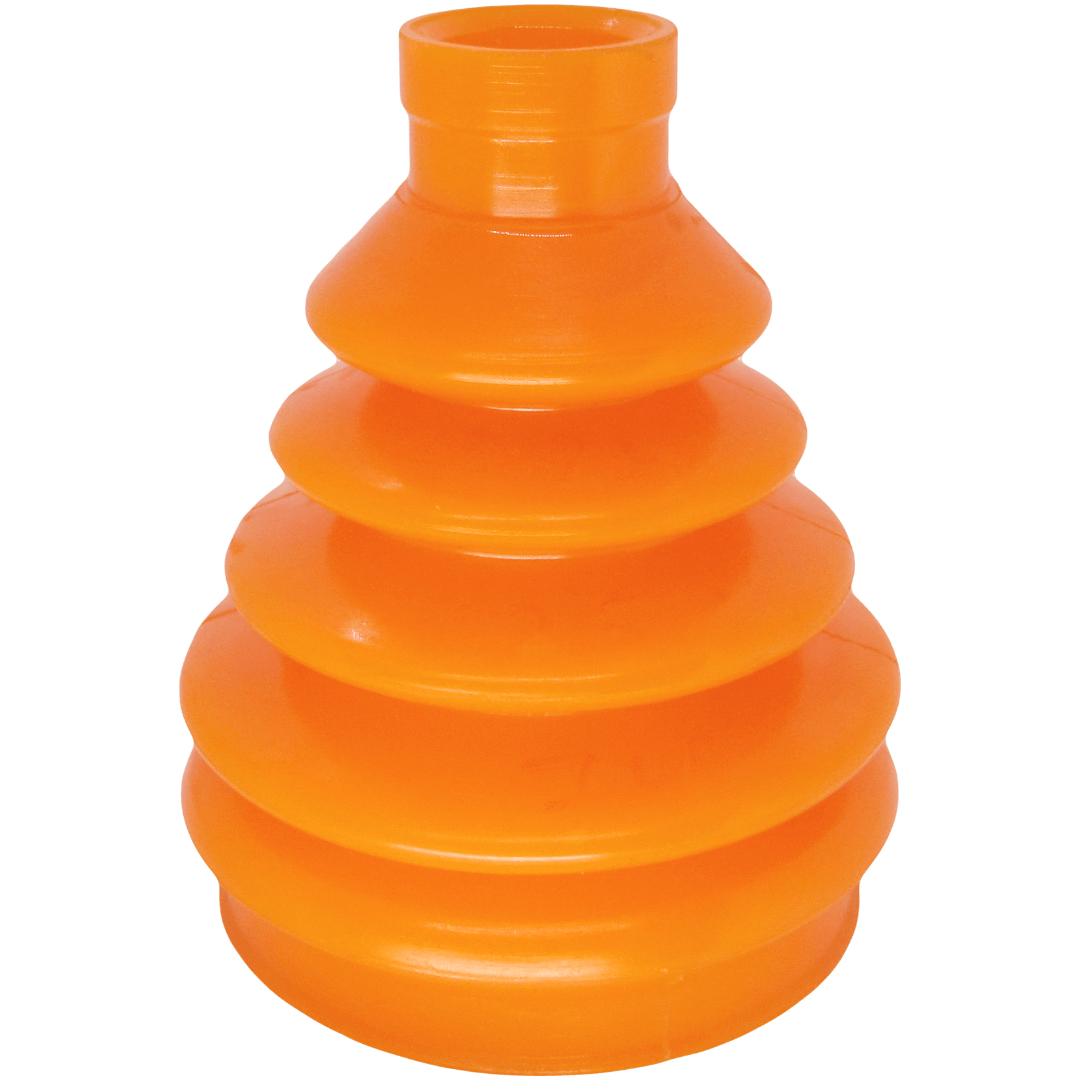
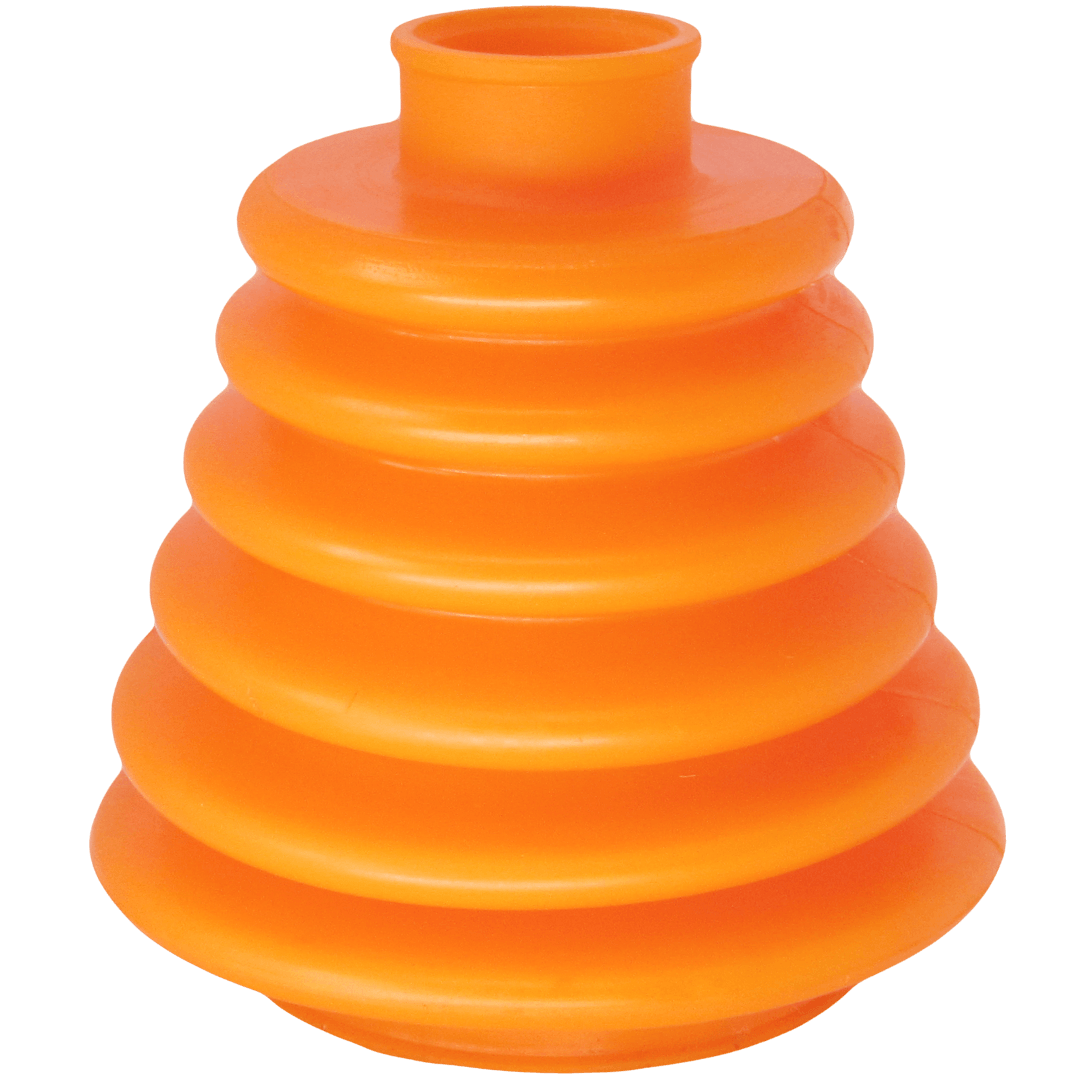
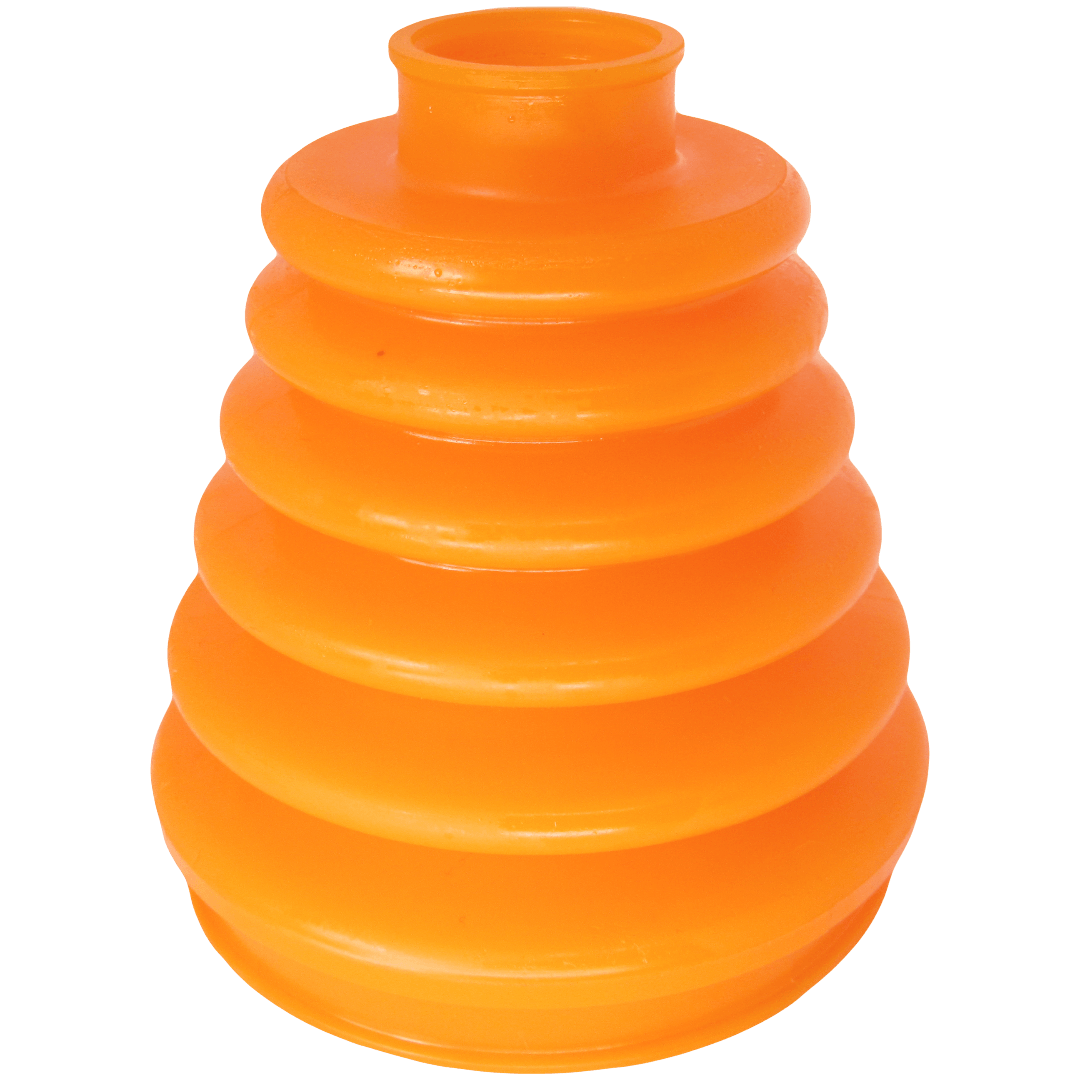
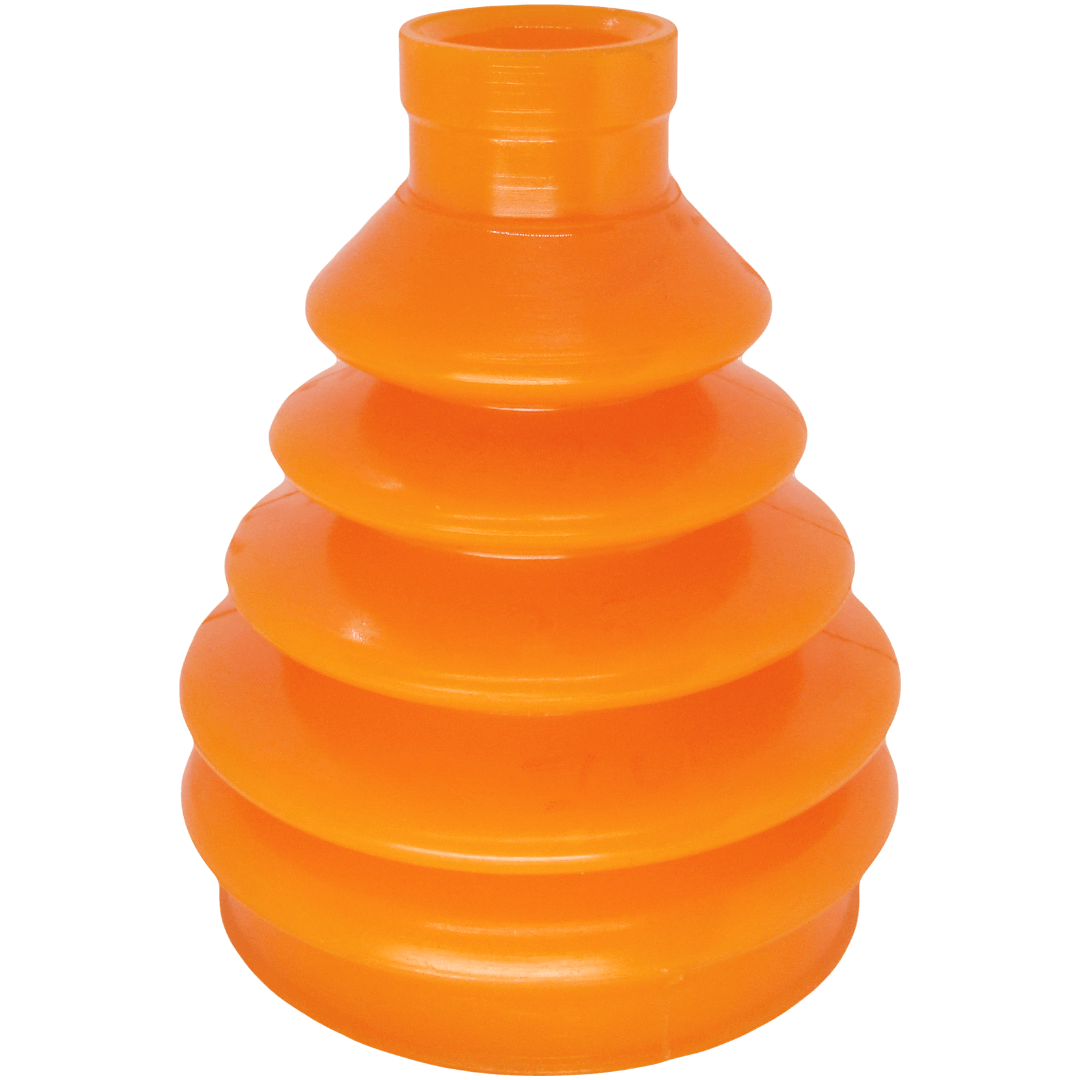
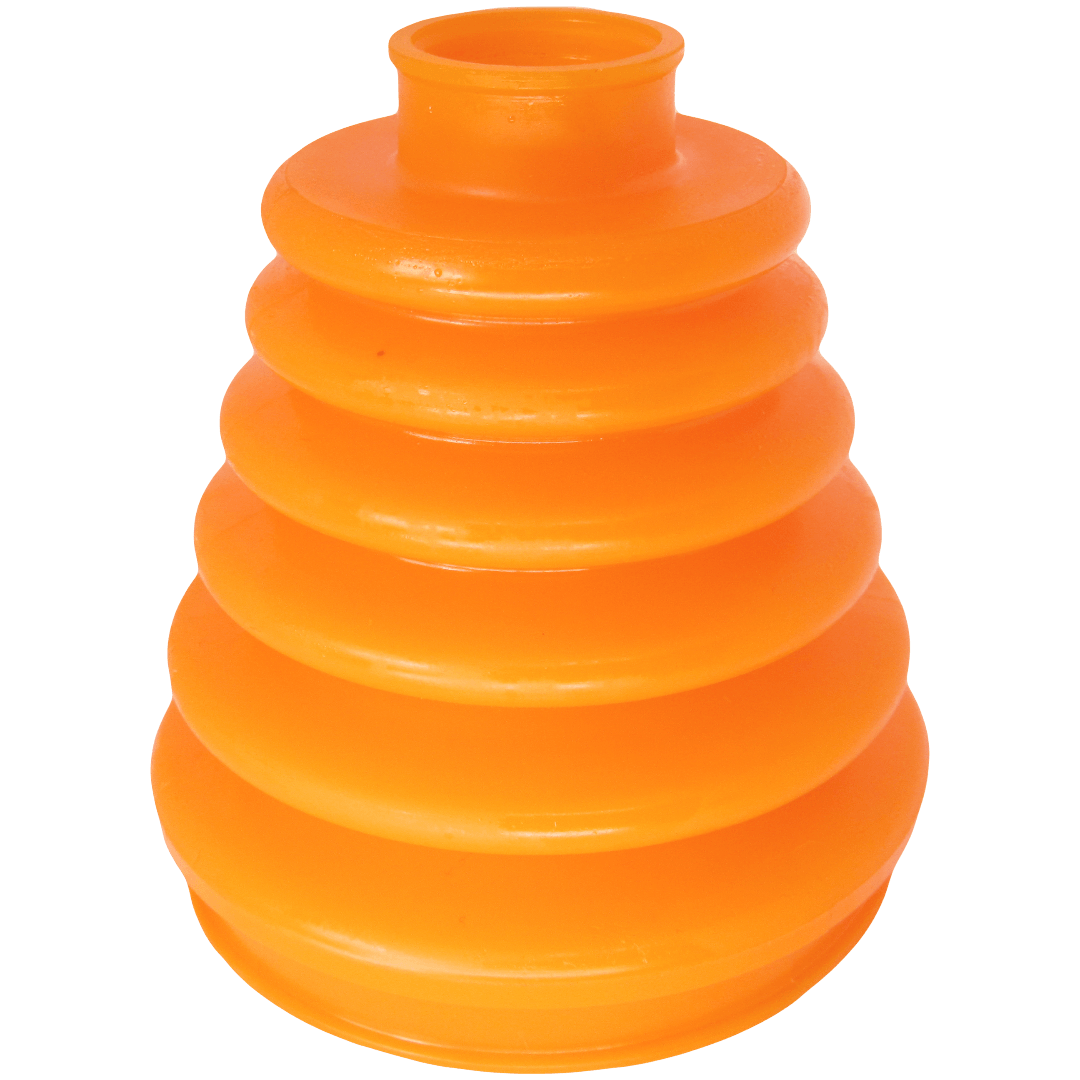
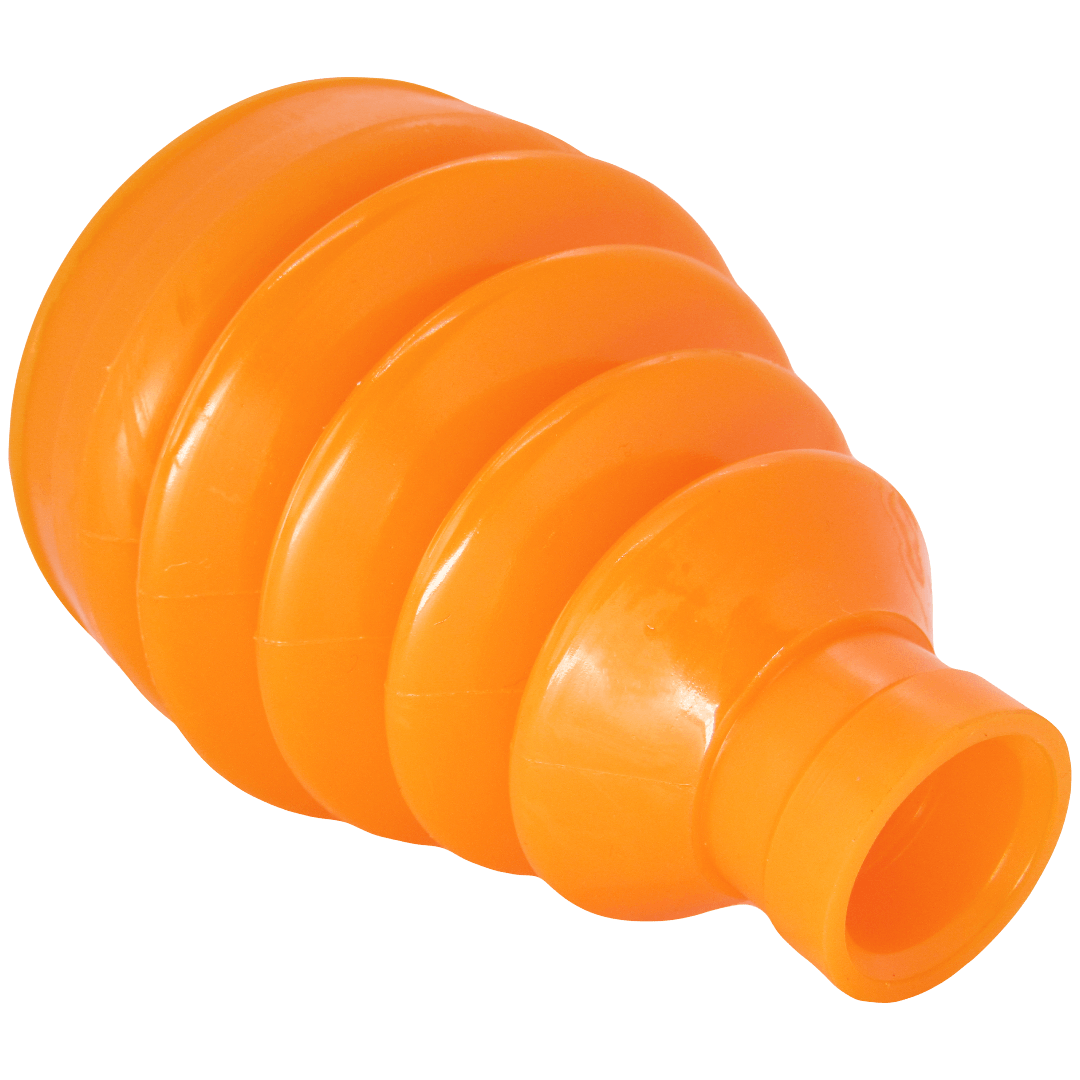
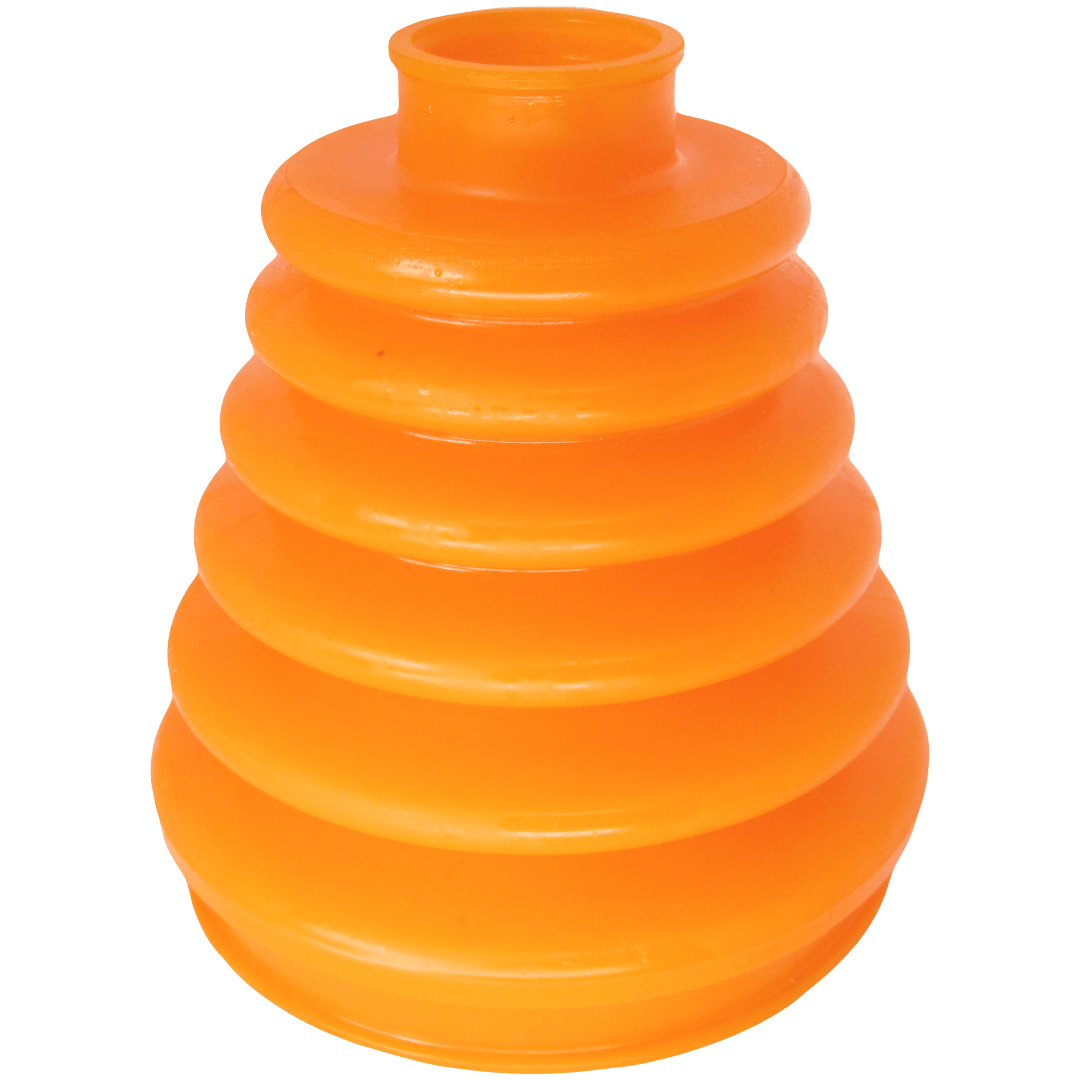
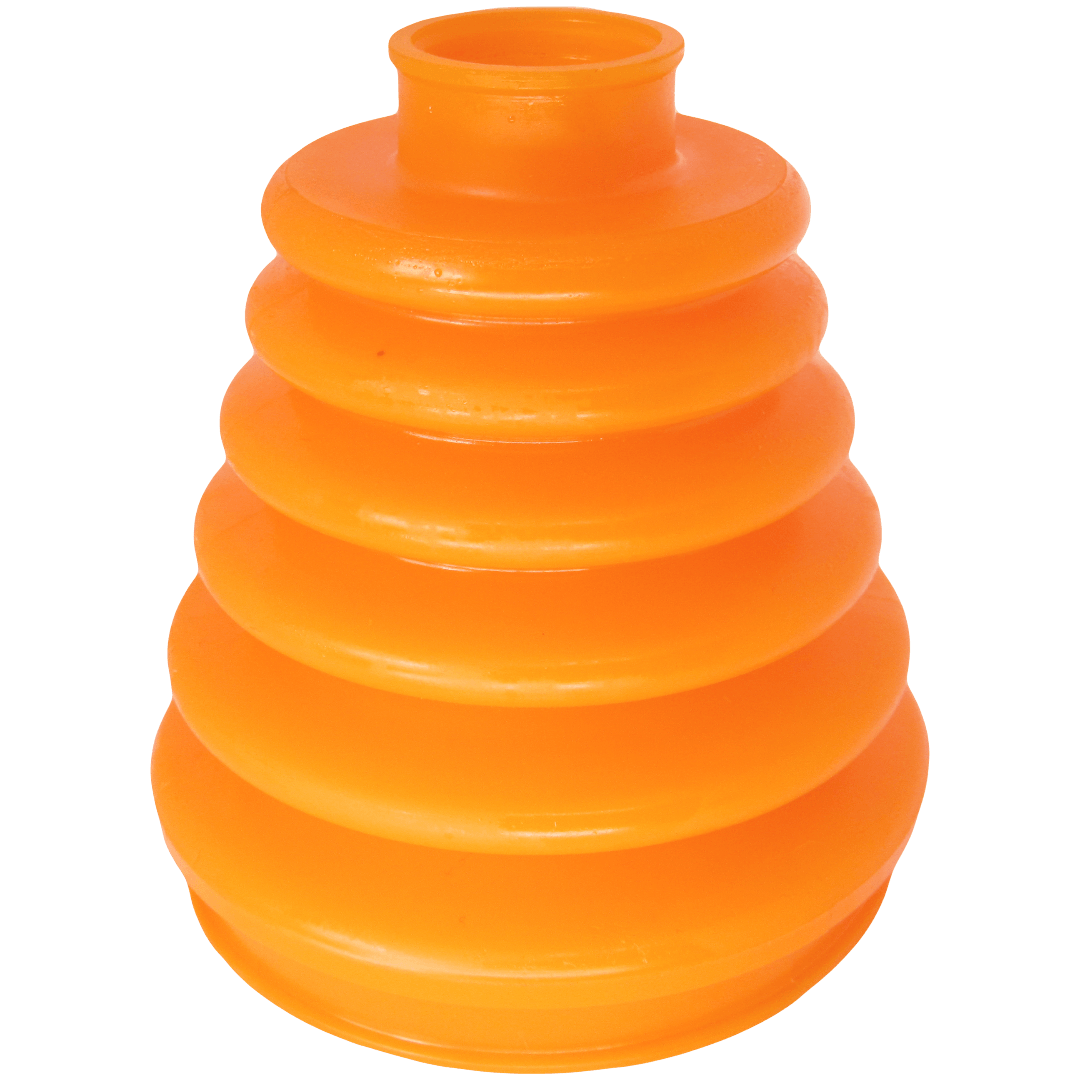
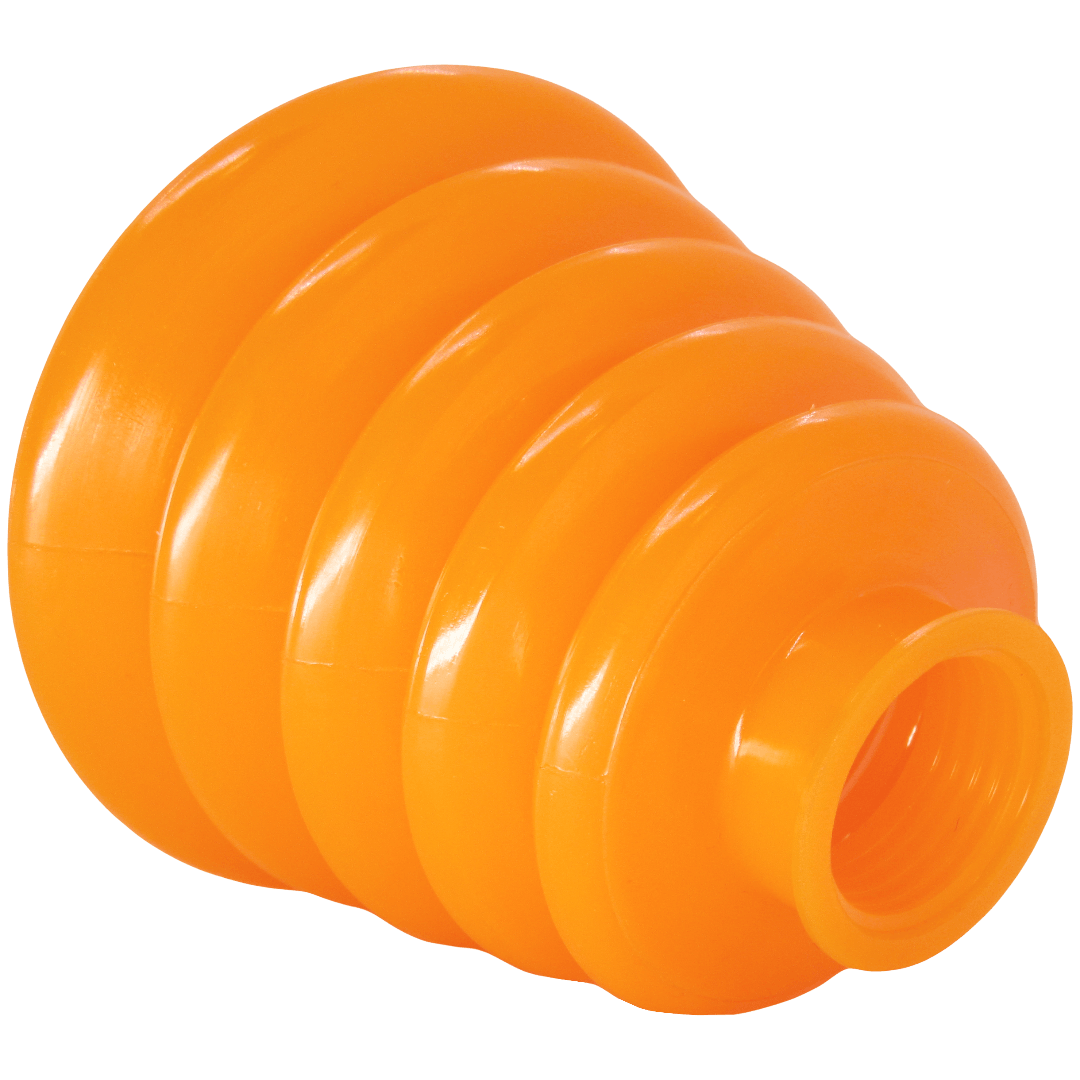
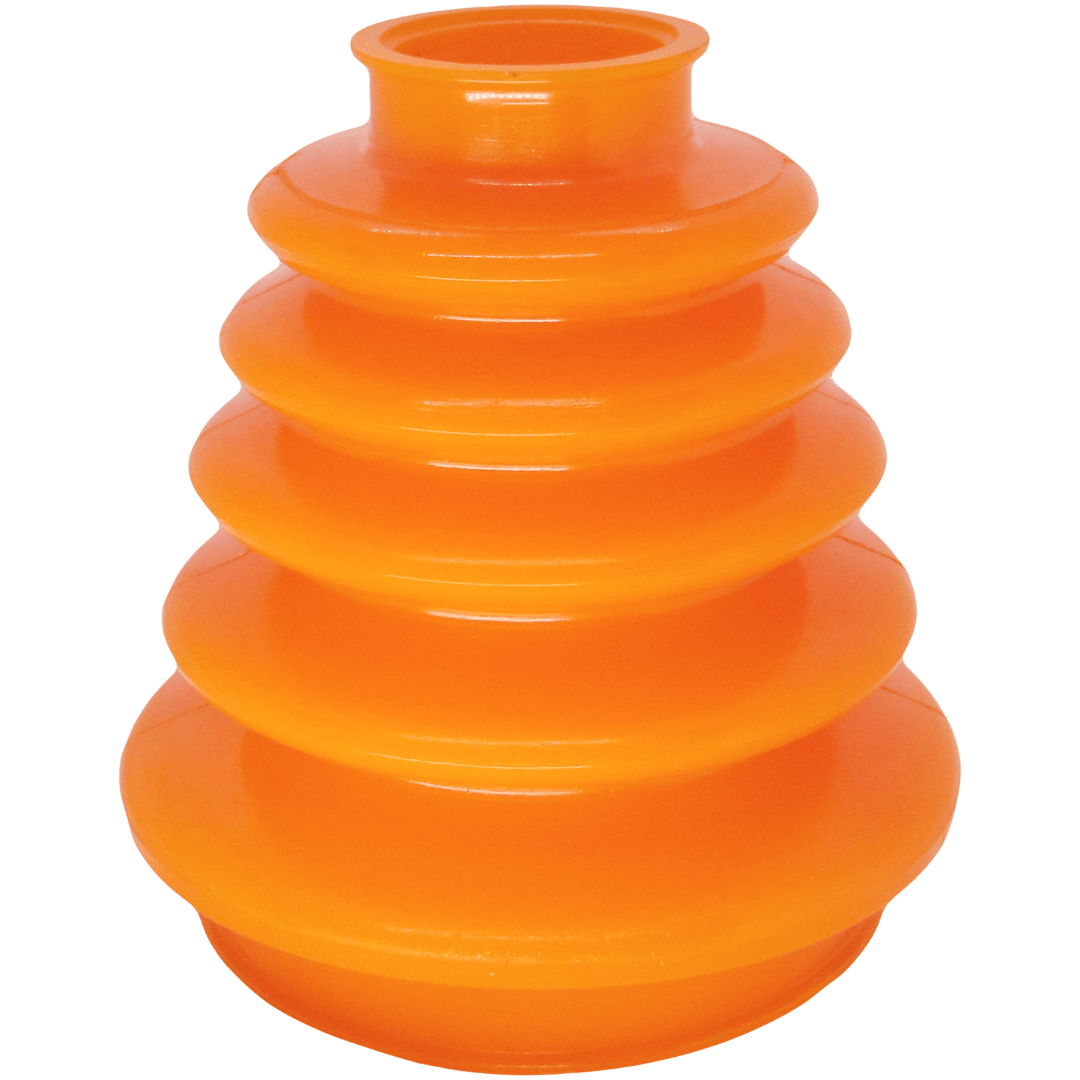
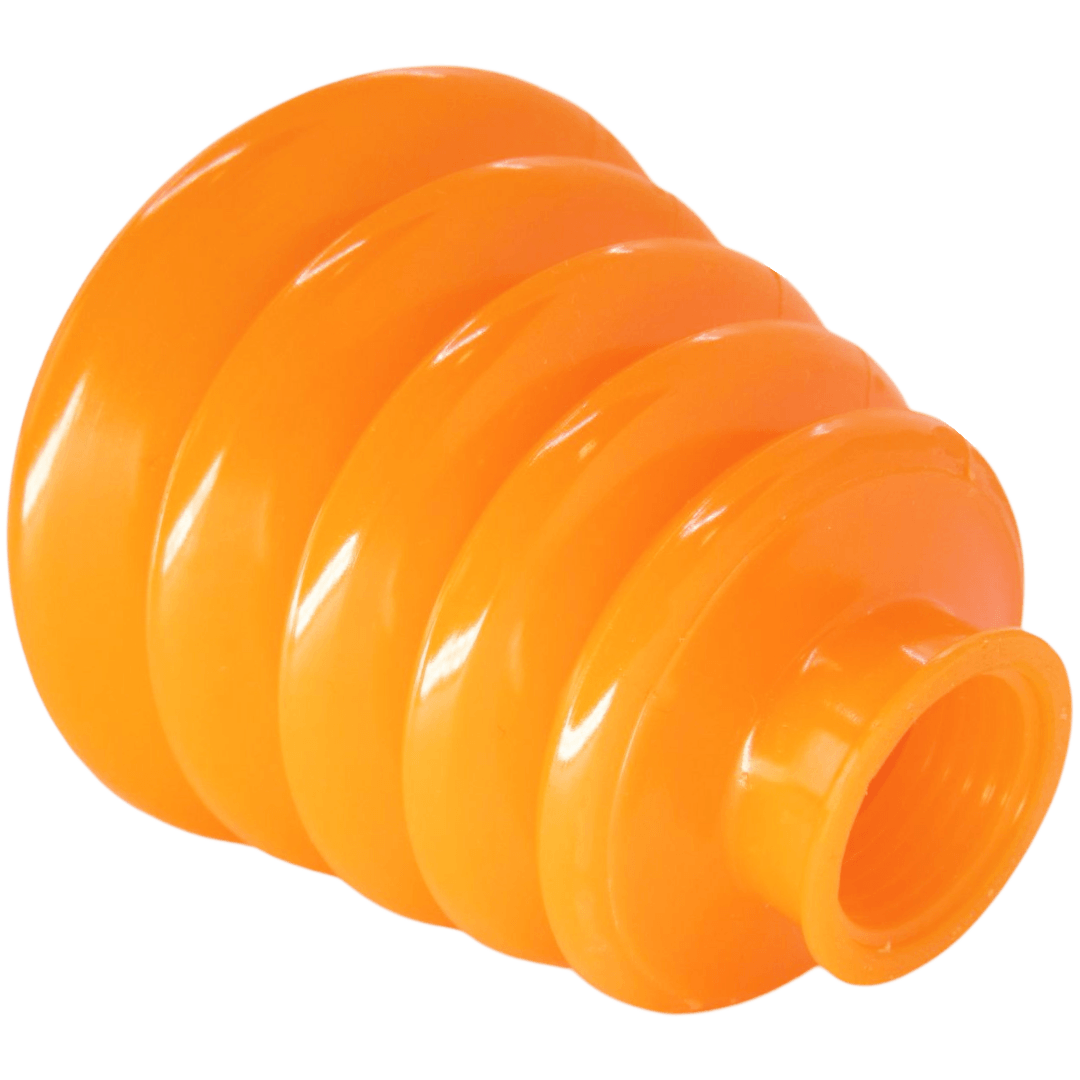
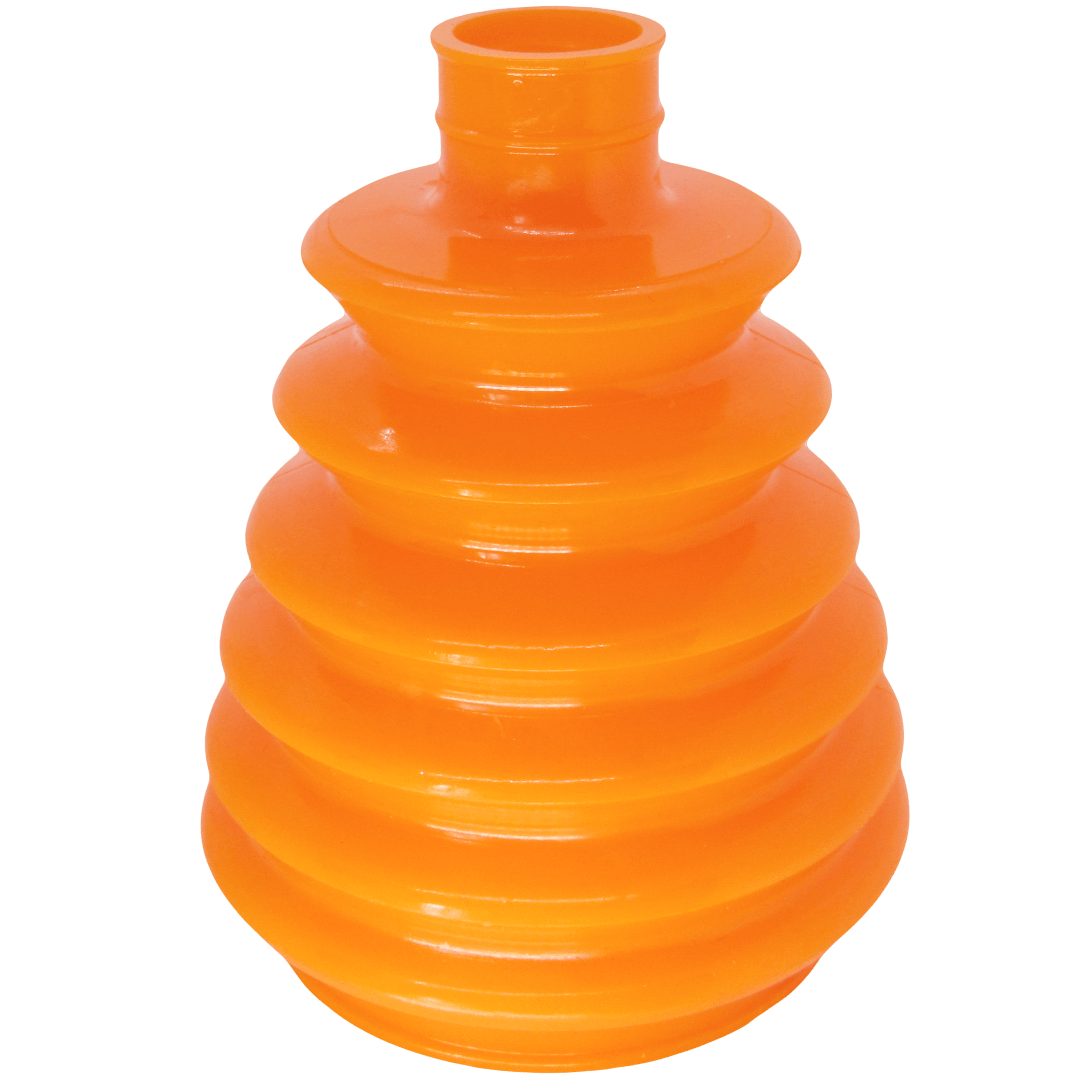
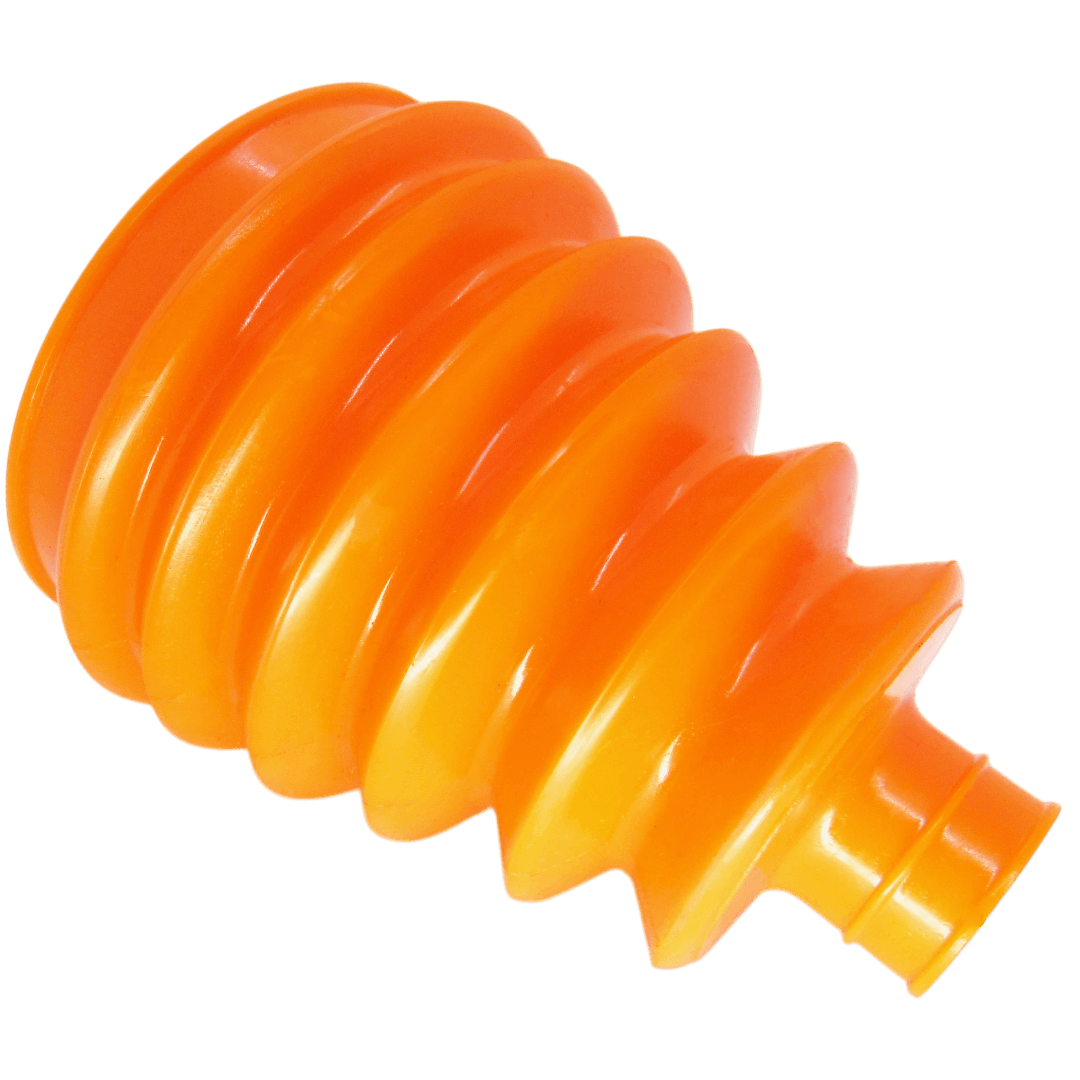
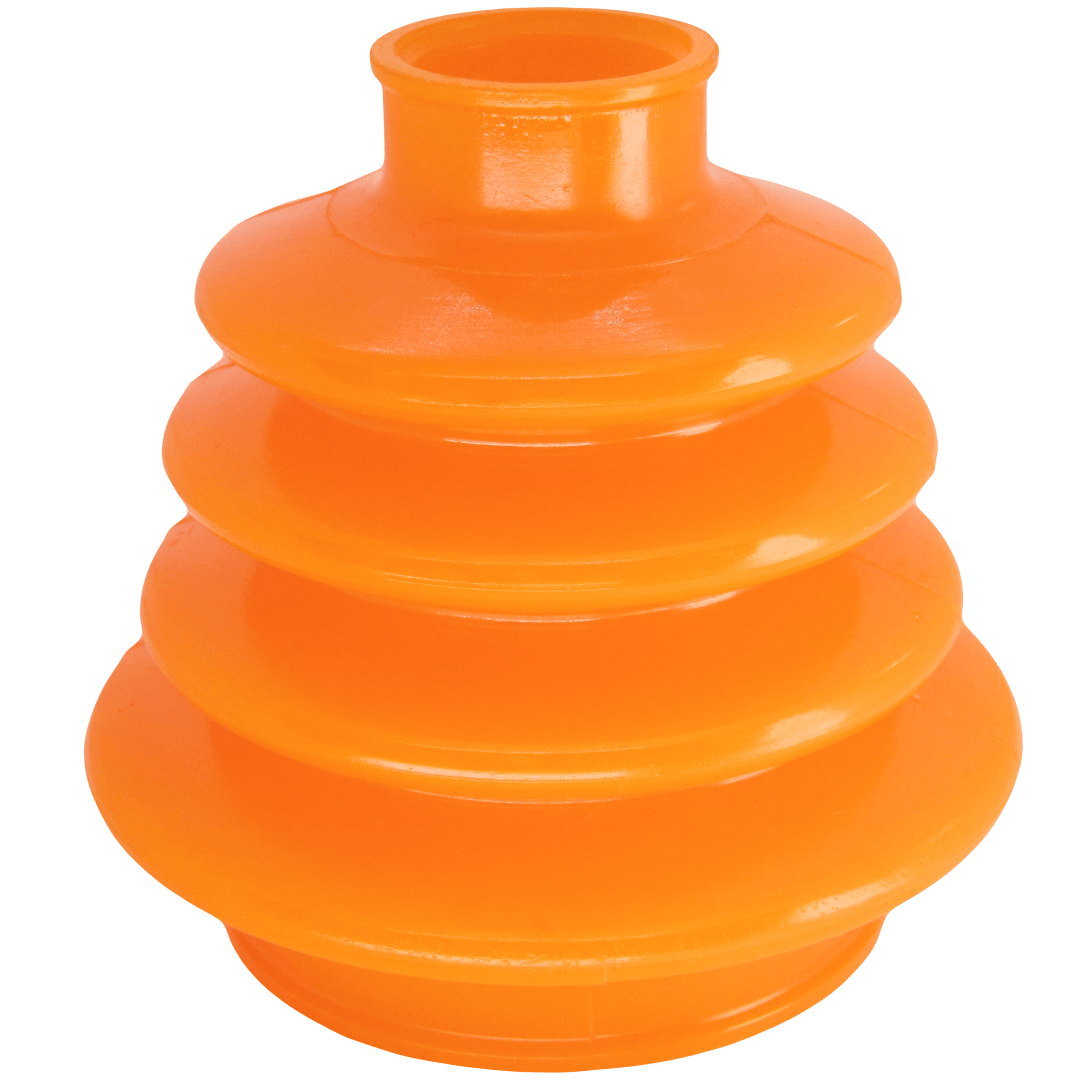
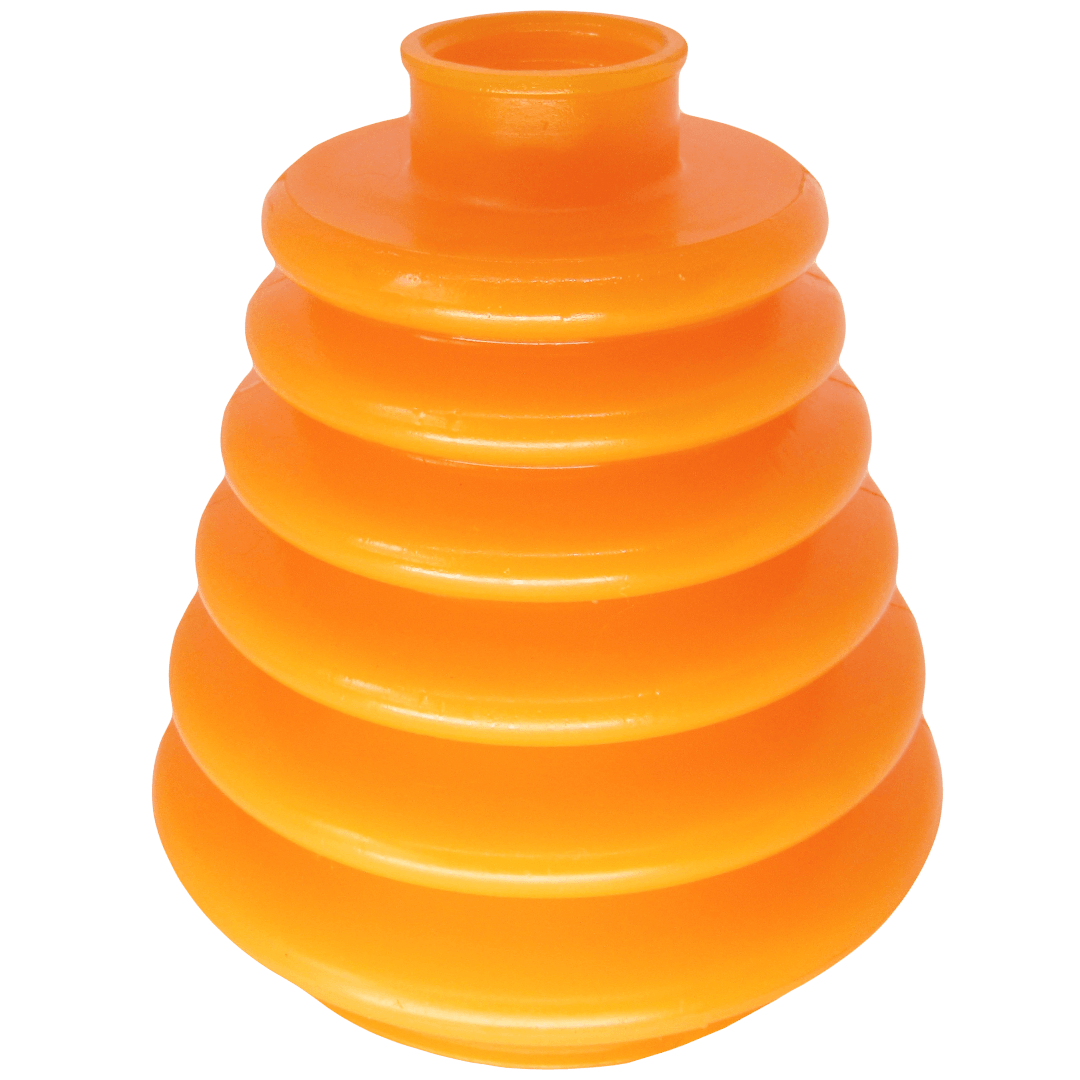
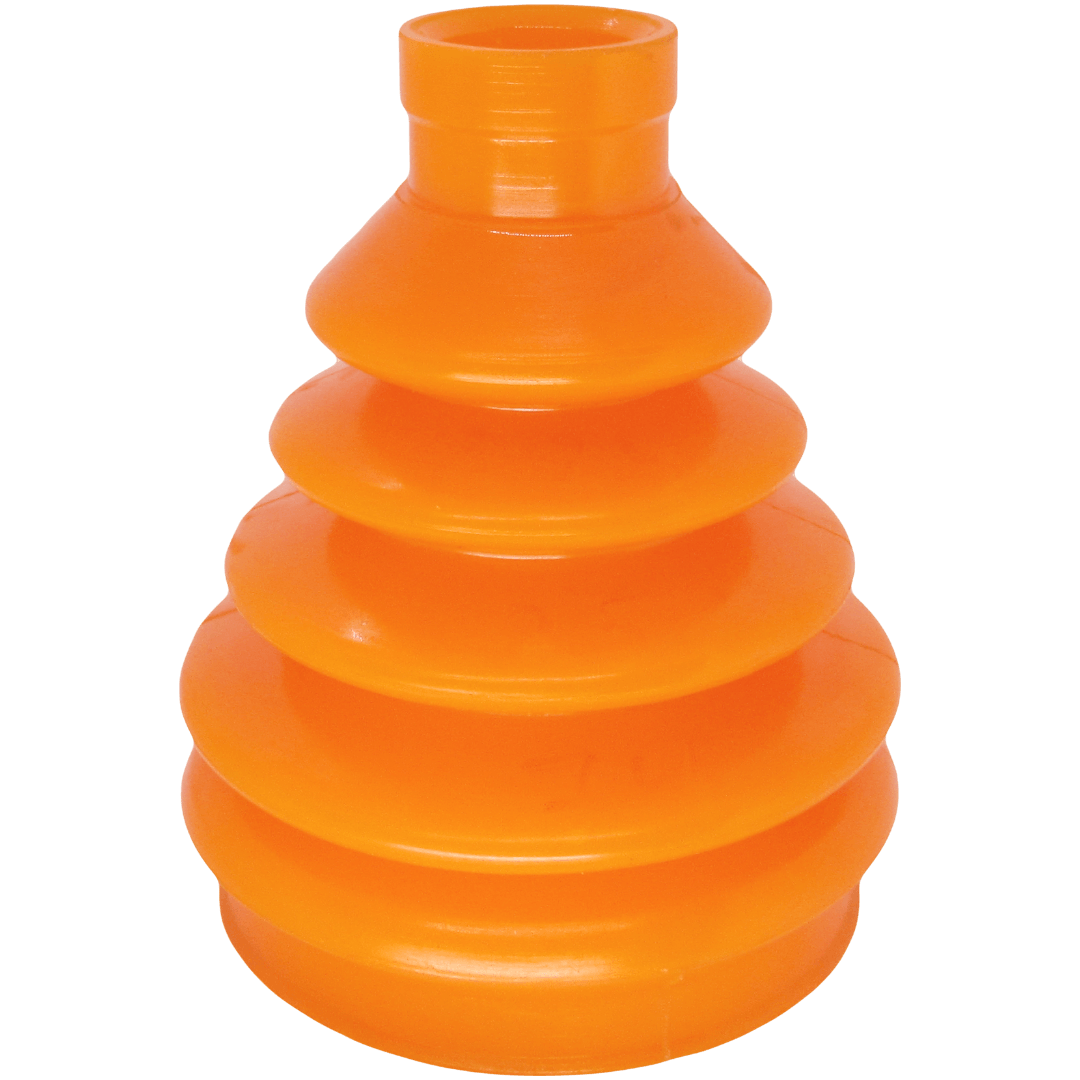
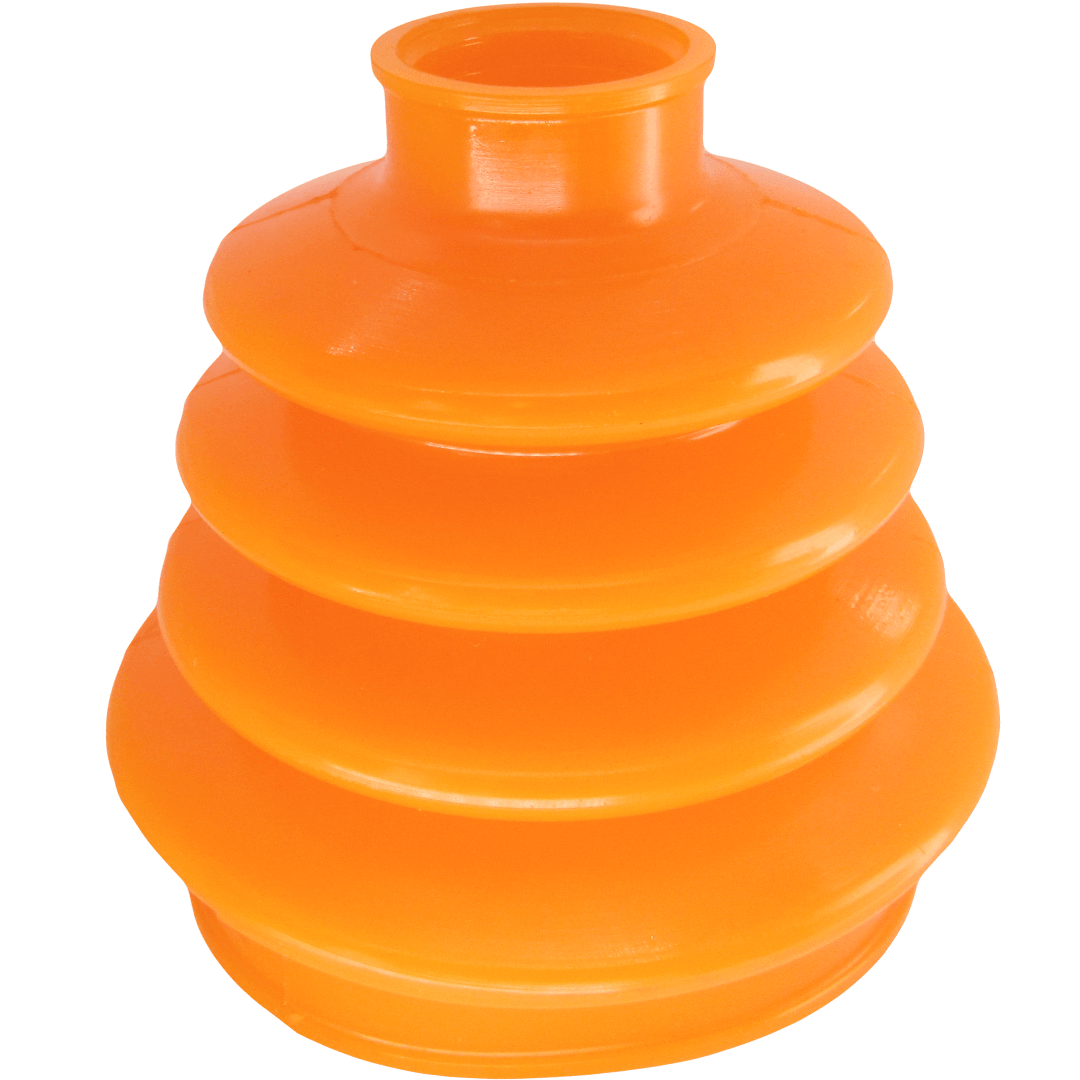
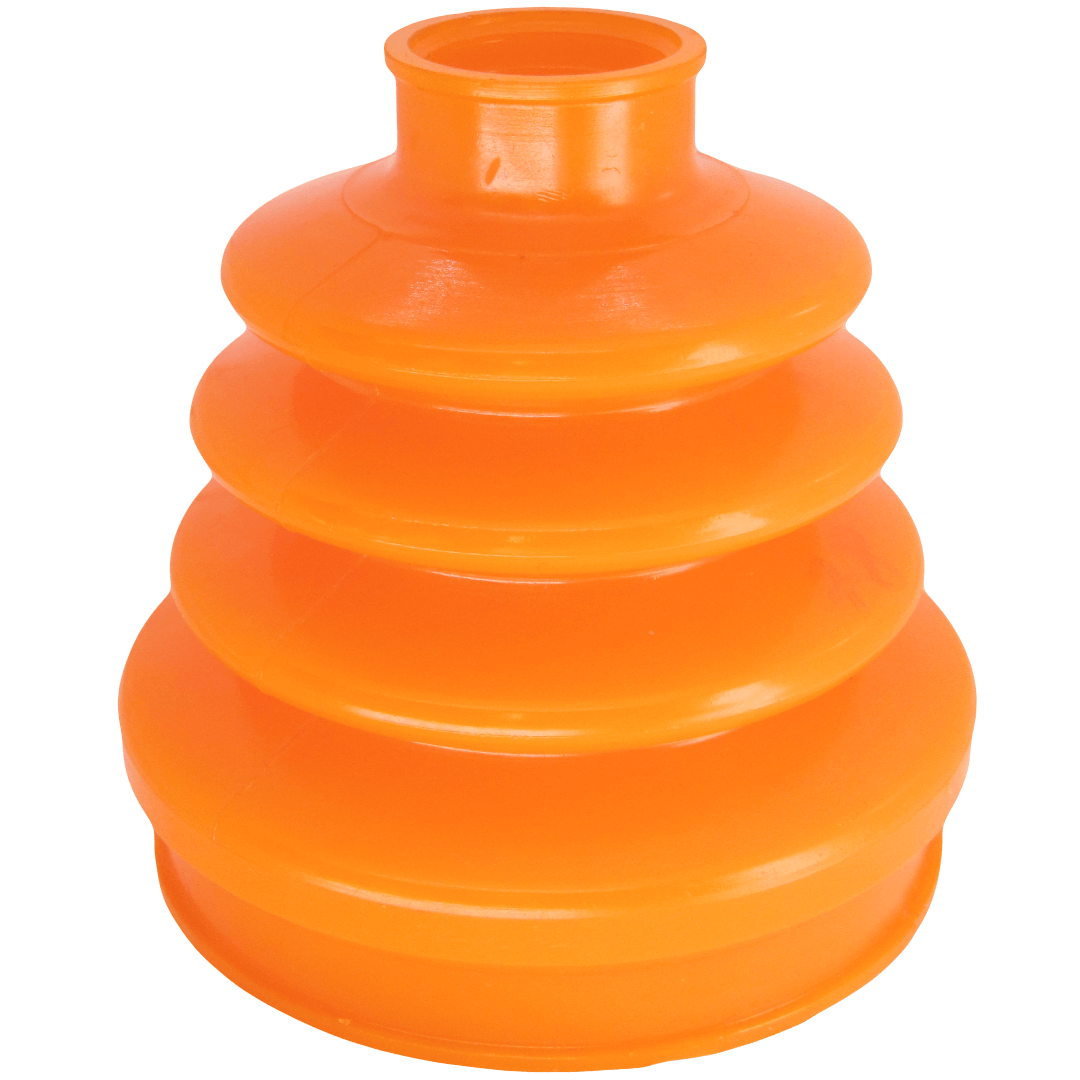
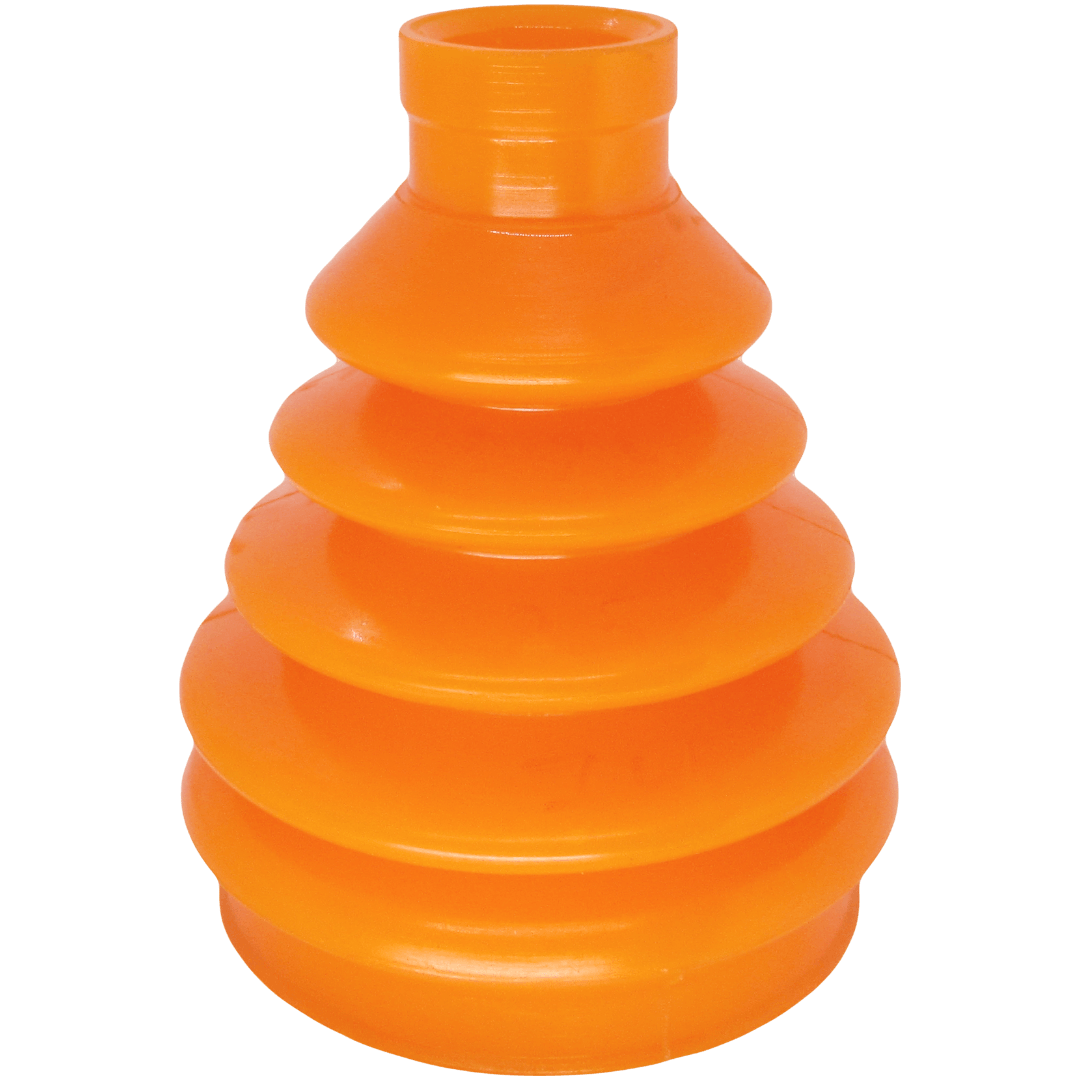
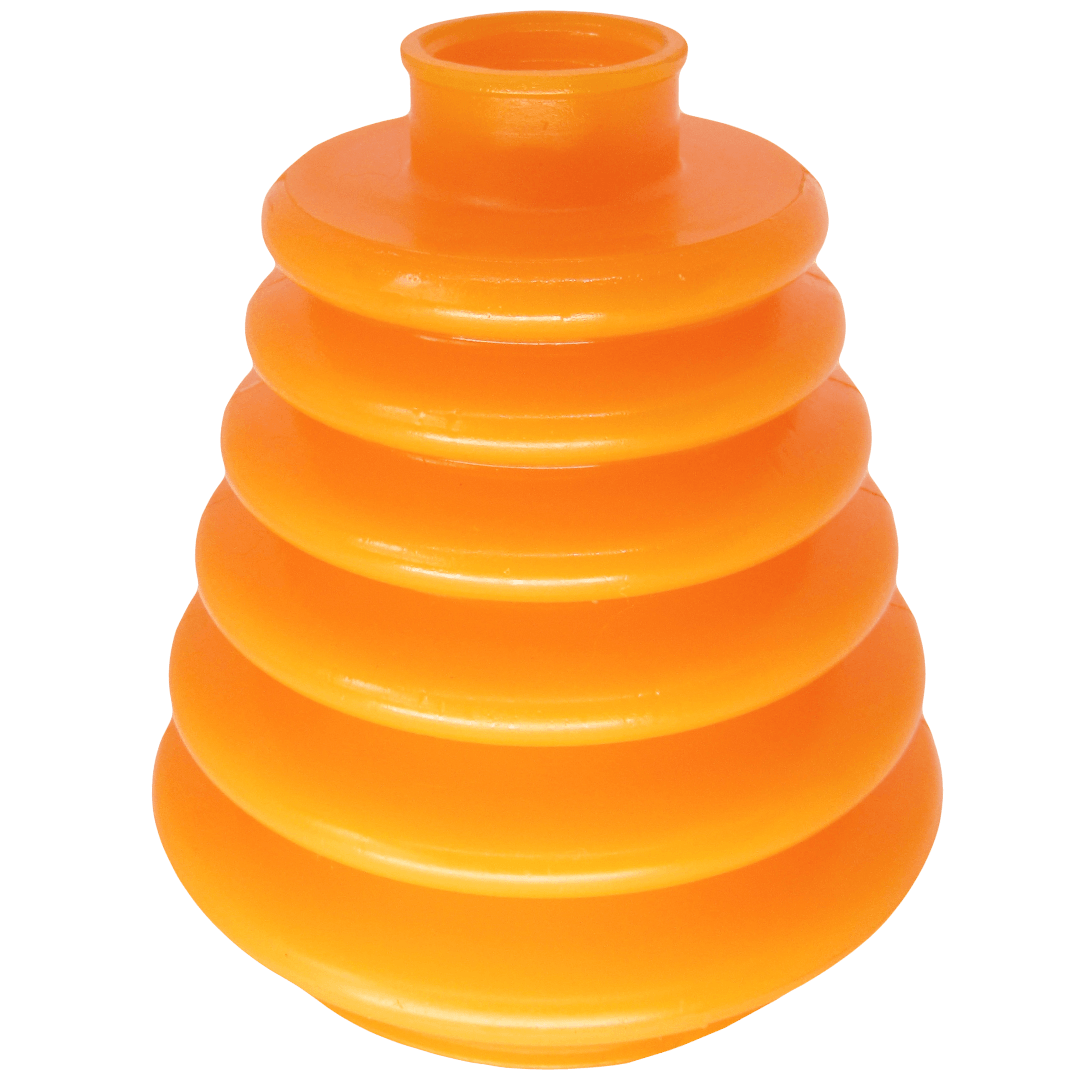
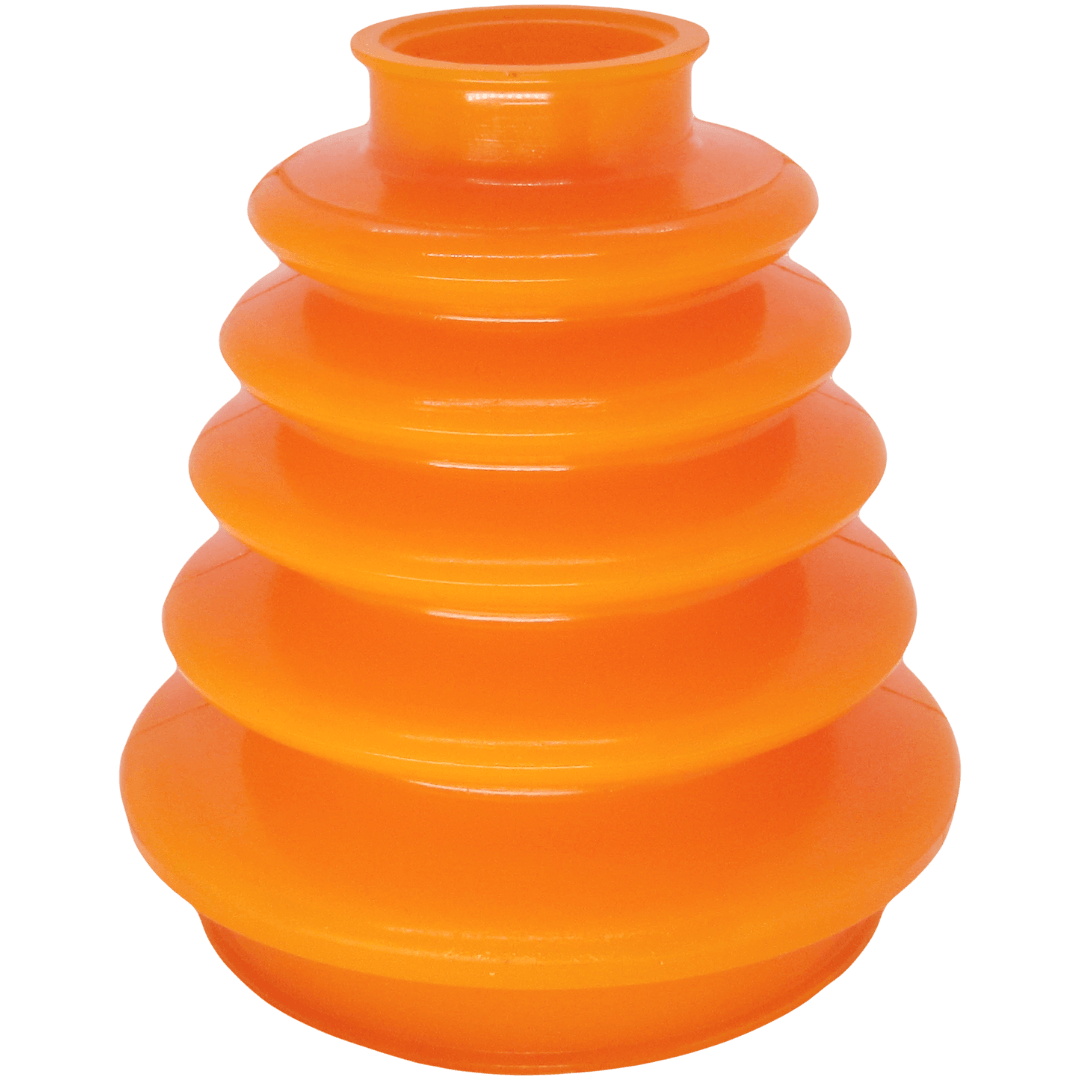
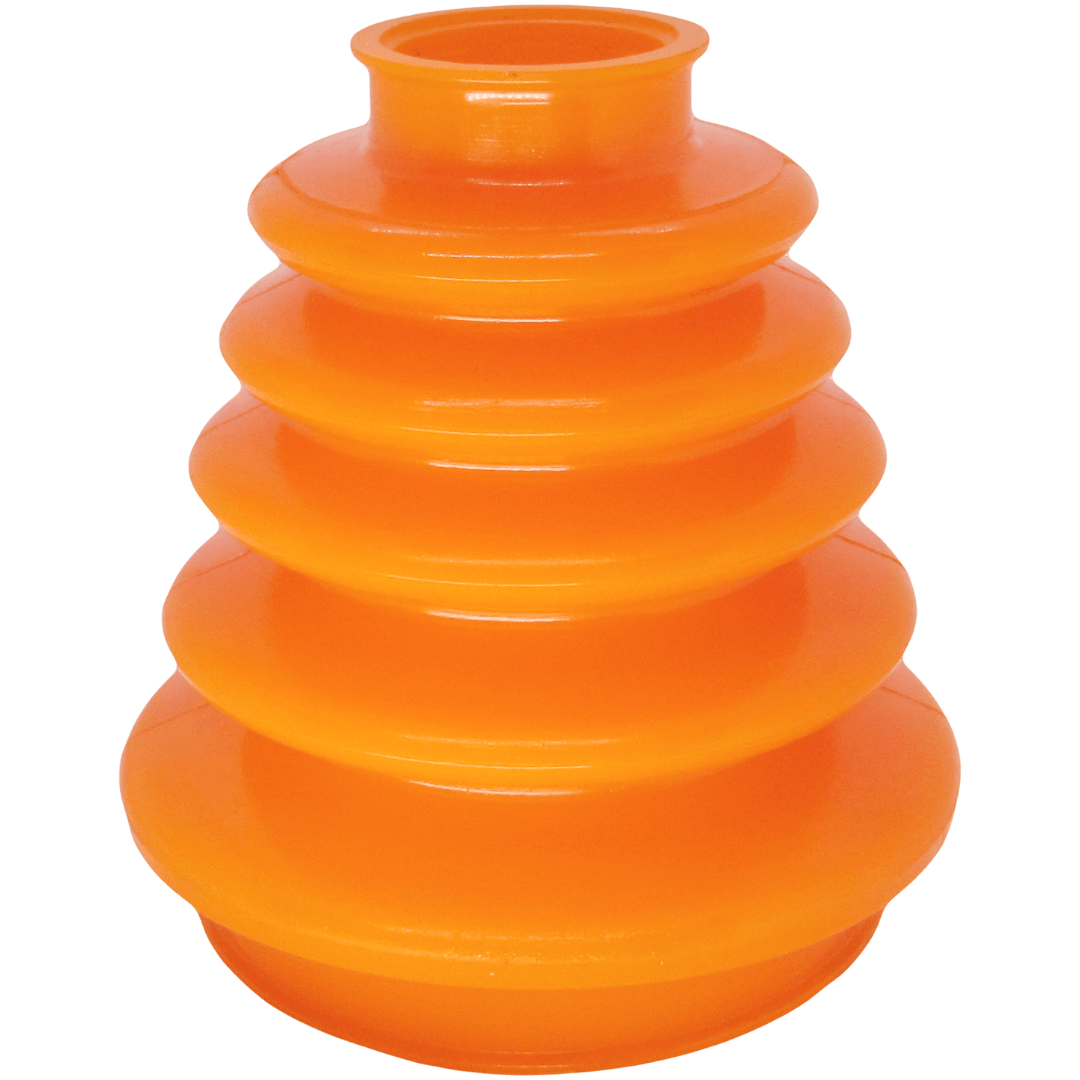
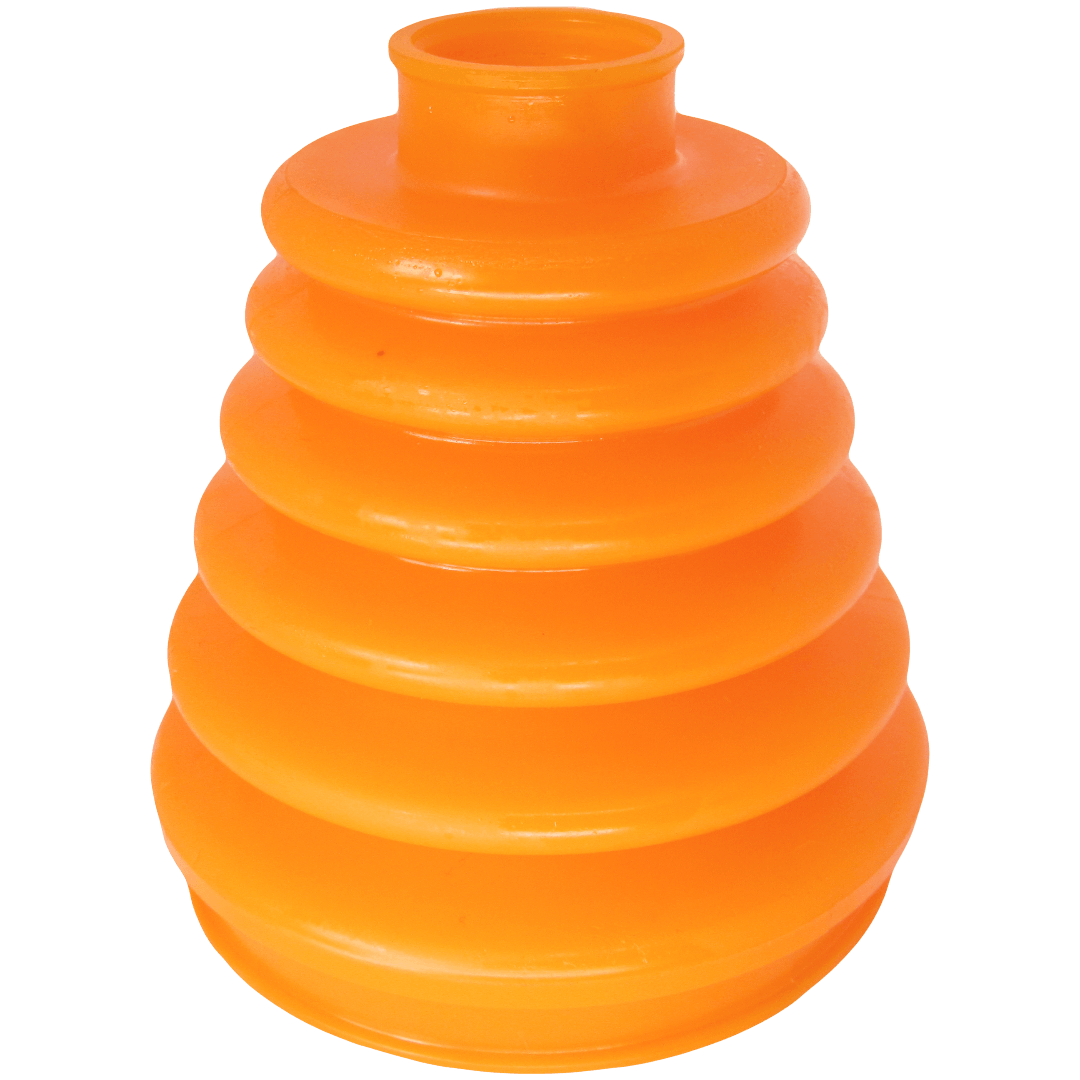
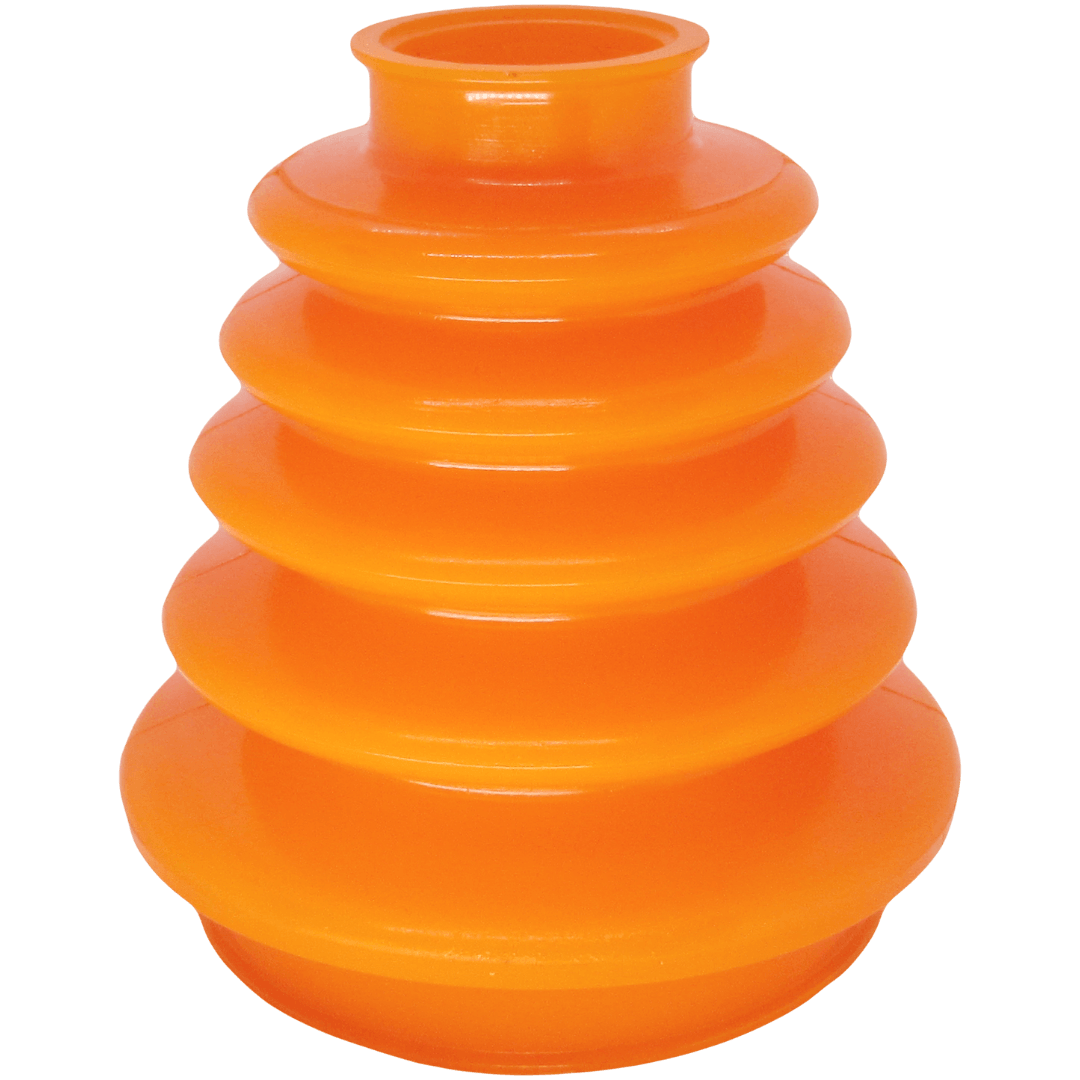
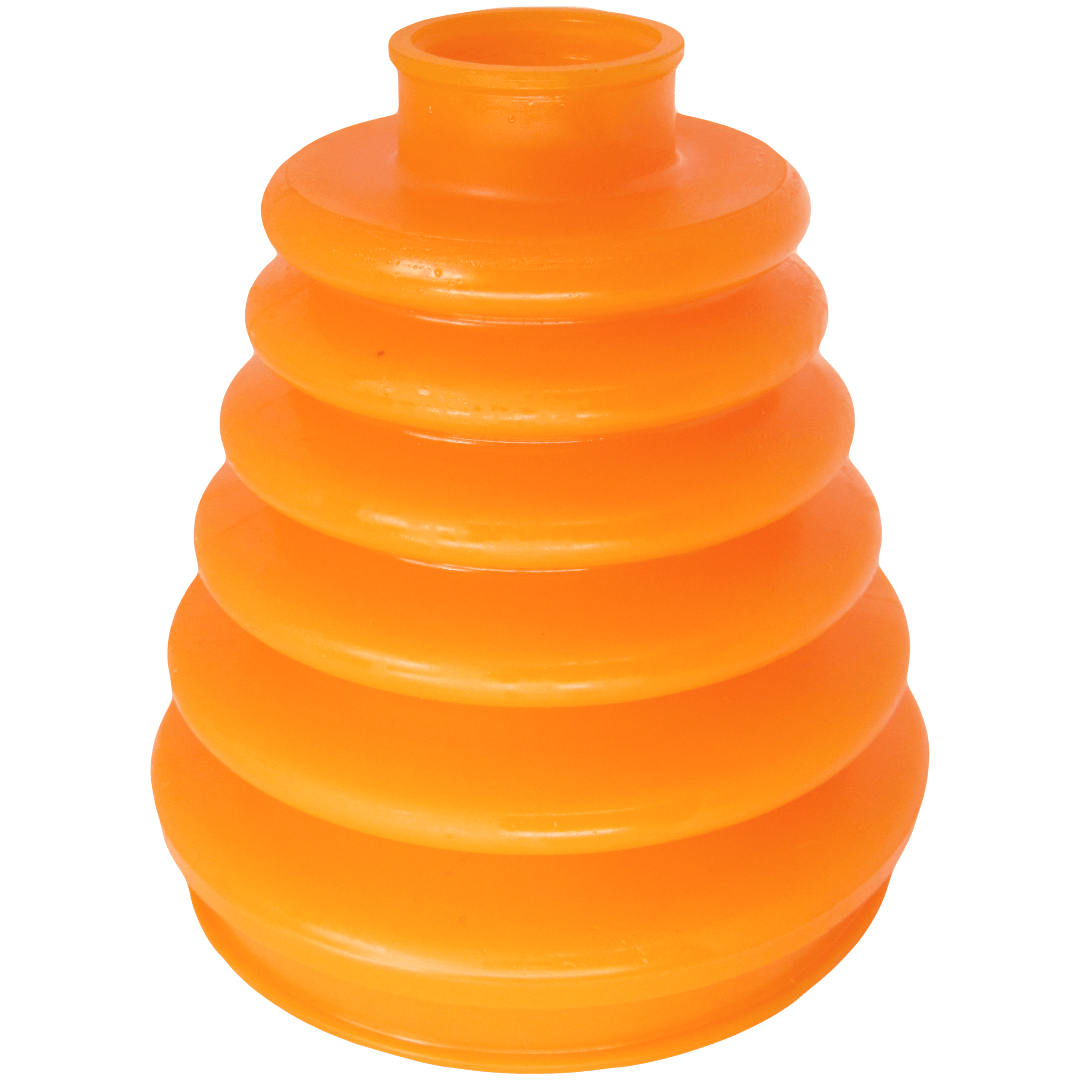
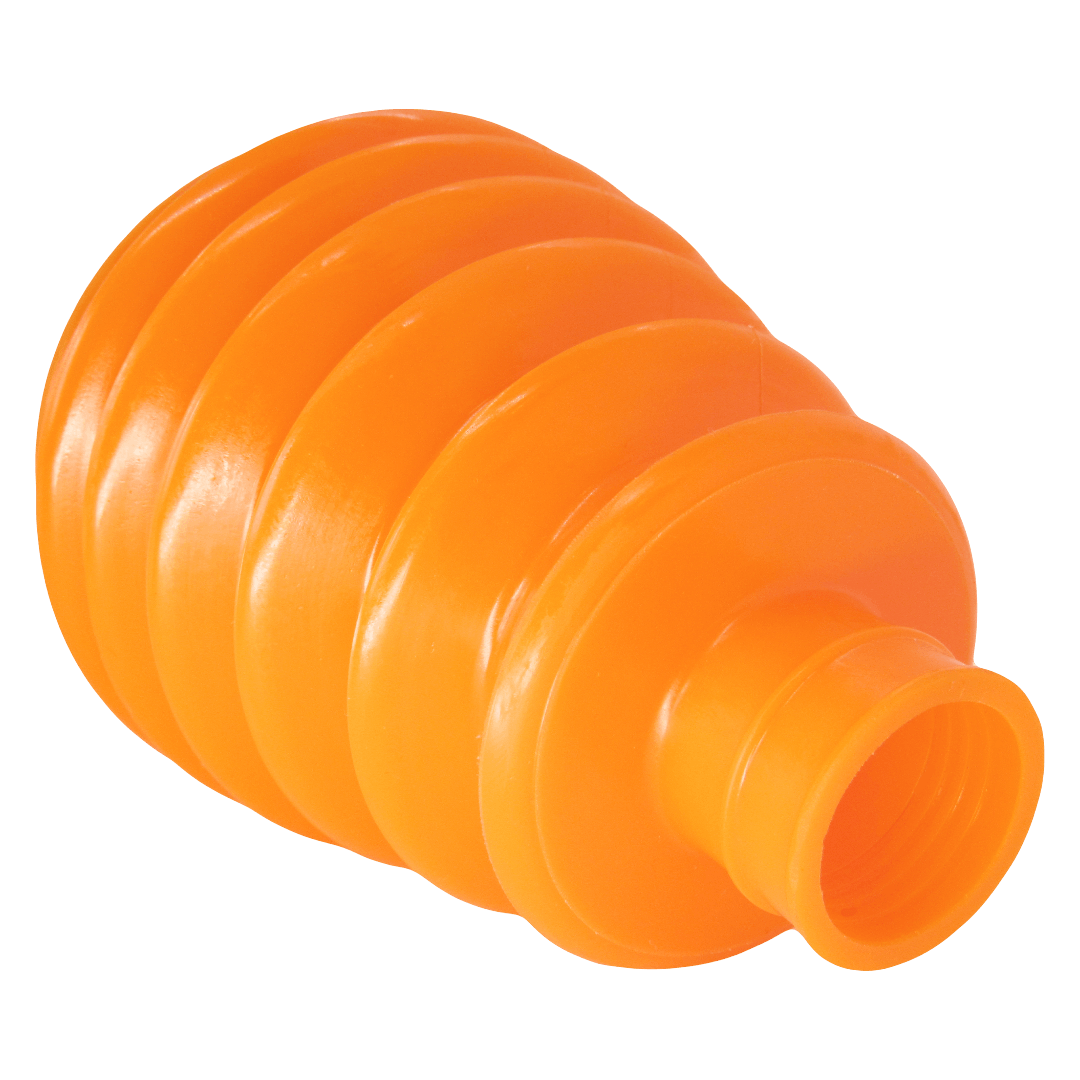
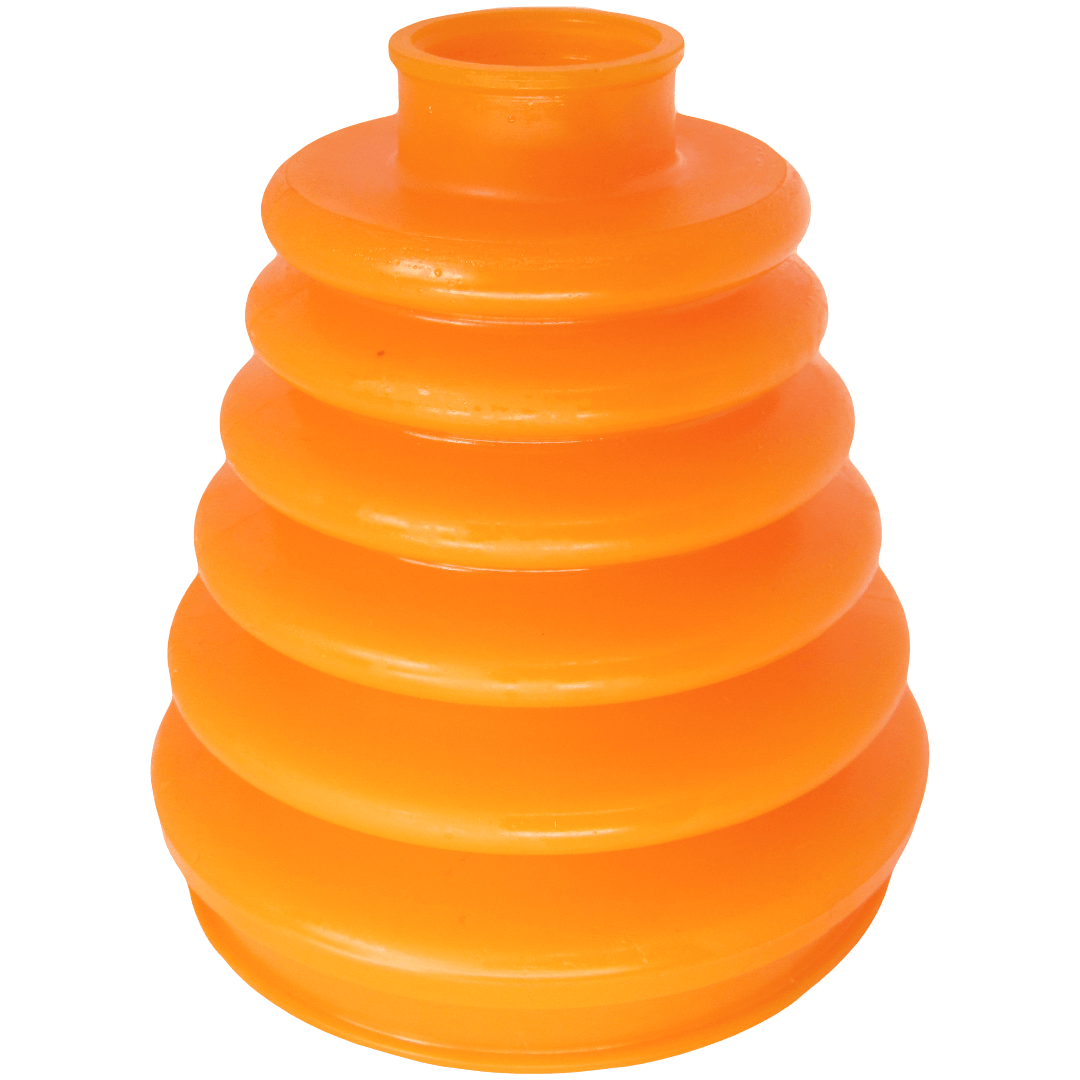
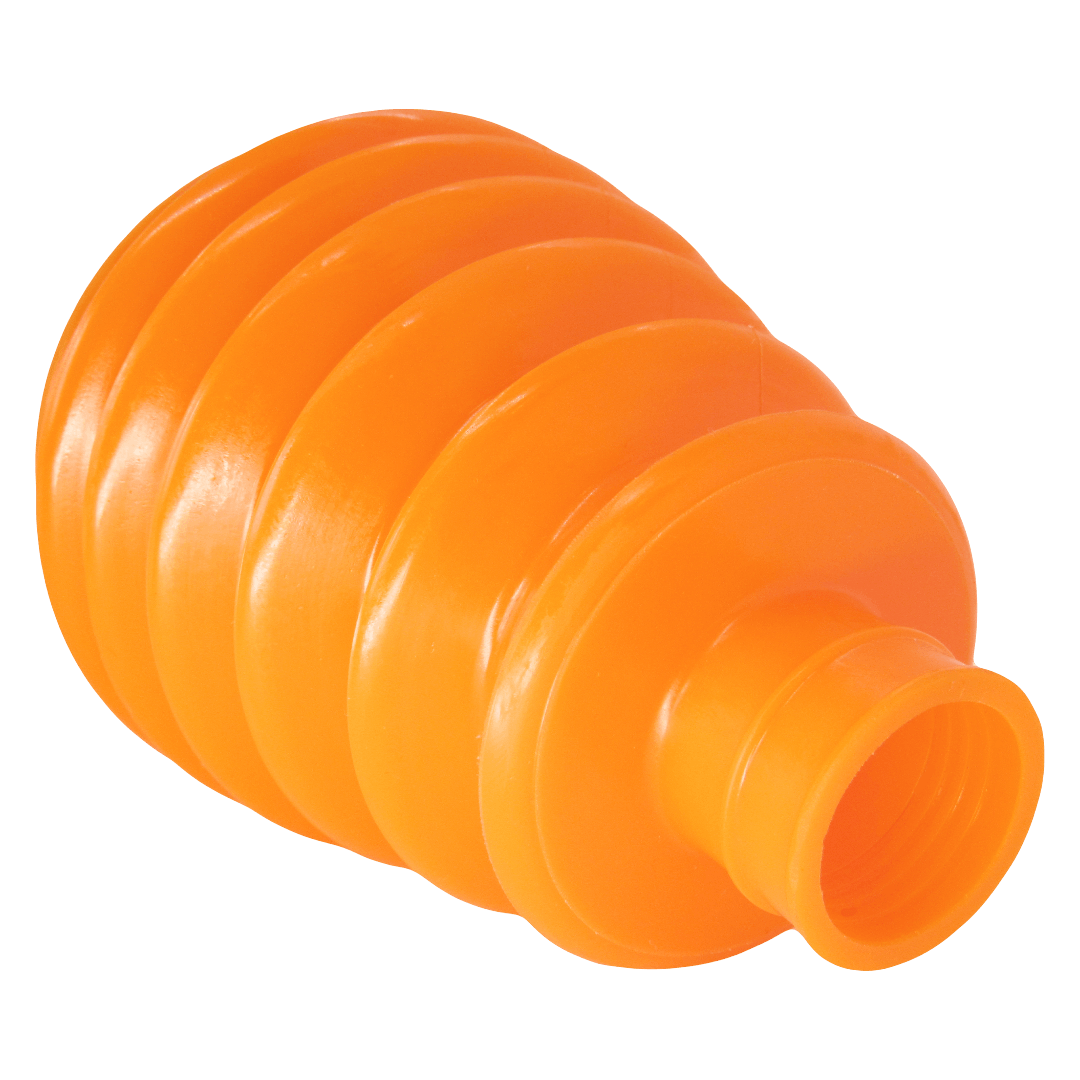
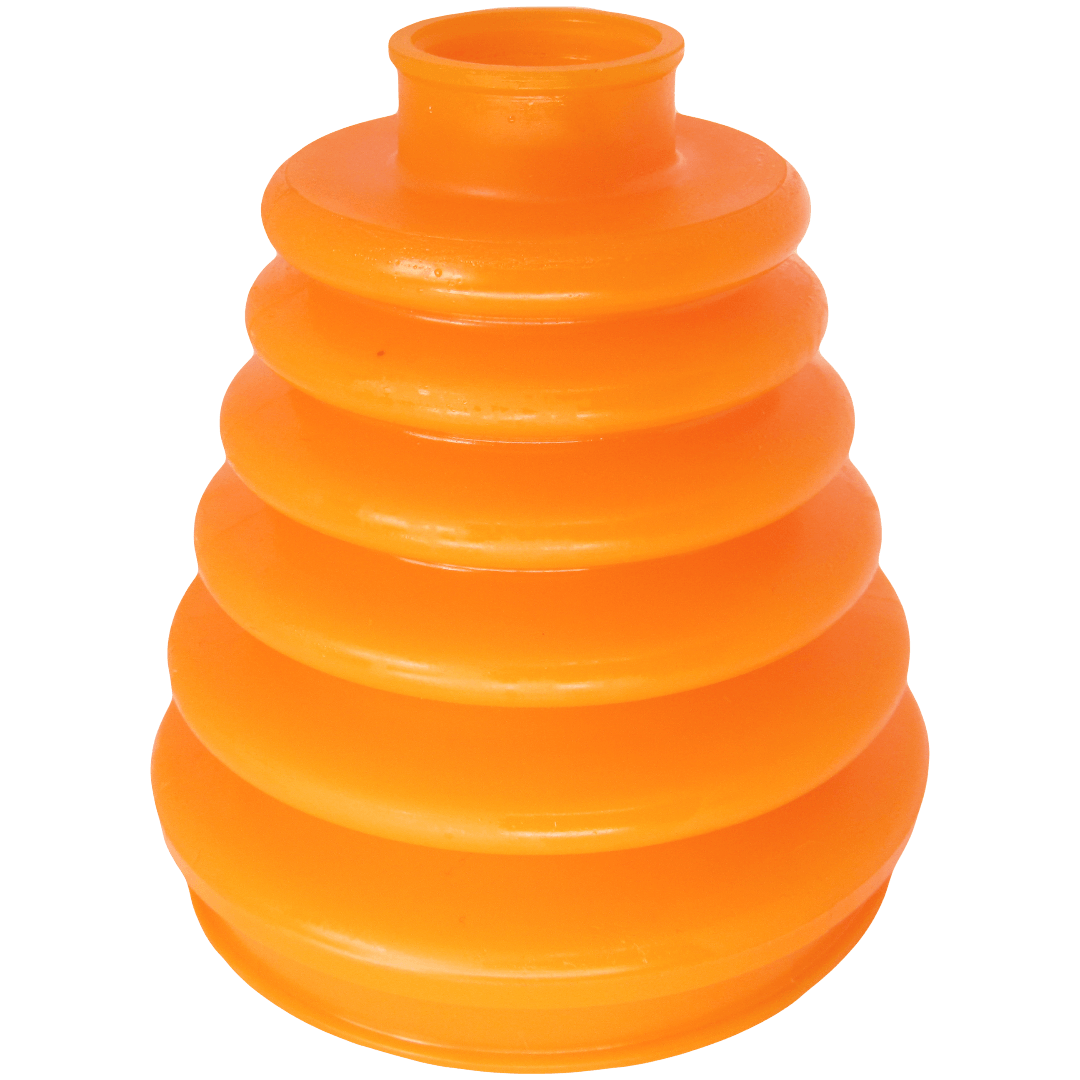
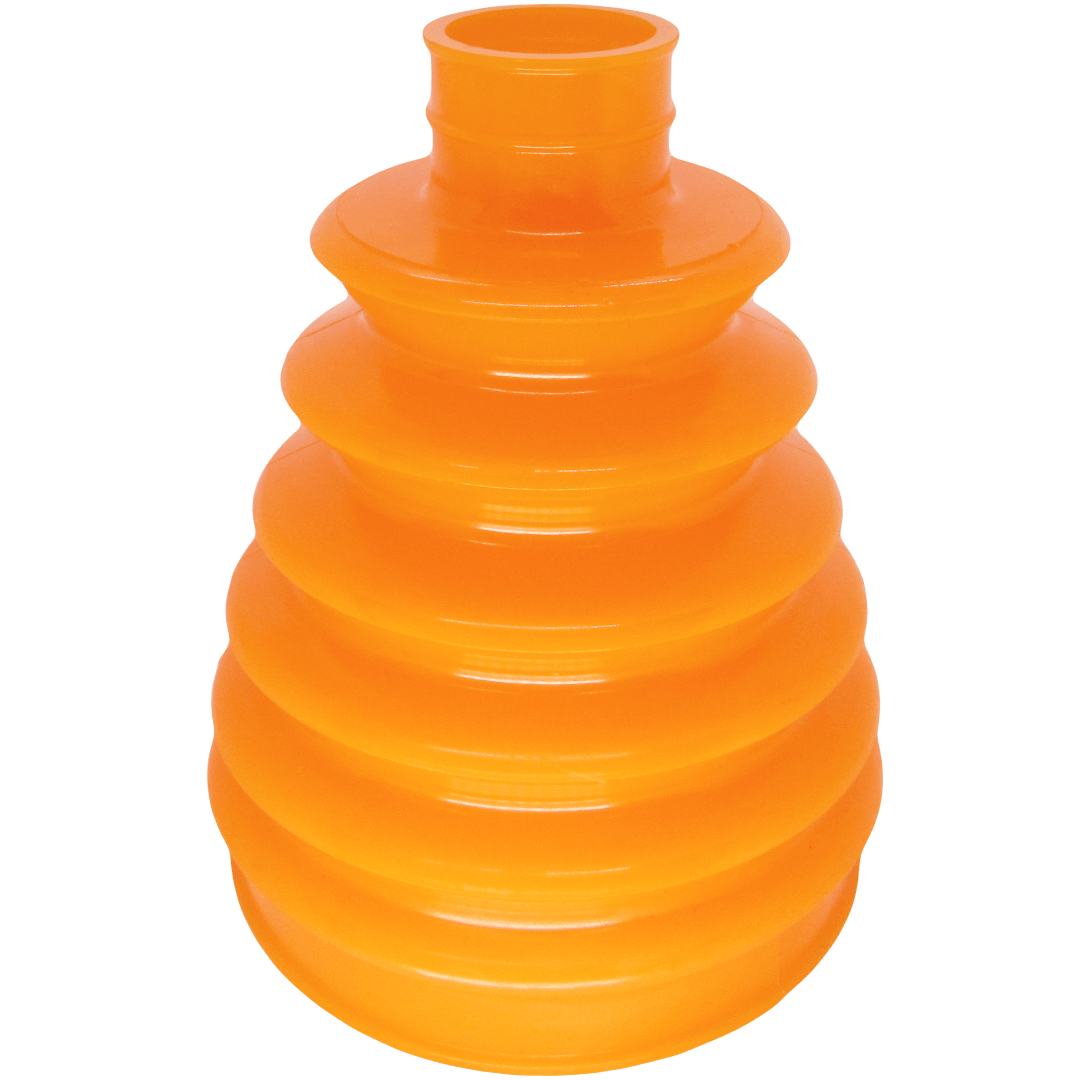
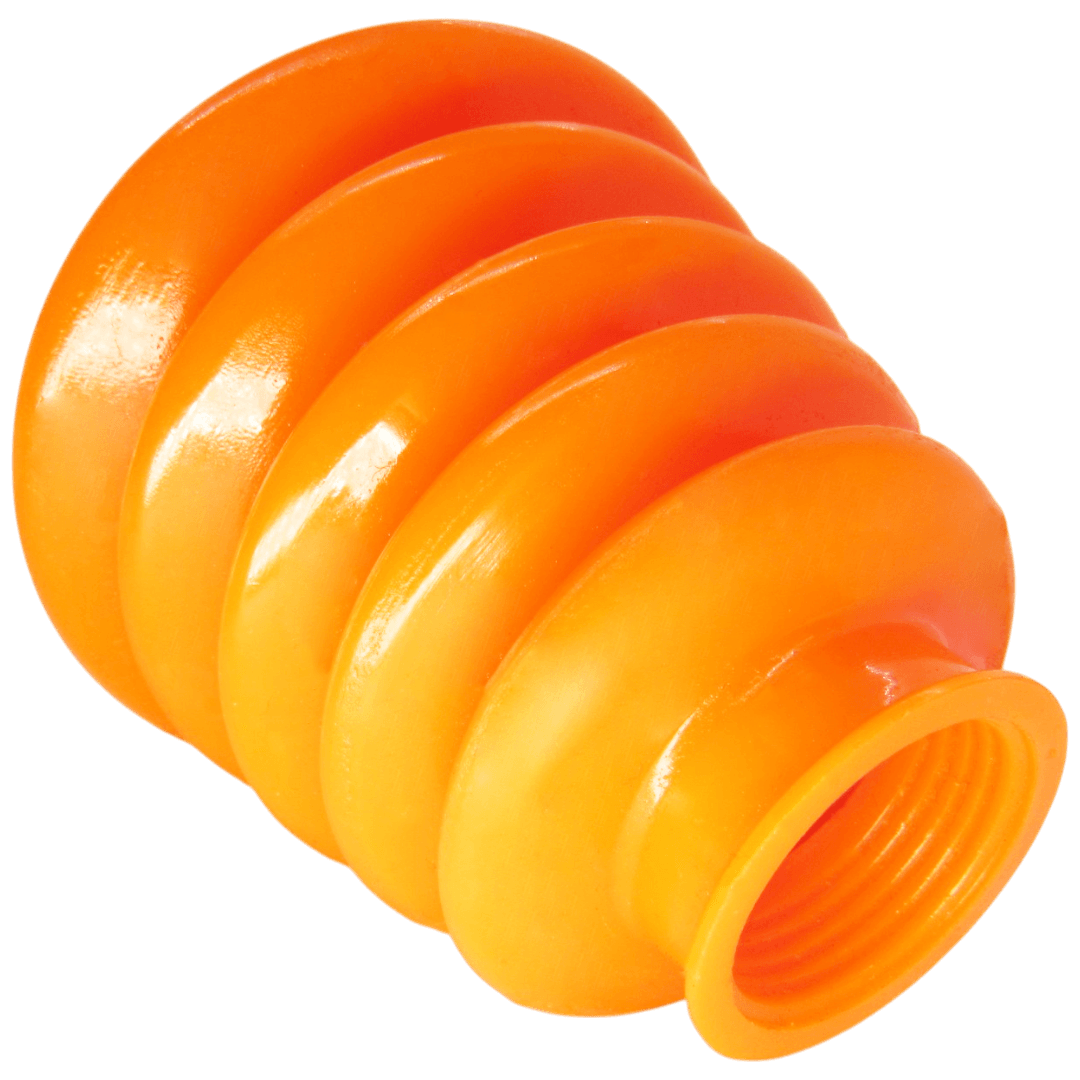
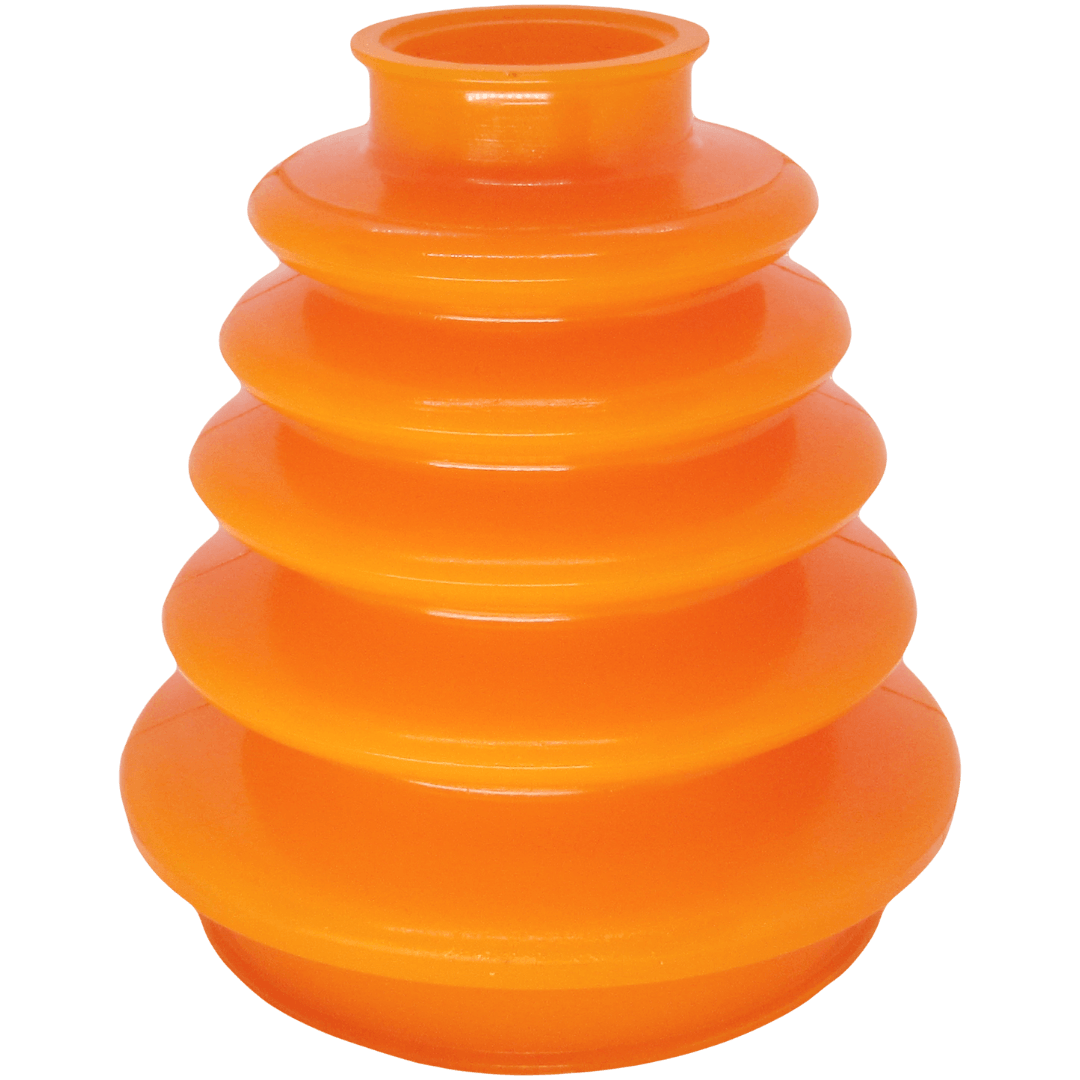
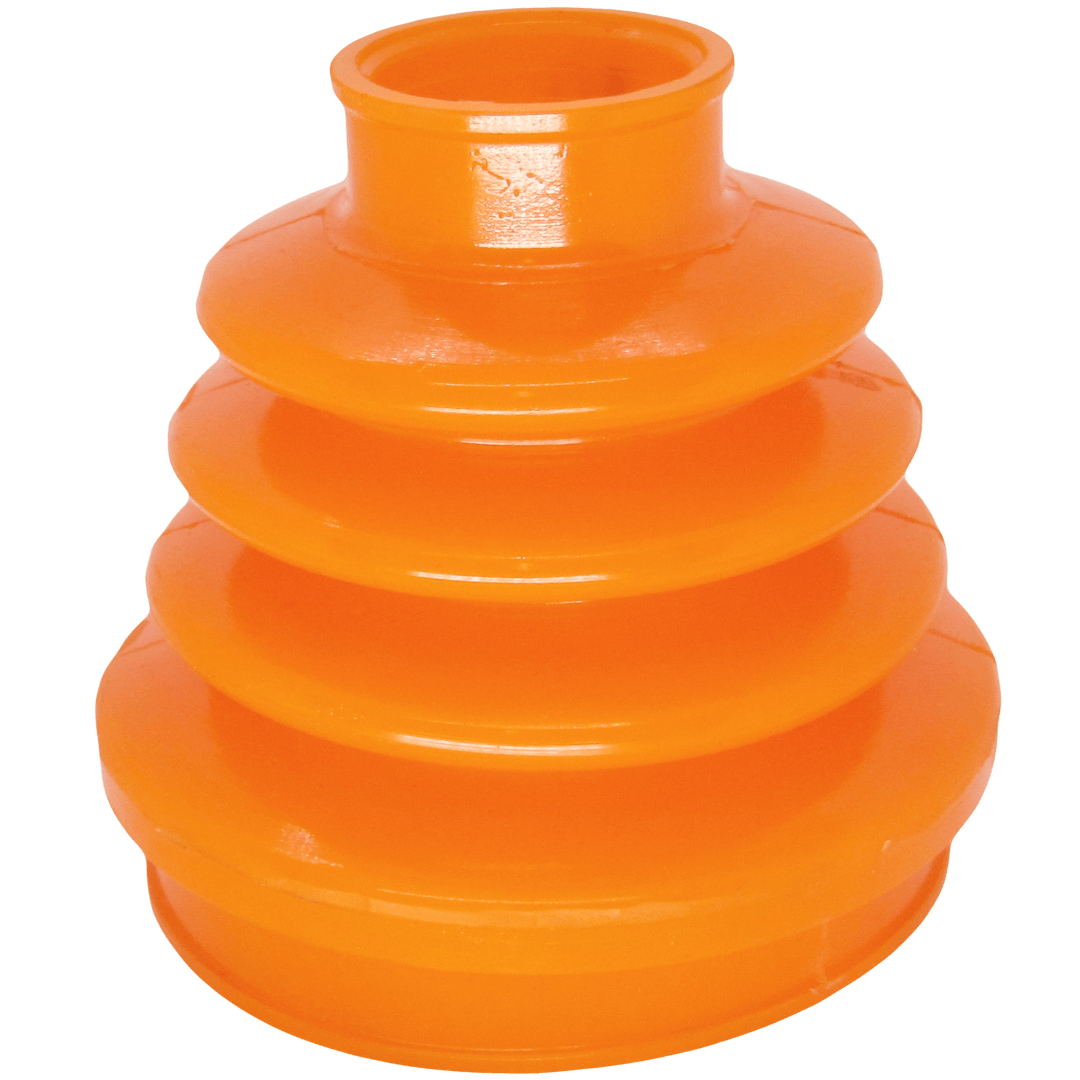
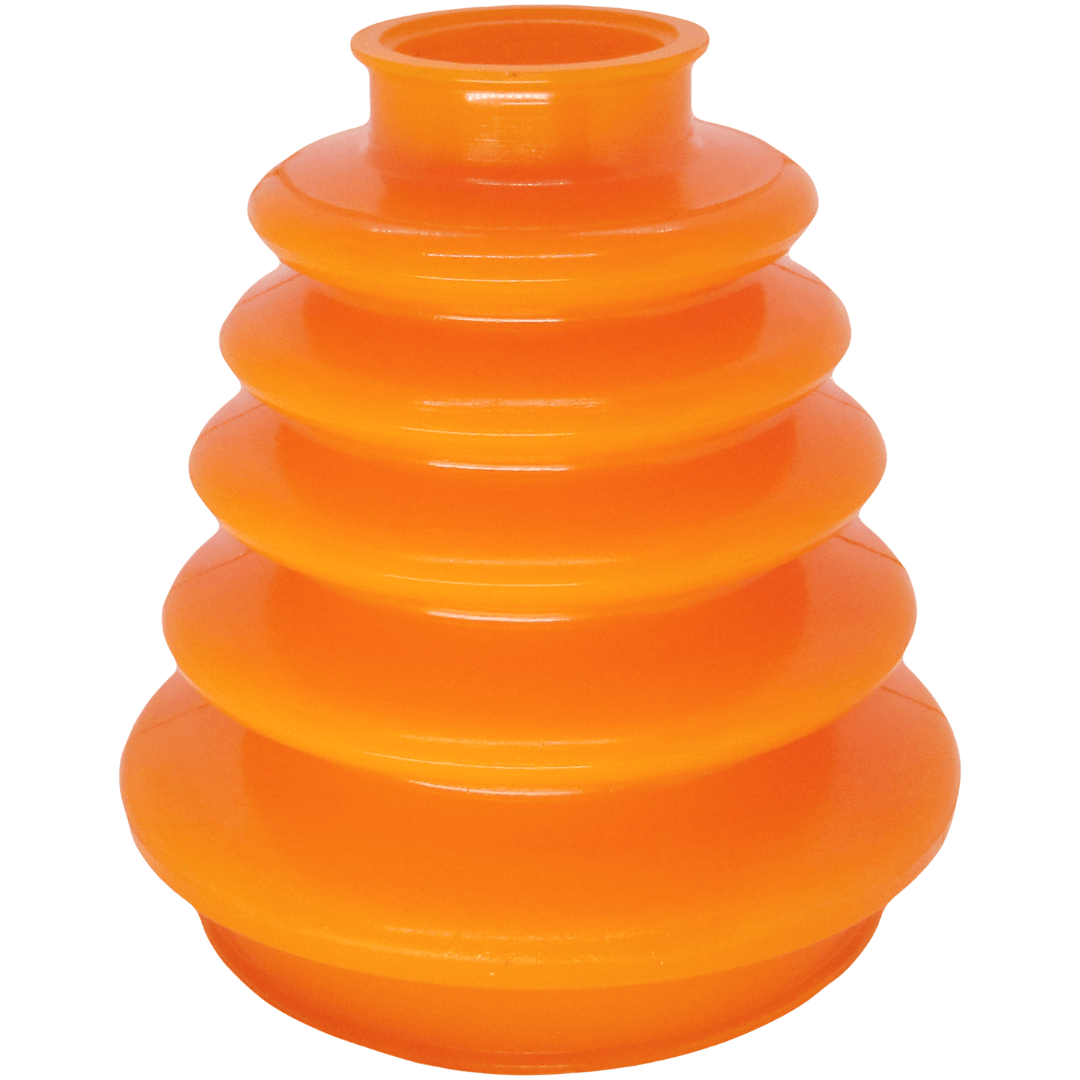
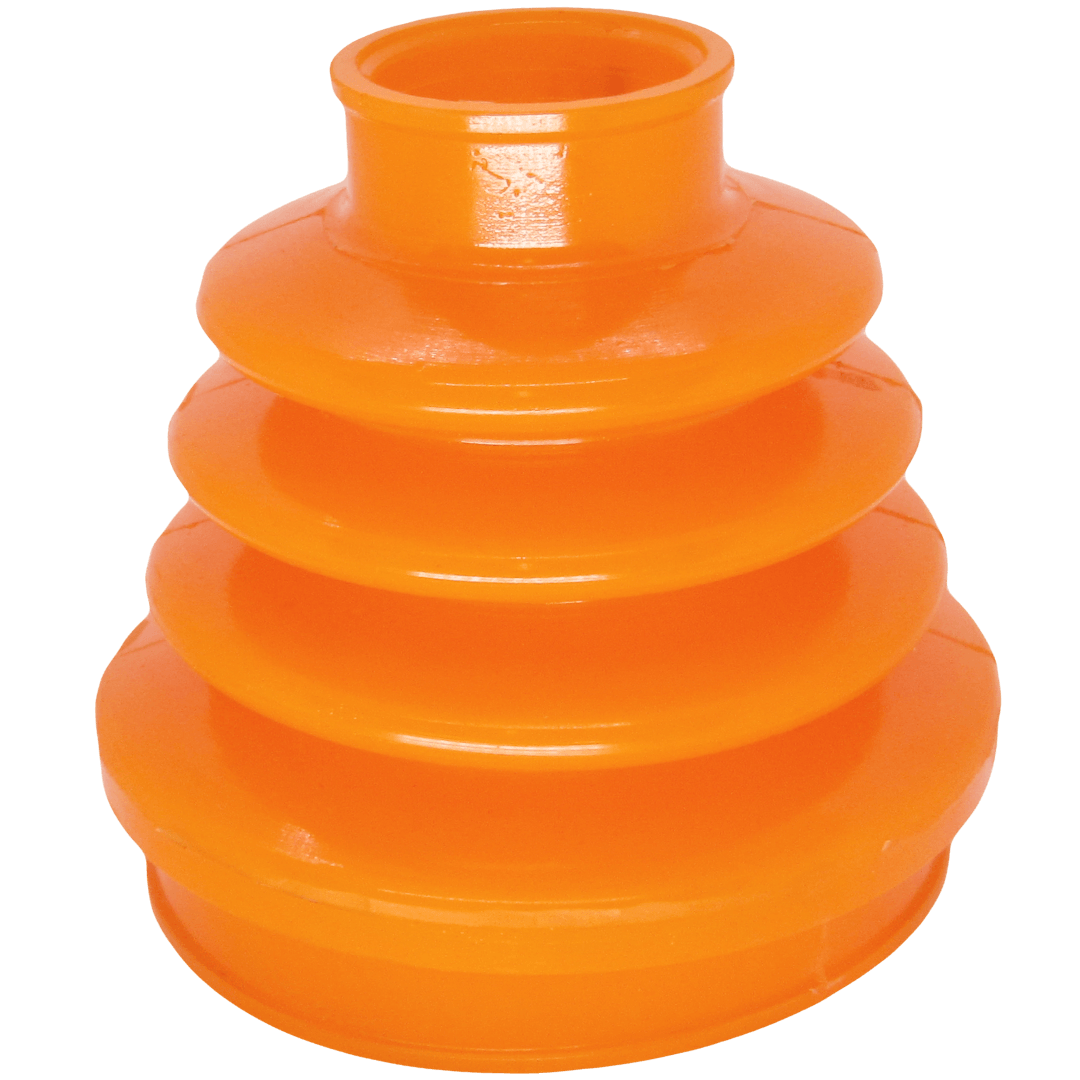
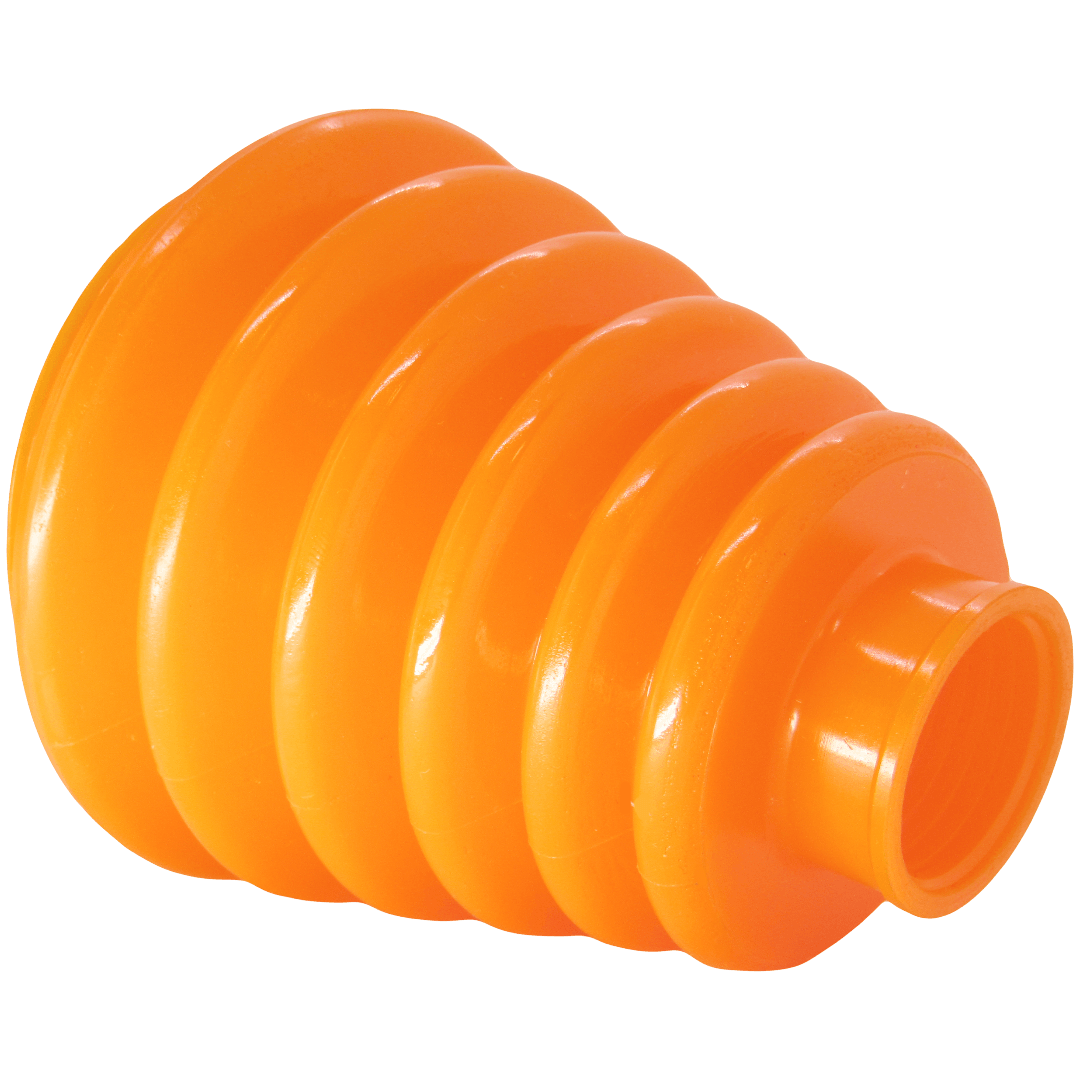
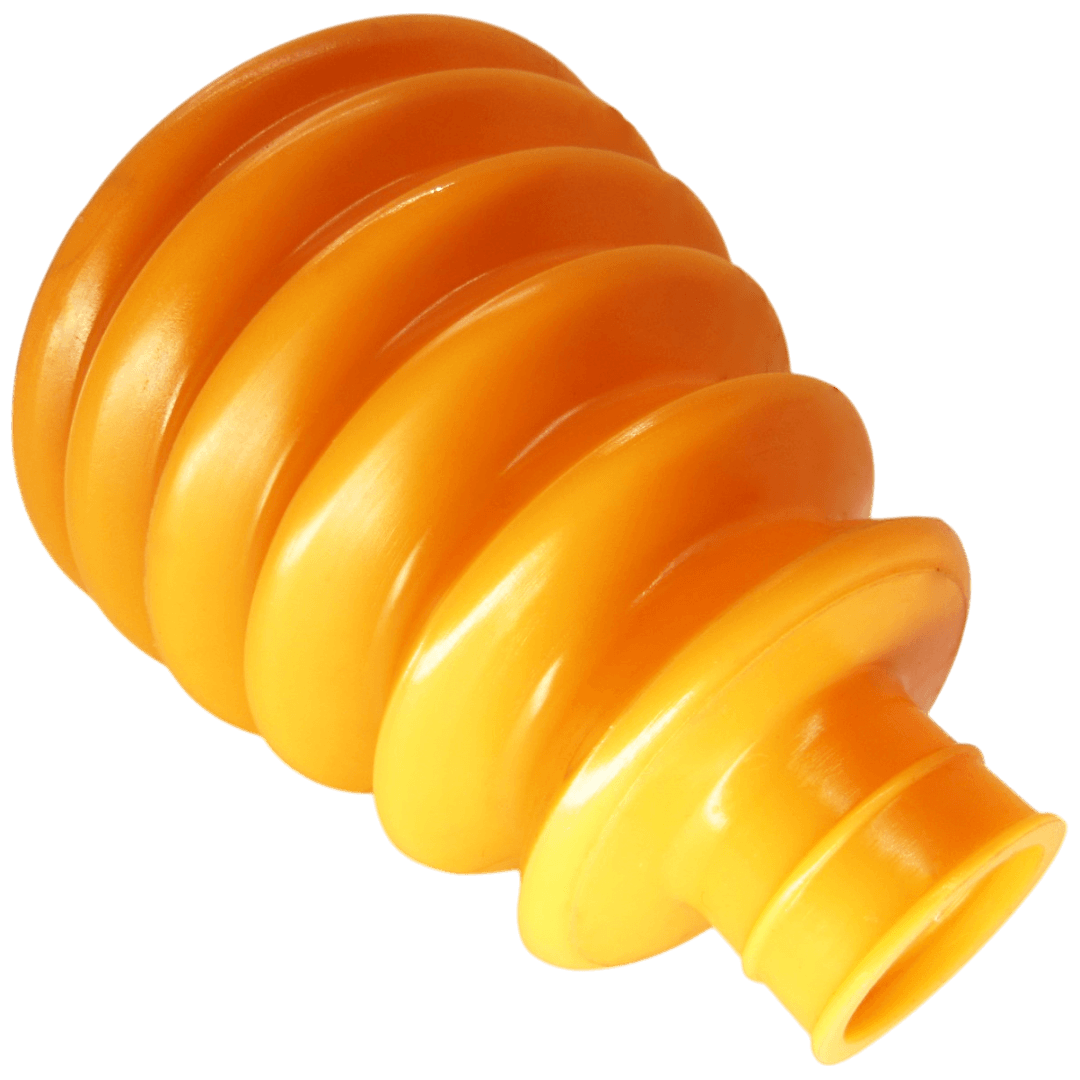
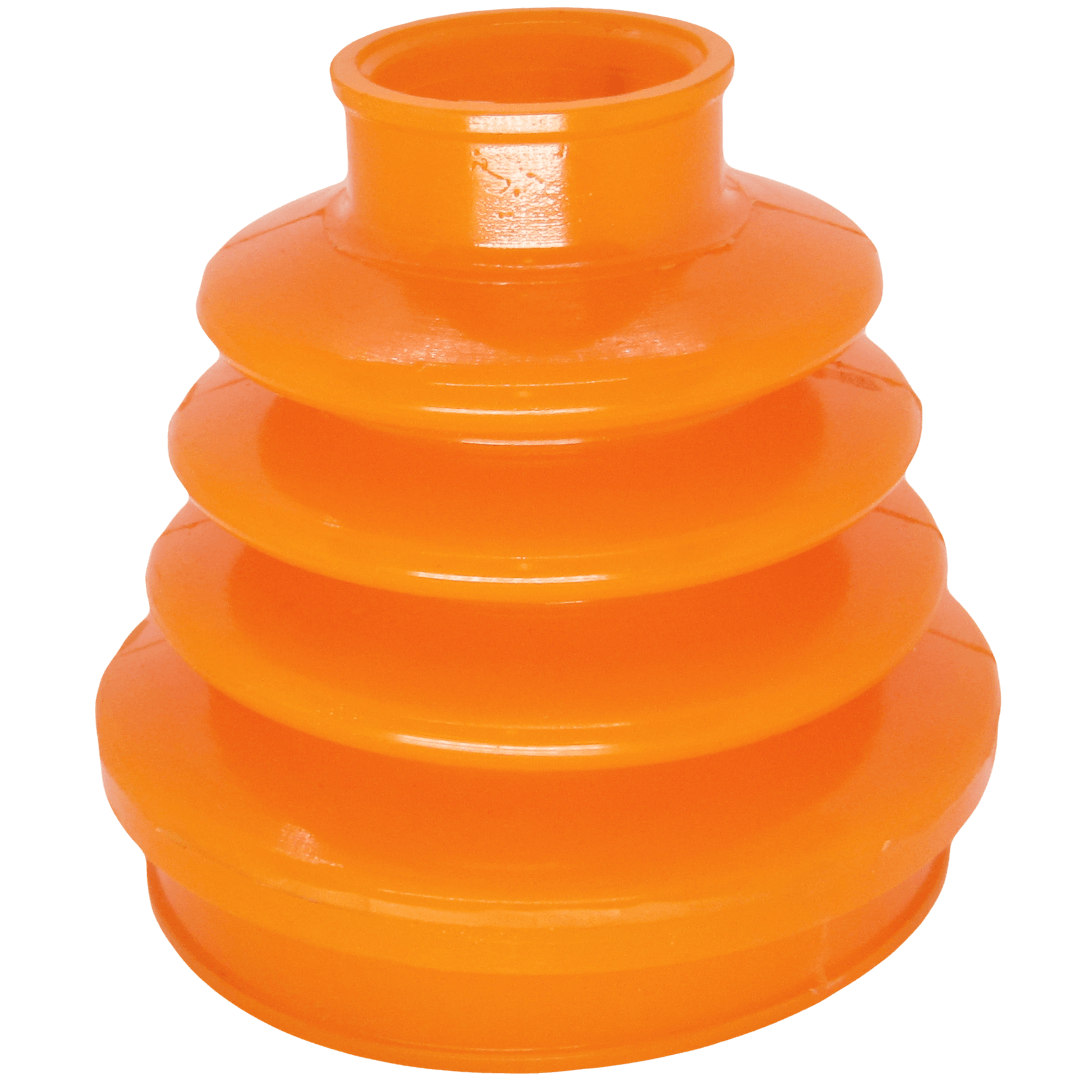
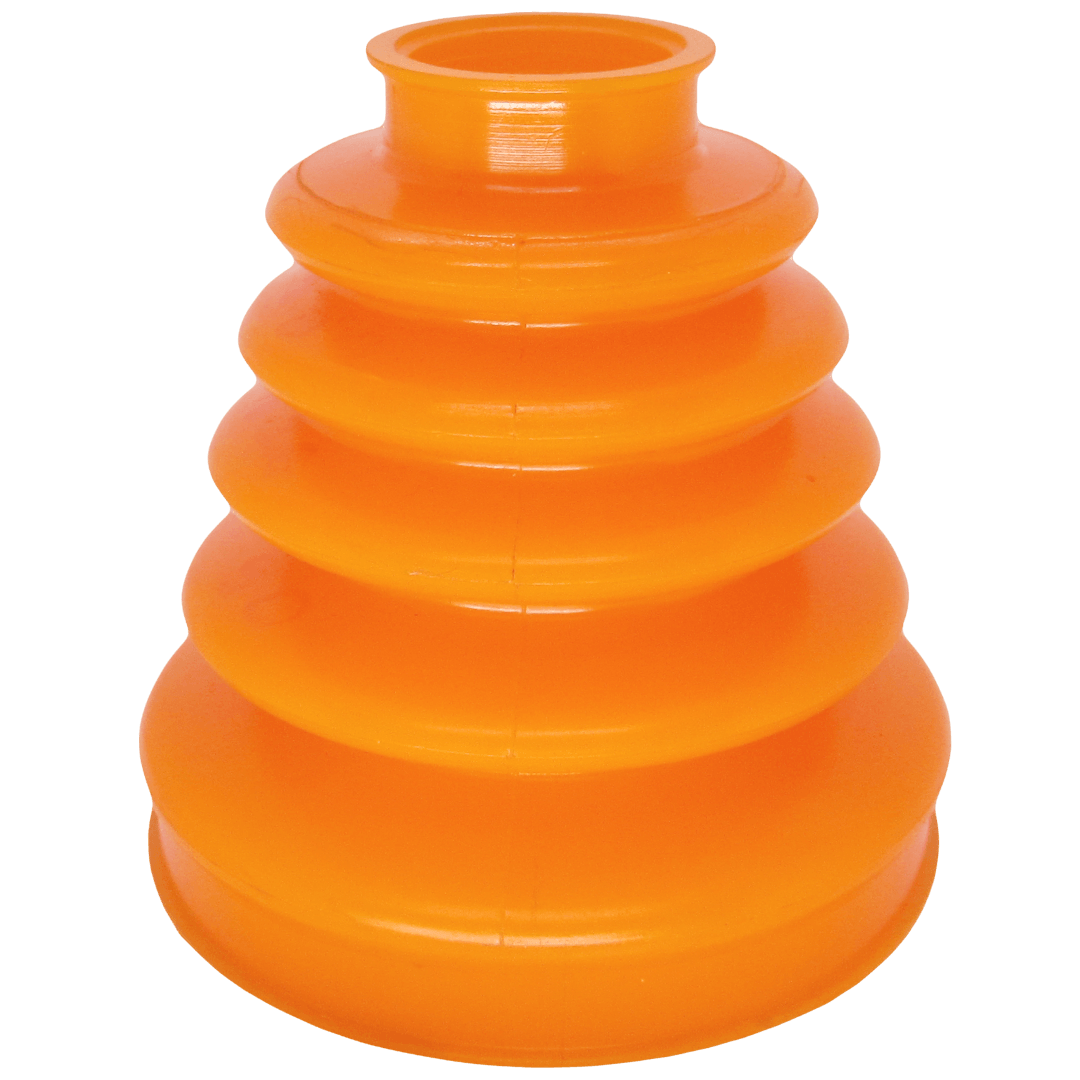
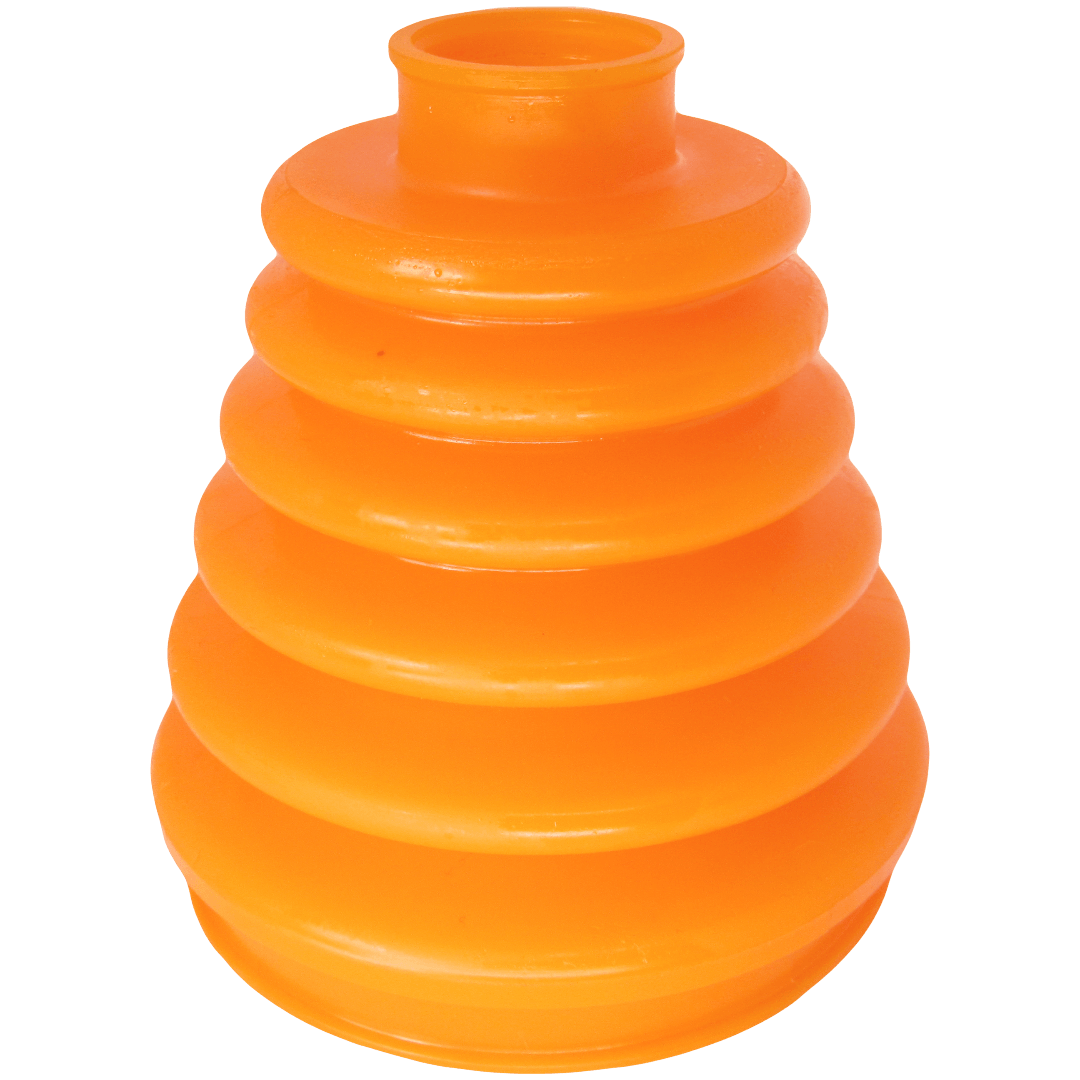
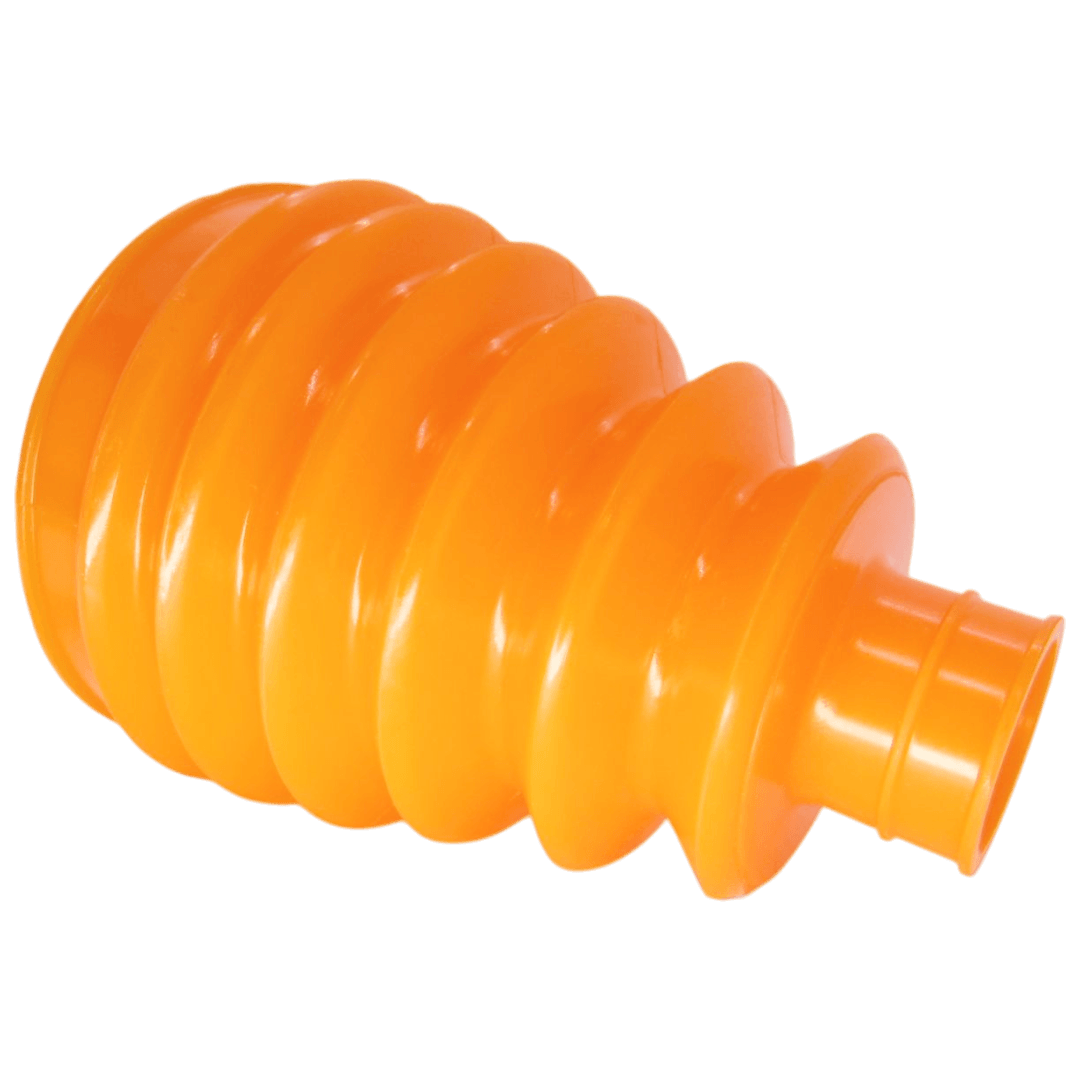
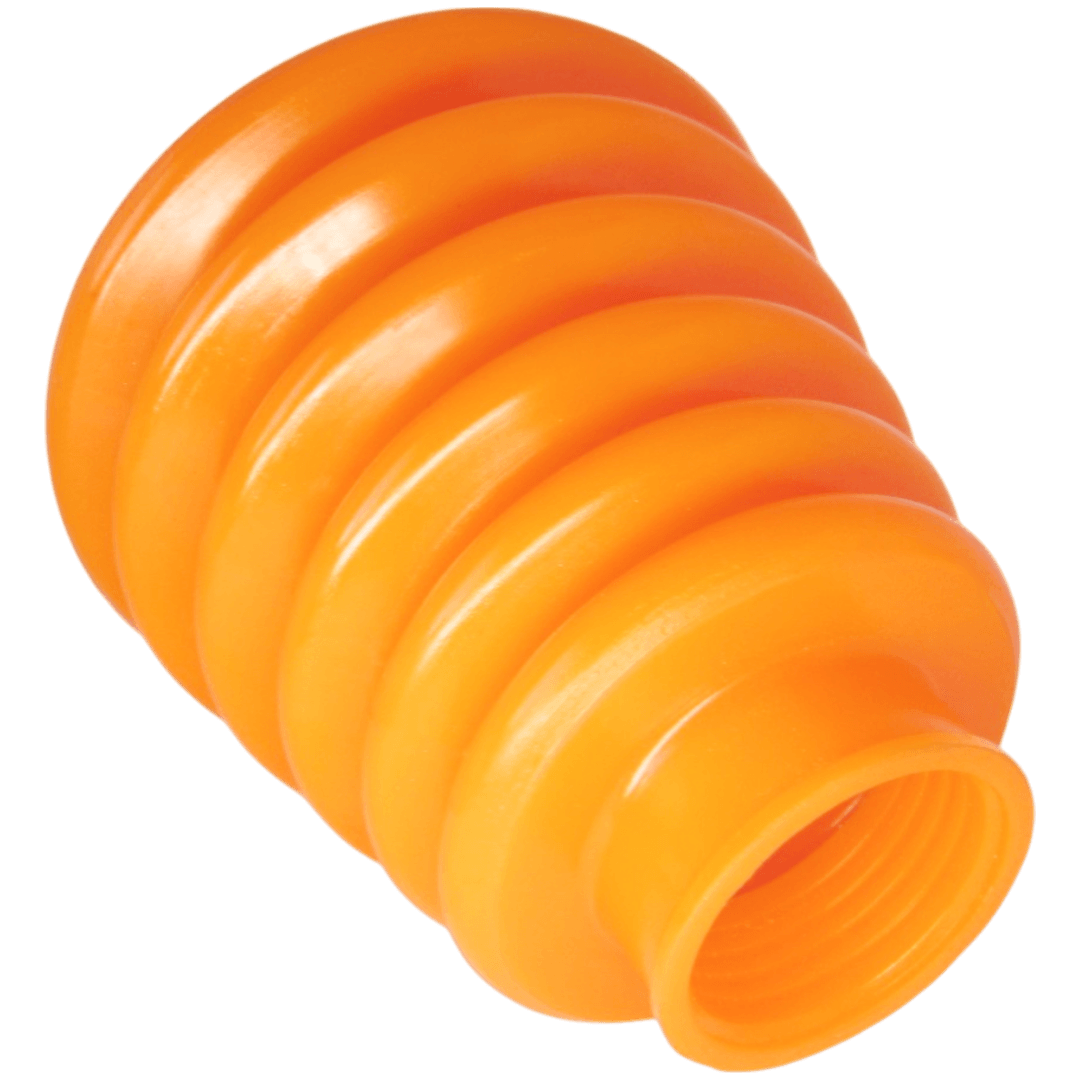
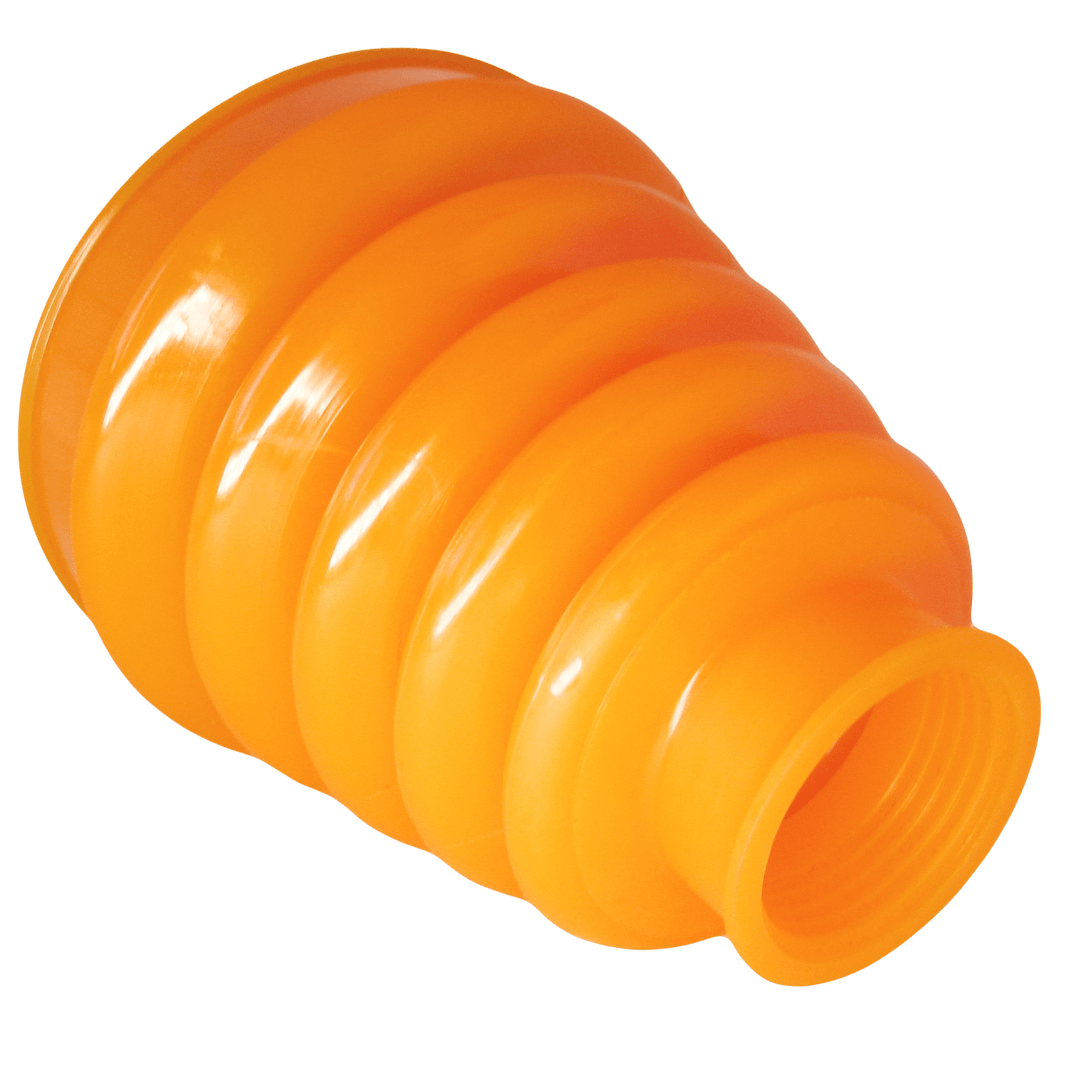
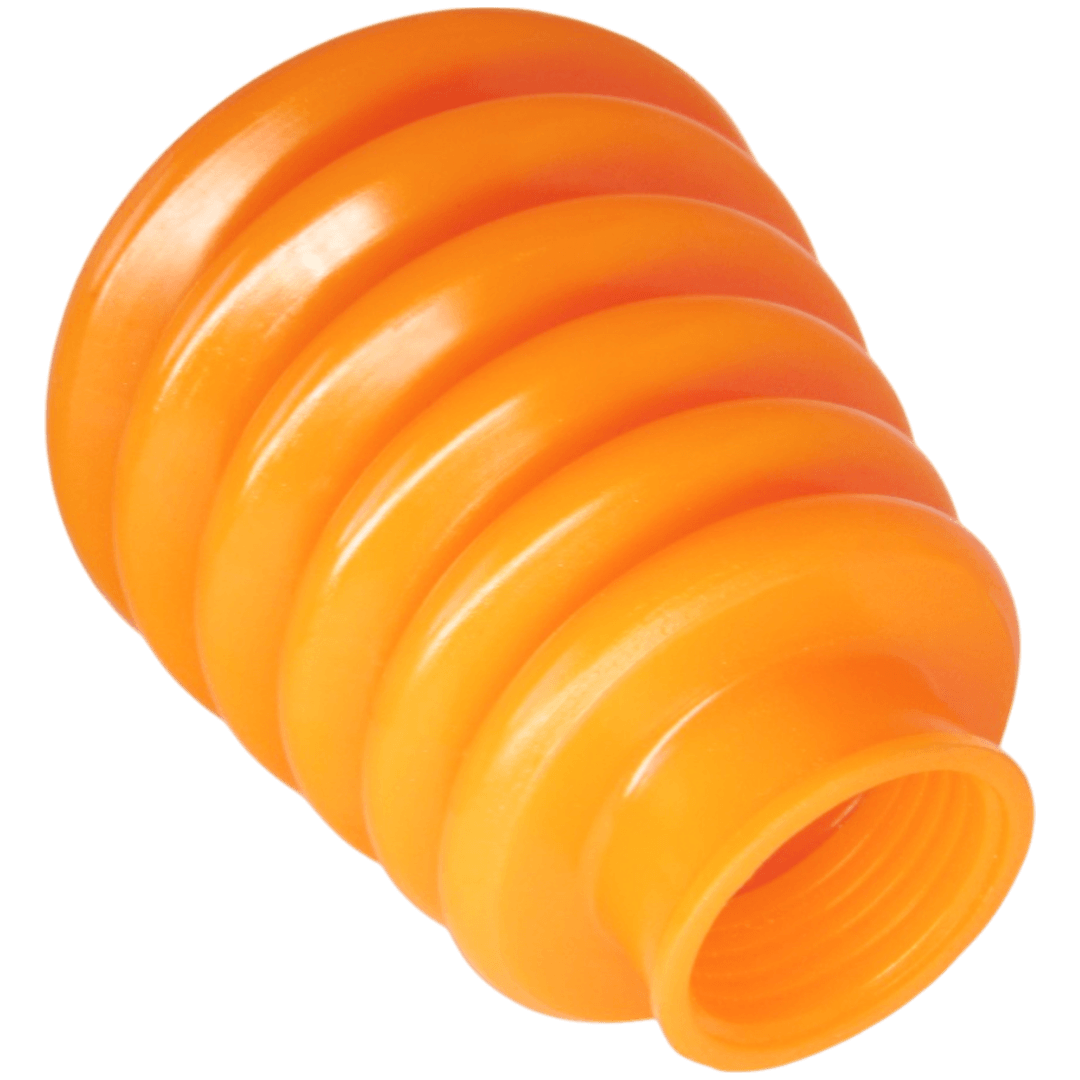
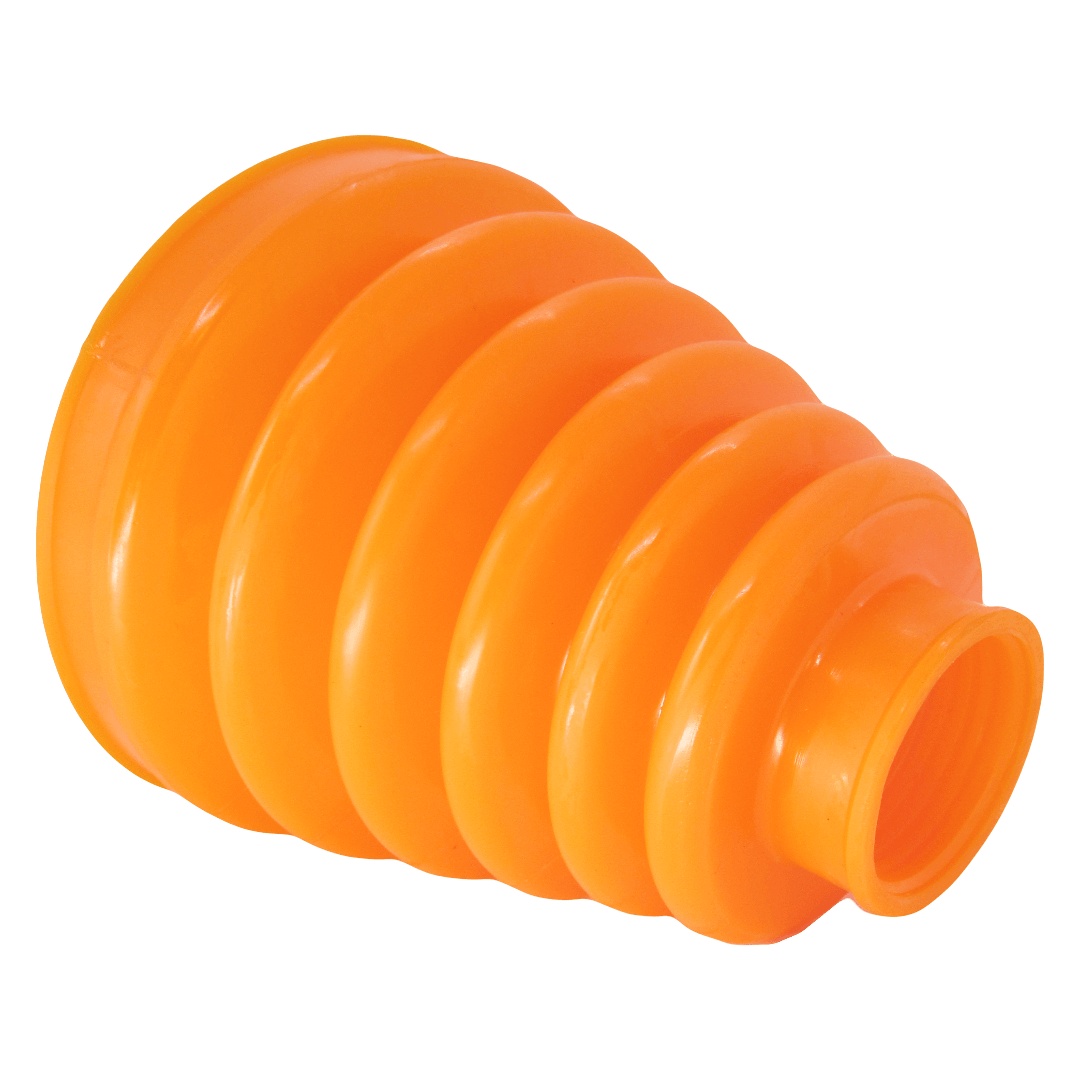
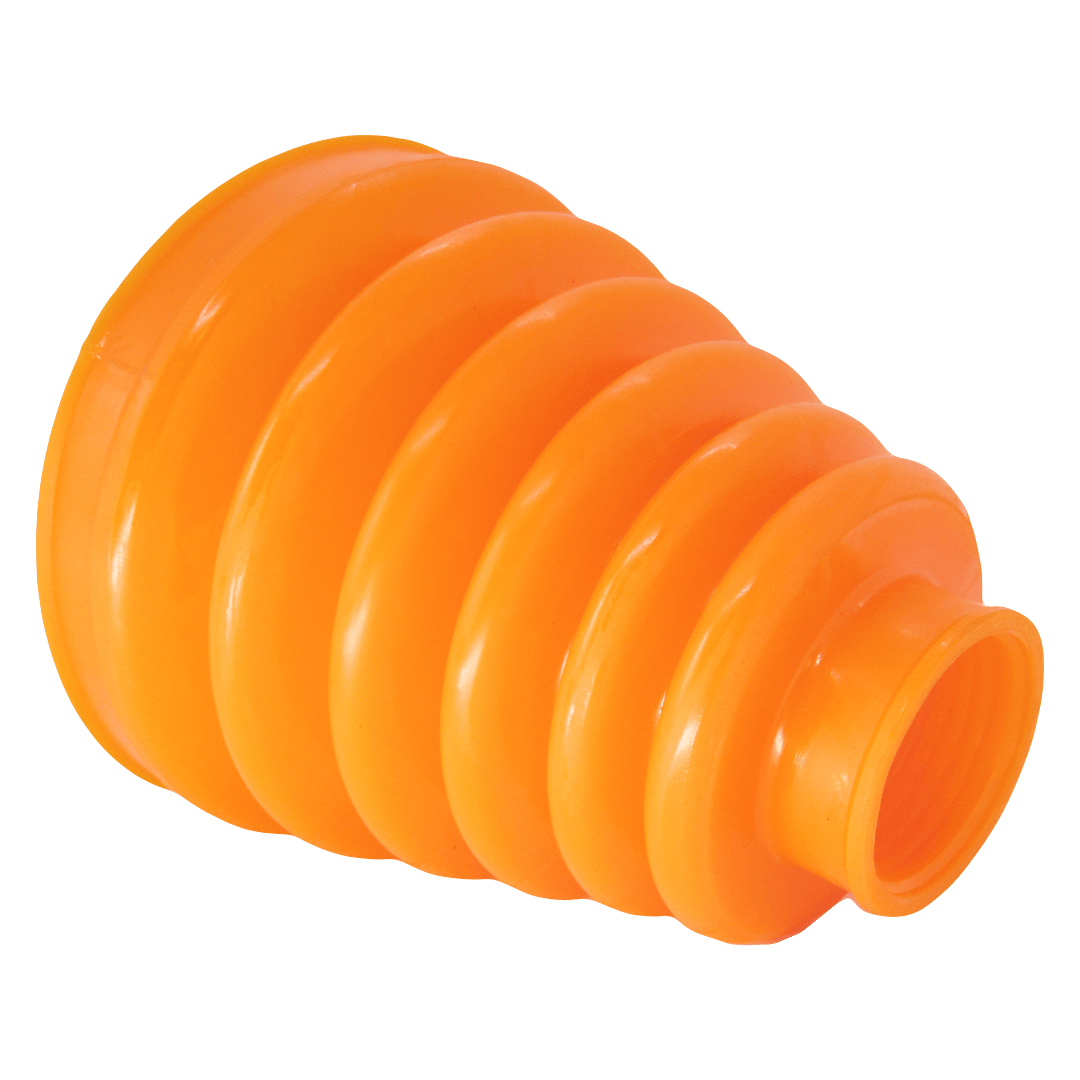
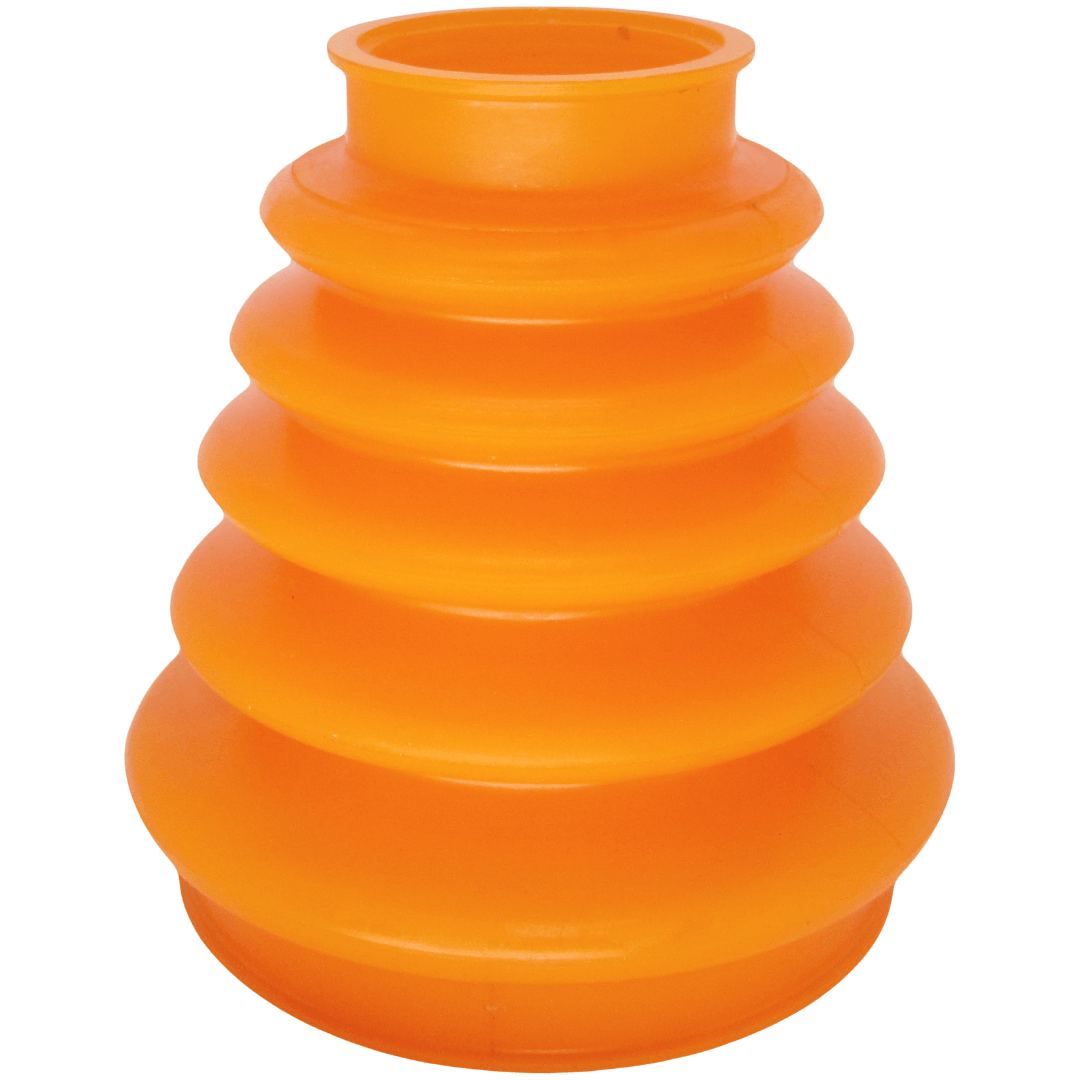
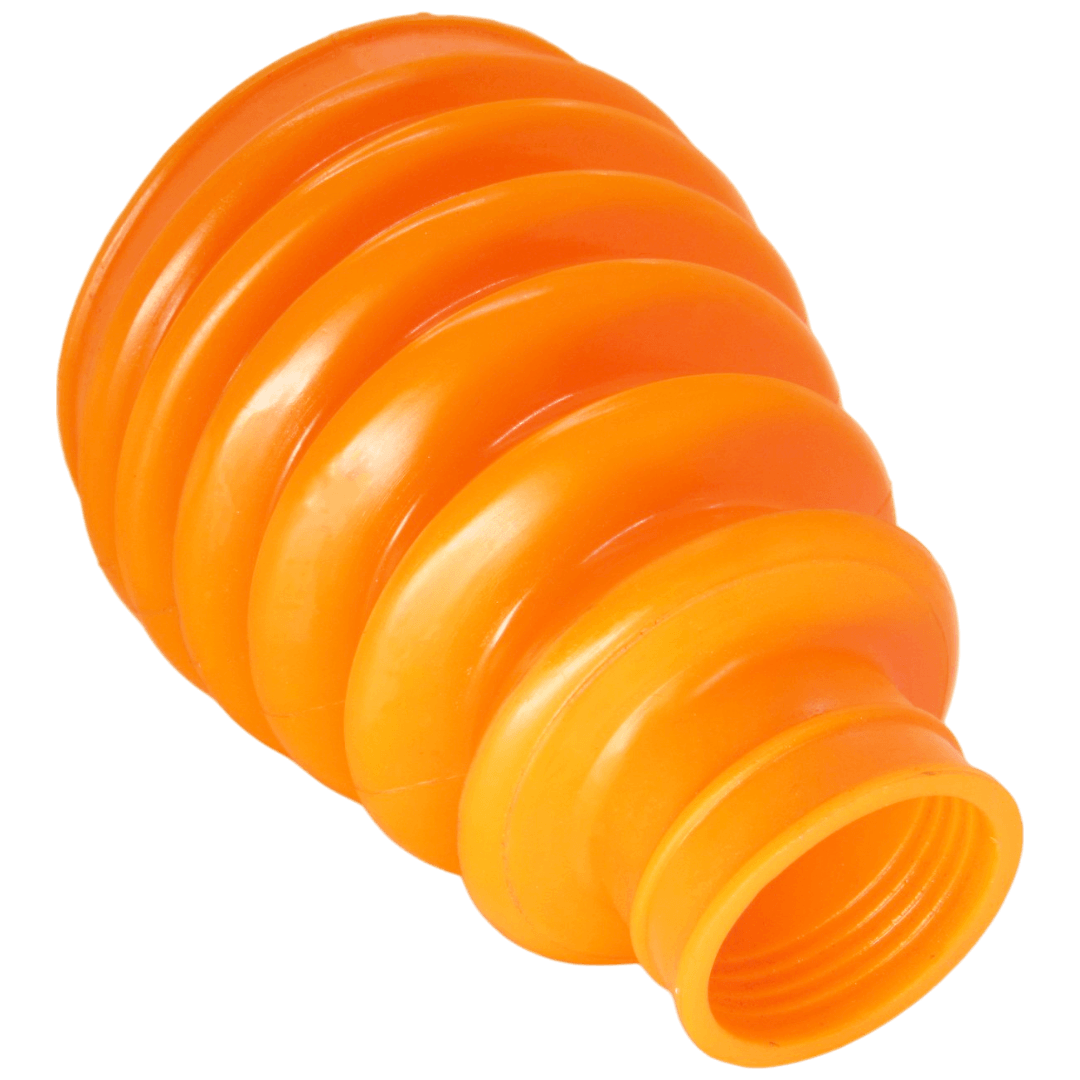
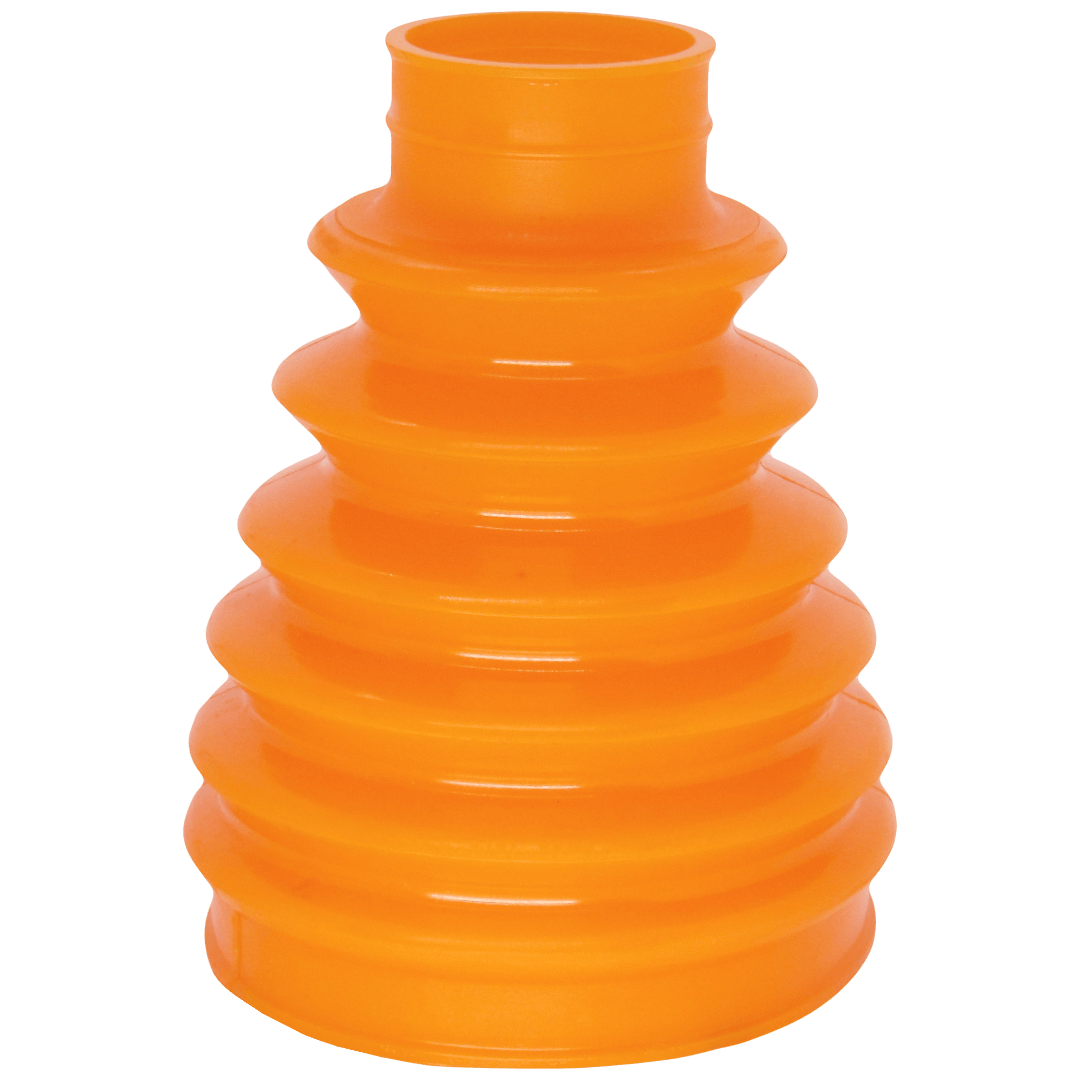
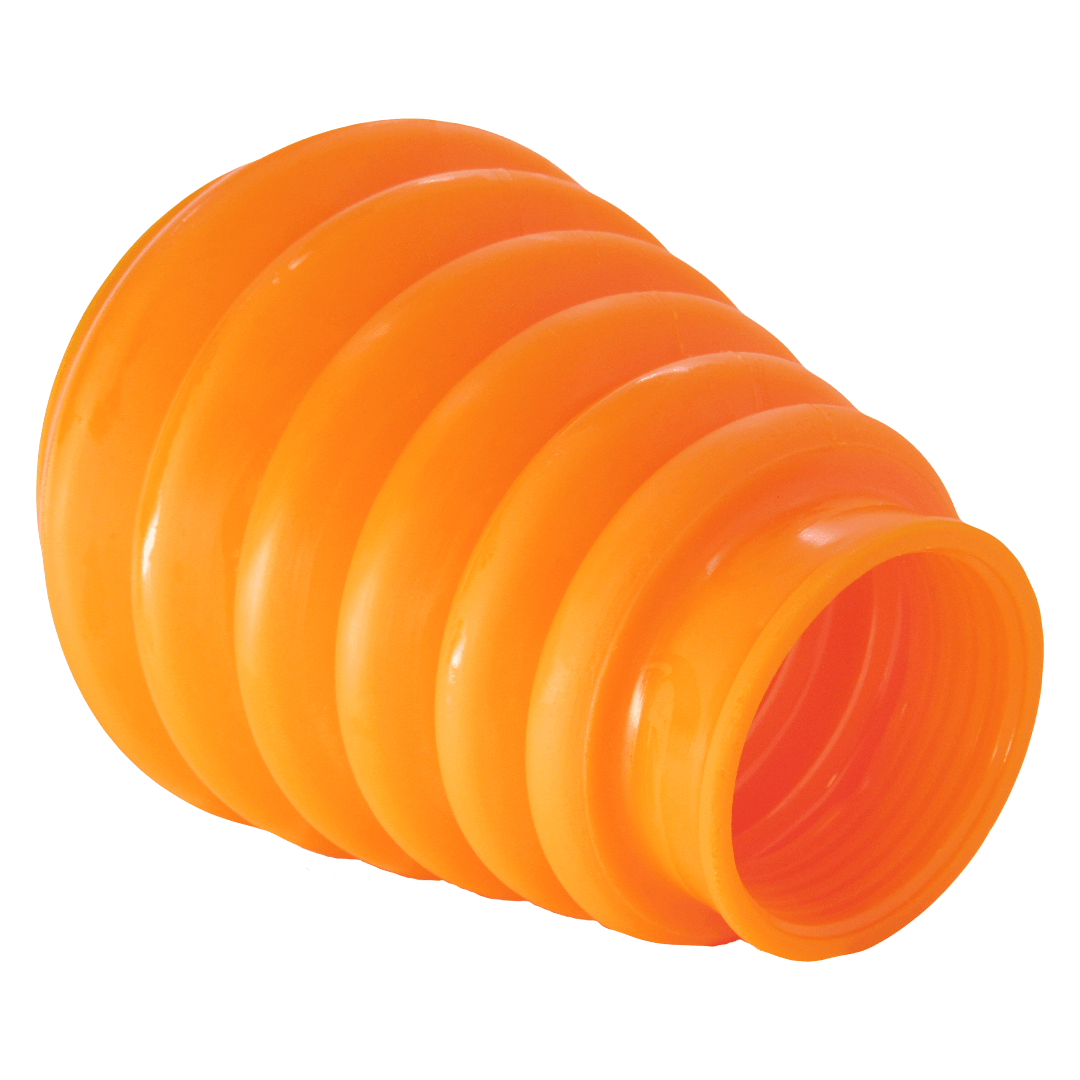
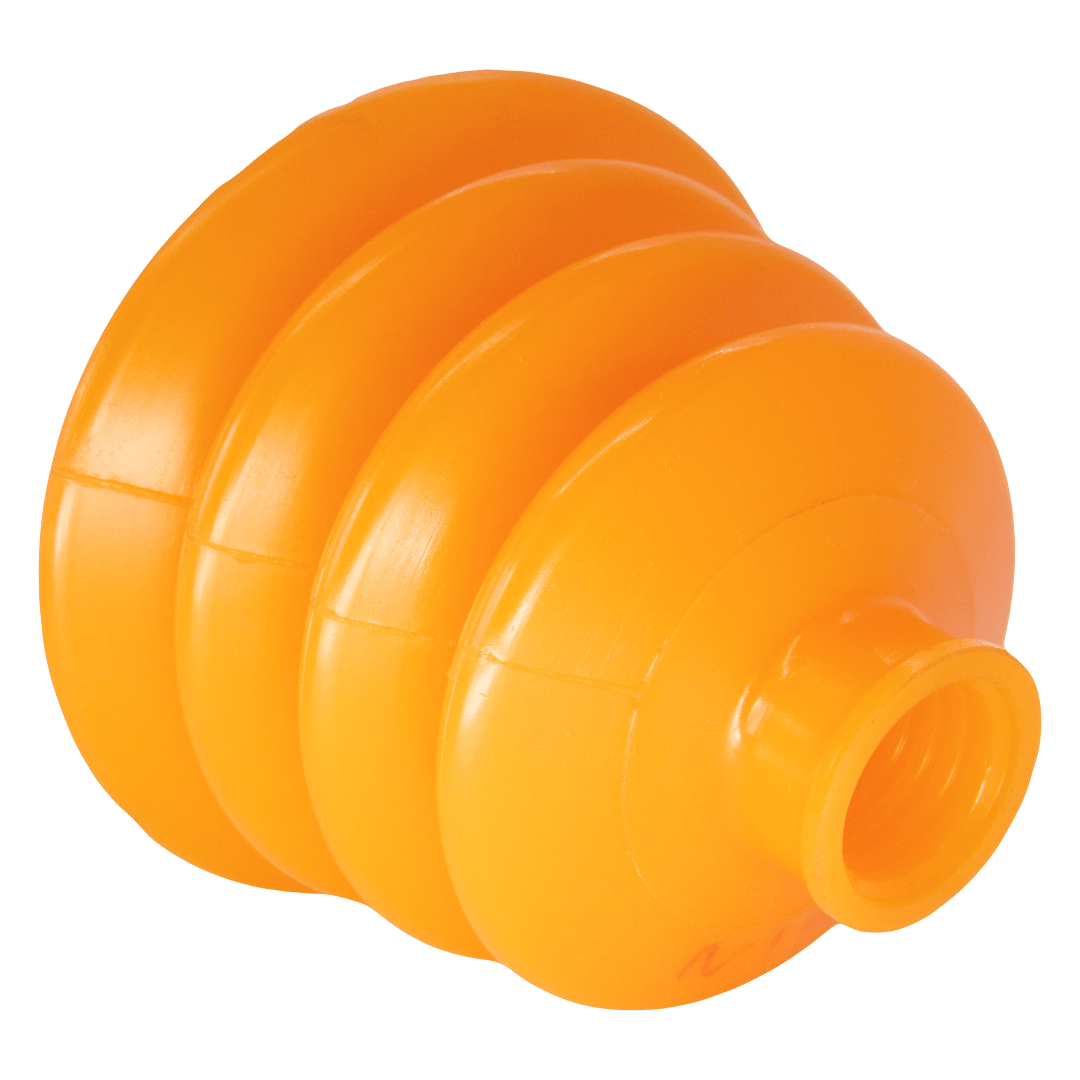
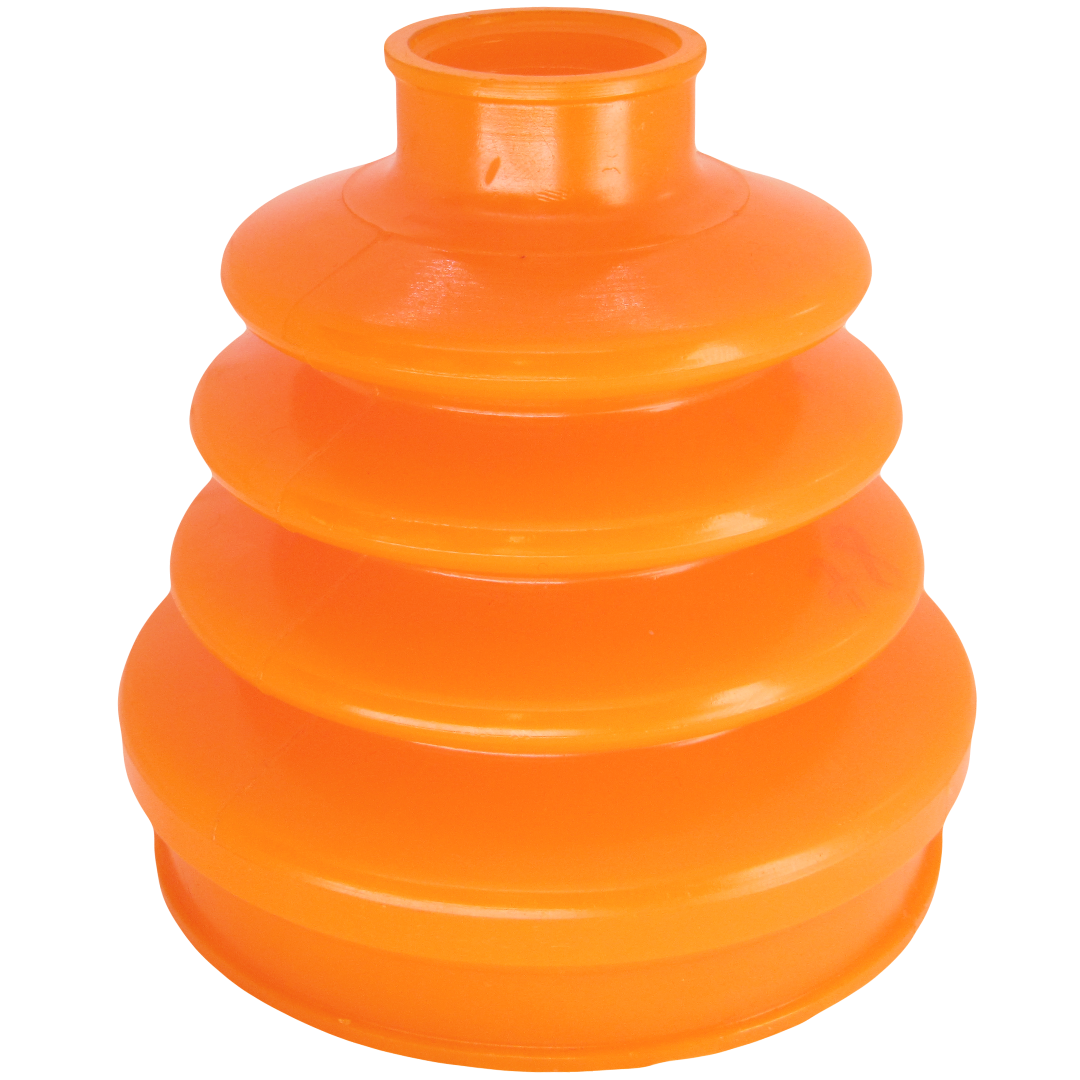
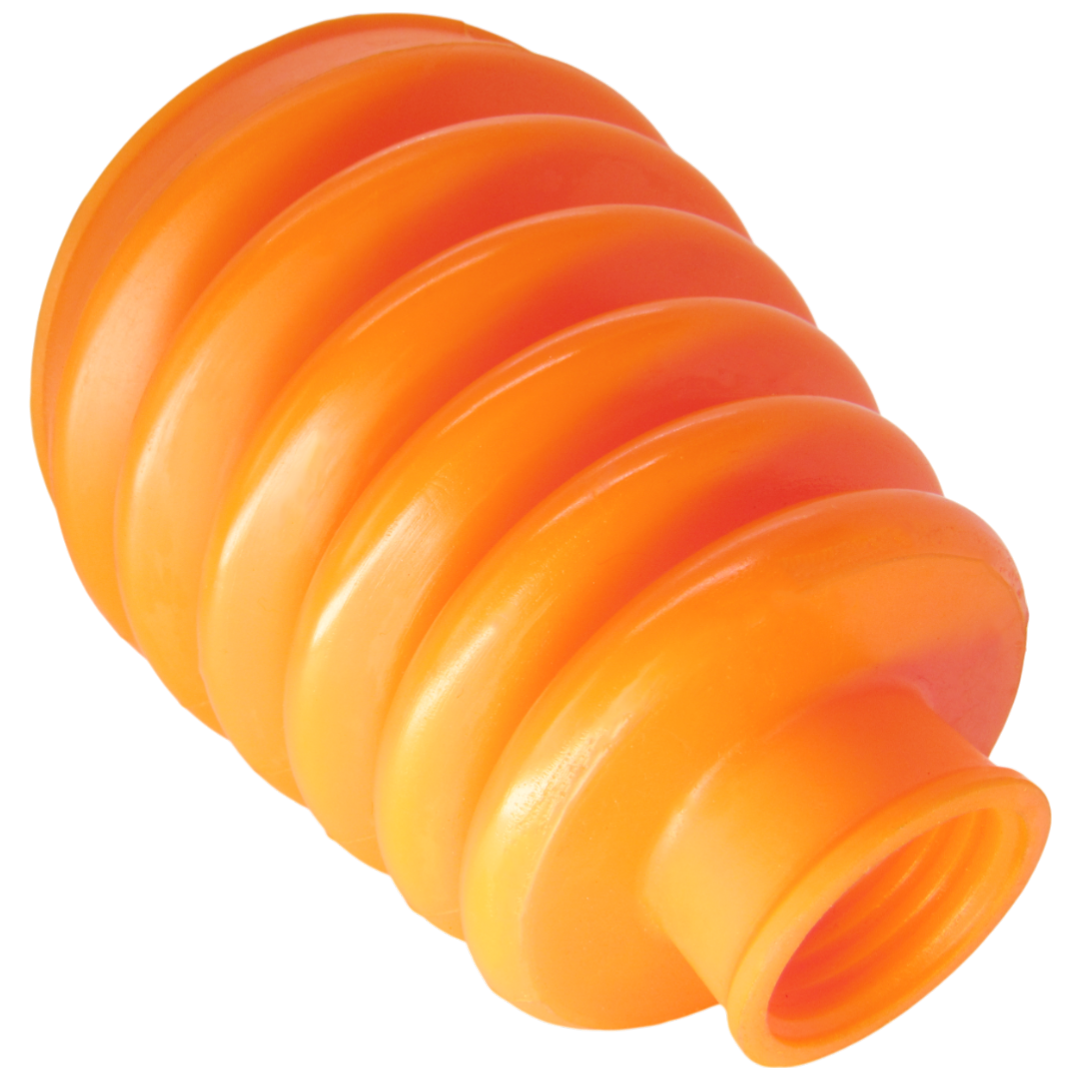
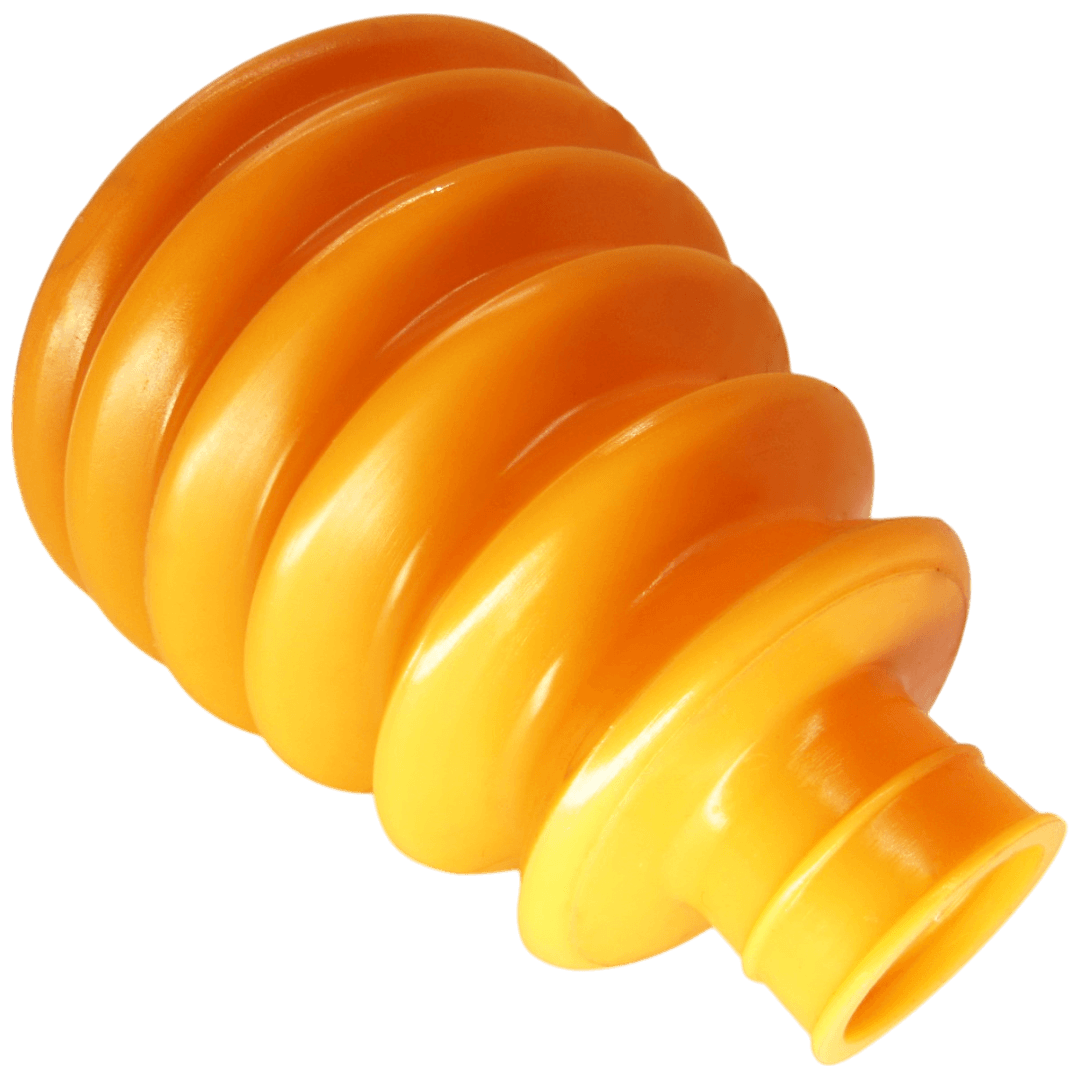
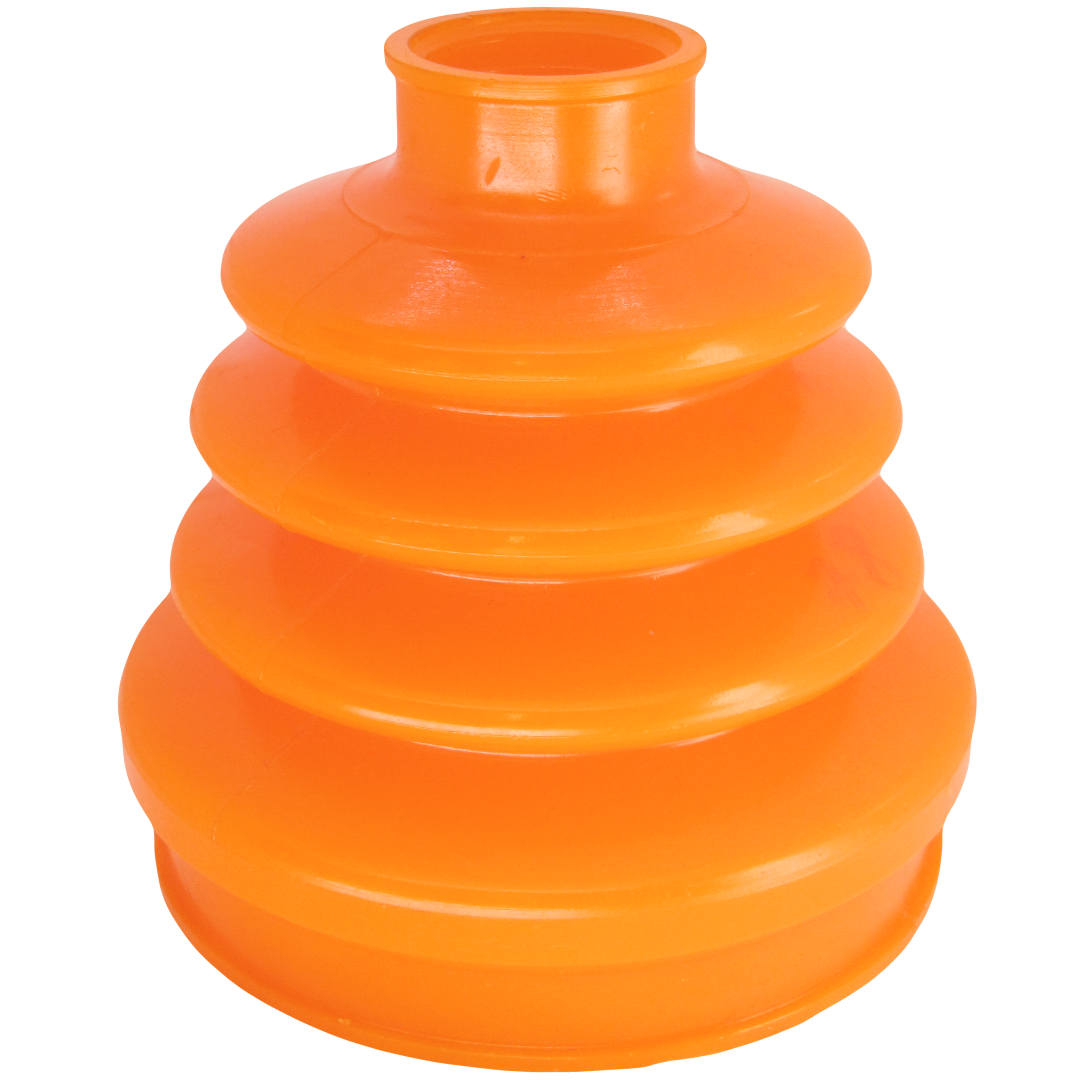
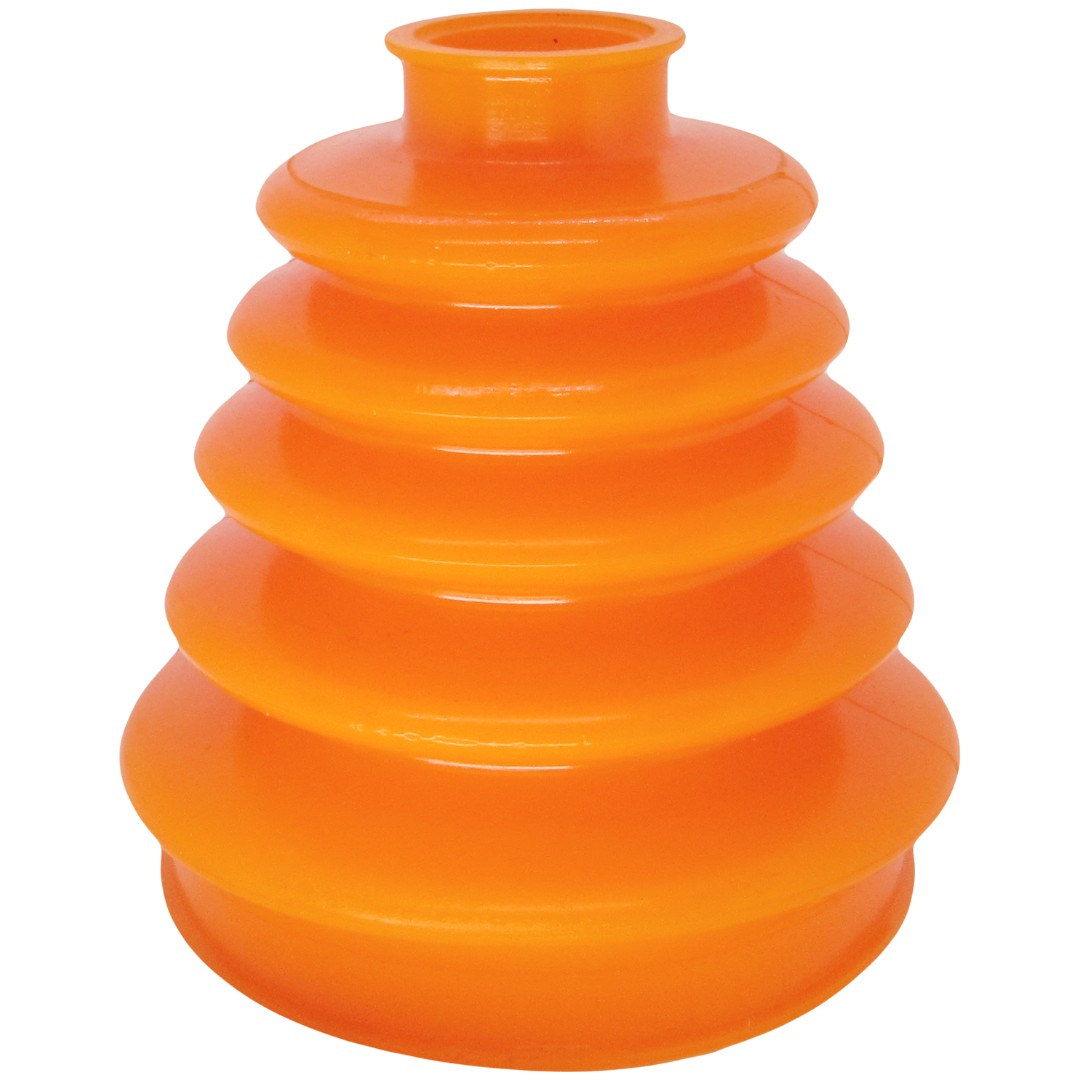
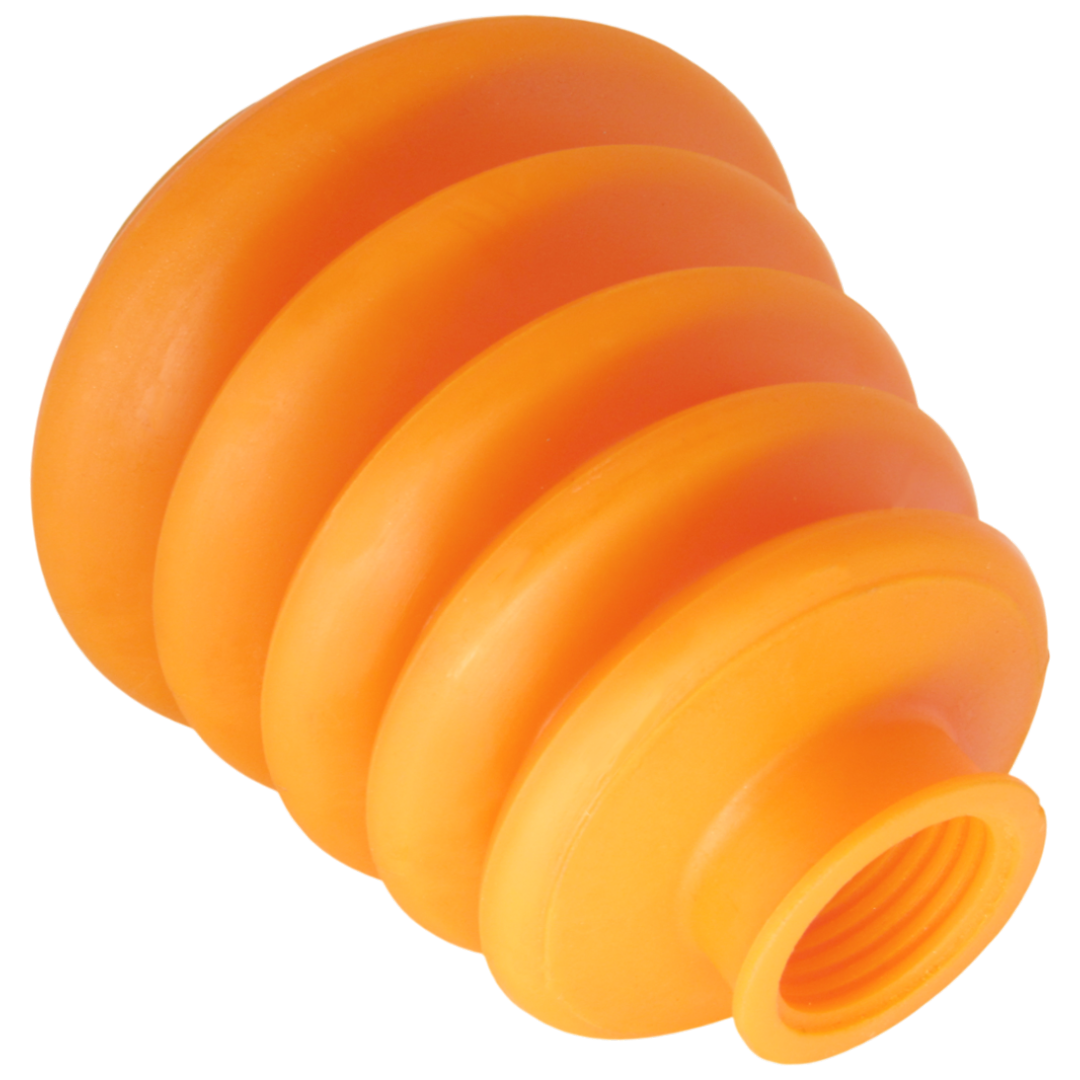
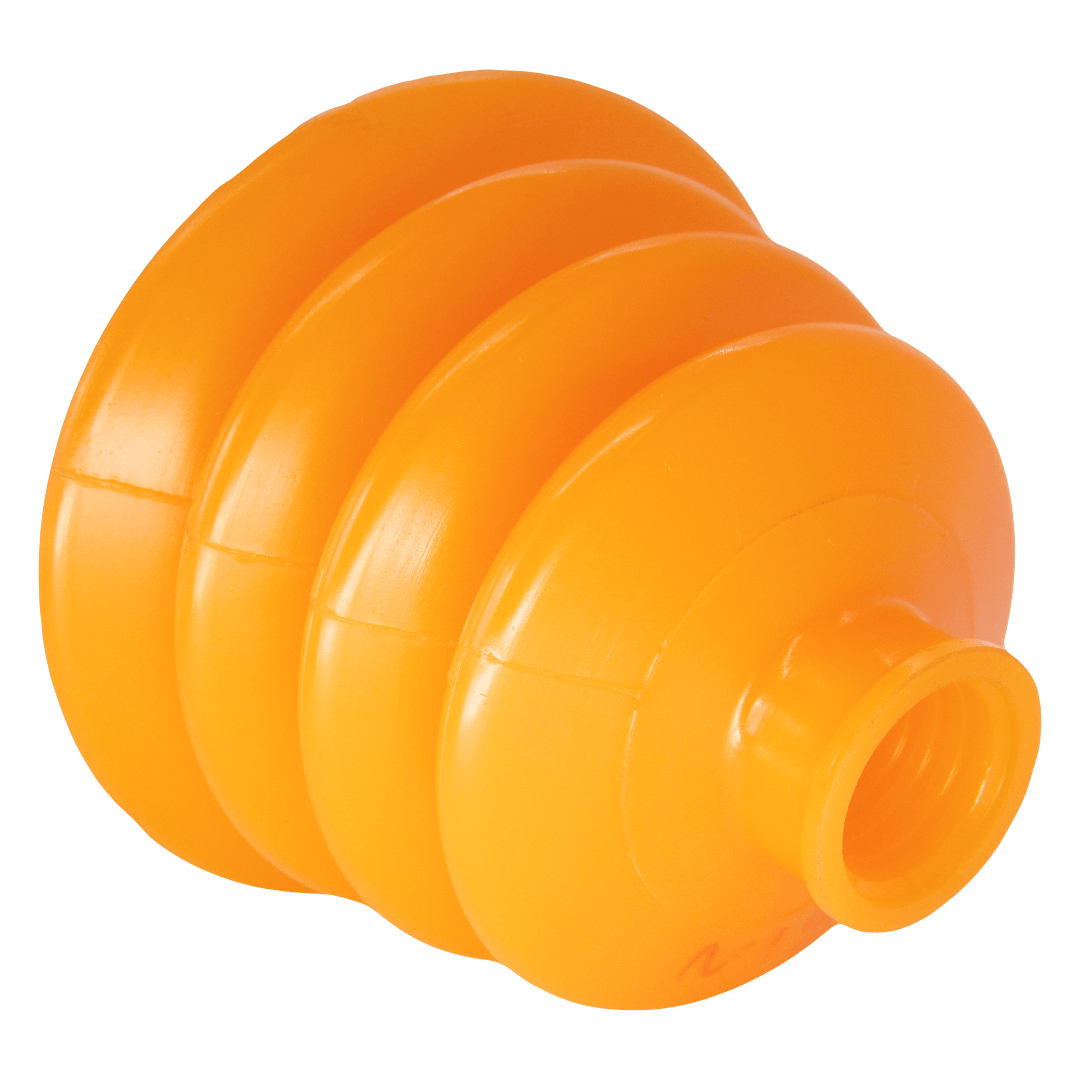
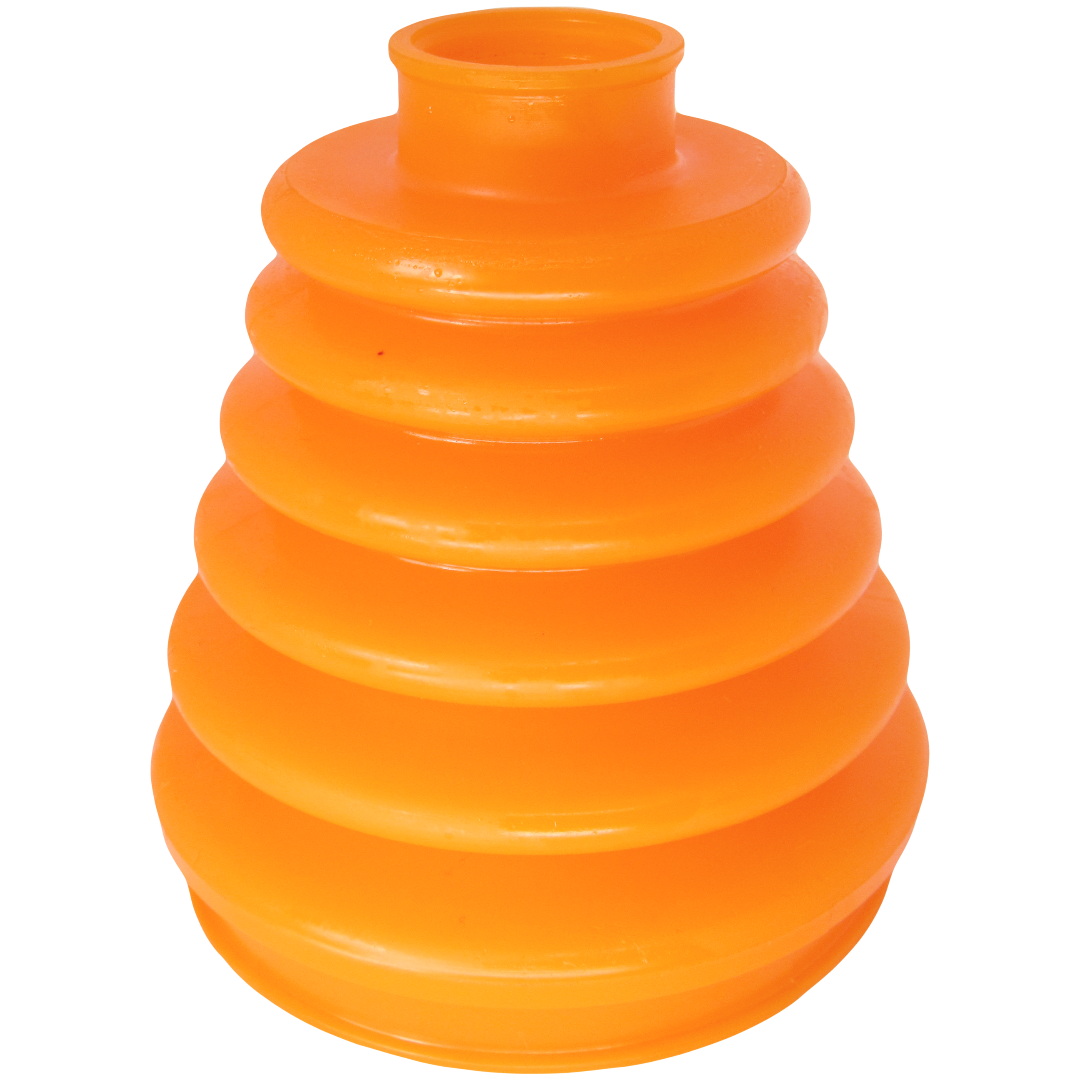
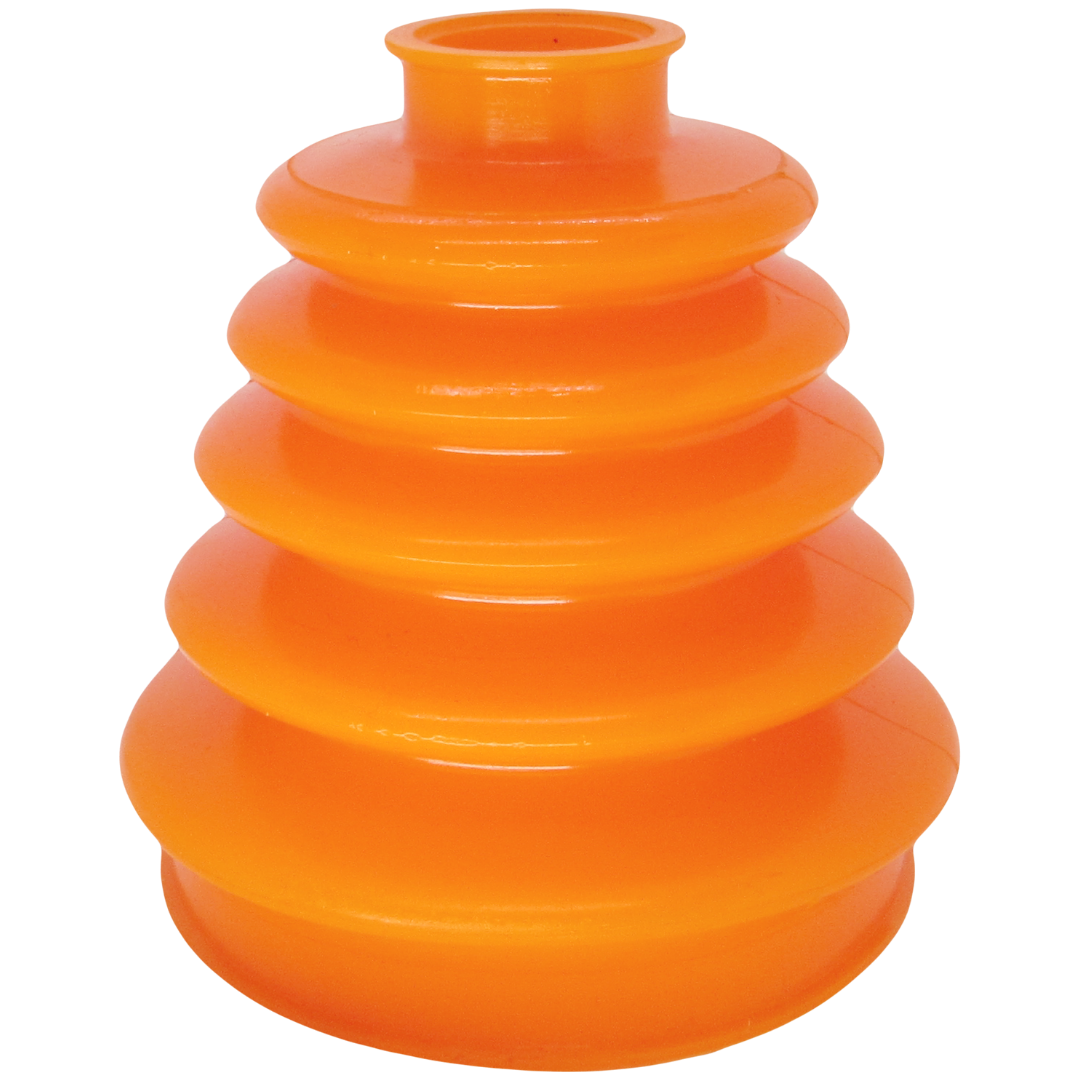
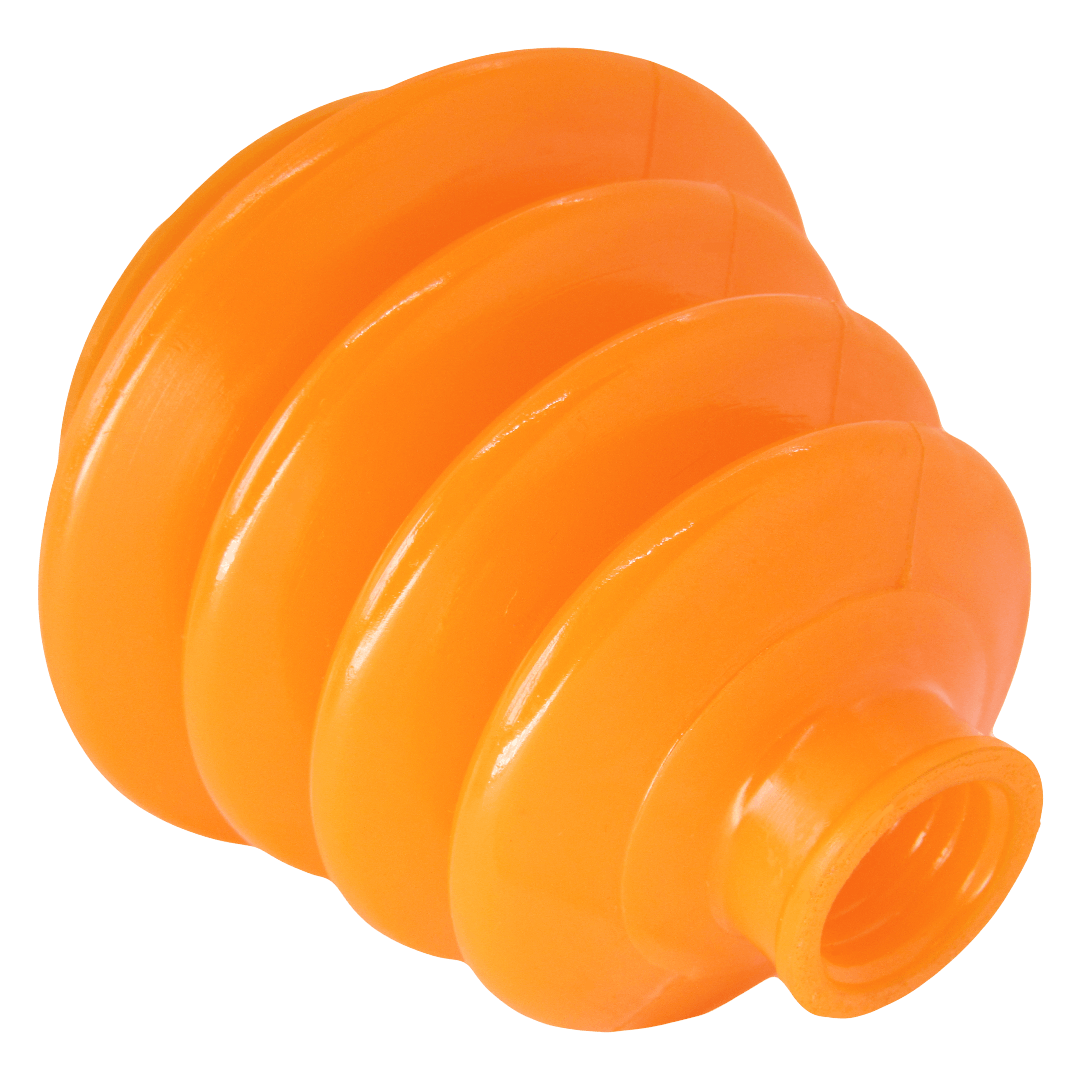
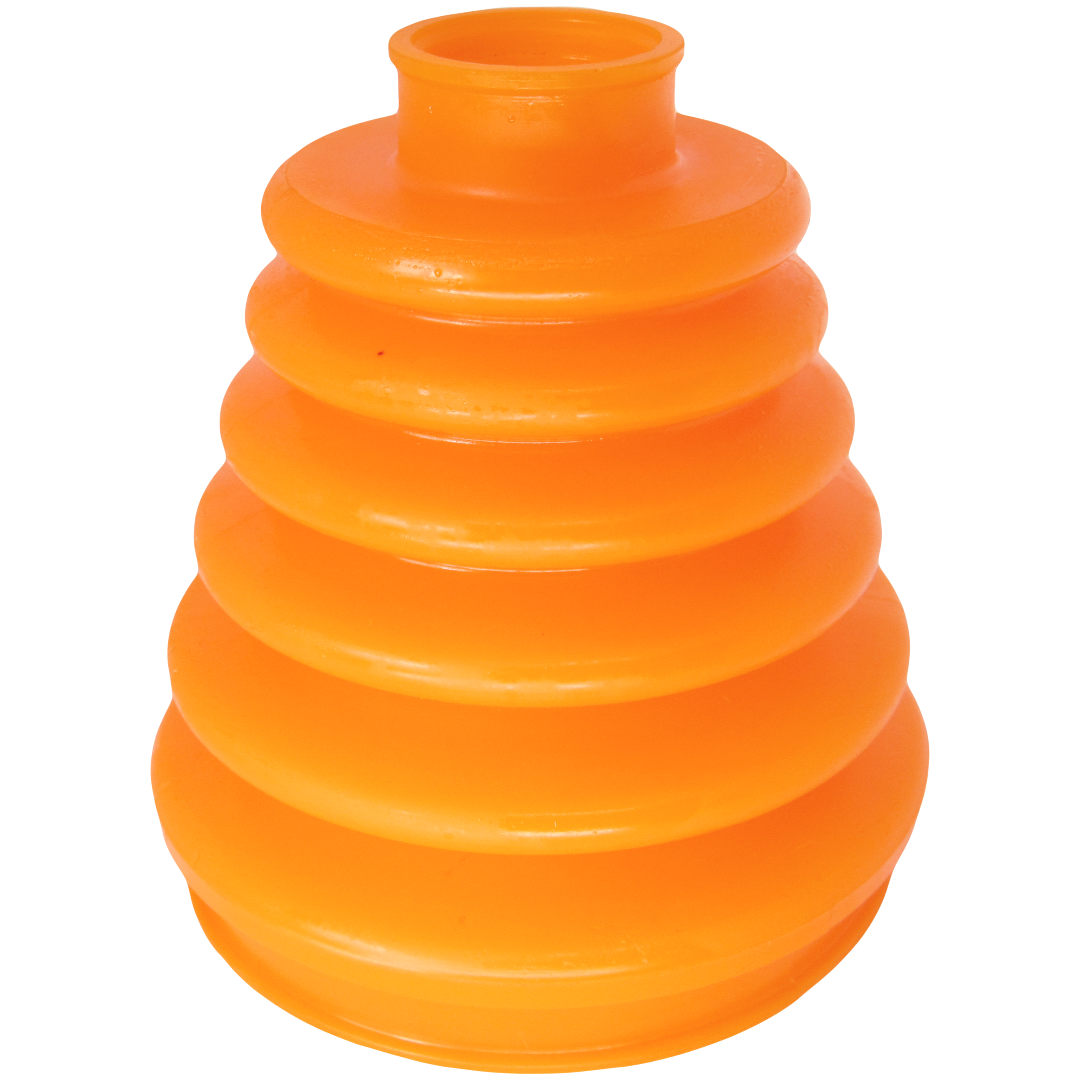
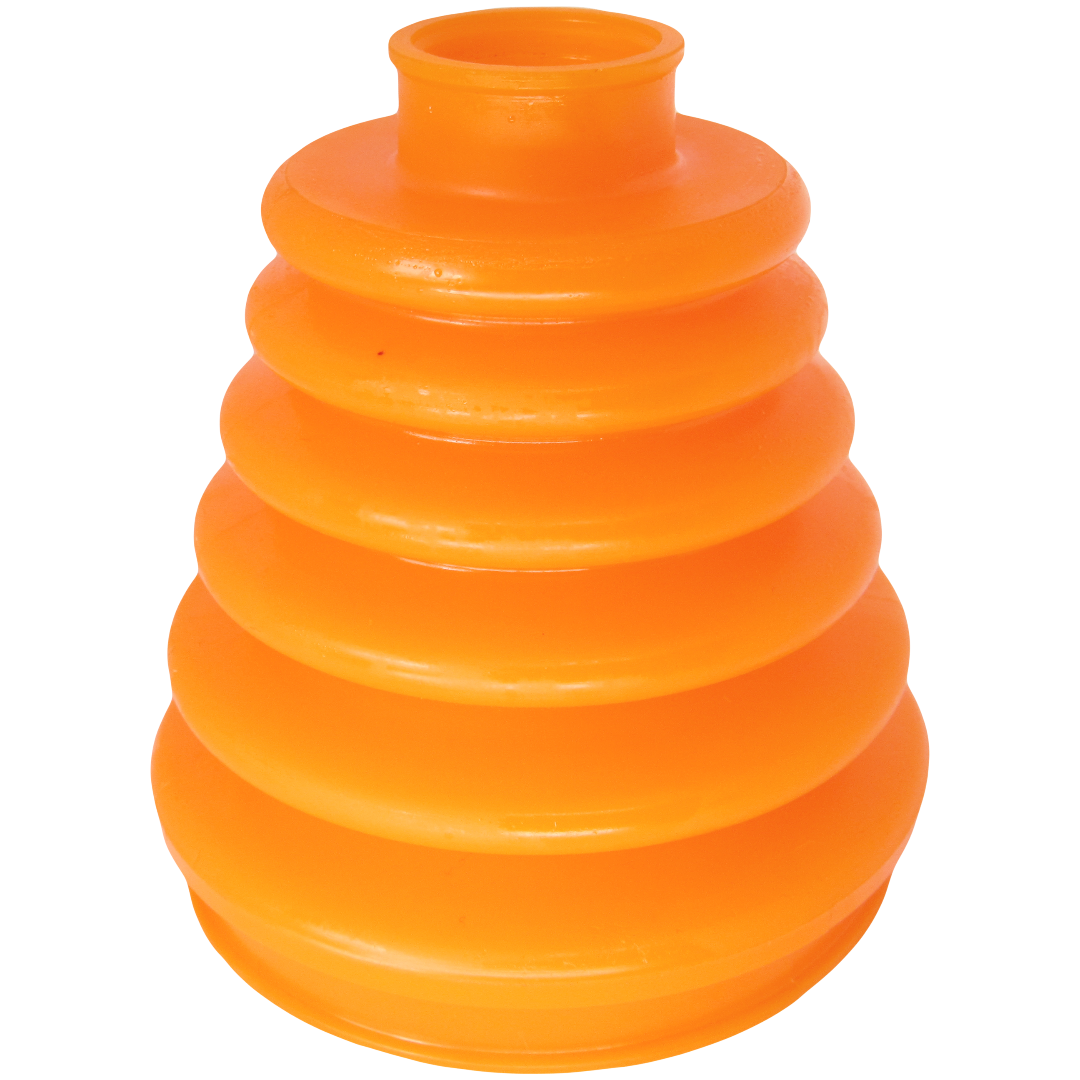
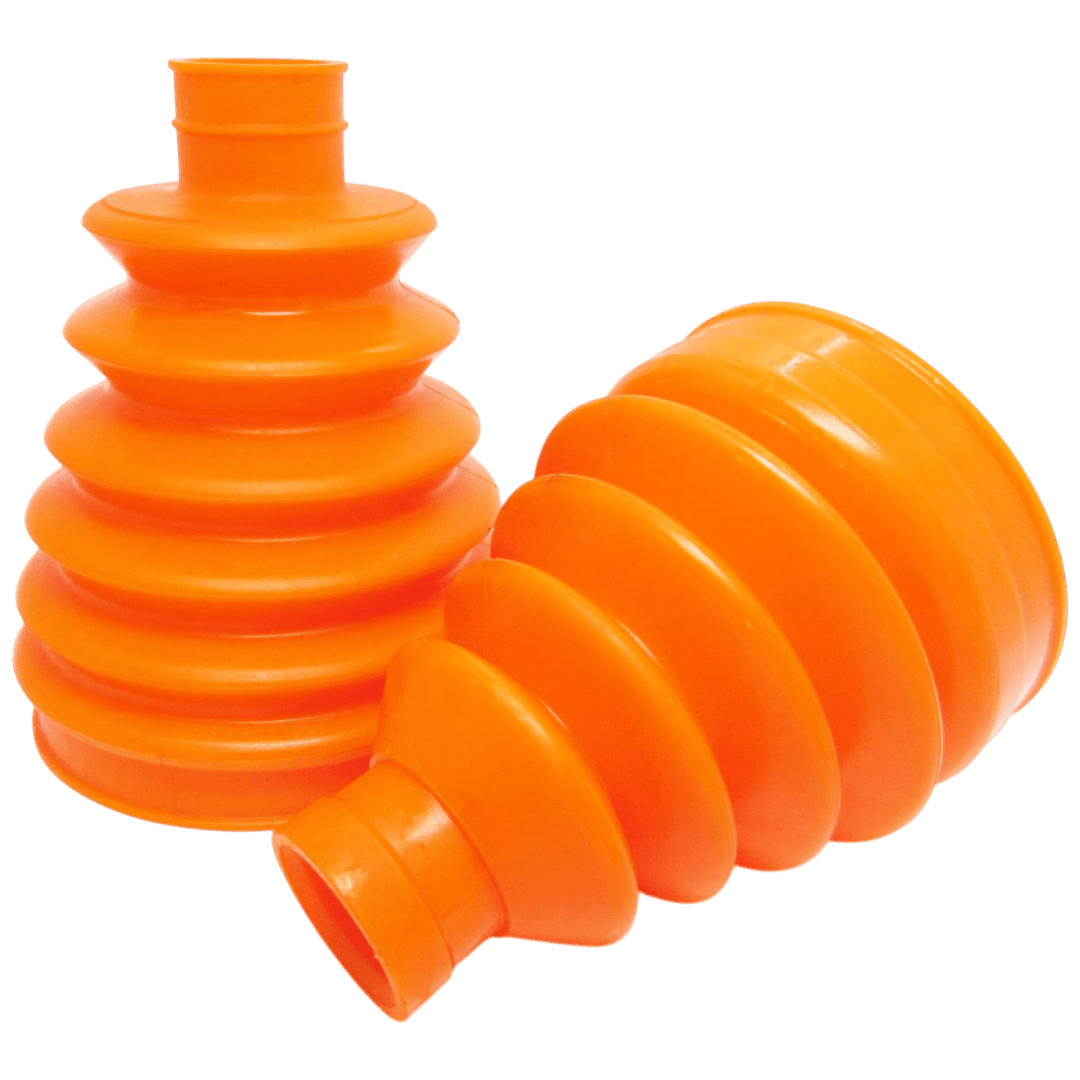
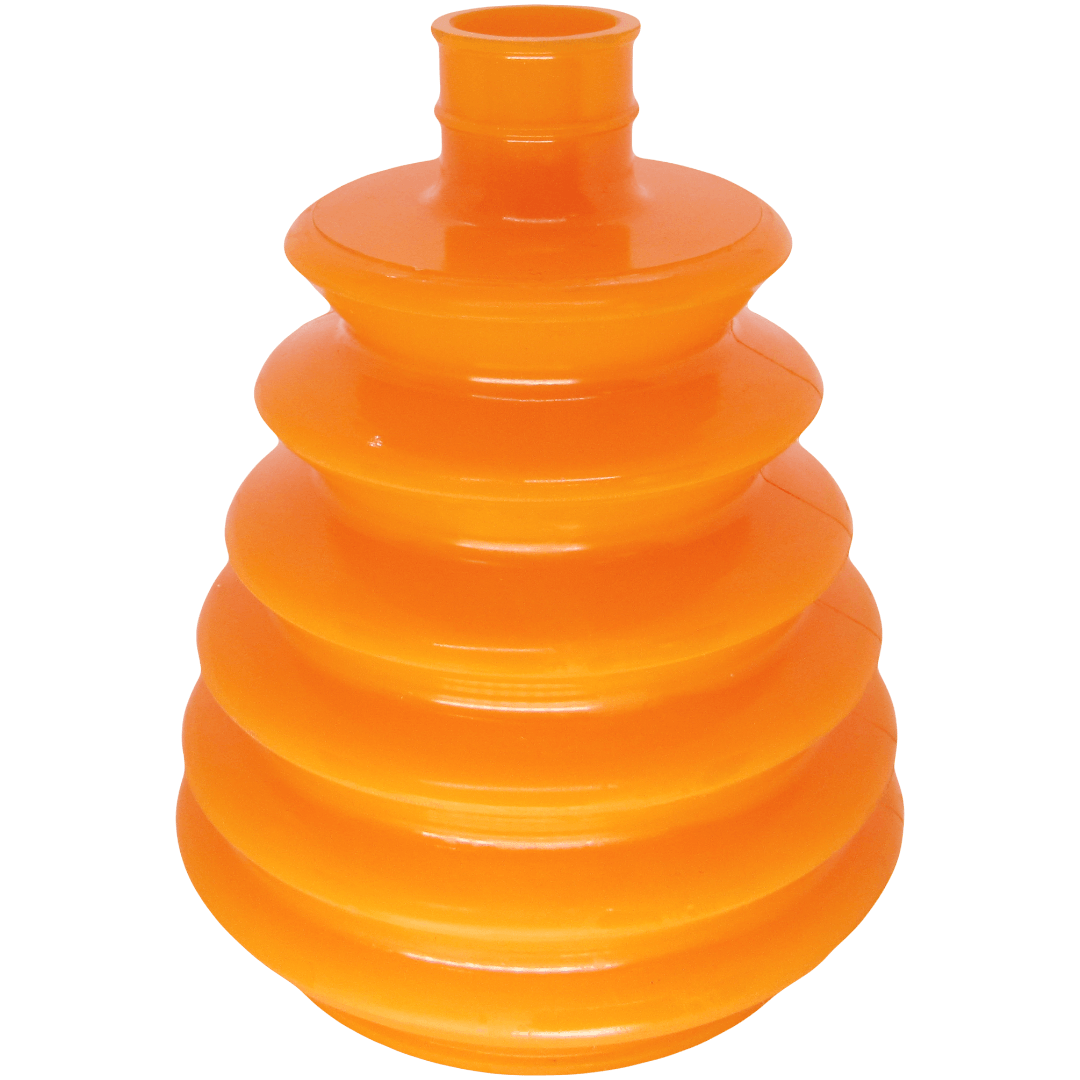
Polyurethane dust boot of CV joints d22*D80
In stock15 pcs.$25.51Log in as dealer
1 EUR = 51,06 грн1 USD = 43,12 грн


A CV boot is the pleated cover that keeps grease inside the constant velocity joint and keeps water, sand and road salt out. PolyPro manufactures polyurethane CV joint boots for both inner and outer joints: universal, sized, and model-specific. The material stays flexible below freezing and does not crack from fuel, oil or wash chemicals. See the full range in our polyurethane auto parts catalog.
A CV axle transmits torque to the wheel at a constantly changing angle, so the joint always runs packed in grease. The boot is the only thing holding that grease in place. Its pleated wall flexes with every suspension stroke and steering input, while two clamps press the sealing lips onto the joint housing and the shaft. Once the wall splits, centrifugal force throws the grease out within a few hundred revolutions and pulls sand and water in. The grit then acts like lapping compound: races and cage wear out and the joint starts clicking. A boot costs a fraction of a new axle, so a torn CV boot should be replaced immediately, along with two clamps and fresh CV grease.
The outer, wheel-side joint works at the widest angles — up to 45 degrees at full lock. That is why the outer CV boot has deeper pleats and a smaller shaft-side diameter, and why it tears more often. It sits close to the wheel and takes the full blast of sand, salt and gravel off the tread. The first sign is grease spray on the inboard face of the wheel and on the arch. Outer joints are the most common application for universal polyurethane CV boots sized by three measurements, because the geometry is fairly standard across front-wheel-drive cars.
The inner, tripod joint sits at the transmission and runs at a smaller angle but with large axial travel, absorbing the length change of the axle as the suspension moves. The inner CV boot is therefore larger in diameter, with wider-spaced pleats and a broad seal onto the tripod housing. It tears less often, but a leak goes unnoticed longer because grease sprays onto the skid plate instead of the wheel. Replacing an inner CV joint boot almost always means pulling the axle: the tripod housing will not pass through the boot from outside. Left and right inner boots often differ in size on the same car, so check the side before ordering.
A split boot rarely gives a symptom from the driver's seat — it is spotted on a lift, or heard once the joint is already destroyed. Inspect both boots at every service, after a salt winter and after any hard pothole strike.
If the joint is not clicking yet, replacing the boot, flushing the joint and repacking it is enough. While the axle is on the lift, check the ball joint boot as well. It fails from the same salt and grit and can be replaced in the same visit.
Factory CV boots are made from rubber or thermoplastic. Rubber is soft and cheap, but it ages. Two or three seasons of road salt and temperature swings take away its elasticity. A boot gone hard in the cold can split on the first turn of the wheel from a standstill. Thermoplastic handles heat better but is stiffer and cracks across the pleat crowns much sooner.
PolyPro polyurethane combines what both materials lack. It stays flexible in freezing weather, shrugs off oil, fuel, salt and wash chemicals, and resists abrasion and puncture. That means three to five times the service life of a rubber boot and no seasonal failures. Polyurethane also holds the pleat geometry. The boot does not balloon at high rpm or collapse on rebound, so grease stays distributed around the joint instead of pooling on one side. The sealing lips are thicker and denser than rubber, so the clamp will not cut through the wall or creep off its groove.
CV boots are matched by joint dimensions, not by model name. One boot often fits a dozen different vehicles, and a single model may use two different axle designs depending on engine and production year.
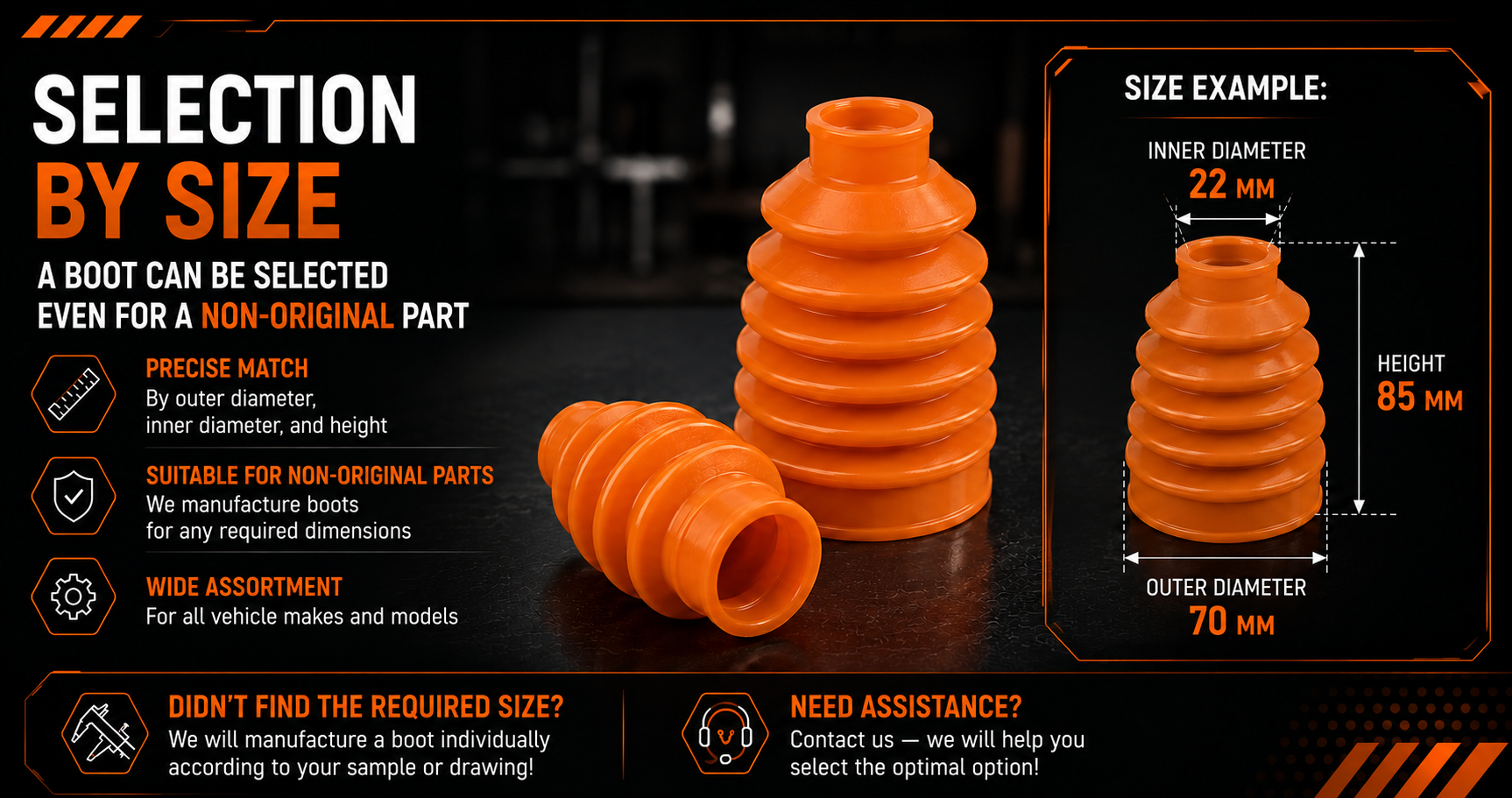
Three measurements are needed: the large diameter on the joint housing, the small diameter on the shaft, and the boot height from lip to lip, fully extended. Measure with calipers on the inside of the sealing lips, not across the pleats — the pleats are wider and give an oversized reading. If the old boot is torn and has lost its shape, take the dimensions from the joint housing and the shaft. Then enter the three figures into the CV boot finder by size and the system returns every matching boot with stock status. This works for any vehicle, including ones whose original part number is no longer produced.
Dimensions for common applications are in the database, so filter the catalog by vehicle. Give us the model, engine and side — on inner joints the left and right boots often differ in length and diameter. If a model used more than one axle design, send a photo of the joint with a ruler and we will match it manually.
State which joint you are replacing: inner and outer boots are different parts, and mixing them up is the most common reason for a return. On cars with an extended right driveshaft and an intermediate support bearing the inner boots are not mirror images — do not order by the opposite side.
Standard hardness matches the factory boot and suits everyday driving. The higher durometer option is for loaded vehicles, towing and rough roads. The second choice is design. A one-piece boot has no seam and no potential leak path; it installs with the joint removed or by stretching it over a cone. A split CV boot with a locking seam installs in place: open the seam, wrap it around the shaft, close the lock and crimp the clamps. That is the answer when there is no time to pull the axle. With either design, pack fresh CV grease — grease from a torn boot is full of grit.
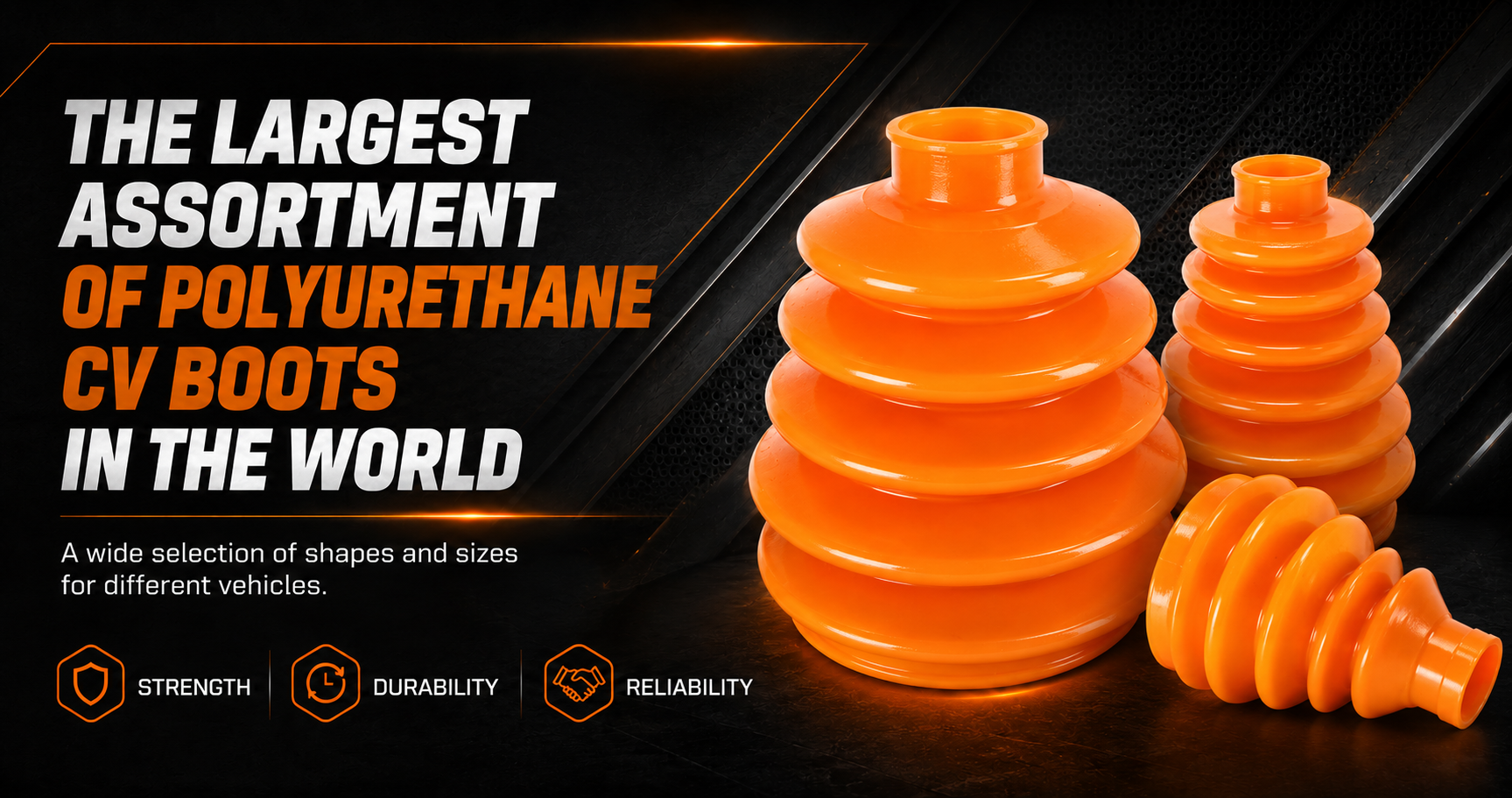

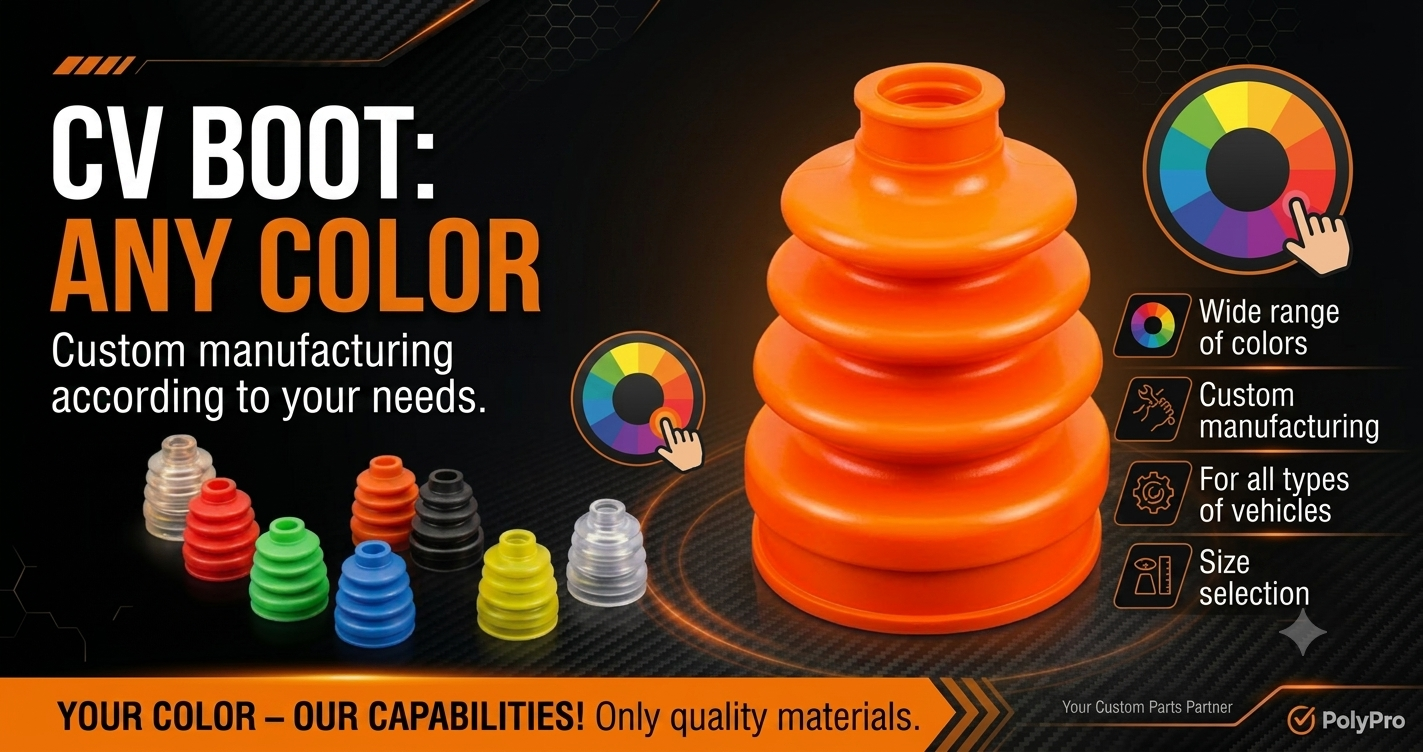
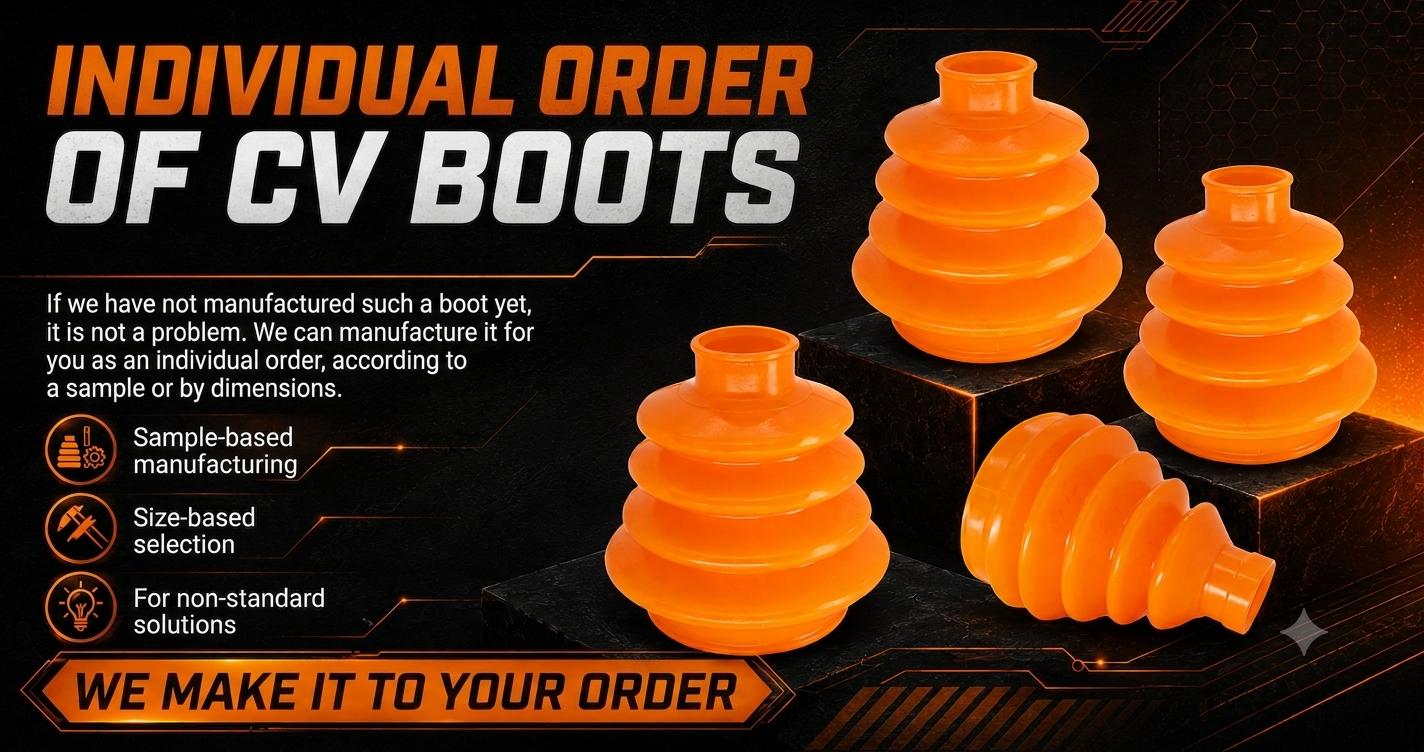
PolyPro is a manufacturer, not a reseller. Boots are cast on our own equipment, so we control the formulation and hold dimensions consistent batch to batch. We supply retail and trade accounts alike: one boot for a repair, or wholesale kits for shops, stores and fleets under our partner program. If the size you need is not in the standard range, we offer custom polyurethane boot manufacturing from a sample, a drawing or a worn part. Custom runs start at a single unit and help owners of rare, classic and discontinued vehicles, plus specialty equipment and trucks. All parts are warranted and we ship worldwide.
Use a cone: a purpose-made installation cone or one cut from a plastic bottle. Slide the cone onto the shaft, stretch the boot over it and work the boot down onto the joint. This works on outer CV joints. Replace the grease completely and crimp both clamps securely. It does not work on an inner tripod joint — that one requires axle removal.
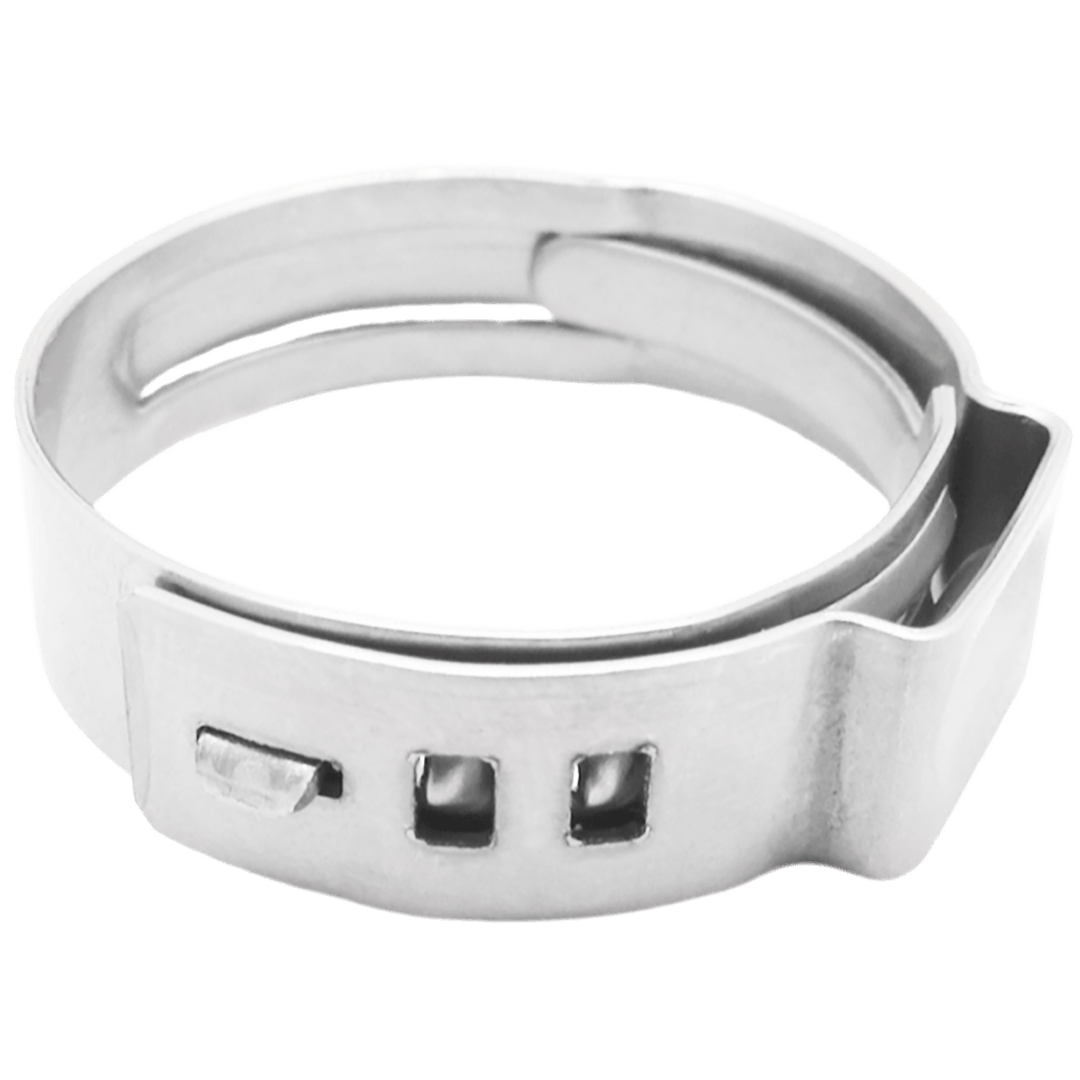
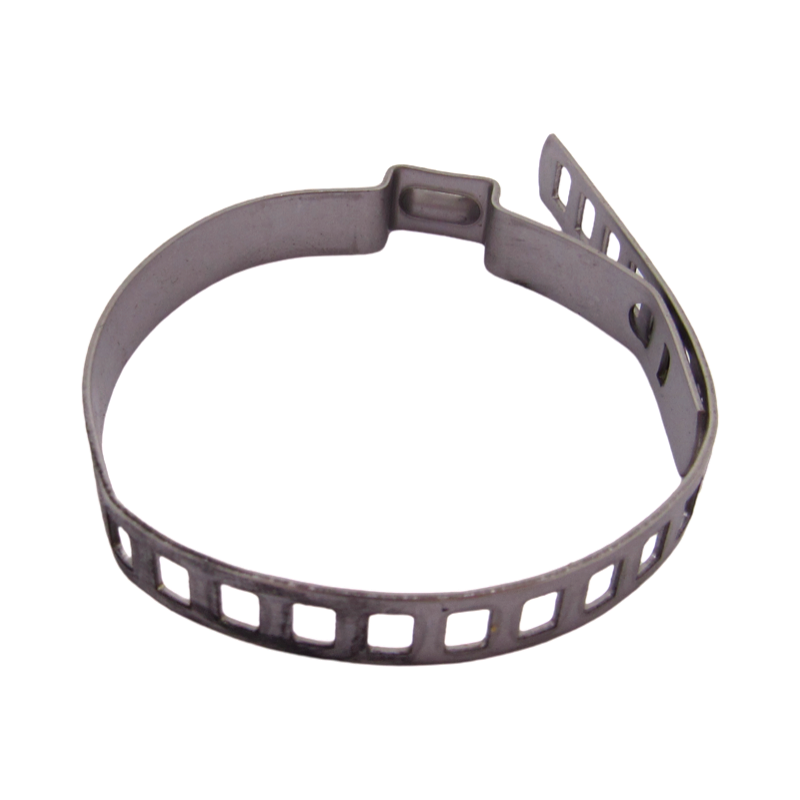
Crimp the clamps with proper banding pliers until they seal firmly, without cutting into the boot wall. The large clamp seats in the groove on the joint housing, the small one in the groove on the shaft. After crimping, turn the axle by hand: the boot must not rotate on its sealing lip. Polyurethane PolyPro boots hold their shape and will not creep out from under the clamp.
A universal boot fits if three dimensions match: large diameter, small diameter and height. Measure the old boot with calipers, or use the size finder — the PolyPro database covers most common applications. If the old boot is destroyed, take the measurements from the joint housing and the axle shaft instead.
You need three figures: the seal diameter on the joint housing (large), the seal diameter on the shaft (small), and the boot height. Enter them into the PolyPro size finder and it lists every matching boot in stock. If you are unsure about a measurement, send a photo of the part next to a ruler and we will match it for you.
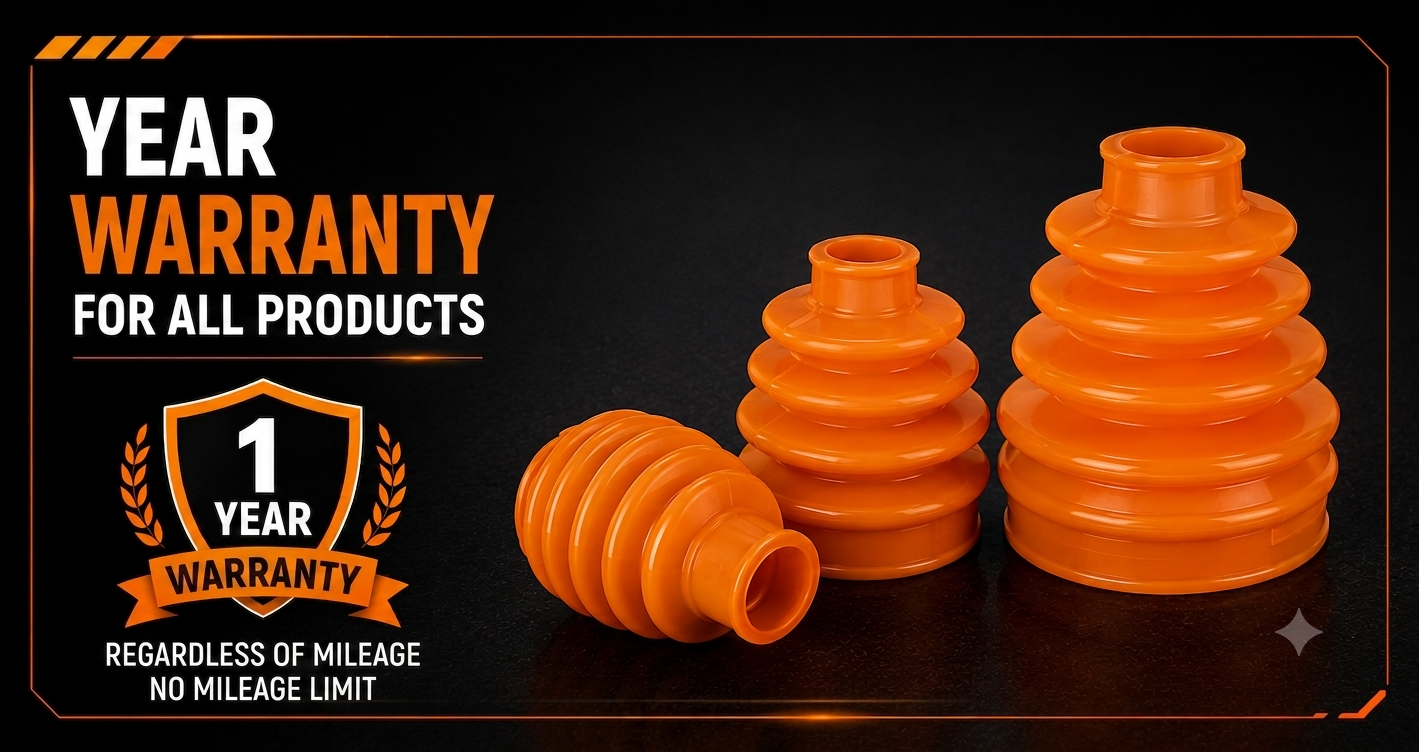
A polyurethane CV boot lasts three to five times longer than rubber. It does not harden in the cold, does not break down from road salt, oil or fuel, and does not crack with age. Installed correctly and with intact clamps, it will normally outlast the joint it protects. All PolyPro parts carry a manufacturer warranty.
The outer boot is smaller with deep pleats, designed for the large steering angles at the wheel. The inner boot is larger in diameter with wider pleats and mostly handles axial travel of the shaft. They are not interchangeable. An outer boot can be fitted over a cone without pulling the axle; an inner boot practically always requires axle removal.
Yes, retail is sold per piece, so one boot is enough to close one joint; clamps and grease are ordered separately. Sizes are printed on every product page as three figures — large diameter, small diameter and height — so the boot can be checked against your own measurements before ordering. Sizes outside the standard range are cast to order from a single unit.
Trade accounts order in batches and by kits, so common sizes stay on the shop shelf instead of being ordered per car. The partner program adds bonuses tied to turnover or to the volume of a single order, access to current prices, stock levels and shipping dates, and shipment under the partner's own brand.