

SKU: PP202403
Polyurethane cushion gear box Acura Mdx 2006-2013 REPLACEABLE BUSHING
In stock15 pcs.$32.7Log in as dealer

Polyurethane cushion gear box Acura Mdx 2006-2013 REPLACEABLE BUSHING
In stock15 pcs.
Polyurethane cushion gearbox Citroen Cx 1974-1991 HARDNESS REMOVABLE BUSH
In stock15 pcs.
Polyurethane cushion gearbox Citroen Cx 1974-1991 REMOVABLE BUSH
In stock15 pcs.
Polyurethane cushion gearbox Seat Alhambra 1996-2010 REPLACEABLE Small BUSHING
In stock15 pcs.Polyurethane cushion gearbox Volkswagen Sharan 1995-2010 REPLACEABLE Small BUSHING
In stock15 pcs.
Polyurethane cushion gearbox rear Porsche Carrera 1989-1994 REPLACEABLE BUSHING
In stock15 pcs.Polyurethane cushion gearbox rear Porsche Carrera 1994-1998 REPLACEABLE BUSHING
In stock15 pcs.
Polyurethane gearbox cushion Ford EcoSport 2011- REPLACEABLE small BUSHING
In stock15 pcs.
Polyurethane gearbox cushion Ford Fiesta 2002-2008 REPLACEABLE small BUSHING
In stock15 pcs.
Polyurethane gearbox cushion Ford Fiesta 2008-2017 REPLACEABLE small BUSHING
In stock15 pcs.Polyurethane gearbox cushion Ford Fiesta 2008-2017 REPLACEABLE small BUSHING
In stock15 pcs.Polyurethane gearbox cushion Ford Fusion 2002-2012 REPLACEABLE small BUSHING
In stock15 pcs.Polyurethane gearbox cushion Mazda 2 2002-2007 REPLACEABLE small BUSHING
In stock15 pcs.
Polyurethane bushing for gear shift fork Alfa Romeo 164 1987-1998
In stock15 pcs.
Polyurethane bushing for gear shift fork Fiat Croma 1986-1996
In stock15 pcs.Polyurethane bushing for gear shift fork Lancia Kappa 1994-2001
In stock15 pcs.Polyurethane bushing for gear shift fork Lancia Thema 1984-1994
In stock15 pcs.
Polyurethane gearbox cushion AT Chevrolet Cruze 2015-2019 REPLACEABLE BUSHING
In stock15 pcs.
Polyurethane gearbox cushion rear Merсedes 415 2012- REPLACEABLE small BUSHING
In stock15 pcs.Polyurethane gearbox cushion rear Renault Kangoo 2008- REPLACEABLE small BUSHING
In stock15 pcs.
Polyurethane cushion gearbox Nissan Qashqai 2006-2013 REMOVABLE BUSHING
In stock15 pcs.Polyurethane cushion gearbox Nissan X-Trail 2007-2014 REMOVABLE BUSHING
In stock15 pcs.
Polyurethane cushion gear box Chrysler Voyager 1996-2000 2,5TD REPLACEABLE BUSHING
In stock15 pcs.
Polyurethane cushion gearbox AT Daewoo Lanos 1998-2017 REPLACEABLE BUSHING
In stock15 pcs.
Polyurethane cushion gearbox Honda Accord 2002-2008 REMOVABLE BUSH
In stock15 pcs.
Polyurethane cushion gearbox Honda Civic 2000-2005 2,2L REMOVABLE BUSH
In stock15 pcs.Polyurethane cushion gearbox Honda Cr-v 2006-2011 REMOVABLE BUSH
In stock15 pcs.Polyurethane cushion gearbox Honda Fr-v 2004-2009 REMOVABLE BUSH
In stock15 pcs.
Polyurethane cushion gearbox Hyundai H-1 1997-2007 REPLACEABLE BUSHING
In stock15 pcs.
Polyurethane cushion gearbox Kia Carens 1999-2006 REPLACEABLE BUSHING
In stock15 pcs.
Polyurethane cushion gearbox Mitsubishi 3000GT 1990-1993 REPLACEABLE BUSHING
In stock15 pcs.Polyurethane cushion gearbox Mitsubishi 3000GT 1994-1996 REPLACEABLE BUSHING
In stock15 pcs.Polyurethane cushion gearbox Mitsubishi 3000GT 1997-2001 REPLACEABLE BUSHING
In stock15 pcs.
Polyurethane cushion gearbox Mitsubishi Delica 1994-2007 REPLACEABLE BUSHING
In stock15 pcs.
Polyurethane cushion gearbox Mitsubishi L200 1996-2006 v14w-v55w REPLACEABLE BUSHING
In stock15 pcs.Polyurethane cushion gearbox Mitsubishi L400 1994-2007 REPLACEABLE BUSHING
In stock15 pcs.
Polyurethane cushion gearbox Mitsubishi Pajero 1991-1999 REPLACEABLE BUSHING
In stock15 pcs.Polyurethane cushion gearbox Mitsubishi Pajero 1991-1999 v14w-v55w REPLACEABLE BUSHING
In stock15 pcs.Polyurethane cushion gearbox Mitsubishi Pajero Pinin 1999-2007 v14w-v55w REPLACEABLE BUSHING
In stock15 pcs.Polyurethane cushion gearbox Mitsubishi Pajero Sport 2008-2016 v14w-v55w REPLACEABLE BUSHING
In stock15 pcs.
Polyurethane cushion gearbox Nissan Auster 1986-1990 REPLACEABLE BUSHING
In stock15 pcs.Polyurethane cushion gearbox Nissan Bluebird 1983-1986 REPLACEABLE BUSHING
In stock15 pcs.Polyurethane cushion gearbox Nissan Bluebird 1985-1990 REPLACEABLE BUSHING
In stock15 pcs.Polyurethane cushion gearbox Nissan Prairie 1982-1988 REPLACEABLE BUSHING
In stock15 pcs.Polyurethane cushion gearbox Nissan Stanza 1986-1990 REPLACEABLE BUSHING
In stock15 pcs.
Polyurethane cushion gearbox Opel Corsa 2000-2006 REPLACEABLE BUSHING
In stock15 pcs.Polyurethane cushion gearbox Opel Meriva 2002-2010 REPLACEABLE BUSHING
In stock15 pcs.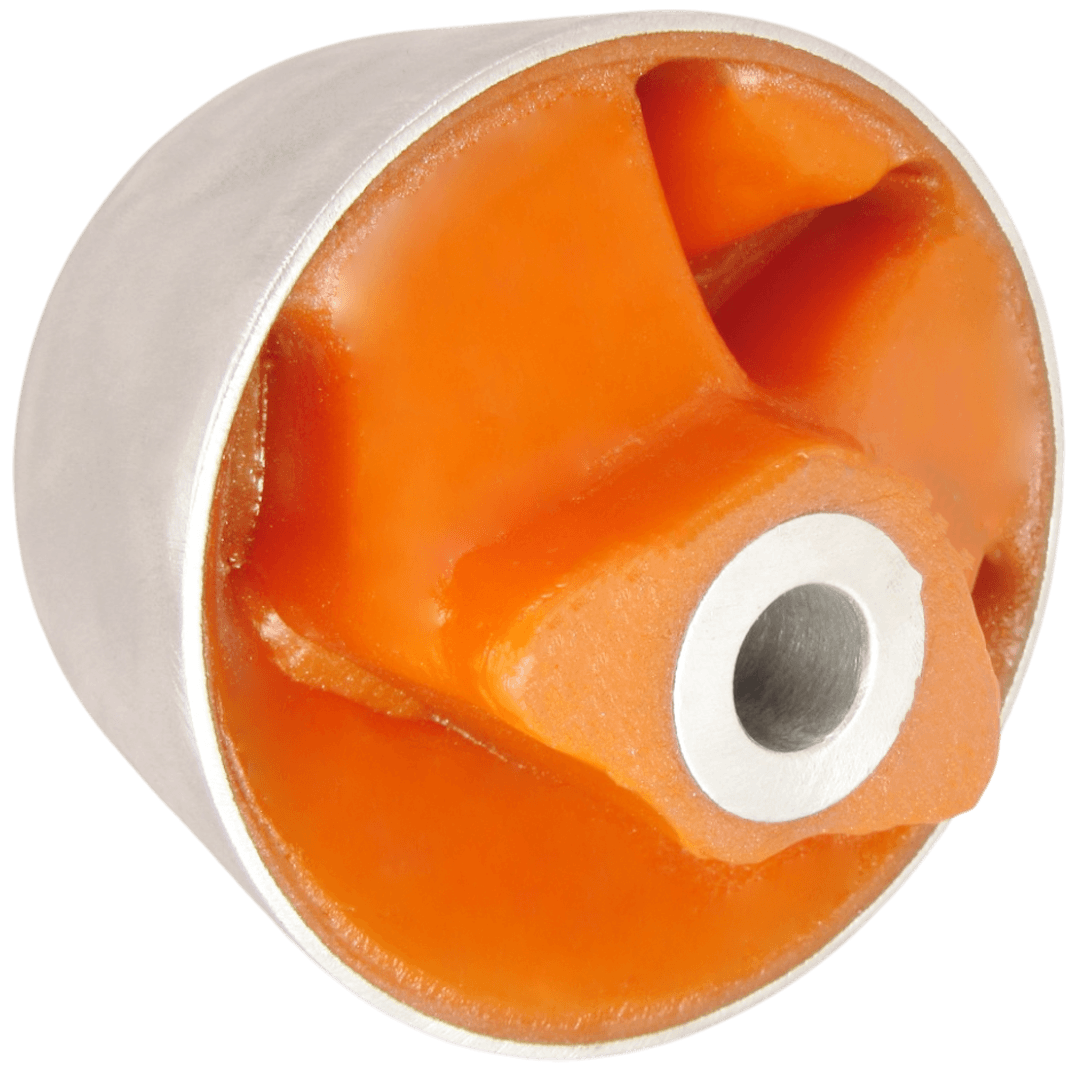
Polyurethane cushion gearbox REPLACEABLE BUSHING Jeep Cherokee 1984-2001
In stock15 pcs.
Polyurethane cushion gearbox left Kia Carnival 2006-2014 REPLACEABLE BUSHING
In stock15 pcs.
Polyurethane cushion gearbox Ваз 2121 1977- REPLACEABLE BUSHING
In stock15 pcs.
Polyurethane gearbox cushion AT Fiat Croma 1986-1996 REPLACEABLE BUSHING
In stock15 pcs.Polyurethane gearbox cushion AT Fiat Croma 2005-2010 REPLACEABLE BUSHING
In stock15 pcs.
Polyurethane gearbox cushion AT Ford Edge 2006-2014 REPLACEABLE Big BUSHING
In stock15 pcs.
Polyurethane gearbox cushion AT Ford Edge 2006-2014 REPLACEABLE Small BUSHING
In stock15 pcs.Polyurethane gearbox cushion AT Lincoln Mkx 2006-2015 REPLACEABLE Big BUSHING
In stock15 pcs.Polyurethane gearbox cushion AT Lincoln Mkx 2006-2015 REPLACEABLE Small BUSHING
In stock15 pcs.Polyurethane gearbox cushion AT Opel Signum 2003-2008 REPLACEABLE BUSHING
In stock15 pcs.Polyurethane gearbox cushion AT Opel Vectra 2002-2008 REPLACEABLE BUSHING
In stock15 pcs.Polyurethane gearbox cushion AT Saab 9-3 2002-2014 REPLACEABLE BUSHING
In stock15 pcs.
Polyurethane gearbox cushion AT upper Ford Edge 2006-2014 REPLACEABLE BUSHING
In stock15 pcs.Polyurethane gearbox cushion AT upper Lincoln Mkx 2006-2015 REPLACEABLE BUSHING
In stock15 pcs.
Polyurethane gearbox cushion Citroen C5 2008-2017 REPLACEABLE BUSHING
In stock15 pcs.Polyurethane gearbox cushion Citroen C8 2002-2008 REPLACEABLE BUSHING
In stock15 pcs.Polyurethane gearbox cushion Citroen Jumpy II 2007-2016 REPLACEABLE BUSHING
In stock15 pcs.Polyurethane gearbox cushion Fiat Scudo II 2007-2016 REPLACEABLE BUSHING
In stock15 pcs.
Polyurethane gearbox cushion Ford Mondeo 2000-2007 BIG BUSHING
In stock15 pcs.
Polyurethane gearbox cushion Ford Mondeo 2000-2007 SMALL BUSHING
In stock15 pcs.
Polyurethane gearbox cushion Honda Civic 2000-2005 REPLACEABLE BUSHING
In stock15 pcs.Polyurethane gearbox cushion Jaguar X-Type 2001-2009 BIG BUSHING
In stock15 pcs.Polyurethane gearbox cushion Jaguar X-Type 2001-2009 SMALL BUSHING
In stock15 pcs.
Polyurethane gearbox cushion Jeep Grand Cherokee 1998-2004 REPLACEABLE BUSHING
In stock15 pcs.
Polyurethane gearbox cushion Mitsubishi Carisma 1995-2004 REPLACEABLE BUSHING
In stock15 pcs.
Polyurethane gearbox cushion Mitsubishi Colt 1996-2003 REPLACEABLE BUSHING
In stock15 pcs.
Polyurethane gearbox cushion Mitsubishi Eclipse 2005-2012 2.4L REPLACEABLE BUSHING
In stock15 pcs.Polyurethane gearbox cushion Mitsubishi Galant 2003-2012 2.4L REPLACEABLE BUSHING
In stock15 pcs.Polyurethane gearbox cushion Mitsubishi Grandis 2003-2011 2.4L REPLACEABLE BUSHING
In stock15 pcs.Polyurethane gearbox cushion Mitsubishi Lancer 1996-2003 REPLACEABLE BUSHING
In stock15 pcs.Polyurethane gearbox cushion Mitsubishi Outlander 2001-2006 REPLACEABLE BUSHING
In stock15 pcs.Polyurethane gearbox cushion Peugeot 407 2004-2011 REPLACEABLE BUSHING
In stock15 pcs.Polyurethane gearbox cushion Peugeot 508 2010-2018 REPLACEABLE BUSHING
In stock15 pcs.Polyurethane gearbox cushion Peugeot 807 2002-2014 REPLACEABLE BUSHING
In stock15 pcs.Polyurethane gearbox cushion Peugeot Expert II 2007- REPLACEABLE BUSHING
In stock15 pcs.
Polyurethane gearbox cushion Volkswagen T3 1979-1992 REPLACEABLE BUSHING
In stock15 pcs.
Polyurethane gearbox cushion Volkswagen T4 1990-2003 REPLACEABLE BUSHING
In stock15 pcs.
Polyurethane gearbox cushion Volkswagen T4 1990-2003 REPLACEABLE BUSHING HARDNESS
In stock15 pcs.
Polyurethane gearbox cushion left Mitsubishi Carisma 1995-2004 1.6 REPLACEABLE BUSHING
In stock15 pcs.Polyurethane gearbox cushion left Mitsubishi Space Star 1998-2004 1.6 REPLACEABLE BUSHING
In stock15 pcs.
Polyurethane gearbox cushion left Mitsubishi Space Star 1998-2004 REPLACEABLE BUSHING
In stock15 pcs.
Polyurethane gearbox support Opel Combo 2001-2011 1,7 REPLACEABLE BUSHING
In stock15 pcs.Polyurethane gearbox support Opel Corsa 2000-2006 1,7 REPLACEABLE BUSHING
In stock15 pcs.Polyurethane gearbox support Opel Meriva 2002-2010 1,7 REPLACEABLE BUSHING
In stock15 pcs.Polyurethane gearbox support Opel Meriva 2010-2017 1,7 REPLACEABLE BUSHING
In stock15 pcs.
Polyurethane mount gear box VOLKSWAGEN T4 1990-2003 REPLACEABLE BUSHING
In stock15 pcs.
Polyurethane transfer box cushion Vaz Niva 1977- REPLACEABLE BUSHING
In stock15 pcs.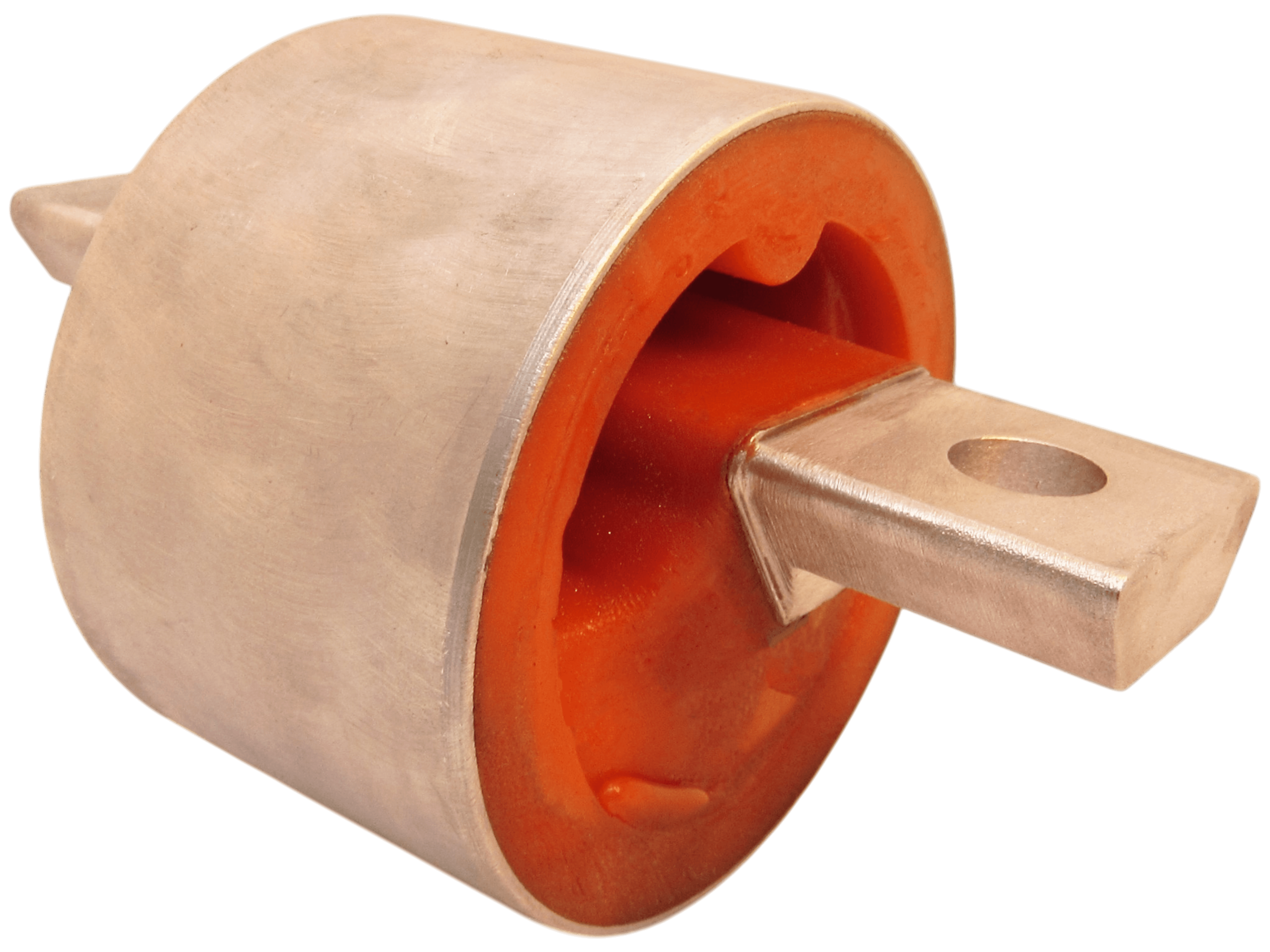
Polyurethane cushion gearbox Chrysler 200 2010-2014
In stock15 pcs.Polyurethane cushion gearbox Dodge Journey 2008-2011
In stock15 pcs.
Polyurethane cushion GEARBOX left Ford B-Max 2012-2017 RECONSTRUCTION OF YOUR
In stock15 pcs.Polyurethane cushion GEARBOX left Ford Fiesta 2008-2017 RECONSTRUCTION OF YOUR
In stock15 pcs.
Polyurethane cushion gear box Acura Mdx 2006-2013
In stock15 pcs.
Polyurethane cushion gear box Audi 100 С3 1982-1991
In stock15 pcs.
Polyurethane cushion gear box Audi 100 С3 1982-1991 RECONSTRUCTION OF YOUR
In stock15 pcs.Polyurethane cushion gear box Audi 100 С4 1990-1994
In stock15 pcs.Polyurethane cushion gear box Audi 100 С4 1990-1994 RECONSTRUCTION OF YOUR
In stock15 pcs.Polyurethane cushion gear box Audi 200 С3 1983-1991
In stock15 pcs.Polyurethane cushion gear box Audi 200 С3 1983-1991 RECONSTRUCTION OF YOUR
In stock15 pcs.Polyurethane cushion gear box Audi 80 В4 1991-1995
In stock15 pcs.Polyurethane cushion gear box Audi 80 В4 1991-1995 RECONSTRUCTION OF YOUR
In stock15 pcs.Polyurethane cushion gear box Audi 90 В2 1981-1985
In stock15 pcs.Polyurethane cushion gear box Audi 90 В2 1981-1985 RECONSTRUCTION OF YOUR
In stock15 pcs.Polyurethane cushion gear box Audi 90 В3 1987-1991
In stock15 pcs.Polyurethane cushion gear box Audi 90 В3 1987-1991 RECONSTRUCTION OF YOUR
In stock15 pcs.Polyurethane cushion gear box Audi Coupe B2 1980-1988
In stock15 pcs.Polyurethane cushion gear box Audi Coupe B2 1980-1988 RECONSTRUCTION OF YOUR
In stock15 pcs.Polyurethane cushion gear box Audi Coupe B3 1988-1996
In stock15 pcs.Polyurethane cushion gear box Audi Coupe B3 1988-1996 RECONSTRUCTION OF YOUR
In stock15 pcs.Polyurethane cushion gear box Audi Quattro 1980-1991
In stock15 pcs.Polyurethane cushion gear box Audi Quattro 1980-1991 RECONSTRUCTION OF YOUR
In stock15 pcs.
Polyurethane cushion gear box Chrysler Voyager 1984-1990
In stock15 pcs.
Polyurethane cushion gear box Chrysler Voyager 1984-1990 RECONSTRUCTION OF YOUR
In stock15 pcs.Polyurethane cushion gear box Chrysler Voyager 1991-1995
In stock15 pcs.Polyurethane cushion gear box Chrysler Voyager 1991-1995 RECONSTRUCTION OF YOUR
In stock15 pcs.Polyurethane cushion gear box Chrysler Voyager 1996-2000
In stock15 pcs.
Polyurethane cushion gear box Chrysler Voyager 1996-2000 2,5TD
In stock15 pcs.Polyurethane cushion gear box Chrysler Voyager 1996-2000 RECONSTRUCTION OF YOUR
In stock15 pcs.Polyurethane cushion gear box Chrysler Voyager 2001-2007
In stock15 pcs.
Polyurethane cushion gear box Chrysler Voyager 2001-2007 2,4L
In stock15 pcs.
Polyurethane cushion gear box Chrysler Voyager 2001-2007 2,4L RECONSTRUCTION OF YOUR
In stock15 pcs.
Polyurethane cushion gear box Chrysler Voyager 2001-2007 2.5L RECONSTRUCTION OF YOUR
In stock15 pcs.Polyurethane cushion gear box Chrysler Voyager 2001-2007 RECONSTRUCTION OF YOUR
In stock15 pcs.Polyurethane cushion gear box Chrysler Voyager 2008-2016
In stock15 pcs.Polyurethane cushion gear box Chrysler Voyager 2008-2016 RECONSTRUCTION OF YOUR
In stock15 pcs.Polyurethane cushion gear box Dodge Caravan 1987-1990
In stock15 pcs.Polyurethane cushion gear box Dodge Caravan 1987-1990 RECONSTRUCTION OF YOUR
In stock15 pcs.Polyurethane cushion gear box Dodge Caravan 1990-1995
In stock15 pcs.Polyurethane cushion gear box Dodge Caravan 1990-1995 RECONSTRUCTION OF YOUR
In stock15 pcs.Polyurethane cushion gear box Dodge Caravan 1995-2000
In stock15 pcs.Polyurethane cushion gear box Dodge Caravan 1995-2000 RECONSTRUCTION OF YOUR
In stock15 pcs.Polyurethane cushion gear box Dodge Caravan 2001-2007
In stock15 pcs.Polyurethane cushion gear box Dodge Caravan 2001-2007 RECONSTRUCTION OF YOUR
In stock15 pcs.Polyurethane cushion gear box Dodge Caravan 2008-2011
In stock15 pcs.Polyurethane cushion gear box Dodge Caravan 2008-2011 RECONSTRUCTION OF YOUR
In stock15 pcs.
Polyurethane cushion gear box Dodge Ram 2009- RECONSTRUCTION OF YOUR
In stock15 pcs.
Polyurethane cushion gear box Kia Sorento 2002-2009
In stock15 pcs.
Polyurethane cushion gear box Kia Sorento 2002-2009 RECONSTRUCTION OF YOUR
In stock15 pcs.
Polyurethane cushion gear box Mercedes-Benz Sprinter 2006-
In stock15 pcs.
Polyurethane cushion gear box Mercedes-Benz Sprinter 2006- RECONSTRUCTION OF YOUR
In stock15 pcs.
Polyurethane cushion gear box Merсedes Vito W638 1996-2003
In stock15 pcs.
Polyurethane cushion gear box Merсedes Vito W638 1996-2003 HARDNESS
In stock15 pcs.
Polyurethane cushion gear box Merсedes Vito W638 1996-2003 HARDNESS RECONSTRUCTION OF YOUR
In stock15 pcs.
Polyurethane cushion gear box Merсedes Vito W638 1996-2003 RECONSTRUCTION OF YOUR
In stock15 pcs.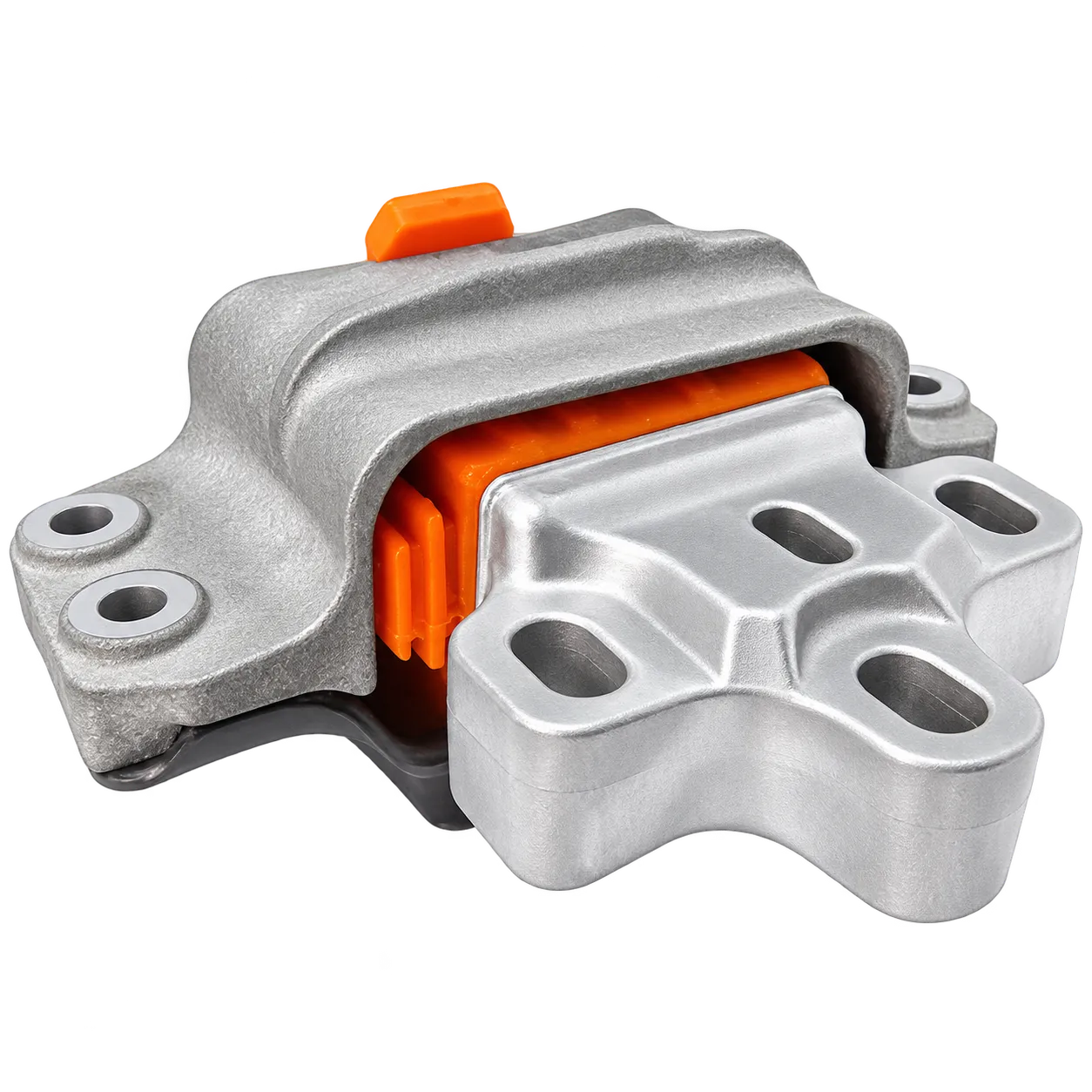
A transmission mount is the elastic support that carries the gearbox housing on the body or the subframe. Together with the engine mounts it sets the position of the whole powertrain, holds its weight, stops it from rotating under reaction torque and keeps vibration out of the shifter and the linkage. PolyPro casts these mounts from polyurethane in its own moulds; the rest of the drivetrain and suspension parts are listed in the catalogue.
A transmission mount is an elastic body between the gearbox housing and the load-bearing part of the car, bonded or pressed into a metal shell with an inner sleeve for the bolt. In a typical layout the powertrain rests on three or four points: one or two carry the engine, one takes the gearbox, and a lower torque rod or a crossmember closes the layout and absorbs the reaction.
Under load a gearbox mount behaves differently from an engine mount: on top of static weight it constantly takes reaction torque. Under acceleration the powertrain tries to rotate around its longitudinal axis, on engine braking it swings back, and the mount is what limits that travel and returns the gearbox to its place. Its second job is to keep high-frequency vibration from reaching the body through the shifter and the cables.
A gearbox mount rarely fails overnight: the symptoms build up over months. First comes extra vibration at idle, then the powertrain starts to jerk when the load changes, and only later do you hear clear knocks from underneath.
Check the mount on a lift: a helper engages a gear and briefly loads the powertrain while you watch how far the gearbox moves and how the mount behaves. Long travel with a hard snap back means the part is finished.
A factory transmission mount is a rubber body bonded to steel plates or to a shell. Rubber is soft and damps noise well, but over time it hardens, cracks and separates along the bond line with the metal. It fails fastest where oil reaches the mount from a leaking gearbox seal or power steering line.
Polyurethane resists oil, fuel, road salt and ozone better and barely changes its dimensions under constant load, so the powertrain keeps its correct position for longer and the shifter geometry stays put. The trade-off is a slightly stiffer link to the body: part of the idle vibration becomes more noticeable. The Shore hardness is stated on every product page, so you can choose a grade close to stock or a firmer one.
A gearbox mount belongs to a specific support layout, so it is selected by fitting dimensions, mounting type and required hardness rather than by the name of the unit. A photo of the removed part narrows the search fastest.
Measure the old mount: outer diameter or overall size of the elastic body, height, inner sleeve bore for the bolt and the centre distance between the holes. Note what the part actually has — a full metal shell, a flange with fixing ears or a pressed-in stud — because that decides how it sits in the bracket. If the old body has crumbled, work from the bracket seat and the bolt length instead. The part must enter tightly on the shell and without play on the sleeve, since extra clearance wears the seat out quickly. Take the measurements from the removed part rather than from one still carrying the powertrain, because under load the height of a mount reads lower than it really is.
Hardness is chosen to match how the car is used. For a daily city car take a grade close to stock: it holds the powertrain without pulling vibration into the cabin. For a loaded vehicle, trailer towing, an engine with higher torque or a manual gearbox where shift precision matters, a firmer polyurethane makes more sense — the powertrain moves less and the lever travel is shorter and more defined. The Shore value is listed on each product page, so grades can be compared before you buy rather than guessed. If the car is loaded only occasionally, an intermediate grade is the sensible answer: comfort barely suffers and the powertrain is held more securely under load.
On a transverse front-wheel-drive powertrain the gearbox usually hangs on the left mount, while the right engine mount and a lower torque rod close the layout, so the transmission mount carries weight and works in shear. In a longitudinal layout with a propshaft the gearbox sits on a body crossmember and the mount is loaded mainly in compression, with an impact every time the car pulls away. The two designs are not interchangeable, so check not only the dimensions but also how the part is loaded in your layout. Check whether a lower torque rod is fitted as well: with one, the transmission mount is relieved of torque, without one it takes all of it and wears out sooner.
PolyPro is a Ukrainian manufacturer of polyurethane car parts. We cast the mounts in our own moulds, check the dimensions of every batch and sell with no middlemen, so the price carries no resale margin and questions about the part are answered by the people who made it. Retail is sold per piece — take exactly as many mounts as the repair needs. If the position is not in the catalogue, we make a custom one from a drawing, a sample or the worn part, starting from a single piece.
Wholesale goes directly from production to workshops, parts shops, fleets and resellers: the partner programme offers bonuses for turnover or for the volume of a single order, access to prices and stock levels, and shipping under the partner's own brand. The products are covered by a warranty, and international shipping is available.
An engine mount carries the engine and is loaded mainly in compression by its weight, while a transmission mount takes reaction torque and works far more in torsion and shear. That gives them different geometry and different hardness, so one cannot be fitted in place of the other. Our engine mounts are a separate product line.
Not necessarily, but if one mount has failed, the others have been working misaligned and are usually close to their limit too. A new transmission mount next to sagged engine mounts will not bring the powertrain back into position and will take more load itself. It makes sense to inspect every mounting point and replace as a set whatever shows play or cracks.
Yes. When the mount sags, the gearbox changes position relative to the body and the geometry of the shifter, rods or cables shifts with it. Lever travel becomes longer and vague, gears have to be searched for and sometimes pop out. Replacing the mount restores the geometry; if shifting is still vague, the gear selector mechanism itself needs checking.
For daily city driving take a hardness close to stock — comfort then barely changes. For a loaded vehicle, towing or an engine with higher torque, choose a firmer grade: the powertrain moves less and shifts feel more defined. The exact Shore value is stated on the page of each product.
Polyurethane transmits slightly more high-frequency vibration than new soft rubber, and at idle that can be noticeable, especially on a diesel. On the move the difference usually disappears. In exchange the powertrain is held more steadily, and the mount does not sag the way a worn rubber one does, which itself causes knocks when the load changes.
Yes. Custom mounts are produced from a drawing, a sample or the worn part, starting from a single piece. Send us the old mount or the measurements of the seat: diameters, height, hole positions and bolt length. The conditions and the workflow are described in the custom-made parts section.
Yes, retail is per piece: order exactly the number of mounts the repair needs, with no minimum batch. Catalogue positions ship from stock, custom parts ship once they are made. International shipping is available and the products are covered by a warranty.
Workshops, parts shops, fleets and resellers are served by wholesale directly from production. The partner programme includes bonuses for turnover or for the volume of a single order, access to current prices and stock levels, and shipping under the partner's own brand. Range and volumes are agreed individually.