SKU: PP101440
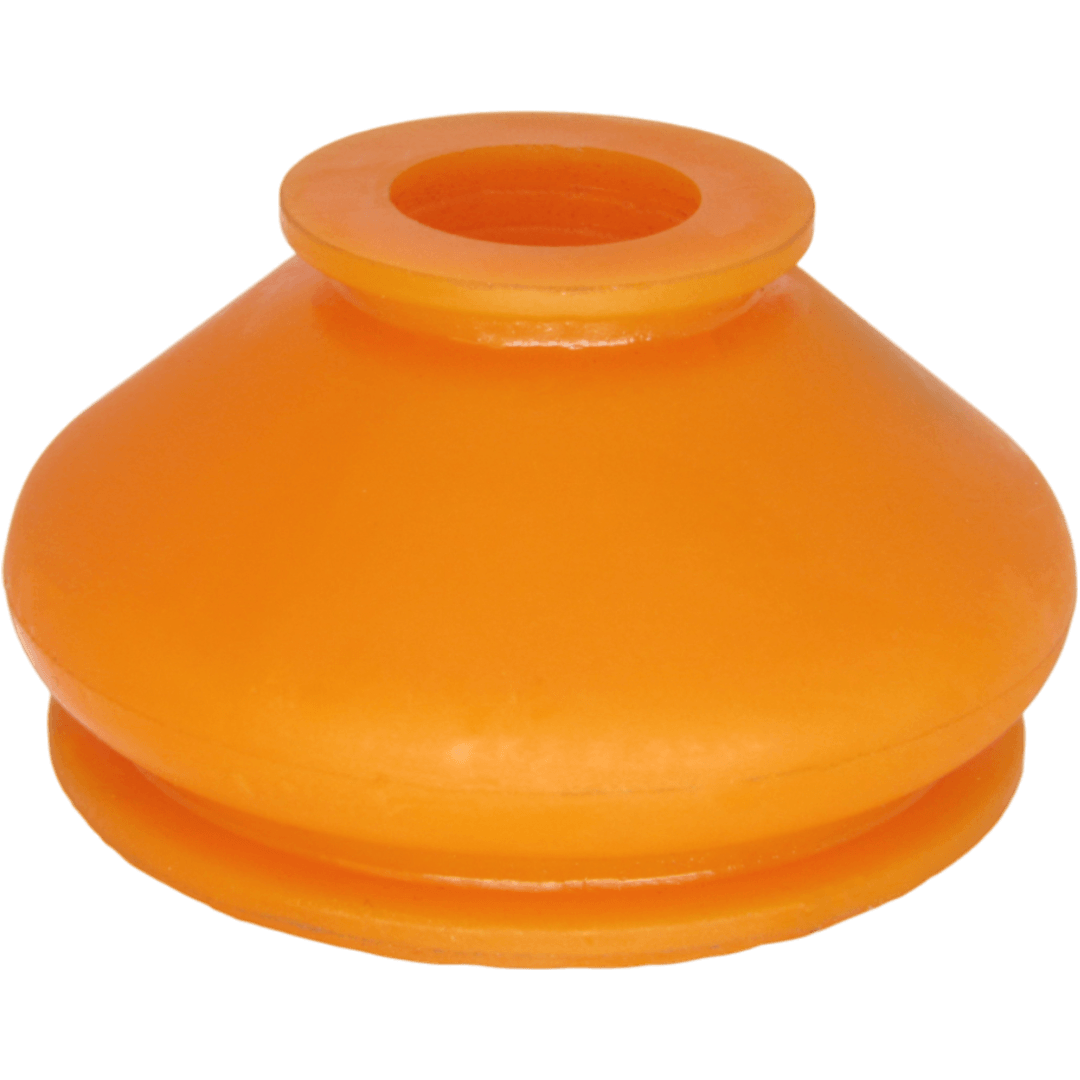
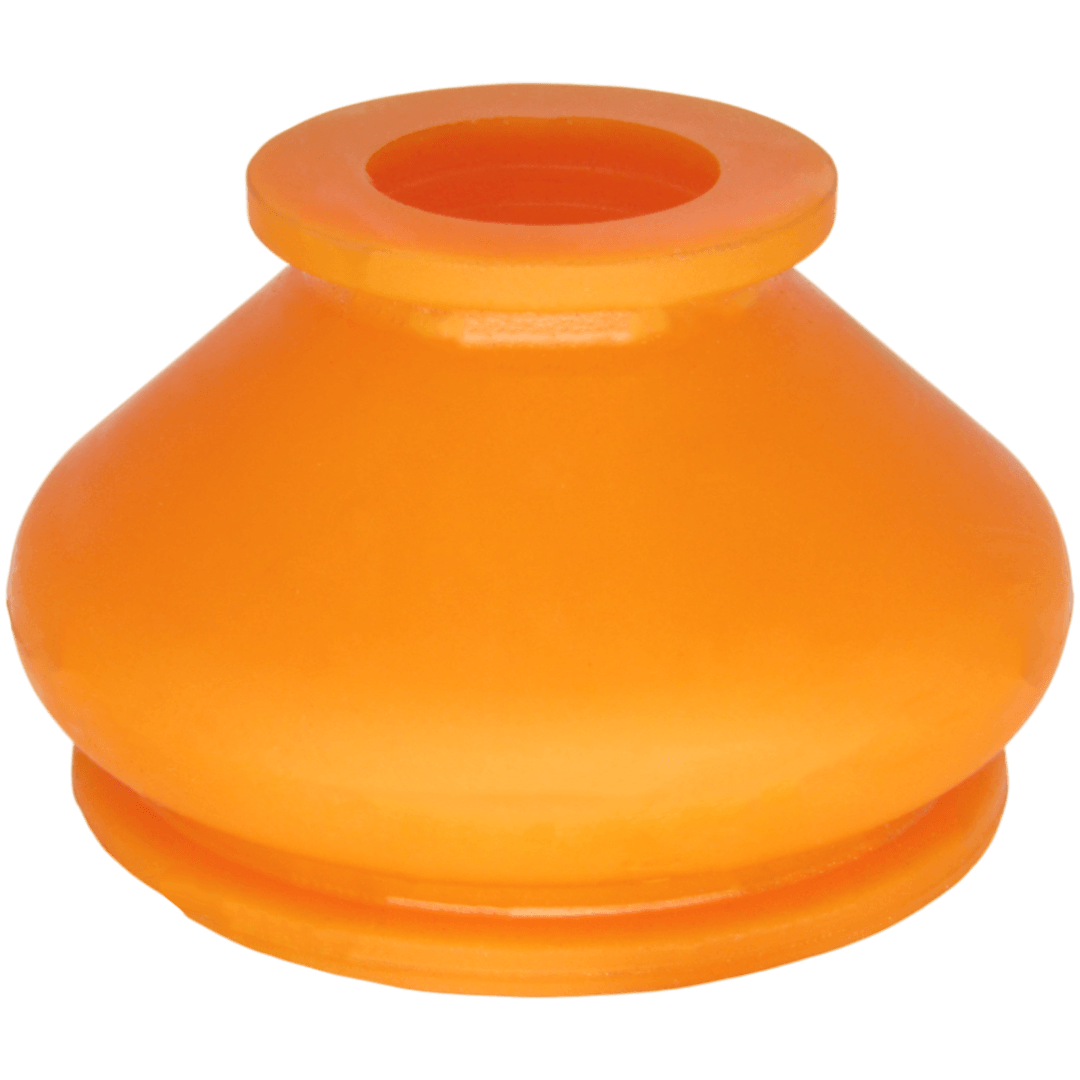
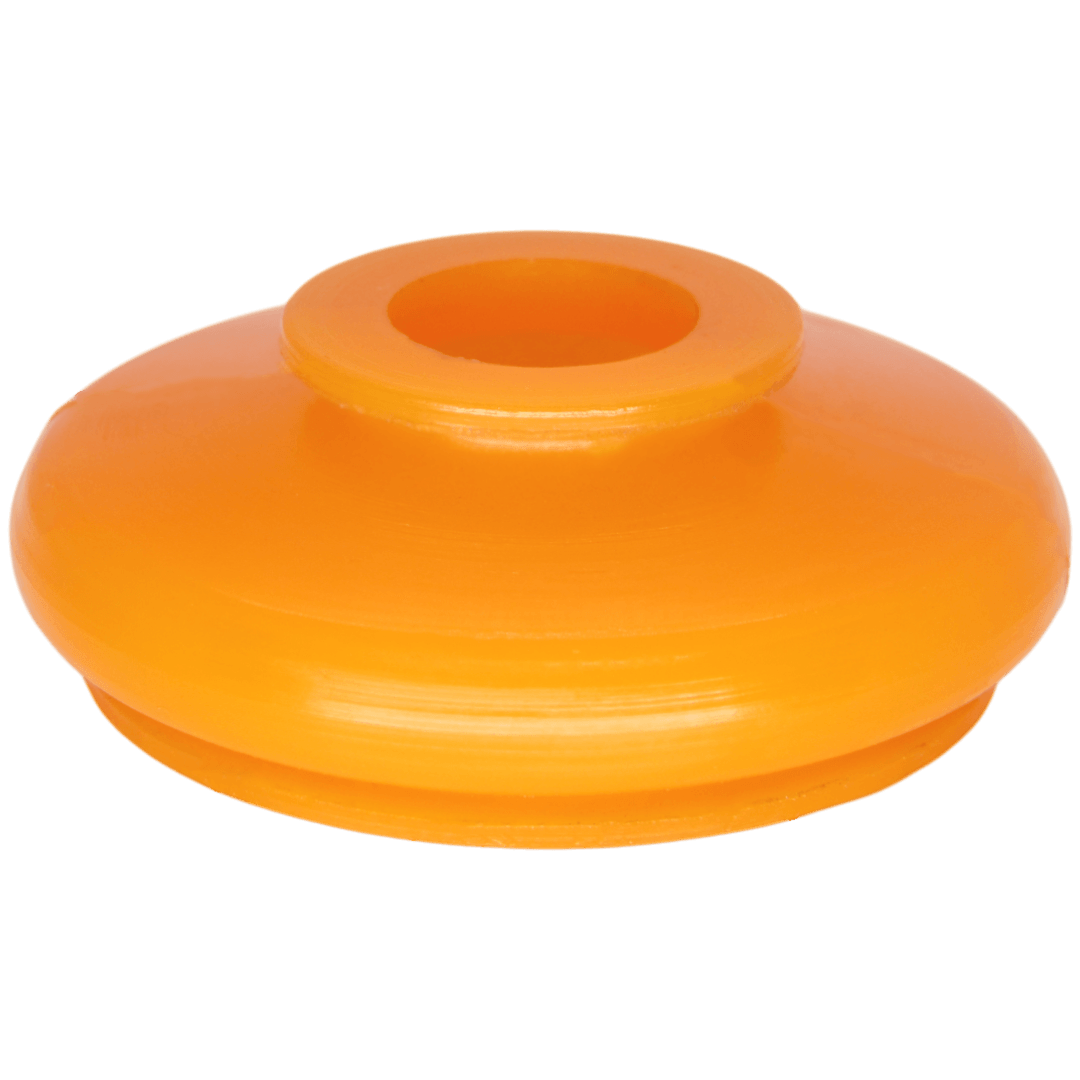
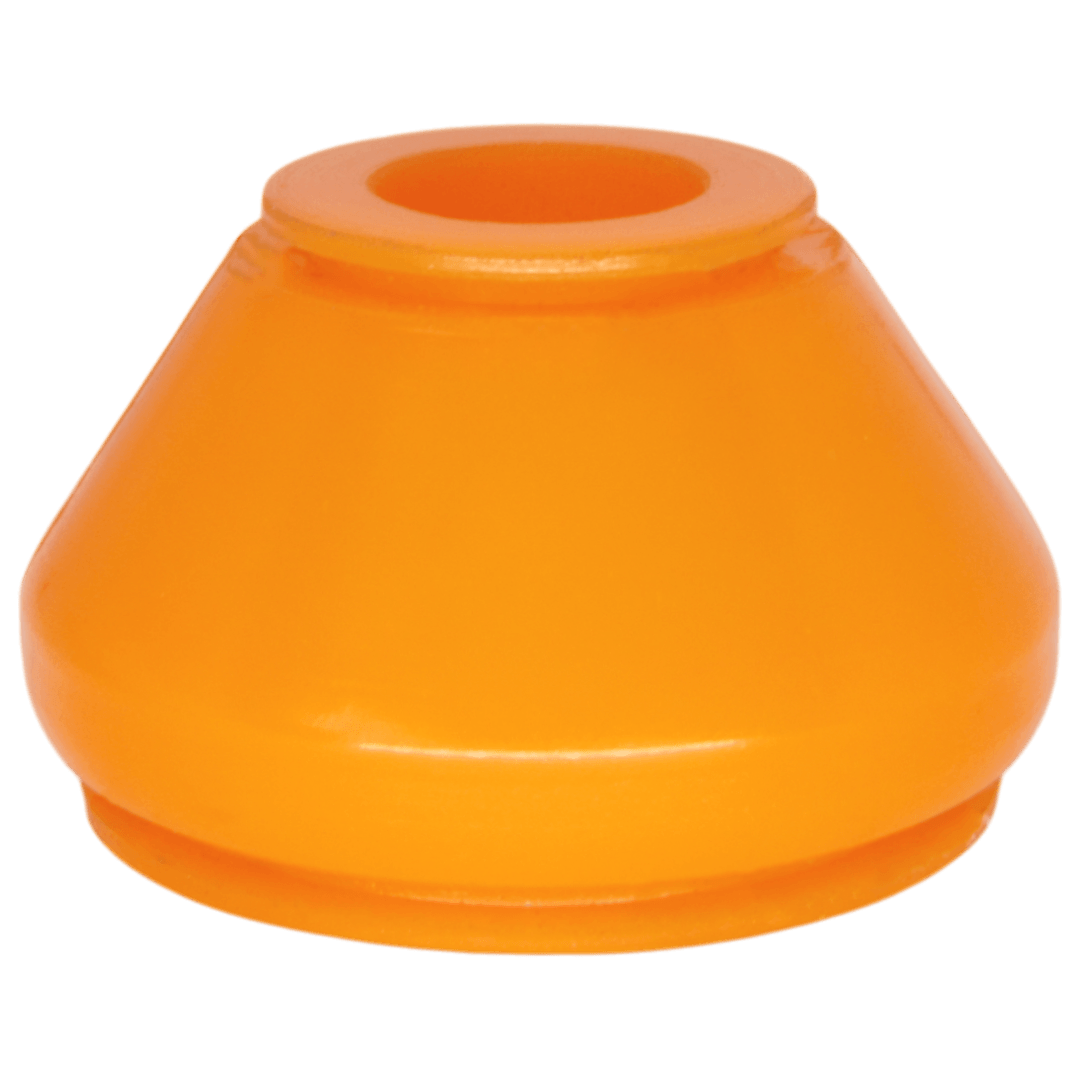
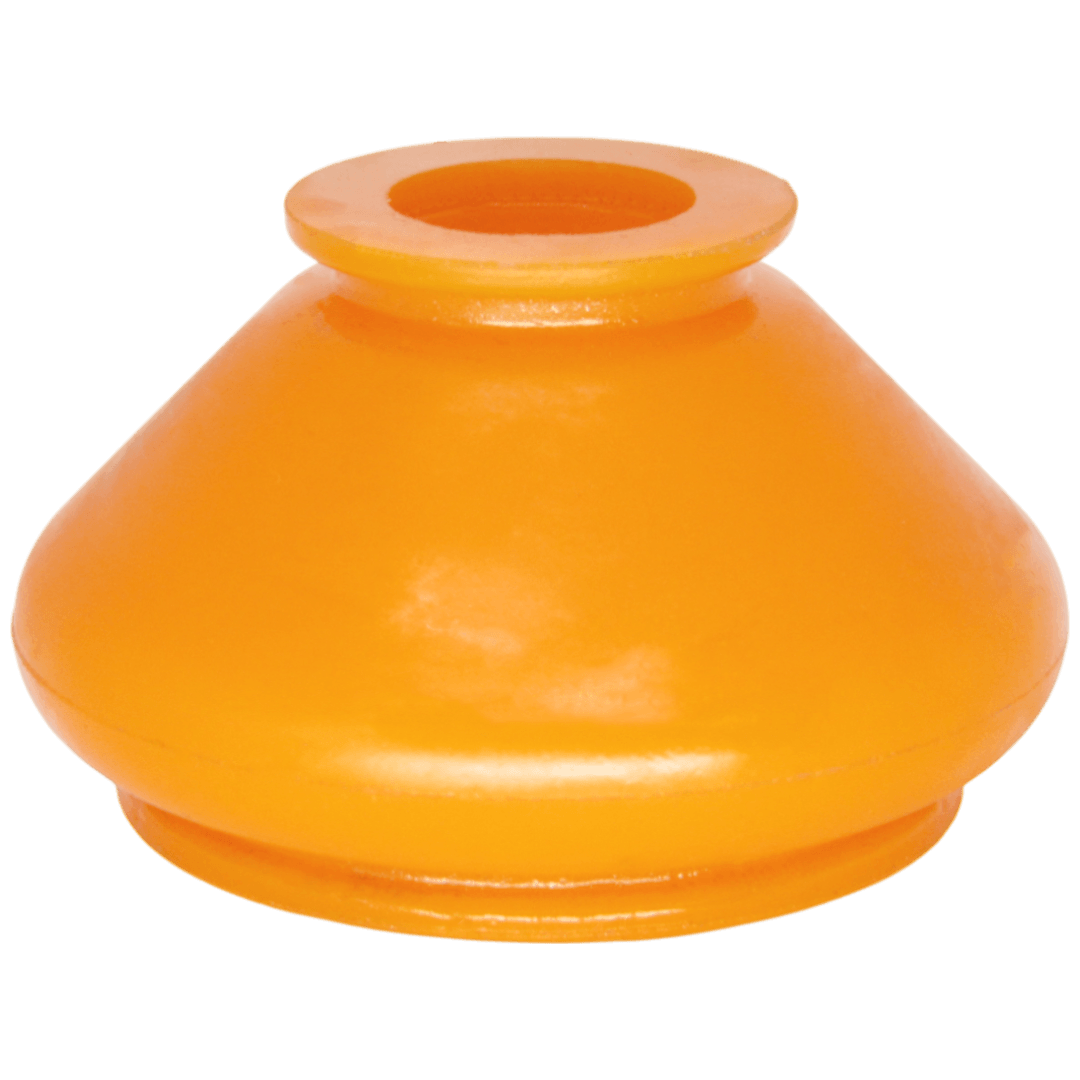
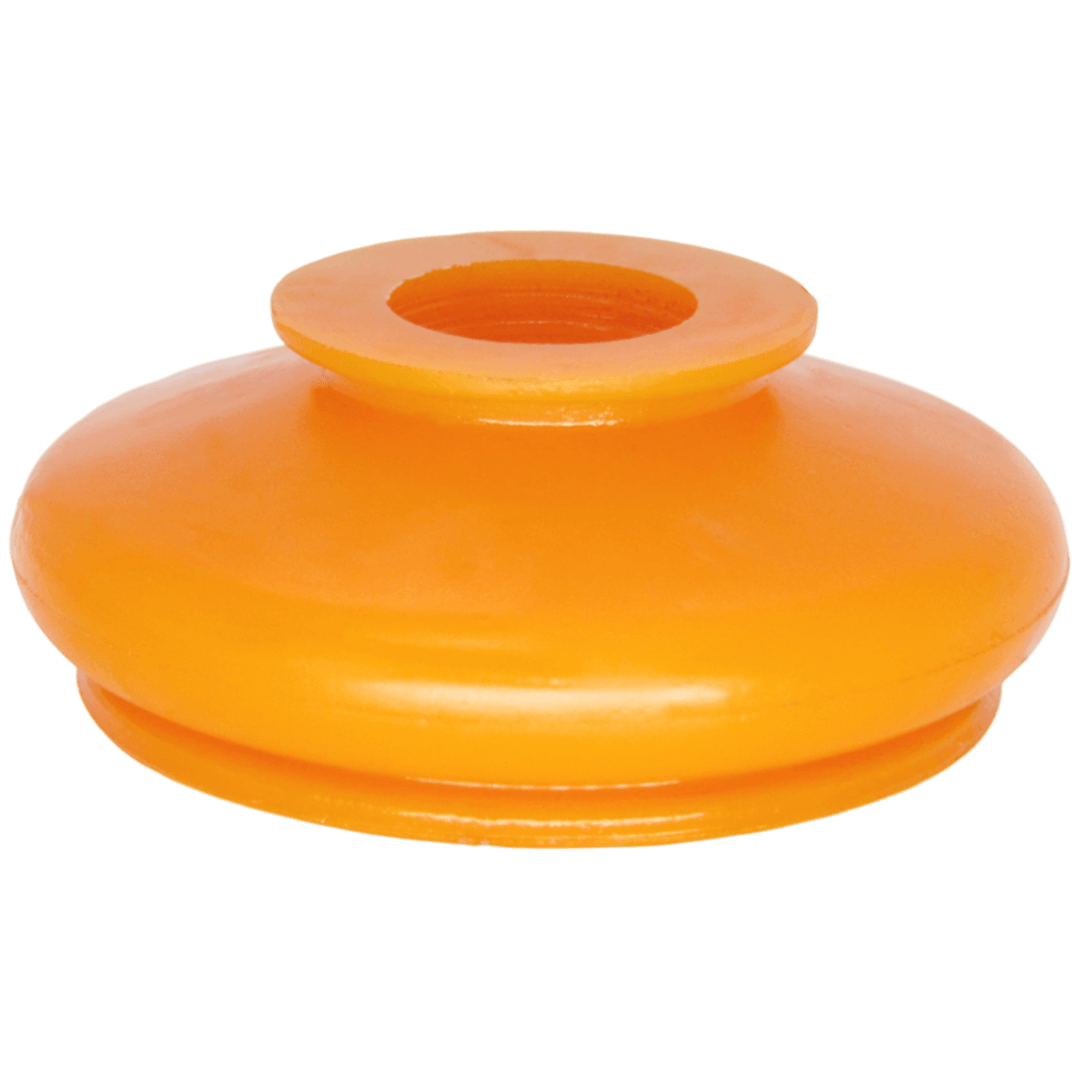
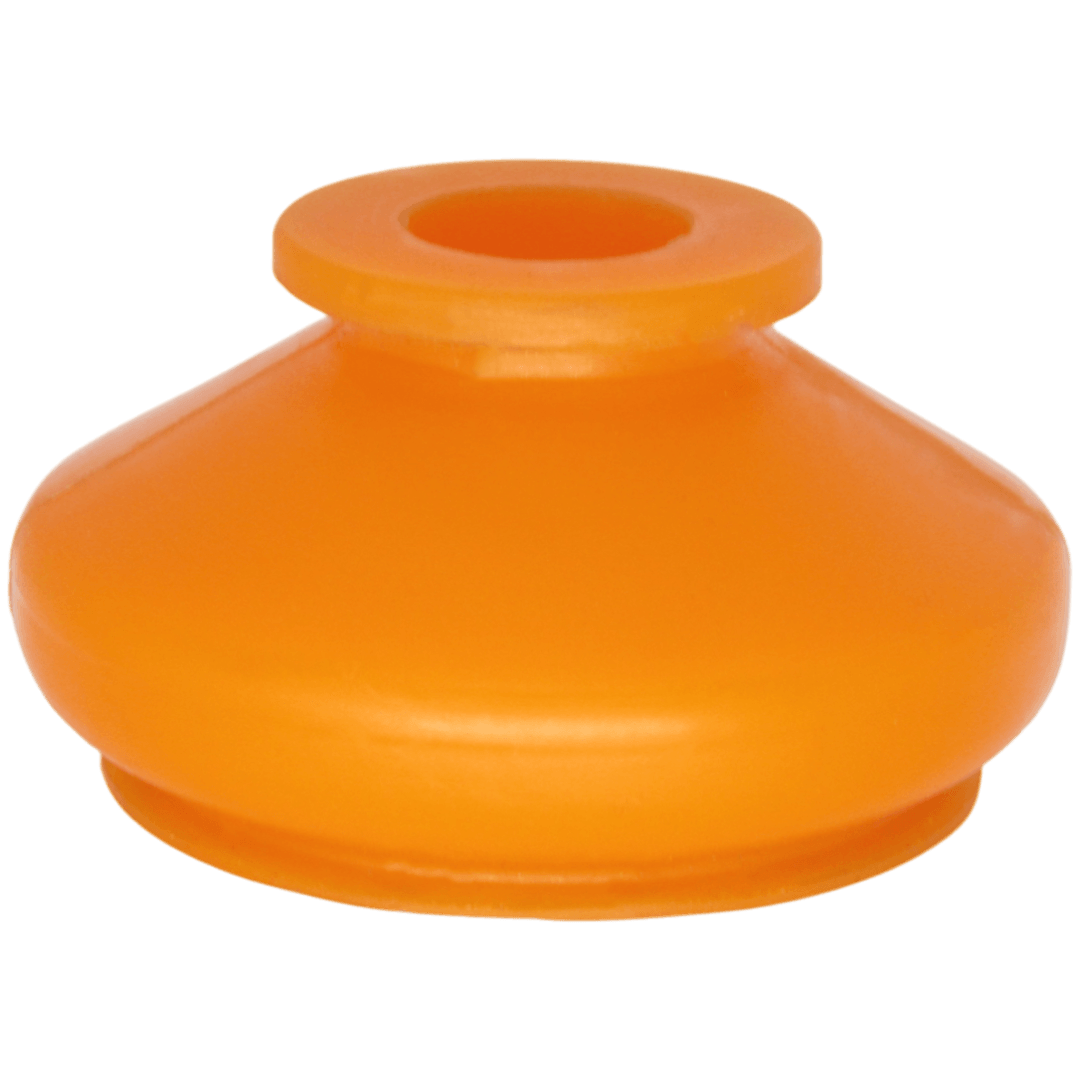
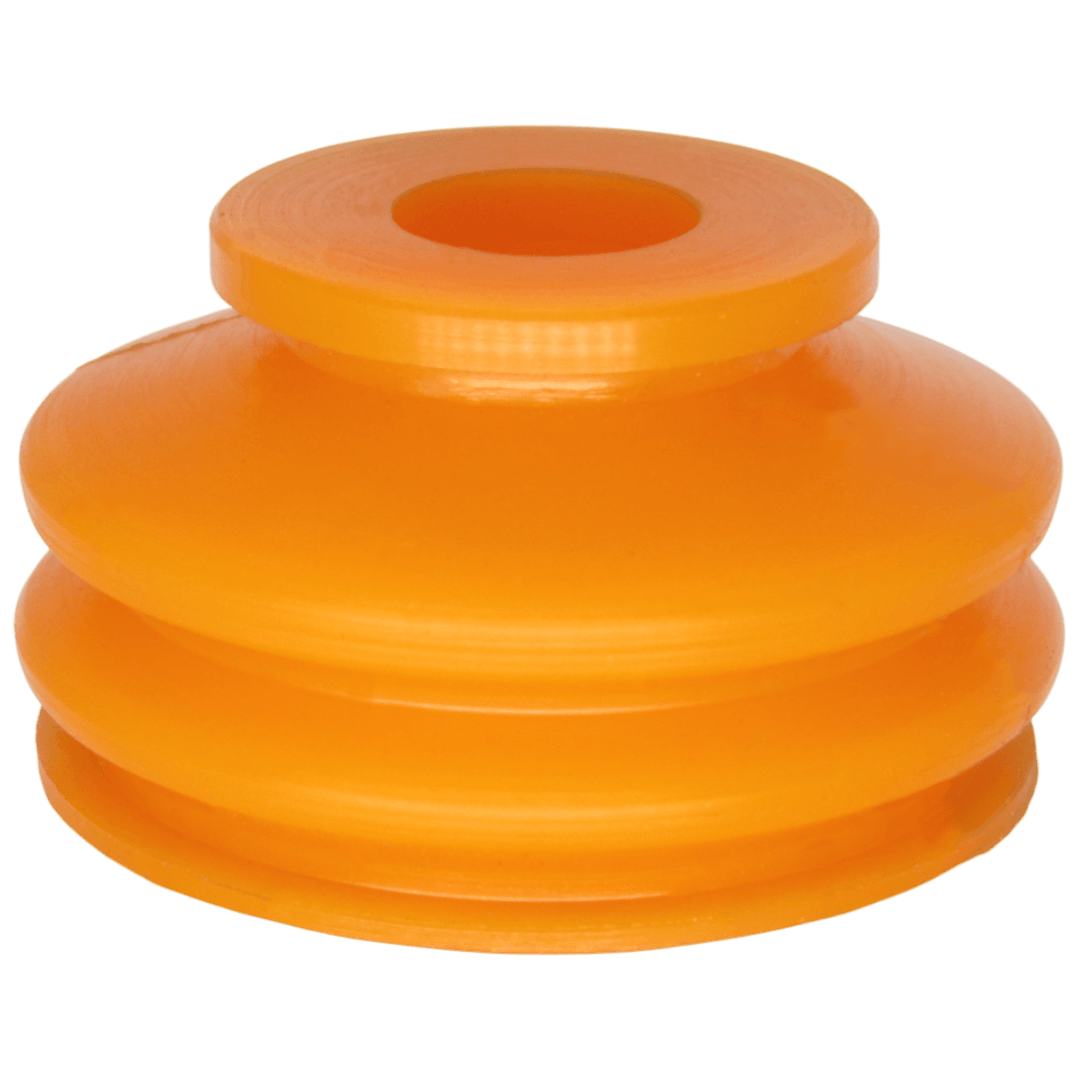
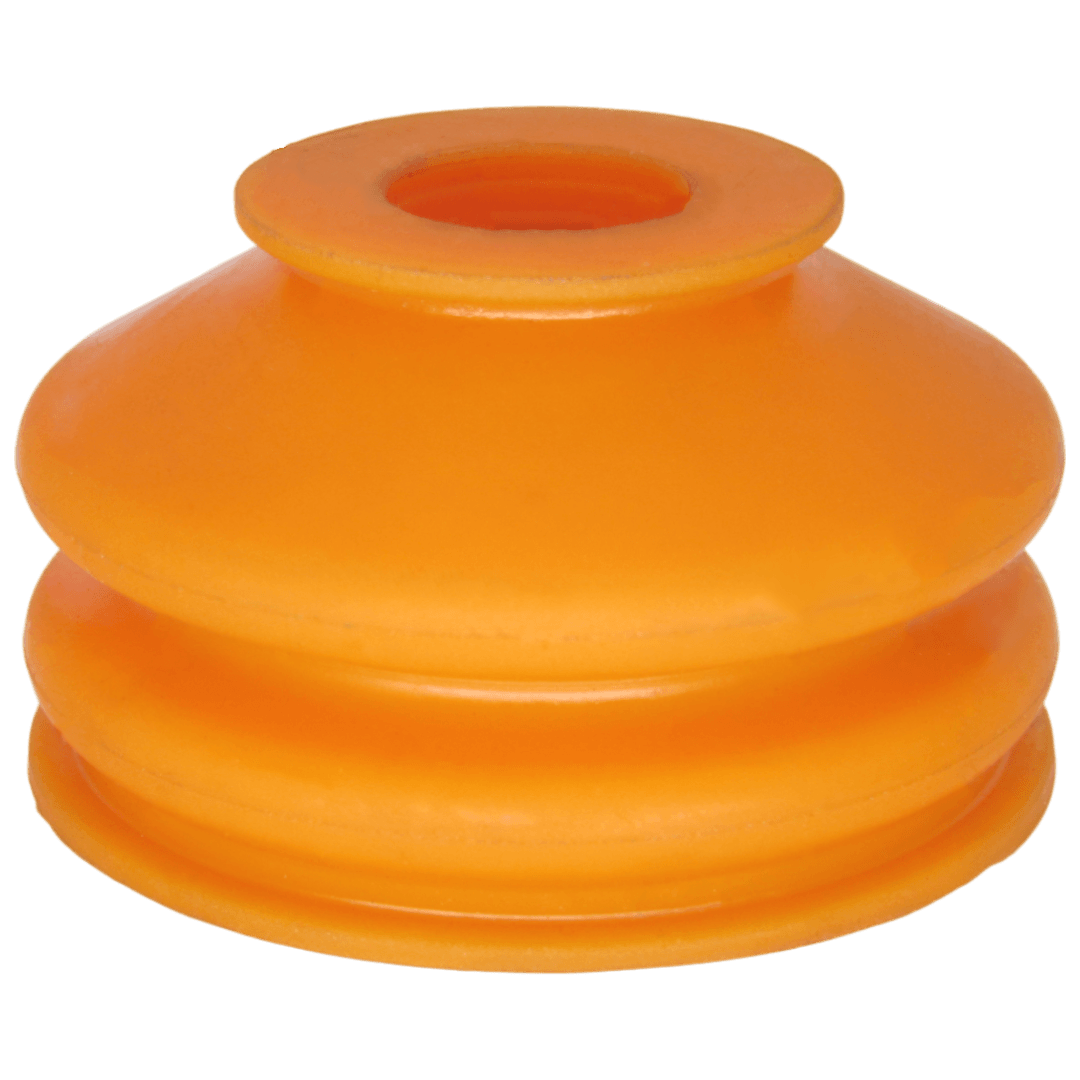
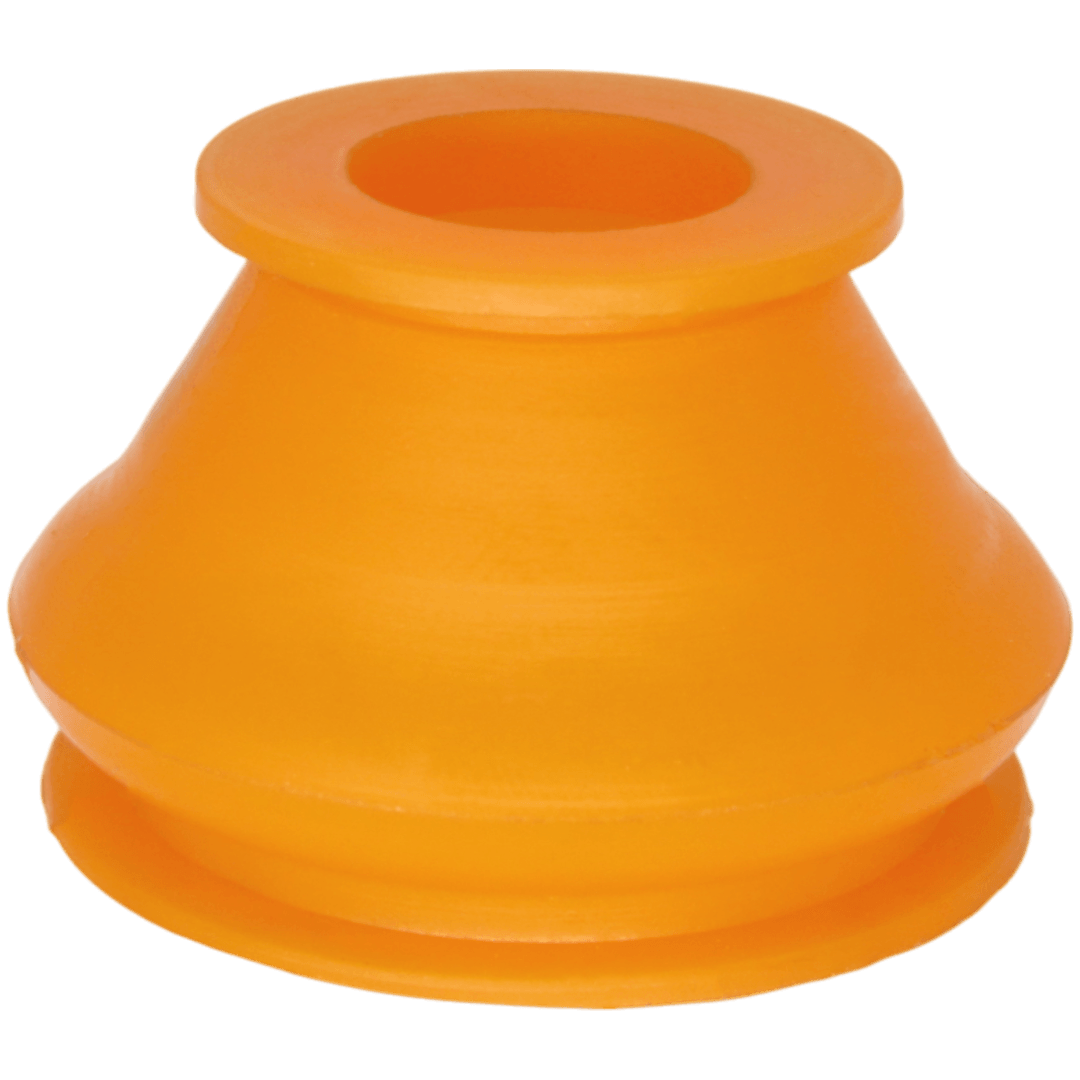
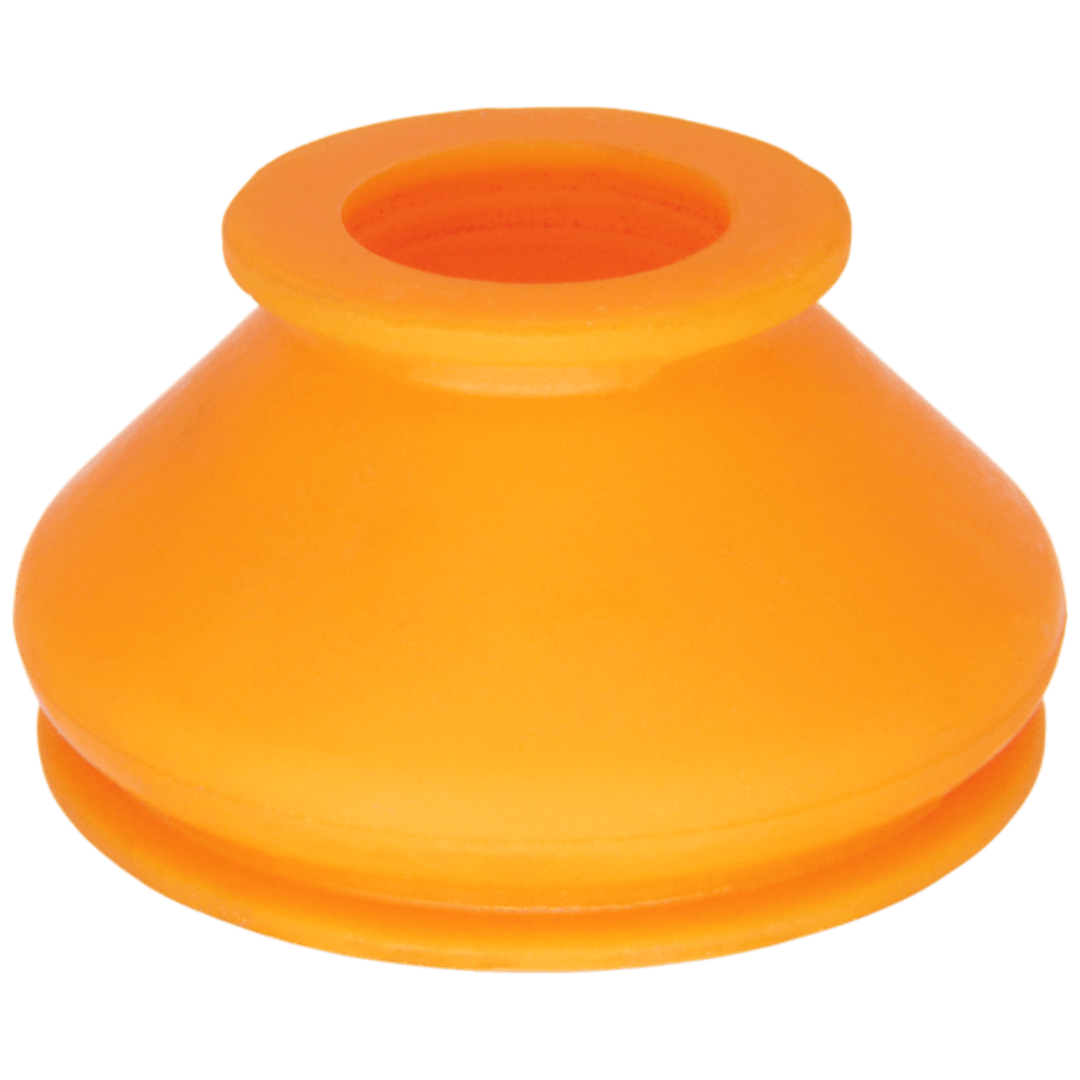
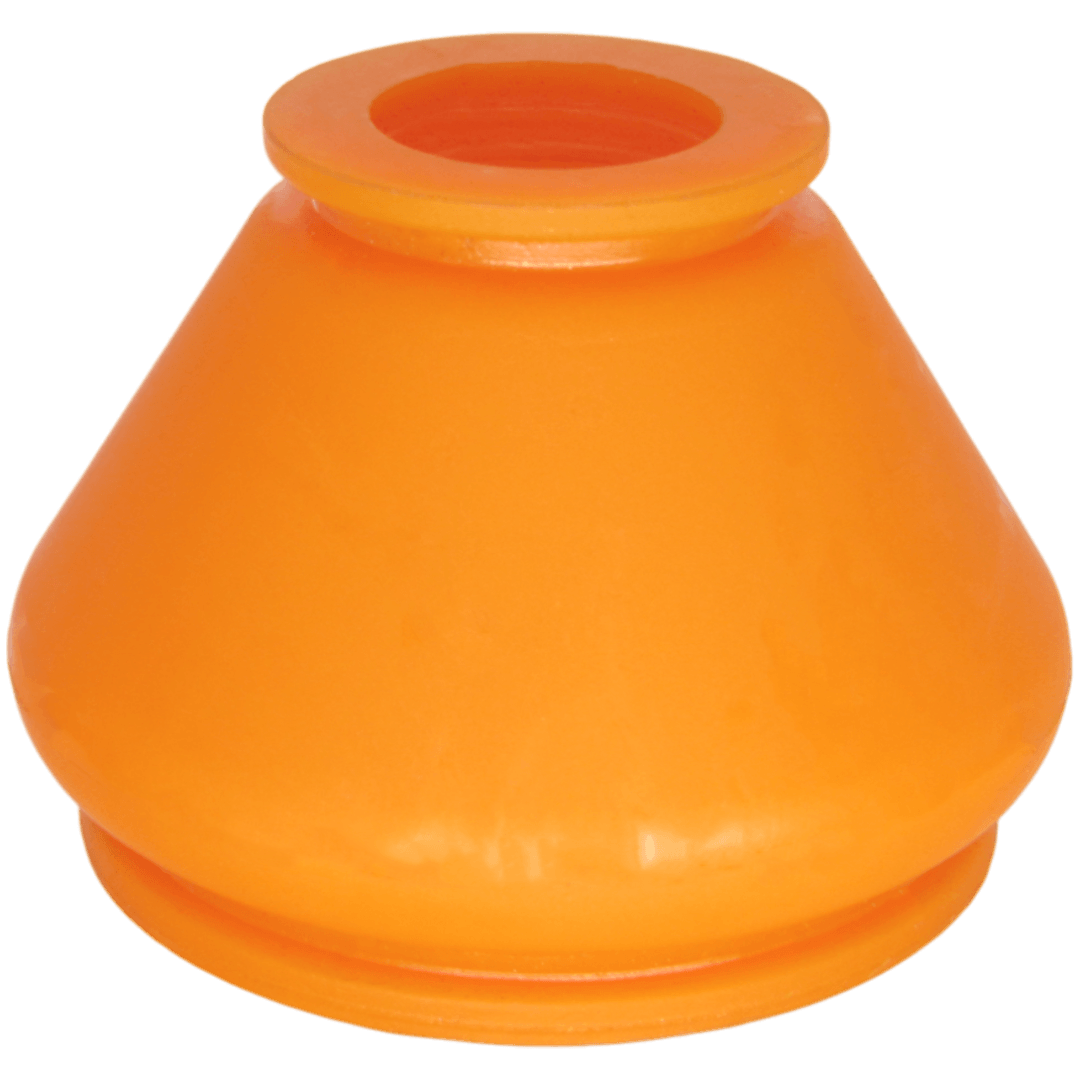
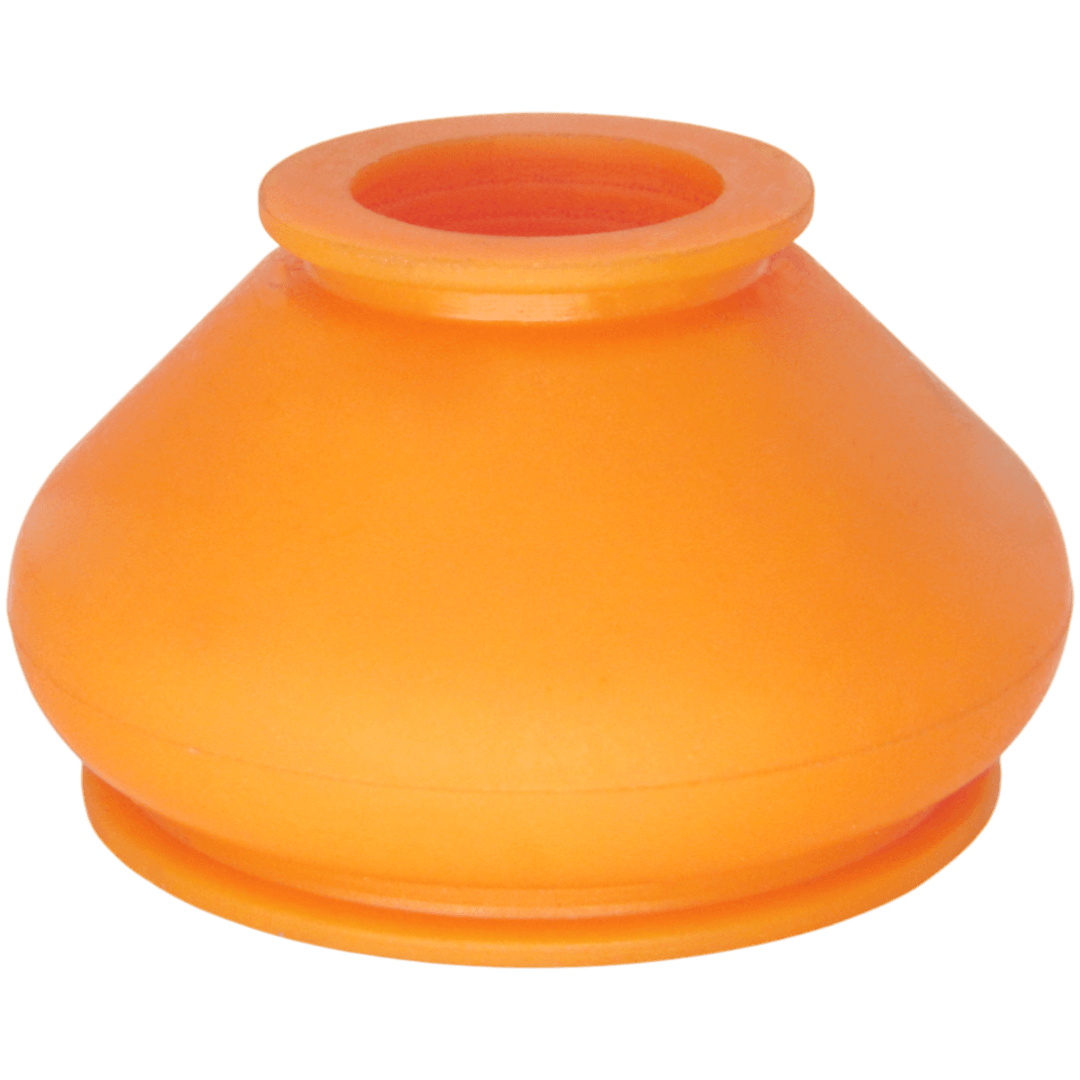
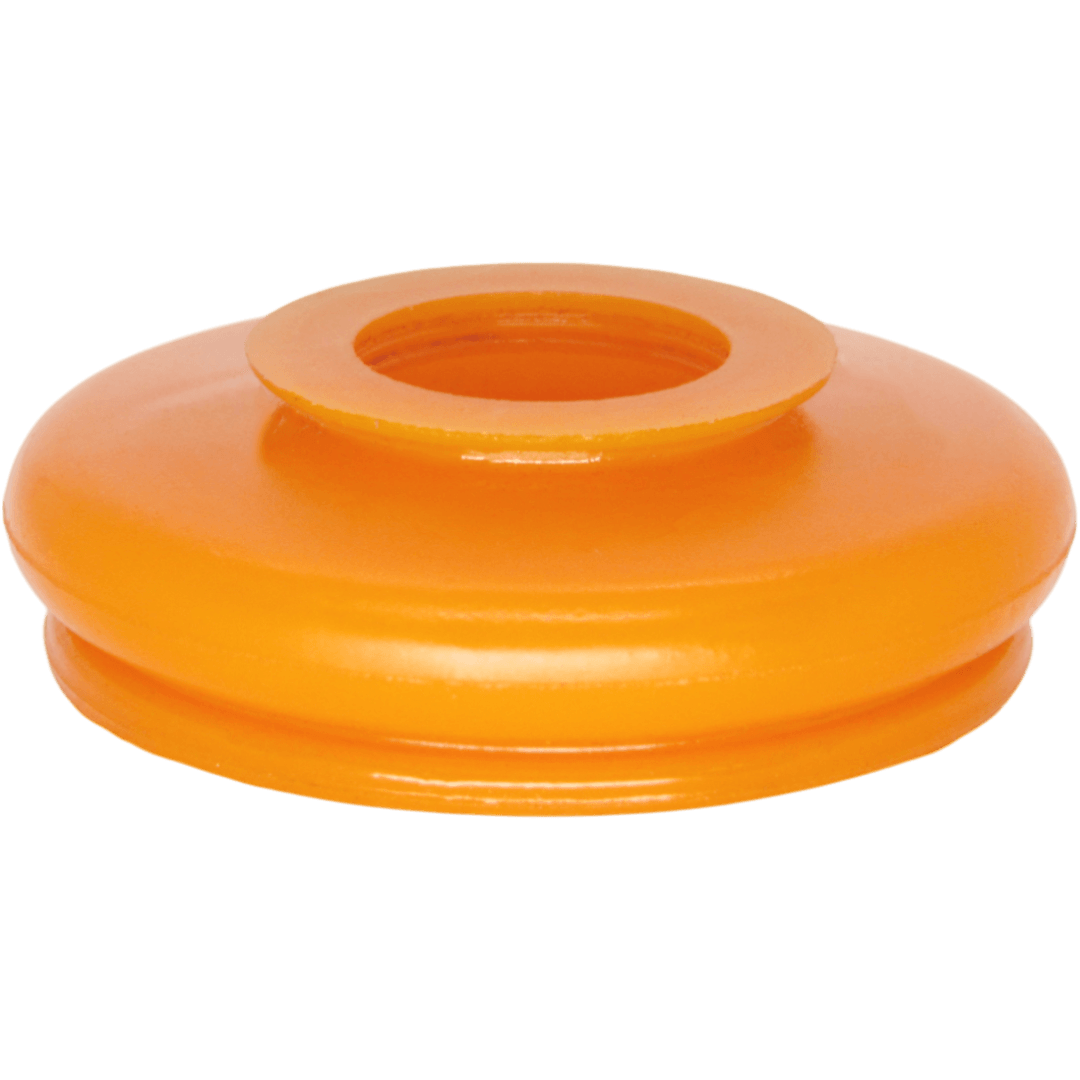
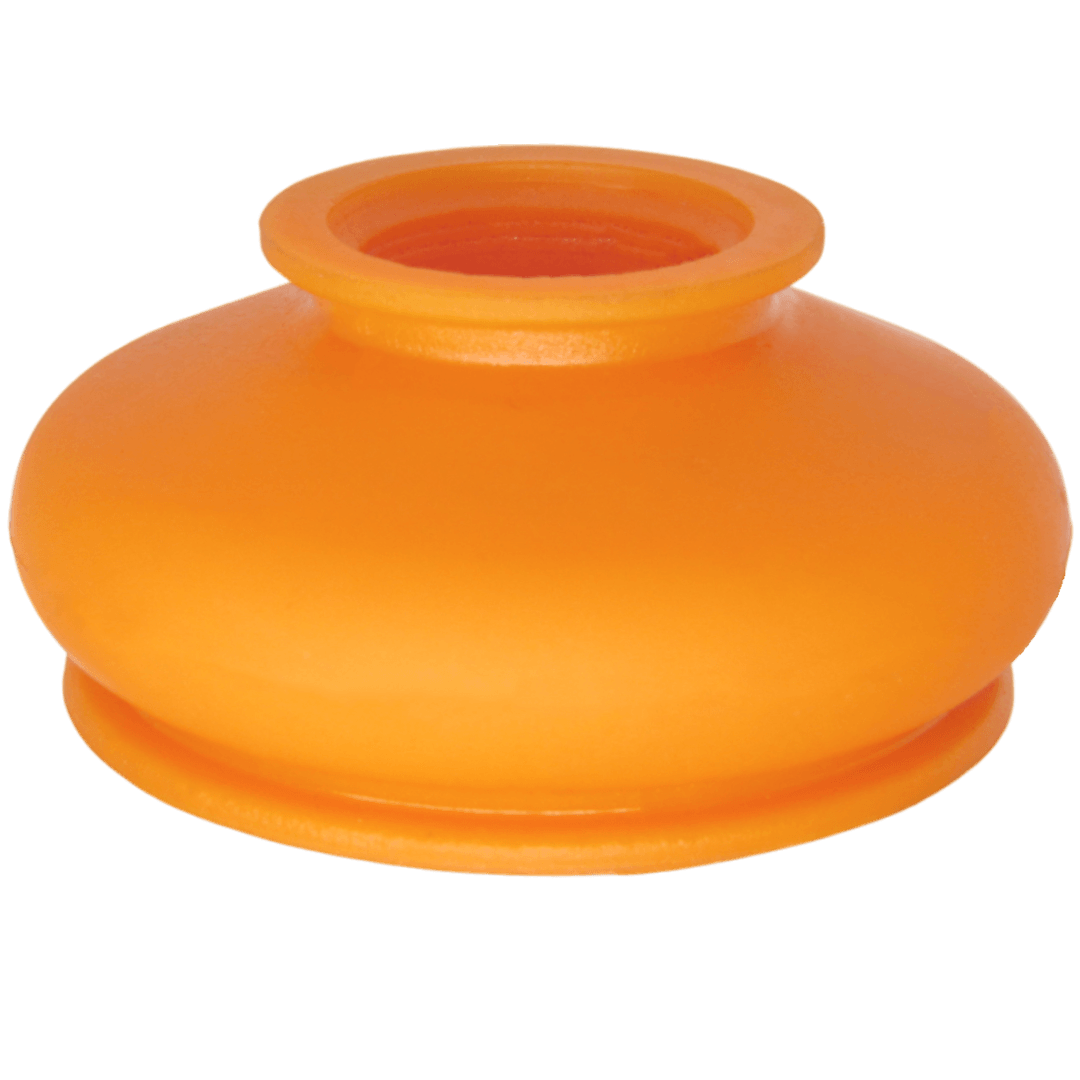
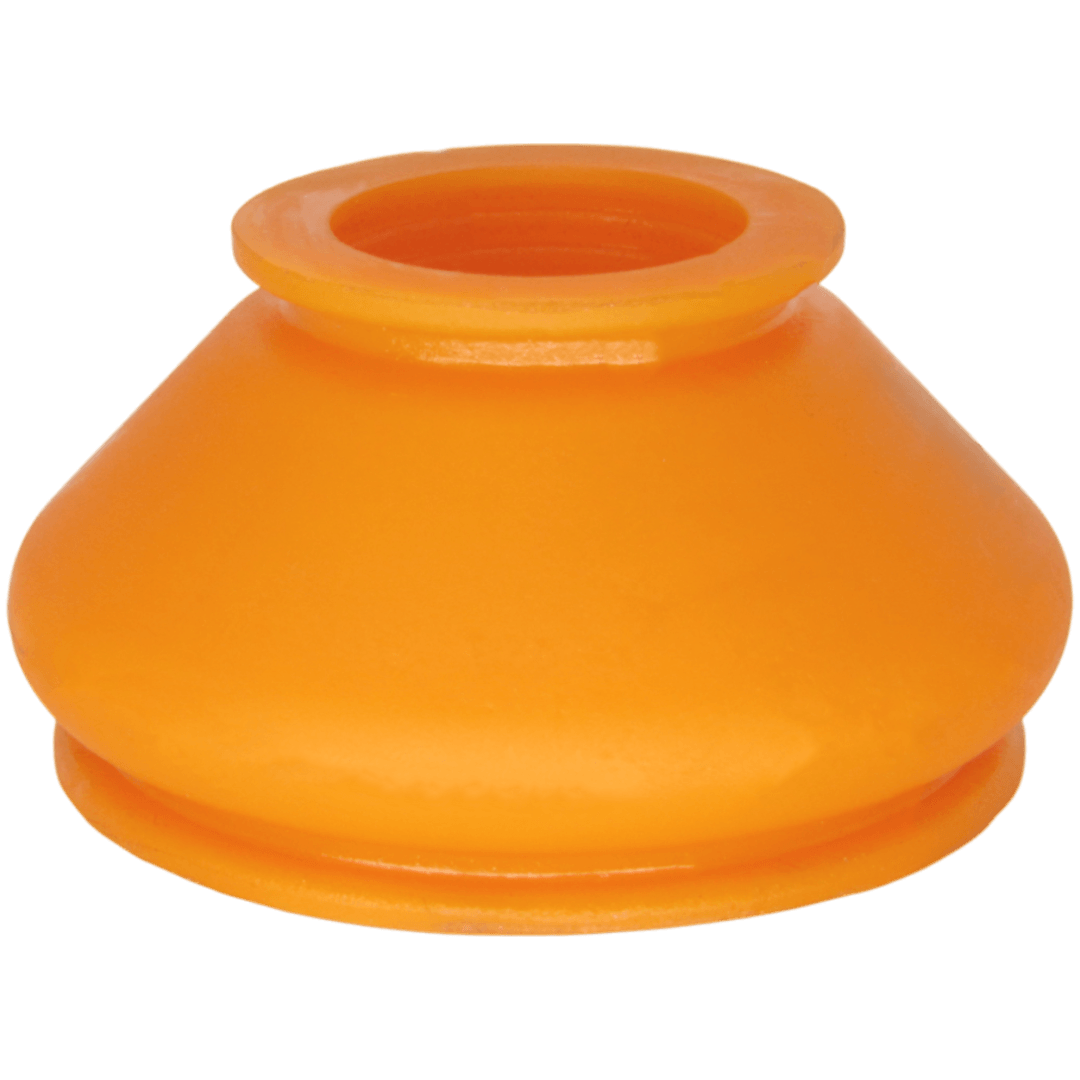
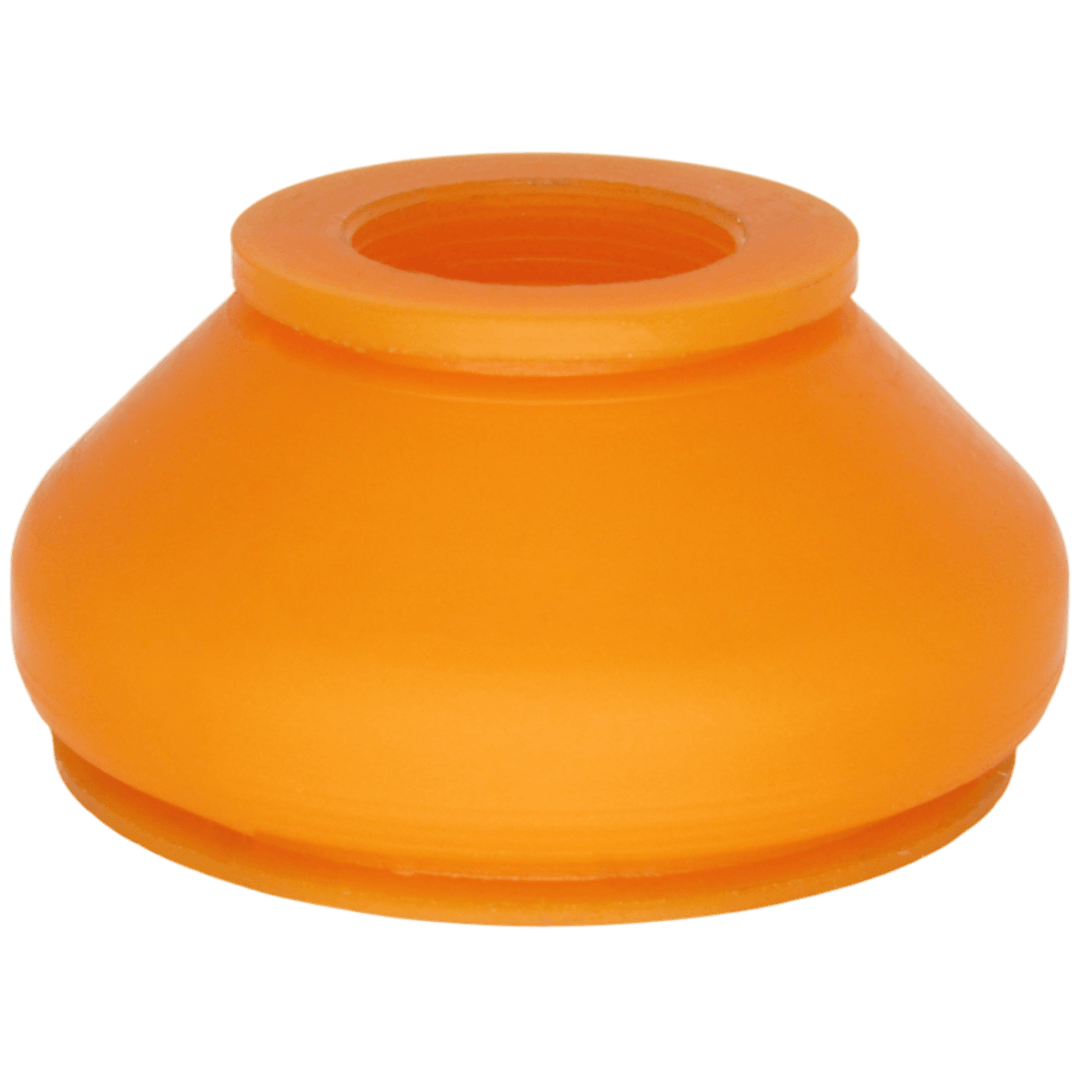
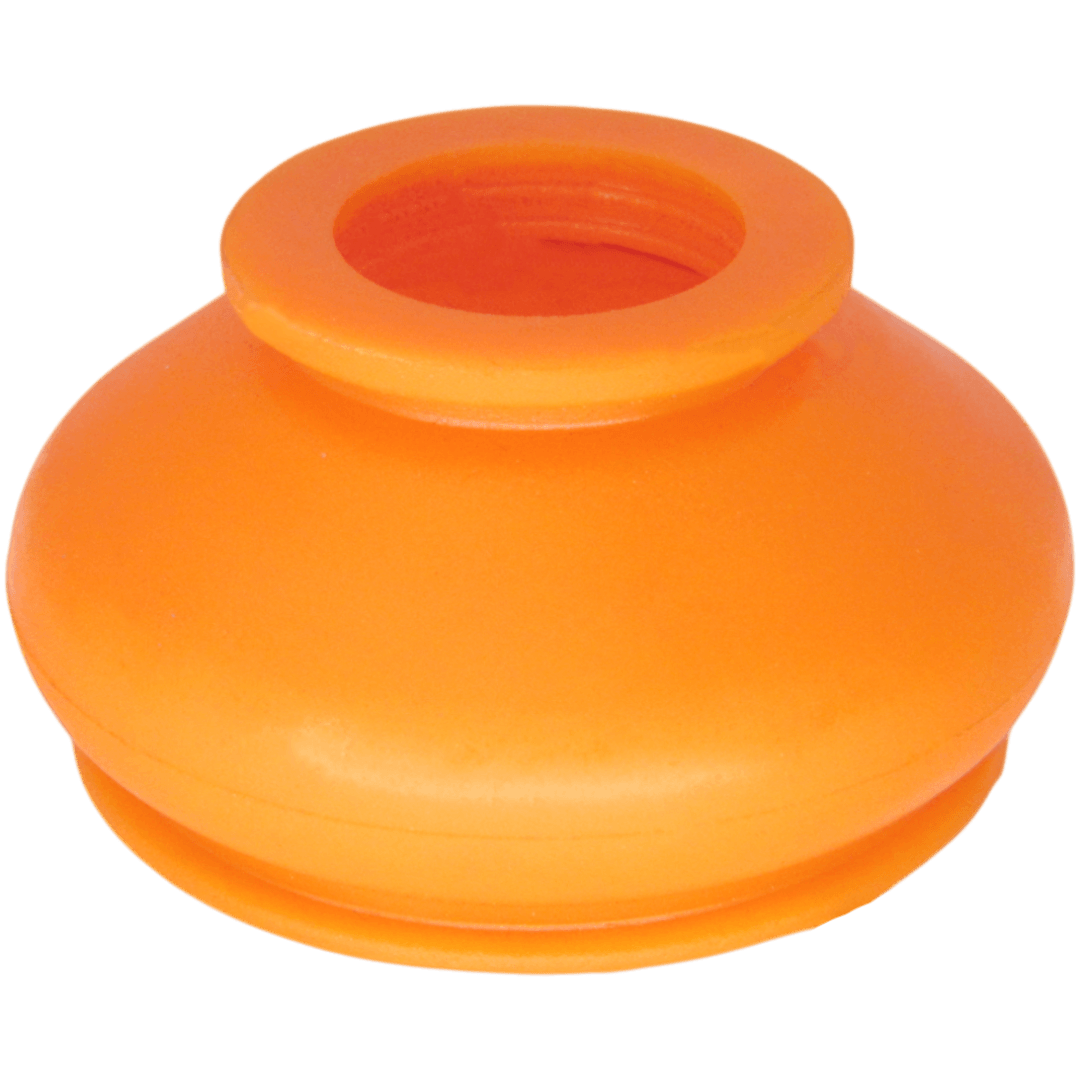
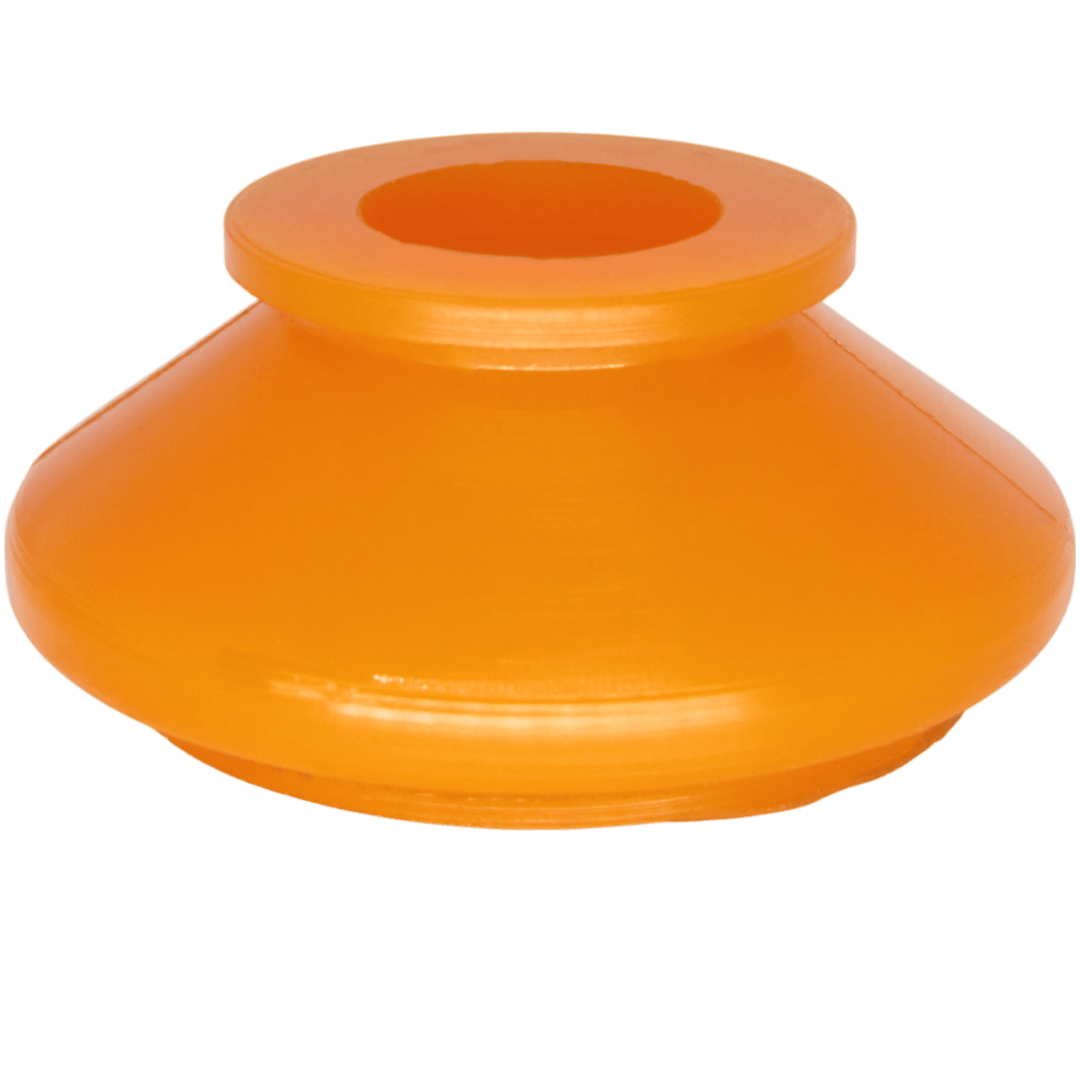
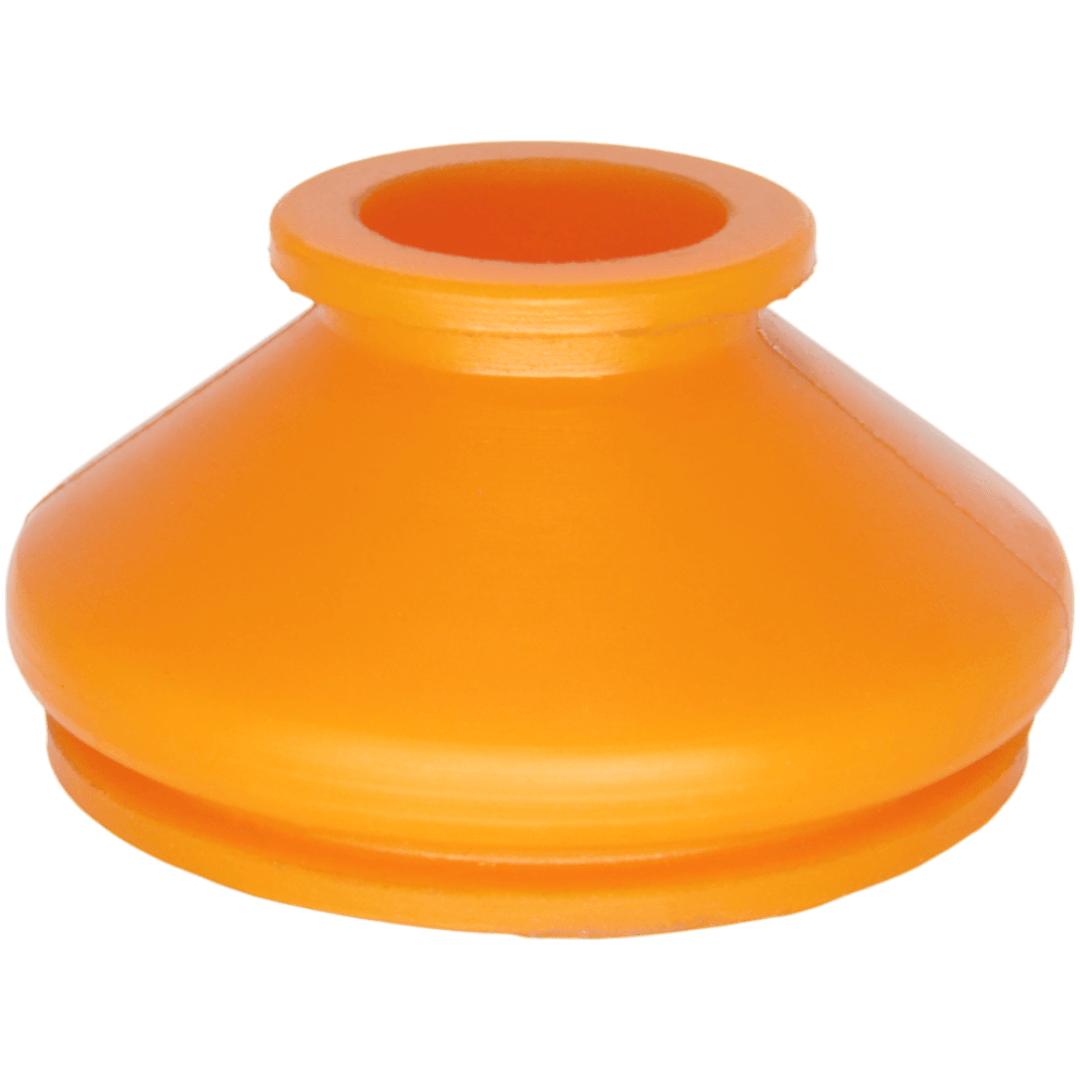
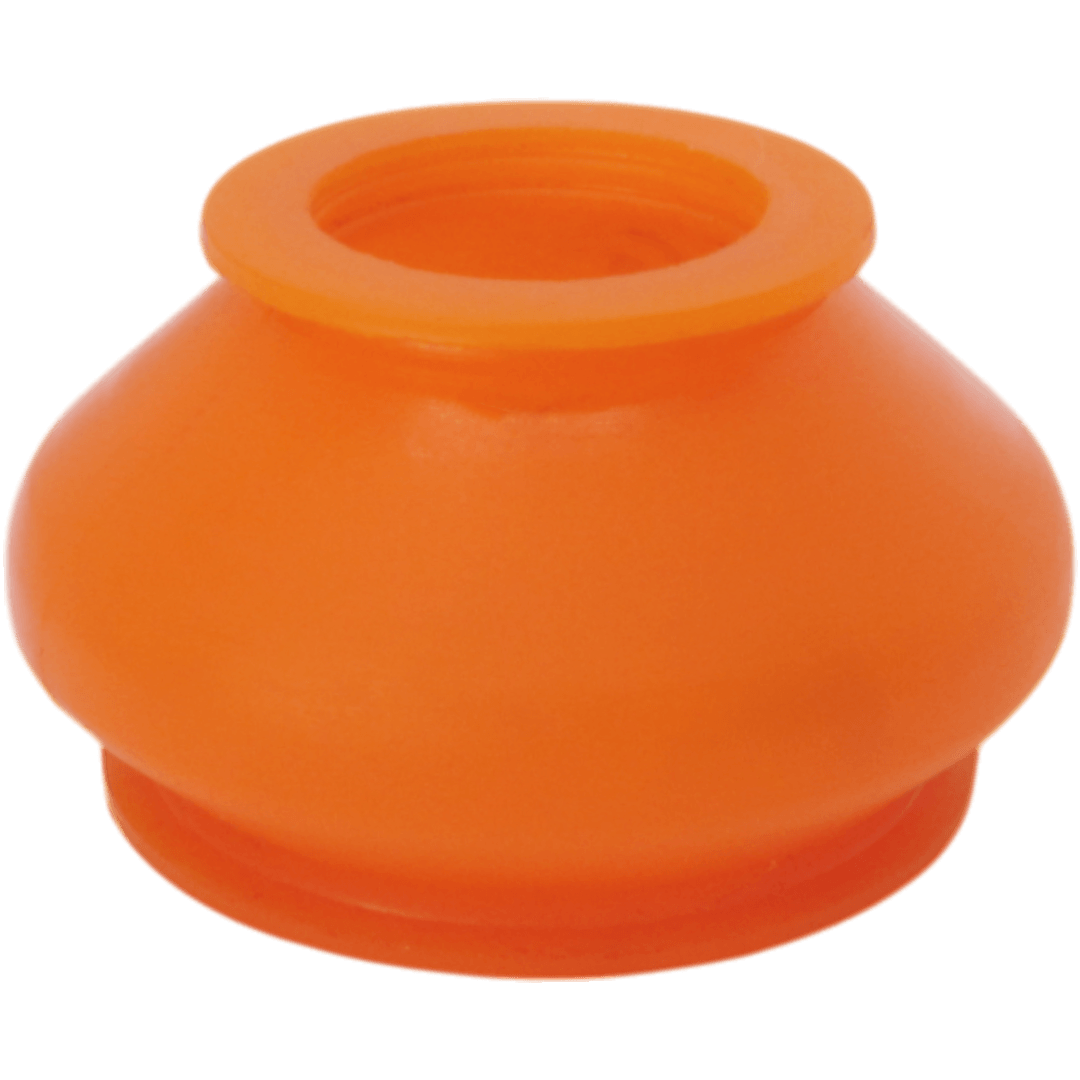
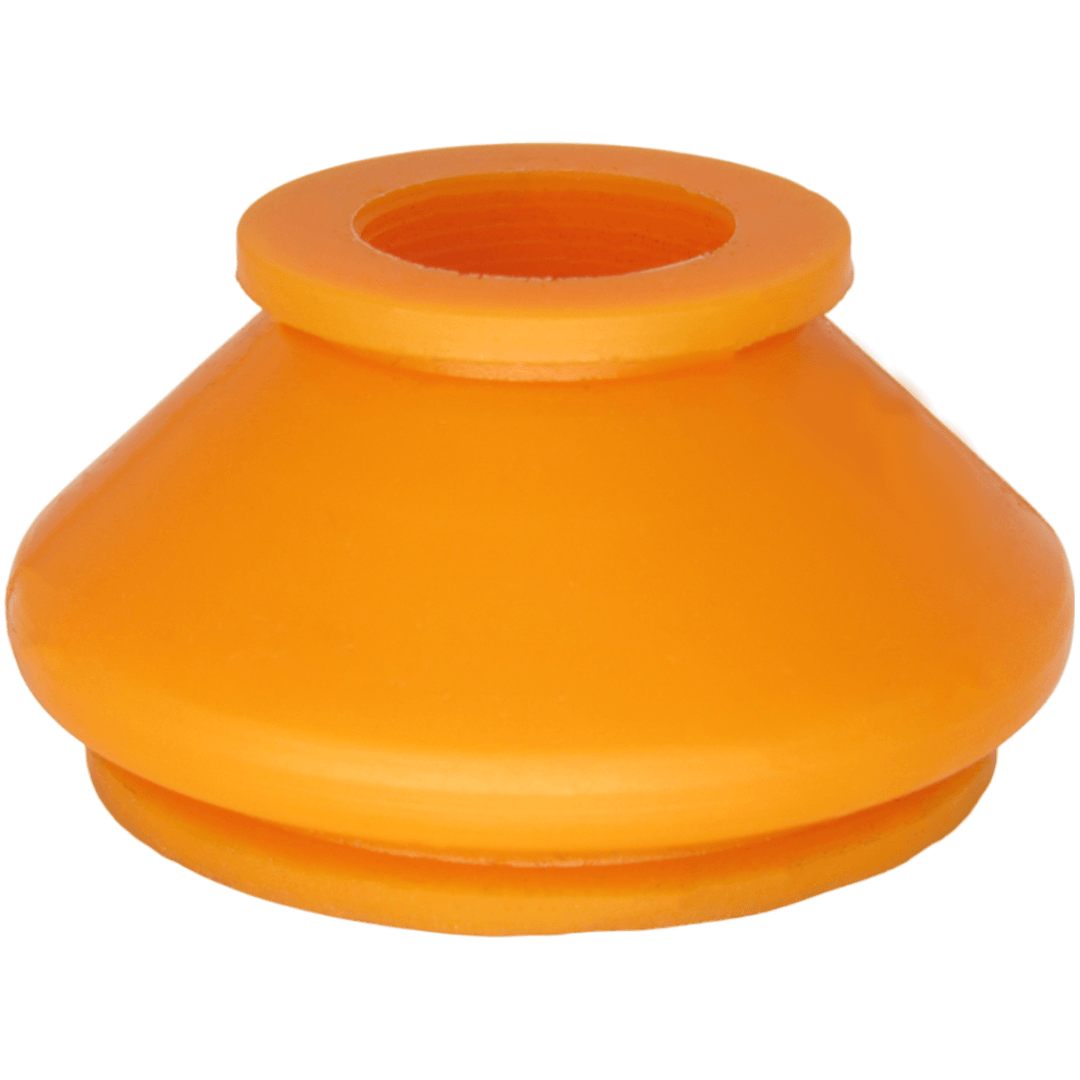
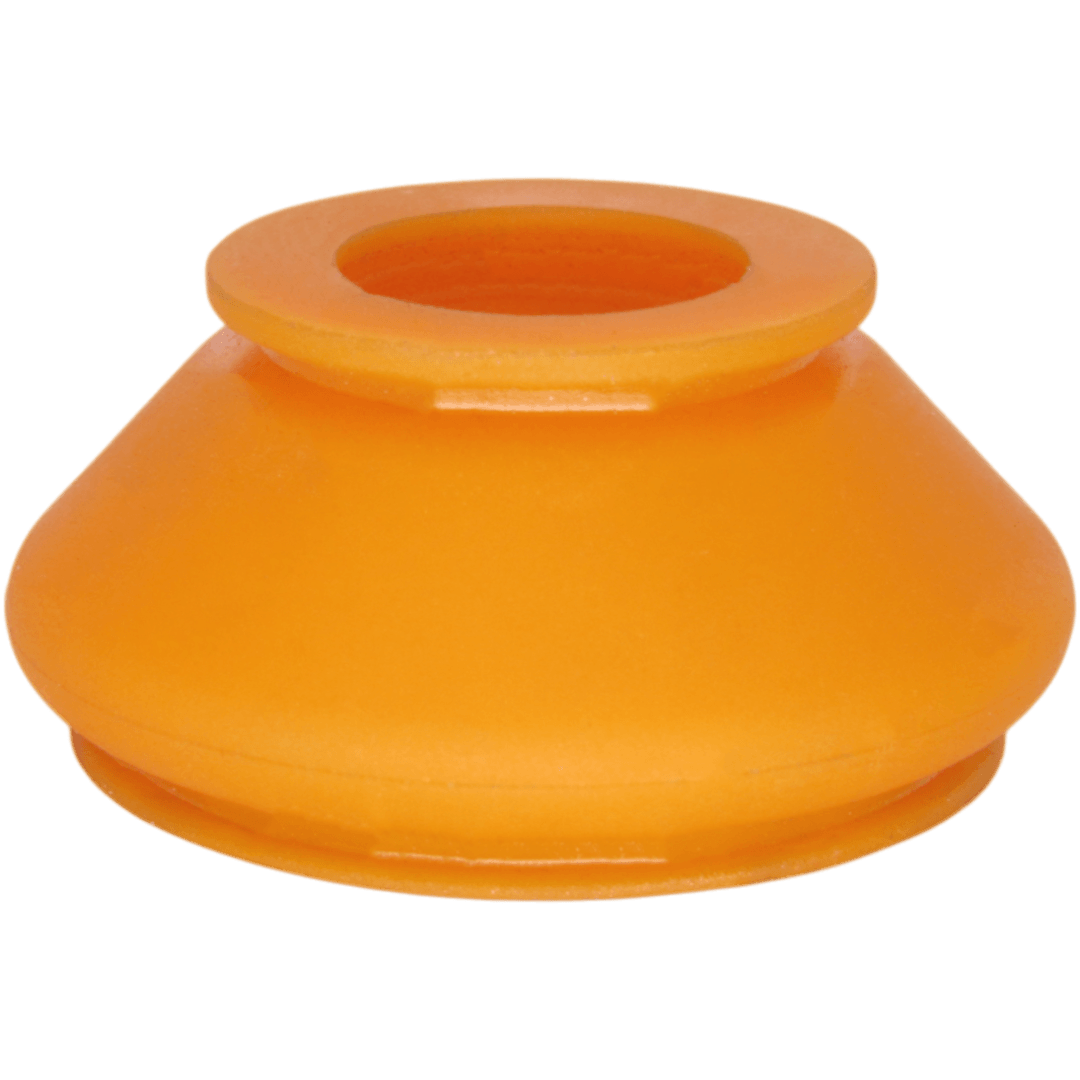
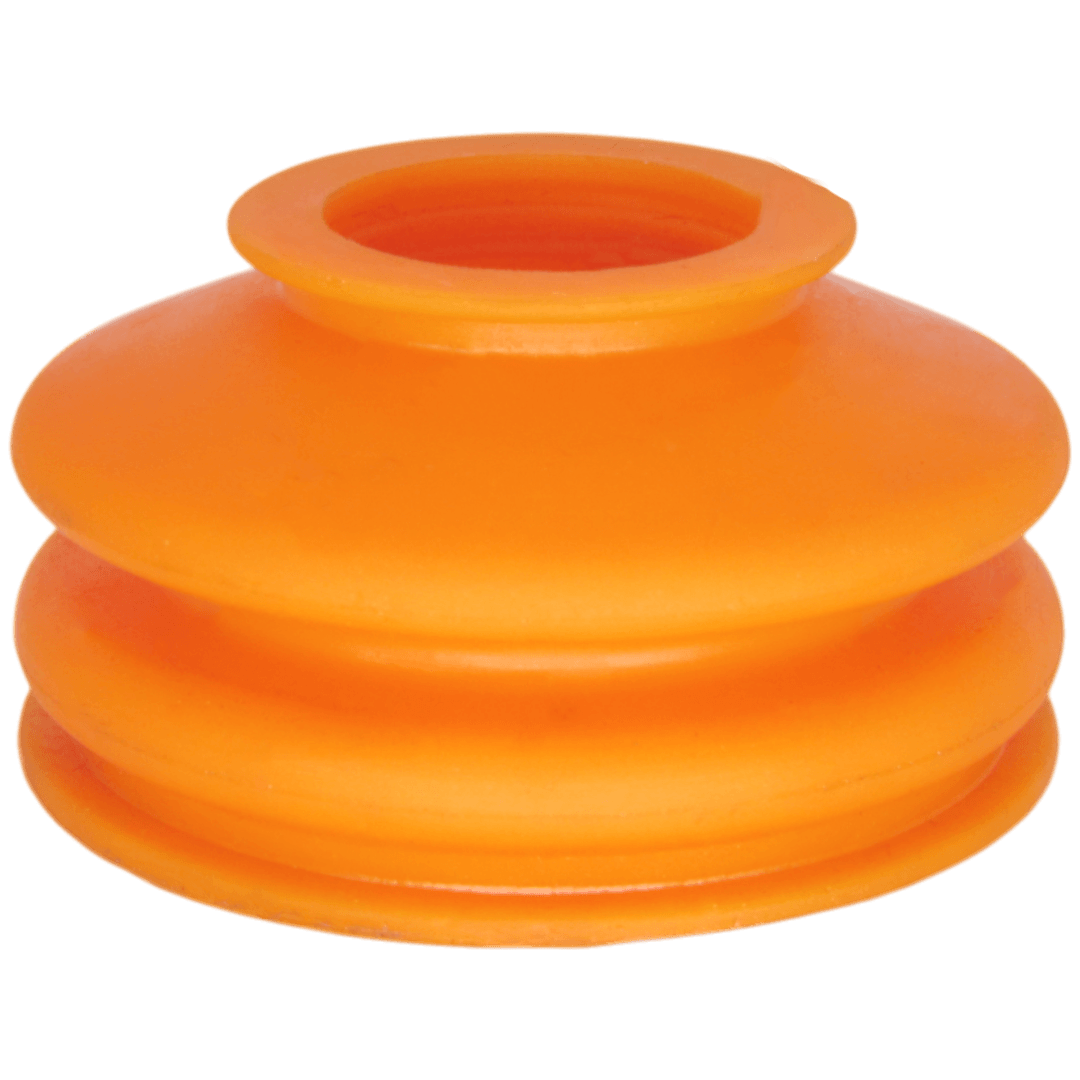
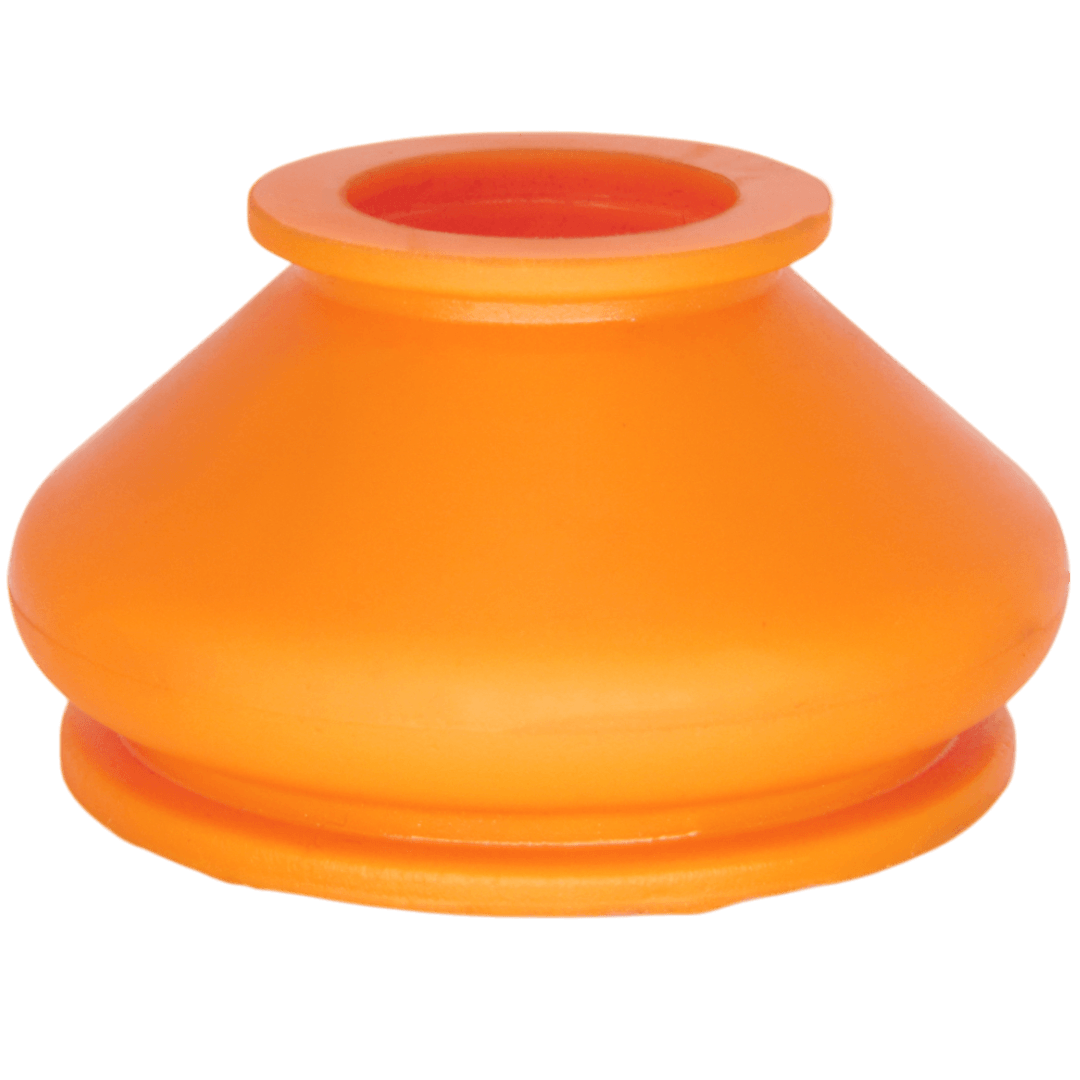
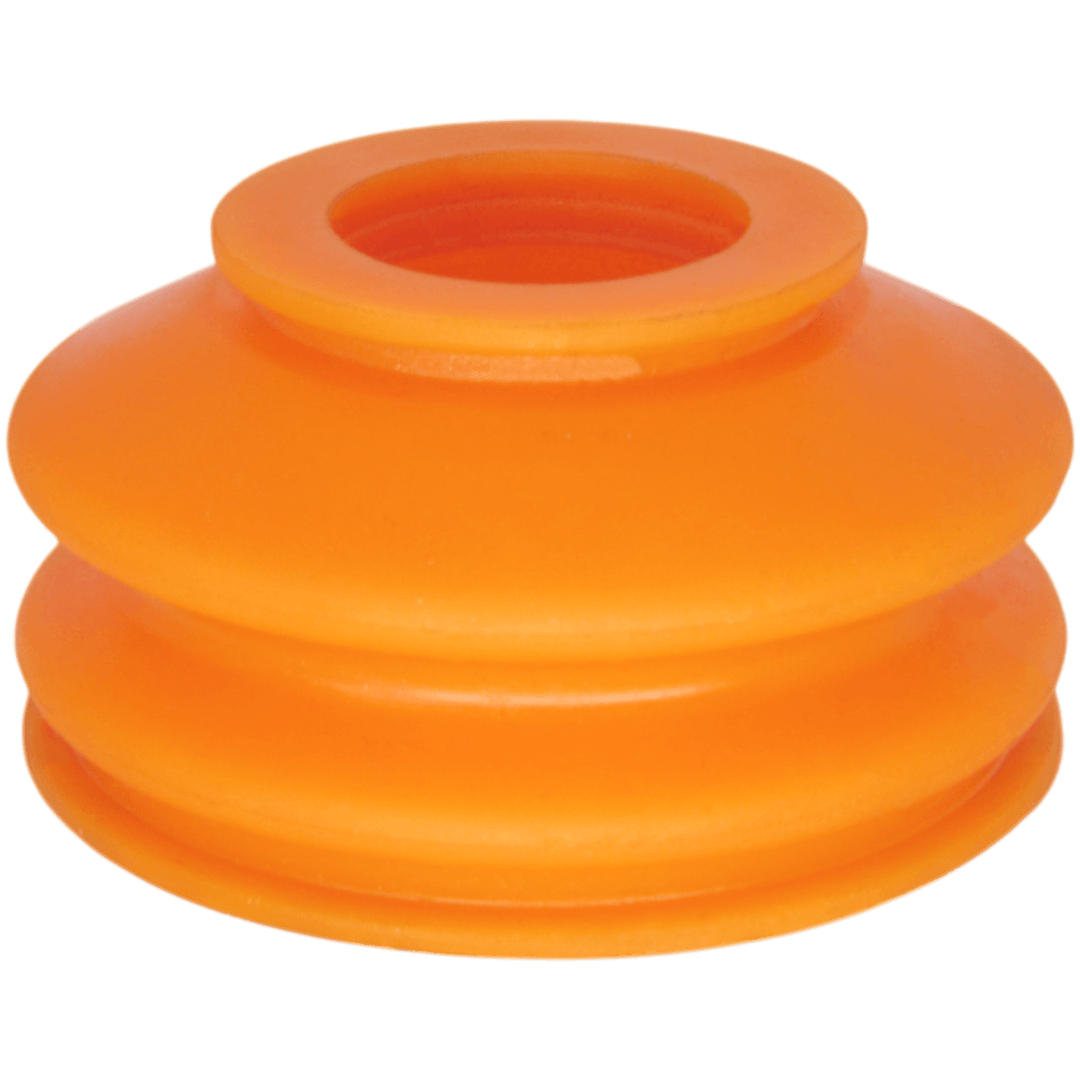
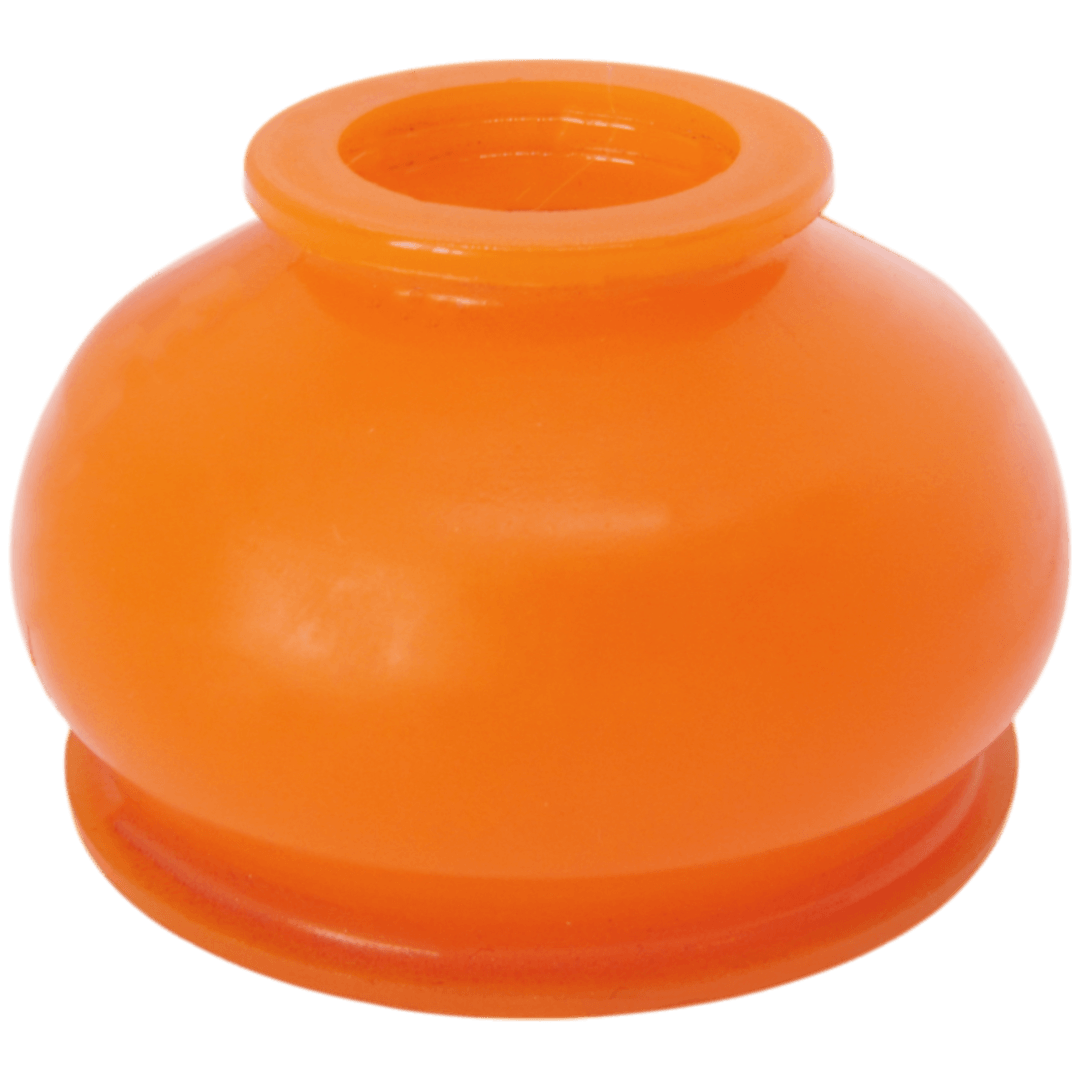
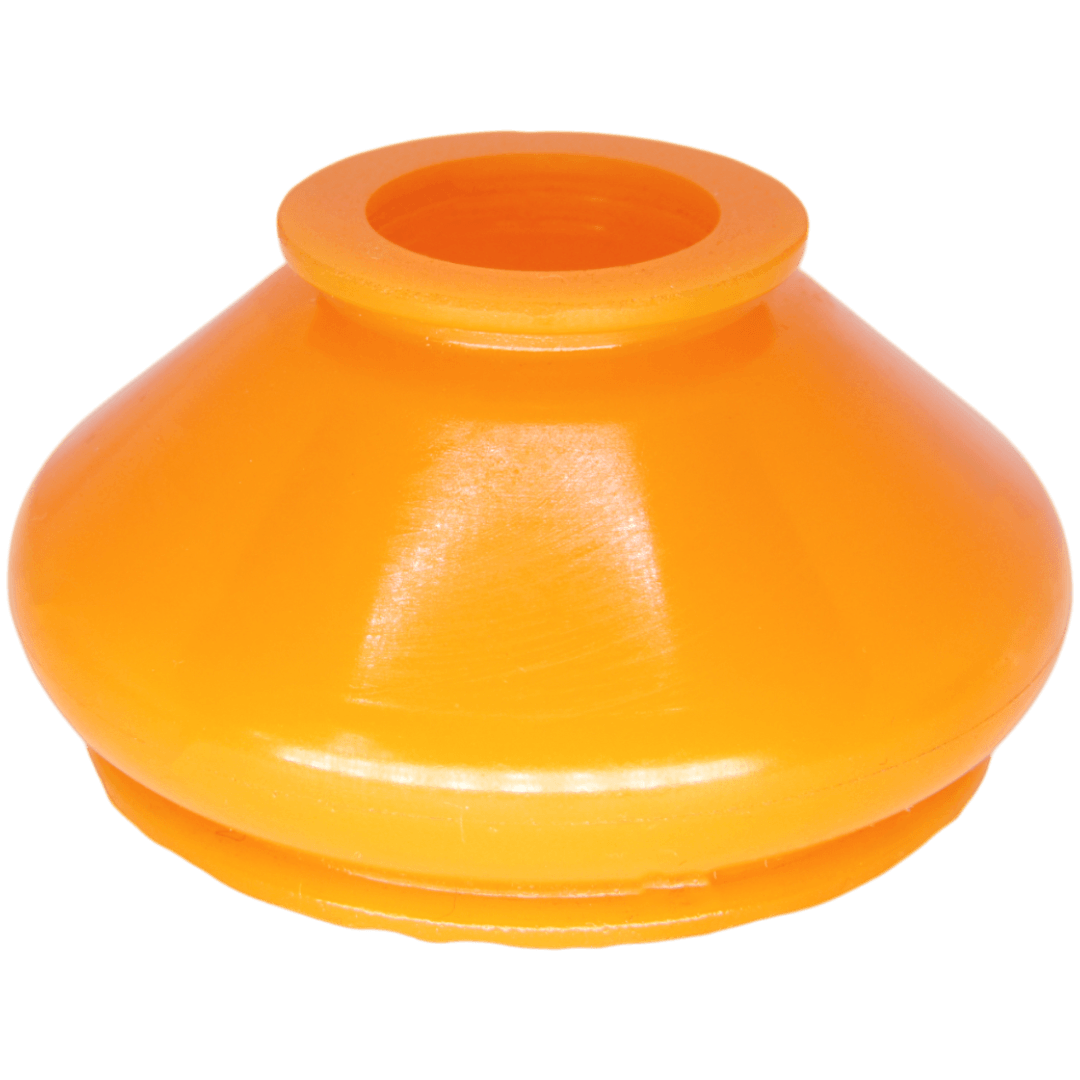
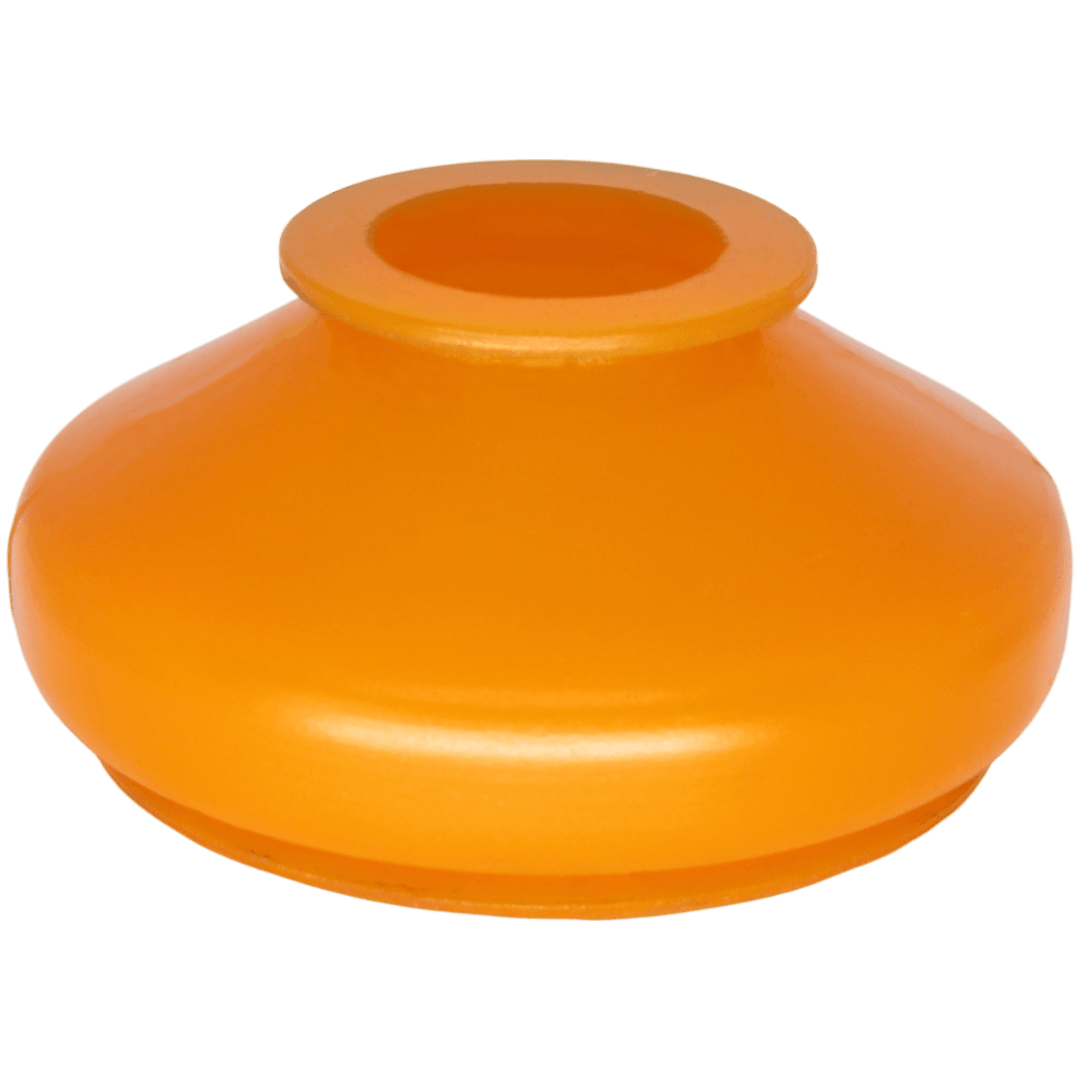
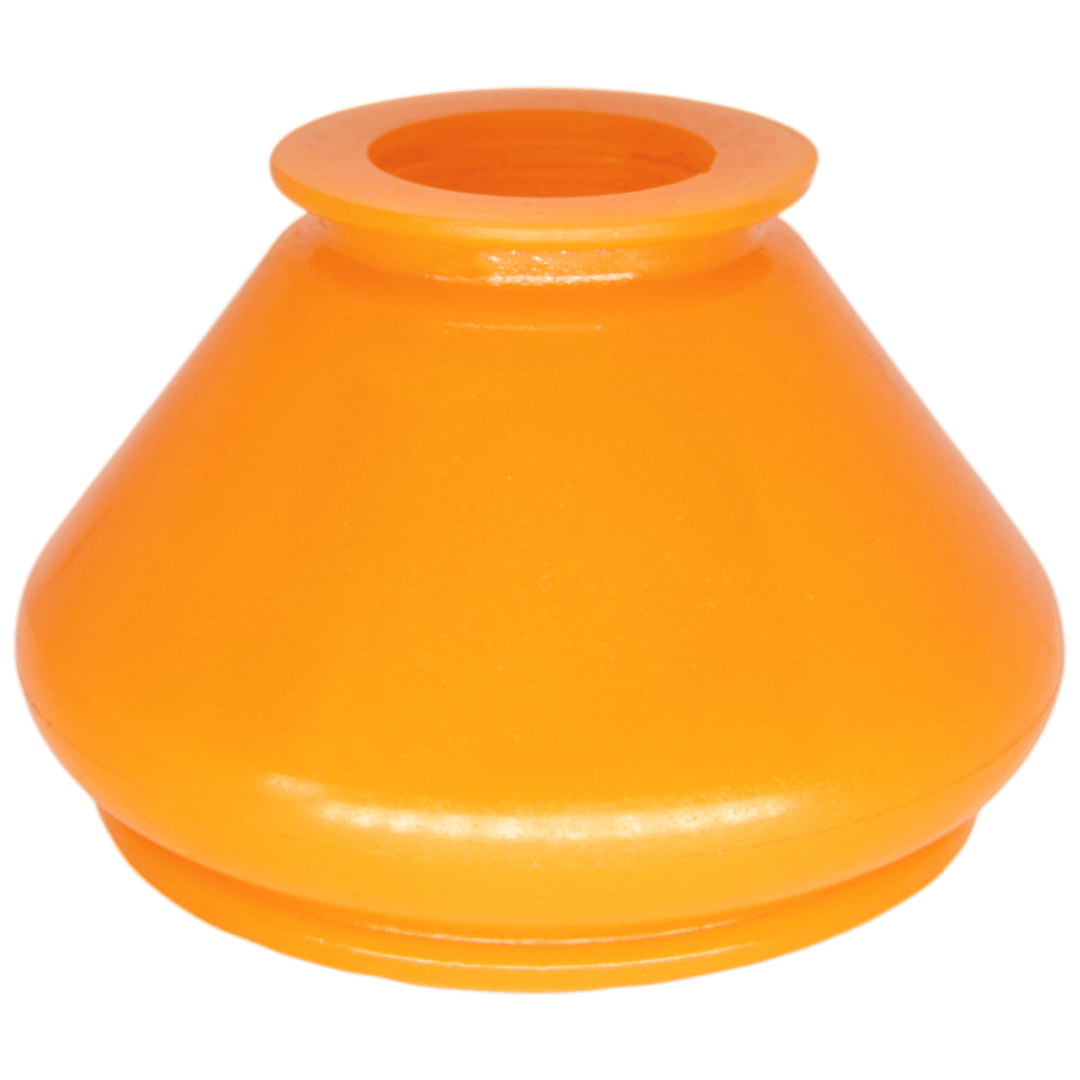
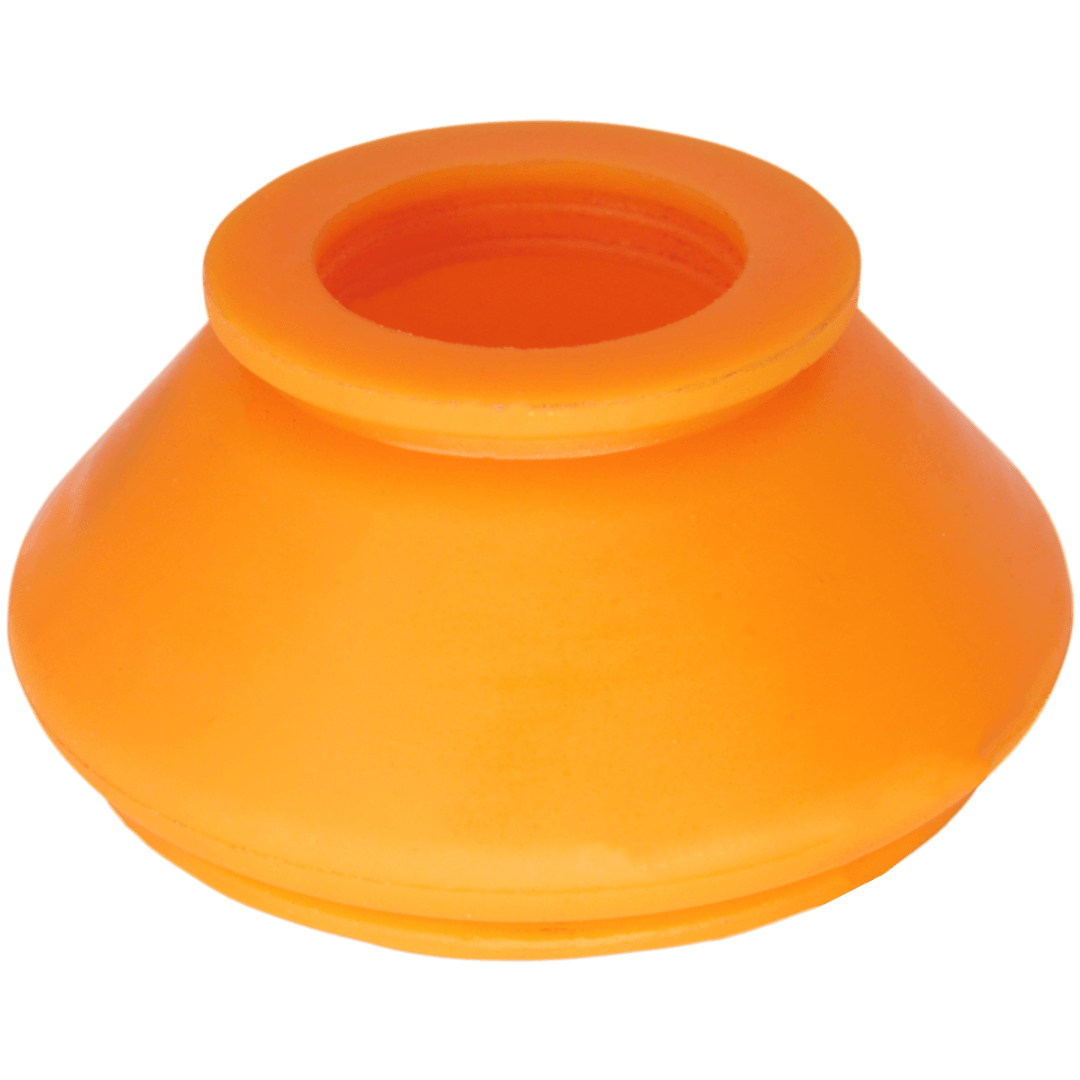
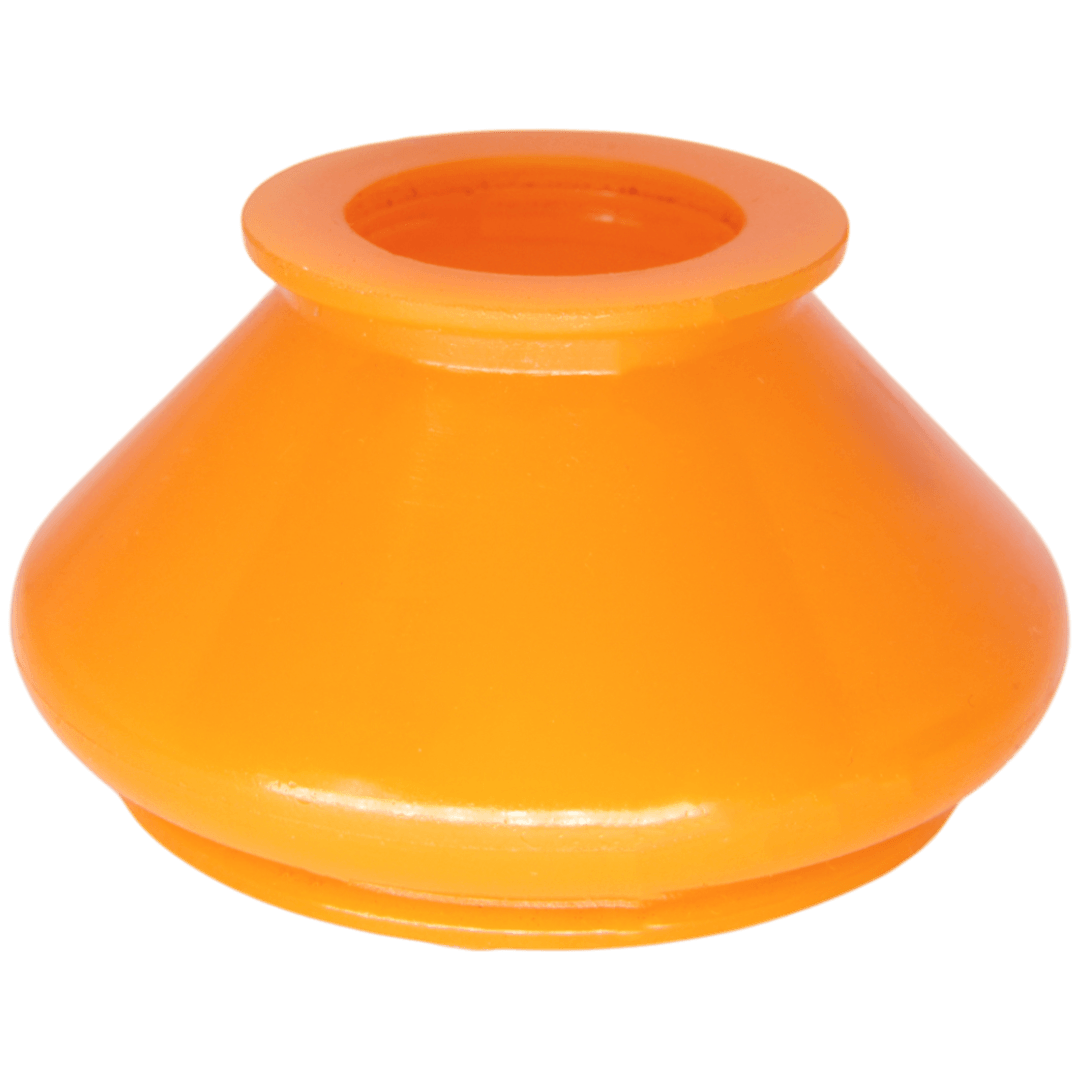
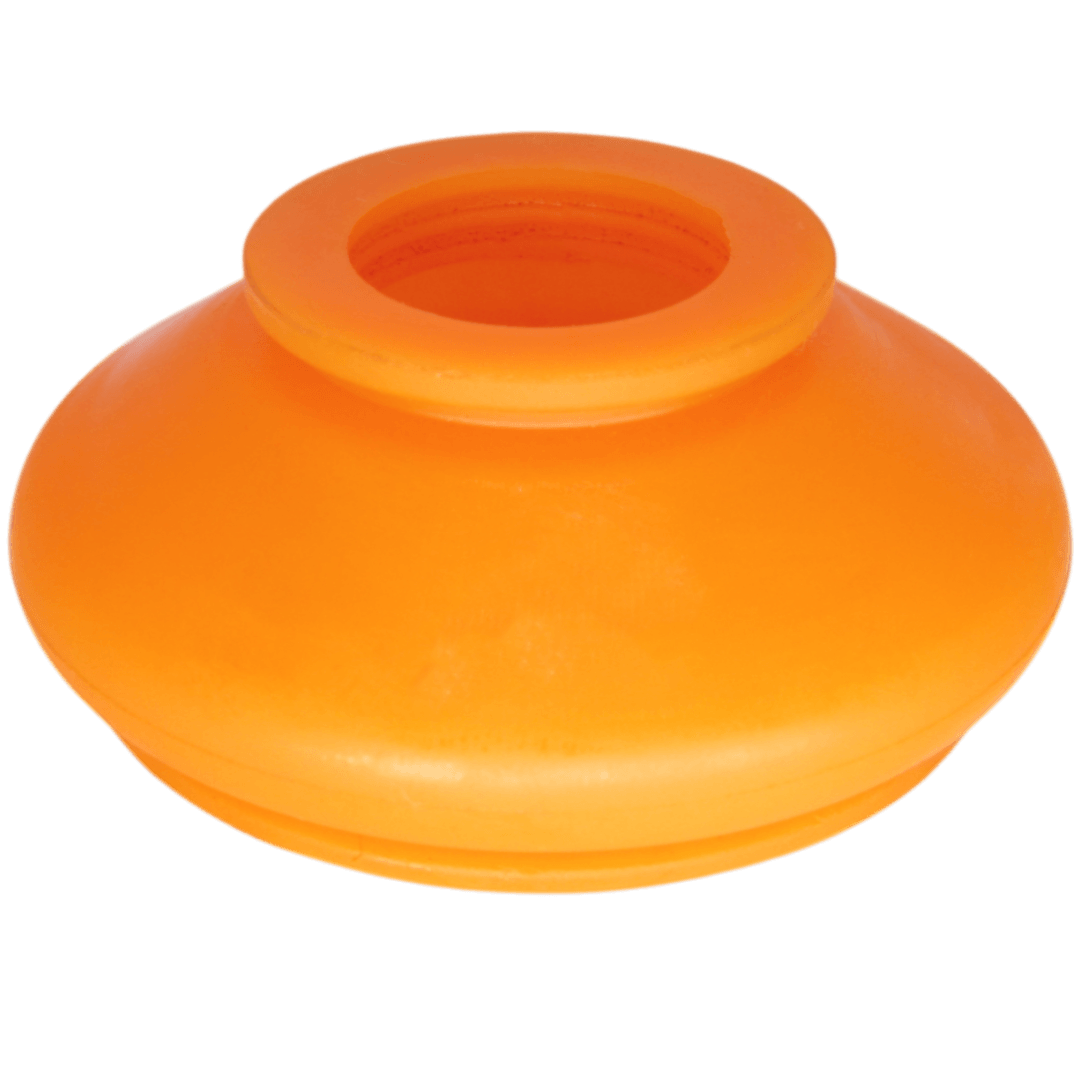
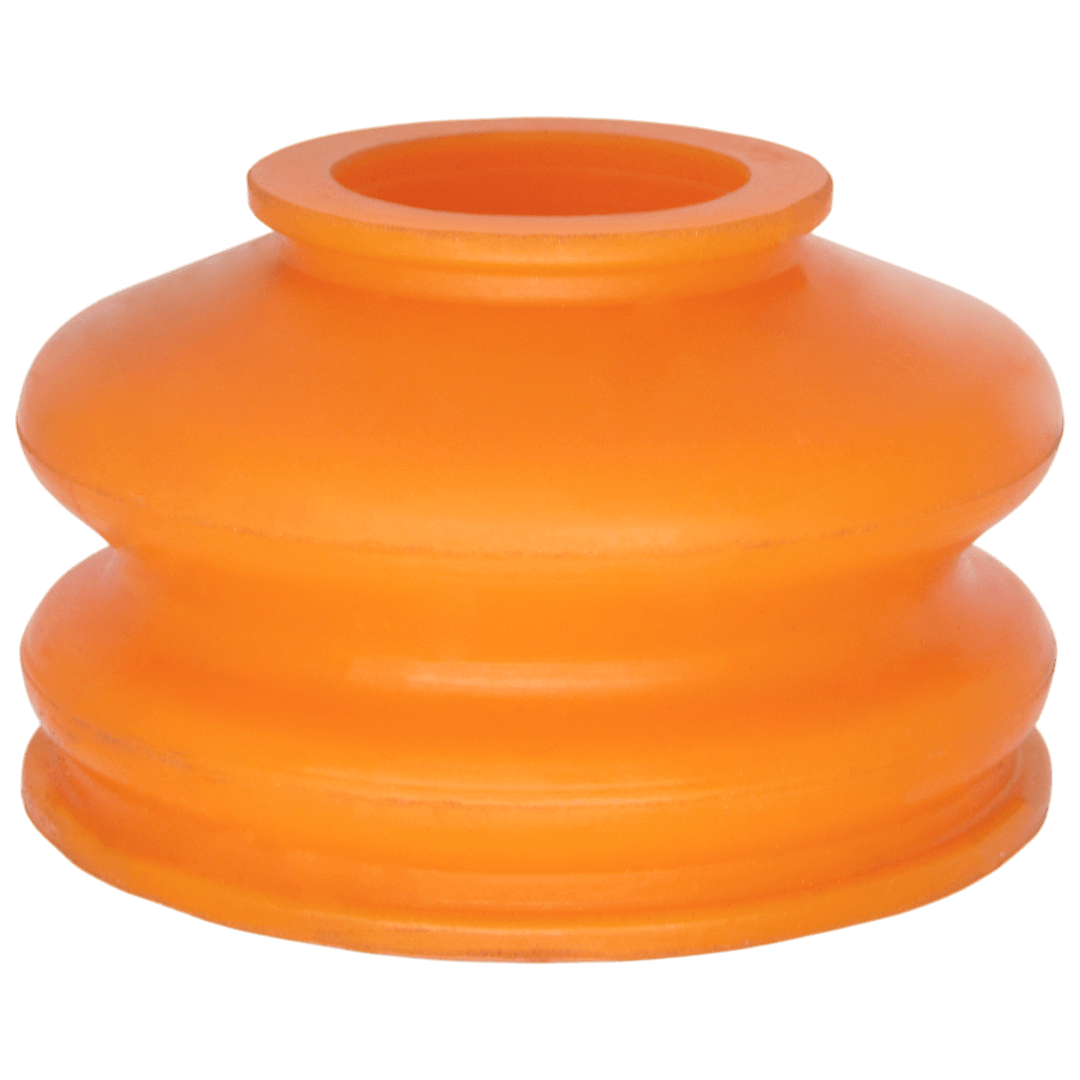
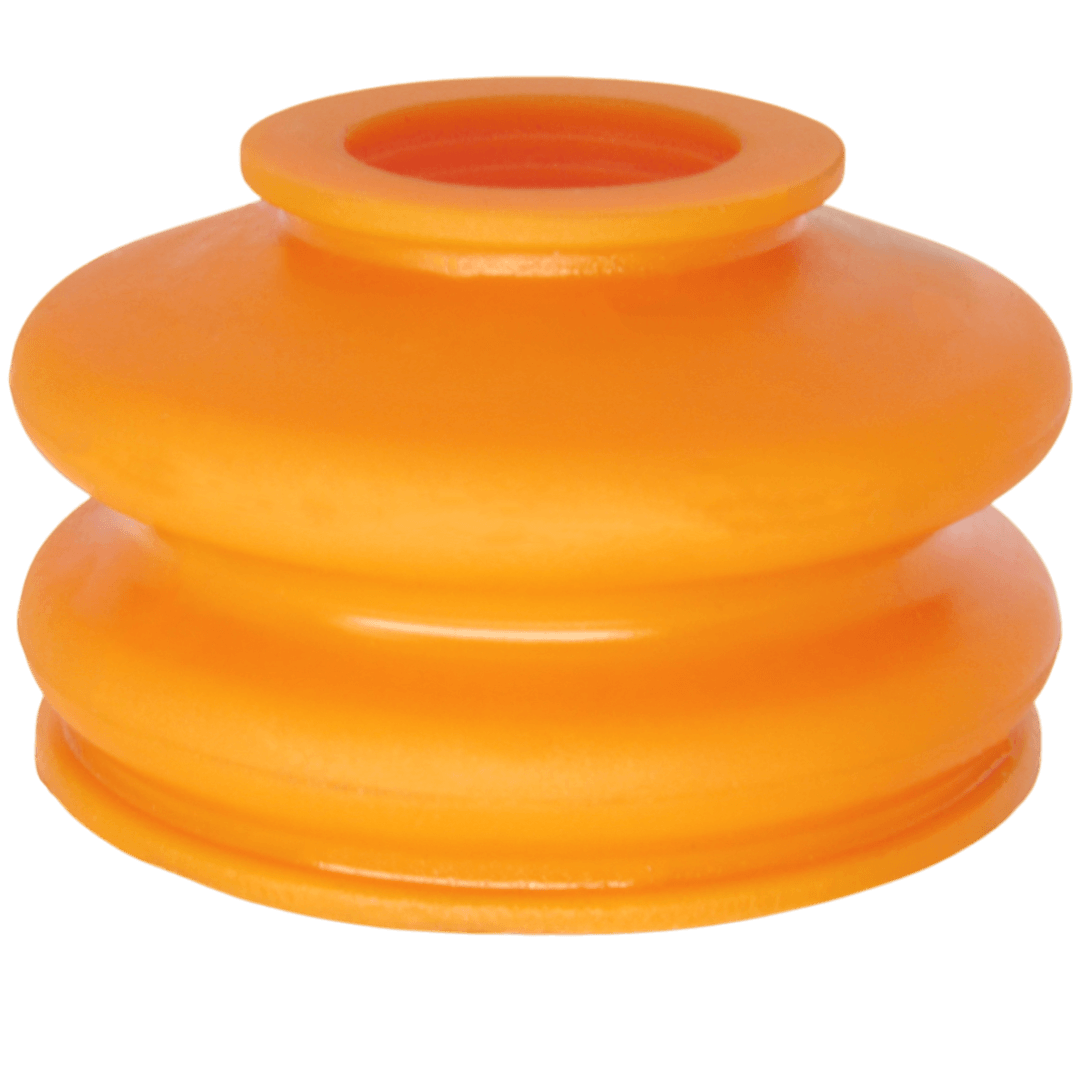
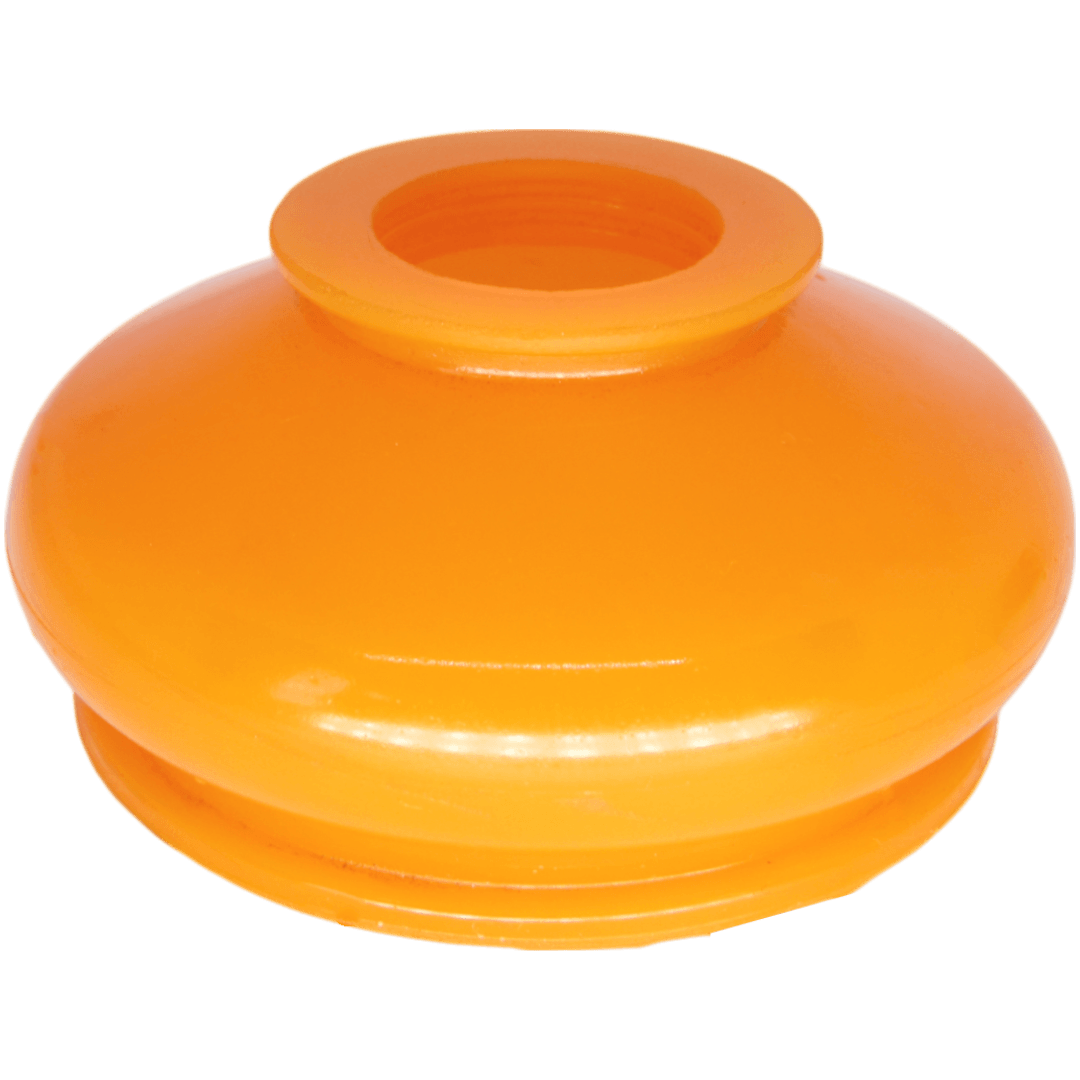
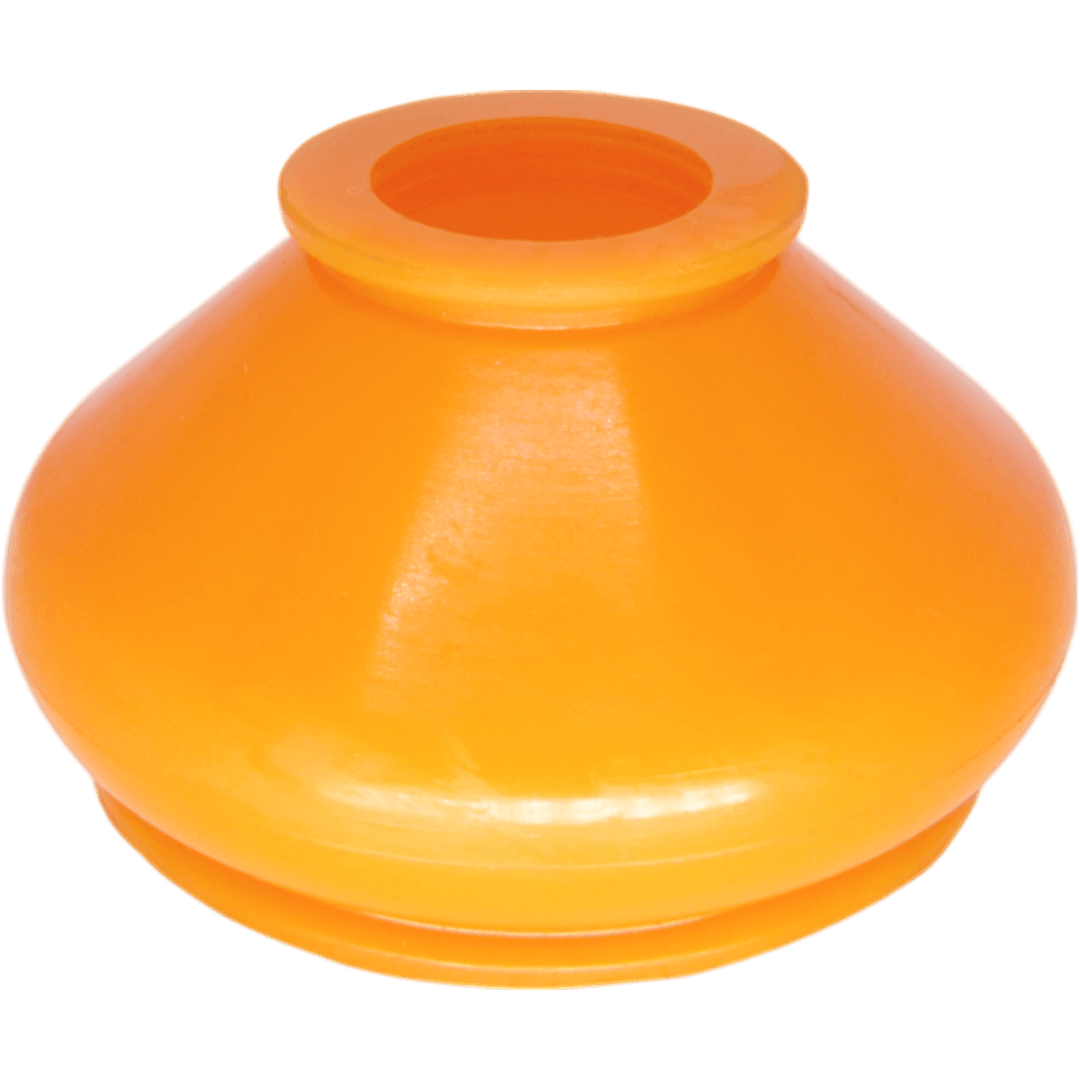
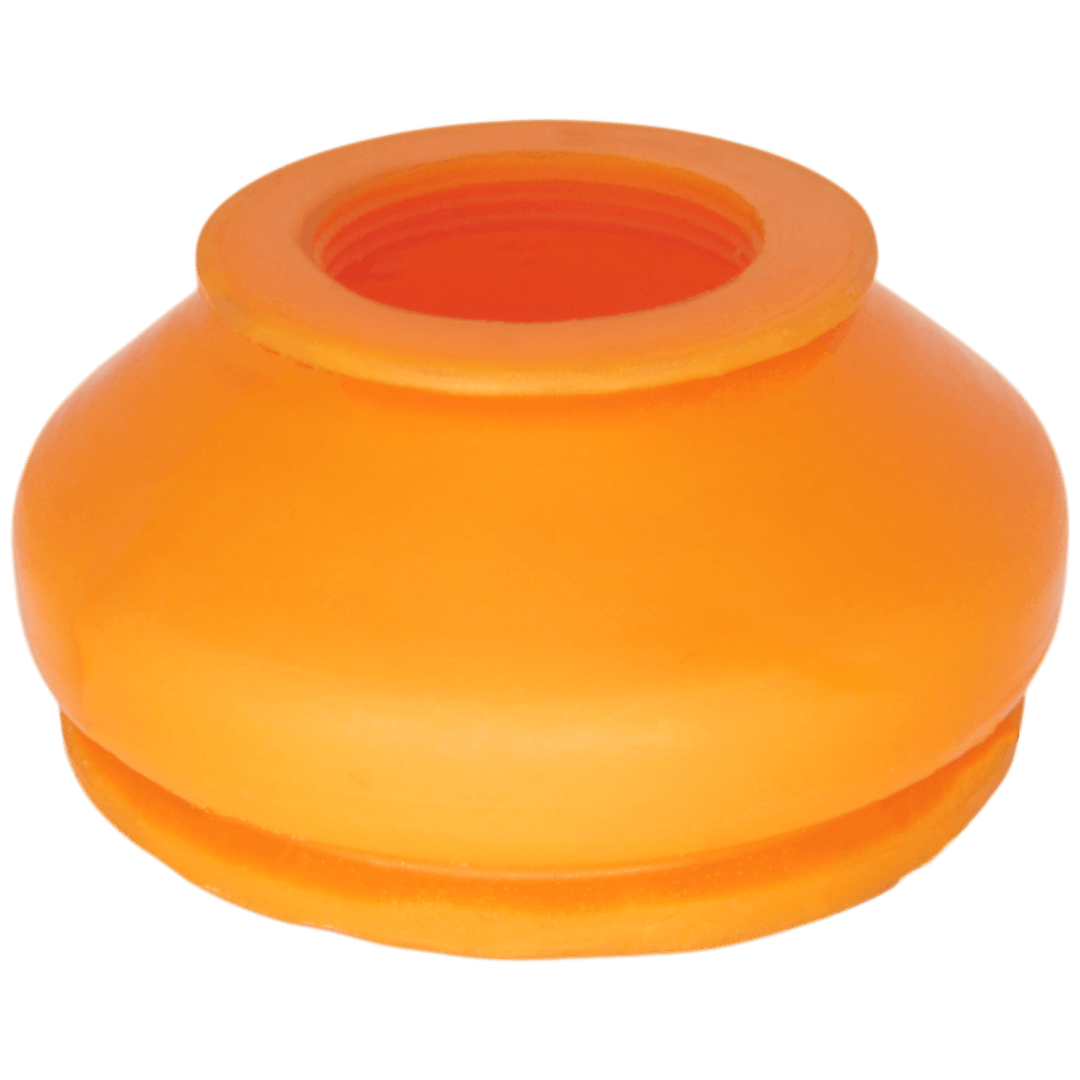
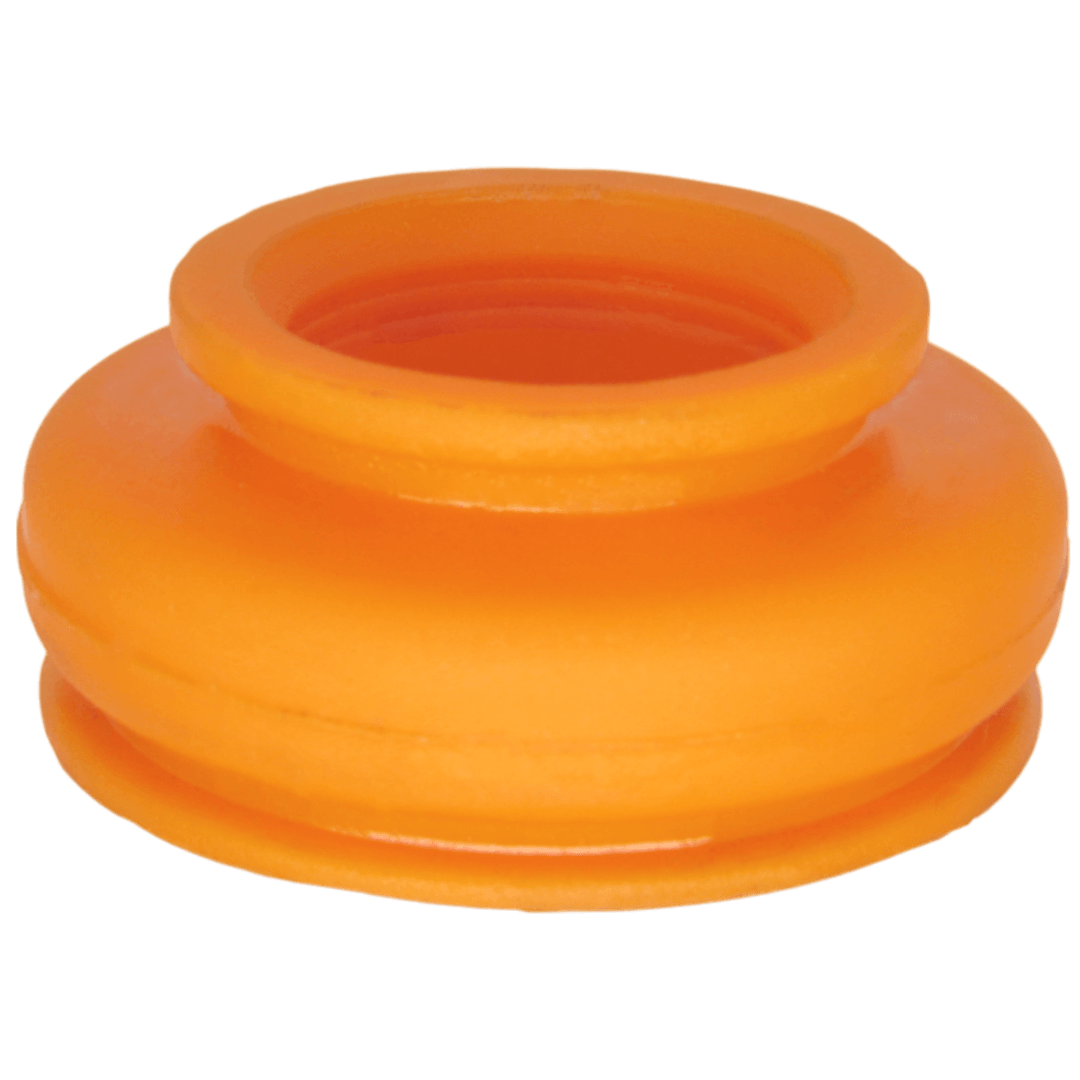
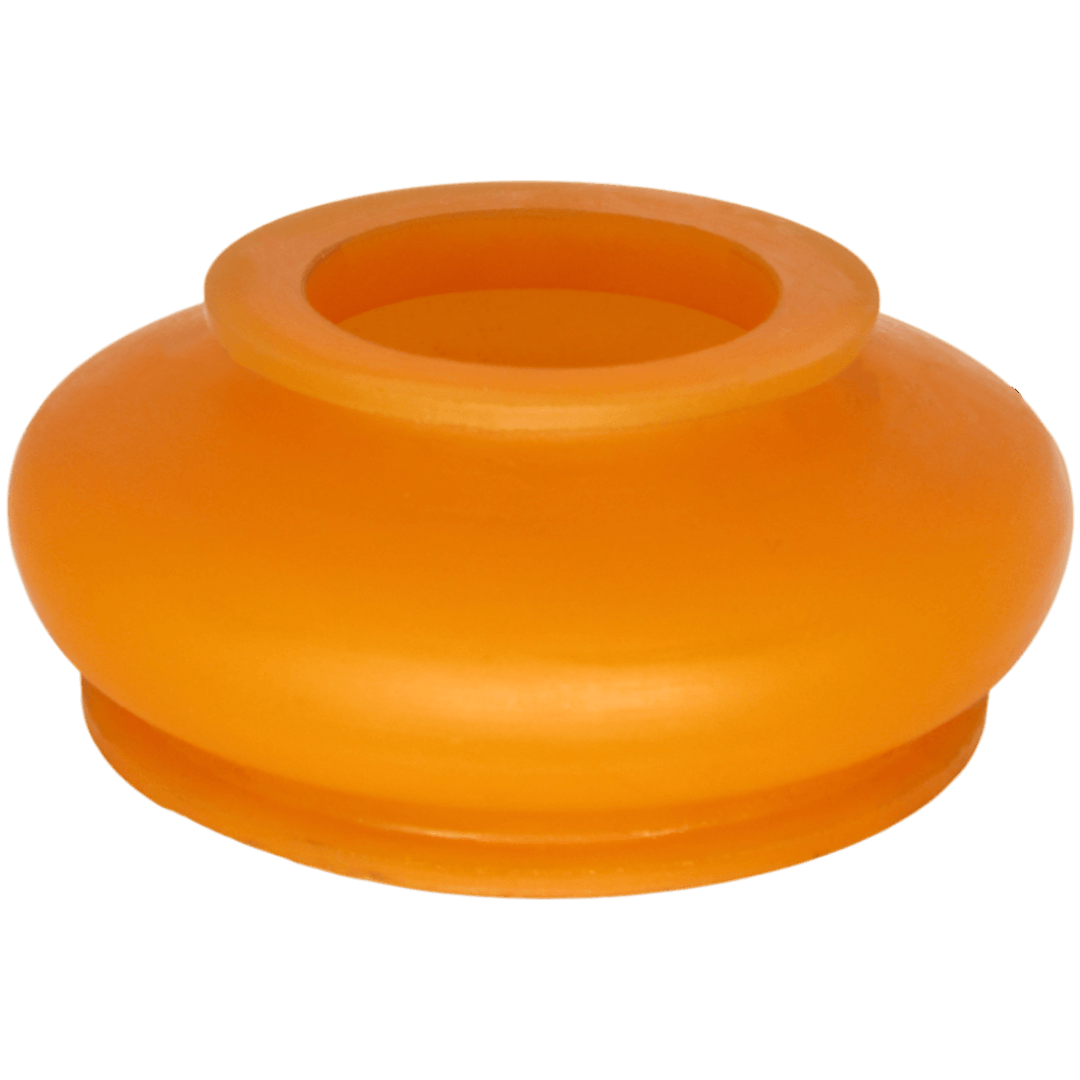
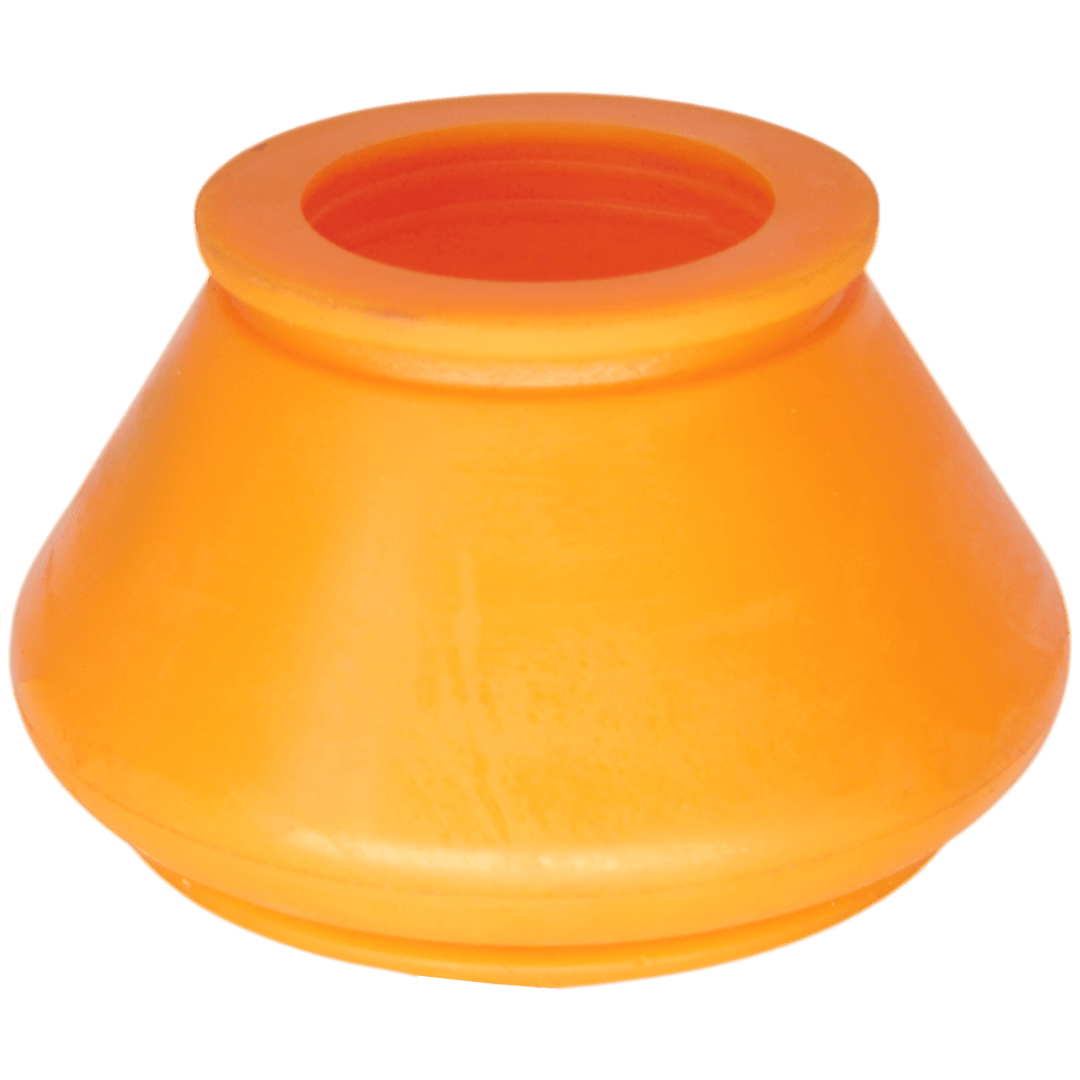
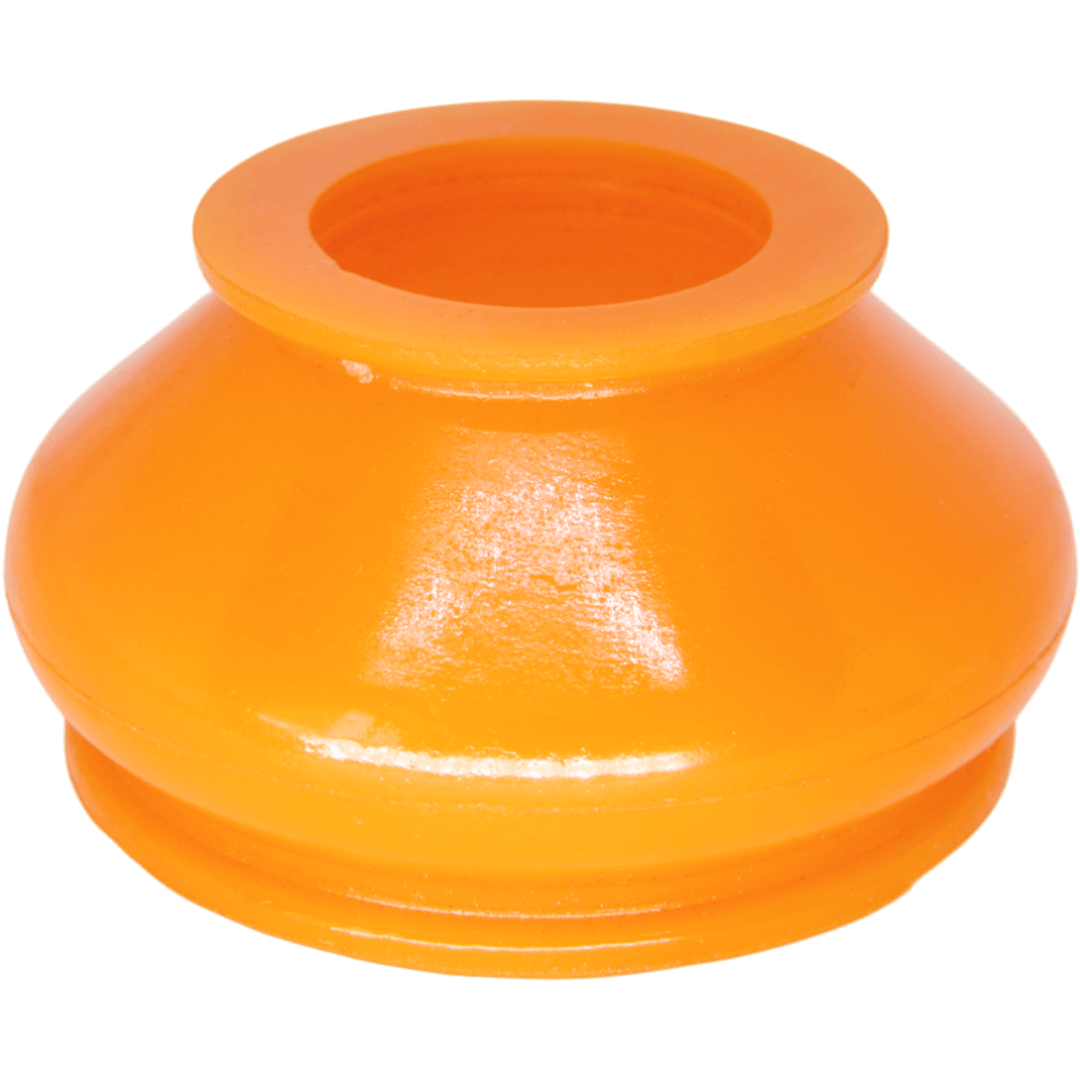
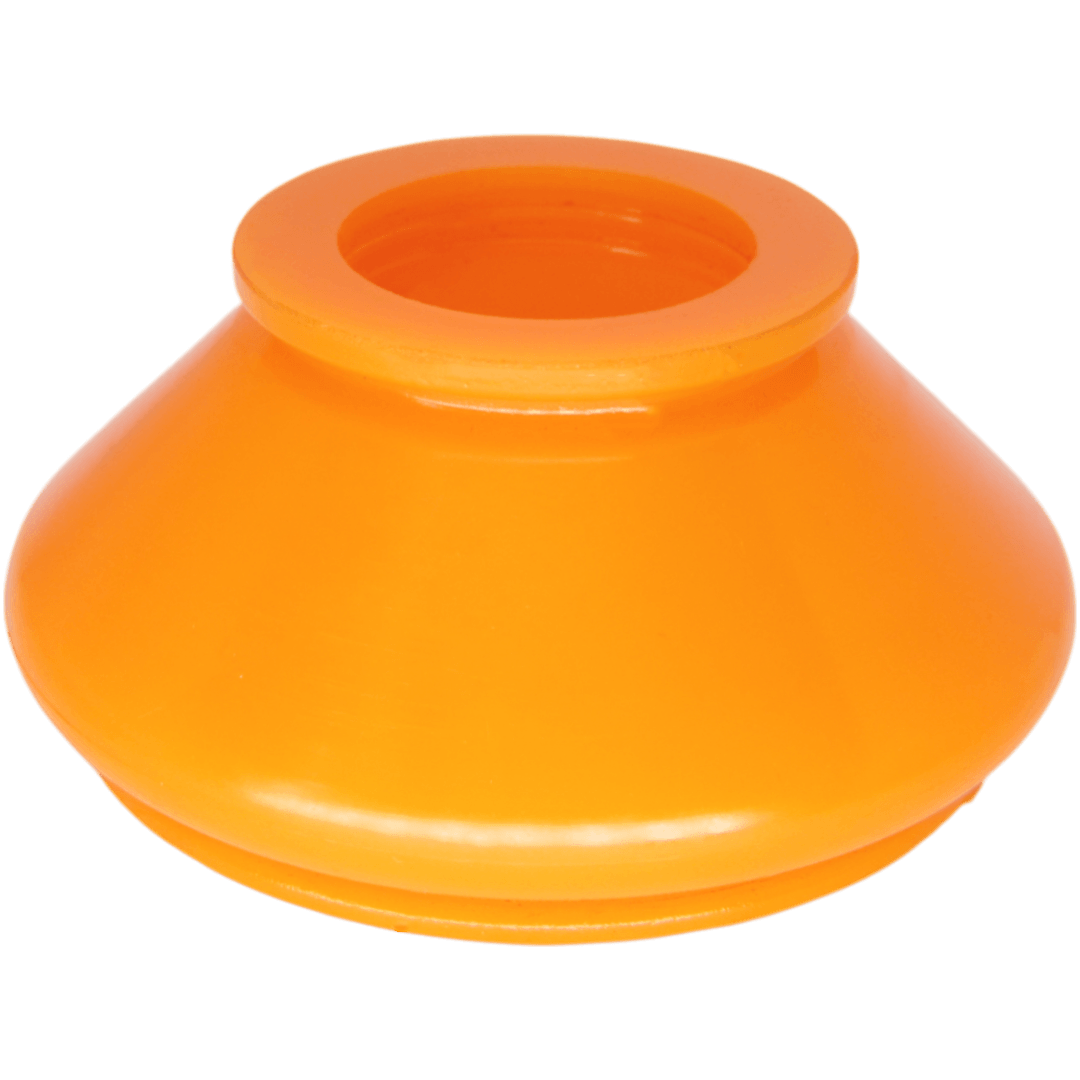
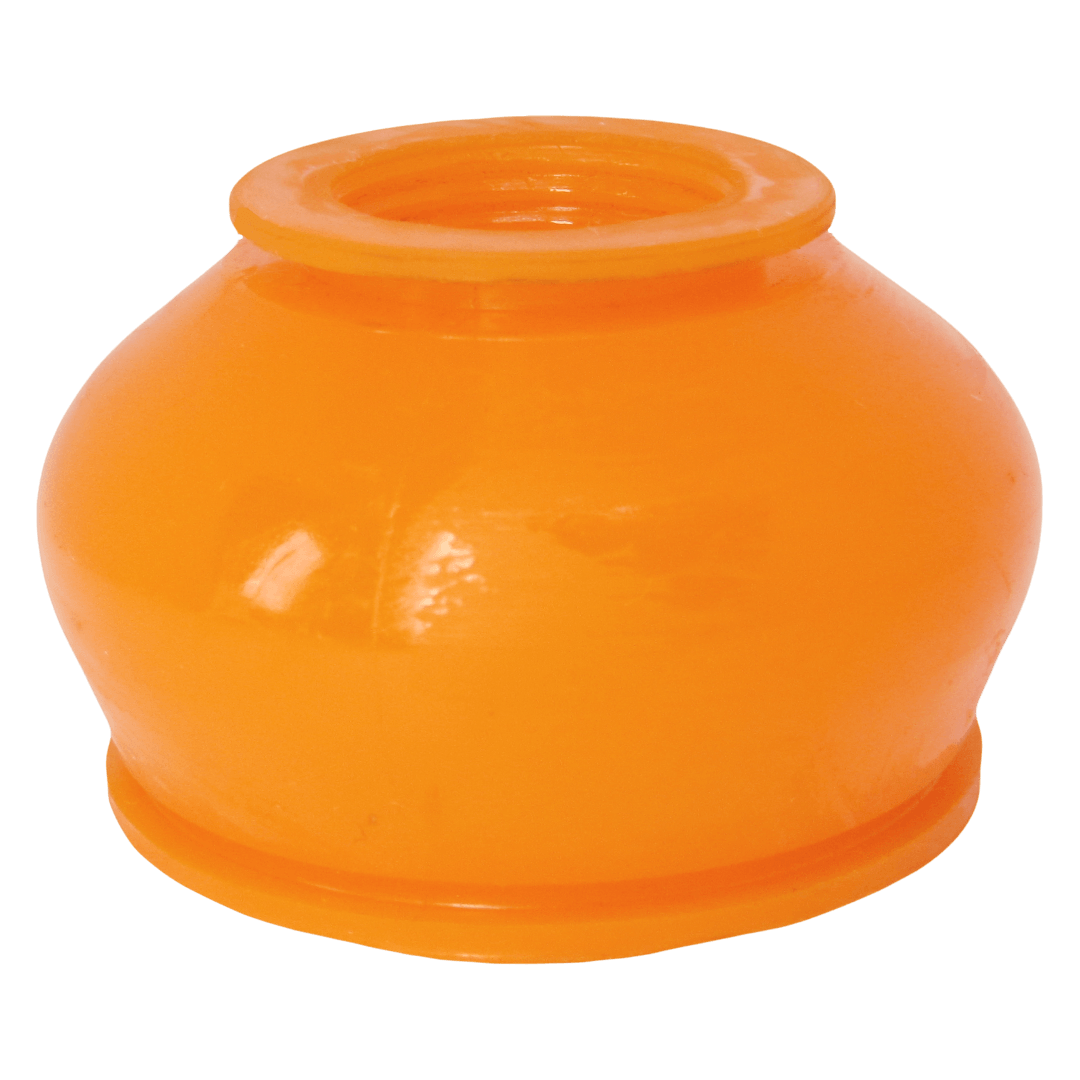
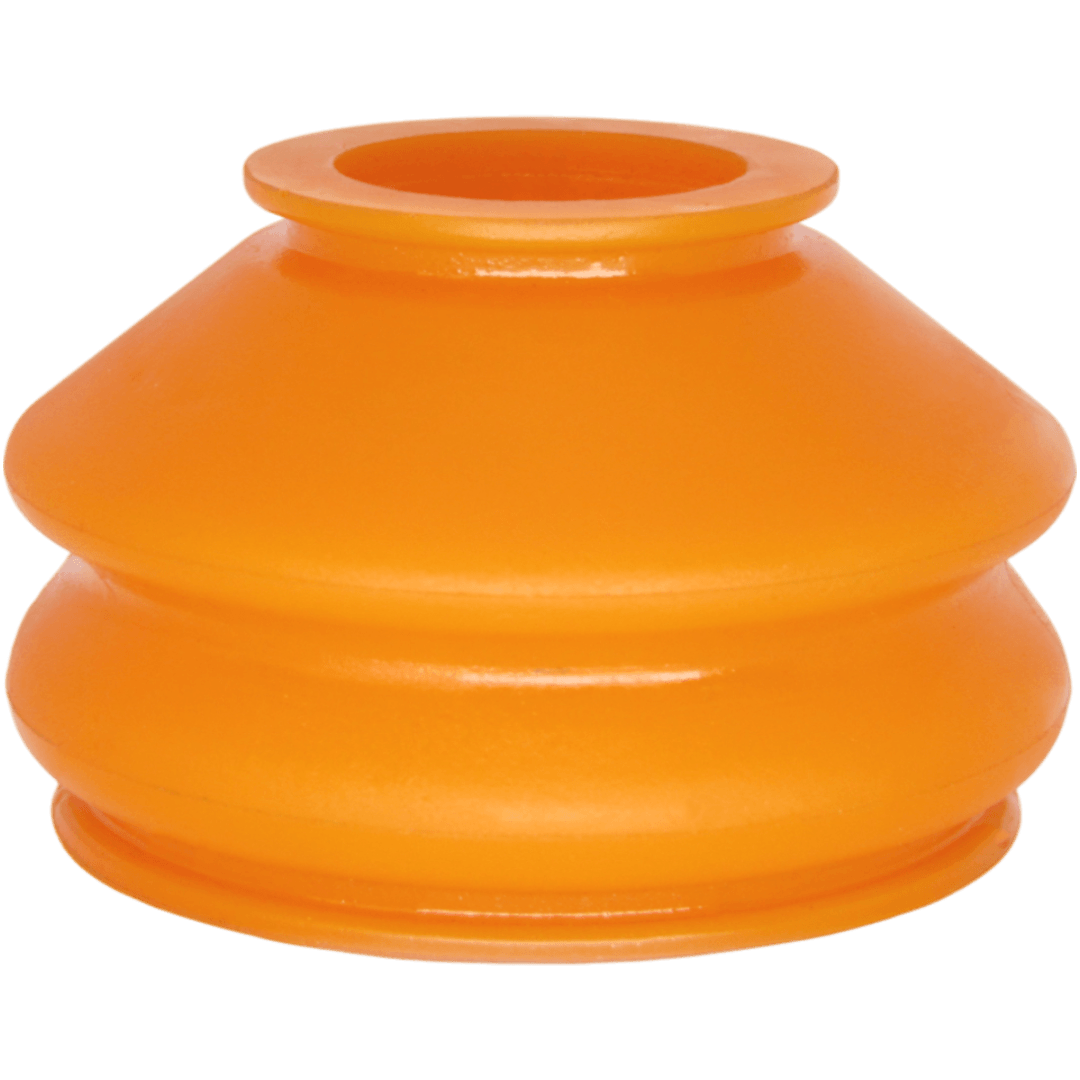
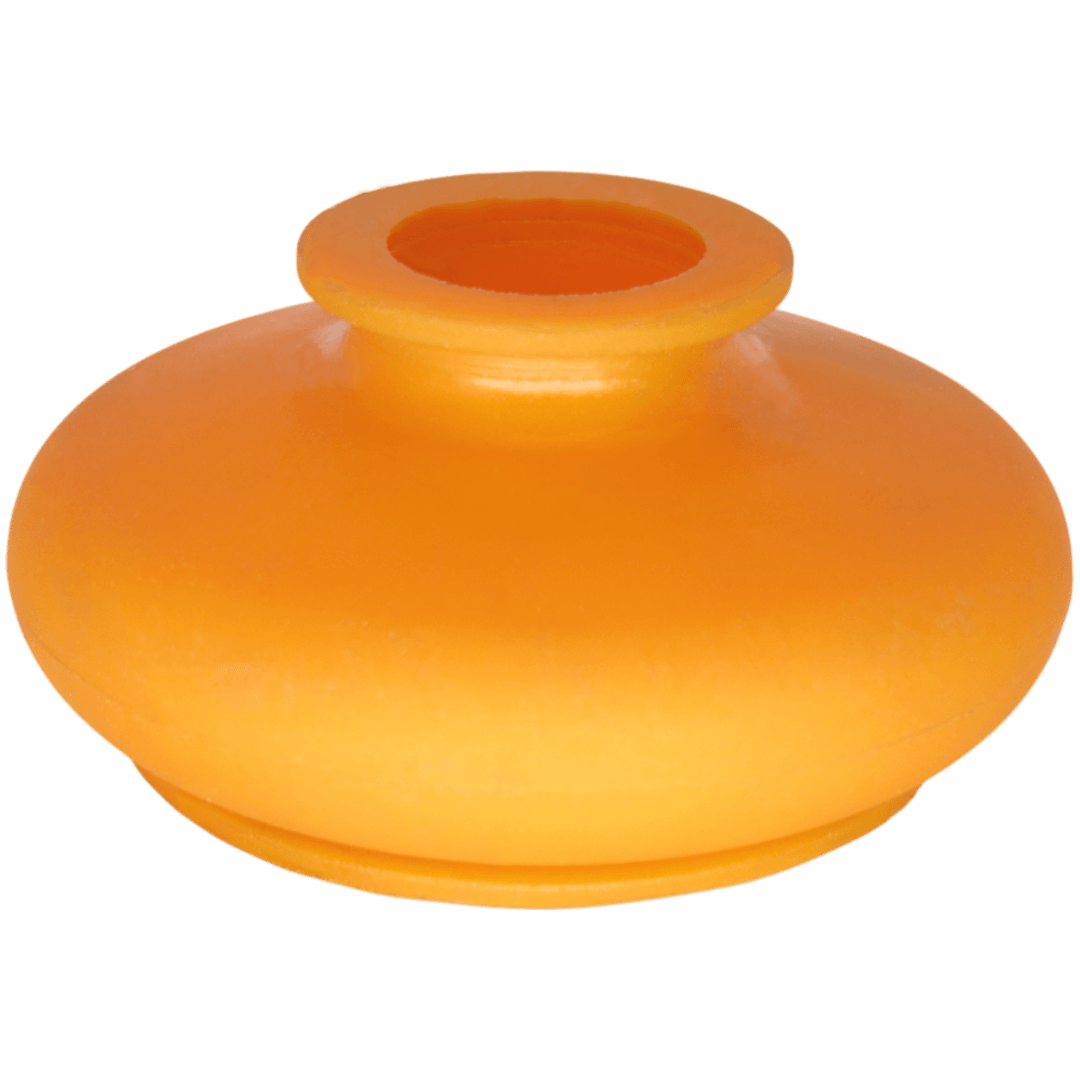
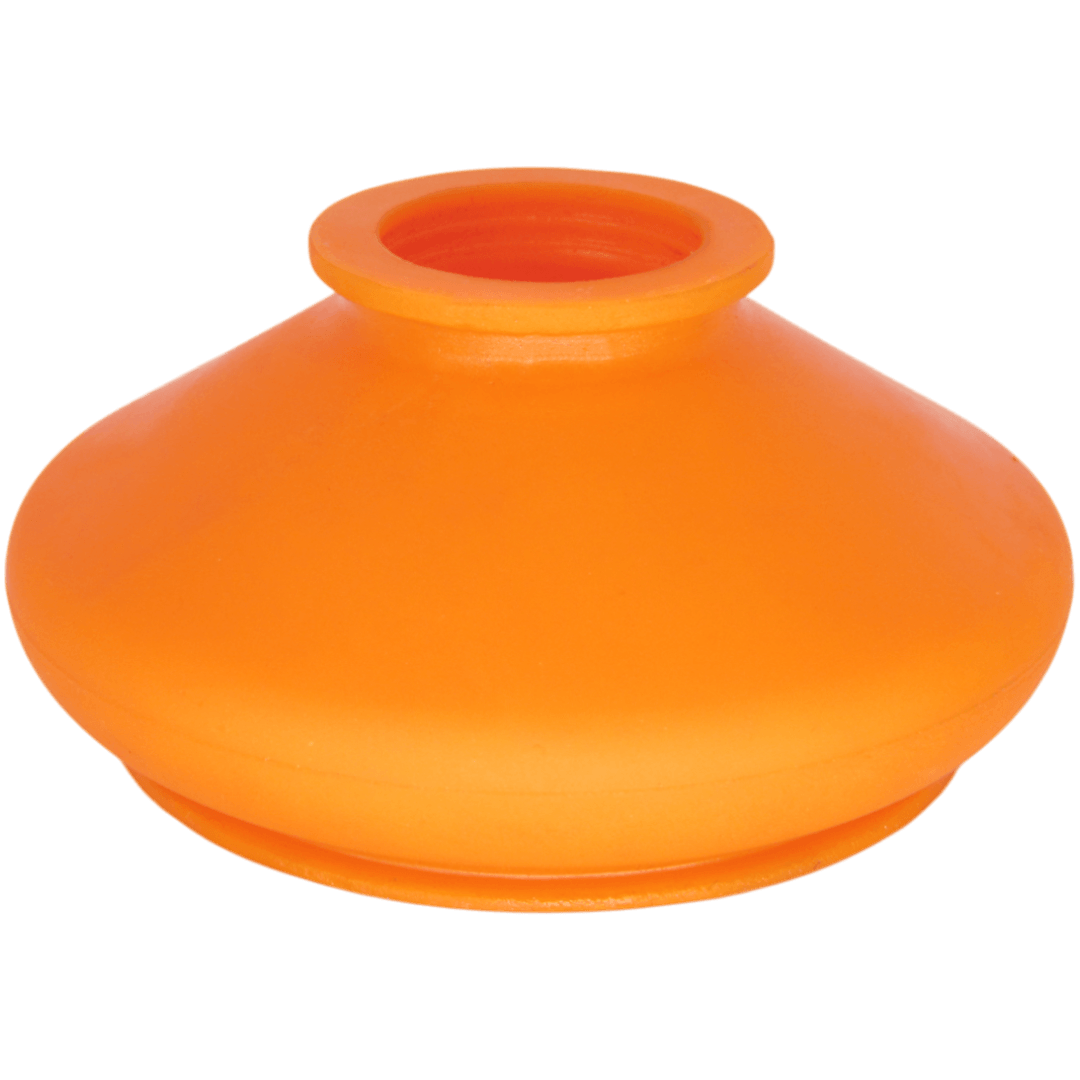
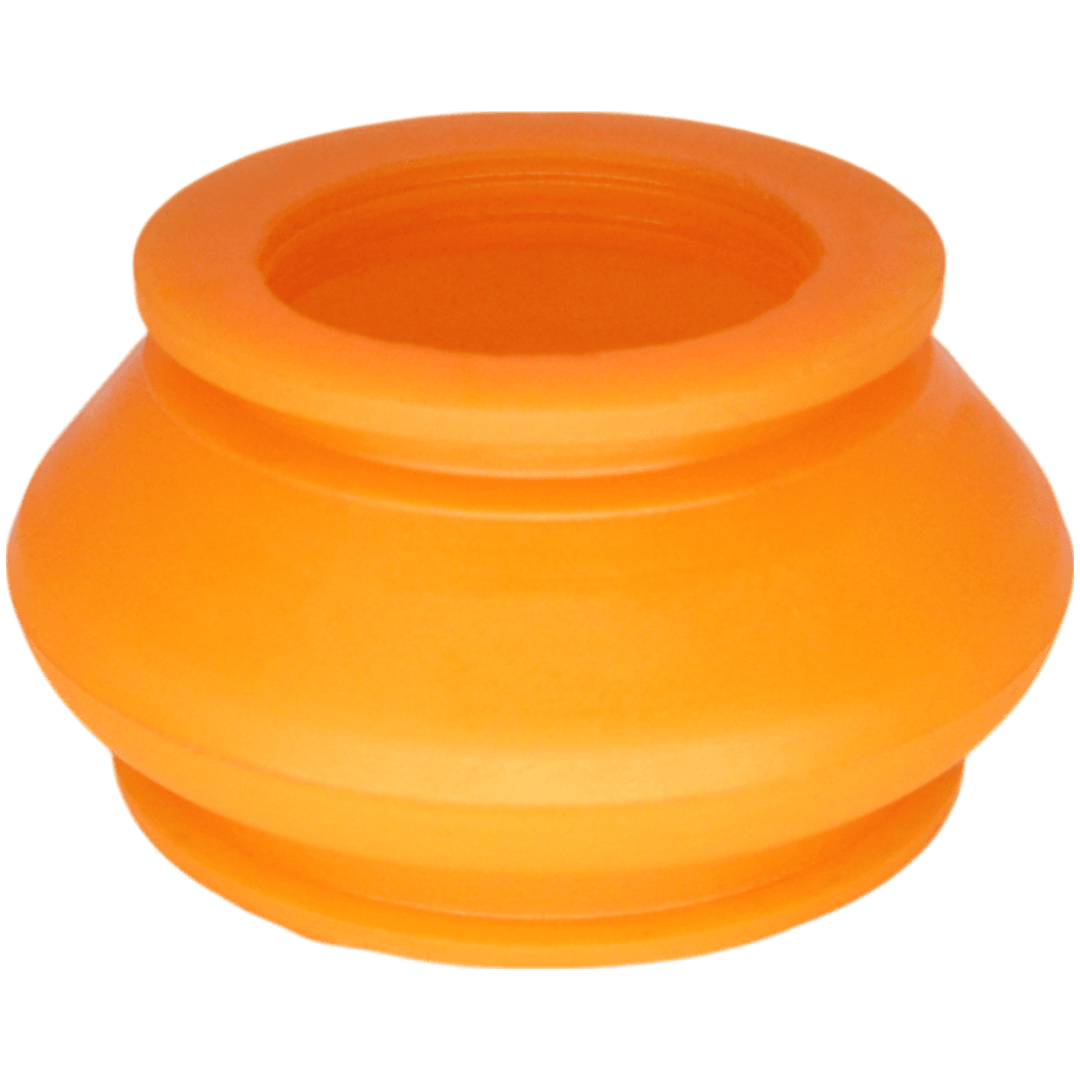
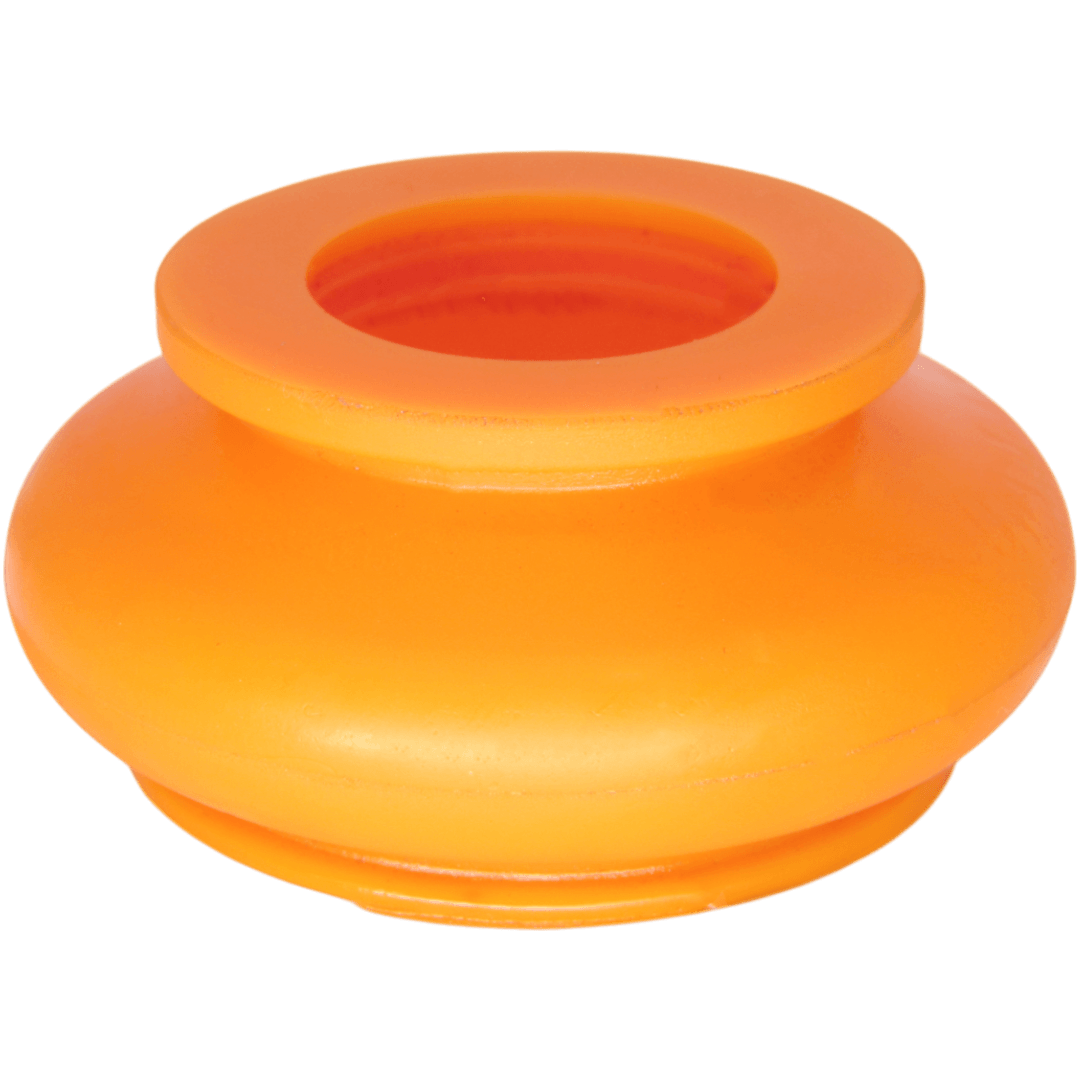
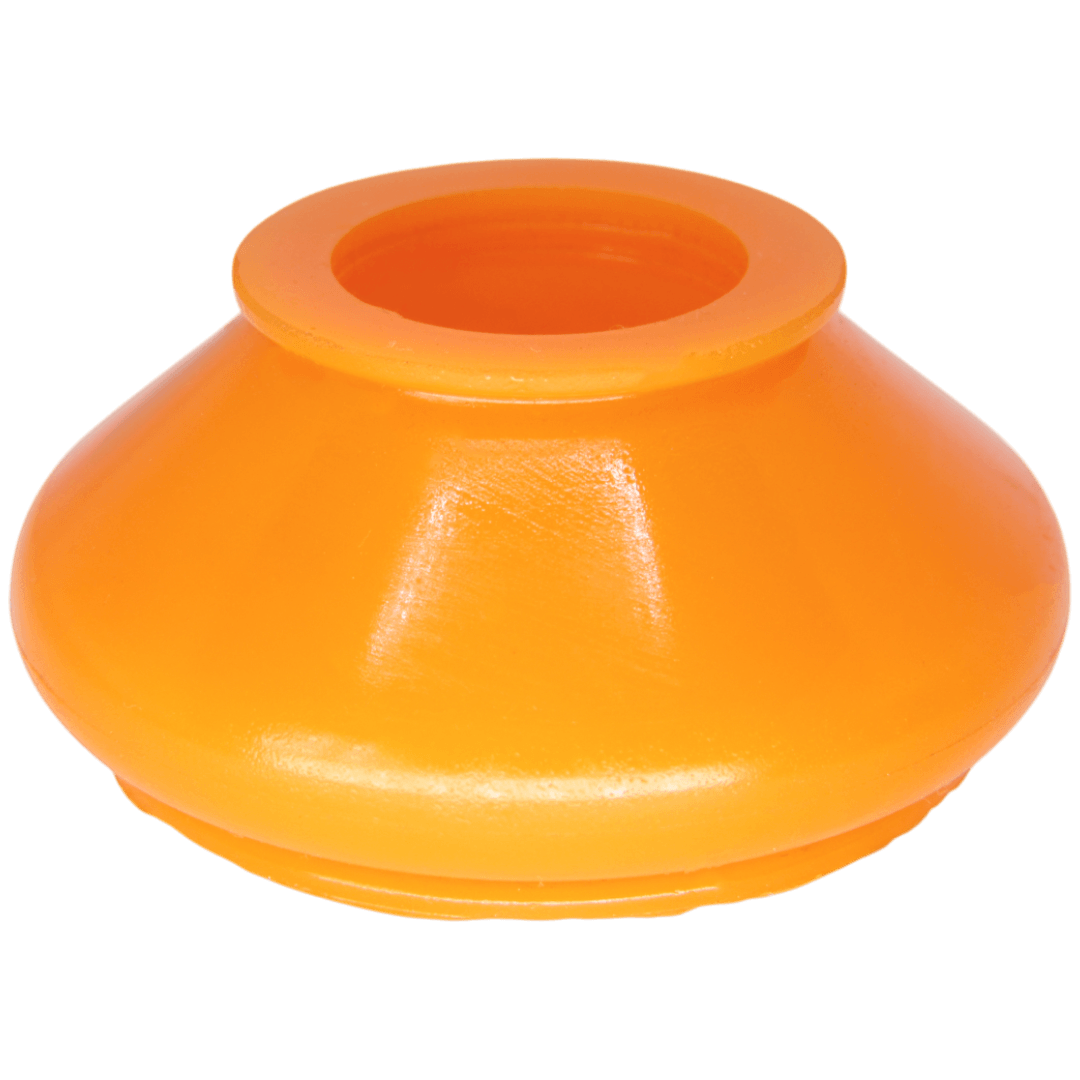
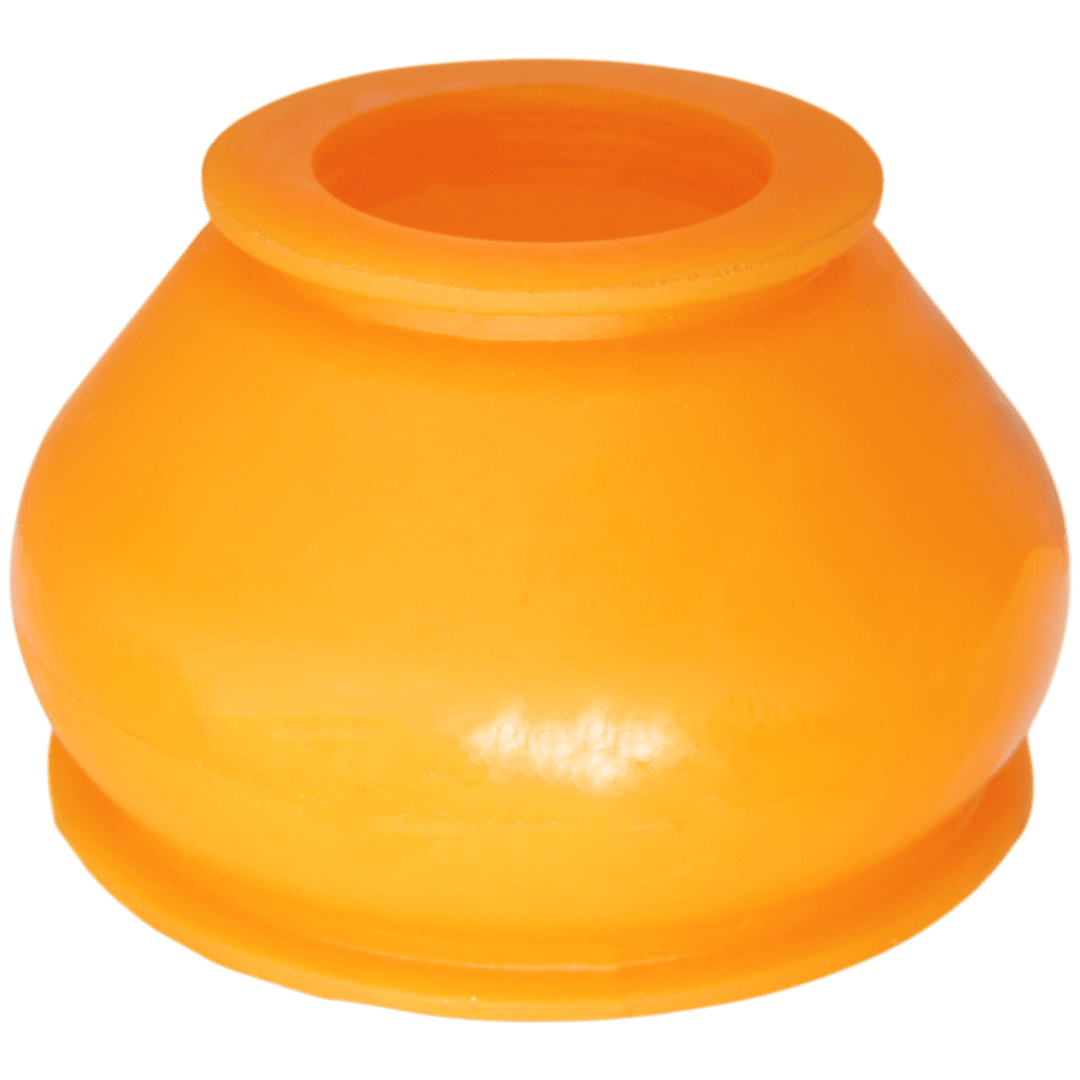
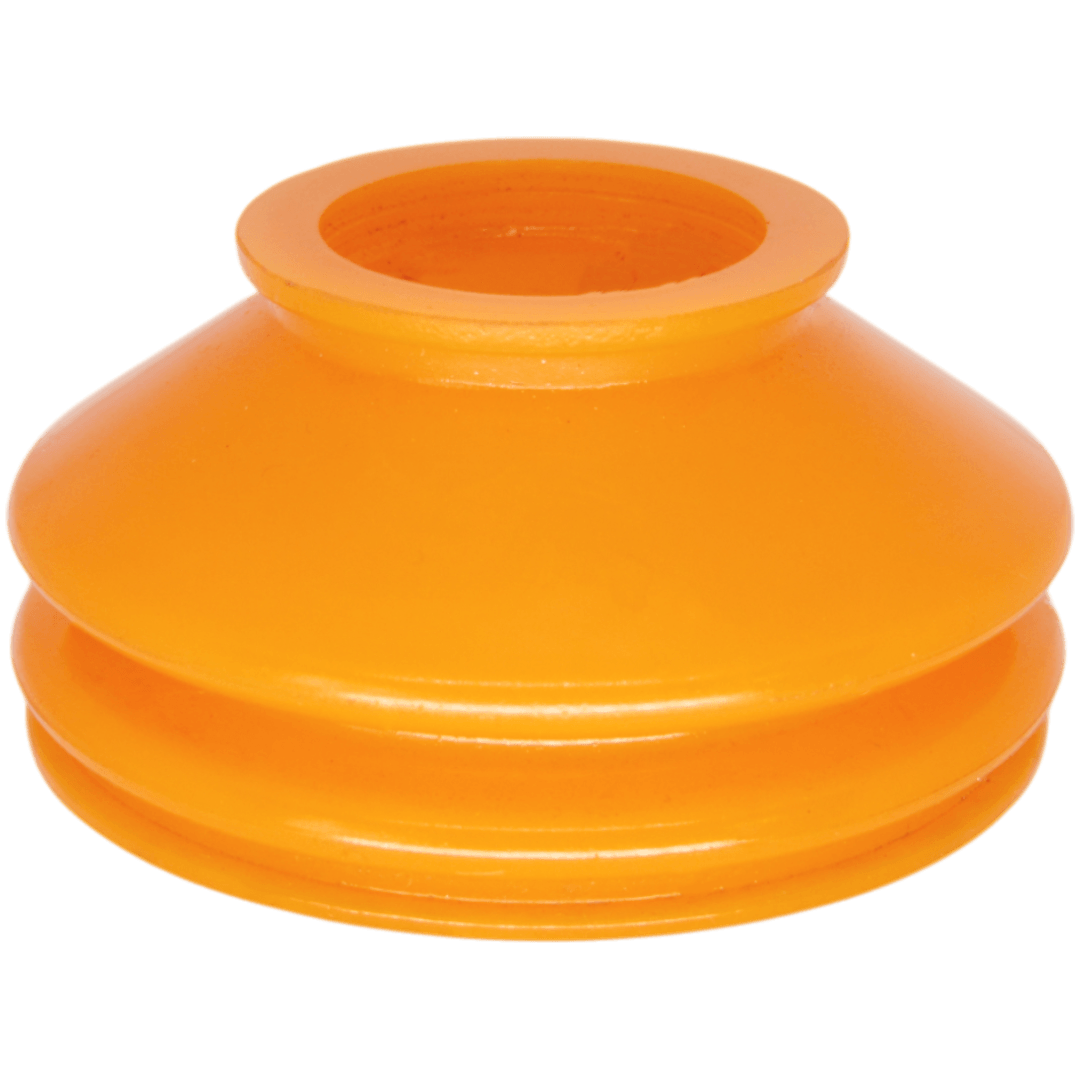
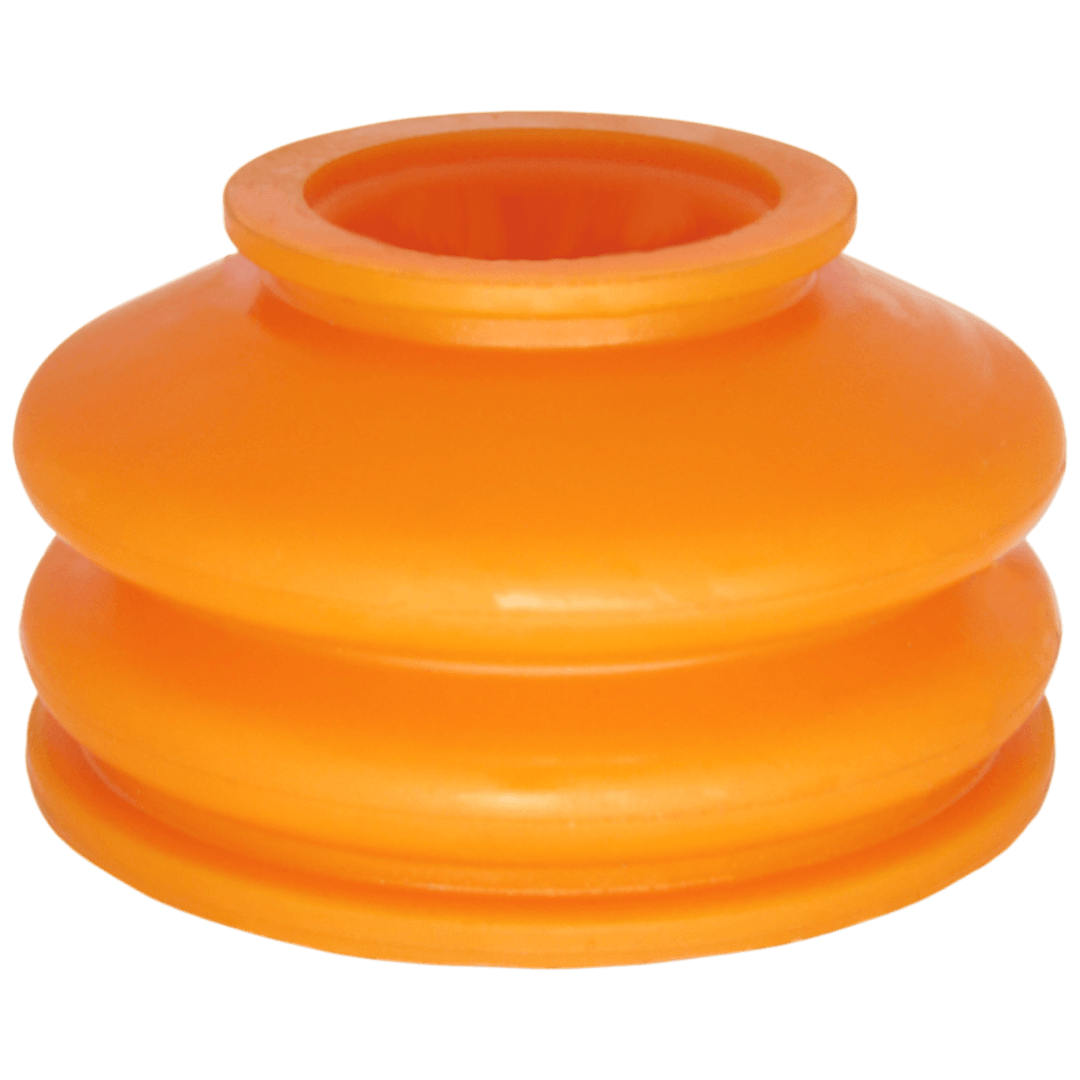
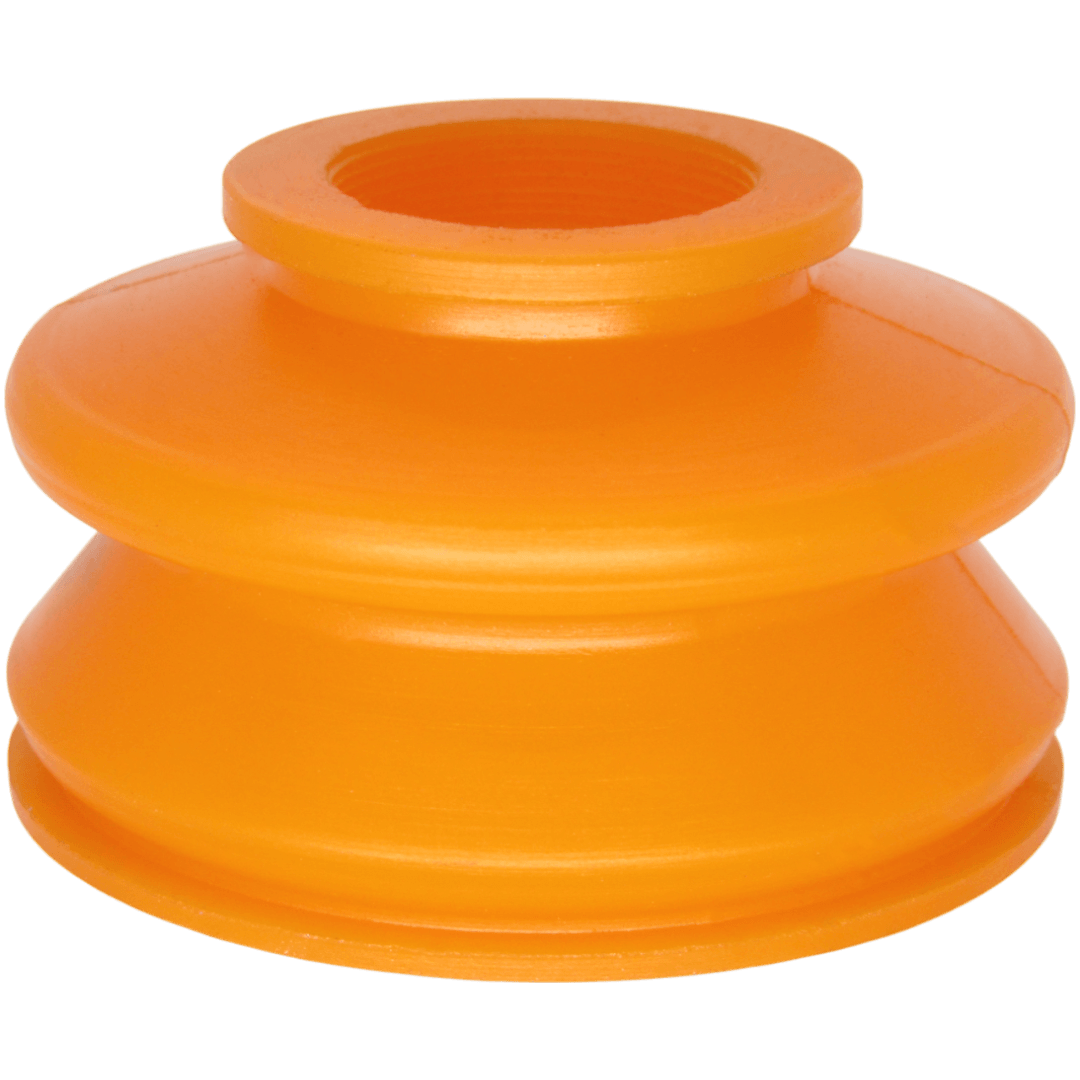
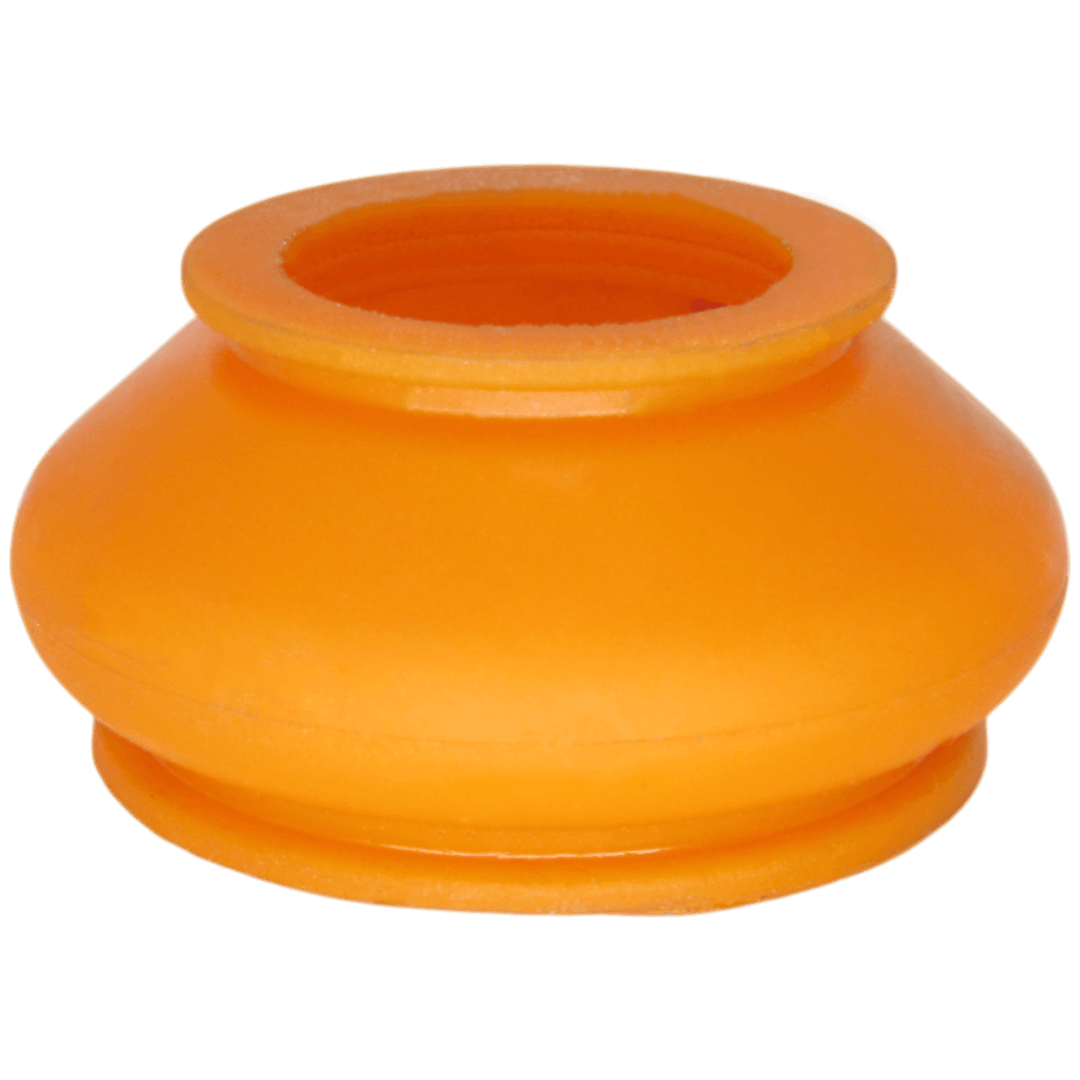
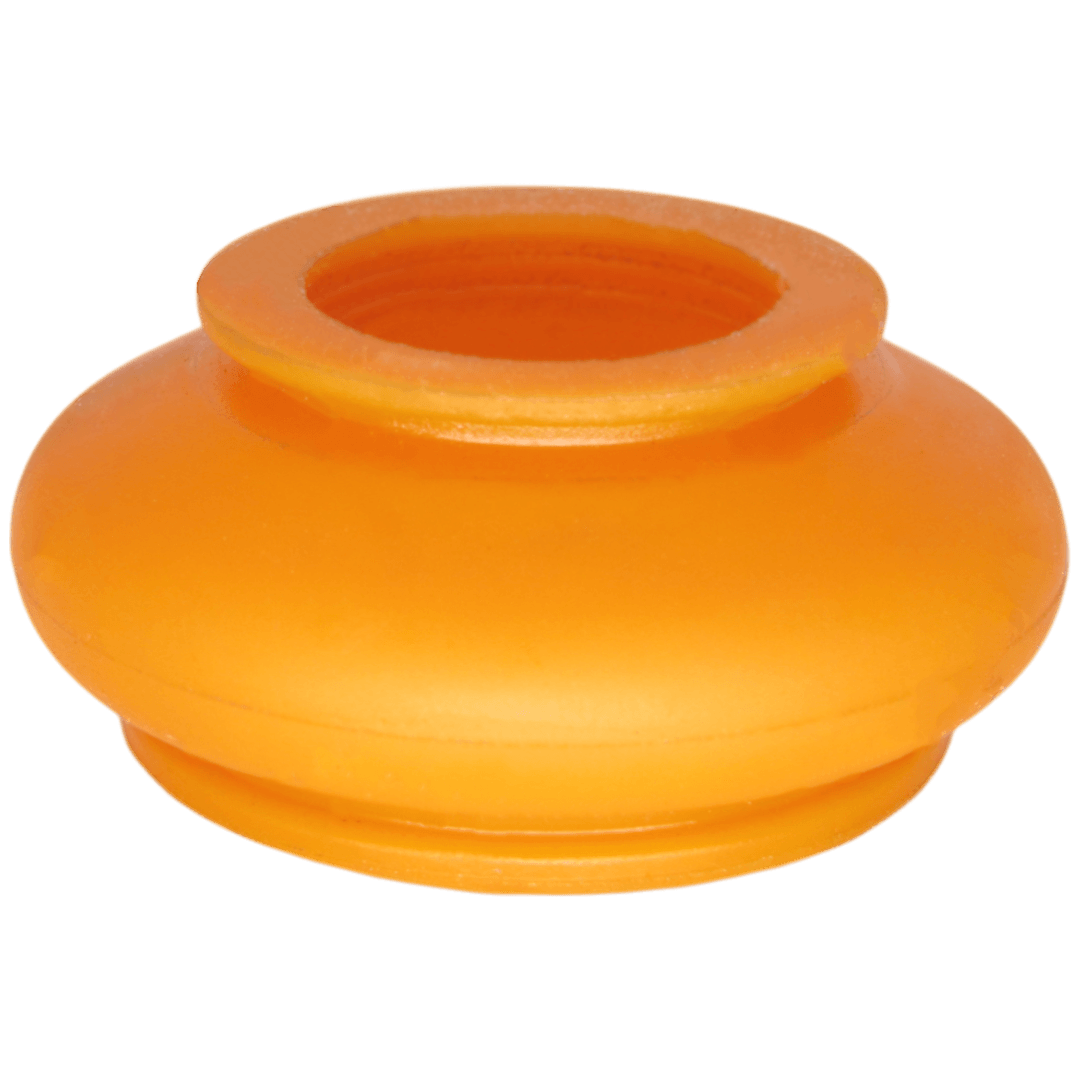
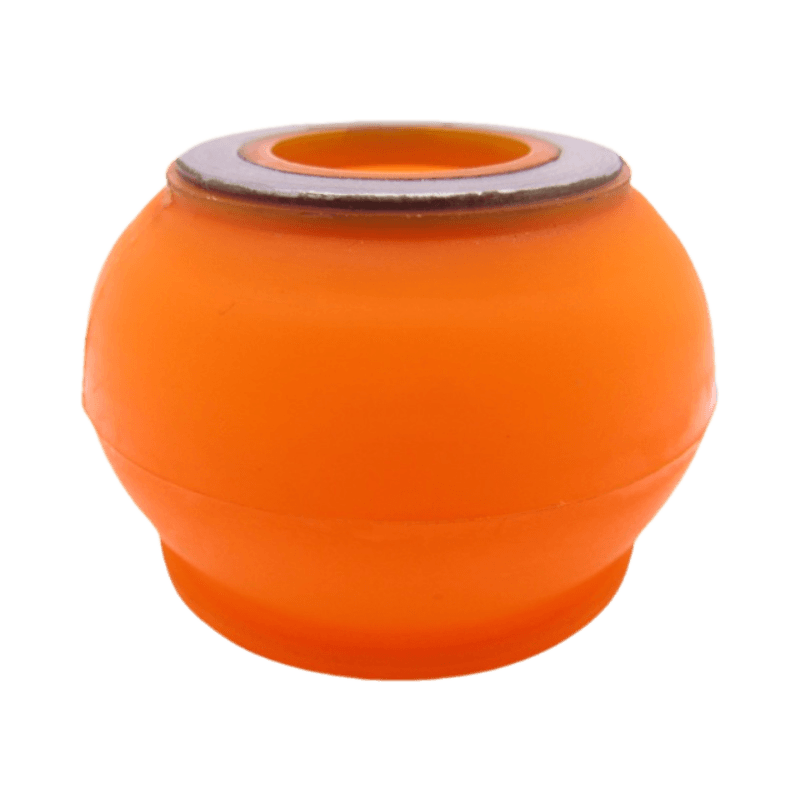
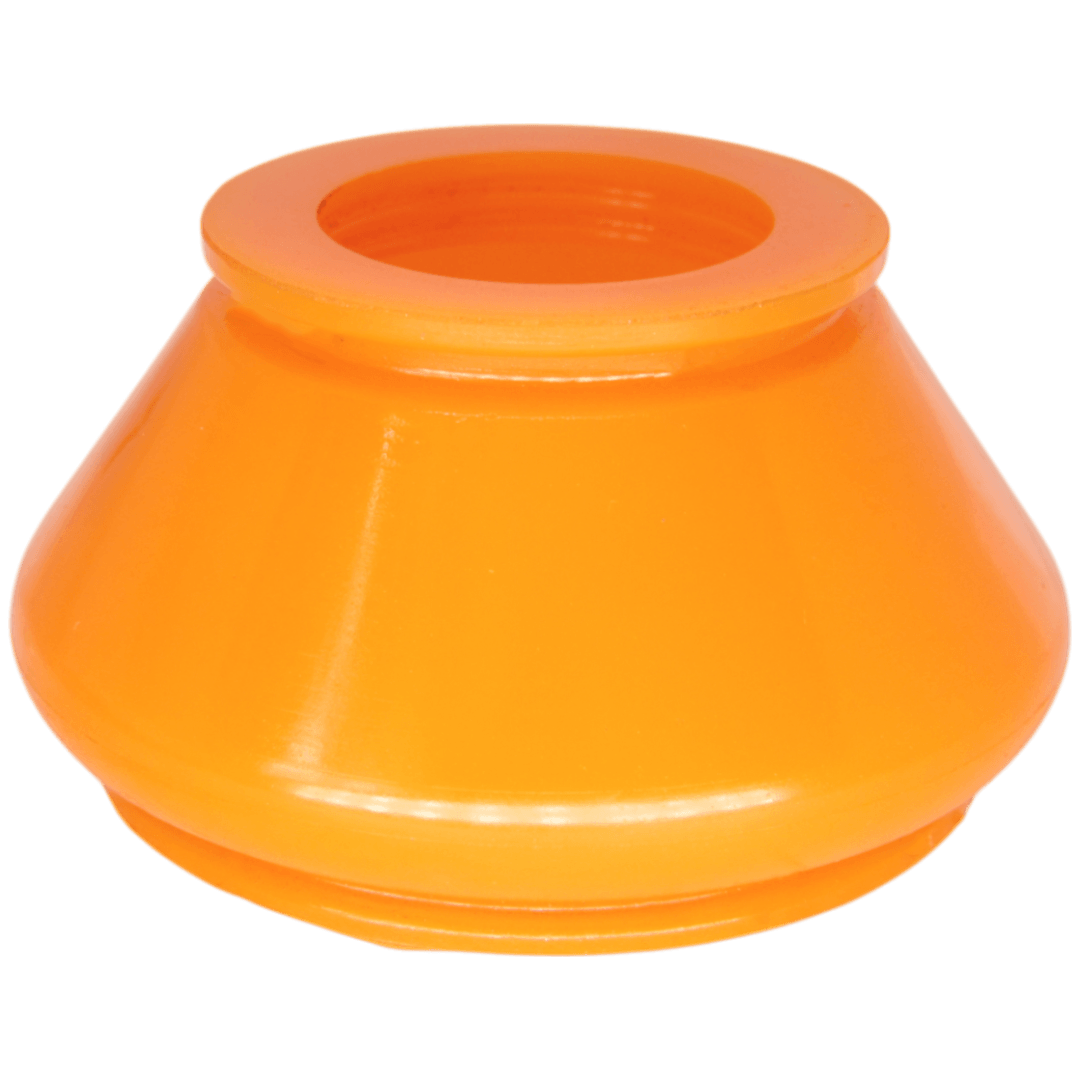
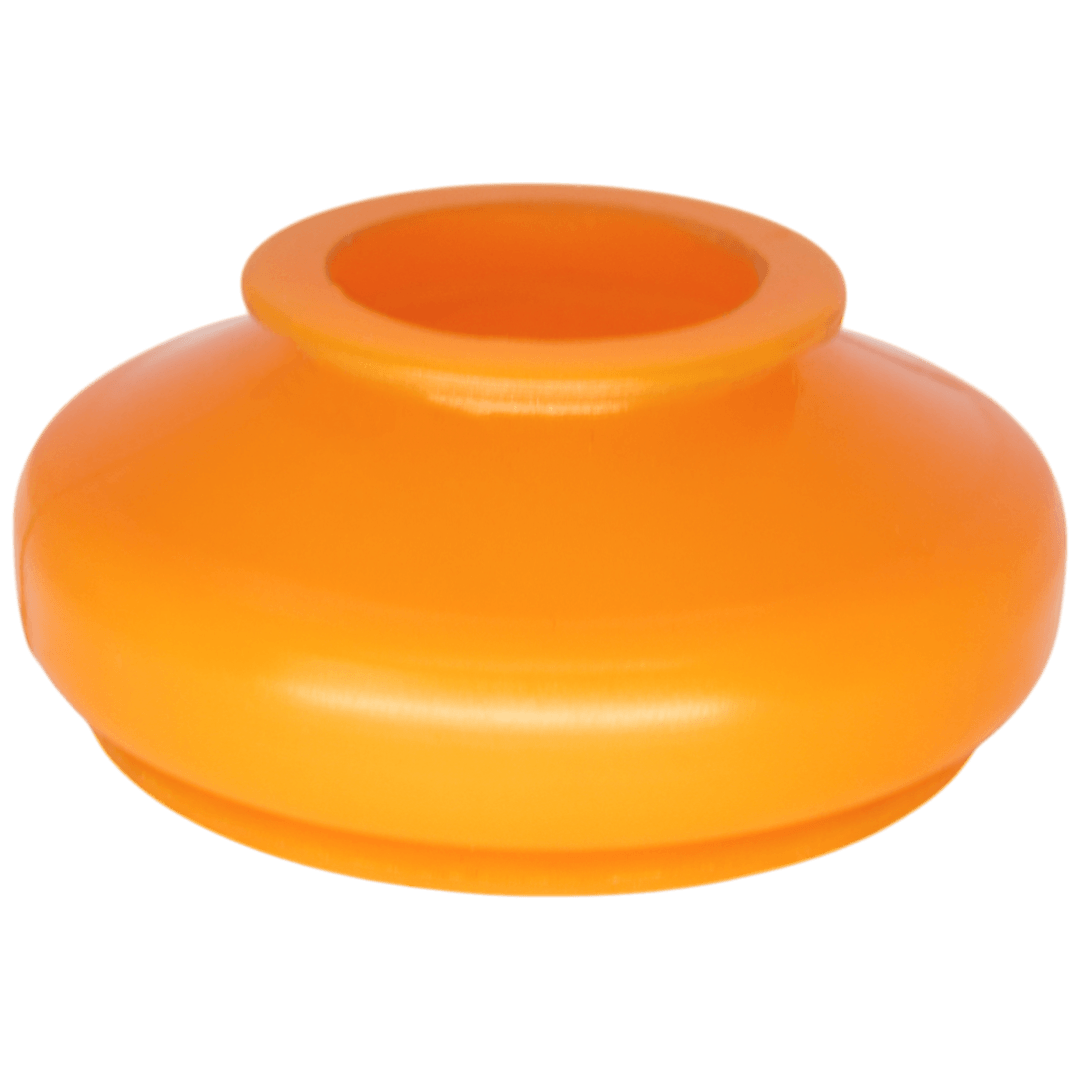
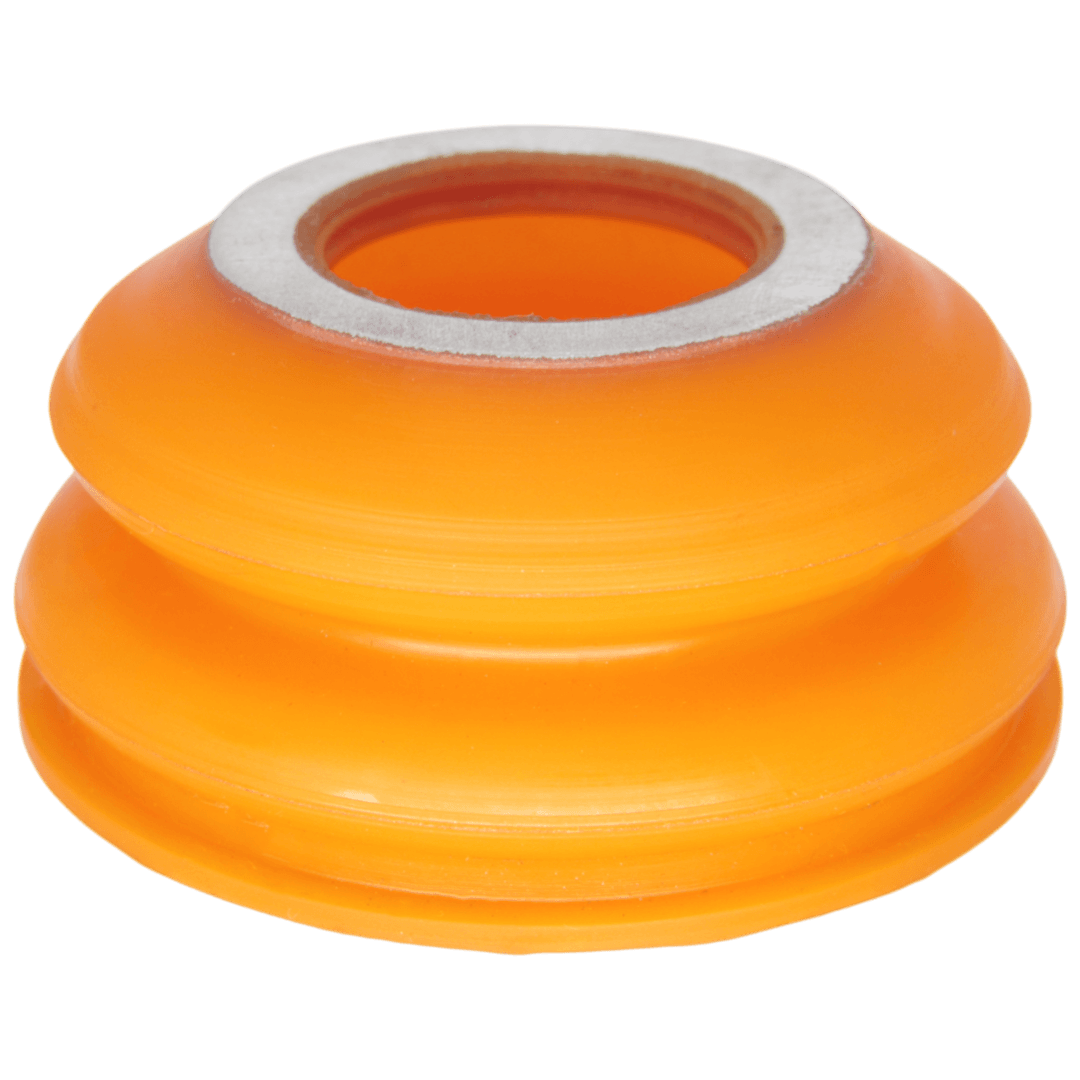
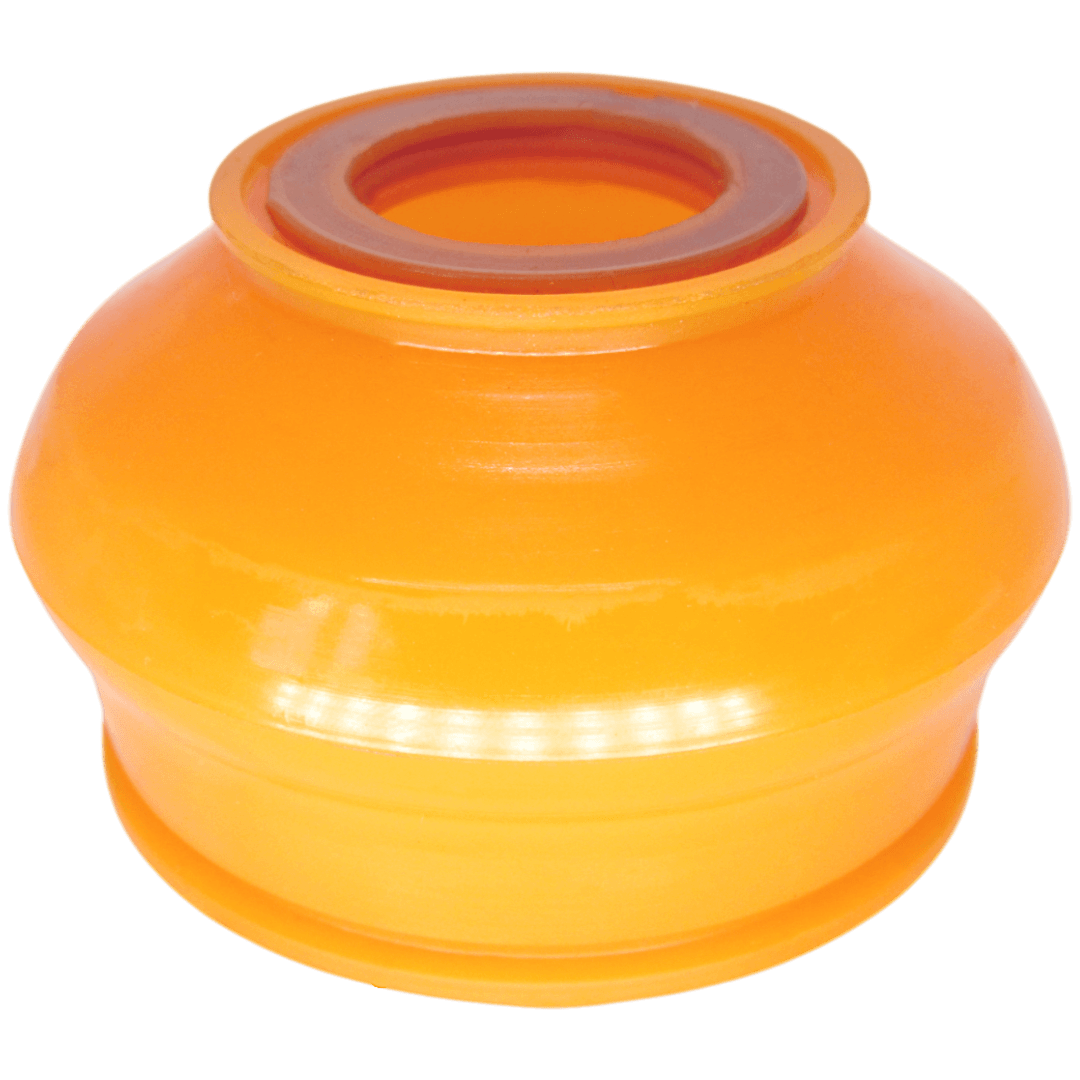
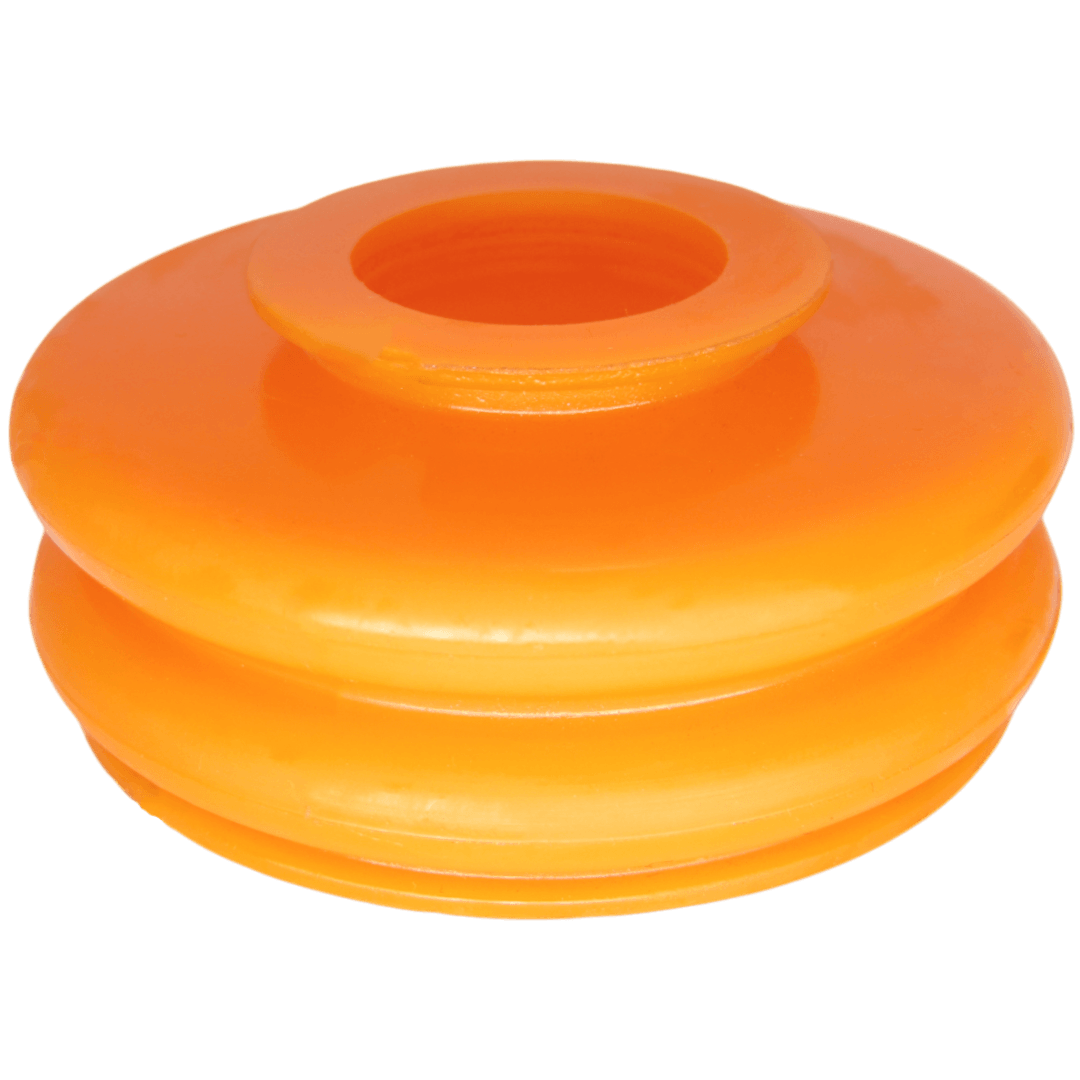
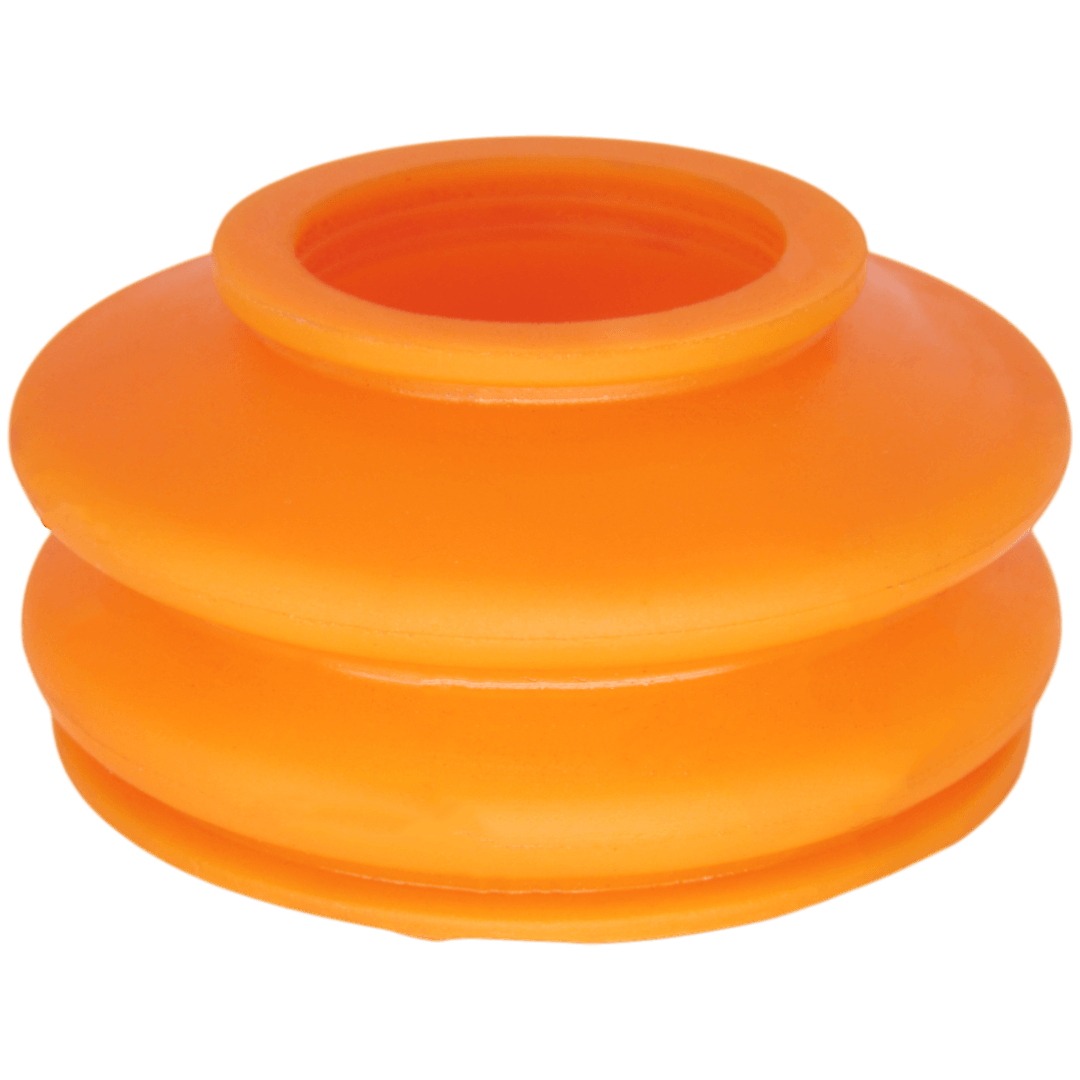
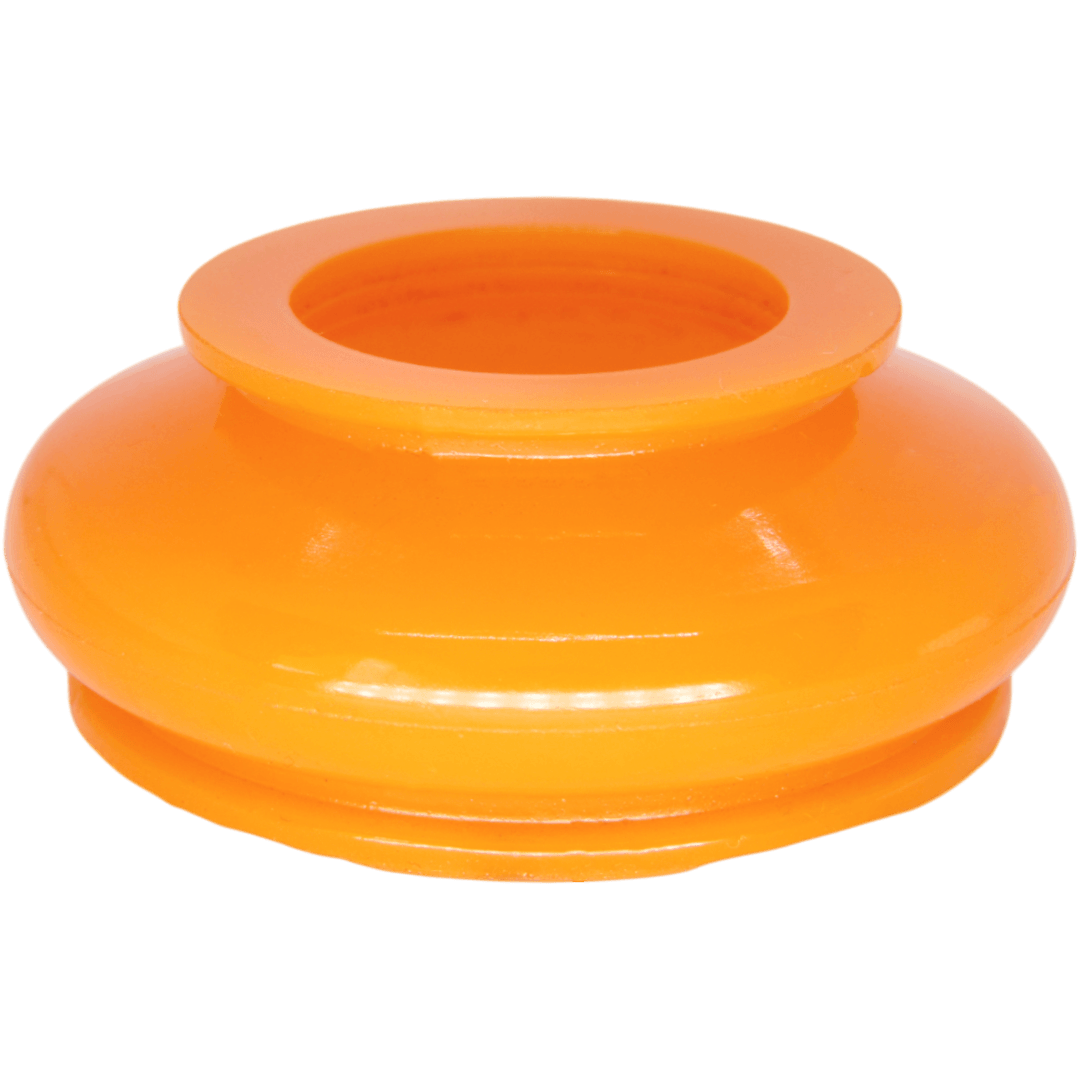
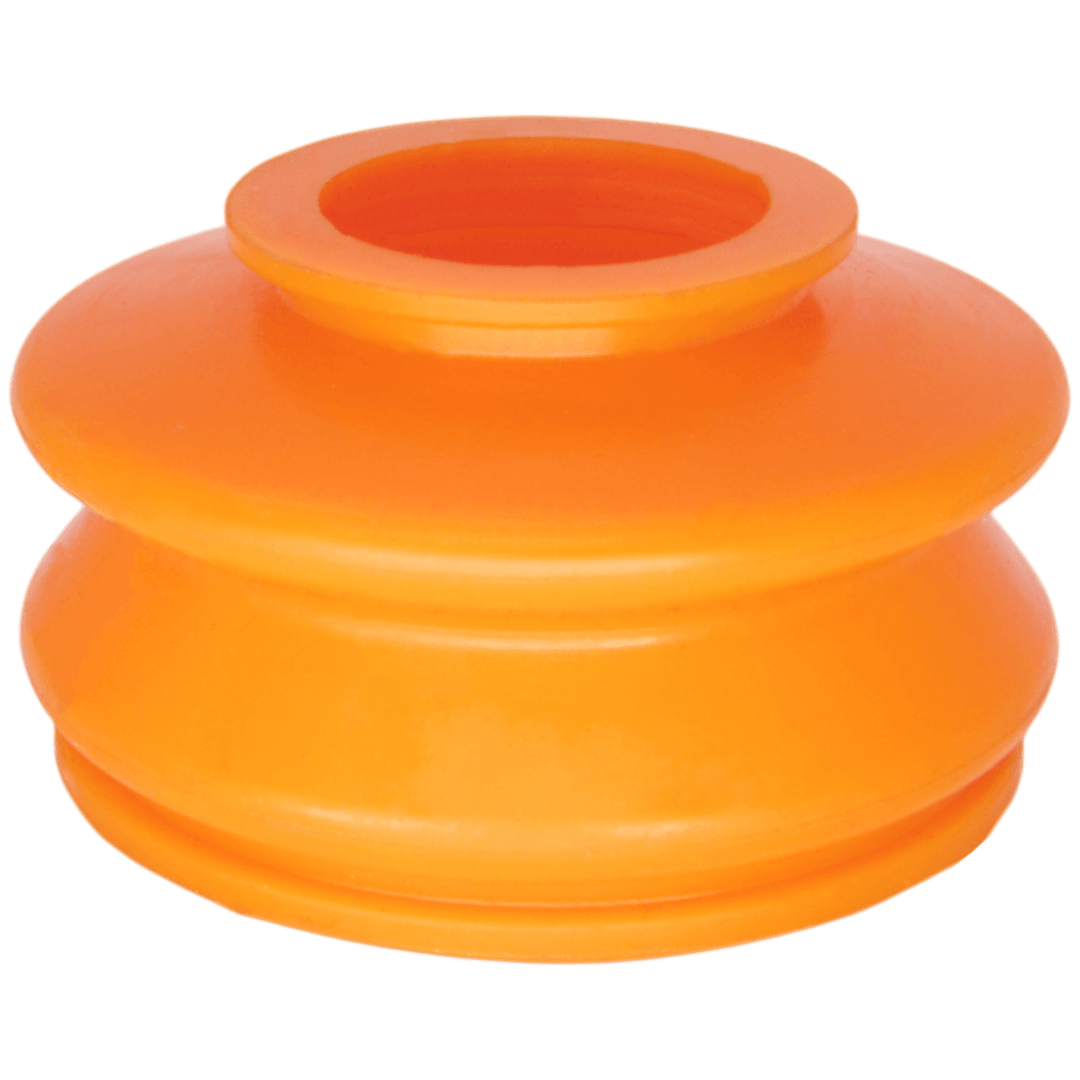
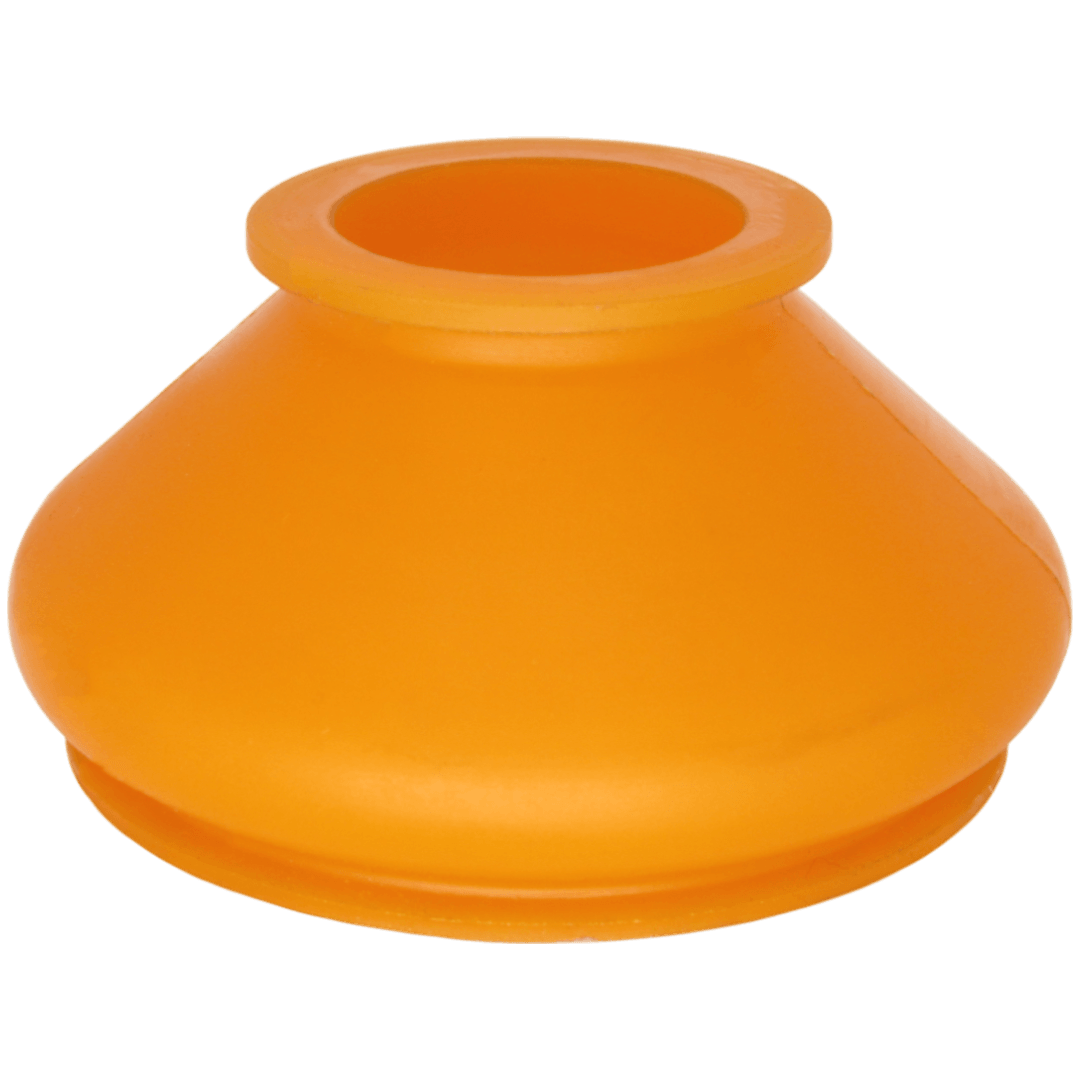
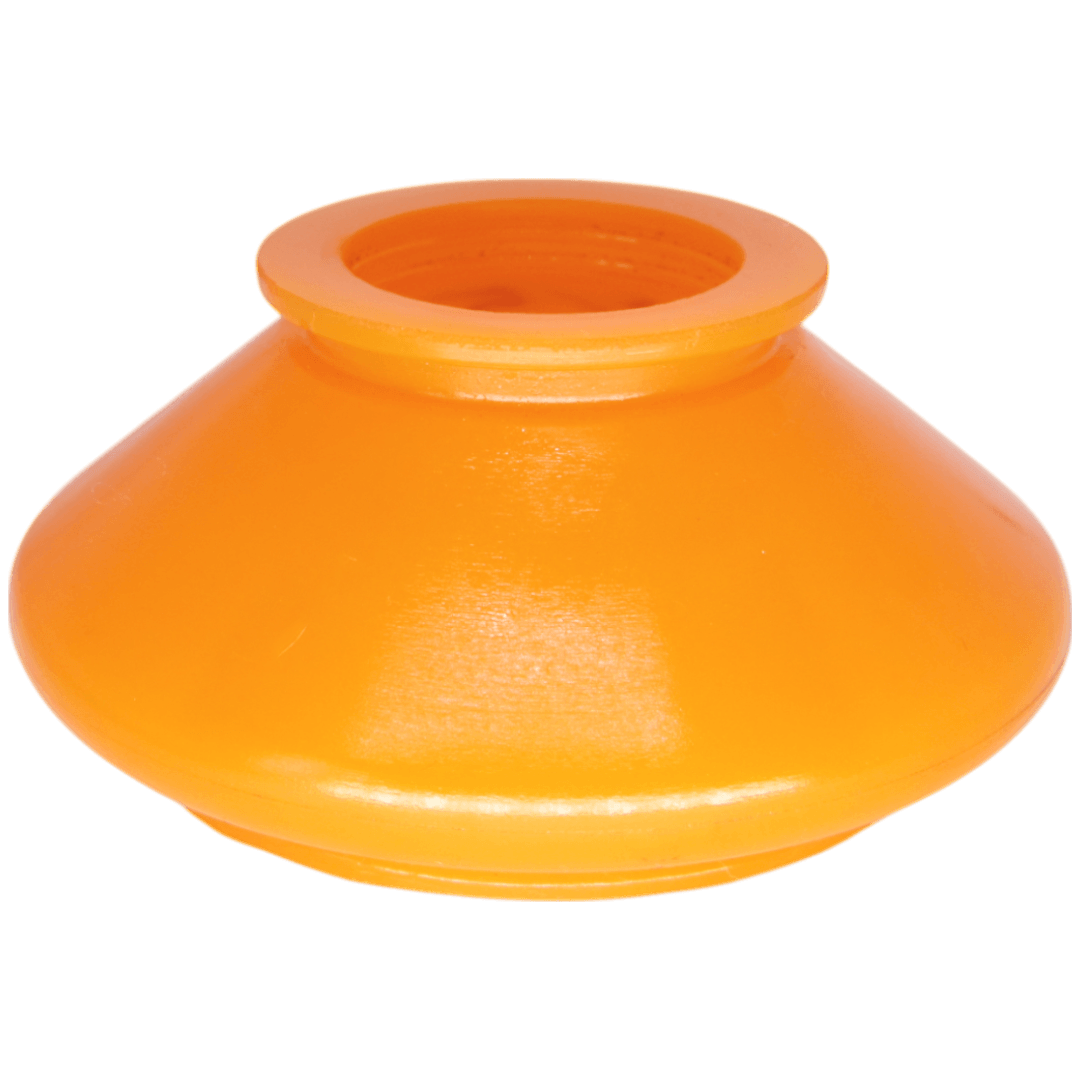
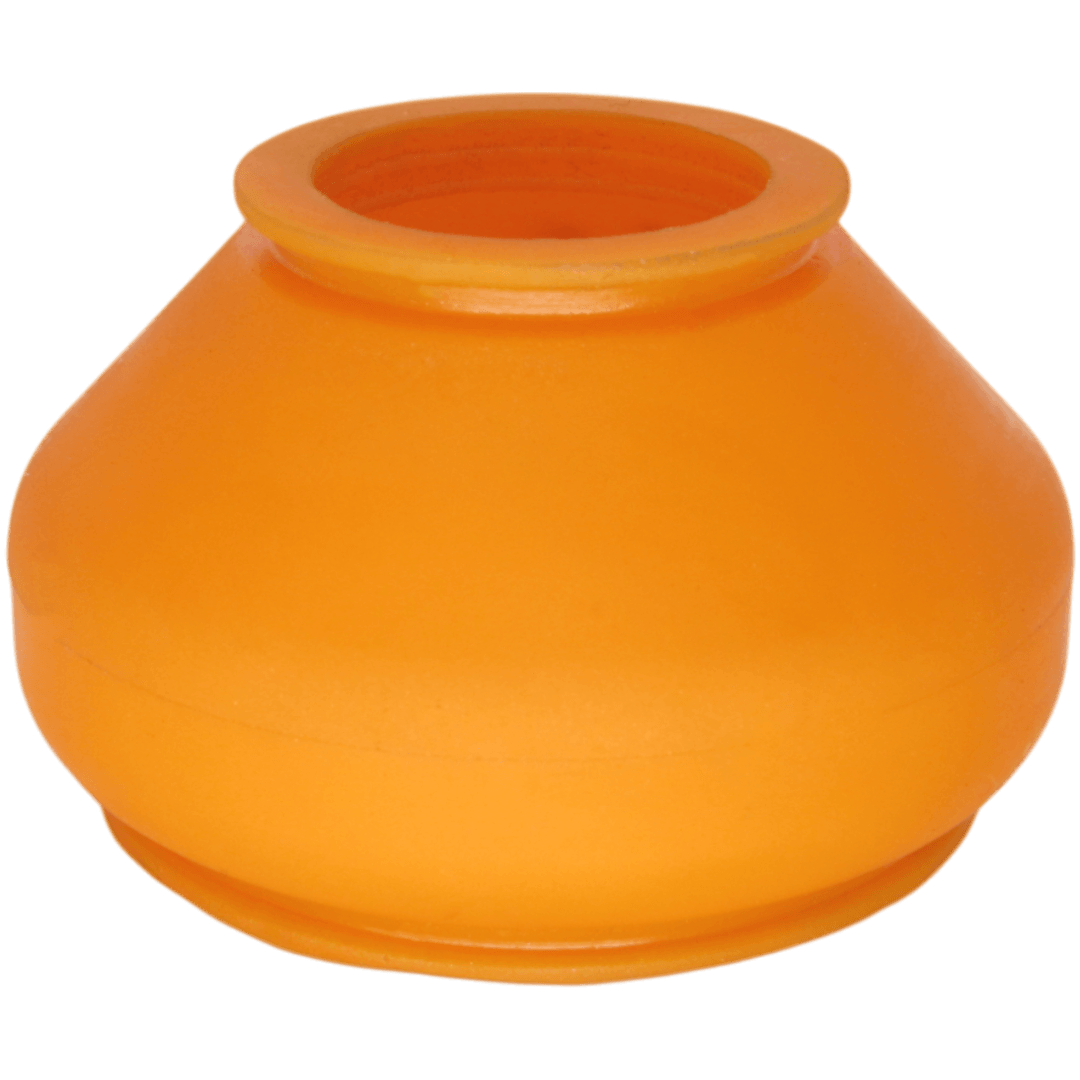
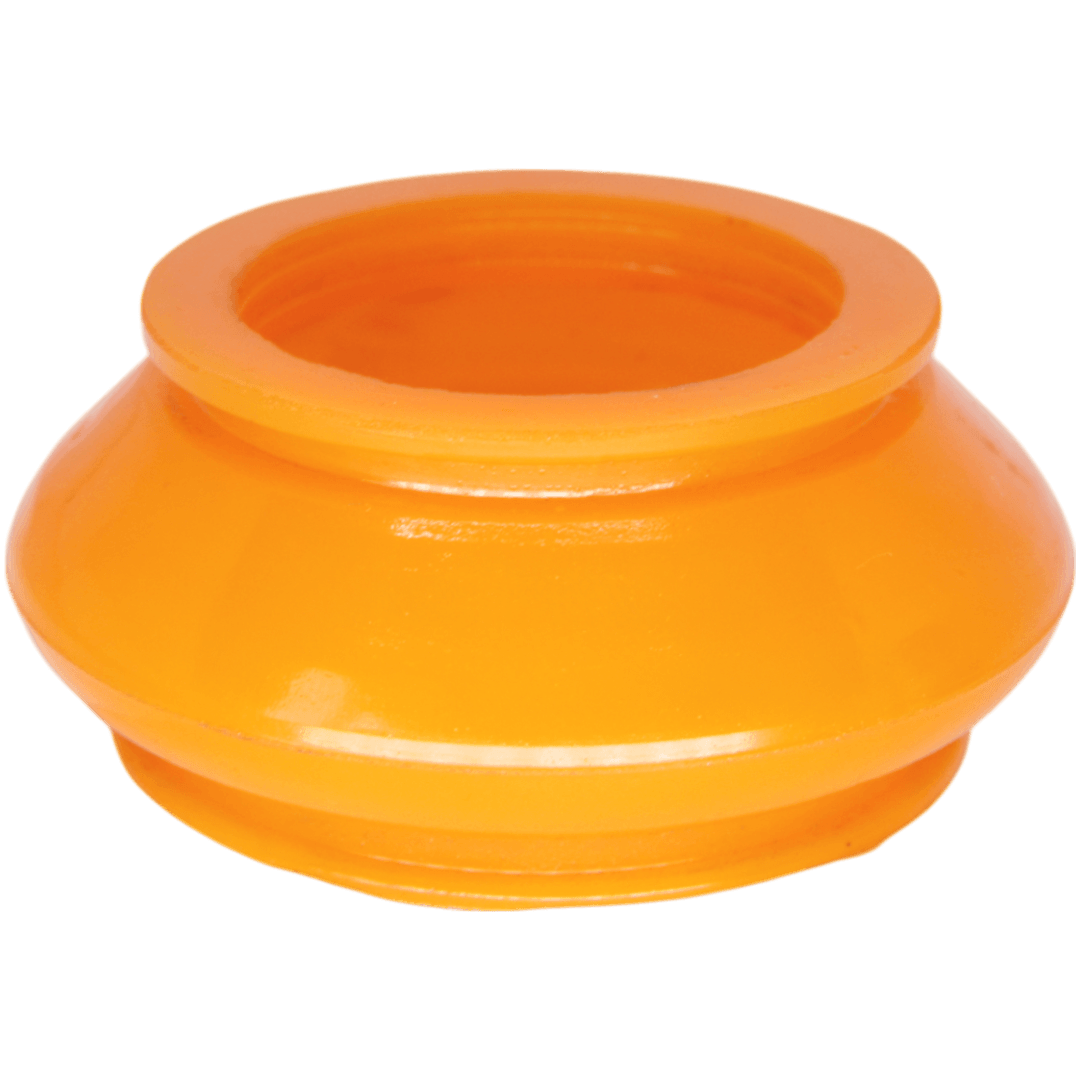
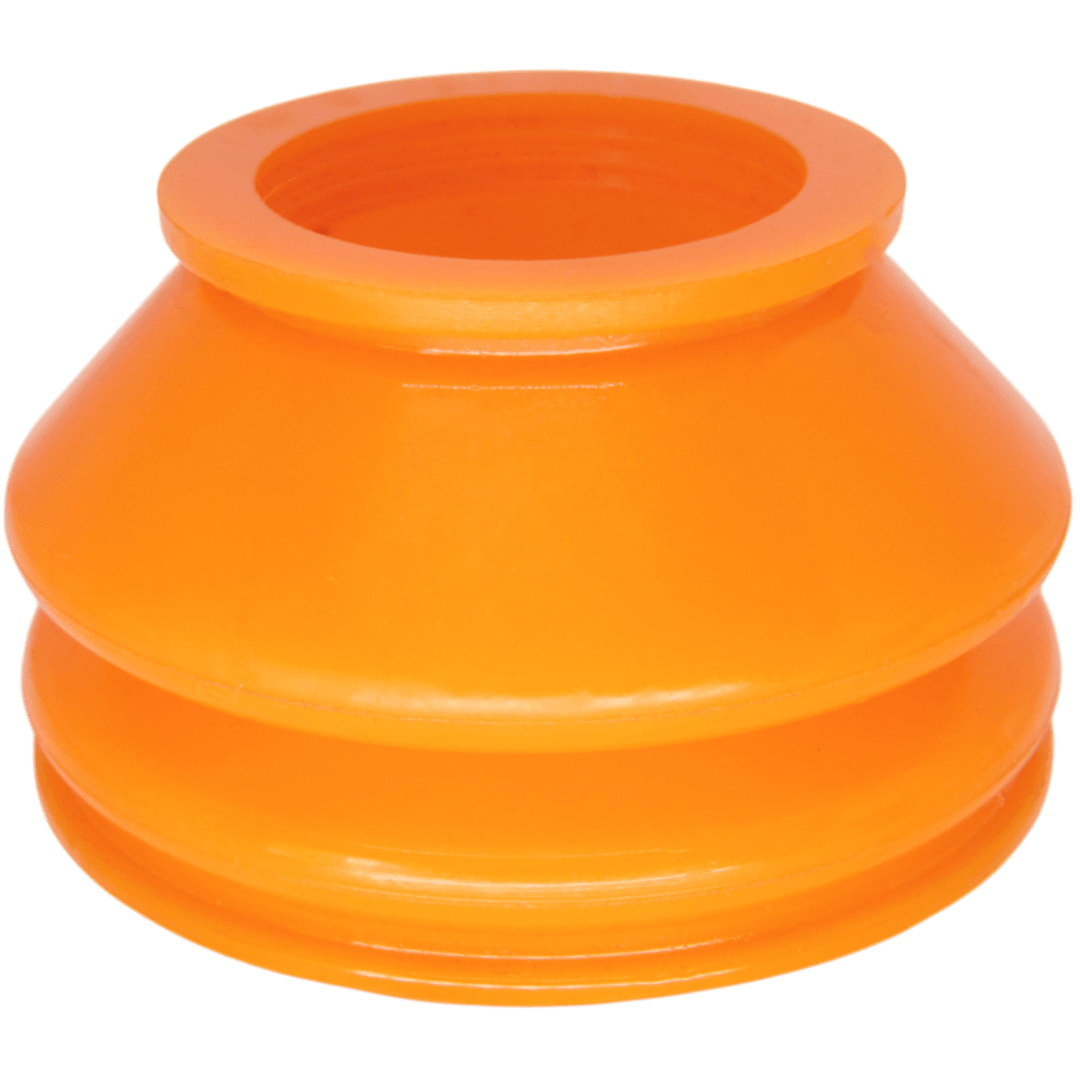
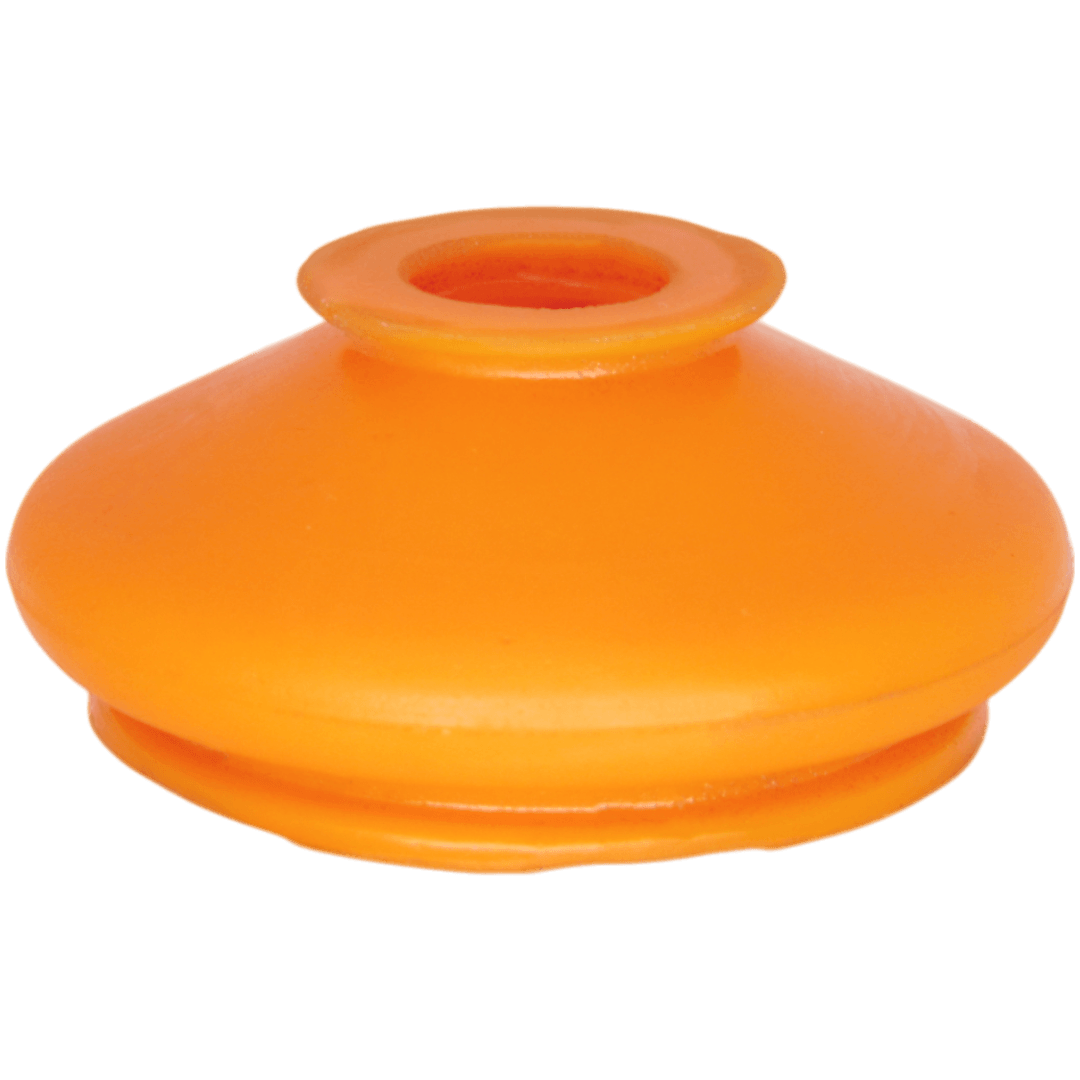
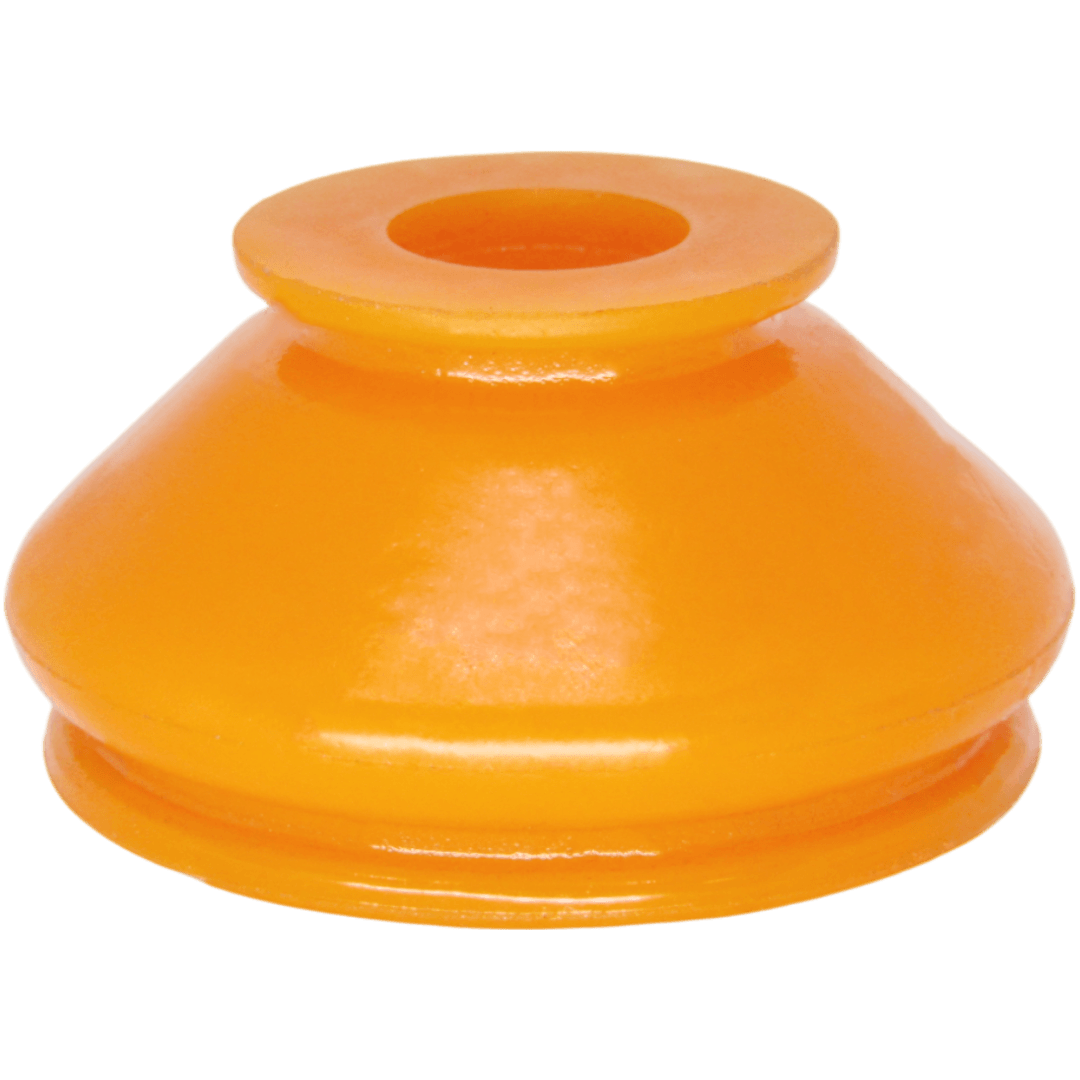
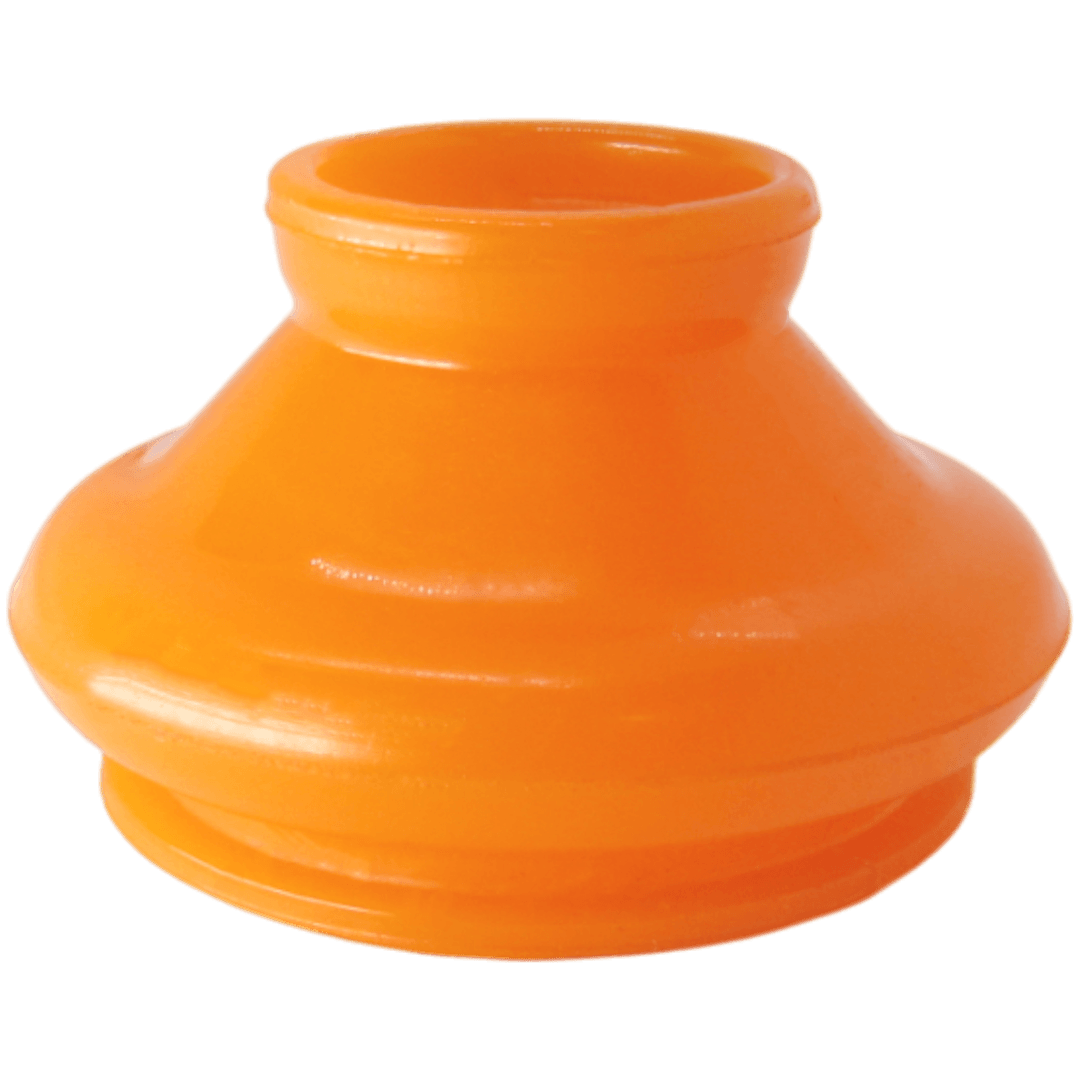
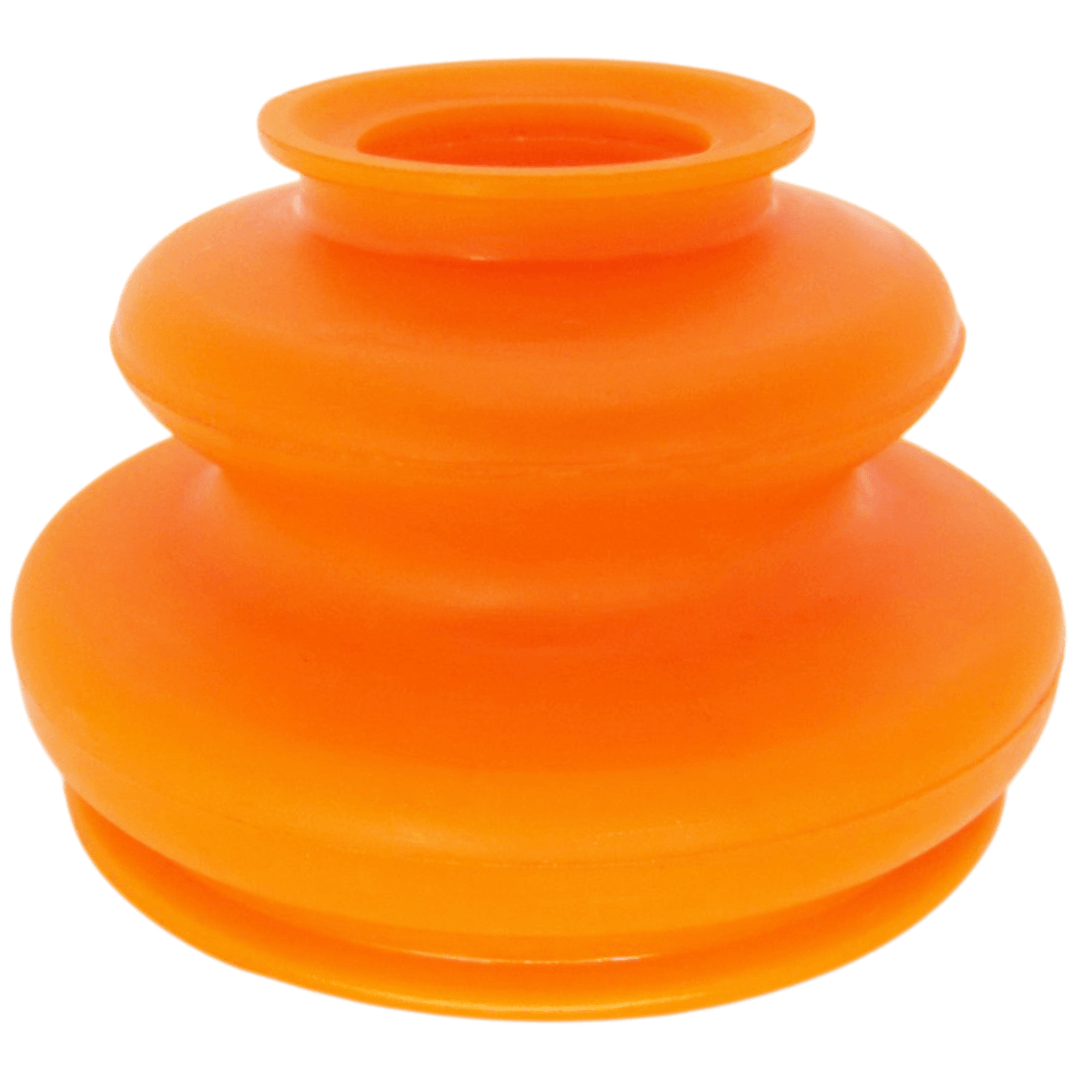
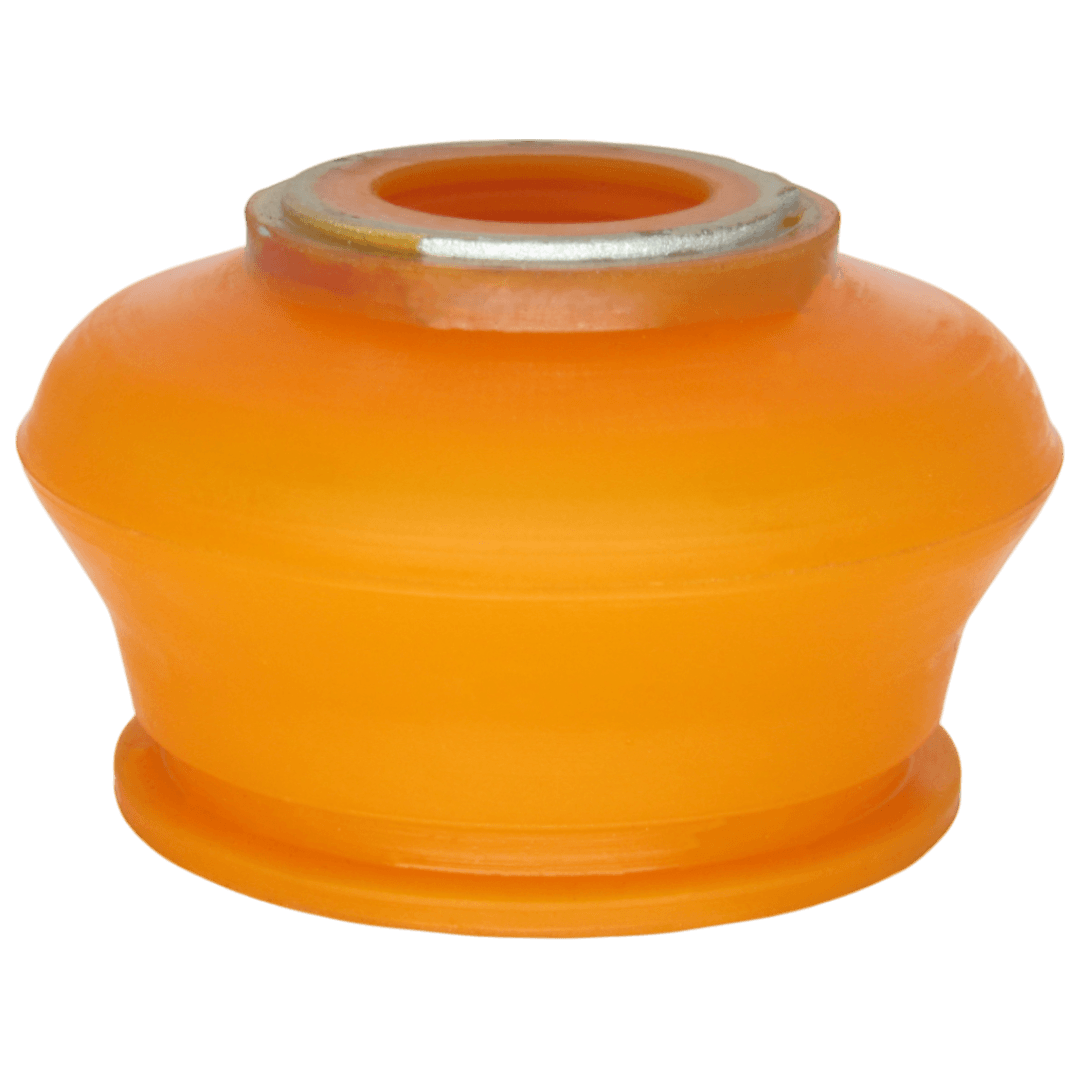
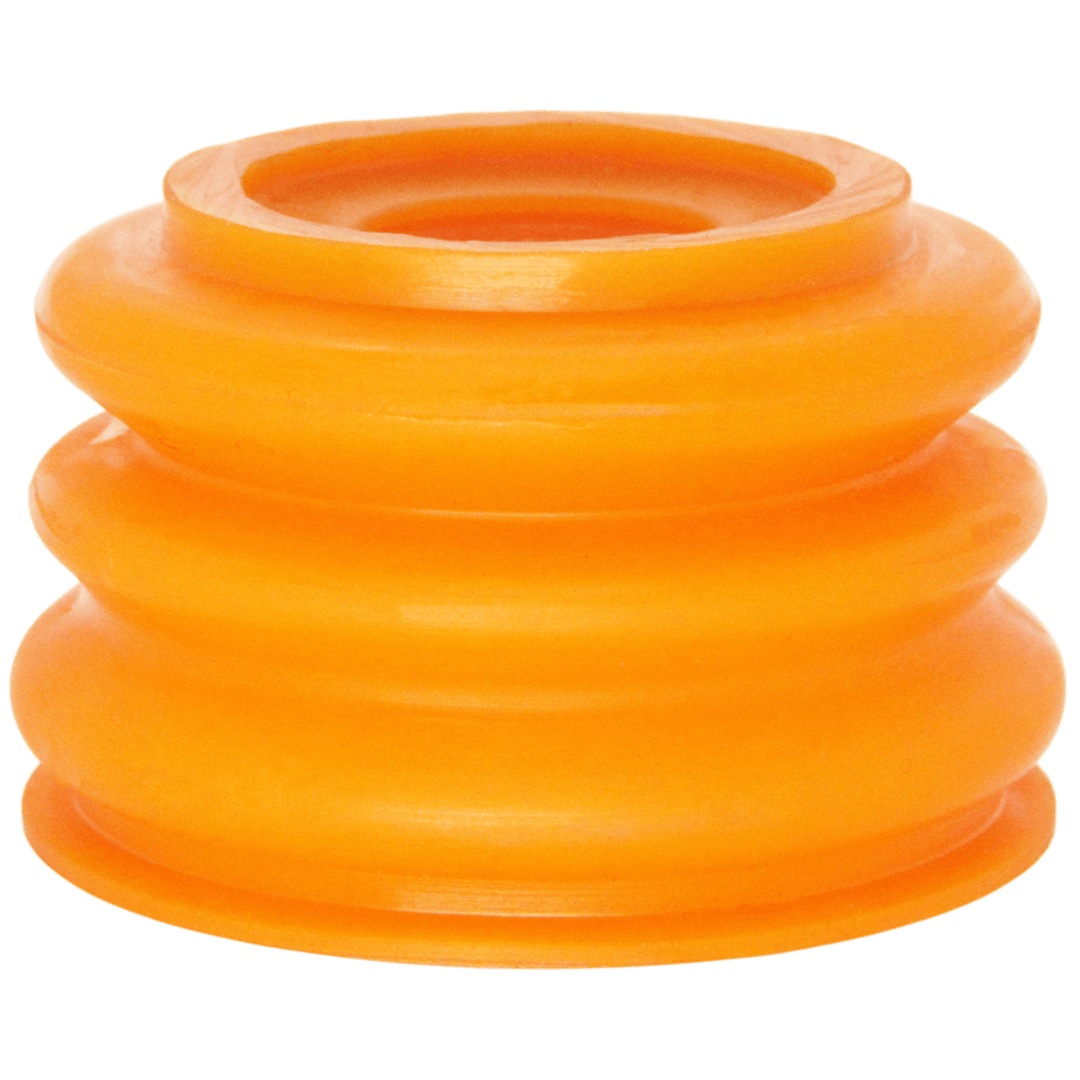
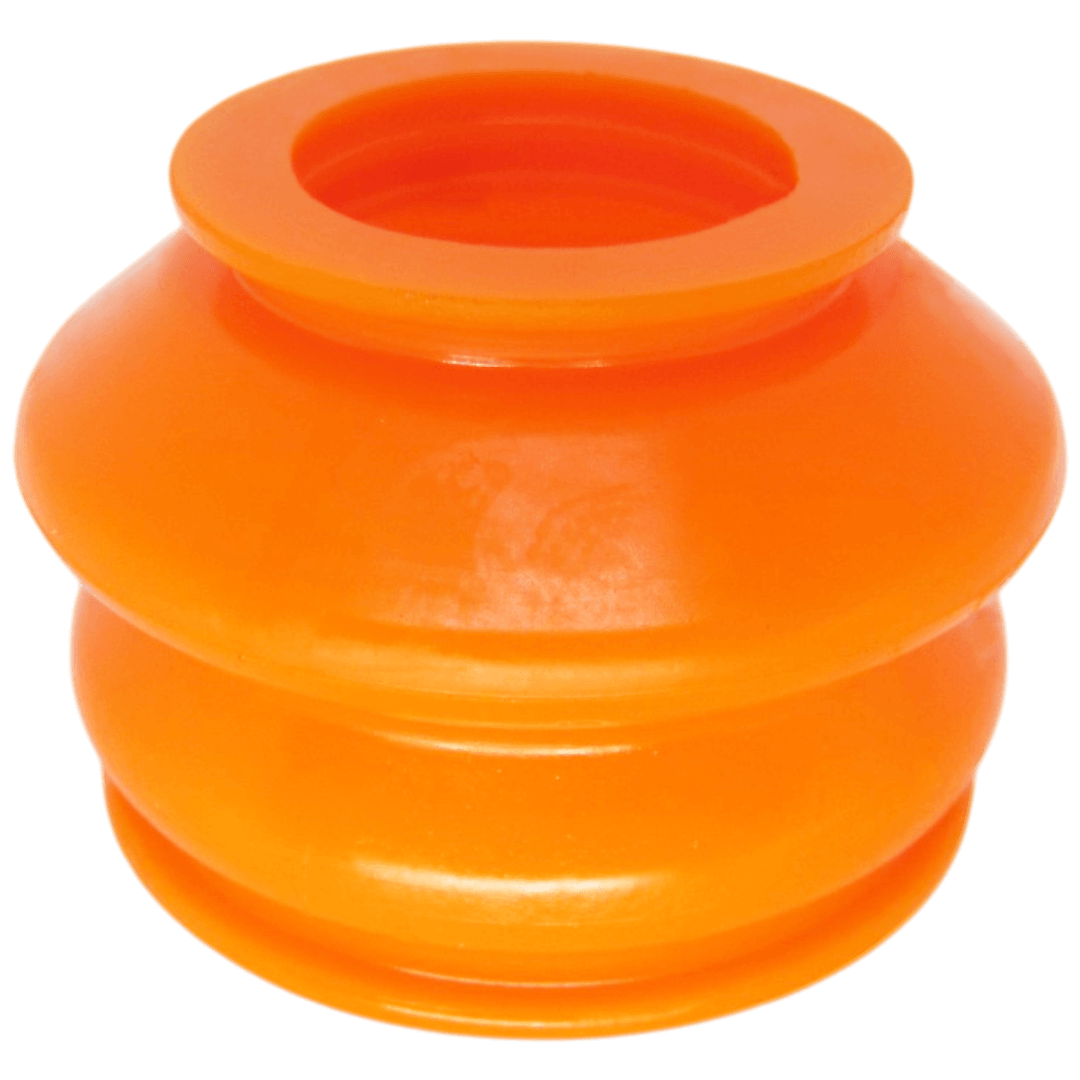
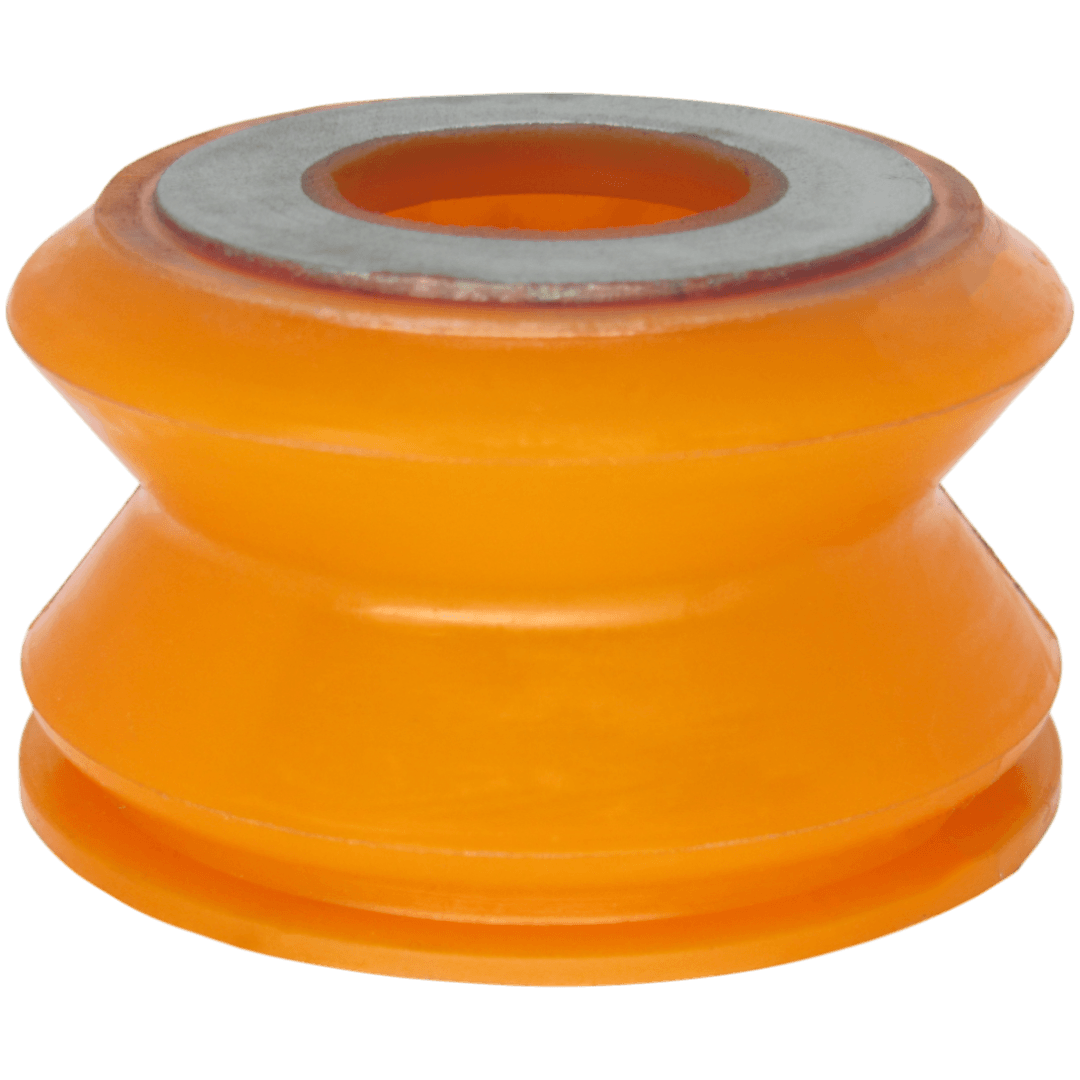
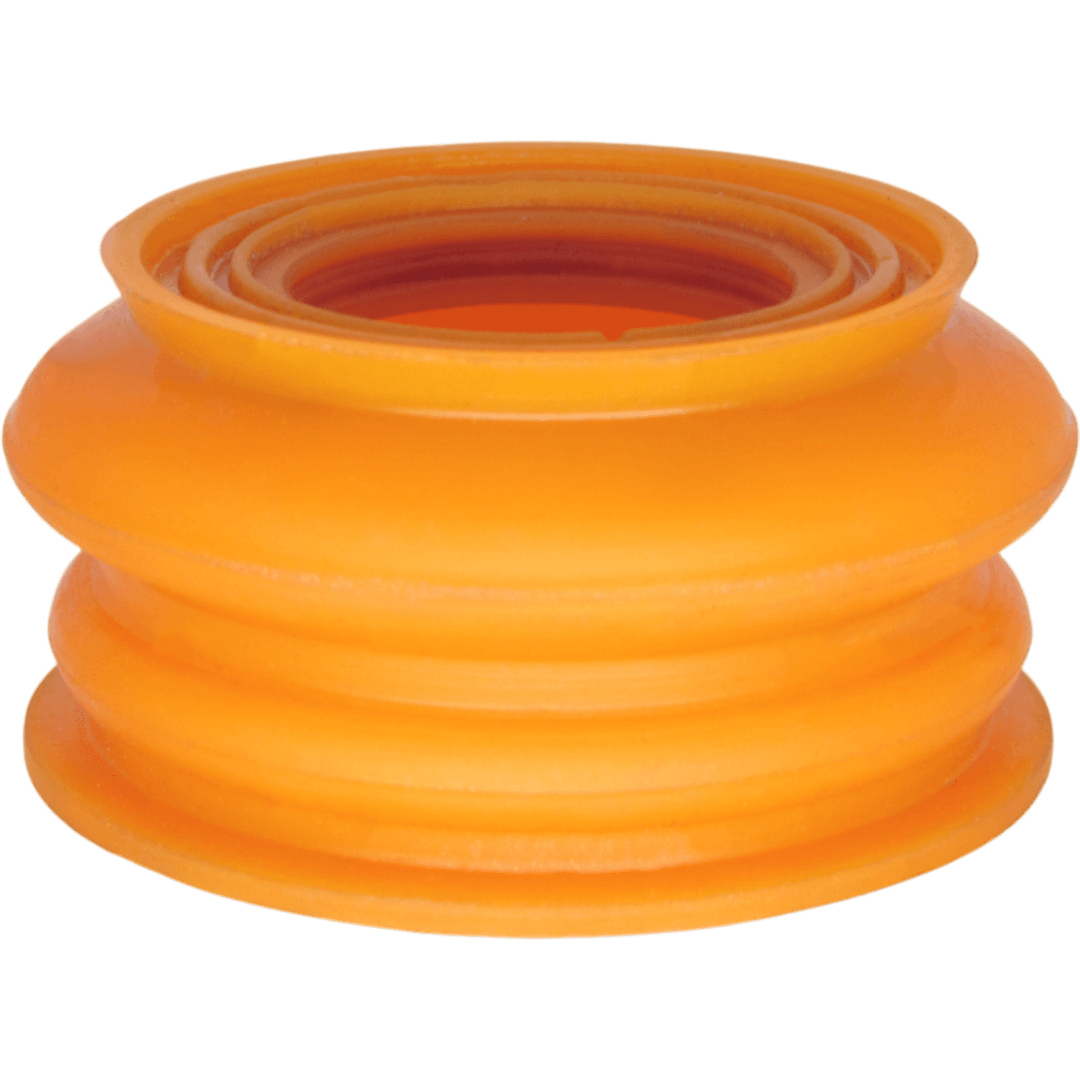
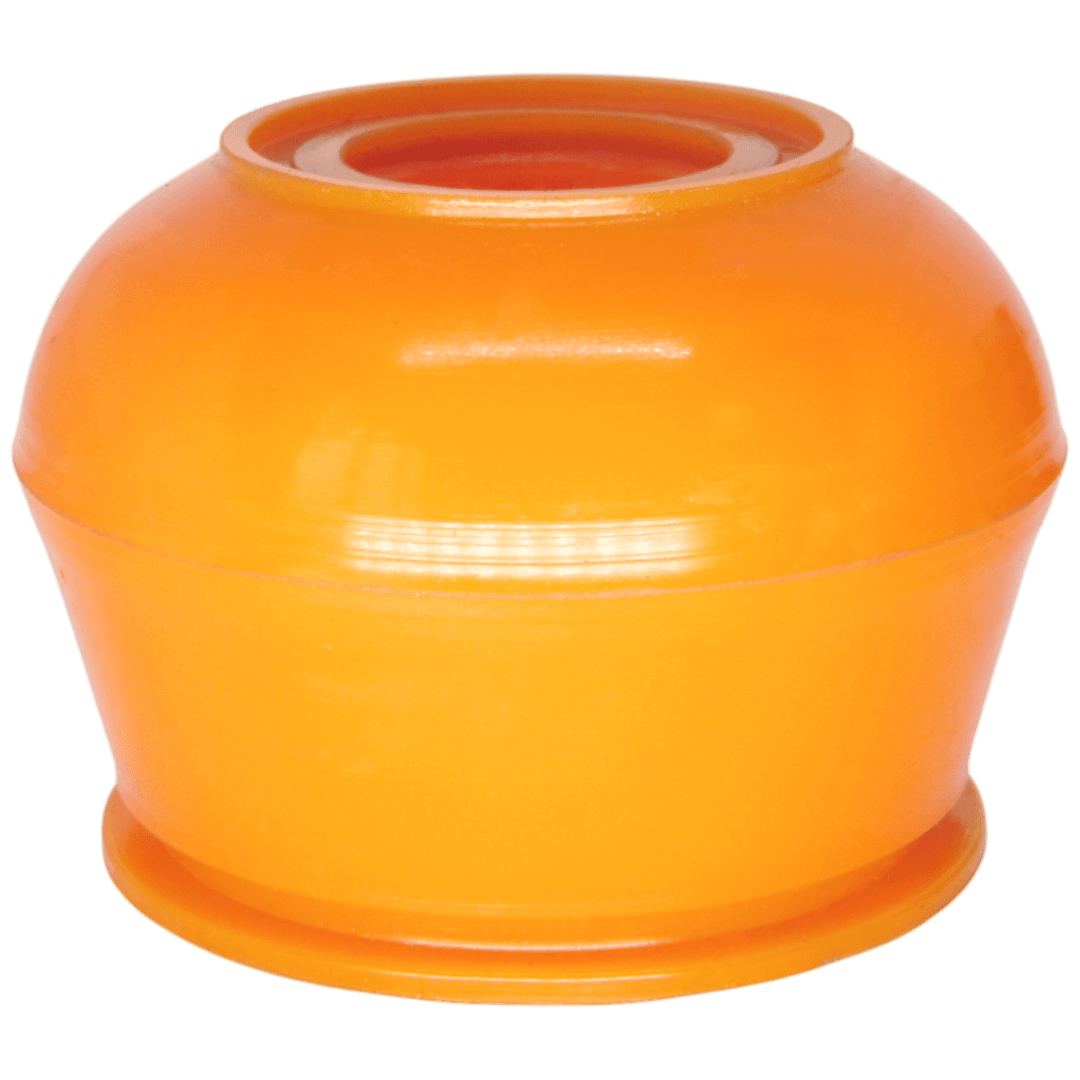
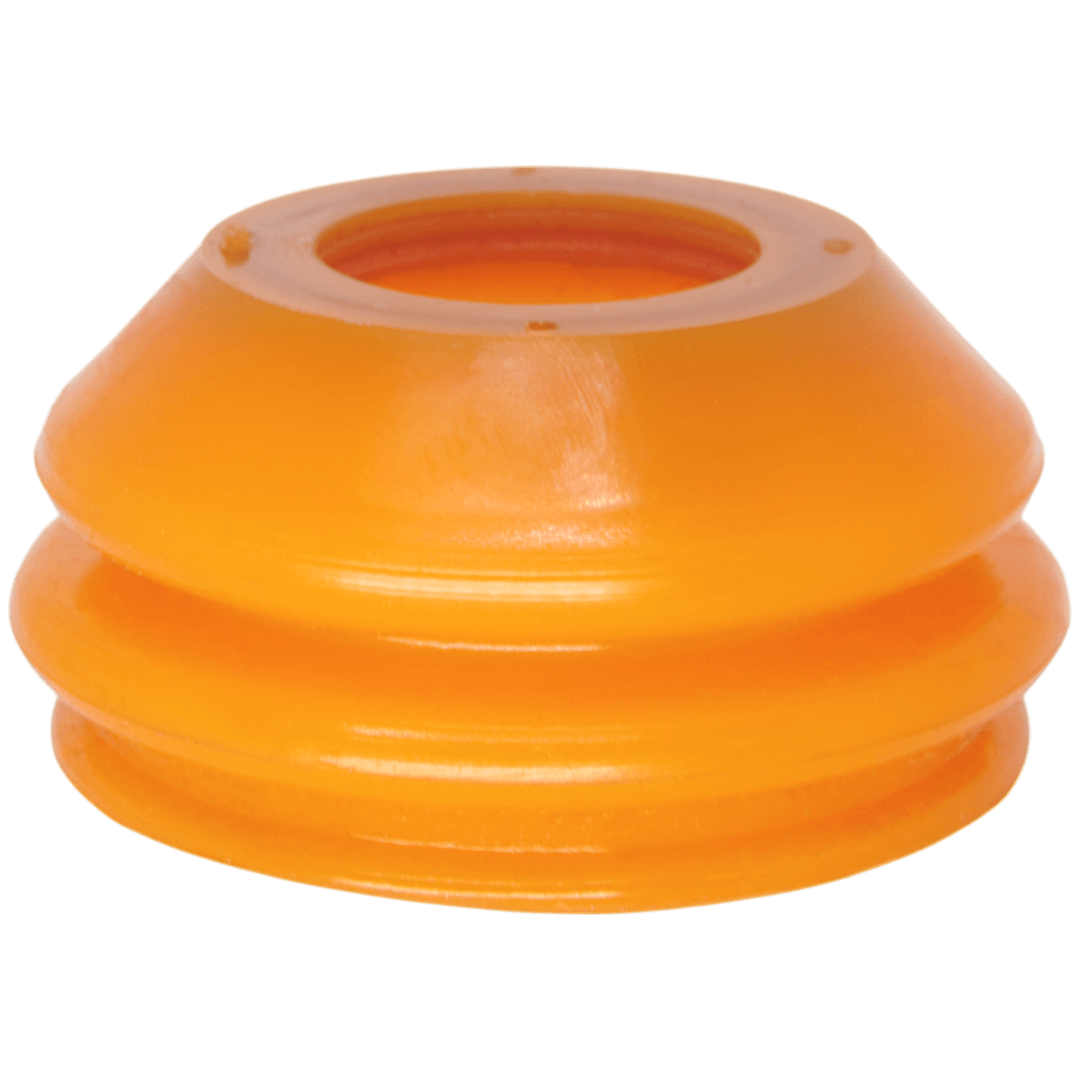
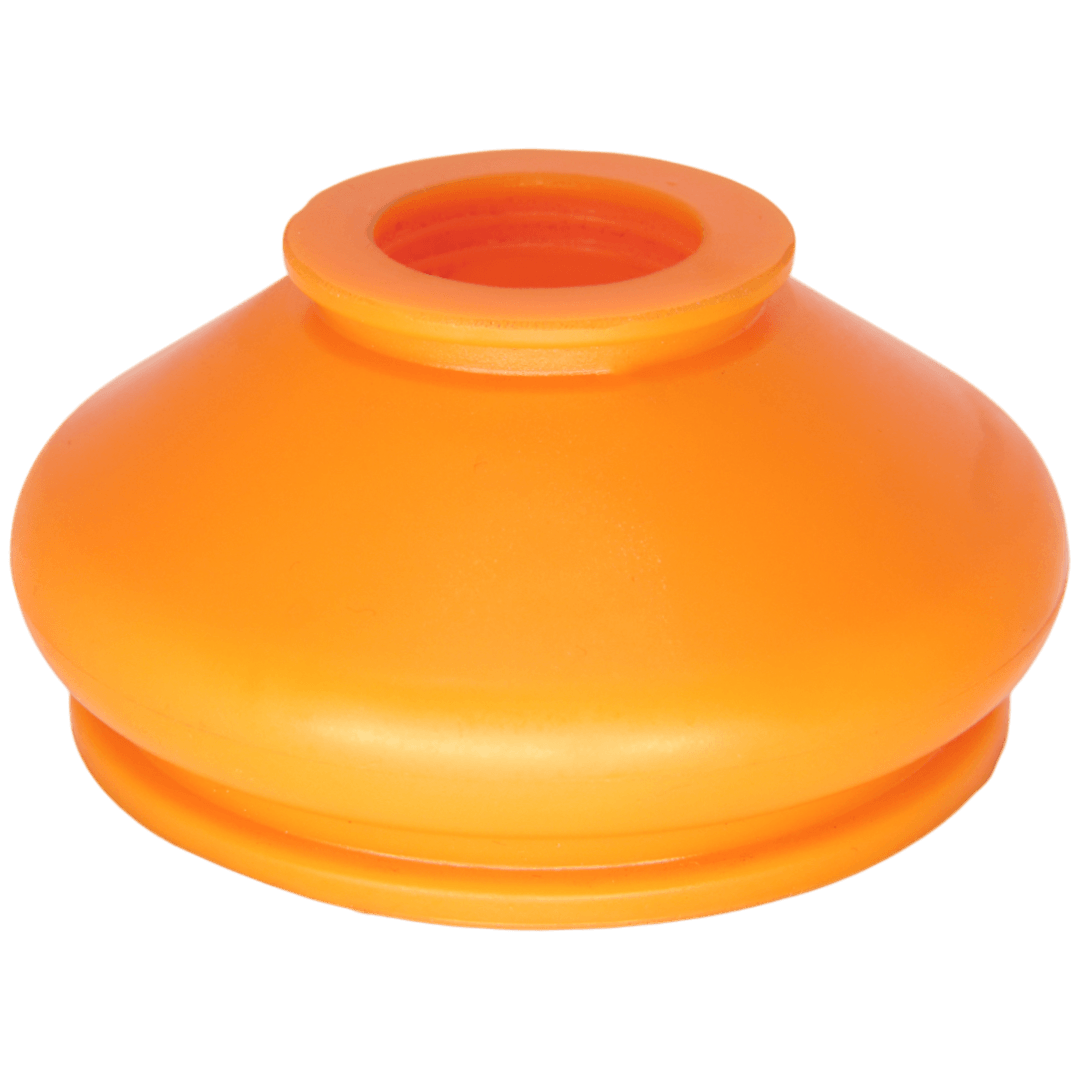
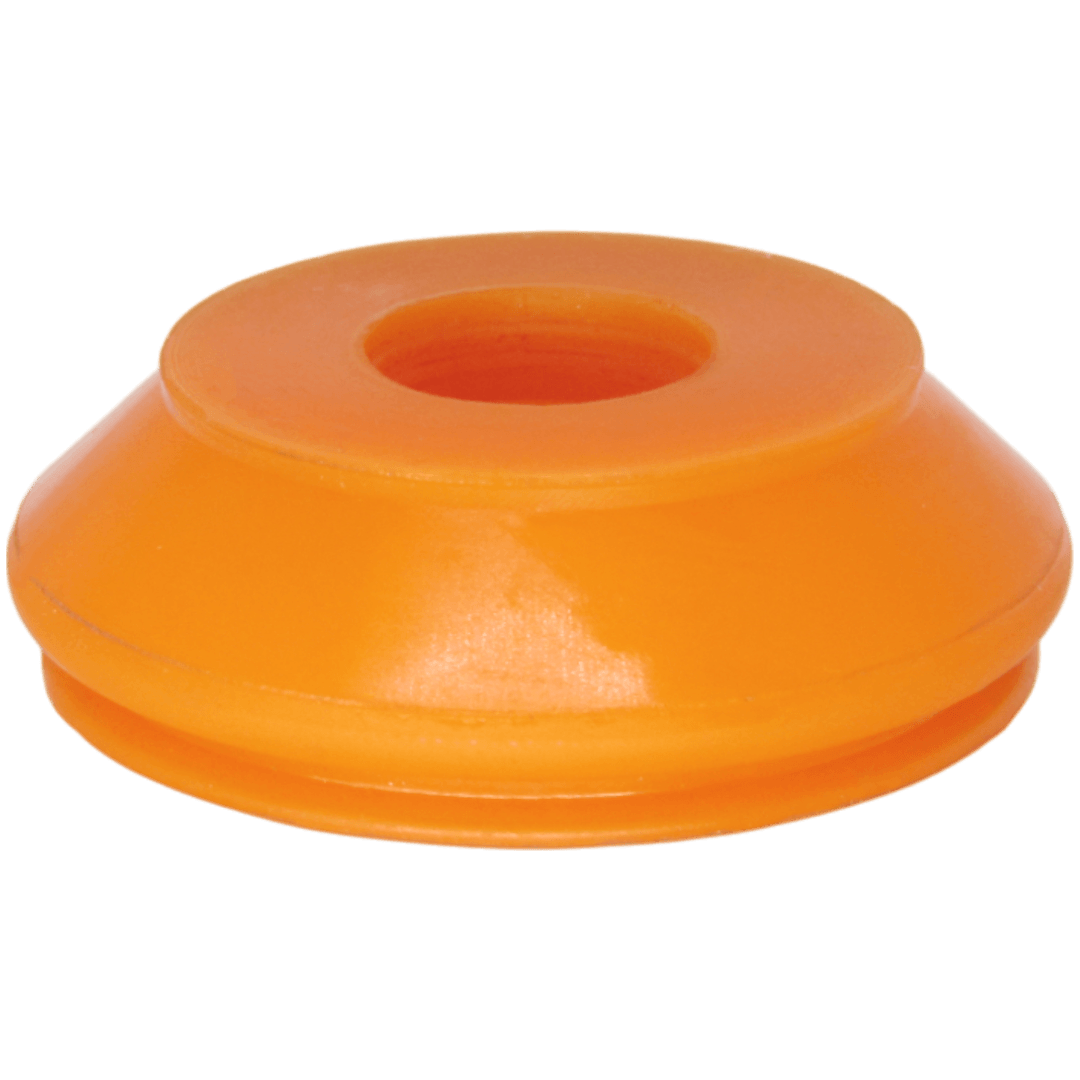
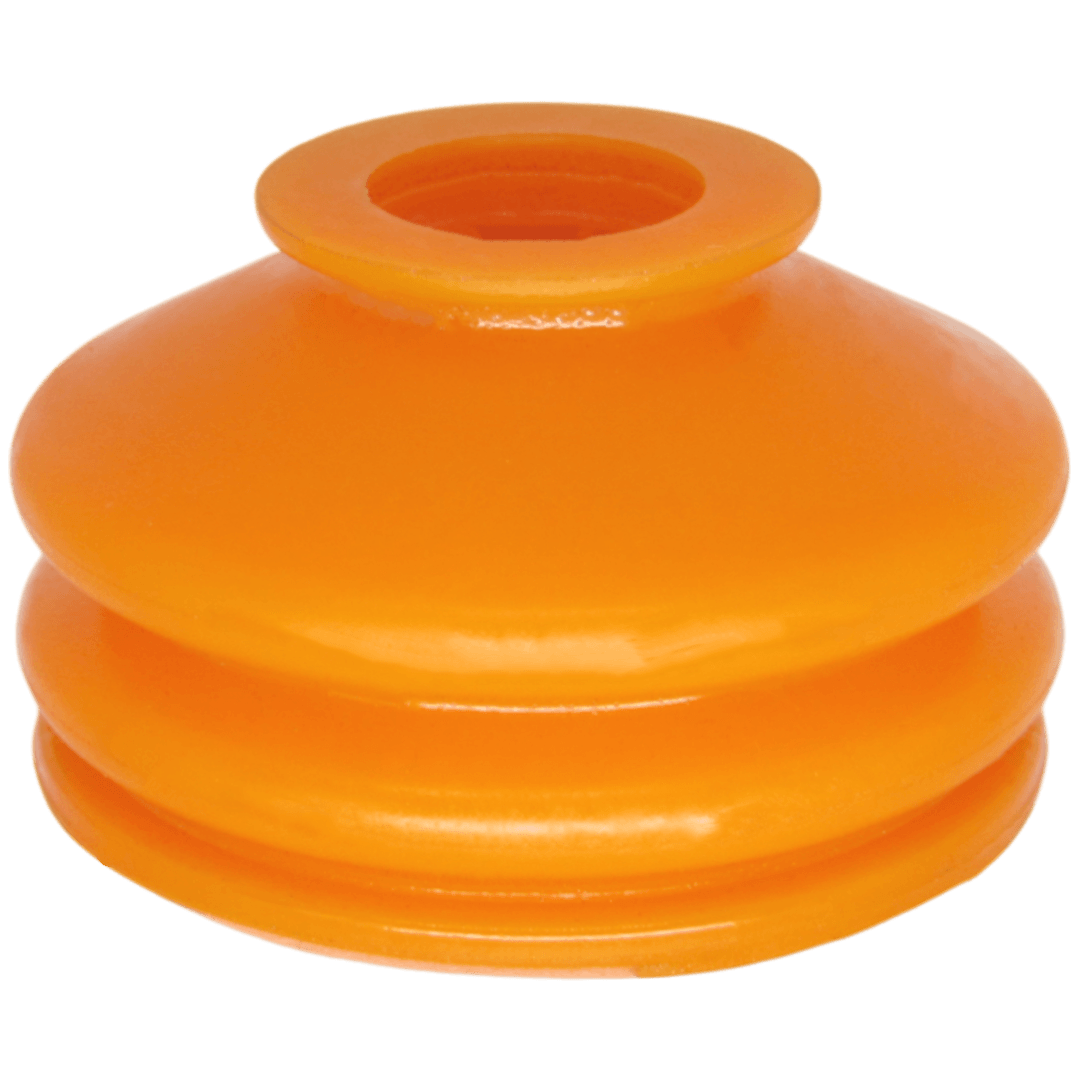
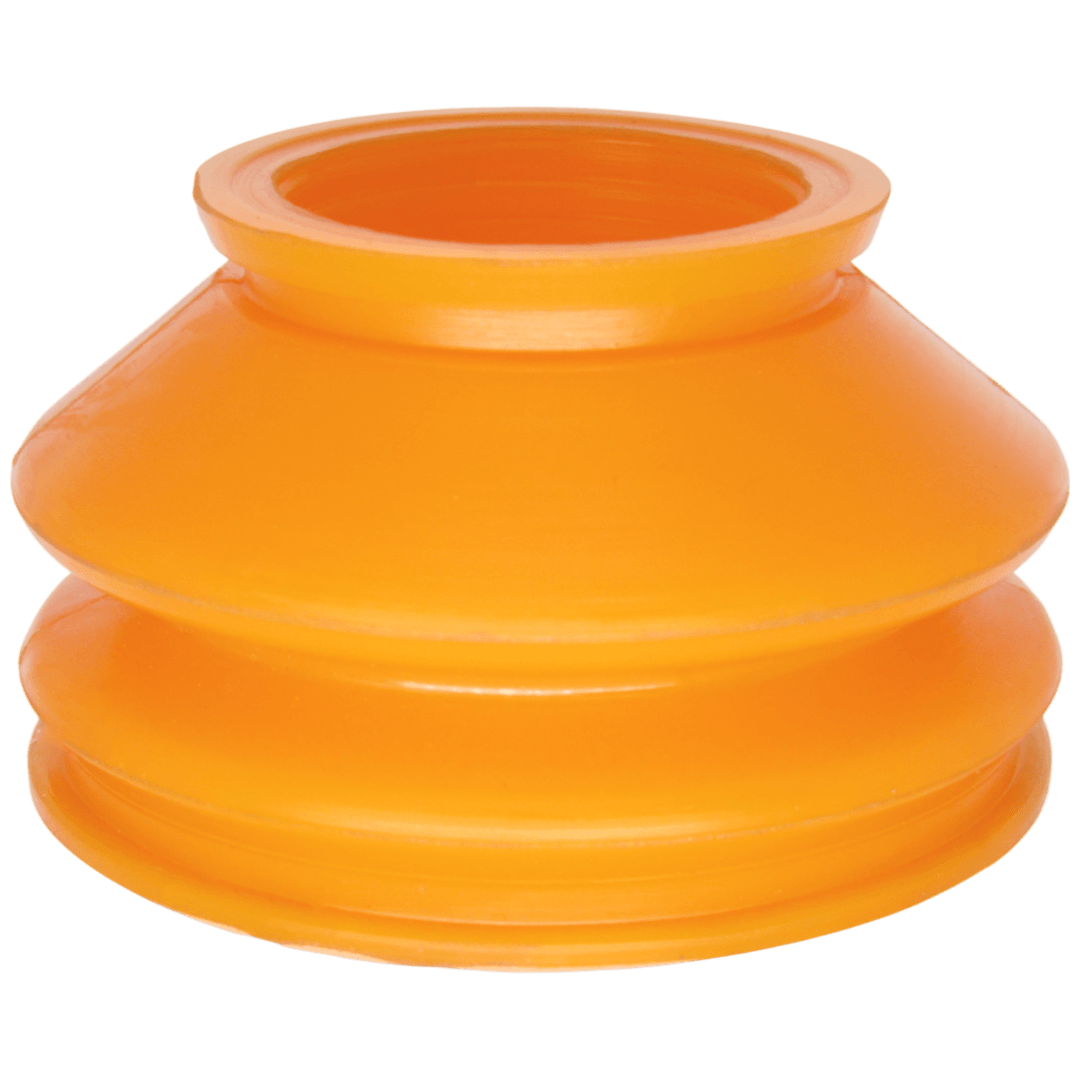
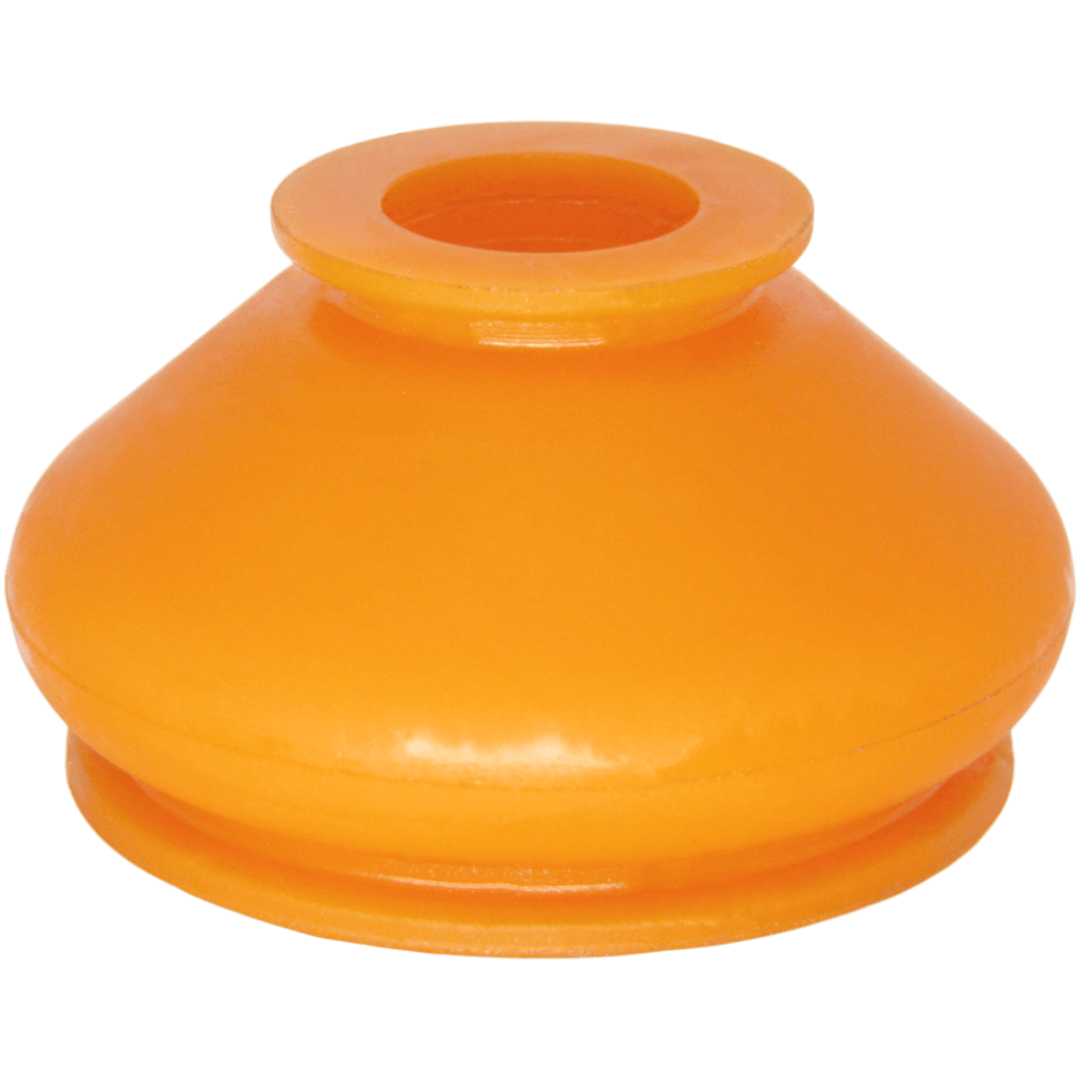
Polyurethane ball bearing boot for spring ring d11*D25, L21 single-stage
In stock15 pcs.$5.57Log in as dealer
1 EUR = 51,06 грн1 USD = 43,12 грн


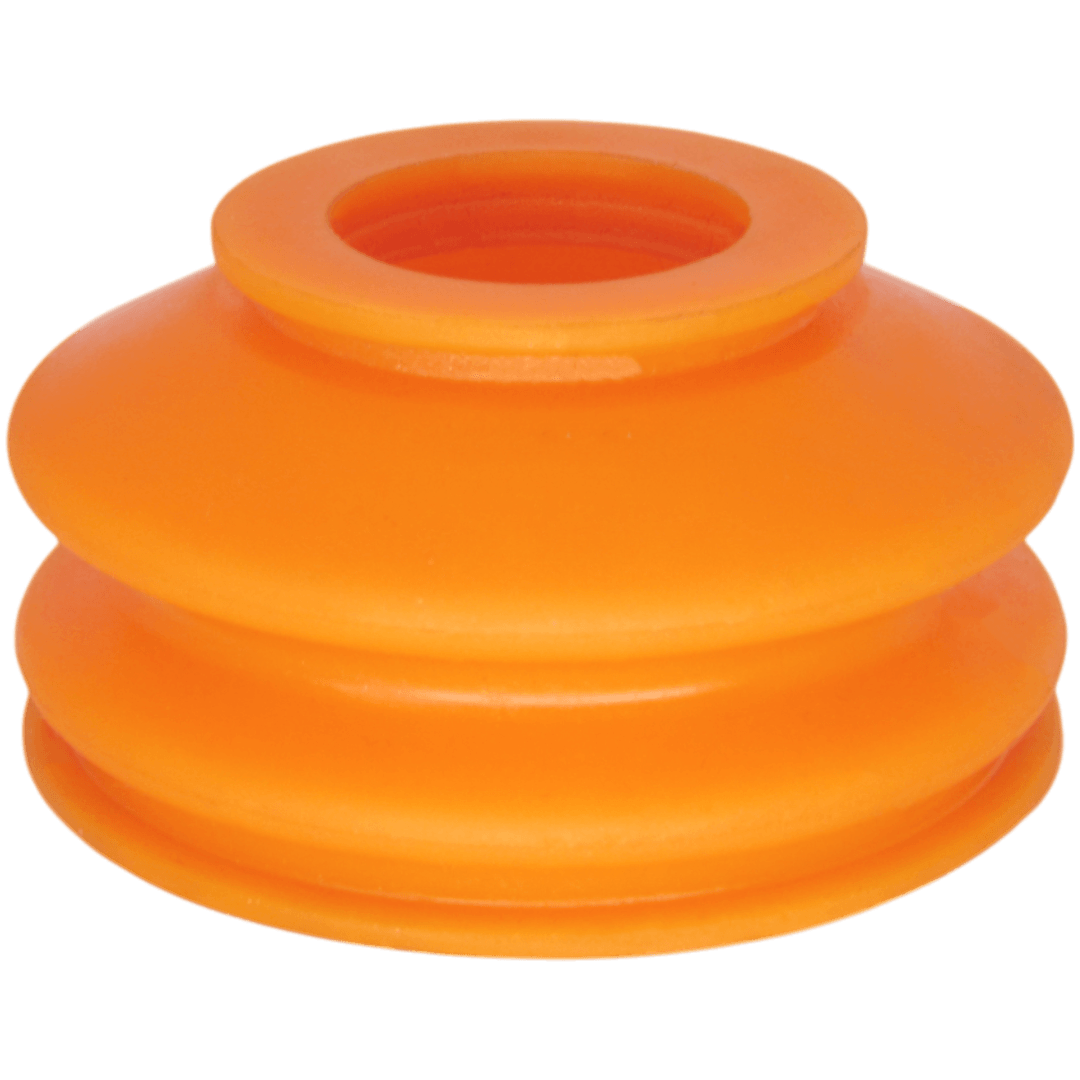
A snap ring ball joint boot is held on the housing by a spring steel ring seated in a groove around its lower lip, not pressed into a bore. It goes on and off without a press, so the joint never leaves the control arm. PolyPro makes polyurethane boots of this type in every common size — see the polyurethane auto parts catalog.
A ball joint or tie rod end seals with a boot over the tapered stud, keeping grease in and grit out. A press-fit boot has a thick reinforced lip driven into a machined bore with a tool. A snap ring boot has a groove turned around its lip, and a spring wire ring drops into it and clamps the material against the housing shoulder. The load comes from the ring, not from interference in the bore. The payoff is serviceability: pry the ring off, cut the old boot away, repack with grease, fit the new boot and seat the ring — joint still in the arm. A CV joint boot works the same way, using two clamps.
Ball joints rarely die from load — they die from dirt. Once the boot splits, water washes the grease out and salted grit reaches the stud, and play, knocking and steering shimmy follow within weeks. On a snap ring design, also check the ring: it rusts, springs open and jumps the groove. The boot then spins on the housing and takes on water with no visible tear.
Rubber has a built-in weakness here: compression set. The lip is permanently squeezed by the ring, so within a year or two the material under it settles, clamping load falls off and the ring starts to move. The boot still looks fine while the joint is already leaking. The groove is the second failure point: a thin rubber wall tears under the ring in freezing weather. PolyPro polyurethane shows almost no compression set, so the ring keeps its clamping force for the life of the part. The groove wall resists cut-through even on a second install. It also shrugs off oil, fuel, road salt and cold, outlasting rubber three to five times over.
Almost every wrong order comes from the same mistake: right diameter, wrong retention type. Identify the retention type first, measure second.
A steel ring or a groove around the lower lip, with a plain cylindrical shoulder on the housing, means a snap ring boot. A thick reinforced lip sitting flush in a machined bore means a press-fit ball joint boot — a different, non-interchangeable part that needs an exact interference fit in the bore.
Measure three things: large (lower) diameter across the sealing lip, small (upper) diameter of the stud opening, and free height. The ring ships with the boot. Enter the figures in the boot finder by size.
Tell us the vehicle and whether you are replacing a lower ball joint boot, an upper one or a tie rod end boot. On the same car these differ in height and upper diameter and are not interchangeable. Replace it as soon as it is split or grease is thrown out around the joint.
Standard durometer matches original equipment behavior; the firmer grade suits loaded vehicles, towing and rough roads, where a denser lip holds the ring better but needs silicone assembly lube. Clean the groove before fitting so the ring seats fully.
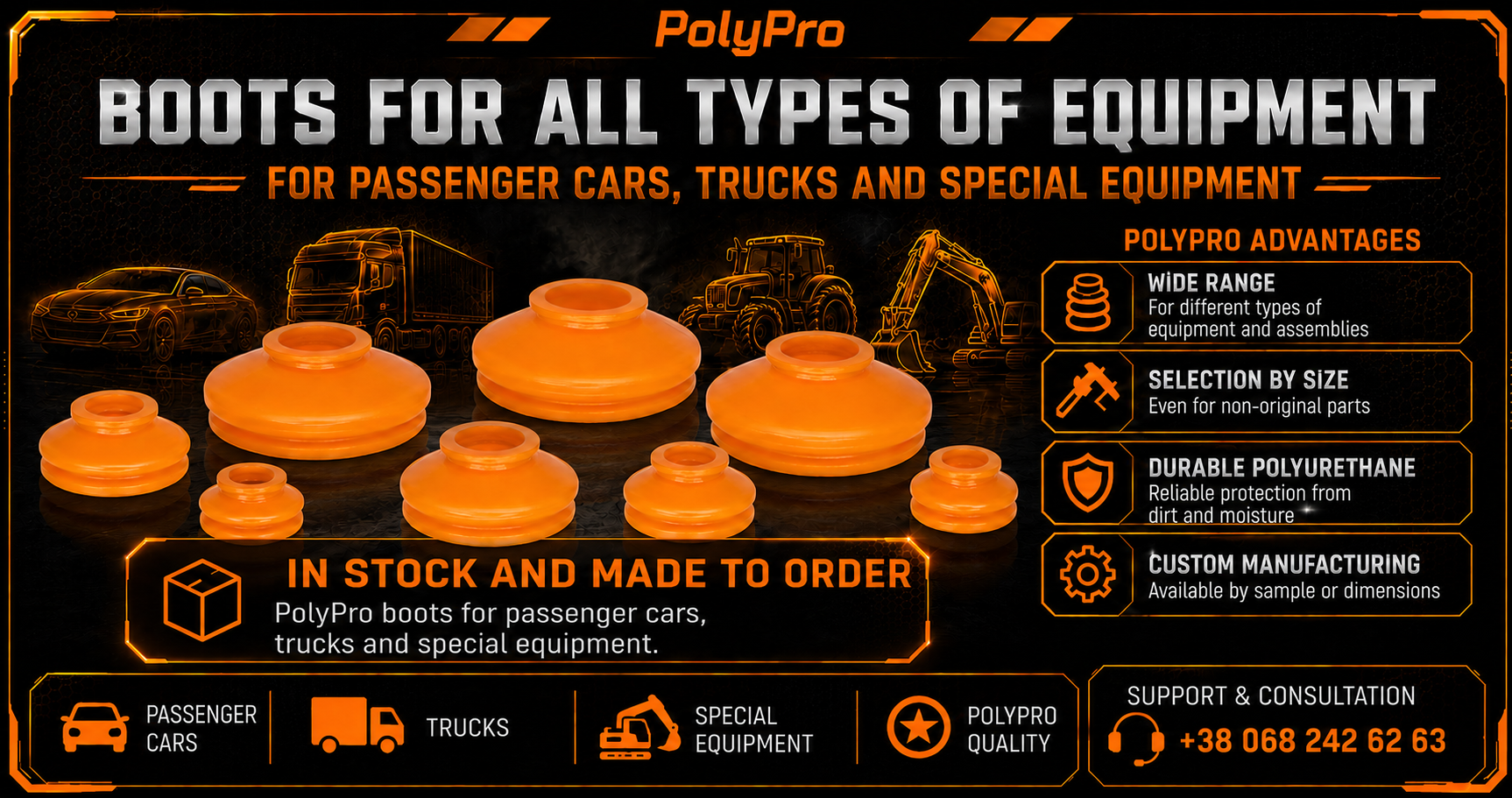
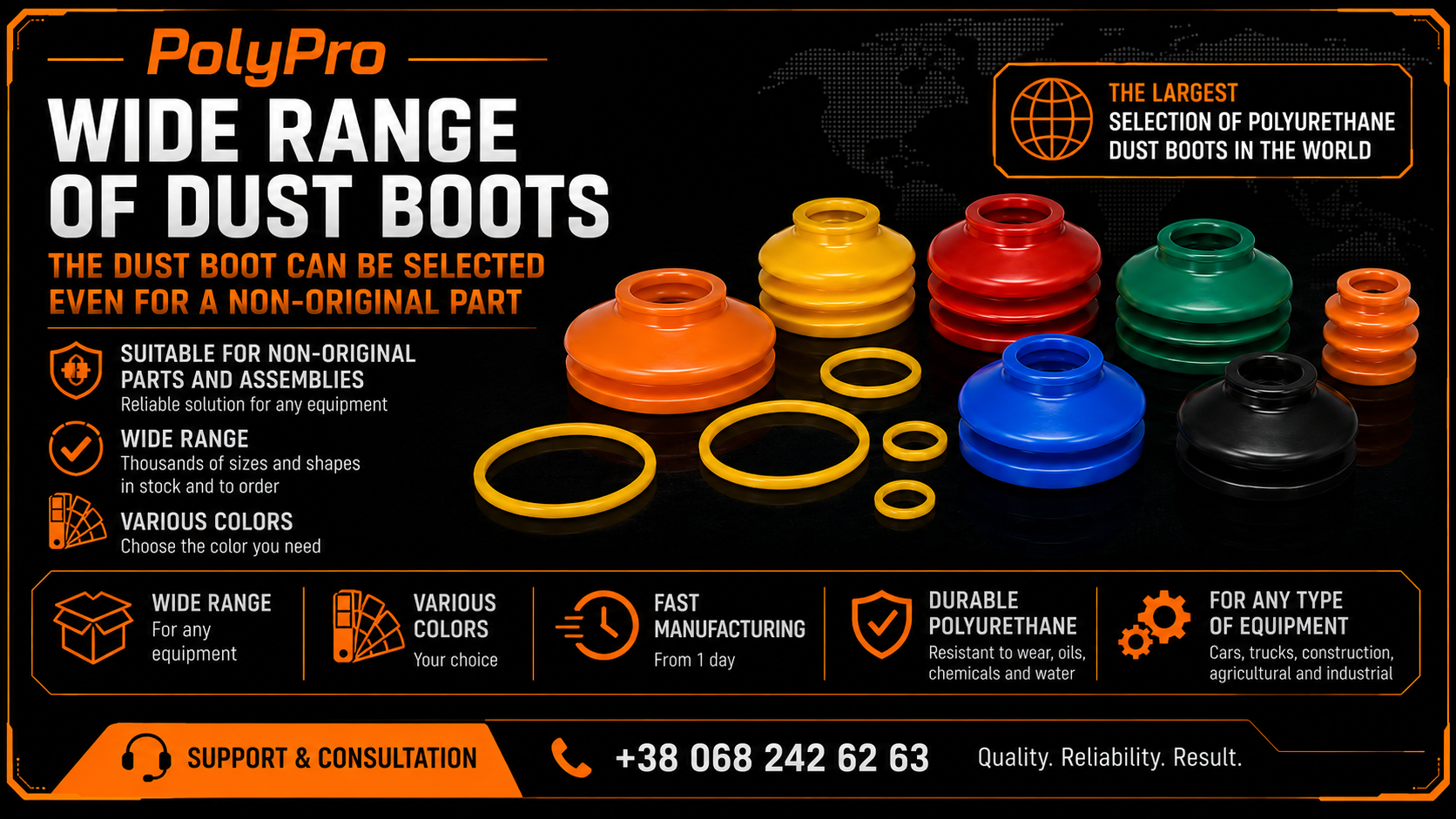
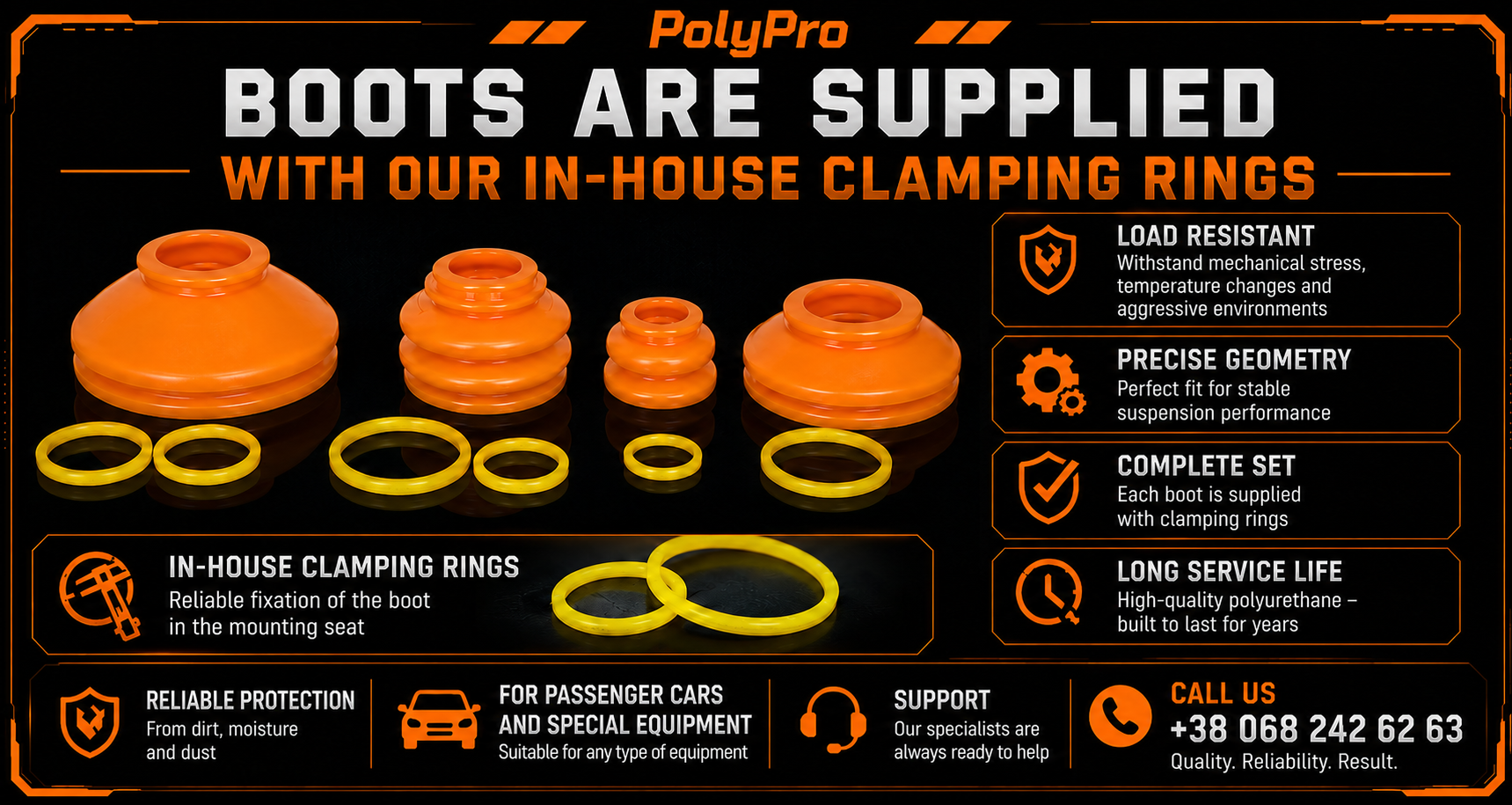
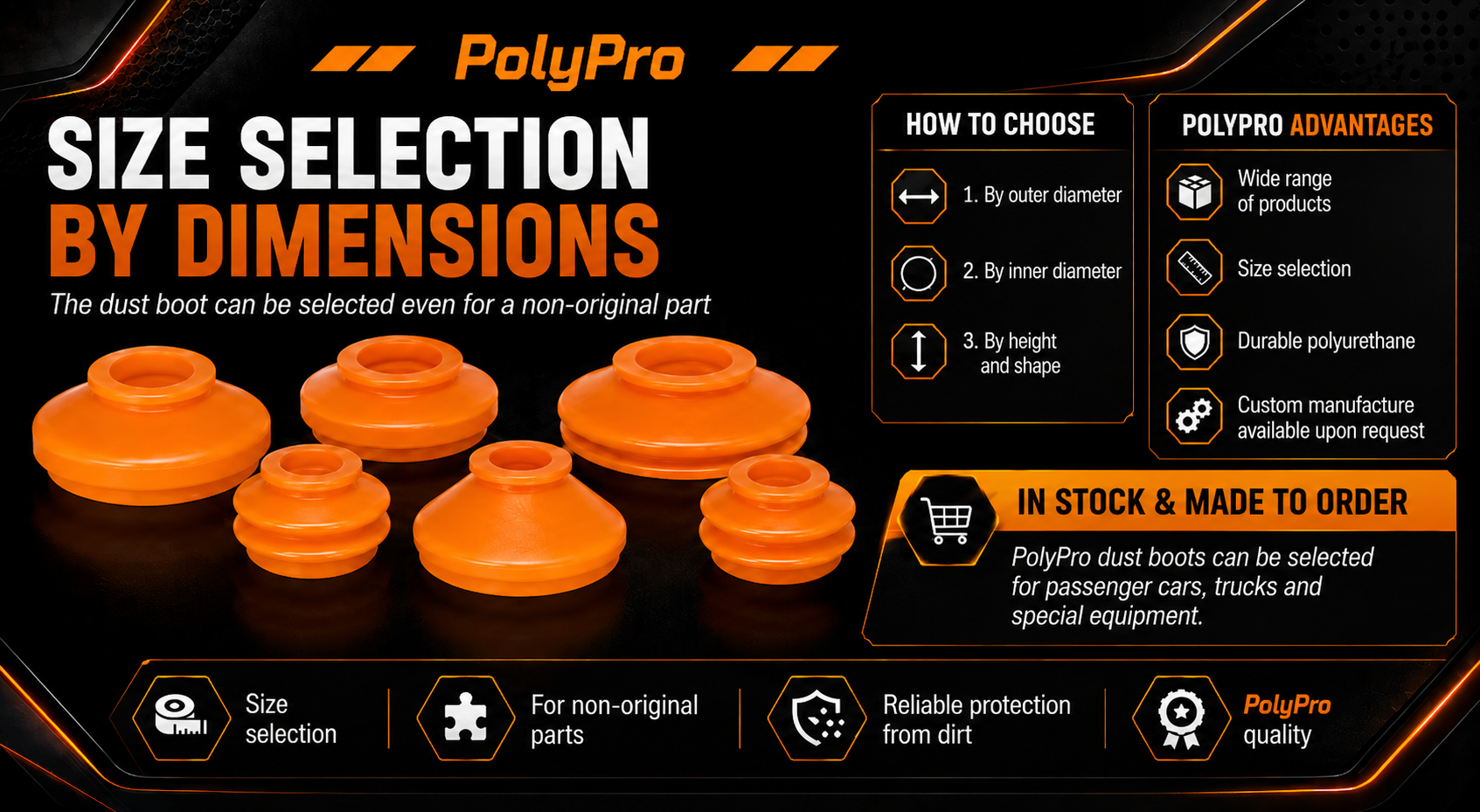
PolyPro is a manufacturer, not a reseller: boots are cast on our own equipment, so dimensions stay consistent from batch to batch. Every part ships with its snap ring included. All three dimensions are listed on the product page, so you can check against your own measurements before ordering. We sell retail from one boot and wholesale to shops and fleets under a partner program. Odd sizes are covered by custom polyurethane manufacturing from a sample, drawing or worn part, starting at one piece. Every part carries a warranty, and we ship worldwide.
The way the lower lip is retained. A snap ring boot has a groove around its lip; a spring steel ring drops in and clamps the lip against the joint housing. A press-fit boot has a reinforced lip driven into a machined bore with a tool. The two are not interchangeable — a press-fit boot has no groove for a ring.
Yes, that is the main advantage of snap ring retention. Pry the ring off with a thin screwdriver, cut the old boot away, and clean the stud and housing of old grease and grit. Pack fresh grease, slide the new boot on and seat the ring fully in the groove all the way around. No press and no joint removal required.
It will if three dimensions match: large (lower) diameter, small (upper) diameter and free height — and if the retention type is the same. Measure the old boot with calipers, or measure the housing shoulder and the stud if the old boot is destroyed, then run the numbers through the boot finder.
Not for long. A torn boot lets the grease out and lets water and grit in, and a contaminated ball joint develops play within weeks, not months. A boot costs a fraction of a joint and far less than a joint plus alignment, so replace it as soon as you spot the tear.
Three to five times longer than rubber. Polyurethane does not take a compression set under the ring, so the seal does not loosen over time, and it resists oil, fuel, road salt and freezing temperatures. With an intact ring and correct installation the boot lasts as long as the joint itself. PolyPro parts carry a manufacturer warranty.
One. A single boot, complete with its snap ring, is an ordinary retail order, and custom sizes made from a sample, drawing or worn part also start at one piece. Kit quantities exist for shops that keep common sizes on the shelf, but nothing forces a private buyer into a batch.
Trade buyers — service centers, parts stores, fleets and resellers — order through the partner program. It gives access to current prices, stock and shipping dates, bonuses based on turnover or on the volume of a single order, and the option to ship under the partner's own brand.