
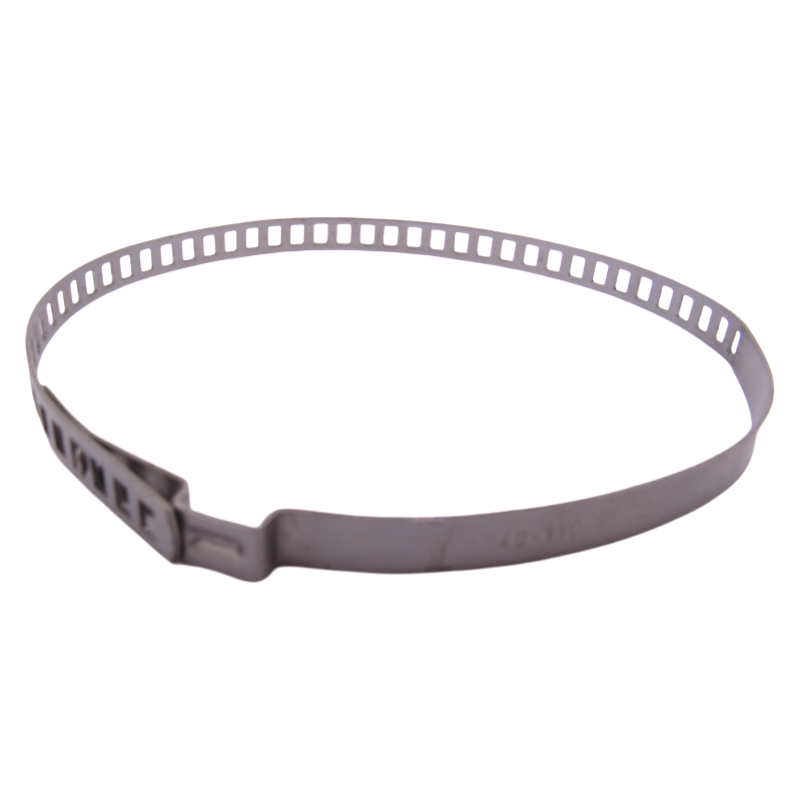
SKU: PP303964
CV boot clamp
In stock15 pcs.$2.78Log in as dealer

CV boot clamp
In stock15 pcs.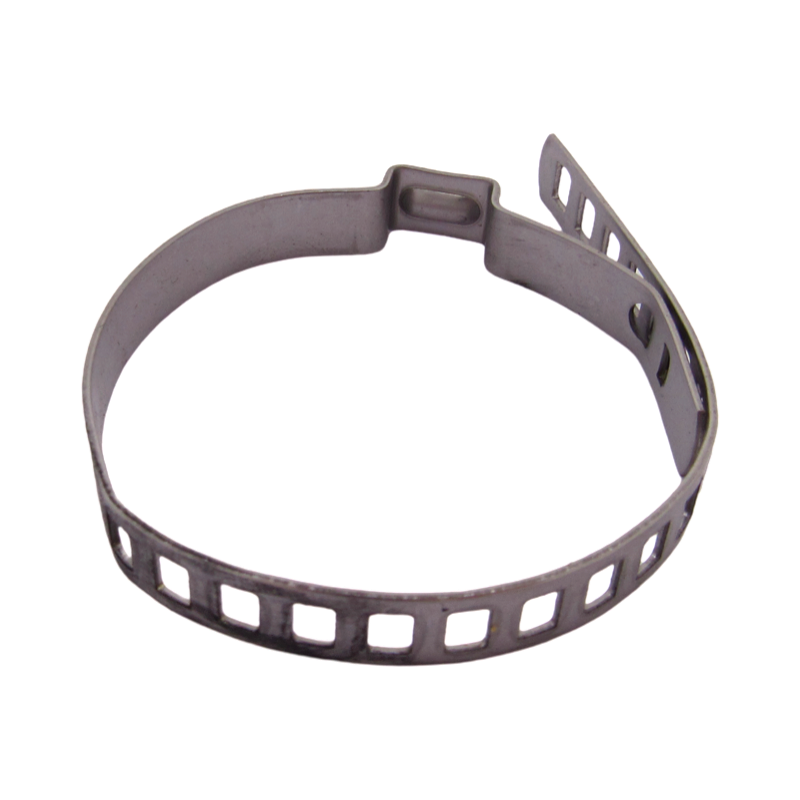
CV boot clamp
In stock15 pcs.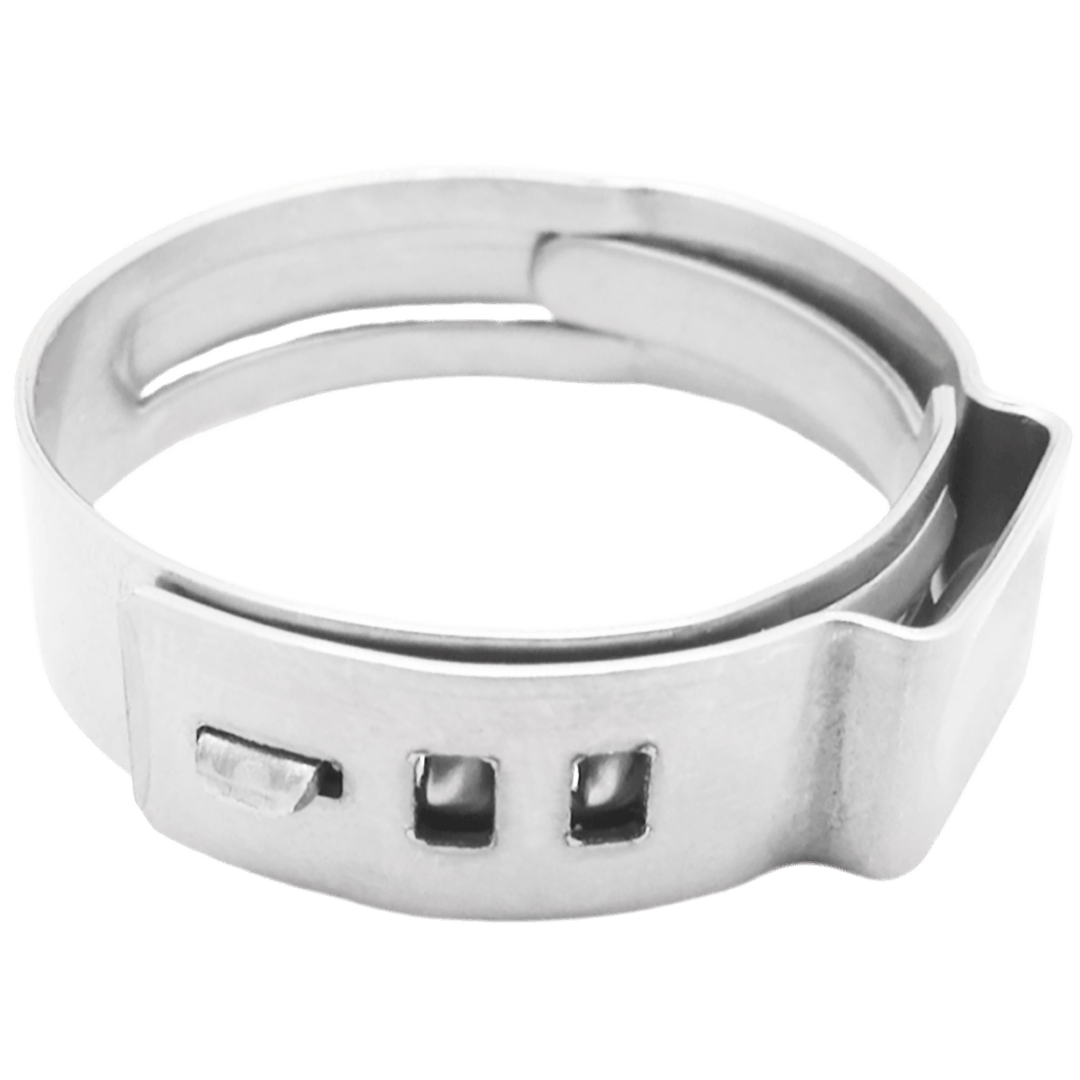
CV boot clamp
In stock15 pcs.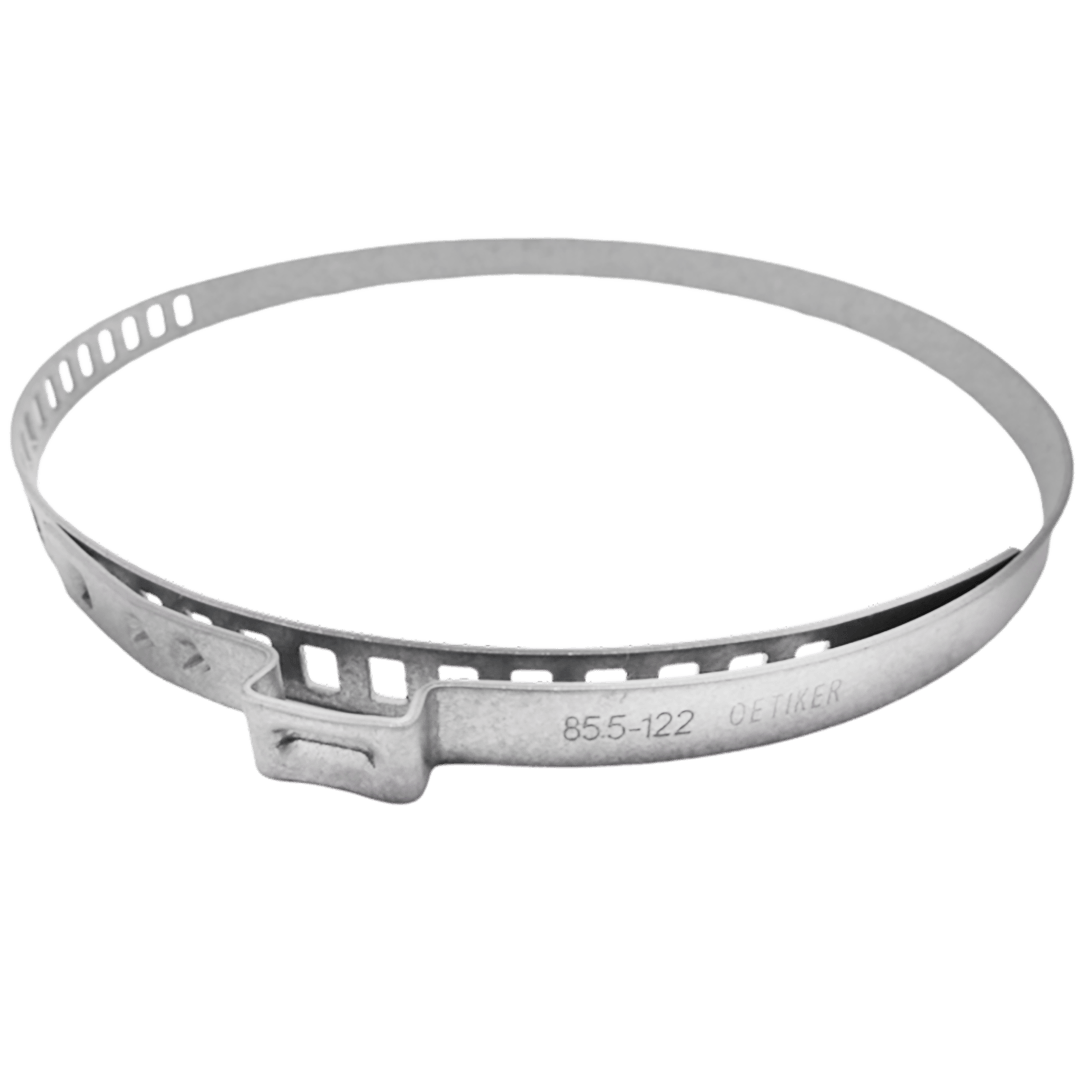
CV boot clamp
In stock15 pcs.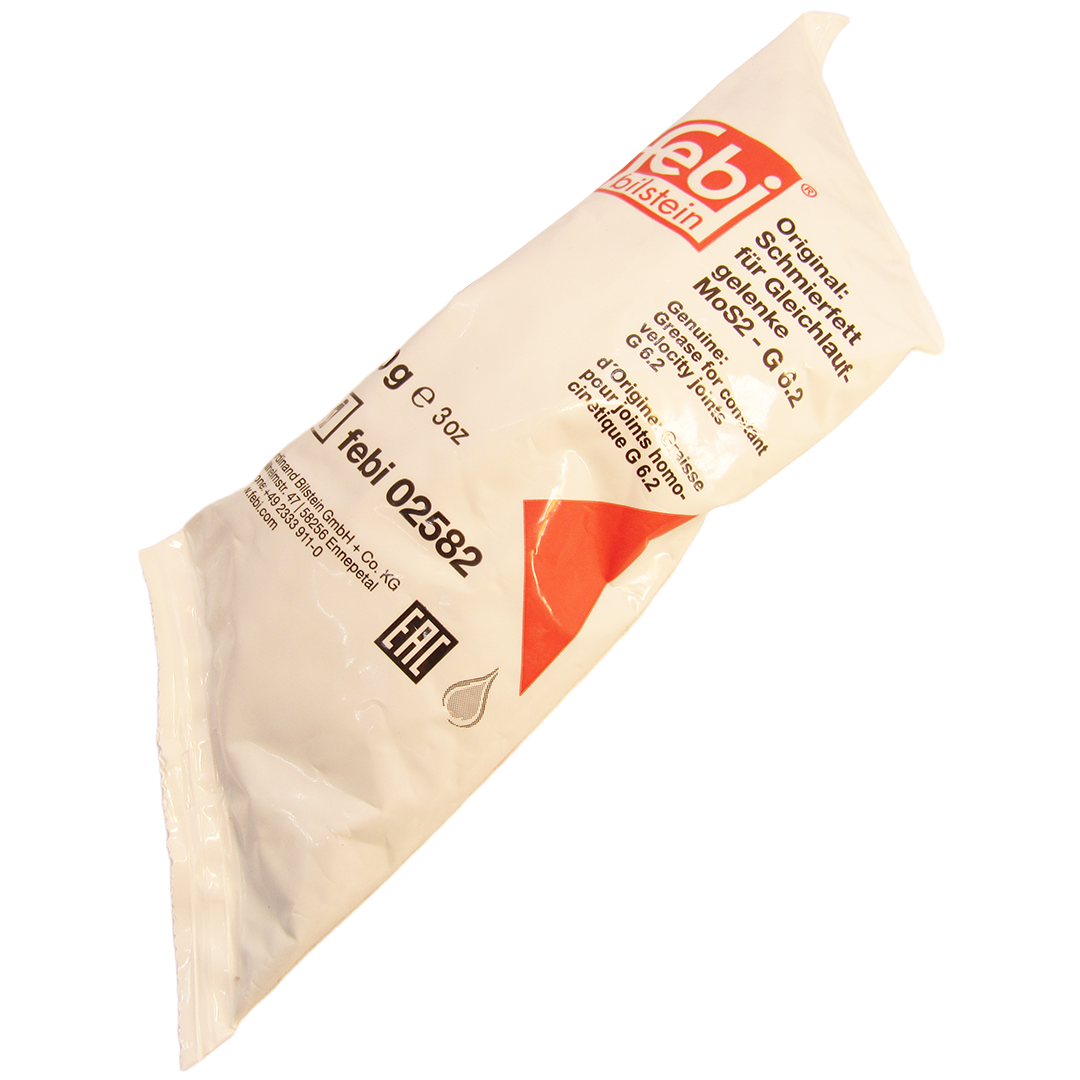
CV joint grease
In stock15 pcs.
Polyurethane dust boot of CV joints Acura Rl 2005-2013 outer
In stock15 pcs.Polyurethane dust boot of CV joints Acura Tsx 2009-2014 outer
In stock15 pcs.
Polyurethane dust boot of CV joints Alfa Romeo Mito 2008-2018 outer
In stock15 pcs.
Polyurethane dust boot of CV joints Audi 100 1982-1991 outer
In stock15 pcs.Polyurethane dust boot of CV joints Audi 100 1990-1994 outer
In stock15 pcs.Polyurethane dust boot of CV joints Audi 200 1983-1991 outer
In stock15 pcs.
Polyurethane dust boot of CV joints Audi 50 1974-1978 outer
In stock15 pcs.Polyurethane dust boot of CV joints Audi 80 1978-1986 outer
In stock15 pcs.Polyurethane dust boot of CV joints Audi 80 1978-1986 outer
In stock15 pcs.Polyurethane dust boot of CV joints Audi 80 1986-1991 outer
In stock15 pcs.Polyurethane dust boot of CV joints Audi 80 1986-1991 outer
In stock15 pcs.Polyurethane dust boot of CV joints Audi 80 1991-1995 outer
In stock15 pcs.Polyurethane dust boot of CV joints Audi 90 1984-1987 outer
In stock15 pcs.Polyurethane dust boot of CV joints Audi 90 1984-1987 outer
In stock15 pcs.Polyurethane dust boot of CV joints Audi 90 1987-1991 outer
In stock15 pcs.
Polyurethane dust boot of CV joints Audi A2 1999-2005 outer
In stock15 pcs.Polyurethane dust boot of CV joints Audi A3 1996-2006 outer
In stock15 pcs.
Polyurethane dust boot of CV joints Audi A3 1996-2006 outer
In stock15 pcs.Polyurethane dust boot of CV joints Audi A3 2003-2012 outer
In stock15 pcs.Polyurethane dust boot of CV joints Audi A3 2003-2012 outer
In stock15 pcs.
Polyurethane dust boot of CV joints Audi A3 2003-2012 outer
In stock15 pcs.Polyurethane dust boot of CV joints Audi A3 2012-2020 outer
In stock15 pcs.Polyurethane dust boot of CV joints Audi A3 2012-2020 outer
In stock15 pcs.Polyurethane dust boot of CV joints Audi A4 1994-2001 outer
In stock15 pcs.Polyurethane dust boot of CV joints Audi A4 1994-2001 outer
In stock15 pcs.Polyurethane dust boot of CV joints Audi A4 2000-2004 outer
In stock15 pcs.Polyurethane dust boot of CV joints Audi A4 2000-2004 outer
In stock15 pcs.Polyurethane dust boot of CV joints Audi A4 2004-2008 outer
In stock15 pcs.Polyurethane dust boot of CV joints Audi A4 2004-2008 outer
In stock15 pcs.Polyurethane dust boot of CV joints Audi A4 2007-2015 outer
In stock15 pcs.Polyurethane dust boot of CV joints Audi A4 2007-2015 outer
In stock15 pcs.
Polyurethane dust boot of CV joints Audi A4 2007-2015 outer
In stock15 pcs.
Polyurethane dust boot of CV joints Audi A4 2007-2015 outer 2,0L
In stock15 pcs.Polyurethane dust boot of CV joints Audi A4 2015- outer
In stock15 pcs.Polyurethane dust boot of CV joints Audi A5 2007-2016 outer
In stock15 pcs.Polyurethane dust boot of CV joints Audi A5 2007-2016 outer
In stock15 pcs.Polyurethane dust boot of CV joints Audi A5 2007-2016 outer 2,0L
In stock15 pcs.Polyurethane dust boot of CV joints Audi A5 2007-2016 outer 2,0L
In stock15 pcs.Polyurethane dust boot of CV joints Audi A6 1994-1997 outer
In stock15 pcs.Polyurethane dust boot of CV joints Audi A6 1994-1997 outer
In stock15 pcs.Polyurethane dust boot of CV joints Audi A6 1997-2004 outer
In stock15 pcs.Polyurethane dust boot of CV joints Audi A6 2004-2011 outer
In stock15 pcs.Polyurethane dust boot of CV joints Audi A6 2004-2011 outer
In stock15 pcs.Polyurethane dust boot of CV joints Audi A7 2010-2018 outer
In stock15 pcs.Polyurethane dust boot of CV joints Audi A8 1994-2002 outer
In stock15 pcs.Polyurethane dust boot of CV joints Audi A8 2002-2009 outer
In stock15 pcs.Polyurethane dust boot of CV joints Audi A8 2002-2009 outer
In stock15 pcs.Polyurethane dust boot of CV joints Audi Allroad 2000-2005 outer
In stock15 pcs.Polyurethane dust boot of CV joints Audi Cabriolet 1991-2000 outer
In stock15 pcs.Polyurethane dust boot of CV joints Audi Cabriolet 1991-2000 outer
In stock15 pcs.Polyurethane dust boot of CV joints Audi Coupe 1980-1988 outer
In stock15 pcs.Polyurethane dust boot of CV joints Audi Coupe 1980-1988 outer
In stock15 pcs.Polyurethane dust boot of CV joints Audi Q2 2016- outer
In stock15 pcs.Polyurethane dust boot of CV joints Audi Q3 2011-2014 outer
In stock15 pcs.Polyurethane dust boot of CV joints Audi Q3 2014-2018 outer
In stock15 pcs.Polyurethane dust boot of CV joints Audi Q5 2008-2018 outer
In stock15 pcs.Polyurethane dust boot of CV joints Audi Q7 2005-2015 outer
In stock15 pcs.Polyurethane dust boot of CV joints Audi Q7 2005-2015 outer
In stock15 pcs.Polyurethane dust boot of CV joints Audi TT 1998-2006 outer
In stock15 pcs.Polyurethane dust boot of CV joints Audi TT 1998-2006 outer
In stock15 pcs.Polyurethane dust boot of CV joints Audi TT 2006-2014 outer
In stock15 pcs.Polyurethane dust boot of CV joints Audi TT 2006-2014 outer
In stock15 pcs.Polyurethane dust boot of CV joints Audi TT 2014-2023 outer
In stock15 pcs.
Polyurethane dust boot of CV joints Bmw E60 2003-2010 outer
In stock15 pcs.
Polyurethane dust boot of CV joints Bmw E60 2003-2010 outer 2,0L
In stock15 pcs.Polyurethane dust boot of CV joints Bmw E61 2003-2010 outer
In stock15 pcs.Polyurethane dust boot of CV joints Bmw E61 2003-2010 outer 2,0L
In stock15 pcs.Polyurethane dust boot of CV joints Bmw E84 2008-2015 outer
In stock15 pcs.Polyurethane dust boot of CV joints Bmw E84 2008-2015 outer 2,0L
In stock15 pcs.Polyurethane dust boot of CV joints Bmw E90 2002-2012 outer
In stock15 pcs.Polyurethane dust boot of CV joints Bmw E90 2002-2012 outer 2,0L
In stock15 pcs.Polyurethane dust boot of CV joints Bmw E91 2002-2012 outer
In stock15 pcs.Polyurethane dust boot of CV joints Bmw E91 2002-2012 outer 2,0L
In stock15 pcs.Polyurethane dust boot of CV joints Bmw E92 2002-2012 outer
In stock15 pcs.Polyurethane dust boot of CV joints Bmw E92 2002-2012 outer 2,0L
In stock15 pcs.Polyurethane dust boot of CV joints Bmw F01 2009-2015 outer
In stock15 pcs.Polyurethane dust boot of CV joints Bmw F01 2009-2015 outer 2,0L
In stock15 pcs.Polyurethane dust boot of CV joints Bmw F02 2009-2015 outer
In stock15 pcs.Polyurethane dust boot of CV joints Bmw F02 2009-2015 outer 2,0L
In stock15 pcs.Polyurethane dust boot of CV joints Bmw F03 2009-2015 outer
In stock15 pcs.Polyurethane dust boot of CV joints Bmw F04 2009-2015 outer
In stock15 pcs.Polyurethane dust boot of CV joints Bmw F06 2010- outer
In stock15 pcs.Polyurethane dust boot of CV joints Bmw F06 2010- outer 2,0L
In stock15 pcs.Polyurethane dust boot of CV joints Bmw F07 2009-2017 outer
In stock15 pcs.Polyurethane dust boot of CV joints Bmw F07 2009-2017 outer 2,0L
In stock15 pcs.Polyurethane dust boot of CV joints Bmw F10 2010-2017 outer
In stock15 pcs.Polyurethane dust boot of CV joints Bmw F10 2010-2017 outer 2,0L
In stock15 pcs.Polyurethane dust boot of CV joints Bmw F11 2010-2017 outer
In stock15 pcs.Polyurethane dust boot of CV joints Bmw F11 2010-2017 outer 2,0L
In stock15 pcs.Polyurethane dust boot of CV joints Bmw F12 2010- outer
In stock15 pcs.Polyurethane dust boot of CV joints Bmw F12 2010- outer 2,0L
In stock15 pcs.Polyurethane dust boot of CV joints Bmw F13 2010- outer
In stock15 pcs.Polyurethane dust boot of CV joints Bmw F13 2010- outer 2,0L
In stock15 pcs.Polyurethane dust boot of CV joints Bmw F20 2011- outer
In stock15 pcs.Polyurethane dust boot of CV joints Bmw F20 2011- outer 2,0L
In stock15 pcs.Polyurethane dust boot of CV joints Bmw F21 2011- outer
In stock15 pcs.Polyurethane dust boot of CV joints Bmw F21 2011- outer 2,0L
In stock15 pcs.Polyurethane dust boot of CV joints Bmw F22 2013- outer
In stock15 pcs.Polyurethane dust boot of CV joints Bmw F22 2013- outer 2,0L
In stock15 pcs.Polyurethane dust boot of CV joints Bmw F23 2014- outer
In stock15 pcs.Polyurethane dust boot of CV joints Bmw F23 2014- outer 2,0L
In stock15 pcs.Polyurethane dust boot of CV joints Bmw F25 2010-2017 outer
In stock15 pcs.Polyurethane dust boot of CV joints Bmw F25 2010-2017 outer 2,0L
In stock15 pcs.Polyurethane dust boot of CV joints Bmw F26 2014-2018 outer
In stock15 pcs.Polyurethane dust boot of CV joints Bmw F30 2012- outer
In stock15 pcs.Polyurethane dust boot of CV joints Bmw F30 2012- outer 2,0L
In stock15 pcs.Polyurethane dust boot of CV joints Bmw F31 2012- outer
In stock15 pcs.Polyurethane dust boot of CV joints Bmw F31 2012- outer 2,0L
In stock15 pcs.Polyurethane dust boot of CV joints Bmw F32 2013- outer
In stock15 pcs.Polyurethane dust boot of CV joints Bmw F32 2013- outer 2,0L
In stock15 pcs.Polyurethane dust boot of CV joints Bmw F33 2013- outer
In stock15 pcs.Polyurethane dust boot of CV joints Bmw F33 2013- outer 2,0L
In stock15 pcs.Polyurethane dust boot of CV joints Bmw F34 2013- outer
In stock15 pcs.Polyurethane dust boot of CV joints Bmw F34 2013- outer 2,0L
In stock15 pcs.Polyurethane dust boot of CV joints Bmw F36 2013- outer
In stock15 pcs.Polyurethane dust boot of CV joints Bmw F36 2013- outer 2,0L
In stock15 pcs.Polyurethane dust boot of CV joints Bmw F80 2012- outer
In stock15 pcs.Polyurethane dust boot of CV joints Bmw F82 2013- outer
In stock15 pcs.Polyurethane dust boot of CV joints Bmw F83 2013- outer
In stock15 pcs.Polyurethane dust boot of CV joints Byd F3 2005-2013 outer
In stock15 pcs.Polyurethane dust boot of CV joints Cadillac Cts 2007-2014 outer
In stock15 pcs.Polyurethane dust boot of CV joints Cadillac Srx 2004-2009 outer
In stock15 pcs.
Polyurethane dust boot of CV joints Cadillac Srx 2009- outer
In stock15 pcs.Polyurethane dust boot of CV joints Cadillac Sts 2005-2007 outer
In stock15 pcs.Polyurethane dust boot of CV joints Cadillac Sts 2008-2011 outer
In stock15 pcs.Polyurethane dust boot of CV joints Cadillac Xts 2012-2019 outer
In stock15 pcs.
Polyurethane dust boot of CV joints Chevrolet Captiva 2006-2018 outer 2.0L
In stock15 pcs.Polyurethane dust boot of CV joints Chevrolet Cruze 2008-2016 outer
In stock15 pcs.Polyurethane dust boot of CV joints Chevrolet Cruze 2008-2016 outer 1,8L
In stock15 pcs.Polyurethane dust boot of CV joints Chevrolet Cruze 2008-2016 outer 2,0L
In stock15 pcs.Polyurethane dust boot of CV joints Chevrolet Cruze 2015-2019 outer
In stock15 pcs.Polyurethane dust boot of CV joints Chevrolet Equinox 2005-2009 outer
In stock15 pcs.Polyurethane dust boot of CV joints Chevrolet Equinox 2009-2017 outer
In stock15 pcs.Polyurethane dust boot of CV joints Chevrolet Impala 2014-2020 outer
In stock15 pcs.Polyurethane dust boot of CV joints Chevrolet Malibu 2012-2015 outer
In stock15 pcs.Polyurethane dust boot of CV joints Chevrolet Malibu 2012-2015 outer 1,8L
In stock15 pcs.Polyurethane dust boot of CV joints Chevrolet Malibu 2015- outer
In stock15 pcs.Polyurethane dust boot of CV joints Chevrolet Orlando 2011- outer
In stock15 pcs.Polyurethane dust boot of CV joints Chevrolet Orlando 2011- outer 1,8L
In stock15 pcs.Polyurethane dust boot of CV joints Chevrolet Orlando 2011- outer 2,0L
In stock15 pcs.Polyurethane dust boot of CV joints Citroen Berlingo 2008-2018 outer
In stock15 pcs.
Polyurethane dust boot of CV joints Citroen C-Crosser 2007-2013 outer
In stock15 pcs.Polyurethane dust boot of CV joints Citroen C-Elysee 2012- outer
In stock15 pcs.Polyurethane dust boot of CV joints Citroen C2 2003-2005 outer
In stock15 pcs.Polyurethane dust boot of CV joints Citroen C3 2002-2009 outer
In stock15 pcs.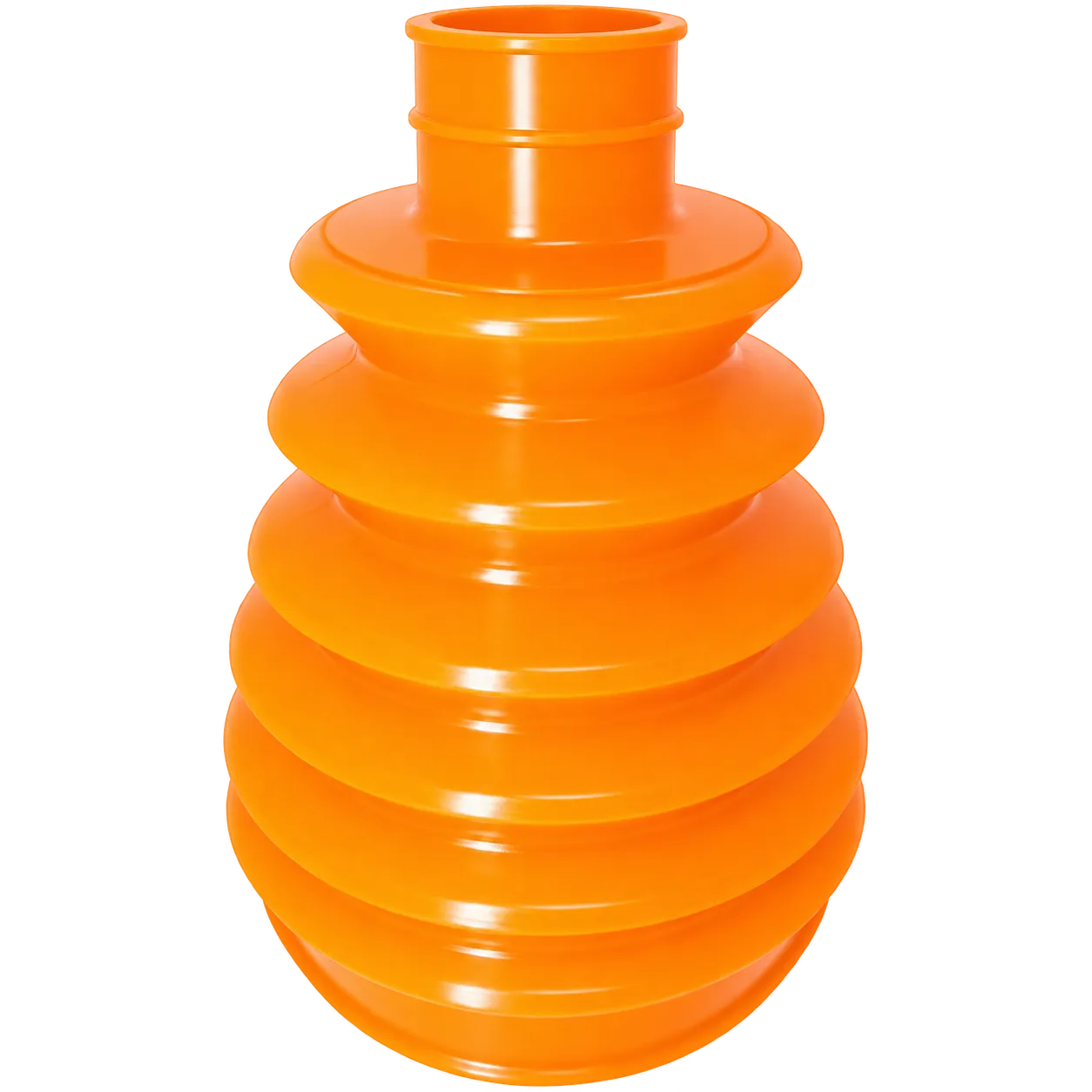
An outer CV boot is the pleated cover that seals the constant-velocity joint on the wheel side: it holds the grease inside the housing and keeps water, sand and road salt out. It sits at the end of the driveshaft that handles full steering lock, so it flexes harder than the inner one and is usually the first boot on the car to split. PolyPro moulds these boots from polyurethane on its own equipment, and the rest of the suspension and protection range sits in the catalogue.
The outer CV joint carries drive from the halfshaft to the hub while absorbing steering angle and suspension travel at the same time. The boot over it is a bellows of several convolutions: the narrow neck is clamped on the shaft, the wide neck seats on the joint housing. Every time the driver turns the wheel, one side of the bellows compresses and the opposite side stretches, tens of thousands of times a season.
Inside the housing sits grease formulated for the high contact pressure between ball and track. While the cover is intact, that grease stays in the friction zone and dirt stays outside. As soon as a cut or a crack appears, centrifugal force throws the grease onto the wheel arch and the rim, and dust and moisture take its place: the joint starts running almost dry and picks up play fast. An outer boot is therefore replaced on condition, not on mileage.
An outer CV joint boot rarely fails quietly: grease shows up on the inner face of the rim and on nearby suspension parts first, and only later does it click. Inspect it with the wheel raised, turning the steering to both locks, because splits often hide inside the folds.
If the grease is still in place and the cover has only cracked, a new boot with a full clean-out and fresh grease usually saves the joint. If sand has already worked its way inside, inspection often ends with replacing the joint.
A rubber cover is softer and cheaper to produce, but on the outer joint it lives in the worst conditions on the car: ozone, salt, temperature swings and constant flexing gradually make rubber brittle, and in frost a fold cracks. For calm city driving that is enough, yet on broken roads and through winter chemistry the service life drops noticeably.
Polyurethane resists abrasion from sand and the rubbing of fold edges far longer, shrugs off de-icing agents and does not harden with age. The trade-off is stiffness: the material needs accurate bellows geometry, otherwise it works in bending failure instead of flexing. That is why PolyPro moulds its boots in in-house tooling with dimensional control on the necks, the seat diameters and the convolution pitch. Shore hardness for every item is listed on its product card.
A boot is selected not by car model but by three measurements: the neck diameter on the shaft, the seat diameter on the joint housing and the bellows height. A removed part is easiest to measure with a caliper.
Measure the small side on the shaft where the clamp used to sit, and the large side across the shoulder of the CV housing that the wide neck slides over. If the old part is torn, flatten it out and measure an unstretched section rather than the edge, which has already ballooned in service. One or two millimetres of error on the small diameter matters: a neck that is too tight tears during fitting, one that is too loose weeps grease even under a clamp. Take two readings at right angles, as a worn shaft or shoulder is often slightly oval. Cross-check sizes on the product card or through boot selection.
The neck-to-neck height in the relaxed state determines what angles the cover will tolerate. A boot that is too short will sit permanently stretched on an outer joint and split along the top fold, while one that is too tall collapses into a concertina, chafes against itself and can touch a control arm or brake hose at full lock. Count the convolutions and their pitch as well: a deep, closely spaced bellows copes better with large steering angles, a shallow one abrades faster against sand packed between the folds. Compare the figure against the old cover laid flat and measured unstretched from edge to edge.
Shore hardness decides how springy the cover behaves in service. Softer material folds more easily at large angles and puts less load on the clamp, harder material resists gravel cuts better and holds the neck shape longer. For a daily city car choose towards the softer end of the range; for an off-roader, a commercial driveshaft or a vehicle that spends time on gravel tracks, move towards the harder end. There is no universal figure here: the roads a car uses every day matter more than the badge on it. The exact Shore value is stated on each product card, so items can be compared directly in the catalogue.
Check whether you also need clamps and grease: on an outer joint old clamps are never reused, and grease from a torn cover is already contaminated and has to go. Conventional fitting means pulling the driveshaft and stripping the joint; where that is not an option, look at cone-type solutions instead, for example a universal CV boot. Inspect the shoulder of the housing and the clamp land on the shaft as well: burrs and rust will cut into a new neck during the first drive, so dress them first. Once seated, straighten the bellows, release trapped air and only then tighten the clamps.
PolyPro is a manufacturer, not a reseller: the tooling, the casting line and the dimensional control are ours, so the price carries no middleman margin and availability does not depend on somebody else's warehouse. Every batch is checked for geometry before packing. Retail is sold by the piece: if one wheel needs one boot, that is what you buy, with a product warranty and delivery across Ukraine or abroad.
Odd sizes, rare commercial driveshafts and parts that are out of production are made to a drawing, a sample or a worn original, from a single unit upwards. Workshops, parts shops, fleets and resellers are supplied wholesale: the partner programme adds bonuses for turnover or single-order volume plus access to prices and stock levels.
Yes, provided the joint has not taken in dirt yet. The driveshaft is stripped, the housing and balls are washed free of old grease, and the tracks and cage are checked for scoring and pitting. If the surfaces are clean and there is no play, a new boot and fresh grease finish the job. If the tracks are already marked, a new cover only postpones the joint repair.
A complete shaft normally carries two: the outer one at the wheel and the inner one at the gearbox. Buying both at once is not obligatory, since the outer works in harsher conditions and splits more often. But if the shaft is already out of the car, it is cheaper to inspect both and replace whichever shows cracks during the same strip-down.
For a conventional one-piece boot, yes: the cover passes over the joint housing, and the housing is pulled off the shaft. That is routine work with the wheel raised and the hub assembly opened up. Cone-type or split designs can be fitted without removing the shaft, but they demand cleaner seating surfaces and careful clamping.
Only grease specified for constant-velocity joints; general-purpose lithium or graphite grease does not match the temperature range and contact loads of a ball joint. Grease taken out of a torn cover is never reused because it already carries sand. Wash the housing out, pack a fresh charge into the joint and put part of it inside the bellows.
Three causes account for most cases: the wrong neck size, a bellows twisted during fitting, and air trapped inside that inflates the cover once it warms up. A fourth is a damaged shoulder on the joint housing with burrs that cut the material from the inside. Dress the seating surfaces first, straighten the folds, then tighten the clamps.
In geometry and in duty. The outer one sits by the wheel, works through full steering angles and takes all the gravel thrown up by the tread, so it has a taller bellows with deep folds. The inner one mostly handles axial movement as the suspension travels, and its profile is lower and often more cylindrical. The two are not interchangeable.
Yes, retail is by the piece here: one part, one order, with no minimum batch and no forced axle sets. That suits the common case where exactly one cover has split. If the size you need is not in the catalogue, the part is made to a drawing, a sample or a worn original, again from one unit upwards.
Workshops, parts shops, fleets and resellers buy wholesale directly from the manufacturer. The partner programme opens access to prices and stock levels, bonuses for turnover or for the volume of a single order, and shipment under the partner's own brand. Terms are agreed individually against your purchasing profile.