

SKU: PP103959
Polyurethane bushing front gear rear Land Rover Range Rover Sport 2005-2013
In stock15 pcs.$59.14Log in as dealer

Polyurethane bushing front gear rear Land Rover Range Rover Sport 2005-2013
In stock15 pcs.
Polyurethane bushing of a forward reducer Toyota Hiace 2004-
In stock15 pcs.
Polyurethane bushing rear gear BMW 3 E30 1982-1994
In stock15 pcs.
Polyurethane bushing rear gear BMW 5 E39
In stock15 pcs.
Polyurethane bushing rear gear BMW 5 E39 HARDNESS
In stock15 pcs.
Polyurethane bushing rear gear Bmw E38 1994-2001
In stock15 pcs.Polyurethane bushing rear gear Bmw Е65 2001-2009
In stock15 pcs.Polyurethane bushing rear gear Bmw Е66 2001-2009
In stock15 pcs.Polyurethane bushing rear gear Bmw Е67 2001-2009
In stock15 pcs.
Polyurethane bushing rear gear Chrysler 300 2004-2010
In stock15 pcs.
Polyurethane bushing rear gear Chrysler 300 2004-2010
In stock15 pcs.
Polyurethane bushing rear gear Ford Scorpio 1994-1998
In stock15 pcs.
Polyurethane bushing rear gear Nissan Armada 2003-2015
In stock15 pcs.Polyurethane bushing rear gear Nissan Pathfinder 2005-2014
In stock15 pcs.Polyurethane bushing rear gear Nissan Titan 2004-2015
In stock15 pcs.
Polyurethane bushing rear gear front Audi A4 2007-2015
In stock15 pcs.Polyurethane bushing rear gear front Audi A5 2007-2016
In stock15 pcs.Polyurethane bushing rear gear front Audi A8 2010-2017
In stock15 pcs.Polyurethane bushing rear gear front Audi Q5 2008-2018
In stock15 pcs.
Polyurethane bushing rear gear front Mazda 6 2002-2008
In stock15 pcs.Polyurethane bushing rear gear front Porsche Macan 2014-2018
In stock15 pcs.
Polyurethane bushing rear gear front left Toyota Rav4 2000-2005
In stock15 pcs.
Polyurethane bushing rear gear front right Toyota Rav4 2000-2005
In stock15 pcs.
Polyurethane bushing rear gear rear Audi A4 2007-2015
In stock15 pcs.Polyurethane bushing rear gear rear Audi A5 2007-2016
In stock15 pcs.Polyurethane bushing rear gear rear Audi A6 2011-2018
In stock15 pcs.Polyurethane bushing rear gear rear Audi A7 2010-2018
In stock15 pcs.Polyurethane bushing rear gear rear Audi A8 2010-2017
In stock15 pcs.Polyurethane bushing rear gear rear Audi Q5 2008-2018
In stock15 pcs.
Polyurethane bushing rear gear rear BMW E28 1981-1987 HARDNESS
In stock15 pcs.Polyurethane bushing rear gear rear BMW E32 1987-1995 HARDNESS
In stock15 pcs.Polyurethane bushing rear gear rear BMW E34 1987-1995 HARDNESS
In stock15 pcs.Polyurethane bushing rear gear rear BMW E39 1995-2003 HARDNESS
In stock15 pcs.
Polyurethane bushing rear gear rear Bmw F01 2009-2015 2.4L
In stock15 pcs.
Polyurethane bushing rear gear rear Bmw F01 2009-2015 2.4L HARDNESS
In stock15 pcs.Polyurethane bushing rear gear rear Bmw F02 2009-2015 2.4L
In stock15 pcs.Polyurethane bushing rear gear rear Bmw F02 2009-2015 2.4L HARDNESS
In stock15 pcs.Polyurethane bushing rear gear rear Bmw F03 2009-2015 2.4L
In stock15 pcs.Polyurethane bushing rear gear rear Bmw F03 2009-2015 2.4L HARDNESS
In stock15 pcs.Polyurethane bushing rear gear rear Bmw F04 2009-2015 2.4L
In stock15 pcs.Polyurethane bushing rear gear rear Bmw F04 2009-2015 2.4L HARDNESS
In stock15 pcs.Polyurethane bushing rear gear rear Bmw F06 2010- 2.4L
In stock15 pcs.Polyurethane bushing rear gear rear Bmw F06 2010- 2.4L HARDNESS
In stock15 pcs.Polyurethane bushing rear gear rear Bmw F07 2009-2017 2.4L
In stock15 pcs.Polyurethane bushing rear gear rear Bmw F07 2009-2017 2.4L HARDNESS
In stock15 pcs.Polyurethane bushing rear gear rear Bmw F10 2010-2017 2.4L
In stock15 pcs.Polyurethane bushing rear gear rear Bmw F10 2010-2017 2.4L HARDNESS
In stock15 pcs.Polyurethane bushing rear gear rear Bmw F11 2010-2017 2.4L
In stock15 pcs.Polyurethane bushing rear gear rear Bmw F11 2010-2017 2.4L HARDNESS
In stock15 pcs.Polyurethane bushing rear gear rear Bmw F12 2010- 2.4L
In stock15 pcs.Polyurethane bushing rear gear rear Bmw F12 2010- 2.4L HARDNESS
In stock15 pcs.Polyurethane bushing rear gear rear Bmw F13 2010- 2.4L
In stock15 pcs.Polyurethane bushing rear gear rear Bmw F13 2010- 2.4L HARDNESS
In stock15 pcs.Polyurethane bushing rear gear rear Bmw F18 2010-2017 2.4L
In stock15 pcs.Polyurethane bushing rear gear rear Bmw F18 2010-2017 2.4L HARDNESS
In stock15 pcs.
Polyurethane bushing rear gear rear Ford Edge 2014-2022
In stock15 pcs.Polyurethane bushing rear gear rear Lincoln Mkx 2016-
In stock15 pcs.Polyurethane bushing rear gear rear Lincoln Nautilus 2018-
In stock15 pcs.
Polyurethane bushing rear gear rear Mercedes-Benz 129 1989-2001
In stock30 pcs.
Polyurethane bushing rear gear rear Mercedes-Benz 129 1989-2001 HARDNESS
In stock30 pcs.Polyurethane bushing rear gear rear Mercedes-Benz 140 1991-1998
In stock30 pcs.Polyurethane bushing rear gear rear Mercedes-Benz 140 1991-1998 HARDNESS
In stock30 pcs.
Polyurethane bushing rear gear rear Mercedes-Benz 215 1999-2006
In stock15 pcs.
Polyurethane bushing rear gear rear Mercedes-Benz 219 2004-2010
In stock15 pcs.Polyurethane bushing rear gear rear Mercedes-Benz 220 1998-2005
In stock15 pcs.Polyurethane bushing rear gear rear Mercedes-Benz 230 2001-2011
In stock15 pcs.
Polyurethane bushing rear gear rear Merсedes 124 1984-1997
In stock15 pcs.
Polyurethane bushing rear gear rear Merсedes 124 1984-1997 HARDNESS
In stock15 pcs.
Polyurethane bushing rear gear rear Merсedes 140
In stock15 pcs.
Polyurethane bushing rear gear rear Merсedes 140 HARDNESS
In stock15 pcs.Polyurethane bushing rear gear rear Merсedes 170
In stock15 pcs.Polyurethane bushing rear gear rear Merсedes 170 1996-2004
In stock15 pcs.Polyurethane bushing rear gear rear Merсedes 170 1996-2004 HARDNESS
In stock15 pcs.Polyurethane bushing rear gear rear Merсedes 170 HARDNESS
In stock15 pcs.Polyurethane bushing rear gear rear Merсedes 171
In stock15 pcs.Polyurethane bushing rear gear rear Merсedes 171 HARDNESS
In stock15 pcs.Polyurethane bushing rear gear rear Merсedes 172
In stock15 pcs.Polyurethane bushing rear gear rear Merсedes 172 HARDNESS
In stock15 pcs.Polyurethane bushing rear gear rear Merсedes 202
In stock15 pcs.Polyurethane bushing rear gear rear Merсedes 202 1993-2001
In stock15 pcs.Polyurethane bushing rear gear rear Merсedes 202 1993-2001 HARDNESS
In stock15 pcs.Polyurethane bushing rear gear rear Merсedes 202 HARDNESS
In stock15 pcs.Polyurethane bushing rear gear rear Merсedes 203
In stock15 pcs.Polyurethane bushing rear gear rear Merсedes 203 2000-2007
In stock15 pcs.Polyurethane bushing rear gear rear Merсedes 203 2000-2007 HARDNESS
In stock15 pcs.Polyurethane bushing rear gear rear Merсedes 203 HARDNESS
In stock15 pcs.Polyurethane bushing rear gear rear Merсedes 208
In stock15 pcs.Polyurethane bushing rear gear rear Merсedes 208 1997-2002
In stock15 pcs.Polyurethane bushing rear gear rear Merсedes 208 1997-2002 HARDNESS
In stock15 pcs.Polyurethane bushing rear gear rear Merсedes 208 HARDNESS
In stock15 pcs.Polyurethane bushing rear gear rear Merсedes 209
In stock15 pcs.Polyurethane bushing rear gear rear Merсedes 209 2002-2009
In stock15 pcs.Polyurethane bushing rear gear rear Merсedes 209 2002-2009 HARDNESS
In stock15 pcs.Polyurethane bushing rear gear rear Merсedes 209 HARDNESS
In stock15 pcs.Polyurethane bushing rear gear rear Merсedes 210
In stock15 pcs.Polyurethane bushing rear gear rear Merсedes 210 HARDNESS
In stock15 pcs.Polyurethane bushing rear gear rear Merсedes-Benz 211 2002-2009
In stock15 pcs.
Polyurethane bushing rear gear rear Nissan Murano 2002-2007
In stock15 pcs.
Polyurethane bushing rear gear rear Opel Omega 1994-2003
In stock15 pcs.Polyurethane bushing rear gear rear Porsche Macan 2014-2018
In stock15 pcs.
Polyurethane bushing rear gear rear Ssang Yong Chairman 1997-2014
In stock15 pcs.Polyurethane bushing rear gear rear Ssang Yong Chairman 2008-2017
In stock15 pcs.Polyurethane bushing rear gear rear Ssang Yong Rodius 2001-2012
In stock15 pcs.Polyurethane bushing rear gear rear Ssang Yong Stavic 2001-2012
In stock15 pcs.
Polyurethane bushing rear gear, front BMW E38 1994-2001
In stock15 pcs.
Polyurethane bushing rear gear, front BMW E38 1994-2001 HARDNESS
In stock15 pcs.Polyurethane bushing rear gear, front BMW E39 1995-2003
In stock15 pcs.Polyurethane bushing rear gear, front BMW E39 1995-2003 HARDNESS
In stock15 pcs.Polyurethane bushing rear gear, front BMW E52 2000-2003
In stock15 pcs.Polyurethane bushing rear gear, front BMW E52 2000-2003 HARDNESS
In stock15 pcs.
Polyurethane bushing rear gear, rear BMW E30 1982-1994
In stock15 pcs.
Polyurethane bushing rear gear, rear BMW E30 1982-1994 HARDNESS
In stock15 pcs.Polyurethane bushing rear gear, rear BMW E36 1990-2001
In stock15 pcs.Polyurethane bushing rear gear, rear BMW E36 1990-2001 HARDNESS
In stock15 pcs.
Polyurethane bushing rear gearbox Mitsubishi Colt 1996-2003
In stock15 pcs.Polyurethane bushing rear gearbox Mitsubishi Lancer 1991-1996
In stock15 pcs.Polyurethane bushing rear gearbox Mitsubishi Lancer 1996-2003
In stock15 pcs.Polyurethane bushing rear gearbox Mitsubishi Lancer 2000-2009
In stock15 pcs.Polyurethane bushing rear gearbox Mitsubishi Lancer 2007-
In stock15 pcs.Polyurethane bushing rear gearbox Mitsubishi Mirage 1991-2003
In stock15 pcs.
Polyurethane bushing rear gearbox front BMW 5 E34 1987-1995
In stock15 pcs.
Polyurethane bushing rear gearbox front BMW 5 E34 1987-1995 HARDNESS
In stock15 pcs.Polyurethane bushing rear gearbox front BMW 7 E32 1987-1995
In stock15 pcs.Polyurethane bushing rear gearbox front BMW 7 E32 1987-1995 HARDNESS
In stock15 pcs.Polyurethane bushing rear gearbox front BMW E31 1989-1999
In stock15 pcs.Polyurethane bushing rear gearbox front BMW E31 1989-1999 HARDNESS
In stock15 pcs.
Polyurethane bushing rear gearbox front Bmw E36 1990-2001
In stock15 pcs.
Polyurethane bushing rear gearbox front Bmw E36 1990-2001 HARDNESS
In stock15 pcs.Polyurethane bushing rear gearbox front Bmw E46 1998-2006
In stock15 pcs.Polyurethane bushing rear gearbox front Bmw E46 1998-2006 HARDNESS
In stock15 pcs.Polyurethane bushing rear gearbox front Bmw E83 2003-2011
In stock15 pcs.Polyurethane bushing rear gearbox front Bmw E83 2003-2011 HARDNESS
In stock15 pcs.Polyurethane bushing rear gearbox front Bmw E85 2002-2008
In stock15 pcs.Polyurethane bushing rear gearbox front Bmw E85 2002-2008 HARDNESS
In stock15 pcs.Polyurethane bushing rear gearbox front Bmw E86 2002-2008
In stock15 pcs.Polyurethane bushing rear gearbox front Bmw E86 2002-2008 HARDNESS
In stock15 pcs.
Polyurethane bushing rear gearbox front Bmw F10 2010-2017
In stock15 pcs.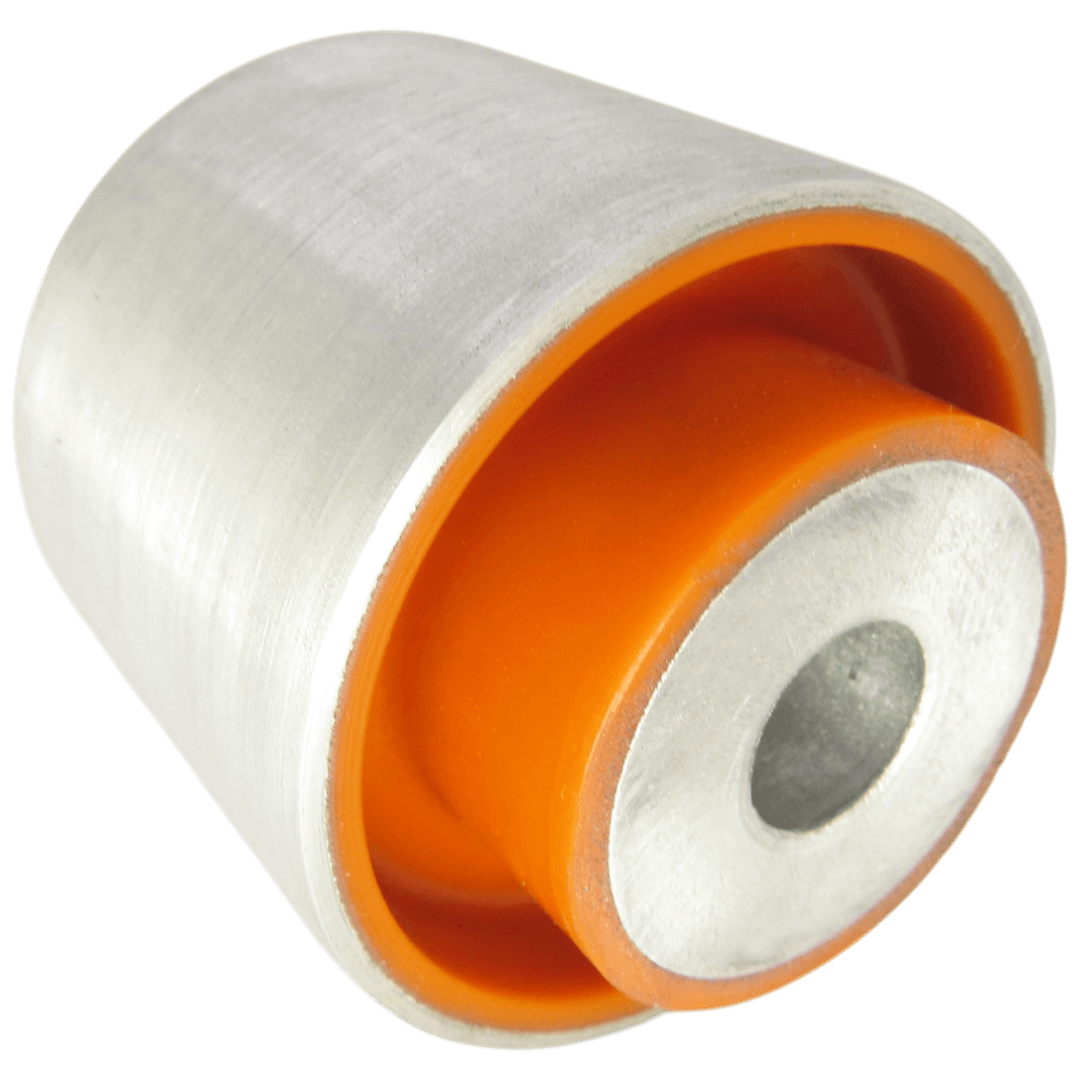
Polyurethane bushing rear gearbox front Land Rover Range Rover 2002-2012
In stock15 pcs.
Polyurethane bushing rear gearbox front Mazda 323 1985-1993
In stock15 pcs.
Polyurethane bushing rear gearbox front Nissan Altima 2006-2013
In stock15 pcs.
Polyurethane bushing rear gearbox front Nissan Altima 2006-2013 HARDNESS
In stock15 pcs.Polyurethane bushing rear gearbox front Nissan Murano 2007-2016
In stock15 pcs.Polyurethane bushing rear gearbox front Nissan Murano 2007-2016 HARDNESS
In stock15 pcs.Polyurethane bushing rear gearbox front Nissan Teana 2008-2013
In stock15 pcs.Polyurethane bushing rear gearbox front Nissan Teana 2008-2013 HARDNESS
In stock15 pcs.
Polyurethane bushing rear gearbox front Opel Omega 1994-2003
In stock15 pcs.
Polyurethane bushing rear gearbox rear Bmw E36
In stock15 pcs.
Polyurethane bushing rear gearbox rear Bmw E36 HARDNESS
In stock15 pcs.
Polyurethane bushing rear gearbox rear Bmw E46 1998-2006
In stock15 pcs.
Polyurethane bushing rear gearbox rear Bmw E46 1998-2006 HARDNESS
In stock15 pcs.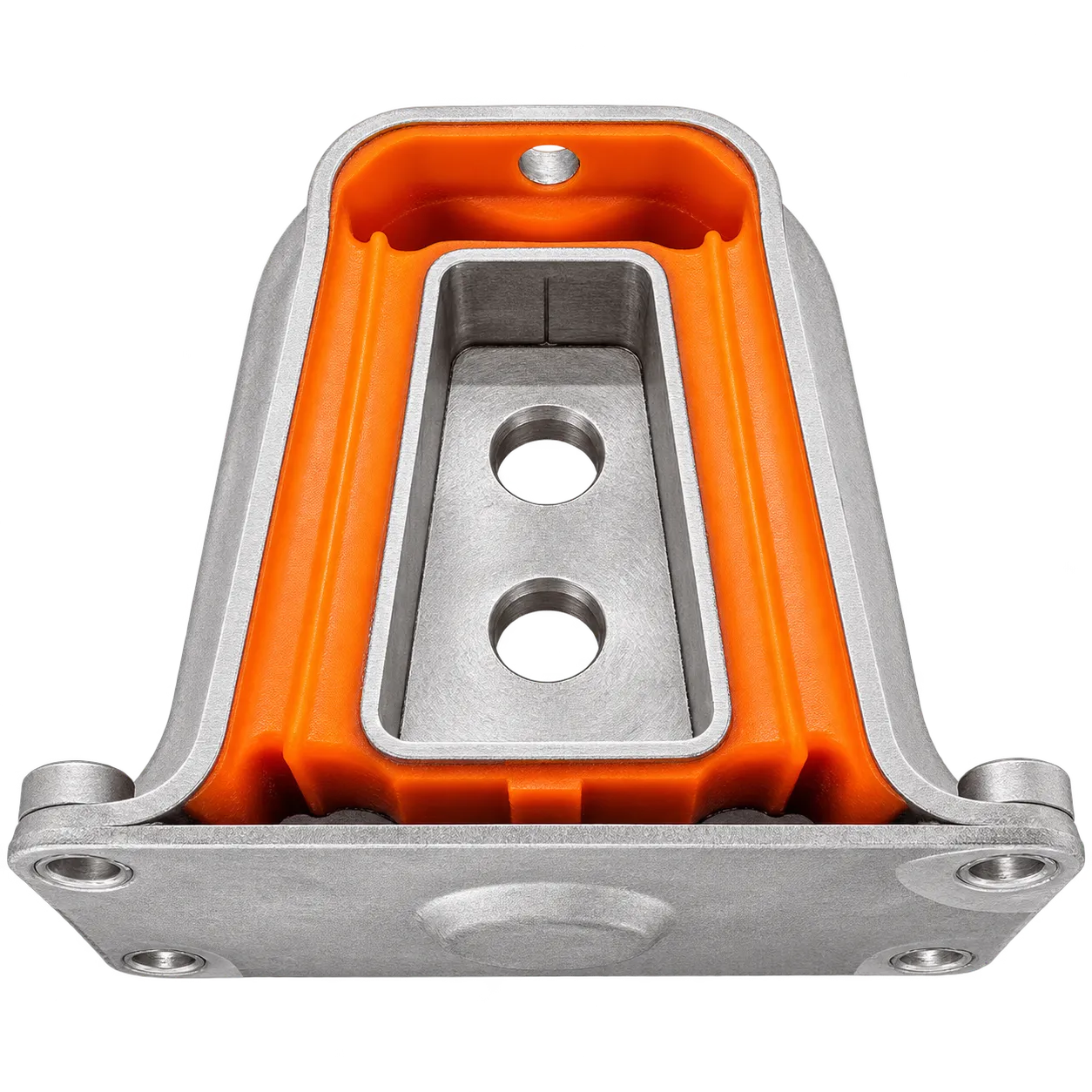
A differential bushing is the elastic support through which the final drive housing or the rear axle beam is attached to the body, the subframe or the arms. It keeps the unit in its designed position, takes the shock loads that come with every change of drive and stops driveline noise from reaching the cabin. PolyPro casts these mounts from polyurethane in its own moulds; the other mounts and bushings are listed in the catalogue.
The final drive takes torque from the propshaft and splits it between the halfshafts. The reaction to that torque tries to rotate the housing, so the differential is never bolted rigidly to the body or subframe but carried on elastic mounts. An independent rear suspension normally uses two or three of them: a front nose bushing and the rear fixings; a live axle carries the mount where the beam or the trailing link is attached.
The mount does two jobs at once. First, it limits rotation and fore-aft movement of the housing so that the angles of the universal joints and the driveshafts stay within range, which is what decides whether vibration appears at speed. Second, it absorbs the whine of the hypoid gear set and the shock that arrives when you lift off and get back on the throttle, as the driveline slack is taken up.
A differential mount is shock-loaded, so it does not wear evenly but in steps — after towing, hard launches or a stretch of gravel road. The first symptoms are easy to confuse with play in the propshaft or a worn centre support bearing.
Checking is simple: put the car on a lift and load the housing briefly with a pry bar, lengthways and sideways. If the unit moves noticeably and the metal pulls out of the elastic body, the mount has to be replaced.
A rubber differential mount damps noise well, but it is the first thing to give up under shock loading: the body tears along the bond line with the metal shell and the housing starts to move in its bracket. Oil makes it worse — a weeping pinion seal destroys rubber faster than mileage ever does.
Polyurethane copes better with shock and cyclic loads, is not attacked by gear oil or road salt and barely sags, so propshaft and driveshaft angles stay within their design range. Axle noise does become slightly more audible than with fresh rubber, which is the price of holding the unit more firmly. Polyurethane also copes more calmly with the heat of an exhaust line, which often runs right beside the mount. The Shore hardness of each grade is stated on the product page.
Differential mounts differ in seat, direction of load and hardness. The model name alone is not enough: check the dimensions, the mounting type and the conditions the rear end actually works in.
First decide which mount you need: the front nose bushing of the housing, the rear differential fixings or the axle beam mount. Then measure the old part — outer diameter of the shell, height, inner sleeve bore for the bolt, and whether it has a flange or a shoulder. Some mounts are pressed into the bracket, others are clamped by a bolt between plates, and the two are not interchangeable. If the old part has disintegrated, work from the bracket seat and the length of the fixing bolt instead. Inspect the bracket itself as well: a worn seat or elongated holes will not let the new mount sit square, and its life will drop from the very first drive.
Hardness is chosen to match how the rear end is worked. For ordinary passenger use a grade close to stock is enough: it damps the whine and keeps the driveline quiet. For a heavy vehicle, trailer towing, regular gravel roads or an engine with high torque, a firmer polyurethane makes more sense — the housing rotates less and the shock on every change of drive is weaker. The other side of a firm grade is a slightly louder driveline at low speed, which is why a purely urban car is not pushed into extra hardness. The Shore value is given on the page of each product.
A city car on asphalt and a vehicle that regularly runs on gravel or carries loads work the differential mount in completely different ways. The second case adds impacts when the axle droops and running at large propshaft angles, so the life of a soft mount is noticeably shorter. Check the neighbouring parts as well: a worn centre support bearing, a tired universal joint or play in the pinion will destroy a new mount within a short time. If the old mount failed together with a weeping seal, cure the leak first: polyurethane tolerates oil, but the unit itself gains nothing from working in it.
PolyPro is a Ukrainian manufacturer of polyurethane car parts. We cast differential mounts in our own moulds, check the dimensions of every batch and sell without middlemen, so the price carries no resale margin and technical questions are answered by the people who made the part. Retail is sold per piece — take a single bushing or a set for the whole unit. If the position is not in the catalogue, we make a custom one from a drawing, a sample or the worn part, starting from a single piece.
Wholesale runs directly from production to workshops, parts shops, fleets and resellers: the partner programme gives bonuses for turnover or for the volume of a single order, access to prices and stock levels, and shipping under the partner's own brand. The products are covered by a warranty, and international shipping is available.
A gearbox mount works mostly in torsion under the reaction torque of the engine, while a differential mount takes shock loads from the driveline and vibration from the rear axle, so it has a different profile and is usually firmer. The parts are not interchangeable. Our transmission mounts are a separate product line.
A worn mount does not create the whine itself, but it stops damping it, so the noise of the hypoid gear set reaches the cabin. Telling them apart is easy: whine from the differential changes with load and coasting and usually has a metallic edge, while a failed mount shows itself on a lift, with the housing moving visibly in its bracket.
Technically yes, but the remaining mounts have covered the same mileage under the same loads. If one differential bushing has failed, the neighbouring ones almost always show cracks or permanent deformation, and a new part next to a worn one takes more of the shock. In practice it pays to replace all mounts of the unit at once.
For ordinary passenger use take a grade close to stock: it damps axle noise and keeps the driveline quiet. For a heavy vehicle, towing, gravel roads or increased torque, choose a firmer polyurethane. The exact Shore value is stated on the page of each product.
Yes. When the mount sags or tears, the housing shifts, the angle between the differential flange and the propshaft changes and a shake appears at a certain speed. Check the universal joints and the centre support bearing together with the mount: these parts load one another and tend to fail in pairs.
Polyurethane does not age from ozone and does not delaminate when gear oil reaches it, so it lasts longer than rubber under the same conditions. The exact life depends on the load: towing, gravel roads and axle droop shorten it. Life also drops if slack is left elsewhere in the driveline, because the new mount takes those impacts.
Yes, retail is per piece: order one mount or a full set for the unit, with no minimum batch. Catalogue positions ship from stock, custom parts ship once they are made from a drawing, a sample or the worn part. International shipping is available and the products are covered by a warranty.
Workshops, parts shops, fleets and resellers are served by wholesale directly from production. The partner programme includes bonuses for turnover or for the volume of a single order, access to current prices and stock levels, and shipping under the partner's own brand. Range and volumes are agreed individually.