

SKU: PP101274
Polyurethane boot for brake caliper DAF 45
In stock15 pcs.$13.22Log in as dealer

Polyurethane boot for brake caliper DAF 45
In stock15 pcs.Polyurethane boot for brake caliper DAF 65
In stock15 pcs.Polyurethane boot for brake caliper DAF 75
In stock15 pcs.Polyurethane boot for brake caliper DAF 85
In stock15 pcs.Polyurethane boot for brake caliper DAF 95XF
In stock15 pcs.Polyurethane boot for brake caliper SAF
In stock15 pcs.Polyurethane boot for brake caliper SCANIA
In stock15 pcs.Polyurethane boot for brake caliper Sampa
In stock15 pcs.Polyurethane boot for brake caliper Schmitz
In stock15 pcs.Polyurethane boot for brake caliper TRUCKTECHNIC
In stock15 pcs.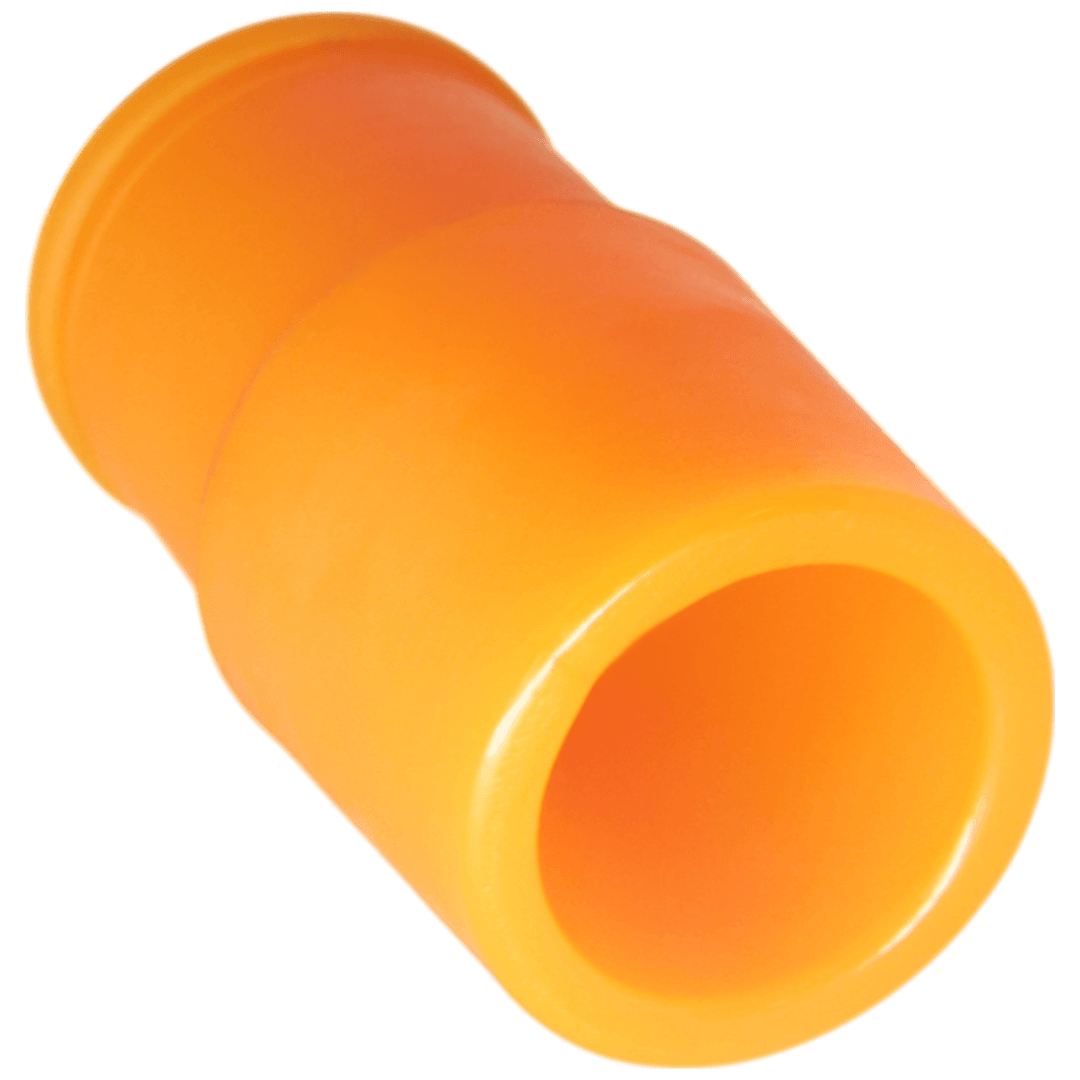
Polyurethane brake caliper guide stud bushing Audi 100 1982-1991
In stock15 pcs.Polyurethane brake caliper guide stud bushing Audi 100 1990-1994
In stock15 pcs.Polyurethane brake caliper guide stud bushing Audi 200 1983-1991
In stock15 pcs.Polyurethane brake caliper guide stud bushing Audi 80 1978-1986
In stock15 pcs.Polyurethane brake caliper guide stud bushing Audi 80 1986-1991
In stock15 pcs.Polyurethane brake caliper guide stud bushing Audi 90 1984-1987
In stock15 pcs.Polyurethane brake caliper guide stud bushing Audi 90 1987-1991
In stock15 pcs.Polyurethane brake caliper guide stud bushing Audi A1 2010-2014
In stock15 pcs.Polyurethane brake caliper guide stud bushing Audi A1 2010-2018
In stock15 pcs.Polyurethane brake caliper guide stud bushing Audi A2 1999-2005
In stock15 pcs.Polyurethane brake caliper guide stud bushing Audi A3 1996-2006
In stock15 pcs.Polyurethane brake caliper guide stud bushing Audi A3 2003-2012
In stock15 pcs.Polyurethane brake caliper guide stud bushing Audi A3 2012-2020
In stock15 pcs.Polyurethane brake caliper guide stud bushing Audi A4 1994-2001
In stock15 pcs.Polyurethane brake caliper guide stud bushing Audi A4 2000-2004
In stock15 pcs.Polyurethane brake caliper guide stud bushing Audi A4 2004-2008
In stock15 pcs.Polyurethane brake caliper guide stud bushing Audi A4 2007-2015
In stock15 pcs.Polyurethane brake caliper guide stud bushing Audi A4 2015-
In stock15 pcs.Polyurethane brake caliper guide stud bushing Audi A5 2007-2016
In stock15 pcs.Polyurethane brake caliper guide stud bushing Audi A5 2016-
In stock15 pcs.Polyurethane brake caliper guide stud bushing Audi A6 1994-1997
In stock15 pcs.Polyurethane brake caliper guide stud bushing Audi A6 1997-2004
In stock15 pcs.
Polyurethane brake caliper guide stud bushing Audi A6 2004-2011
In stock15 pcs.Polyurethane brake caliper guide stud bushing Audi A6 2004-2011
In stock15 pcs.Polyurethane brake caliper guide stud bushing Audi A8 1994-2002
In stock15 pcs.Polyurethane brake caliper guide stud bushing Audi A8 1994-2002
In stock15 pcs.Polyurethane brake caliper guide stud bushing Audi A8 2002-2009
In stock15 pcs.Polyurethane brake caliper guide stud bushing Audi A8 2002-2009
In stock15 pcs.Polyurethane brake caliper guide stud bushing Audi Allroad 2000-2005
In stock15 pcs.Polyurethane brake caliper guide stud bushing Audi Cabriolet 1991-2000
In stock15 pcs.Polyurethane brake caliper guide stud bushing Audi Coupe 1980-1988
In stock15 pcs.Polyurethane brake caliper guide stud bushing Audi Coupe 1988-1996
In stock15 pcs.Polyurethane brake caliper guide stud bushing Audi Q2 2016-
In stock15 pcs.Polyurethane brake caliper guide stud bushing Audi Q3 2011-2014
In stock15 pcs.Polyurethane brake caliper guide stud bushing Audi Q3 2014-2018
In stock15 pcs.Polyurethane brake caliper guide stud bushing Audi Quattro 1980-1991
In stock15 pcs.Polyurethane brake caliper guide stud bushing Audi TT 1998-2006
In stock15 pcs.Polyurethane brake caliper guide stud bushing Audi TT 2006-2014
In stock15 pcs.Polyurethane brake caliper guide stud bushing Audi TT 2014-2023
In stock15 pcs.Polyurethane brake caliper guide stud bushing Audi V8 1988-1994
In stock15 pcs.Polyurethane brake caliper guide stud bushing Bmw E23 1976-1986
In stock15 pcs.Polyurethane brake caliper guide stud bushing Bmw E24 1976-1989
In stock15 pcs.Polyurethane brake caliper guide stud bushing Bmw E28 1981-1987
In stock15 pcs.Polyurethane brake caliper guide stud bushing Bmw E30 1982-1994
In stock15 pcs.Polyurethane brake caliper guide stud bushing Bmw E31 1989-1999
In stock15 pcs.Polyurethane brake caliper guide stud bushing Bmw E32 1987-1994
In stock15 pcs.Polyurethane brake caliper guide stud bushing Bmw E34 1987-1995
In stock15 pcs.Polyurethane brake caliper guide stud bushing Bmw E36 1990-2001
In stock15 pcs.Polyurethane brake caliper guide stud bushing Bmw E38 1994-2001
In stock15 pcs.Polyurethane brake caliper guide stud bushing Bmw E39 1995-2003
In stock15 pcs.Polyurethane brake caliper guide stud bushing Bmw E46 1998-2006
In stock15 pcs.Polyurethane brake caliper guide stud bushing Bmw E52 2000-2003
In stock15 pcs.Polyurethane brake caliper guide stud bushing Bmw E53 1999-2006
In stock15 pcs.Polyurethane brake caliper guide stud bushing Bmw E60 2003-2010
In stock15 pcs.Polyurethane brake caliper guide stud bushing Bmw E60 2003-2010
In stock15 pcs.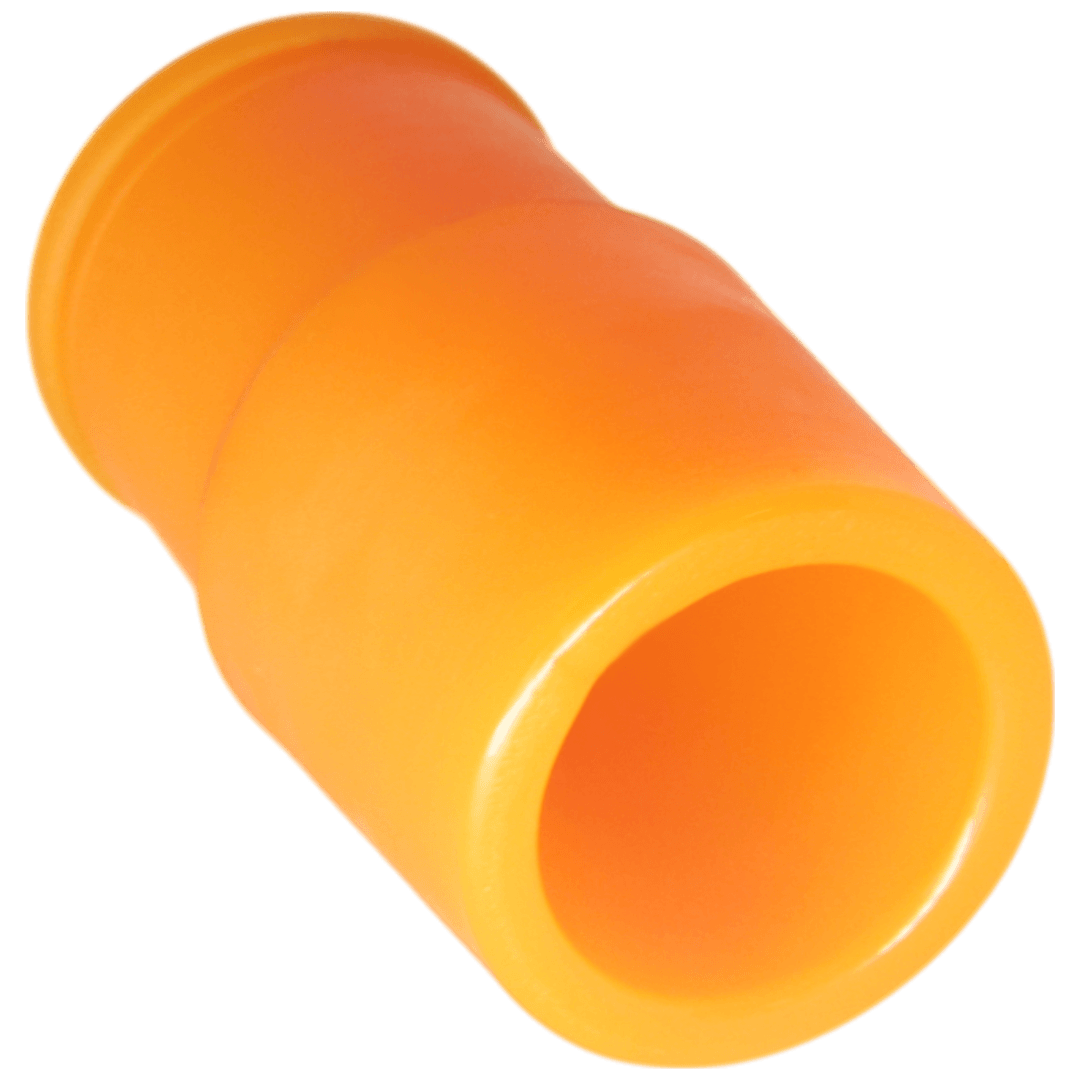
Polyurethane brake caliper guide stud bushing Bmw E60 2003-2010
In stock15 pcs.Polyurethane brake caliper guide stud bushing Bmw E61 2003-2010
In stock15 pcs.Polyurethane brake caliper guide stud bushing Bmw E61 2003-2010
In stock15 pcs.Polyurethane brake caliper guide stud bushing Bmw E61 2003-2010
In stock15 pcs.Polyurethane brake caliper guide stud bushing Bmw E63 2005-2010
In stock15 pcs.Polyurethane brake caliper guide stud bushing Bmw E63 2005-2010
In stock15 pcs.Polyurethane brake caliper guide stud bushing Bmw E63 2005-2010
In stock15 pcs.Polyurethane brake caliper guide stud bushing Bmw E64 2005-2010
In stock15 pcs.Polyurethane brake caliper guide stud bushing Bmw E64 2005-2010
In stock15 pcs.Polyurethane brake caliper guide stud bushing Bmw E64 2005-2010
In stock15 pcs.Polyurethane brake caliper guide stud bushing Bmw E65 2002-2009
In stock15 pcs.Polyurethane brake caliper guide stud bushing Bmw E65 2002-2009
In stock15 pcs.Polyurethane brake caliper guide stud bushing Bmw E65 2002-2009
In stock15 pcs.Polyurethane brake caliper guide stud bushing Bmw E66 2002-2009
In stock15 pcs.Polyurethane brake caliper guide stud bushing Bmw E66 2002-2009
In stock15 pcs.Polyurethane brake caliper guide stud bushing Bmw E66 2002-2009
In stock15 pcs.Polyurethane brake caliper guide stud bushing Bmw E67 2002-2009
In stock15 pcs.Polyurethane brake caliper guide stud bushing Bmw E67 2002-2009
In stock15 pcs.Polyurethane brake caliper guide stud bushing Bmw E67 2002-2009
In stock15 pcs.Polyurethane brake caliper guide stud bushing Bmw E70 2006-2013
In stock15 pcs.Polyurethane brake caliper guide stud bushing Bmw E71 2008-2012
In stock15 pcs.Polyurethane brake caliper guide stud bushing Bmw E72 2008-2012
In stock15 pcs.Polyurethane brake caliper guide stud bushing Bmw E81 2004-2011
In stock15 pcs.Polyurethane brake caliper guide stud bushing Bmw E82 2004-2011
In stock15 pcs.Polyurethane brake caliper guide stud bushing Bmw E83 2003-2011
In stock15 pcs.Polyurethane brake caliper guide stud bushing Bmw E84 2008-2015
In stock15 pcs.Polyurethane brake caliper guide stud bushing Bmw E85 2002-2008
In stock15 pcs.Polyurethane brake caliper guide stud bushing Bmw E86 2002-2008
In stock15 pcs.Polyurethane brake caliper guide stud bushing Bmw E87 2004-2011
In stock15 pcs.Polyurethane brake caliper guide stud bushing Bmw E88 2004-2011
In stock15 pcs.Polyurethane brake caliper guide stud bushing Bmw E89 2009-2016
In stock15 pcs.Polyurethane brake caliper guide stud bushing Bmw E90 2002-2012
In stock15 pcs.Polyurethane brake caliper guide stud bushing Bmw E91 2002-2012
In stock15 pcs.Polyurethane brake caliper guide stud bushing Bmw E92 2002-2012
In stock15 pcs.Polyurethane brake caliper guide stud bushing Bmw E93 2002-2012
In stock15 pcs.Polyurethane brake caliper guide stud bushing Bmw F01 2009-2015
In stock15 pcs.Polyurethane brake caliper guide stud bushing Bmw F02 2009-2015
In stock15 pcs.Polyurethane brake caliper guide stud bushing Bmw F03 2009-2015
In stock15 pcs.Polyurethane brake caliper guide stud bushing Bmw F04 2009-2015
In stock15 pcs.Polyurethane brake caliper guide stud bushing Bmw F06 2010-
In stock15 pcs.Polyurethane brake caliper guide stud bushing Bmw F07 2009-2017
In stock15 pcs.Polyurethane brake caliper guide stud bushing Bmw F10 2010-2017
In stock15 pcs.Polyurethane brake caliper guide stud bushing Bmw F11 2010-2017
In stock15 pcs.Polyurethane brake caliper guide stud bushing Bmw F12 2010-
In stock15 pcs.Polyurethane brake caliper guide stud bushing Bmw F13 2010-
In stock15 pcs.Polyurethane brake caliper guide stud bushing Bmw F15 2012-2018
In stock15 pcs.Polyurethane brake caliper guide stud bushing Bmw F16 2014-
In stock15 pcs.Polyurethane brake caliper guide stud bushing Bmw F20 2011-
In stock15 pcs.Polyurethane brake caliper guide stud bushing Bmw F21 2011-
In stock15 pcs.Polyurethane brake caliper guide stud bushing Bmw F22 2013-
In stock15 pcs.Polyurethane brake caliper guide stud bushing Bmw F23 2014-
In stock15 pcs.Polyurethane brake caliper guide stud bushing Bmw F25 2010-2017
In stock15 pcs.Polyurethane brake caliper guide stud bushing Bmw F26 2014-2018
In stock15 pcs.Polyurethane brake caliper guide stud bushing Bmw F30 2012-
In stock15 pcs.Polyurethane brake caliper guide stud bushing Bmw F31 2012-
In stock15 pcs.Polyurethane brake caliper guide stud bushing Bmw F32 2013-
In stock15 pcs.Polyurethane brake caliper guide stud bushing Bmw F33 2013-
In stock15 pcs.Polyurethane brake caliper guide stud bushing Bmw F34 2013-
In stock15 pcs.Polyurethane brake caliper guide stud bushing Bmw F36 2013-
In stock15 pcs.Polyurethane brake caliper guide stud bushing Bmw F39 2017-
In stock15 pcs.Polyurethane brake caliper guide stud bushing Bmw F40 2019-
In stock15 pcs.Polyurethane brake caliper guide stud bushing Bmw F44 2019-
In stock15 pcs.Polyurethane brake caliper guide stud bushing Bmw F45 2014-
In stock15 pcs.Polyurethane brake caliper guide stud bushing Bmw F46 2015-
In stock15 pcs.Polyurethane brake caliper guide stud bushing Bmw F48 2015-
In stock15 pcs.Polyurethane brake caliper guide stud bushing Bmw F80 2012-
In stock15 pcs.Polyurethane brake caliper guide stud bushing Bmw F82 2013-
In stock15 pcs.Polyurethane brake caliper guide stud bushing Bmw F83 2013-
In stock15 pcs.Polyurethane brake caliper guide stud bushing Bmw F85 2012-2018
In stock15 pcs.Polyurethane brake caliper guide stud bushing Bmw F86 2014-
In stock15 pcs.Polyurethane brake caliper guide stud bushing Bmw F87 2013-
In stock15 pcs.Polyurethane brake caliper guide stud bushing Bmw G20 2019-
In stock15 pcs.Polyurethane brake caliper guide stud bushing Bmw G21 2019-
In stock15 pcs.Polyurethane brake caliper guide stud bushing Bmw G80 2020-
In stock15 pcs.Polyurethane brake caliper guide stud bushing Bmw G81 2021-
In stock15 pcs.Polyurethane brake caliper guide stud bushing Bmw Z3 1995-2003
In stock15 pcs.Polyurethane brake caliper guide stud bushing Bmw Z4 2002-2008
In stock15 pcs.Polyurethane brake caliper guide stud bushing Bmw Z8 2000-2003
In stock15 pcs.Polyurethane brake caliper guide stud bushing C-Max 2007-2010
In stock15 pcs.Polyurethane brake caliper guide stud bushing C-Max 2010-
In stock15 pcs.Polyurethane brake caliper guide stud bushing Cadillac BLs 2006-
In stock15 pcs.Polyurethane brake caliper guide stud bushing Chrysler Sebring 2001-2006
In stock15 pcs.Polyurethane brake caliper guide stud bushing Chrysler Stratus 1994-2001
In stock15 pcs.Polyurethane brake caliper guide stud bushing Citroen C4 2004-2010
In stock15 pcs.Polyurethane brake caliper guide stud bushing Citroen C4 2004-2014
In stock15 pcs.A caliper pin boot is the cover that seals the slide pin of a brake caliper. It keeps grease on the pin and keeps water, brake dust and road chemicals away from it. The part is small, but whether the caliper can move freely depends on it: a seized guide pin stops the bracket sliding back and the pads wear unevenly. PolyPro moulds polyurethane boots on its own tooling — see the sizes in the catalogue.
A floating caliper is mounted to its bracket on two guide pins. The caliper body slides along them every time the pedal is pressed, squeezing both pads against the disc. To keep the pin moving freely it is greased and sealed with a boot: one end of the cover seats in the groove of the pin or in the bracket, the other in the bore of the caliper body.
The boot works in two ways at once. Mechanically it stretches and compresses with every stroke of the caliper and takes up pad wear as the friction material thins. Thermally it sits right next to a hot brake assembly. It also acts as an air cushion: while it is sealed, the pin does not push grease out, and air returns inside when the pedal is released. A torn boot is therefore not cosmetic damage but a direct route to a seized guide pin.
Check the condition when the pads are replaced: swing the caliper away, pull the pin out and inspect it. A serviceable cover is elastic, the grease under it is clean, and the pin comes out by hand and slides in the bore without binding.
The last two signs mean the guide pin has already seized: a new boot alone is not enough, the bore must be cleaned, the pin checked for scoring and both covers on that wheel replaced.
Factory guide pin boots are made of rubber — it stretches well and is cheap. Next to a brake assembly rubber works in hard conditions: constant heating and cooling cycles, water splashed onto a hot unit, brake dust and salt. It hardens, cracks along the folds and sometimes bakes onto the pin so firmly that it comes off in shreds.
Polyurethane resists abrasion, oils and road chemicals better, holds the geometry of the convolutions longer and copes better with brake dust. But this is a brake component, so the material is chosen from the data for the specific part rather than from general reasoning: the Shore hardness is stated on each product card, together with the seat the size is intended for. Rubber and polyurethane covers alike will die quickly on a dirty pin fitted without grease.
Selection is by the dimensions of the pin and of the seats in the caliper body, not by the make of the car. The two guides on one wheel often differ, one with a bush and one without, so measure both.
Measure the diameter of the pin where the cover seats, the diameter of the bore in the caliper body or bracket that takes the second bead, and the working length of the boot in its free state. Allow for travel: the cover must stretch freely by the distance the caliper moves once the pads are worn. Take the figures from the old part and from the pin itself — a stretched cover reads larger than it should. Half a millimetre of difference at the bead already means dirt being drawn in, so measure a clean part with the old grease wiped off. To match them against available sizes, use the boot selection page.
Look at the design: most floating calipers have two guides per wheel, and they are not always identical — one plain, the other with a rubber compensating bush. The boots on them can differ in shape and length as well. Separate again are calipers where the cover is held by a shoulder in the body rather than by a groove. Do not confuse this part with the caliper piston boot, which seals the piston. Order covers for both guides of a wheel at once. If the pads are being changed on an axle, replace the covers on both wheels together: there is no sense in stripping the assembly twice.
The Shore hardness is stated on each product card and it is the main reference when choosing. A softer cover goes on more easily and follows the stroke of the caliper better, a harder one holds the shape of the convolutions longer and resists brake dust. For an assembly that heats up regularly, dimensional stability and an interference fit matter more, so read the description of the seat on the card and not only the figure. This shows up clearly on city cars with frequent short braking. Do not judge hardness by colour or by feel. If in doubt, tell us how the vehicle is used and we will suggest a size from stock.
The beads of the boot are held by an interference fit in the groove of the pin and in the seat of the caliper body; some designs add a circlip or a shoulder. Before assembly, clean the pin bore of old grease, rust and dust and check the pin for scoring. Use grease intended for caliper guide pins, in the quantity specified by the maker of the assembly: an excess builds pressure and pushes the cover off. Slide the cover on square and press the bead down evenly all round, then check that the pin still moves by hand. Non-standard sizes are made to a drawing, a sample or a worn part, from a single piece.
PolyPro makes its polyurethane parts itself: in-house moulds, its own casting, dimensional control on every batch and sales without middlemen. For a small part that is what matters — the size is either exact or useless. Retail is by the piece: if you need one cover you take one, if you need four for an axle you take four. The products carry a warranty and international shipping is available.
Wholesale supply goes to garages, parts shops, vehicle fleets and resellers who need the common sizes on the shelf. For them there is a partner programme: bonuses for turnover or for the volume of a single order, access to prices and stock levels, and shipping under the partner's own brand.
No, the assembly has to be put right first. Pull the pin, clean the bore of rust and old grease, and check the pin for scoring and corrosion, replacing it if damaged. If a new cover goes onto a seized guide, the caliper still will not slide and the pads will keep wearing unevenly on that wheel.
The sensible point is every pad replacement, since the caliper is apart anyway. At the same time assess the condition of the grease, how freely the pins move and how the pads have worn in pairs. An unscheduled check is due if the car pulls under braking, one wheel runs hotter than the others, or the pads on one caliper are worn differently.
Only grease intended for brake caliper guide pins, compatible with the boot material and rated for the temperature of the assembly. Ordinary joint greases are not suitable here — they soften rubber and are driven out by heat. Use the quantity specified by the caliper manufacturer: an excess builds pressure and pushes the boot out of its seat.
They are different parts of the same assembly. The guide pin boot is a small cover on the pin along which the caliper slides. The piston boot seals the piston in its bore: it is larger in diameter, works as the piston extends and seats in a groove in the cylinder. Sizes and seats do not match, so they are selected separately.
Most floating calipers have two guides per wheel, so two covers, and four for an axle. They are not always identical: one guide may carry a bush while the other is plain, so measure both before ordering. Replace both covers on a wheel at the same time, even if only one of them is visibly torn.
Yes. If the catalogue does not list the size you need, we will make it to a drawing, to a sample, or to a worn cover that you send us. The minimum is one piece. Send the measurements of the pin and of the seat in the caliper body, or the part itself, and we will say whether an existing mould fits or a new one is needed.
Yes, retail is by the piece, with no obligatory set. You can take two covers for one wheel or four for an axle, whatever the strip-down turns out to need. The products carry a warranty and international shipping is available. Items from different catalogue categories travel in one shipment.
Wholesale supply is for garages, parts shops, vehicle fleets and resellers. There is a partner programme: bonuses for turnover or for the volume of a single order, access to current prices and stock levels, and shipping under the partner's own brand. Send us the list of sizes you move regularly and we will work out terms.