

SKU: PP203110
Polyurethane anther of a steering tip Kugelgelenk DT Spare
In stock13 pcs.$13.57Log in as dealer

Polyurethane anther of a steering tip Kugelgelenk DT Spare
In stock13 pcs.
Polyurethane boot for steering tip of central rear tie rod right Toyota Corolla 1987-1992
In stock13 pcs.Polyurethane boot for steering tip of central rear tie rod right Toyota Corolla 1991-1997
In stock13 pcs.Polyurethane boot for steering tip of central rear tie rod right Toyota Land Cruiser 1960-1984
In stock13 pcs.Polyurethane boot for steering tip of central rear tie rod right Toyota Land Cruiser 1984-1990
In stock13 pcs.Polyurethane boot for steering tip of central rear tie rod right Toyota Land Cruiser 1990-1997
In stock13 pcs.Polyurethane boot for steering tip of central rear tie rod right Toyota Land Cruiser 1998-2007
In stock13 pcs.Polyurethane boot for steering tip of central rear tie rod right Toyota Land Cruiser 2007-
In stock13 pcs.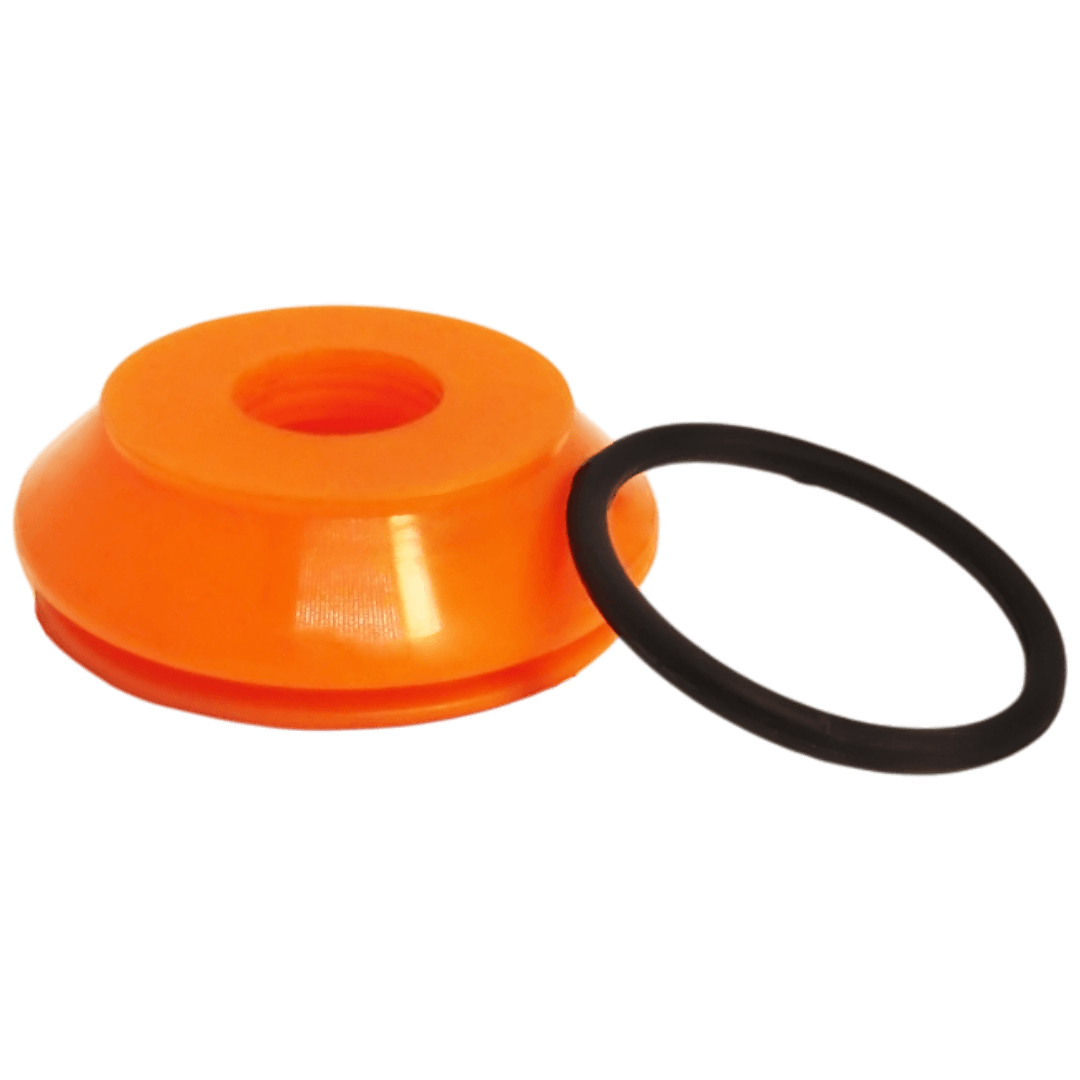
Polyurethane boot for steering tip of central tie rod Opel Omega 1986-1993
In stock10 pcs.Polyurethane boot for steering tip of central tie rod Opel Omega 1994-2003
In stock10 pcs.
Polyurethane boot for steering tip of central tie rod right Toyota Land Cruiser 1960-1984
In stock15 pcs.Polyurethane boot for steering tip of central tie rod right Toyota Land Cruiser 1984-1990
In stock15 pcs.Polyurethane boot for steering tip of central tie rod right Toyota Land Cruiser 1990-1997
In stock15 pcs.
Polyurethane boot for steering tip of tie rod Man CLA 2007-
In stock15 pcs.Polyurethane boot for steering tip of tie rod Man E 2000 2000-
In stock15 pcs.Polyurethane boot for steering tip of tie rod Man EL
In stock15 pcs.Polyurethane boot for steering tip of tie rod Man EM
In stock15 pcs.Polyurethane boot for steering tip of tie rod Man F 90 1986-1994
In stock15 pcs.Polyurethane boot for steering tip of tie rod Man F 90 Unterflur 1986-1994
In stock15 pcs.Polyurethane boot for steering tip of tie rod Man F2000 1994-2000
In stock15 pcs.Polyurethane boot for steering tip of tie rod Man L2000 1994-2005
In stock15 pcs.Polyurethane boot for steering tip of tie rod Man Lion S Coach 1996-2002
In stock15 pcs.Polyurethane boot for steering tip of tie rod Man Lion S Regio 2004-2017
In stock15 pcs.Polyurethane boot for steering tip of tie rod Man Lion S Star 1994-
In stock15 pcs.Polyurethane boot for steering tip of tie rod Man M2000L 1996-2005
In stock15 pcs.Polyurethane boot for steering tip of tie rod Man M2000M 1996-2005
In stock15 pcs.Polyurethane boot for steering tip of tie rod Man M90 1988-1996
In stock15 pcs.Polyurethane boot for steering tip of tie rod Man NG 1990-1992
In stock15 pcs.Polyurethane boot for steering tip of tie rod Man NL
In stock15 pcs.Polyurethane boot for steering tip of tie rod Man NM
In stock15 pcs.Polyurethane boot for steering tip of tie rod Man NU
In stock15 pcs.Polyurethane boot for steering tip of tie rod Man SG
In stock15 pcs.Polyurethane boot for steering tip of tie rod Man SL 1973-1988
In stock15 pcs.Polyurethane boot for steering tip of tie rod Man SM 1989-1992
In stock15 pcs.Polyurethane boot for steering tip of tie rod Man SR
In stock15 pcs.Polyurethane boot for steering tip of tie rod Man SU
In stock15 pcs.Polyurethane boot for steering tip of tie rod Man TGM 2005-
In stock15 pcs.Polyurethane boot for steering tip of tie rod Man Tga 2000-2011
In stock15 pcs.Polyurethane boot for steering tip of tie rod Man Tgl 2005-
In stock15 pcs.Polyurethane boot for steering tip of tie rod Man Tgs 2007-
In stock15 pcs.Polyurethane boot for steering tip of tie rod Man Tgx 2007-
In stock15 pcs.Polyurethane boot for steering tip of tie rod Man UL
In stock15 pcs.Polyurethane boot for steering tip of tie rod Mercedes-Benz Sk 1989–1998
In stock15 pcs.
Polyurethane boot for the steering tip Bmw E38 1994-2001 3,9L
In stock15 pcs.
Polyurethane boot of the ball support for the steering tip Bmw E38 1994-2001 2,2L-2,5L
In stock13 pcs.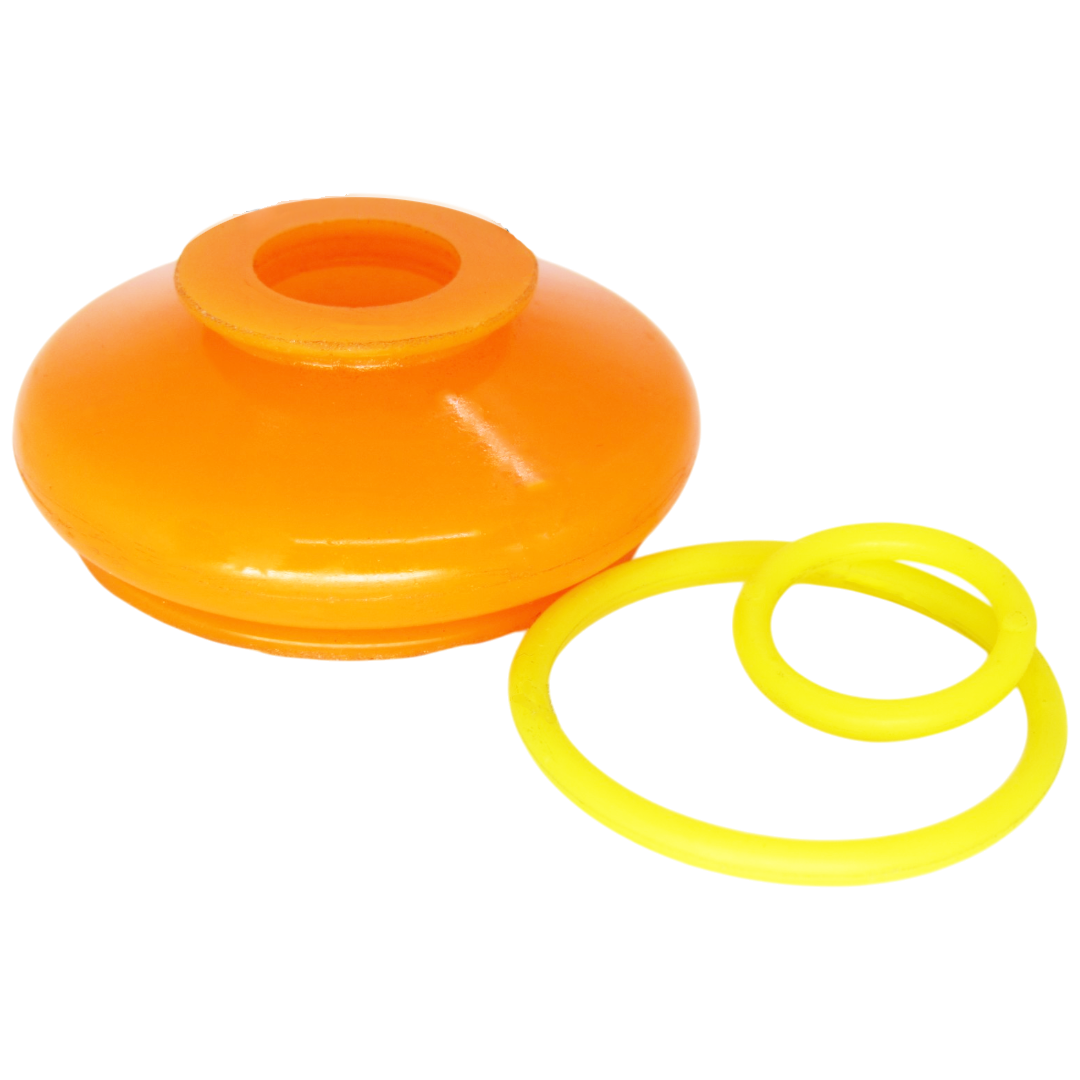
Polyurethane boot of the ball support for the steering tip Bmw E38 1994-2001 4,4L
In stock15 pcs.Polyurethane boot of the ball support for the steering tip Bmw E39 1995-2003 2,2L-2,5L
In stock13 pcs.Polyurethane boot of the ball support for the steering tip Bmw E39 1995-2003 4,4L
In stock15 pcs.Polyurethane boot of the ball support for the steering tip Bmw E46 1998-2006 2,2L-2,5L
In stock13 pcs.
Polyurethane boot of the ball support for the steering tip Ford Transit 1978-1985
In stock13 pcs.Polyurethane boot of the ball support for the steering tip Ford Transit 1986-2003
In stock13 pcs.
Polyurethane boot of the ball support for the steering tip Ford Transit 1986-2003 2,0L
In stock13 pcs.Polyurethane boot of the ball support for the steering tip Ford Transit 1994-2003 2,0L
In stock13 pcs.Polyurethane boot of the ball support for the steering tip Ford Transit 1994-2003 2,2L-2,5L
In stock13 pcs.Polyurethane boot of the ball support for the steering tip Ford Transit 2000-2006 2,0L
In stock13 pcs.
Polyurethane boot of the ball support for the steering tip Ford Transit 2006-2014 2,2L
In stock13 pcs.Polyurethane boot of the ball support for the steering tip Ford Transit 2006-2014 2,2L-2,5L
In stock13 pcs.Polyurethane boot of the ball support for the steering tip Ford Transit 2013- 2,2L
In stock13 pcs.
Polyurethane boot of the ball support for the steering tip Iveco Daily 1998-2009 2,3L
In stock13 pcs.Polyurethane boot of the ball support for the steering tip Iveco Daily 2006-2011 2,3L
In stock13 pcs.Polyurethane boot of the ball support for the steering tip Iveco Daily 2011-2014 2,3L
In stock13 pcs.
Polyurethane boot of the ball support for the steering tip Lexus Es 1996-2001 2,4L
In stock10 pcs.Polyurethane boot of the ball support for the steering tip Lexus Es 2001-2006 2,4L
In stock10 pcs.Polyurethane boot of the ball support for the steering tip Lexus Rx 2003-2009 2,4L
In stock10 pcs.Polyurethane boot of the ball support for the steering tip Lexus Rx 2009-2015 2,4L
In stock10 pcs.
Polyurethane boot of the ball support for the steering tip Mercedes-Benz Sprinter 2006-
In stock13 pcs.Polyurethane boot of the ball support for the steering tip Nissan Interstar 1998-2010 2,2L-2,5L
In stock13 pcs.Polyurethane boot of the ball support for the steering tip Peugeot 307 2001-2008 2,4L
In stock10 pcs.Polyurethane boot of the ball support for the steering tip Toyota Alphard 2002-2008 2,4L
In stock10 pcs.Polyurethane boot of the ball support for the steering tip Toyota Camry 1996-2001 2,4L
In stock10 pcs.Polyurethane boot of the ball support for the steering tip Toyota Camry 2001-2006 2,4L
In stock10 pcs.Polyurethane boot of the ball support for the steering tip Toyota Highlander 2008-2013 2,4L
In stock10 pcs.Polyurethane boot of the ball support for the steering tip Toyota Land Cruiser 1960-1984 2,4L
In stock10 pcs.Polyurethane boot of the ball support for the steering tip Toyota Land Cruiser 1984-1990 2,4L
In stock10 pcs.Polyurethane boot of the ball support for the steering tip Toyota Land Cruiser 1990-1997 2,4L
In stock10 pcs.Polyurethane boot of the ball support for the steering tip Toyota LiteAce 1979-1986 2,4L
In stock10 pcs.Polyurethane boot of the ball support for the steering tip Toyota LiteAce 1986-1992 2,4L
In stock10 pcs.Polyurethane boot of the ball support for the steering tip Toyota LiteAce 1992-1998 2,4L
In stock10 pcs.Polyurethane boot of the ball support for the steering tip Toyota Model F 1982-1990 2,4L
In stock10 pcs.Polyurethane boot of the ball support for the steering tip Toyota Previa 2000-2006 2,4L
In stock10 pcs.Polyurethane boot of the ball support for the steering tip Toyota Sienna 2003-2009 2,4L
In stock10 pcs.Polyurethane boot of the ball support for the steering tip Toyota Venza 2008-2017 2,4L
In stock10 pcs.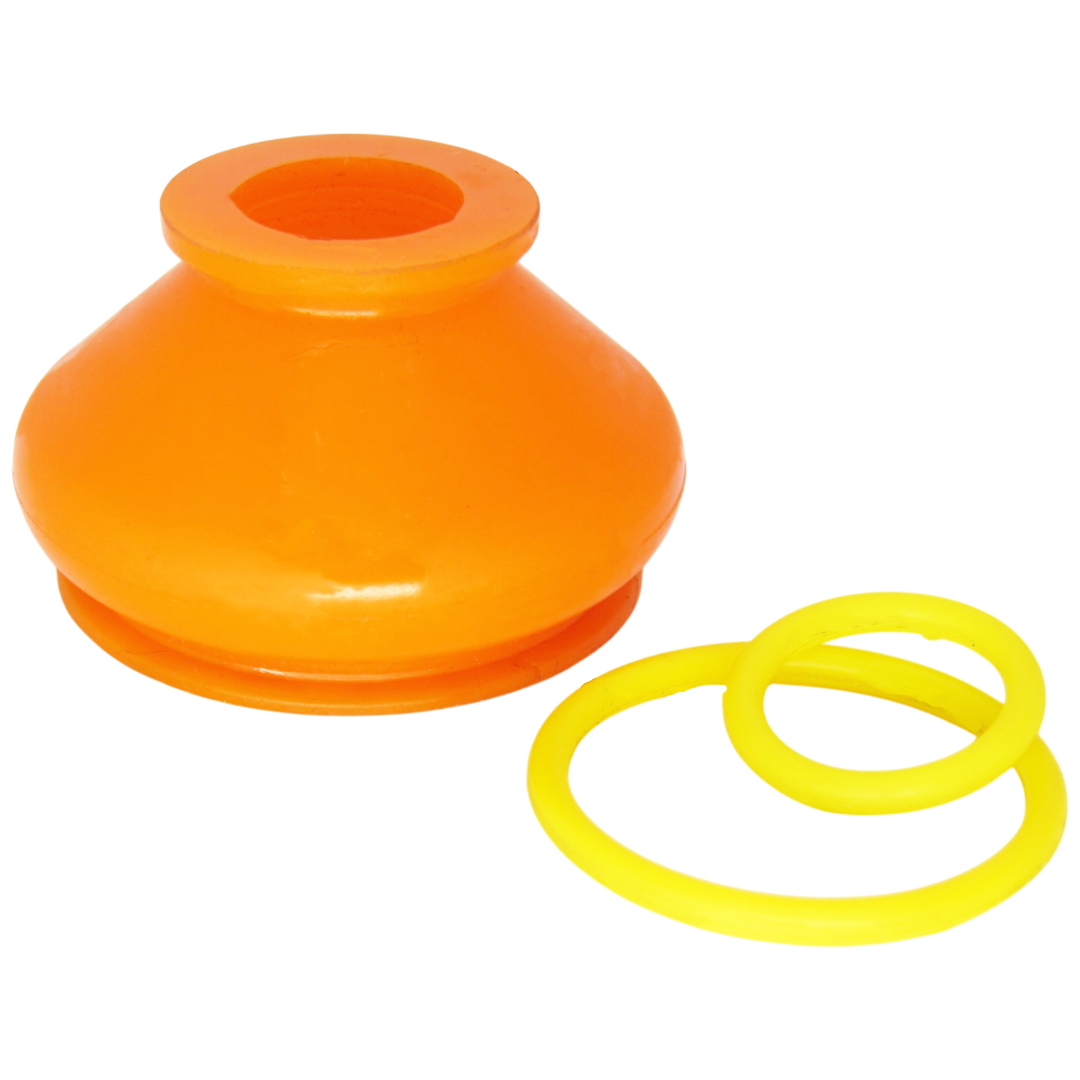
Polyurethane boot of the ball support for the steering tip VAZ 1118 2004-2018
In stock15 pcs.Polyurethane boot of the ball support for the steering tip VAZ 2108-21099 1984-2011
In stock15 pcs.Polyurethane boot of the ball support for the steering tip VAZ 2110-2112 1995-2014
In stock15 pcs.Polyurethane boot of the ball support for the steering tip VAZ 2113-2115 2001-2013
In stock15 pcs.Polyurethane boot of the ball support for the steering tip VAZ 2170 2007-2018
In stock15 pcs.Polyurethane boot of the ball support for the steering tip Volkswagen Crafter 2006-2016
In stock13 pcs.Polyurethane boot of the ball support for the steering tip Volkswagen T3 1979-1992
In stock13 pcs.
Polyurethane dust boot for the steering tip Acura Legend 1986-1995
In stock13 pcs.
Polyurethane dust boot for the steering tip Audi 100 1968-1976
In stock10 pcs.Polyurethane dust boot for the steering tip Audi 100 1976-1982
In stock10 pcs.
Polyurethane dust boot for the steering tip Audi 100 1982-1991
In stock15 pcs.Polyurethane dust boot for the steering tip Audi 100 1982-1991
In stock10 pcs.Polyurethane dust boot for the steering tip Audi 100 1990-1994
In stock15 pcs.Polyurethane dust boot for the steering tip Audi 100 1990-1994
In stock10 pcs.Polyurethane dust boot for the steering tip Audi 200 1976-1982
In stock10 pcs.Polyurethane dust boot for the steering tip Audi 200 1983-1991
In stock15 pcs.Polyurethane dust boot for the steering tip Audi 200 1983-1991
In stock10 pcs.
Polyurethane dust boot for the steering tip Audi A1 1999-2005
In stock15 pcs.Polyurethane dust boot for the steering tip Audi A1 2010-2018
In stock15 pcs.Polyurethane dust boot for the steering tip Audi A3 1996-2006
In stock15 pcs.Polyurethane dust boot for the steering tip Audi A3 2003-2012
In stock15 pcs.
Polyurethane dust boot for the steering tip Audi A3 2003-2012 1,6L
In stock10 pcs.Polyurethane dust boot for the steering tip Audi A3 2012-2020
In stock10 pcs.
Polyurethane dust boot for the steering tip Audi A4 1994-2001
In stock15 pcs.Polyurethane dust boot for the steering tip Audi A4 1994-2001
In stock10 pcs.Polyurethane dust boot for the steering tip Audi A4 2000-2004
In stock15 pcs.Polyurethane dust boot for the steering tip Audi A4 2004-2008
In stock15 pcs.Polyurethane dust boot for the steering tip Audi A6 1994-1997
In stock15 pcs.Polyurethane dust boot for the steering tip Audi A6 1994-1997
In stock10 pcs.Polyurethane dust boot for the steering tip Audi A6 1997-2004
In stock15 pcs.Polyurethane dust boot for the steering tip Audi A6 1997-2004
In stock10 pcs.Polyurethane dust boot for the steering tip Audi A6 2004-2011
In stock15 pcs.Polyurethane dust boot for the steering tip Audi Q2 2016-
In stock10 pcs.Polyurethane dust boot for the steering tip Audi Q3 2014-2018
In stock10 pcs.Polyurethane dust boot for the steering tip Audi V8 1988-1994
In stock15 pcs.Polyurethane dust boot for the steering tip Audi V8 1988-1994
In stock10 pcs.Polyurethane dust boot for the steering tip Honda Accord 2002-2008
In stock13 pcs.Polyurethane dust boot for the steering tip Honda Civic 2005-2011
In stock13 pcs.
Polyurethane dust boot for the steering tip Infiniti Qx50 2007-2017
In stock15 pcs.
Polyurethane dust boot for the steering tip Man CLA 2006-
In stock15 pcs.Polyurethane dust boot for the steering tip Man E 2000 2000-
In stock15 pcs.Polyurethane dust boot for the steering tip Man EL 1993-
In stock15 pcs.Polyurethane dust boot for the steering tip Man EM 1987-
In stock15 pcs.Polyurethane dust boot for the steering tip Man F 2000 1994-
In stock15 pcs.Polyurethane dust boot for the steering tip Man F 90 1986-
In stock15 pcs.Polyurethane dust boot for the steering tip Man F 90 Unterflur 1986-1994
In stock15 pcs.Polyurethane dust boot for the steering tip Man L 2000 1993-
In stock15 pcs.Polyurethane dust boot for the steering tip Man Lion S Coach 1995-
In stock15 pcs.Polyurethane dust boot for the steering tip Man Lion S Star 1993-
In stock15 pcs.Polyurethane dust boot for the steering tip Man M 2000 L 1995-
In stock15 pcs.Polyurethane dust boot for the steering tip Man M 2000 M 1995-
In stock15 pcs.Polyurethane dust boot for the steering tip Man M 90 1988-1996
In stock15 pcs.Polyurethane dust boot for the steering tip Man NG 1992-
In stock15 pcs.Polyurethane dust boot for the steering tip Man NU 1996-
In stock15 pcs.Polyurethane dust boot for the steering tip Man SG 1976-
In stock15 pcs.Polyurethane dust boot for the steering tip Man SL 1980-1987
In stock15 pcs.Polyurethane dust boot for the steering tip Man SM 1987-1995
In stock15 pcs.Polyurethane dust boot for the steering tip Man SR 1975-1986
In stock15 pcs.Polyurethane dust boot for the steering tip Man SU 1975-
In stock15 pcs.Polyurethane dust boot for the steering tip Man TGA 2000-
In stock15 pcs.Polyurethane dust boot for the steering tip Man TGL 2005-
In stock15 pcs.Polyurethane dust boot for the steering tip Man TGM 2005-
In stock15 pcs.Polyurethane dust boot for the steering tip Man TGS 2007-
In stock15 pcs.Polyurethane dust boot for the steering tip Man TGX 2007-
In stock15 pcs.Polyurethane dust boot for the steering tip Man UL 1989-
In stock15 pcs.
Polyurethane dust boot for the steering tip Mercedes-Benz 163 1997-2005
In stock15 pcs.Polyurethane dust boot for the steering tip Nissan Cefiro 1994-1999
In stock15 pcs.Polyurethane dust boot for the steering tip Nissan Cube 2008-
In stock15 pcs.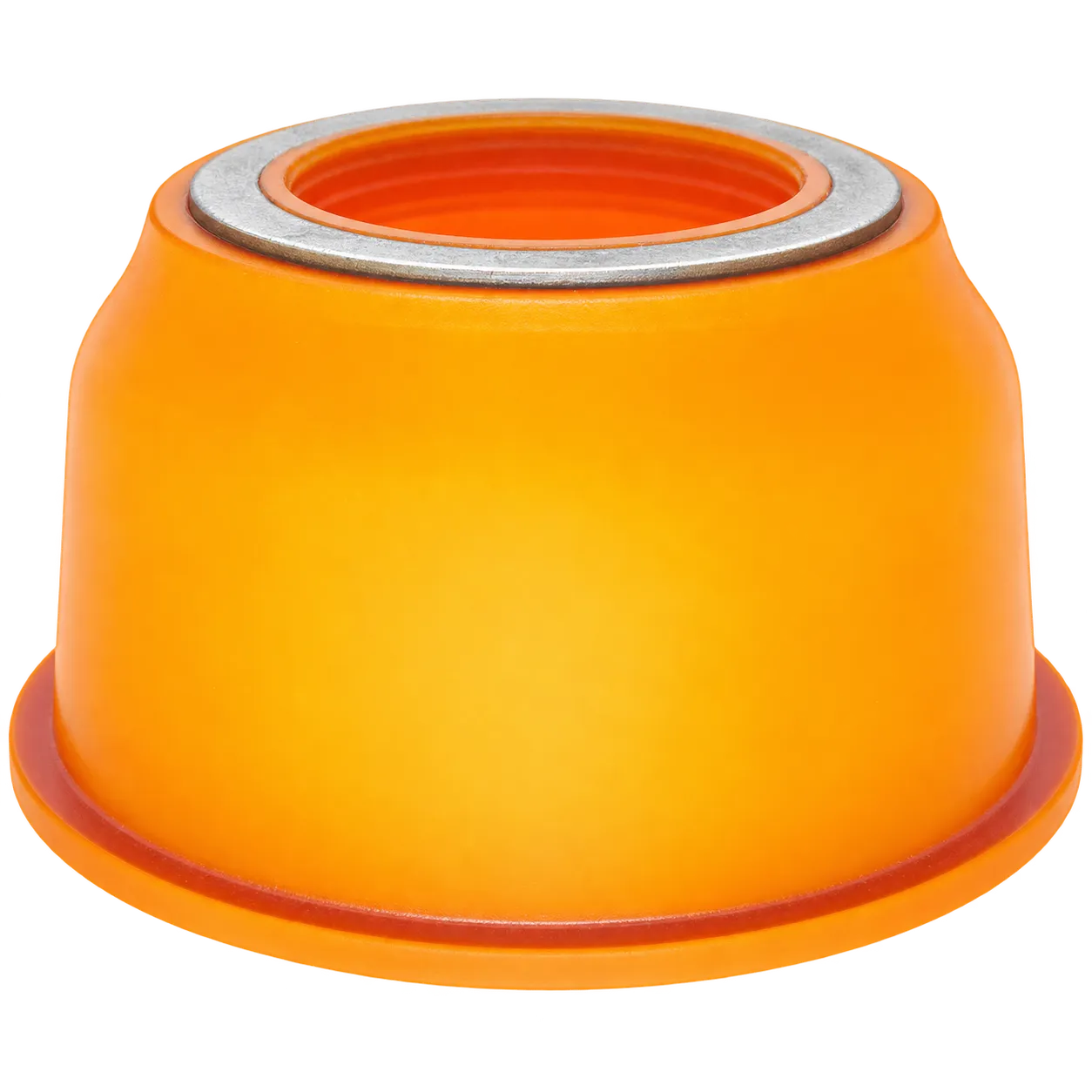
A tie rod end boot is the protective cover that sits on the ball pin of the outer tie rod end. It holds grease inside the joint and keeps water, grit, salt and de-icing chemicals out. The part is smaller than a steering rack tie rod boot and sits in the open next to the wheel, so it usually fails first. PolyPro moulds polyurethane boots on its own tooling for the common seat sizes — see the range in the catalogue.
The outer tie rod end is a ball joint that transfers steering force from the tie rod to the steering knuckle. Inside there is a pin with a spherical head, a bearing seat and grease. The boot slips over the pin, rests on the housing of the tie rod end and works as a sealed cover: the lower bead sits in the groove of the housing, the upper one grips the pin.
Every time the wheel is turned the pin moves in two planes and the convolutions of the boot stretch and compress with it. While the cover is intact the grease stays in the bearing seat and water and abrasive stay outside. As soon as it splits, dirt gets in within a few trips: the grease washes out, the seat runs dry, and play and knocking appear. The boot carries no load itself — it only isolates the friction pair, which is why its condition decides the life of the joint.
Check the boot with the wheel raised: turn the steering to full lock both ways and inspect the tie rod end with a torch. If grease is pushing out from under the cover, or the cover is dry and hardened, the part no longer works.
The last item means the boot alone is too late: a new tie rod end goes in with it. If the split is fresh and there is no play, the joint can be saved — wash it out, pack fresh grease and fit a new cover.
The factory boot is made of rubber: it is soft, cheap to produce and stretches well in the cold. The weak point of rubber is ageing. Ozone, oil products and road salt break it down, the material hardens, develops a network of cracks and tears along the convolutions, often by the second or third winter.
Polyurethane resists chemicals, oils and mechanical abrasion better, keeps the shape of the convolutions longer and does not harden as fast. It is denser, so the beads seat into the grooves with an interference fit and the cover does not jump off the pin. The trade-off is lower elasticity: a polyurethane boot needs a more accurate seat size and careful fitting, without stretching it blindly. For a part working right above the wheel, resistance to chemicals and abrasive is what counts, and the exact Shore hardness is stated on each product card.
Boots are selected by dimensions, not by the make of the car: the cover has to seat on the pin and in the housing groove without being stretched. You need three measurements and an idea of how the part is retained.
Take three figures from the old part with a caliper: the inner diameter of the lower bead, which seats on the tie rod end housing or on a backing washer, the diameter of the upper opening for the pin, and the overall height of the cover in its free state. If the old boot is torn and has shrunk, measure the seats on the tie rod end itself. The upper opening must be an interference fit on the pin, otherwise dirt will be drawn in past it. A millimetre too much on the lower bead and the cover will jump off on the first pothole. To match your figures against available sizes, use the boot selection page.
Tie rod end boots come as cones, barrels and shapes with pronounced convolutions. The shape decides how much travel the cover has when the wheel is turned: a low cone on a joint with a wide deflection angle is pulled at the upper bead and splits. Compare the profile with the old part — the number of folds, the height and whether there is a shoulder for a washer. If the tie rod end is closed off from below by the steering knuckle, choose a version without a flared base, or the cover will foul the knuckle. Do not confuse it with the larger tie rod boot.
The Shore hardness is stated on each product card, and that is the figure to work from. A softer material goes on more easily and follows the movement of the pin better, a harder one keeps its shape longer and resists abrasive, but it demands an accurate size at fitting. For city use with road chemicals and frequent steering input the general-purpose version is the sensible choice, while a car that runs on gravel and dirt roads is better served by a denser cover. Do not judge hardness by colour: colour means nothing here. If in doubt, describe how the vehicle is used and we will suggest a size.
The cover is held in three ways: by the interference fit of the material at the bead, by a clamp, or by a spring ring sitting in a groove. Look at what was fitted from the factory: if the tie rod end housing has a groove for a ring, a boot without one will not last. Before fitting, clean the seats of old grease and rust, pack fresh grease into the bearing seat and slide the cover on square, pressing the bead down evenly all round. Do not heat polyurethane with an open flame, warm water is enough. Non-standard seats are made to a drawing, a sample or a worn part.
PolyPro is a manufacturer, not a reseller. Moulds, casting, dimensional control and shipping are all in-house, so you pay for the part and not for a chain of middlemen. Retail is sold by the piece: if you need one boot for one side, you buy one. A non-standard size that is not in the catalogue is made to a drawing, a sample or a worn part, from a single piece. The products carry a warranty, and international shipping is available.
Wholesale is for garages, parts shops, vehicle fleets and resellers. For them there is a partner programme: bonuses for turnover or for the volume of a single order, access to prices and stock levels, and shipping under the partner's own brand.
On most designs no: the upper bead goes over the pin and the pin itself is pressed into the steering knuckle. The tie rod end is unscrewed and removed, the joint is washed out, fresh grease is packed in, and only then does the new cover go on. If the pin is already out of the knuckle during diagnosis, the swap takes a few minutes.
There is no single figure: service life depends on how much the car runs on salted winter roads, whether the wheel arch liner is intact, how accurately the size was chosen and whether the clamp was overtightened. Polyurethane does not age from ozone as quickly as rubber, so with a correct fit it outlasts the factory cover noticeably. Check its condition at every seasonal service.
Yes. The boot only isolates the joint, the grease does the work. Wash or squeeze the old grease out, wipe the seats dry, pack fresh joint grease into the bearing seat and only then fit the cover. If a new boot goes onto a dry, contaminated joint, play will show up before the new cover ever tears.
Three measurements are needed: the inner diameter of the lower bead, the diameter of the upper opening for the pin and the height of the cover. Measure the seats on the tie rod end rather than a stretched old boot. Compare those figures with the product cards, or send them to us and we will name a matching size from stock.
They are different parts. The tie rod end boot is a small cover on the ball pin that works in bending and seals the joint. The steering rack tie rod boot is a long bellows that closes off the rack shaft and moves with it as the wheel is turned. Sizes, shapes and retention differ, so they are selected separately.
Yes. If the catalogue does not list the size you need, we will make the boot to a drawing, to a sample of the old part, or to a worn cover that you send us. The minimum is one piece, which is normal practice for non-standard work. Send the measurements or the part itself and we will say whether an existing mould fits.
Yes, retail is by the piece: you can take one boot for one side without buying a set. That helps when the cover on the other side is still intact. The products carry a warranty and international shipping is available. Items from several catalogue categories travel in one shipment.
Wholesale supply covers garages, parts shops, vehicle fleets and resellers. For them there is a partner programme: bonuses for turnover or for the volume of a single order, access to prices and stock levels, and shipping under the partner's own brand. Send us the list of sizes you move regularly and we will work out terms.