

SKU: PP203101
Polyurethane boot for rear upper control arm ball joint Subaru Brz 2012-
In stock13 pcs.$6.26Log in as dealer

Polyurethane boot for rear upper control arm ball joint Subaru Brz 2012-
In stock13 pcs.Polyurethane boot for rear upper control arm ball joint Subaru Forester 2008-2012
In stock13 pcs.Polyurethane boot for rear upper control arm ball joint Subaru Impreza 2000-2007
In stock13 pcs.Polyurethane boot for rear upper control arm ball joint Subaru Impreza 2007-2011
In stock13 pcs.Polyurethane boot for rear upper control arm ball joint Subaru Legacy 2003-2009
In stock13 pcs.Polyurethane boot for rear upper control arm ball joint Subaru Legacy 2009-2014
In stock13 pcs.Polyurethane boot for rear upper control arm ball joint Subaru Tribeca 2005-2014
In stock13 pcs.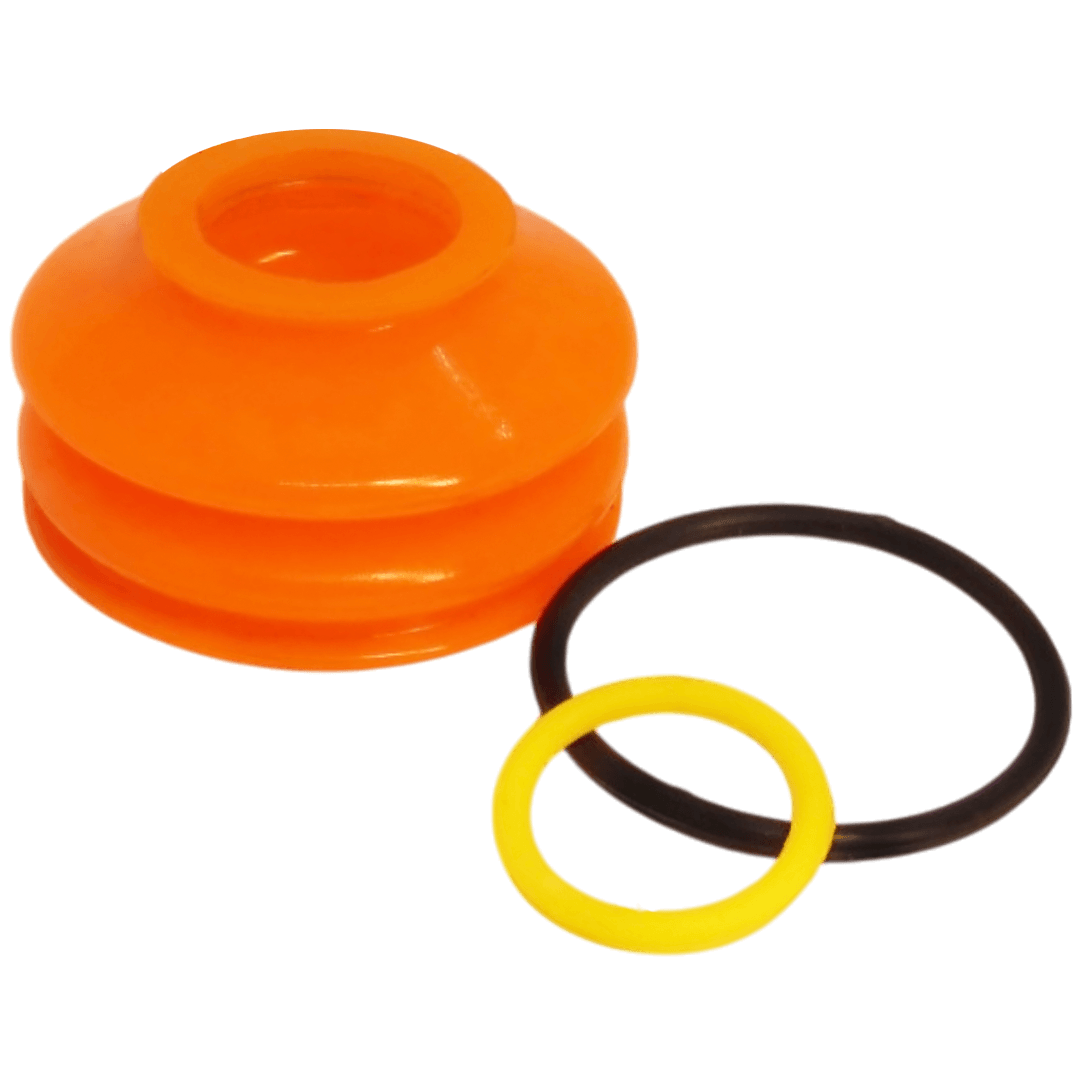
Polyurethane boot of the ball suppor of the front trailing arm Tesla Model S 2012-
In stock15 pcs.
Polyurethane boot of the ball support VAZ 1118 2004-2018
In stock15 pcs.Polyurethane boot of the ball support VAZ 2101-2107 1970-2004
In stock15 pcs.Polyurethane boot of the ball support VAZ 2108-21099 1984-2011
In stock15 pcs.Polyurethane boot of the ball support VAZ 2110-2112 1995-2014
In stock15 pcs.Polyurethane boot of the ball support VAZ 2113-2115 2001-2013
In stock15 pcs.Polyurethane boot of the ball support VAZ 2170 2007-2018
In stock15 pcs.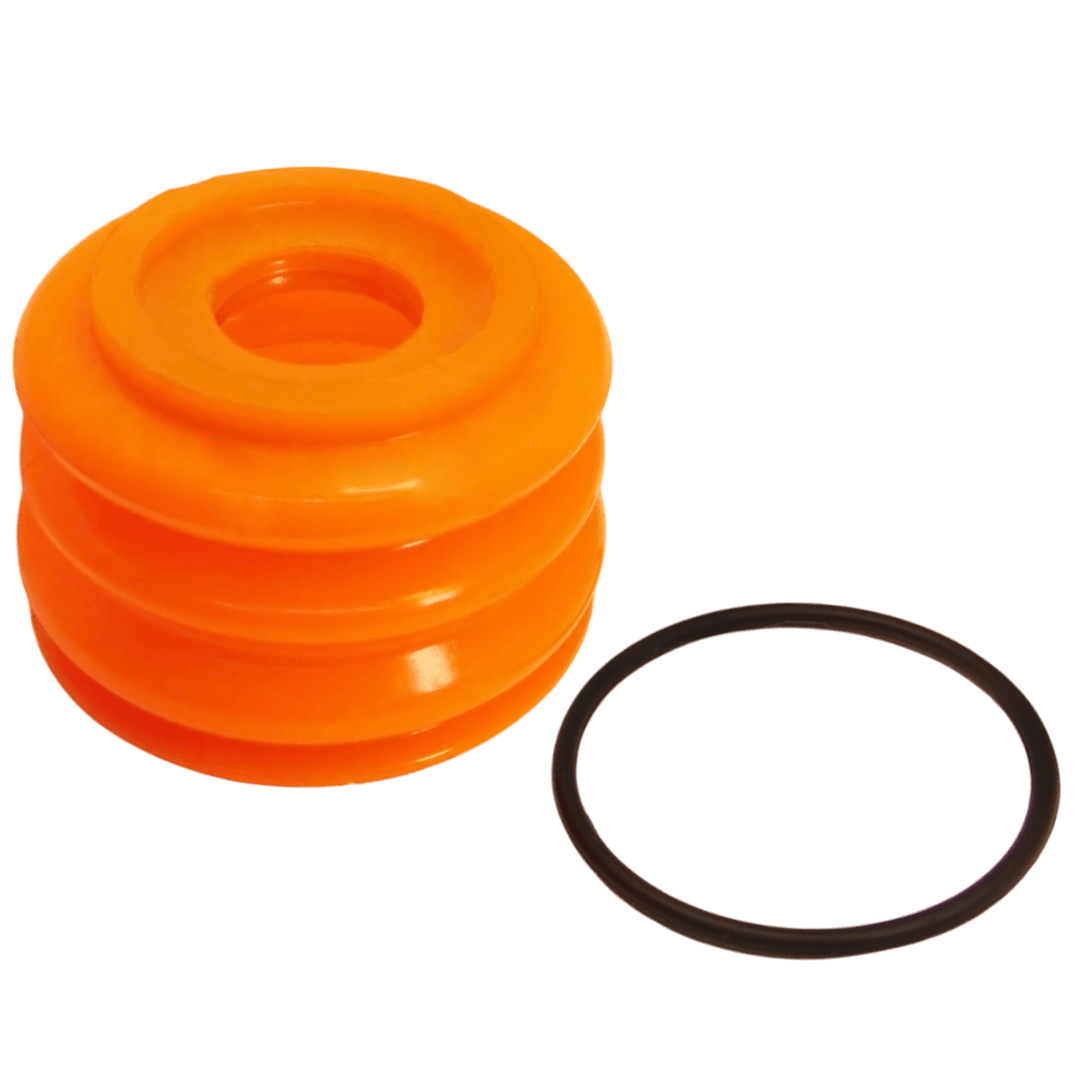
Polyurethane boot of the ball support Vaz 2101-2107 1970-2004
In stock15 pcs.Polyurethane boot of the ball support Vaz 2113-2115 2001-2013
In stock15 pcs.Polyurethane boot of the ball support Vaz Нива 1977-
In stock15 pcs.
Polyurethane boot of the ball support of rear rack stabilizer bar Audi A1 2010-2018 21мм bushings WELDED into stabilizer
In stock13 pcs.Polyurethane boot of the ball support of rear rack stabilizer bar Audi A3 2012-2020 21мм bushings WELDED into stabilizer
In stock13 pcs.Polyurethane boot of the ball support of rear rack stabilizer bar Audi Q2 2016- 21мм bushings WELDED into stabilizer
In stock13 pcs.Polyurethane boot of the ball support of rear rack stabilizer bar Audi TT 2014-2023 21мм bushings WELDED into stabilizer
In stock13 pcs.Polyurethane boot of the ball support of rear rack stabilizer bar Seat Ateca 2016- 21мм bushings WELDED into stabilizer
In stock13 pcs.Polyurethane boot of the ball support of rear rack stabilizer bar Seat Leon 2012-2020 21мм bushings WELDED into stabilizer
In stock13 pcs.Polyurethane boot of the ball support of rear rack stabilizer bar Skoda Octavia 2013-2020 21мм bushings WELDED into stabilize
In stock13 pcs.Polyurethane boot of the ball support of rear rack stabilizer bar Skoda Superb 2015- 21мм bushings WELDED into stabilizer
In stock13 pcs.Polyurethane boot of the ball support of rear rack stabilizer bar Volkswagen Golf 2012-2020 21мм bushings WELDED into stabili
In stock13 pcs.Polyurethane boot of the ball support of rear rack stabilizer bar Volkswagen Passat 2014- 21мм bushings WELDED into stabilize
In stock13 pcs.Polyurethane boot of the ball support of rear rack stabilizer bar Volkswagen Tiguan 2015- 21мм bushings WELDED into stabilize
In stock13 pcs.Polyurethane boot of the ball support of rear rack stabilizer bar Volkswagen Touran 2015- 21мм bushings WELDED into stabilize
In stock13 pcs.
Polyurethane boot of the ball support of the front arm Ford Cougar 1998-2001
In stock13 pcs.Polyurethane boot of the ball support of the front arm Ford Mondeo 1993-1996
In stock13 pcs.
Polyurethane boot of the ball support of the front arm Acura Mdx 2013-2020
In stock13 pcs.
Polyurethane boot of the ball support of the front arm Audi A2 1999-2005
In stock15 pcs.Polyurethane boot of the ball support of the front arm Audi A3 1996-2006
In stock15 pcs.
Polyurethane boot of the ball support of the front arm Audi A3 2003-2012
In stock13 pcs.Polyurethane boot of the ball support of the front arm Audi A3 2003-2012
In stock15 pcs.Polyurethane boot of the ball support of the front arm Audi A3 2012-2020
In stock13 pcs.
Polyurethane boot of the ball support of the front arm Audi A4 1994-2001 1,6L
In stock13 pcs.
Polyurethane boot of the ball support of the front arm Audi A4 1994-2001 1.9L
In stock15 pcs.Polyurethane boot of the ball support of the front arm Audi A4 2000-2004 1,6L
In stock13 pcs.Polyurethane boot of the ball support of the front arm Audi A4 2000-2004 1.9L
In stock15 pcs.Polyurethane boot of the ball support of the front arm Audi A4 2004-2008 1,6L
In stock13 pcs.Polyurethane boot of the ball support of the front arm Audi A6 1994-1997 1,6L
In stock13 pcs.Polyurethane boot of the ball support of the front arm Audi A6 1997-2004 1,6L
In stock13 pcs.Polyurethane boot of the ball support of the front arm Audi A6 2004-2011 1,6L
In stock13 pcs.Polyurethane boot of the ball support of the front arm Audi A8 1994-2002 1.9L
In stock15 pcs.Polyurethane boot of the ball support of the front arm Audi A8 2002-2009 1,6L
In stock13 pcs.Polyurethane boot of the ball support of the front arm Audi Allroad 2000-2005 1,6L
In stock13 pcs.Polyurethane boot of the ball support of the front arm Audi Q2 2016-
In stock13 pcs.Polyurethane boot of the ball support of the front arm Audi Q3 2011-2014
In stock13 pcs.Polyurethane boot of the ball support of the front arm Audi Q3 2014-2018
In stock13 pcs.
Polyurethane boot of the ball support of the front arm Bmw E30 1982-1994 1,8L-1,9L
In stock15 pcs.Polyurethane boot of the ball support of the front arm Bmw E34 1987-1995 1,8L-1,9L
In stock15 pcs.Polyurethane boot of the ball support of the front arm Bmw E53 1999-2006
In stock15 pcs.Polyurethane boot of the ball support of the front arm Bmw E70 2006-2013 3,0L-4,4L
In stock15 pcs.Polyurethane boot of the ball support of the front arm Bmw E71 2008-2012 3,0L-4,4L
In stock15 pcs.Polyurethane boot of the ball support of the front arm Bmw E72 2008-2012 3,0L-4,4L
In stock15 pcs.Polyurethane boot of the ball support of the front arm Bmw Z1 1988-1991 1,8L-1,9L
In stock15 pcs.
Polyurethane boot of the ball support of the front arm Citroen Berlingo 1996-2010
In stock13 pcs.
Polyurethane boot of the ball support of the front arm Citroen Berlingo 1996-2010 2,4L
In stock13 pcs.Polyurethane boot of the ball support of the front arm Citroen Berlingo 2008-2018
In stock13 pcs.Polyurethane boot of the ball support of the front arm Citroen C-Crosser 2007-2013
In stock13 pcs.Polyurethane boot of the ball support of the front arm Citroen C2 2003-2005
In stock13 pcs.Polyurethane boot of the ball support of the front arm Citroen C3 2009-2016
In stock13 pcs.Polyurethane boot of the ball support of the front arm Citroen C8 2002-2008
In stock13 pcs.
Polyurethane boot of the ball support of the front arm Citroen C8 2002-2008 2,0L
In stock13 pcs.Polyurethane boot of the ball support of the front arm Citroen Evasion 1994-2002
In stock13 pcs.Polyurethane boot of the ball support of the front arm Citroen Evasion 1994-2002 2,0L
In stock13 pcs.
Polyurethane boot of the ball support of the front arm Citroen Jumper 2006-
In stock13 pcs.Polyurethane boot of the ball support of the front arm Citroen Jumpy 1995-2007
In stock13 pcs.Polyurethane boot of the ball support of the front arm Citroen Jumpy 1995-2007 2,0L
In stock13 pcs.Polyurethane boot of the ball support of the front arm Citroen Jumpy 2007-2016
In stock13 pcs.Polyurethane boot of the ball support of the front arm Citroen Jumpy 2007-2016 2,0L
In stock13 pcs.Polyurethane boot of the ball support of the front arm Citroen Jumpy 2016-
In stock13 pcs.Polyurethane boot of the ball support of the front arm Citroen Xantia 1993-2002
In stock13 pcs.Polyurethane boot of the ball support of the front arm Citroen Xsara 1997-2006
In stock13 pcs.Polyurethane boot of the ball support of the front arm Citroen Zx 1991-1997
In stock13 pcs.Polyurethane boot of the ball support of the front arm Citroen Zx 1991-1997 2,4L
In stock13 pcs.Polyurethane boot of the ball support of the front arm Dacia Dokker 2012-2016 1,5L-1,6L
In stock15 pcs.
Polyurethane boot of the ball support of the front arm Dacia Duster 2010-2018
In stock13 pcs.Polyurethane boot of the ball support of the front arm Dacia Lodgy 2012- 1,5L-1,6L
In stock15 pcs.Polyurethane boot of the ball support of the front arm Dacia Logan 2004-2012 1,5L-1,6L
In stock15 pcs.Polyurethane boot of the ball support of the front arm Dacia Logan 2012-2020 1,5L-1,6L
In stock15 pcs.Polyurethane boot of the ball support of the front arm Dacia Sandero 2007-2012 1,5L-1,6L
In stock15 pcs.Polyurethane boot of the ball support of the front arm Dacia Sandero 2012-2020 1,5L-1,6L
In stock15 pcs.Polyurethane boot of the ball support of the front arm Fiat Ducato 2006-
In stock13 pcs.Polyurethane boot of the ball support of the front arm Ford Fusion 2012-2020
In stock13 pcs.Polyurethane boot of the ball support of the front arm Ford Mondeo 2014-
In stock13 pcs.Polyurethane boot of the ball support of the front arm Honda Odyssey 2017-
In stock13 pcs.Polyurethane boot of the ball support of the front arm Honda Pilot 2015-
In stock13 pcs.
Polyurethane boot of the ball support of the front arm Land Rover Freelander 1997-2006
In stock13 pcs.Polyurethane boot of the ball support of the front arm Lexus Lx 1998-2007 3,0L-4,4L
In stock15 pcs.Polyurethane boot of the ball support of the front arm Lincoln Mkz 2013-2020
In stock13 pcs.Polyurethane boot of the ball support of the front arm Mercedes-Benz 117 2013-2019 1.6L-1.8L
In stock15 pcs.Polyurethane boot of the ball support of the front arm Mercedes-Benz 156 2014-2019 1.6L-1.8L
In stock15 pcs.Polyurethane boot of the ball support of the front arm Mercedes-Benz 176 2012-2018 1.6L-1.8L
In stock15 pcs.Polyurethane boot of the ball support of the front arm Mercedes-Benz 246 2011-2018 1.6L-1.8L
In stock15 pcs.
Polyurethane boot of the ball support of the front arm Nissan Interstar 1998-2010 2,5L
In stock15 pcs.
Polyurethane boot of the ball support of the front arm Nissan Primastar 2002-2016
In stock13 pcs.
Polyurethane boot of the ball support of the front arm Nissan Primastar 2002-2016 2,5L
In stock13 pcs.Polyurethane boot of the ball support of the front arm Opel Movano 1998-2010 2,5L
In stock15 pcs.Polyurethane boot of the ball support of the front arm Opel Movano 2010- 2,5L
In stock15 pcs.Polyurethane boot of the ball support of the front arm Opel Vivaro 2001-2014
In stock13 pcs.Polyurethane boot of the ball support of the front arm Opel Vivaro 2001-2014 2,5L
In stock13 pcs.Polyurethane boot of the ball support of the front arm Opel Vivaro 2014- 2,5L
In stock13 pcs.Polyurethane boot of the ball support of the front arm Peugeot 206 1995-2004
In stock13 pcs.Polyurethane boot of the ball support of the front arm Peugeot 405 1987-1997
In stock13 pcs.Polyurethane boot of the ball support of the front arm Peugeot 406 1995-2004
In stock13 pcs.Polyurethane boot of the ball support of the front arm Peugeot 407 2004-2011
In stock13 pcs.Polyurethane boot of the ball support of the front arm Peugeot 806 1994-2002
In stock13 pcs.Polyurethane boot of the ball support of the front arm Peugeot 806 1994-2002 2,0L
In stock13 pcs.Polyurethane boot of the ball support of the front arm Peugeot 807 2002-2014
In stock13 pcs.Polyurethane boot of the ball support of the front arm Peugeot 807 2002-2014 2,0L
In stock13 pcs.Polyurethane boot of the ball support of the front arm Peugeot Boxer 2006
In stock13 pcs.Polyurethane boot of the ball support of the front arm Peugeot Expert 1995-2007
In stock13 pcs.Polyurethane boot of the ball support of the front arm Peugeot Expert 1995-2007 2,0L
In stock13 pcs.Polyurethane boot of the ball support of the front arm Peugeot Expert 2007-
In stock13 pcs.Polyurethane boot of the ball support of the front arm Peugeot Expert 2007-2016
In stock13 pcs.Polyurethane boot of the ball support of the front arm Peugeot Expert 2016-
In stock13 pcs.Polyurethane boot of the ball support of the front arm Peugeot Partner 1996-2008
In stock13 pcs.Polyurethane boot of the ball support of the front arm Peugeot Partner 1996-2008 2,4L
In stock13 pcs.Polyurethane boot of the ball support of the front arm Peugeot Partner 2008-
In stock13 pcs.Polyurethane boot of the ball support of the front arm Renault 5 1985-1998 2,5L
In stock15 pcs.Polyurethane boot of the ball support of the front arm Renault Captur 2013- 1,5L-1,6L
In stock15 pcs.Polyurethane boot of the ball support of the front arm Renault Clio 1998-2005 1,5L-1,6L
In stock15 pcs.Polyurethane boot of the ball support of the front arm Renault Clio 2005-2012 1,5L-1,6L
In stock15 pcs.Polyurethane boot of the ball support of the front arm Renault Clio 2012-2019 1,5L-1,6L
In stock15 pcs.Polyurethane boot of the ball support of the front arm Renault Duster 2010-2018
In stock13 pcs.Polyurethane boot of the ball support of the front arm Renault Espace 2002-2016
In stock13 pcs.
Polyurethane boot of the ball support of the front arm Renault Espace 2016-
In stock13 pcs.Polyurethane boot of the ball support of the front arm Renault Grand Scenic 2004-2009 1,5L-1,6L
In stock15 pcs.Polyurethane boot of the ball support of the front arm Renault Grand Scenic 2009- 1,5L-1,6L
In stock15 pcs.Polyurethane boot of the ball support of the front arm Renault Kangoo 1997-2008 1,5L-1,6L
In stock15 pcs.Polyurethane boot of the ball support of the front arm Renault Kangoo 2008-
In stock13 pcs.Polyurethane boot of the ball support of the front arm Renault Kangoo 2008- 1,5L-1,6L
In stock15 pcs.Polyurethane boot of the ball support of the front arm Renault Laguna 2001-2007
In stock13 pcs.Polyurethane boot of the ball support of the front arm Renault Laguna 2001-2007 2,5L
In stock13 pcs.Polyurethane boot of the ball support of the front arm Renault Logan 2004-2012 1,5L-1,6L
In stock15 pcs.Polyurethane boot of the ball support of the front arm Renault Master 1981-1998 2,5L
In stock15 pcs.Polyurethane boot of the ball support of the front arm Renault Master 1998-2010 2,5L
In stock15 pcs.Polyurethane boot of the ball support of the front arm Renault Master 2010- 2,5L
In stock15 pcs.Polyurethane boot of the ball support of the front arm Renault Megane 1995-2003 1,5L-1,6L
In stock15 pcs.Polyurethane boot of the ball support of the front arm Renault Megane 2002-2009 1,5L-1,6L
In stock15 pcs.Polyurethane boot of the ball support of the front arm Renault Megane 2008-2015 1,5L-1,6L
In stock15 pcs.Polyurethane boot of the ball support of the front arm Renault Modus 2004-2012 1,5L-1,6L
In stock15 pcs.Polyurethane boot of the ball support of the front arm Renault Sandero 2007-2012 1,5L-1,6L
In stock15 pcs.Polyurethane boot of the ball support of the front arm Renault Scenic 1996-2003 1,5L-1,6L
In stock15 pcs.Polyurethane boot of the ball support of the front arm Renault Scenic 2003-2009 1,5L-1,6L
In stock15 pcs.Polyurethane boot of the ball support of the front arm Renault Scenic 2009-2016 1,5L-1,6L
In stock15 pcs.Polyurethane boot of the ball support of the front arm Renault Scenic 2016-
In stock13 pcs.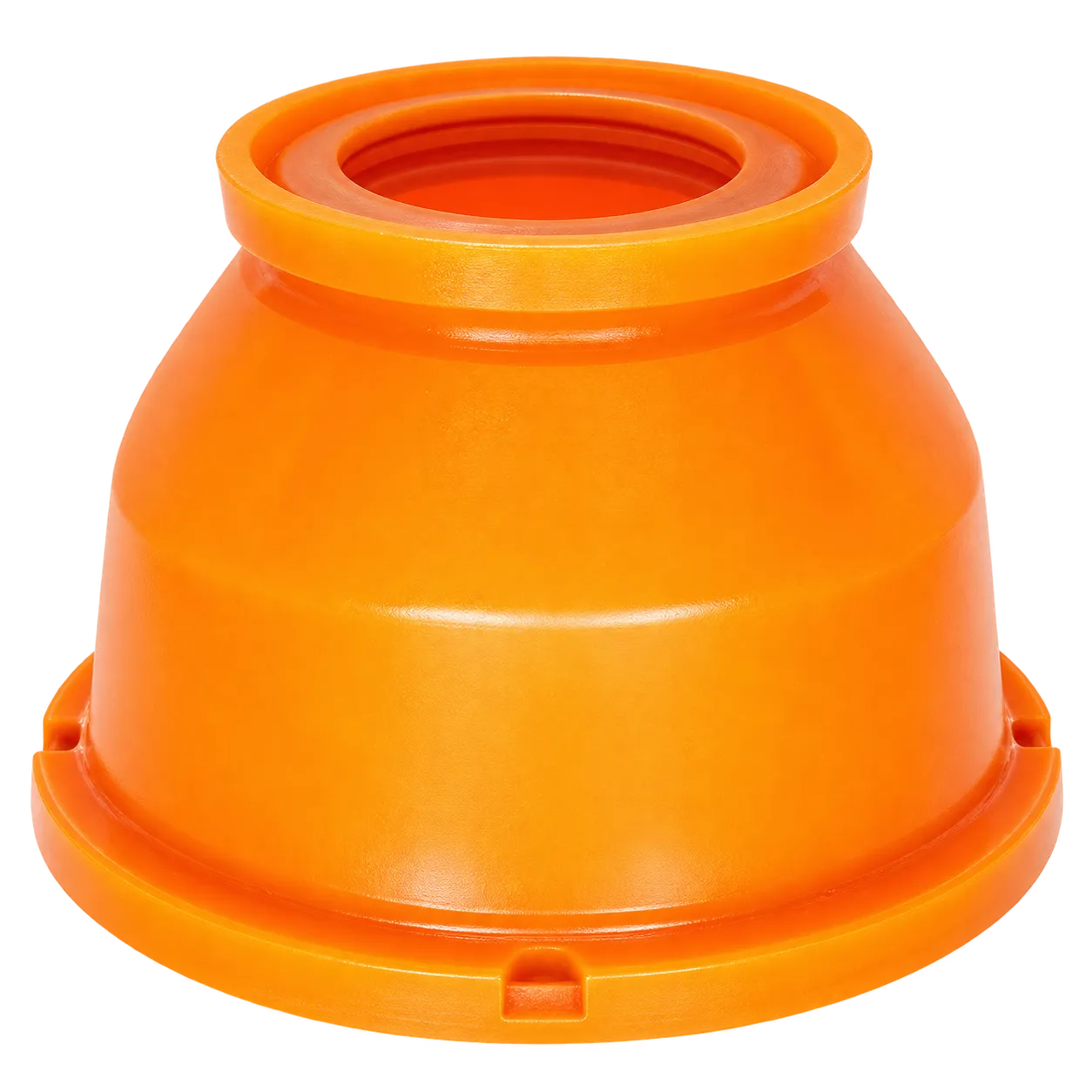
A ball joint boot is the protective cover that keeps grease inside the joint and keeps water, sand and road salt out of it. It is fitted to passenger cars, crossovers, vans and light commercial vehicles, where the joint carries body weight and articulates on every bump. PolyPro moulds these boots from polyurethane in its own tooling and sells them with no middlemen — single units and wholesale alike. The rest of the protective covers and suspension parts sit in the catalogue
A ball joint connects the control arm to the steering knuckle and acts as a spherical bearing: the stud rotates in its seat under the weight of the body and under loads from braking and impacts. To keep that friction pair moving smoothly, the housing is packed with grease. The boot is a bellows-shaped cover that seals this volume: its lower lip seats on the joint housing, while the upper lip grips the stud and travels with it.
The folds of the bellows let the cover compress and stretch over the full suspension travel and the full steering angle. While ball joint boots stay intact, the grease stays in and dirt and moisture stay out. As soon as a split appears, water and sand reach the seat, the grease washes out, and the joint starts knocking within a few thousand kilometres. The lower lip is retained either by a press fit into the housing or by a spring ring.
Check the boot on a lift or over a pit together with the joint itself: unload the wheel, turn the steering to both locks and inspect the cover all the way round, especially the lower fold where water collects. Rubber is attacked by ozone, temperature swings and salt — it hardens and cracks along the crests of the bellows. Polyurethane lasts longer, but it still deserves a look at every seasonal suspension service.
Replacing the cover is worthwhile while the joint is still sound: if the grease escaped recently, wash the assembly out, repack it and fit a fresh boot. Once the stud already has play, a new cover alone will not help — replace the joint and fit the new boot together with it. After fitting, check that the lip has seated square.
Factory boots are made of rubber: it is cheap and elastic, but aged rubber suffers from ozone, ultraviolet and salt. After two or three seasons on salted roads it hardens, and the first winter pothole tears a fold along its crest. Polyurethane behaves differently: it stays flexible in the cold, does not craze from de-icing chemicals and is noticeably more resistant to abrasion by the sand that packs between the cover and the arm.
The second point is how the lip holds. A polyurethane lip keeps its shape and does not stretch, so the cover neither rotates on the housing nor slips off the stud after a few hundred kilometres. There is a trade-off: the material is stiffer than rubber, so the boot needs accurate sizing and careful fitting — the lip must be seated square, without distortion, with the seat lightly lubricated first.
Selection goes by the geometry of the joint, not by the car badge: take the old part or the joint itself and measure it. Three parameters decide the fit — the seat diameters, the height and the way the lower lip is retained.
Take three measurements: the inner diameter of the upper lip that grips the stud, the inner diameter of the lower lip that seats on the housing, and the overall free height of the cover. Measure an intact part with a caliper; if the old rubber has hardened and split, take the figures from the joint itself — from the stud under its shoulder and from the seating band on the housing. The upper lip must seat with interference and the lower one with no gap, otherwise water gets under the cover straight away. Check the height assembled: a boot that is too short stretches the bellows at full droop, one that is too tall bunches up and chafes through.
There are two ways of holding the cover on the housing. The first is a press-fit ball joint boot: the thickened lip is pressed into a groove in the housing and is held by the tension of the material alone, with no extra hardware. The second is a spring-ring ball joint boot: the lip carries a channel for a steel ring or clamp that squeezes the cover onto the joint. The joint decides which you need: a machined groove for a ring means the second type, a plain seating band means the first. The two are not interchangeable on the same housing. Clean the seating band of old grease, rust and grit before fitting, or the lip will sit crooked.
Shore hardness is stated on every product page, and it is chosen to suit the duty. A softer compound stretches more easily at large steering angles and loads the lip less in freezing weather, which suits passenger cars with long suspension travel. A harder one resists stone punctures and abrasion better, so it goes on vans, light commercial vehicles and cars that see gravel roads regularly. For mixed duty, take the middle figure shown on the product page: it keeps the bellows flexible while still standing up to grit. Hardness does not alter the fitting dimensions; the size is chosen separately.
PolyPro is the manufacturer, not a reseller: the tooling, the casting and the dimensional control are ours, so every batch repeats the seat geometry instead of approximating it. We sell direct — single units at retail, no minimum order, with a product warranty and international shipping. If the size you need is not in the catalogue, the part is made to a drawing, to a sample or to your worn boot, starting from one piece.
Wholesale is aimed at repair shops, parts retailers, fleets and resellers: the partner programme offers bonuses on turnover or on single-order volume, access to prices and stock levels, and shipment under the partner's own brand.
Yes, provided the joint itself is still sound: no play in the stud, no knocking, and the grease escaped recently. Strip the assembly, wash out the old grease and grit, repack it and fit the new cover. If the stud already has play or you hear knocking over small bumps, a new boot changes nothing — the joint has to be replaced as a unit.
In material and in how it ages. Polyurethane stays flexible in the cold, does not craze from salt and de-icing chemicals and resists abrasion by sand better. Rubber is softer and cheaper, but hardens sooner from ozone and temperature swings. In return, polyurethane is stiffer, so it needs accurate sizing and a careful, square fit of the lip.
Take the dimensions from the joint rather than from the cover. Measure the upper lip diameter on the stud under its shoulder, the lower one on the seating band of the housing, and estimate the height from the housing to the stud shoulder with the suspension assembled. If any intact fragment of the old part remains, use it to check lip thickness and the number of folds.
Yes. The boot only seals the volume; it is the grease that does the work inside the joint. Before assembly, wash the seat clean of old grease contaminated with abrasive and pack it with fresh joint grease. Lightly lubricate the lips of the cover and the seating band as well, so the lip seats square instead of folding under or sitting crooked.
The housing decides, not preference. If the housing has a machined groove for a steel ring or a factory clamp, you need the spring-ring version. If the seating band is plain, with no channel, the lip is held by interference alone and the press-fit version is correct. Fitting the wrong type will either fail to retain the cover or destroy its lip.
Yes. Alongside the catalogue sizes we make parts to order: to a drawing, to a sample, or to a worn boot you send us for measurement. That covers rare joints, trucks and special vehicles, and assemblies whose original cover is no longer available. The minimum quantity for that work is one piece.
Yes, we sell by the piece with no minimum order, so a single part for one vehicle is fine. A retail order is handled the same way as a wholesale one: pick the size and the Shore hardness on the product page, and we ship with a product warranty and international delivery. Non-standard parts made to a sample also start from one piece.
Wholesale buyers — repair shops, parts retailers, fleets and resellers — are covered by the partner programme: bonuses on turnover or on single-order volume, access to current prices and stock levels, and shipment under the partner's brand. Because we run the production ourselves, a regular partner can have their own boot sizes scheduled.