
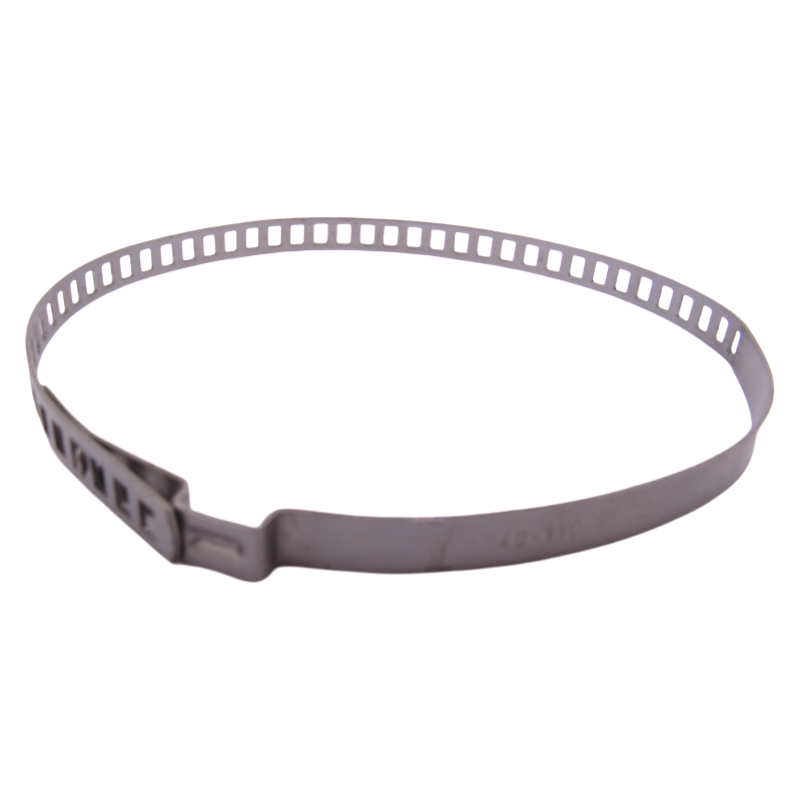
SKU: PP303964
CV boot clamp
In stock15 pcs.$2.78Log in as dealer

CV boot clamp
In stock15 pcs.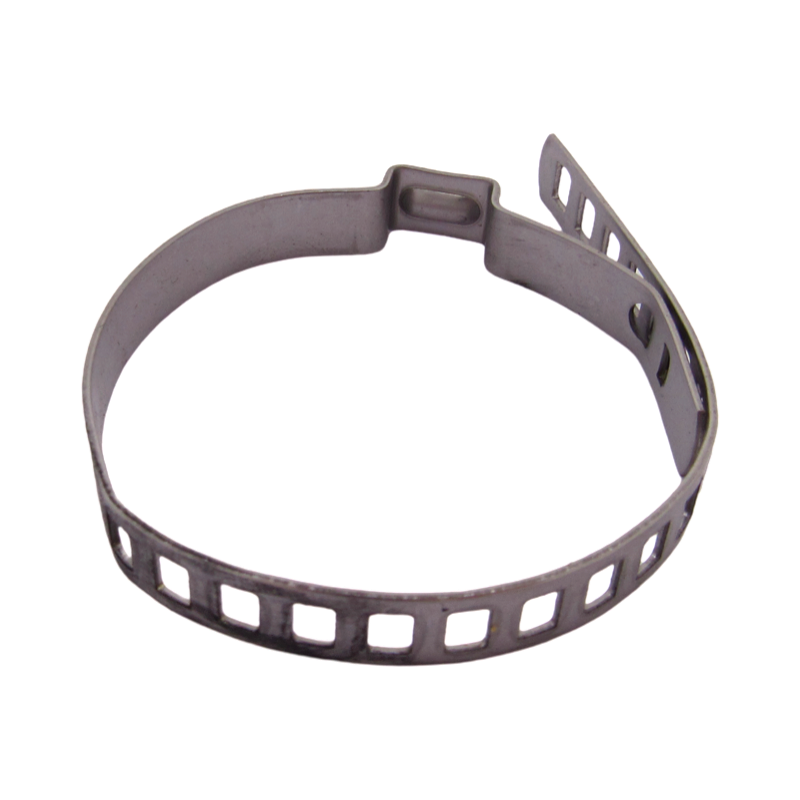
CV boot clamp
In stock15 pcs.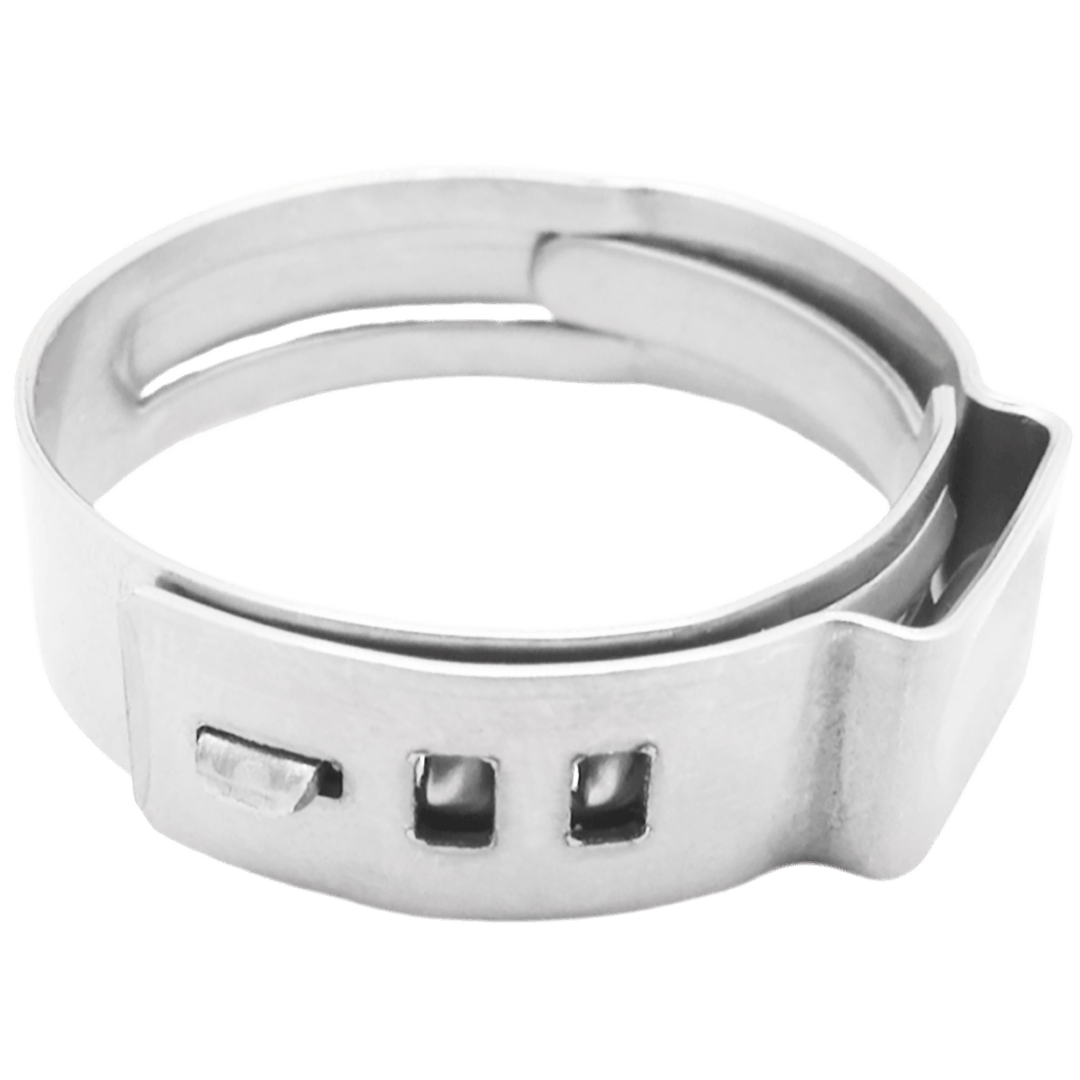
CV boot clamp
In stock15 pcs.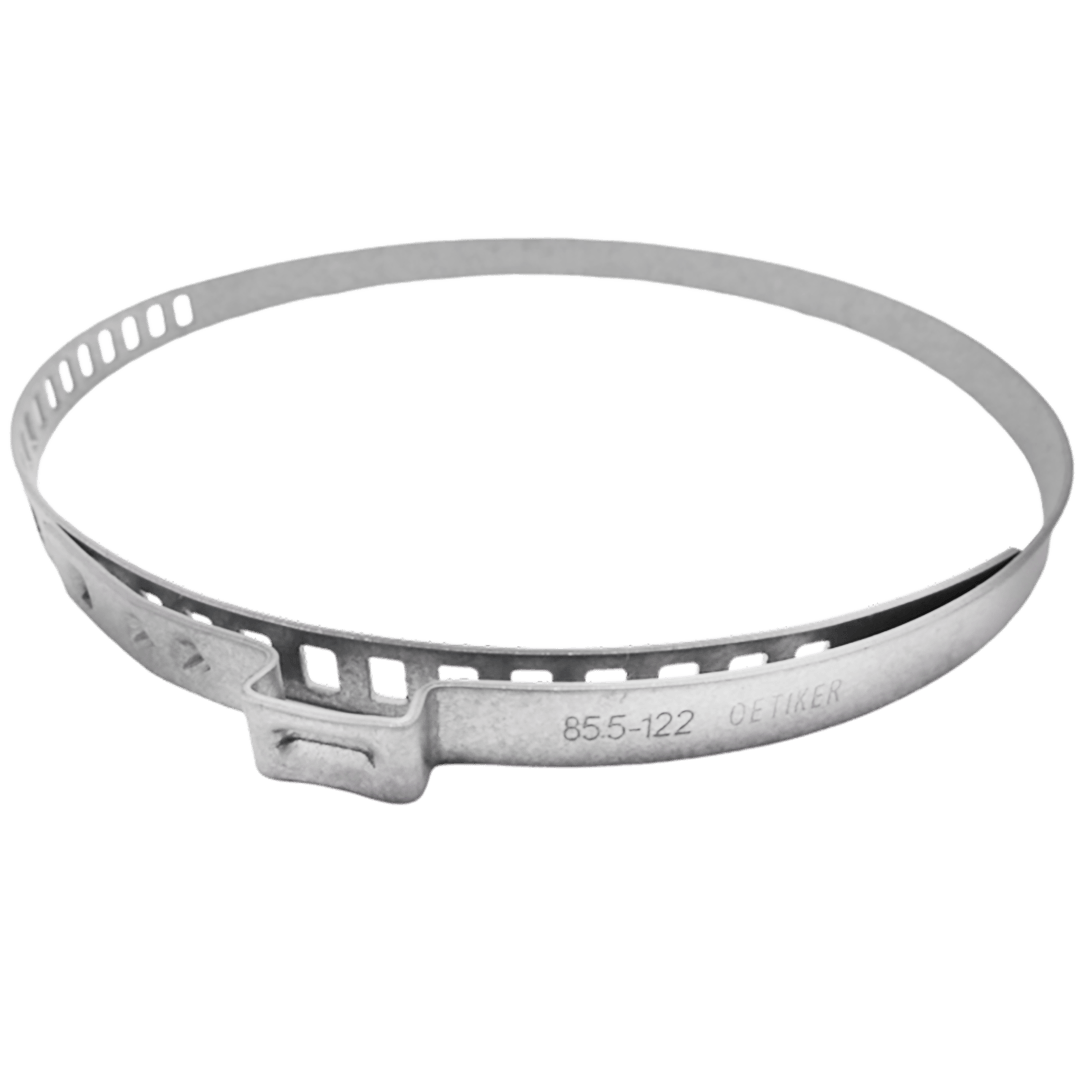
CV boot clamp
In stock15 pcs.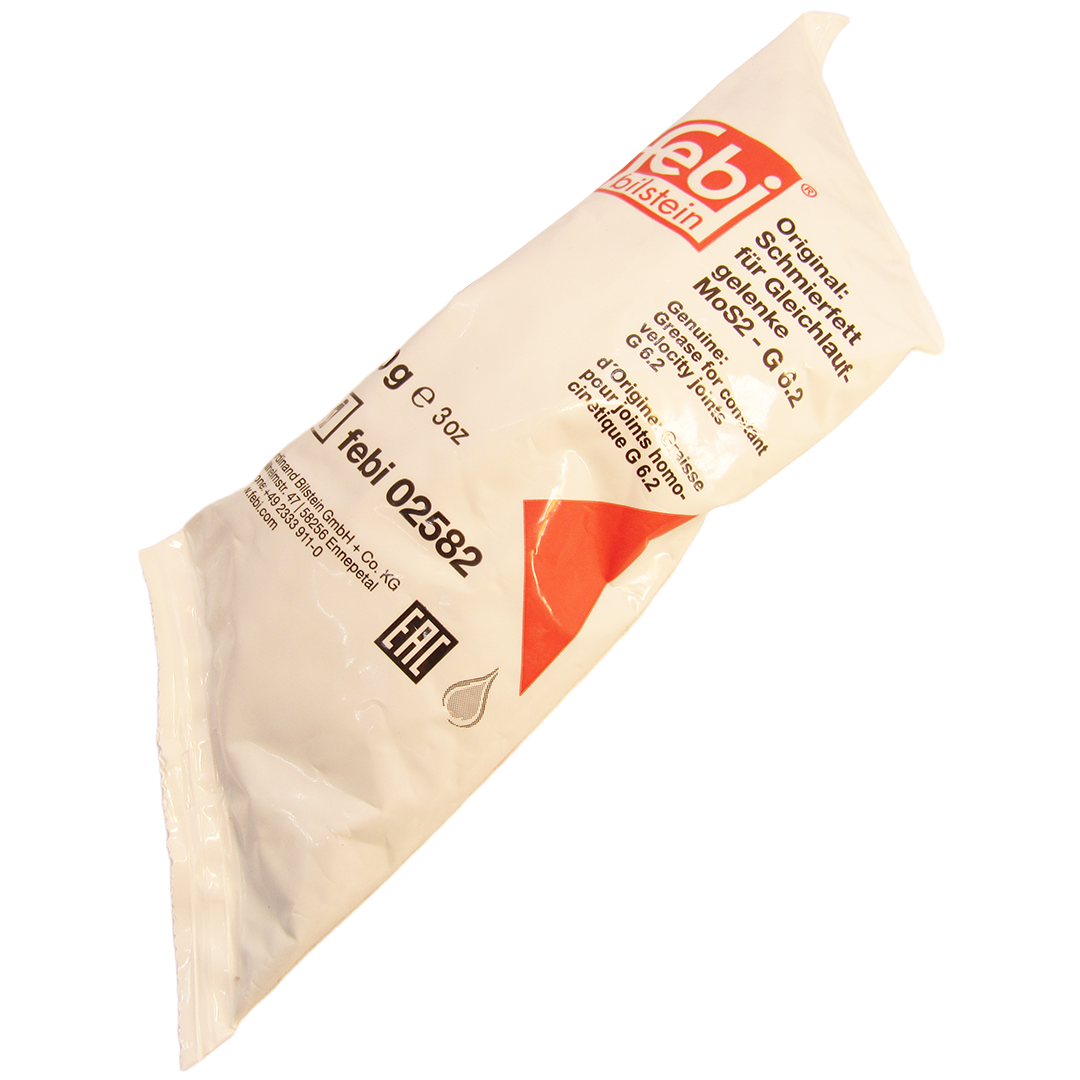
CV joint grease
In stock15 pcs.
Polyurethane dust boot of CV joints Alfa Romeo 145 1994-2001 inner
In stock15 pcs.Polyurethane dust boot of CV joints Alfa Romeo 146 1994-2001 inner
In stock15 pcs.Polyurethane dust boot of CV joints Alfa Romeo 156 1997-2007 inner
In stock15 pcs.Polyurethane dust boot of CV joints Alfa Romeo 166 1998-2007 inner
In stock15 pcs.
Polyurethane dust boot of CV joints Audi 100 1990-1994 inner 1.9L
In stock15 pcs.Polyurethane dust boot of CV joints Audi 80 1978-1986 inner
In stock15 pcs.Polyurethane dust boot of CV joints Audi A3 1996-2006 inner
In stock15 pcs.Polyurethane dust boot of CV joints Audi A3 1996-2006 inner 1.9L
In stock15 pcs.Polyurethane dust boot of CV joints Audi A4 2000-2004 inner 1.9L
In stock15 pcs.Polyurethane dust boot of CV joints Audi A4 2004-2008 inner 1.9L
In stock15 pcs.
Polyurethane dust boot of CV joints Audi A4 2007-2015 inner
In stock15 pcs.Polyurethane dust boot of CV joints Audi A5 2007-2016 inner
In stock15 pcs.Polyurethane dust boot of CV joints Audi A6 2004-2011 inner 1.9L
In stock15 pcs.Polyurethane dust boot of CV joints Audi A8 2002-2009 inner 1.9L
In stock15 pcs.
Polyurethane dust boot of CV joints Audi Q7 2005-2015 1.9L internal
In stock15 pcs.
Polyurethane dust boot of CV joints Audi Q7 2005-2015 inner
In stock15 pcs.
Polyurethane dust boot of CV joints Audi Q7 2005-2015 inner 1,5L
In stock15 pcs.Polyurethane dust boot of CV joints Audi TT 1998-2006 inner
In stock15 pcs.Polyurethane dust boot of CV joints Audi TT 1998-2006 inner 1.9L
In stock15 pcs.
Polyurethane dust boot of CV joints Citroen Berlingo 1996-2010 inner
In stock15 pcs.Polyurethane dust boot of CV joints Citroen C15 1984-2005 inner
In stock15 pcs.Polyurethane dust boot of CV joints Citroen C4 2004-2010 inner
In stock15 pcs.Polyurethane dust boot of CV joints Citroen C4 2010-2018 inner
In stock15 pcs.Polyurethane dust boot of CV joints Citroen C5 2001-2008 inner
In stock15 pcs.Polyurethane dust boot of CV joints Citroen C5 2008-2017 inner
In stock15 pcs.Polyurethane dust boot of CV joints Citroen C8 2002-2008 inner
In stock15 pcs.Polyurethane dust boot of CV joints Citroen Ds4 2011-2015 inner
In stock15 pcs.Polyurethane dust boot of CV joints Citroen Ds5 2011-2015 inner
In stock15 pcs.Polyurethane dust boot of CV joints Citroen Evasion 1994-2002 inner
In stock15 pcs.Polyurethane dust boot of CV joints Citroen Jumper 1994-2006 inner
In stock15 pcs.Polyurethane dust boot of CV joints Citroen Jumper 2006- inner
In stock15 pcs.Polyurethane dust boot of CV joints Citroen Jumpy 1995-2007 inner
In stock15 pcs.Polyurethane dust boot of CV joints Citroen Jumpy 2007-2016 inner
In stock15 pcs.Polyurethane dust boot of CV joints Citroen Xantia 1993-2001 inner
In stock15 pcs.Polyurethane dust boot of CV joints Citroen Xsara 1997-2006 inner
In stock15 pcs.Polyurethane dust boot of CV joints Citroen Zx 1991-1997 inner
In stock15 pcs.
Polyurethane dust boot of CV joints Dacia Duster 2010-2018 inner 2.0L
In stock15 pcs.Polyurethane dust boot of CV joints Dacia Duster 2018- inner 2.0L
In stock15 pcs.Polyurethane dust boot of CV joints Dacia Logan 2012-2020 inner 2.0L
In stock15 pcs.
Polyurethane dust boot of CV joints Dodge Caliber 2006-2011 inner
In stock15 pcs.Polyurethane dust boot of CV joints Dodge Caliber 2006-2011 inner 2.0L
In stock15 pcs.Polyurethane dust boot of CV joints Fiat Marea 1996-2007 inner
In stock15 pcs.Polyurethane dust boot of CV joints Fiat Stilo 2001-2008 inner
In stock15 pcs.Polyurethane dust boot of CV joints Ford Galaxy 1995-2006 inner
In stock15 pcs.
Polyurethane dust boot of CV joints Ford Ranger 1997-2012 inner
In stock15 pcs.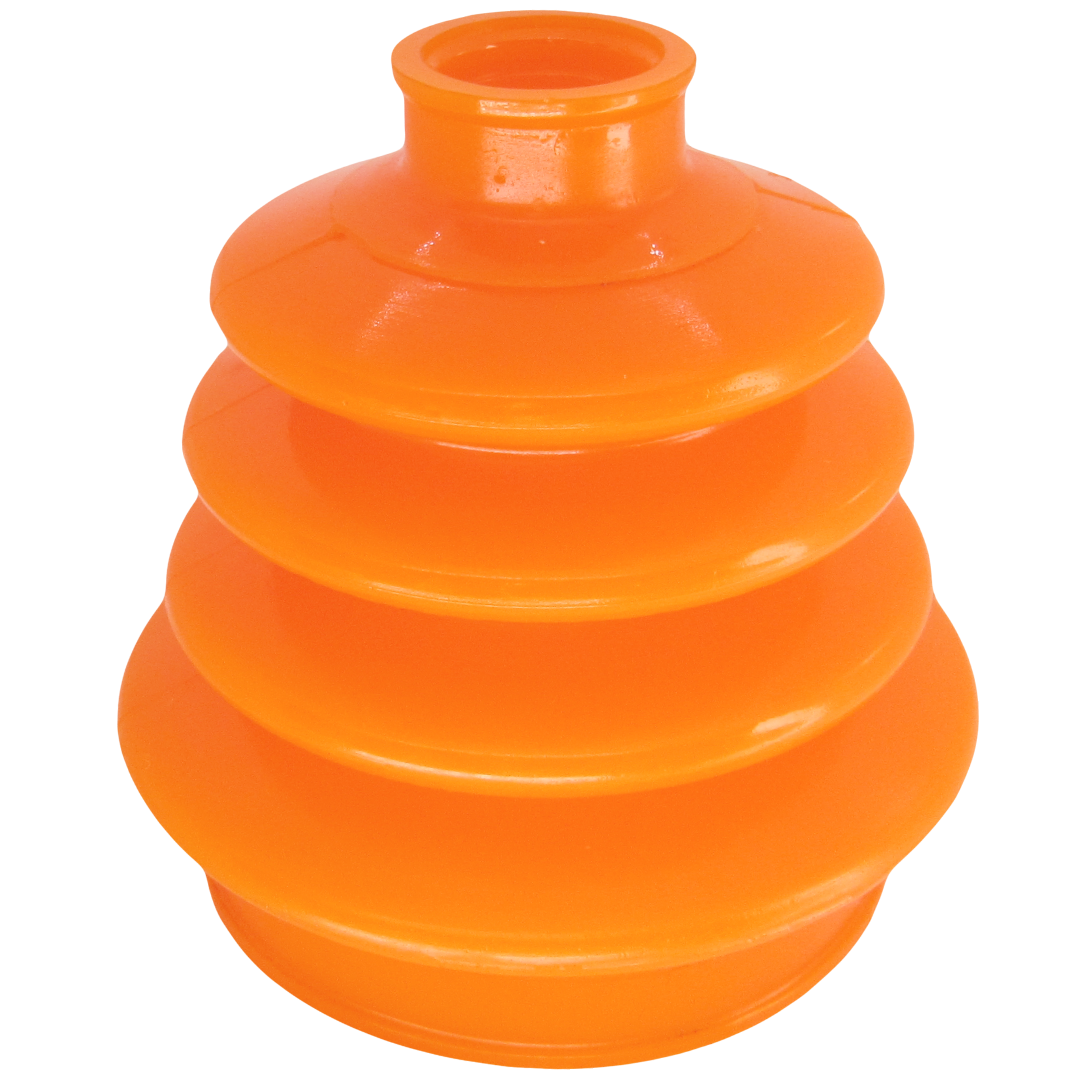
Polyurethane dust boot of CV joints Ford Ranger 2011- inner
In stock15 pcs.Polyurethane dust boot of CV joints Ford Transit 2000-2006 inner
In stock15 pcs.
Polyurethane dust boot of CV joints Honda Accord 2012-2017 inner 2.0L
In stock15 pcs.Polyurethane dust boot of CV joints Honda Cr-v 2006-2011 inner 2.0L
In stock15 pcs.Polyurethane dust boot of CV joints Honda Cr-v 2012-2016 inner 2.0L
In stock15 pcs.Polyurethane dust boot of CV joints Hyundai Accent 1994-1999 inner
In stock15 pcs.Polyurethane dust boot of CV joints Hyundai Accent 2005-2010 inner
In stock15 pcs.Polyurethane dust boot of CV joints Hyundai Atos 1997- inner
In stock15 pcs.
Polyurethane dust boot of CV joints Hyundai Coupe 1996-2002 inner
In stock15 pcs.Polyurethane dust boot of CV joints Hyundai Coupe 1996-2002 inner
In stock15 pcs.Polyurethane dust boot of CV joints Hyundai Coupe 2002-2009 inner
In stock15 pcs.Polyurethane dust boot of CV joints Hyundai Coupe 2002-2009 inner
In stock15 pcs.Polyurethane dust boot of CV joints Hyundai Elantra 2000-2006 inner
In stock15 pcs.Polyurethane dust boot of CV joints Hyundai Elantra 2000-2006 inner
In stock15 pcs.Polyurethane dust boot of CV joints Hyundai Elantra 2006-2011 inner
In stock15 pcs.Polyurethane dust boot of CV joints Hyundai Elantra 2010-2015 inner
In stock15 pcs.Polyurethane dust boot of CV joints Hyundai Genesis 2008-2014 inner
In stock15 pcs.Polyurethane dust boot of CV joints Hyundai Genesis 2014- inner
In stock15 pcs.Polyurethane dust boot of CV joints Hyundai Getz 2002-2011 inner
In stock15 pcs.Polyurethane dust boot of CV joints Hyundai Grandeur 2005-2011 inner
In stock15 pcs.Polyurethane dust boot of CV joints Hyundai Grandeur 2005-2011 inner
In stock15 pcs.Polyurethane dust boot of CV joints Hyundai Grandeur 2011-2017 inner
In stock15 pcs.Polyurethane dust boot of CV joints Hyundai H-1 1997-2007 inner
In stock15 pcs.Polyurethane dust boot of CV joints Hyundai H-1 2008- inner
In stock15 pcs.Polyurethane dust boot of CV joints Hyundai H100 1993-2004 inner
In stock15 pcs.Polyurethane dust boot of CV joints Hyundai I10 2007-2011 inner
In stock15 pcs.Polyurethane dust boot of CV joints Hyundai I20 2008-2015 inner
In stock15 pcs.Polyurethane dust boot of CV joints Hyundai I20 2014-2020 inner
In stock15 pcs.Polyurethane dust boot of CV joints Hyundai I30 2011-2015 inner
In stock15 pcs.Polyurethane dust boot of CV joints Hyundai I40 2011- inner
In stock15 pcs.Polyurethane dust boot of CV joints Hyundai Ioniq 2016- inner
In stock15 pcs.Polyurethane dust boot of CV joints Hyundai Ix35 2010-2017 inner
In stock15 pcs.Polyurethane dust boot of CV joints Hyundai Lantra 1990-1995 inner
In stock15 pcs.Polyurethane dust boot of CV joints Hyundai Matrix 2001-2008 inner
In stock15 pcs.Polyurethane dust boot of CV joints Hyundai Santa Fe 2001-2006 inner
In stock15 pcs.Polyurethane dust boot of CV joints Hyundai Santa Fe 2001-2006 inner
In stock15 pcs.Polyurethane dust boot of CV joints Hyundai Santa Fe 2001-2006 inner 2.0L
In stock15 pcs.Polyurethane dust boot of CV joints Hyundai Santa Fe 2006-2012 inner
In stock15 pcs.Polyurethane dust boot of CV joints Hyundai Santa Fe 2006-2012 inner 2.0L
In stock15 pcs.Polyurethane dust boot of CV joints Hyundai Santa Fe 2012-2018 inner
In stock15 pcs.Polyurethane dust boot of CV joints Hyundai Sonata 1998-2004 inner
In stock15 pcs.Polyurethane dust boot of CV joints Hyundai Sonata 1998-2004 inner
In stock15 pcs.Polyurethane dust boot of CV joints Hyundai Sonata 2004-2010 inner
In stock15 pcs.Polyurethane dust boot of CV joints Hyundai Sonata 2009-2014 inner
In stock15 pcs.Polyurethane dust boot of CV joints Hyundai Sonata 2014-2019 inner
In stock15 pcs.Polyurethane dust boot of CV joints Hyundai Terracan 2001-2007 inner
In stock15 pcs.Polyurethane dust boot of CV joints Hyundai Trajet 1999-2007 inner
In stock15 pcs.Polyurethane dust boot of CV joints Hyundai Tucson 2004-2009 inner
In stock15 pcs.Polyurethane dust boot of CV joints Hyundai Tucson 2004-2009 inner
In stock15 pcs.Polyurethane dust boot of CV joints Hyundai Tucson 2015-2020 inner
In stock15 pcs.Polyurethane dust boot of CV joints Hyundai Xg 1998-2005 inner
In stock15 pcs.Polyurethane dust boot of CV joints Infiniti Fx 2003-2007 inner 2.0L
In stock15 pcs.Polyurethane dust boot of CV joints Infiniti G 2003-2007 inner 2.0L
In stock15 pcs.Polyurethane dust boot of CV joints Infiniti G 2006-2013 inner 2.0L
In stock15 pcs.
Polyurethane dust boot of CV joints Infiniti I30 1996-2001 inner
In stock15 pcs.Polyurethane dust boot of CV joints Infiniti Q60 2013-2016 inner 2.0L
In stock15 pcs.Polyurethane dust boot of CV joints Jeep Compass 2006-2016 inner
In stock15 pcs.Polyurethane dust boot of CV joints Jeep Compass 2006-2016 inner 2.0L
In stock15 pcs.Polyurethane dust boot of CV joints Jeep Compass 2016- inner 2.0L
In stock15 pcs.Polyurethane dust boot of CV joints Jeep Patriot 2007-2016 inner 2.0L
In stock15 pcs.Polyurethane dust boot of CV joints Kia Carens 1999-2006 inner
In stock15 pcs.Polyurethane dust boot of CV joints Kia Carens 2006-2012 inner
In stock15 pcs.Polyurethane dust boot of CV joints Kia Carens 2012- inner
In stock15 pcs.Polyurethane dust boot of CV joints Kia Carnival 2006-2014 inner
In stock15 pcs.Polyurethane dust boot of CV joints Kia Ceed 2012-2018 inner
In stock15 pcs.Polyurethane dust boot of CV joints Kia Cerato 2004-2008 inner
In stock15 pcs.Polyurethane dust boot of CV joints Kia Cerato 2008-2012 inner
In stock15 pcs.Polyurethane dust boot of CV joints Kia Cerato 2012-2018 inner
In stock15 pcs.Polyurethane dust boot of CV joints Kia Magentis 2001-2005 inner
In stock15 pcs.Polyurethane dust boot of CV joints Kia Magentis 2005-2011 inner
In stock15 pcs.Polyurethane dust boot of CV joints Kia Mohave 2007- inner
In stock15 pcs.Polyurethane dust boot of CV joints Kia Opirus 2003-2011 inner
In stock15 pcs.Polyurethane dust boot of CV joints Kia Optima 2010-2015 inner
In stock15 pcs.Polyurethane dust boot of CV joints Kia Rio 2000-2005 inner
In stock15 pcs.Polyurethane dust boot of CV joints Kia Rio 2005-2011 inner
In stock15 pcs.Polyurethane dust boot of CV joints Kia Rio 2011-2017 inner
In stock15 pcs.Polyurethane dust boot of CV joints Kia Sorento 2002-2009 inner 2.0L
In stock15 pcs.Polyurethane dust boot of CV joints Kia Sorento 2009-2014 inner 2.0L
In stock15 pcs.Polyurethane dust boot of CV joints Kia Soul 2008-2013 inner
In stock15 pcs.Polyurethane dust boot of CV joints Kia Spectra 2000-2011 inner
In stock15 pcs.Polyurethane dust boot of CV joints Kia Sportage 2004-2010 inner
In stock15 pcs.Polyurethane dust boot of CV joints Kia Sportage 2010-2015 inner
In stock15 pcs.Polyurethane dust boot of CV joints Kia Sportage 2015-2020 inner
In stock15 pcs.Polyurethane dust boot of CV joints Lancia Kappa 1994-2001 inner
In stock15 pcs.Polyurethane dust boot of CV joints Lancia Lybra 1999-2005 inner
In stock15 pcs.Polyurethane dust boot of CV joints Mazda B-Serie 1985-1998 inner
In stock15 pcs.Polyurethane dust boot of CV joints Mazda B-Serie 1998-2006 inner
In stock15 pcs.Polyurethane dust boot of CV joints Mazda Bt-50 2006-2012 inner
In stock15 pcs.Polyurethane dust boot of CV joints Mazda Mpv 1989-1999 inner
In stock15 pcs.Polyurethane dust boot of CV joints Mazda Mpv 1999-2006 inner
In stock15 pcs.Polyurethane dust boot of CV joints Mitsubishi Colt 1984-1988 inner
In stock15 pcs.Polyurethane dust boot of CV joints Mitsubishi Colt 1986-1992 inner
In stock15 pcs.Polyurethane dust boot of CV joints Mitsubishi Cordia 1982-1990 inner
In stock15 pcs.Polyurethane dust boot of CV joints Mitsubishi Eclipse 1989-1995 inner
In stock15 pcs.Polyurethane dust boot of CV joints Mitsubishi Galant 1980-1987 inner
In stock15 pcs.Polyurethane dust boot of CV joints Mitsubishi Galant 1983-1989 inner
In stock15 pcs.Polyurethane dust boot of CV joints Mitsubishi Galant 1987-1993 inner
In stock15 pcs.Polyurethane dust boot of CV joints Mitsubishi Galant 1992-1998 inner
In stock15 pcs.Polyurethane dust boot of CV joints Mitsubishi L200 1986-1996 inner
In stock15 pcs.Polyurethane dust boot of CV joints Mitsubishi L200 1996-2006 inner
In stock15 pcs.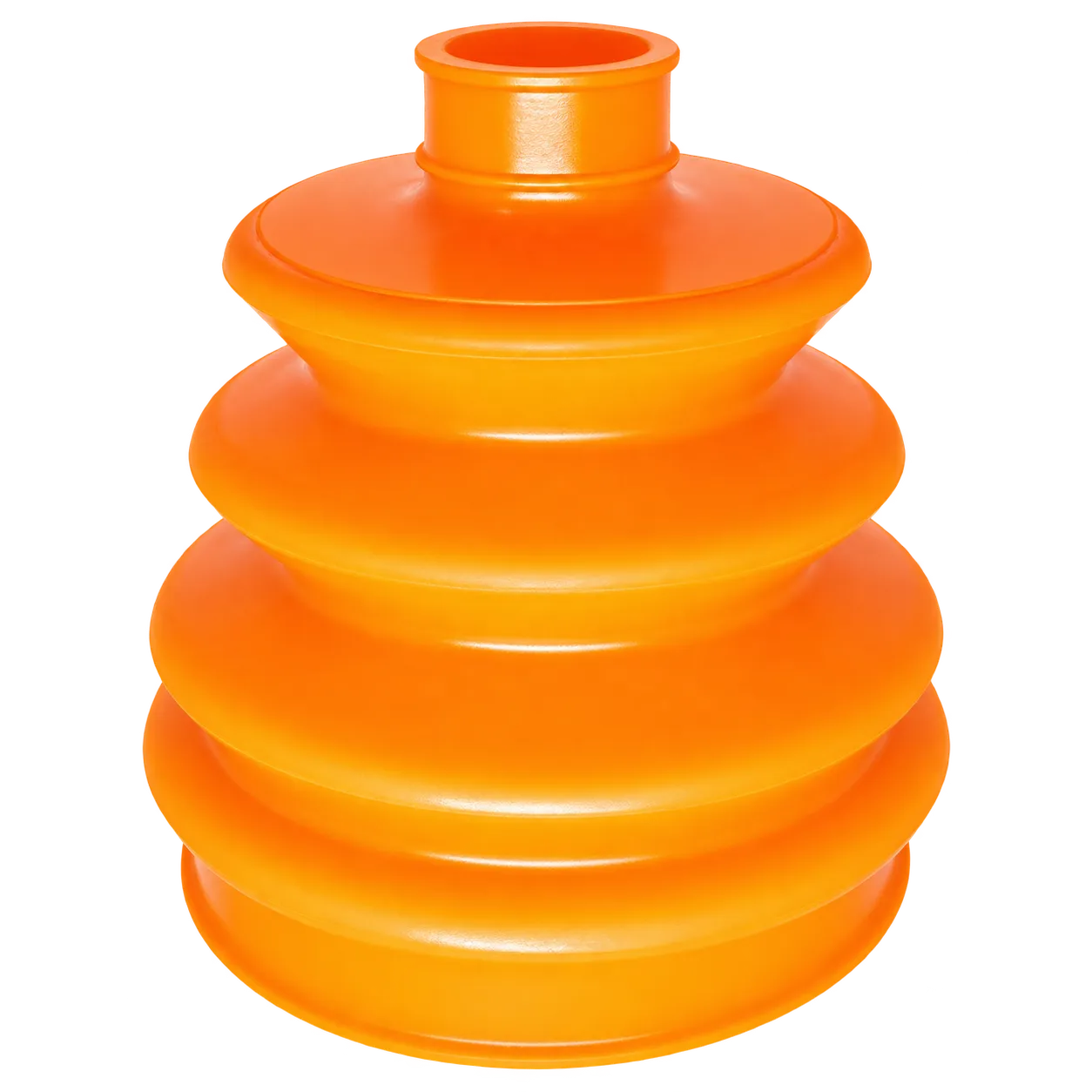
An inner CV boot is the bellows cover that seals the tripod joint on the gearbox side of the driveshaft and holds its grease in place. It is larger in diameter than the outer boot, carries more grease and works at a small angle, but it has to absorb the plunging movement of the shaft as the suspension travels. PolyPro moulds its polyurethane boots in-house; related groups are listed in the catalogue.
The inner joint is a tripod: a three-legged spider with rollers that slides inside a tulip housing. This design transmits drive and at the same time lets the shaft move in and out of the housing, taking up the change in distance between the gearbox and the wheel as the suspension moves. The boot closes the open end of the tulip and travels with the shaft.
That dictates its shape: a large diameter on the housing, a small one on the shaft, a longer convoluted section and noticeably more grease inside than an outer boot holds. The working angle here is smaller, so the material bends less sharply and an inner boot splits less often than an outer one. On the other hand it sits close to the engine and the exhaust, so it ages from heat, and it also suffers from oil leaking past the driveshaft seal.
The inner boot is harder to see than the outer one, hidden behind the subframe and the undertray. Look for the symptoms around the joint rather than on the boot itself: grease flung outwards by centrifugal force onto the gearbox casing, the subframe and the shield.
Clicking on a turn points to the outer joint; the inner tripod answers with vibration under load. Once that vibration is there, a new boot alone is not enough: the joint is dismantled, the rollers and tulip tracks inspected and the joint replaced if worn.
A rubber boot is softer, but in the inner joint position it works next to a hot exhaust and in constant contact with road chemicals. Heat and ozone harden the rubber and the folds crack along their tops, and near the driveshaft seal oil gets onto it as well. Polyurethane stands up better to oils, salt and abrasion, so it keeps the geometry of the folds for longer.
For an inner boot the sealing bands are the critical part: the diameter is larger, so the clamp load is higher. Polyurethane holds the shape of the band and stops it working loose in its groove. The material is denser, so the size has to be matched exactly and the clamps tightened without overtightening. The Shore hardness of every item is given on its product page.
Selection goes by the dimensions of the seats and the type of joint, not by the car badge. You will need the removed driveshaft or the old boot with its grooves measured.
First check what is actually fitted on the gearbox side. The common design is a tripod in a tulip housing, and the boot then has a large cylindrical band that seats on the end of that housing. A closed-type inner ball joint is less common; its seat is different and the boot is shorter. The shaft may be retained by a circlip or by a press fit, which decides how the assembly comes apart. The outer joint has its own geometry, so an outer CV boot will not fit here. Check as well whether the shaft carries a dust shield or an intermediate bearing support, because both limit the length available for the boot on the gearbox side.
Next take three measurements: the large band diameter on the joint housing, the small band diameter on the shaft, and the length of the boot in the working position. Inner boots are longer than outer ones, and it is that length which decides whether there is enough travel when the suspension drops into rebound. Measure the old part at its grooves with a caliper instead of estimating from the housing. If the boot is torn beyond recognition, send dimensions and photos through the boot selection form. The small band often seats not on a plain part of the shaft but on splines with a groove for the clamp, so measure that diameter separately.
An inner boot works at a small angle but with long plunging travel and a larger mass of grease inside it. A softer material folds more easily and loads the convolutions less when the shaft plunges out. A harder material resists rubbing against the undertray and the heat coming off the exhaust better, but it needs a more accurate fit of the sealing band. The Shore value of each item is stated on its product page, so choose by that figure and by the conditions: city, highway, unpaved roads or daily work under load. On a large diameter a boot that is too soft can balloon under grease at high revs, while too hard a grade folds poorly in the cold.
Replacing an inner boot almost always means removing the driveshaft: the shaft comes out, the joint is dismantled, the rollers and tracks are washed and fresh grease is packed in. So check first whether the item includes clamps and a portion of grease — the kit content is stated on the product page. A split boot is used when the shaft cannot be removed, but its seam needs a careful clamp. The tripod circlip and the driveshaft seal are checked at the same stage, since there is no sense in stripping the assembly twice, and clamps are always fitted new. Other sizes and groups are collected in the dust boots section.
PolyPro is the manufacturer: our own tooling, our own moulding and dimensional control of the sealing bands, which is what decides whether a clamp holds the large diameter of an inner boot. We sell without intermediaries and retail by the piece, so you can order one boot for one driveshaft. If a size is not in the production range, we make the boot to a drawing, a sample or your worn part, again starting from a single piece.
Wholesale customers are workshops, auto parts shops, fleets and resellers. The partner programme gives bonuses for turnover or for the size of a single order, access to prices and stock levels, and shipping under the partner's own brand. Our products carry a warranty, and we ship within Ukraine and internationally.
The inner tripod works at a much smaller angle: it mostly takes up the plunging movement of the shaft rather than the steering angle of the wheel. The folds bend more gently, so the material fatigues more slowly. An outer boot folds almost double at full lock and also catches stones thrown up by the wheel.
An outer joint clicks when the car is driven in a circle at full steering lock. An inner tripod produces vibration or shudder under acceleration in a straight line that disappears as soon as you lift off the throttle. A lift gives the answer: look for thrown grease and check each joint separately for play.
Not a one-piece boot: it has to be slid over the shaft, and on the gearbox side the joint housing is in the way. The shaft is taken out, the joint dismantled and washed. Only a split universal boot goes on without removal, and that is a temporary measure whose life depends on the quality of the seam.
An inner joint takes more grease than an outer one because of the volume of the tulip housing. Use the portion supplied with the item or the driveshaft manufacturer's figure. The grease must be a CV joint grease, and the old grease is washed out completely together with the grit, otherwise the new one starts work already contaminated.
Usually the driveshaft seal in the gearbox is leaking: oil reaches the large band of the boot and spreads over the folds. Replacing the boot alone will not help, the seal has to be renewed first. Polyurethane resists oils better than rubber, but prolonged contact with oil shortens the life of any boot.
It will, provided the band diameters and the working length match. Keep in mind that an inner boot is larger and holds more grease, so the seam is loaded more heavily than on an outer boot. It has to be clamped evenly and without distortion, with both sealing bands sitting exactly in their grooves.
Yes, retail is by the piece: order one boot for one side of the car, with no compulsory axle set. If your size is not in the production range, we will make the boot to a drawing, a sample or your worn part, again from a single piece, and ship it within Ukraine or abroad.
Wholesale buyers get access to current prices and stock levels, regular shipments and the option of supply under their own brand. Bonuses are credited for turnover or for the volume of a single order — the conditions are described in the partner programme section.