

SKU: PP101274
Polyurethane boot for brake caliper DAF 45
In stock15 pcs.$13.22Log in as dealer

Polyurethane boot for brake caliper DAF 45
In stock15 pcs.Polyurethane boot for brake caliper DAF 65
In stock15 pcs.Polyurethane boot for brake caliper DAF 75
In stock15 pcs.Polyurethane boot for brake caliper DAF 85
In stock15 pcs.Polyurethane boot for brake caliper DAF 95XF
In stock15 pcs.Polyurethane boot for brake caliper SAF
In stock15 pcs.Polyurethane boot for brake caliper SCANIA
In stock15 pcs.Polyurethane boot for brake caliper Sampa
In stock15 pcs.Polyurethane boot for brake caliper Schmitz
In stock15 pcs.Polyurethane boot for brake caliper TRUCKTECHNIC
In stock15 pcs.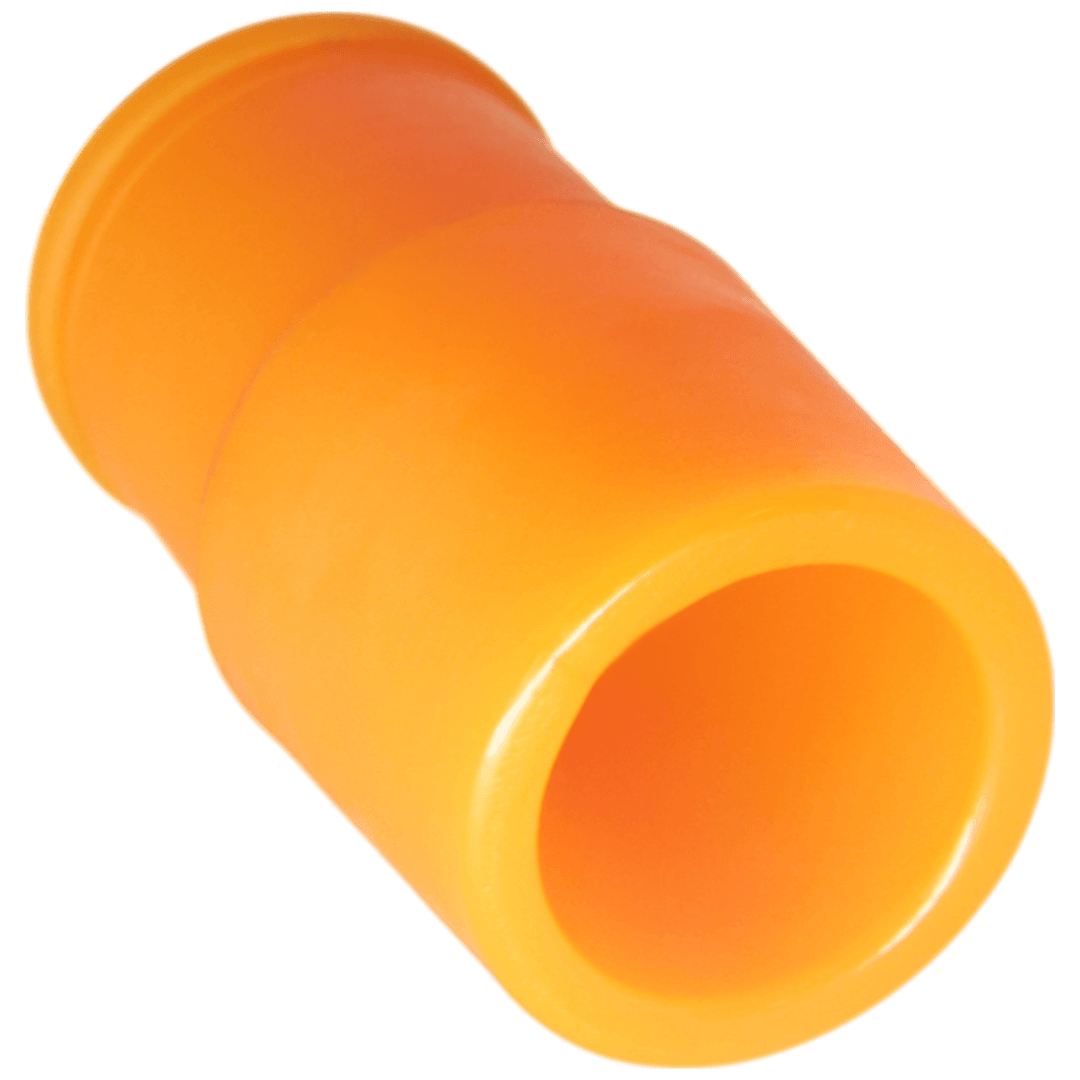
Polyurethane brake caliper guide stud bushing Audi 100 1982-1991
In stock15 pcs.Polyurethane brake caliper guide stud bushing Audi 100 1990-1994
In stock15 pcs.Polyurethane brake caliper guide stud bushing Audi 200 1983-1991
In stock15 pcs.Polyurethane brake caliper guide stud bushing Audi 80 1978-1986
In stock15 pcs.Polyurethane brake caliper guide stud bushing Audi 80 1986-1991
In stock15 pcs.Polyurethane brake caliper guide stud bushing Audi 90 1984-1987
In stock15 pcs.Polyurethane brake caliper guide stud bushing Audi 90 1987-1991
In stock15 pcs.Polyurethane brake caliper guide stud bushing Audi A1 2010-2014
In stock15 pcs.Polyurethane brake caliper guide stud bushing Audi A1 2010-2018
In stock15 pcs.Polyurethane brake caliper guide stud bushing Audi A2 1999-2005
In stock15 pcs.Polyurethane brake caliper guide stud bushing Audi A3 1996-2006
In stock15 pcs.Polyurethane brake caliper guide stud bushing Audi A3 2003-2012
In stock15 pcs.Polyurethane brake caliper guide stud bushing Audi A3 2012-2020
In stock15 pcs.Polyurethane brake caliper guide stud bushing Audi A4 1994-2001
In stock15 pcs.Polyurethane brake caliper guide stud bushing Audi A4 2000-2004
In stock15 pcs.Polyurethane brake caliper guide stud bushing Audi A4 2004-2008
In stock15 pcs.Polyurethane brake caliper guide stud bushing Audi A4 2007-2015
In stock15 pcs.Polyurethane brake caliper guide stud bushing Audi A4 2015-
In stock15 pcs.Polyurethane brake caliper guide stud bushing Audi A5 2007-2016
In stock15 pcs.Polyurethane brake caliper guide stud bushing Audi A5 2016-
In stock15 pcs.Polyurethane brake caliper guide stud bushing Audi A6 1994-1997
In stock15 pcs.Polyurethane brake caliper guide stud bushing Audi A6 1997-2004
In stock15 pcs.
Polyurethane brake caliper guide stud bushing Audi A6 2004-2011
In stock15 pcs.Polyurethane brake caliper guide stud bushing Audi A6 2004-2011
In stock15 pcs.Polyurethane brake caliper guide stud bushing Audi A8 1994-2002
In stock15 pcs.Polyurethane brake caliper guide stud bushing Audi A8 1994-2002
In stock15 pcs.Polyurethane brake caliper guide stud bushing Audi A8 2002-2009
In stock15 pcs.Polyurethane brake caliper guide stud bushing Audi A8 2002-2009
In stock15 pcs.Polyurethane brake caliper guide stud bushing Audi Allroad 2000-2005
In stock15 pcs.Polyurethane brake caliper guide stud bushing Audi Cabriolet 1991-2000
In stock15 pcs.Polyurethane brake caliper guide stud bushing Audi Coupe 1980-1988
In stock15 pcs.Polyurethane brake caliper guide stud bushing Audi Coupe 1988-1996
In stock15 pcs.Polyurethane brake caliper guide stud bushing Audi Q2 2016-
In stock15 pcs.Polyurethane brake caliper guide stud bushing Audi Q3 2011-2014
In stock15 pcs.Polyurethane brake caliper guide stud bushing Audi Q3 2014-2018
In stock15 pcs.Polyurethane brake caliper guide stud bushing Audi Quattro 1980-1991
In stock15 pcs.Polyurethane brake caliper guide stud bushing Audi TT 1998-2006
In stock15 pcs.Polyurethane brake caliper guide stud bushing Audi TT 2006-2014
In stock15 pcs.Polyurethane brake caliper guide stud bushing Audi TT 2014-2023
In stock15 pcs.Polyurethane brake caliper guide stud bushing Audi V8 1988-1994
In stock15 pcs.Polyurethane brake caliper guide stud bushing Bmw E23 1976-1986
In stock15 pcs.Polyurethane brake caliper guide stud bushing Bmw E24 1976-1989
In stock15 pcs.Polyurethane brake caliper guide stud bushing Bmw E28 1981-1987
In stock15 pcs.Polyurethane brake caliper guide stud bushing Bmw E30 1982-1994
In stock15 pcs.Polyurethane brake caliper guide stud bushing Bmw E31 1989-1999
In stock15 pcs.Polyurethane brake caliper guide stud bushing Bmw E32 1987-1994
In stock15 pcs.Polyurethane brake caliper guide stud bushing Bmw E34 1987-1995
In stock15 pcs.Polyurethane brake caliper guide stud bushing Bmw E36 1990-2001
In stock15 pcs.Polyurethane brake caliper guide stud bushing Bmw E38 1994-2001
In stock15 pcs.Polyurethane brake caliper guide stud bushing Bmw E39 1995-2003
In stock15 pcs.Polyurethane brake caliper guide stud bushing Bmw E46 1998-2006
In stock15 pcs.Polyurethane brake caliper guide stud bushing Bmw E52 2000-2003
In stock15 pcs.Polyurethane brake caliper guide stud bushing Bmw E53 1999-2006
In stock15 pcs.Polyurethane brake caliper guide stud bushing Bmw E60 2003-2010
In stock15 pcs.Polyurethane brake caliper guide stud bushing Bmw E60 2003-2010
In stock15 pcs.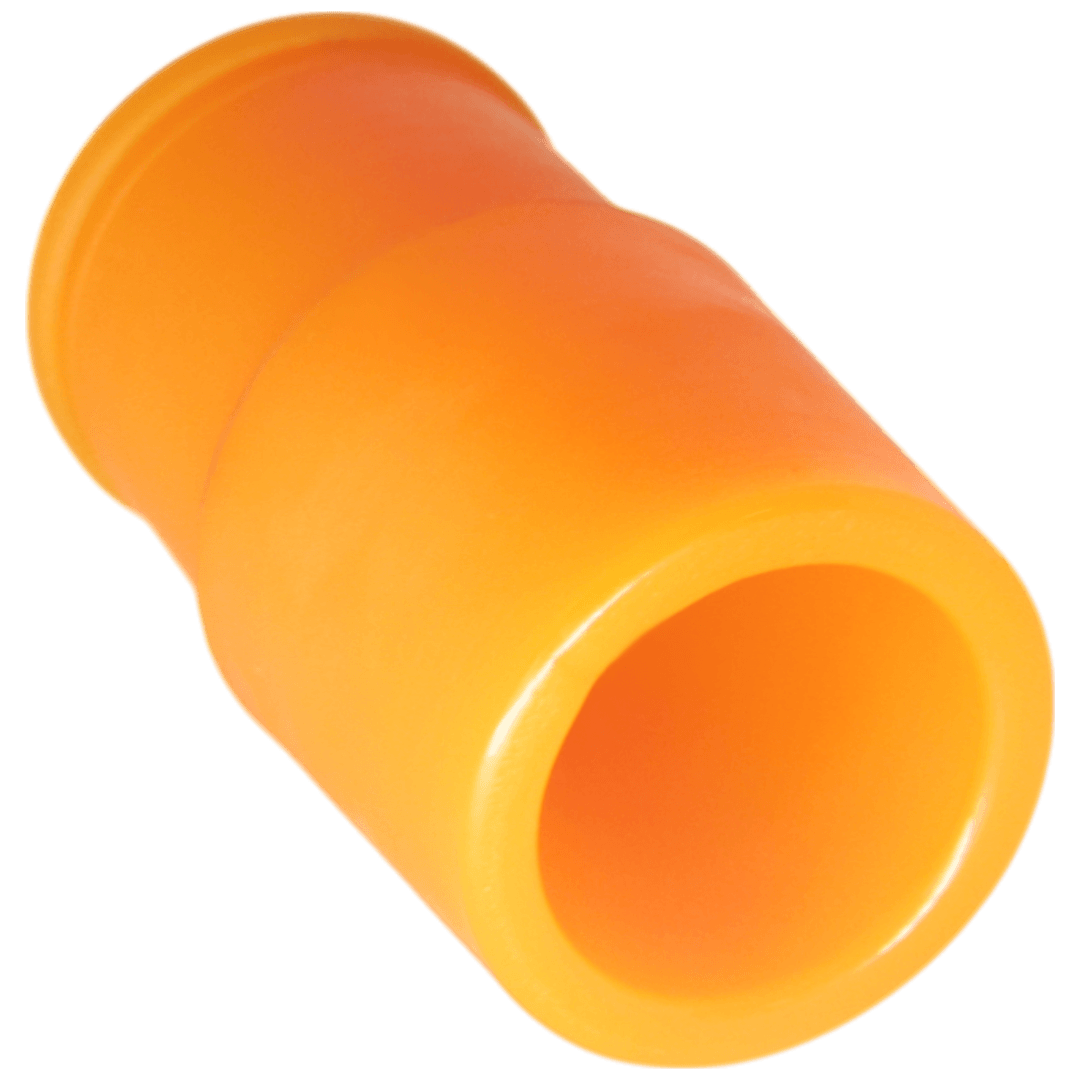
Polyurethane brake caliper guide stud bushing Bmw E60 2003-2010
In stock15 pcs.Polyurethane brake caliper guide stud bushing Bmw E61 2003-2010
In stock15 pcs.Polyurethane brake caliper guide stud bushing Bmw E61 2003-2010
In stock15 pcs.Polyurethane brake caliper guide stud bushing Bmw E61 2003-2010
In stock15 pcs.Polyurethane brake caliper guide stud bushing Bmw E63 2005-2010
In stock15 pcs.Polyurethane brake caliper guide stud bushing Bmw E63 2005-2010
In stock15 pcs.Polyurethane brake caliper guide stud bushing Bmw E63 2005-2010
In stock15 pcs.Polyurethane brake caliper guide stud bushing Bmw E64 2005-2010
In stock15 pcs.Polyurethane brake caliper guide stud bushing Bmw E64 2005-2010
In stock15 pcs.Polyurethane brake caliper guide stud bushing Bmw E64 2005-2010
In stock15 pcs.Polyurethane brake caliper guide stud bushing Bmw E65 2002-2009
In stock15 pcs.Polyurethane brake caliper guide stud bushing Bmw E65 2002-2009
In stock15 pcs.Polyurethane brake caliper guide stud bushing Bmw E65 2002-2009
In stock15 pcs.Polyurethane brake caliper guide stud bushing Bmw E66 2002-2009
In stock15 pcs.Polyurethane brake caliper guide stud bushing Bmw E66 2002-2009
In stock15 pcs.Polyurethane brake caliper guide stud bushing Bmw E66 2002-2009
In stock15 pcs.Polyurethane brake caliper guide stud bushing Bmw E67 2002-2009
In stock15 pcs.Polyurethane brake caliper guide stud bushing Bmw E67 2002-2009
In stock15 pcs.Polyurethane brake caliper guide stud bushing Bmw E67 2002-2009
In stock15 pcs.Polyurethane brake caliper guide stud bushing Bmw E70 2006-2013
In stock15 pcs.Polyurethane brake caliper guide stud bushing Bmw E71 2008-2012
In stock15 pcs.Polyurethane brake caliper guide stud bushing Bmw E72 2008-2012
In stock15 pcs.Polyurethane brake caliper guide stud bushing Bmw E81 2004-2011
In stock15 pcs.Polyurethane brake caliper guide stud bushing Bmw E82 2004-2011
In stock15 pcs.Polyurethane brake caliper guide stud bushing Bmw E83 2003-2011
In stock15 pcs.Polyurethane brake caliper guide stud bushing Bmw E84 2008-2015
In stock15 pcs.Polyurethane brake caliper guide stud bushing Bmw E85 2002-2008
In stock15 pcs.Polyurethane brake caliper guide stud bushing Bmw E86 2002-2008
In stock15 pcs.Polyurethane brake caliper guide stud bushing Bmw E87 2004-2011
In stock15 pcs.Polyurethane brake caliper guide stud bushing Bmw E88 2004-2011
In stock15 pcs.Polyurethane brake caliper guide stud bushing Bmw E89 2009-2016
In stock15 pcs.Polyurethane brake caliper guide stud bushing Bmw E90 2002-2012
In stock15 pcs.Polyurethane brake caliper guide stud bushing Bmw E91 2002-2012
In stock15 pcs.Polyurethane brake caliper guide stud bushing Bmw E92 2002-2012
In stock15 pcs.Polyurethane brake caliper guide stud bushing Bmw E93 2002-2012
In stock15 pcs.Polyurethane brake caliper guide stud bushing Bmw F01 2009-2015
In stock15 pcs.Polyurethane brake caliper guide stud bushing Bmw F02 2009-2015
In stock15 pcs.Polyurethane brake caliper guide stud bushing Bmw F03 2009-2015
In stock15 pcs.Polyurethane brake caliper guide stud bushing Bmw F04 2009-2015
In stock15 pcs.Polyurethane brake caliper guide stud bushing Bmw F06 2010-
In stock15 pcs.Polyurethane brake caliper guide stud bushing Bmw F07 2009-2017
In stock15 pcs.Polyurethane brake caliper guide stud bushing Bmw F10 2010-2017
In stock15 pcs.Polyurethane brake caliper guide stud bushing Bmw F11 2010-2017
In stock15 pcs.Polyurethane brake caliper guide stud bushing Bmw F12 2010-
In stock15 pcs.Polyurethane brake caliper guide stud bushing Bmw F13 2010-
In stock15 pcs.Polyurethane brake caliper guide stud bushing Bmw F15 2012-2018
In stock15 pcs.Polyurethane brake caliper guide stud bushing Bmw F16 2014-
In stock15 pcs.Polyurethane brake caliper guide stud bushing Bmw F20 2011-
In stock15 pcs.Polyurethane brake caliper guide stud bushing Bmw F21 2011-
In stock15 pcs.Polyurethane brake caliper guide stud bushing Bmw F22 2013-
In stock15 pcs.Polyurethane brake caliper guide stud bushing Bmw F23 2014-
In stock15 pcs.Polyurethane brake caliper guide stud bushing Bmw F25 2010-2017
In stock15 pcs.Polyurethane brake caliper guide stud bushing Bmw F26 2014-2018
In stock15 pcs.Polyurethane brake caliper guide stud bushing Bmw F30 2012-
In stock15 pcs.Polyurethane brake caliper guide stud bushing Bmw F31 2012-
In stock15 pcs.Polyurethane brake caliper guide stud bushing Bmw F32 2013-
In stock15 pcs.Polyurethane brake caliper guide stud bushing Bmw F33 2013-
In stock15 pcs.Polyurethane brake caliper guide stud bushing Bmw F34 2013-
In stock15 pcs.Polyurethane brake caliper guide stud bushing Bmw F36 2013-
In stock15 pcs.Polyurethane brake caliper guide stud bushing Bmw F39 2017-
In stock15 pcs.Polyurethane brake caliper guide stud bushing Bmw F40 2019-
In stock15 pcs.Polyurethane brake caliper guide stud bushing Bmw F44 2019-
In stock15 pcs.Polyurethane brake caliper guide stud bushing Bmw F45 2014-
In stock15 pcs.Polyurethane brake caliper guide stud bushing Bmw F46 2015-
In stock15 pcs.Polyurethane brake caliper guide stud bushing Bmw F48 2015-
In stock15 pcs.Polyurethane brake caliper guide stud bushing Bmw F80 2012-
In stock15 pcs.Polyurethane brake caliper guide stud bushing Bmw F82 2013-
In stock15 pcs.Polyurethane brake caliper guide stud bushing Bmw F83 2013-
In stock15 pcs.Polyurethane brake caliper guide stud bushing Bmw F85 2012-2018
In stock15 pcs.Polyurethane brake caliper guide stud bushing Bmw F86 2014-
In stock15 pcs.Polyurethane brake caliper guide stud bushing Bmw F87 2013-
In stock15 pcs.Polyurethane brake caliper guide stud bushing Bmw G20 2019-
In stock15 pcs.Polyurethane brake caliper guide stud bushing Bmw G21 2019-
In stock15 pcs.Polyurethane brake caliper guide stud bushing Bmw G80 2020-
In stock15 pcs.Polyurethane brake caliper guide stud bushing Bmw G81 2021-
In stock15 pcs.Polyurethane brake caliper guide stud bushing Bmw Z3 1995-2003
In stock15 pcs.Polyurethane brake caliper guide stud bushing Bmw Z4 2002-2008
In stock15 pcs.Polyurethane brake caliper guide stud bushing Bmw Z8 2000-2003
In stock15 pcs.Polyurethane brake caliper guide stud bushing C-Max 2007-2010
In stock15 pcs.Polyurethane brake caliper guide stud bushing C-Max 2010-
In stock15 pcs.Polyurethane brake caliper guide stud bushing Cadillac BLs 2006-
In stock15 pcs.Polyurethane brake caliper guide stud bushing Chrysler Sebring 2001-2006
In stock15 pcs.Polyurethane brake caliper guide stud bushing Chrysler Stratus 1994-2001
In stock15 pcs.Polyurethane brake caliper guide stud bushing Citroen C4 2004-2010
In stock15 pcs.Polyurethane brake caliper guide stud bushing Citroen C4 2004-2014
In stock15 pcs.A caliper piston boot is the folded seal that closes the gap between the brake piston and the cylinder bore, keeping water, road salt and grit out of it. The part sits next to a hot disc, so it has to take heat and dirt at the same time. An intact boot keeps the piston surface clean, lets the piston retract once the pedal is released and stops the pads from dragging. The rest of the polyurethane range is in the catalogue.
The boot is a convoluted sleeve: its small lip sits in the groove of the piston, while the large lip is held in the recess of the caliper body. As the piston travels out with pad wear, the folds open up, and when pressure drops they collapse again, so the seal stays closed over the whole stroke. That is what keeps water, sand and salt away from the piston surface and from the square-section seal inside the bore.
A brake caliper boot of this type should not be confused with a guide pin boot: one covers the piston, the other covers the slide pin that lets the bracket move across the disc. A torn piston boot leads to corrosion on the piston, a seized piston and an overheated brake, while a damaged pin boot causes a skewed bracket and uneven pad wear.
A caliper dust boot usually fails quietly: the piston starts to move stiffly first, and only later do the pads wear unevenly or the pedal feel changes. Check it at every pad change, while the caliper is off the car.
If the boot is already torn, fitting a new one is not enough on its own: check the piston and the bore, because corrosion on the working surface will cut the new boot and keep the piston from retracting.
A standard rubber boot is cheap and soft, but it has two weak points: ozone and de-icing chemicals that dry the material out, and heat from the disc that slowly makes the rubber brittle. After a few seasons the folds crack exactly where they bend, and moisture gets under the seal without the driver noticing anything.
Polyurethane copes better with fuel, brake fluid, salt and repeated heat cycles, holds the shape of the folds and does not stay stretched after an overheat. It is stiffer, so the lips are sized precisely to the groove they sit in. PolyPro moulds these boots in its own tooling with dimensional checks on every batch, and the Shore hardness of each item is given on its product page.
Choose by geometry rather than by car model: piston diameter, the way the lips are retained, the collapsed height of the folds and the conditions the brake works in.
The first dimension is the piston diameter at the groove, which sets the inner diameter of the small lip. The second is the seat diameter of the large lip in the caliper body. Take both with a caliper gauge from the removed part, not from a pad catalogue number. Collapsed height matters too: a boot that is too tall fouls the pad, one that is too short blocks full piston travel. The quickest route is the boot selector by size. Measure a clean part, or the figure will drift by a few tenths. If the old boot has stretched from heat, work from the piston groove itself rather than from the worn lip.
Three layouts are common. In the first, both lips are held in their grooves by the tension of the material alone. In the second, the outer lip is clamped by a metal ring or by a spring ring seated in a recess of the housing. In the third, the boot carries a rigid inner ring and is pressed into its seat. The layout is visible on the removed part and on the caliper itself: if the housing has a machined recess for a retainer, a plain boot without a flange will not stay in place there. The layout also sets the fitting order: a boot held by a ring goes in with a new retainer, while a press-fit type is driven in evenly all round, without cocking it in the seat.
Hardness is matched to the job the part does. A softer compound folds more easily, loads the lip less and suits calm city use. A harder one keeps its shape under heat and pressure, resists permanent stretch for longer and sits more tightly in the groove, but it needs a more accurate seat. The exact Shore figure for each item is listed on its product page, so make the choice from that page rather than by feel. There is no universal answer: several options can fit the same seat, and the choice follows how the car is used. If the previous boot hardened and split along the folds within a single season, a different hardness is worth looking at.
Salted city roads, gravel tracks, towing or site work all load the boot differently. Where salt and sand are constant, lip tightness and chemical resistance matter most. Where the brakes work hard and often, heat ageing becomes the limiting factor. On a vehicle that stands for long periods, the piston corrodes under the seal, so the piston surface has to be cleaned properly before a new boot goes on. Season matters as well: a car driven daily on salted roads gets through boots faster than one that stands for most of the winter. In those conditions the boot is worth checking more often.
PolyPro is a manufacturer, not a reseller: parts are cast in our own moulds at our own casting facility, dimensions are checked on every batch, and sales go direct with no middlemen. That is why boots from different batches seat the same way, with no fettling on the bench. Retail is per piece, so one boot for one caliper is a normal order. Non-standard sizes are made to a drawing, a sample or a worn part, again from a single piece.
Wholesale is set up for garages, parts shops, fleets and resellers. The partner programme covers bonuses for turnover or for the size of a single order, access to prices and stock levels, and shipping under the partner's own brand. Products carry a warranty, and international shipping is available.
Service life depends on conditions: de-icing chemicals, sand, repeated hard braking and overheating cut it down sharply. Go by condition rather than mileage. Inspect the boot at every pad change and replace it as soon as the folds show cracks or the material has lost its elasticity and no longer springs back.
It is not advisable. A split lets water, salt and sand reach the piston, corrosion builds on the working surface and the piston stops retracting freely. The pad then stays against the disc: fuel consumption rises, the hub runs hot and the pads wear unevenly. Replace the boot as soon as the damage is found.
They are two different parts of the same assembly. The piston boot closes the gap between the piston and the cylinder bore. The guide pin boot covers the slide pin that lets the bracket move across the disc. Diameters, fold shape and the way each one is retained are different, so the two are never interchangeable.
Not always. If the piston surface is clean, with no pitting or deep corrosion, polish it, flush the bore and fit a new boot together with a new square-section seal. If there are craters or the plating is coming away, replace the piston: a damaged surface will cut through a new boot in a short time.
Use only a dedicated brake grease that is compatible with the boot material and with brake fluid. Ordinary lithium or copper-based greases are not suitable here: they attack the compound and make it swell. Very little is needed, just a thin film on the lip and in the groove so the seal seats without being dragged.
The signs are easy to read: one pad much more worn than the other, a disc that stays hot after gentle driving, slight drag when coasting, and a piston that needs heavy force or goes in crooked when the caliper is wound back. In that case strip the caliper and check the piston surface and the seal.
Yes, retail is per piece, so a single boot for one caliper or a pair for an axle are both normal orders. If the size you need is not among the standard items, the part can be made to a drawing, a sample or a worn boot, also from one piece. Send the measured dimensions before the order is placed.
Garages, parts shops, fleets and resellers are served on wholesale terms. The partner programme opens access to prices and stock levels, gives bonuses for turnover or for the volume of a single order and allows shipping under the partner's brand. Terms are agreed with a manager.