
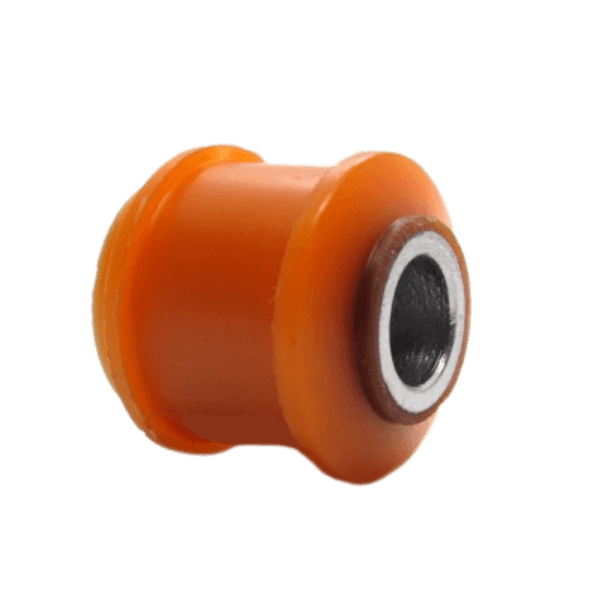
SKU: PP201354
Polyurethane bushing steering rack Audi 80 1972-1978
In stock15 pcs.$8.81Log in as dealer

Polyurethane bushing steering rack Audi 80 1972-1978
In stock15 pcs.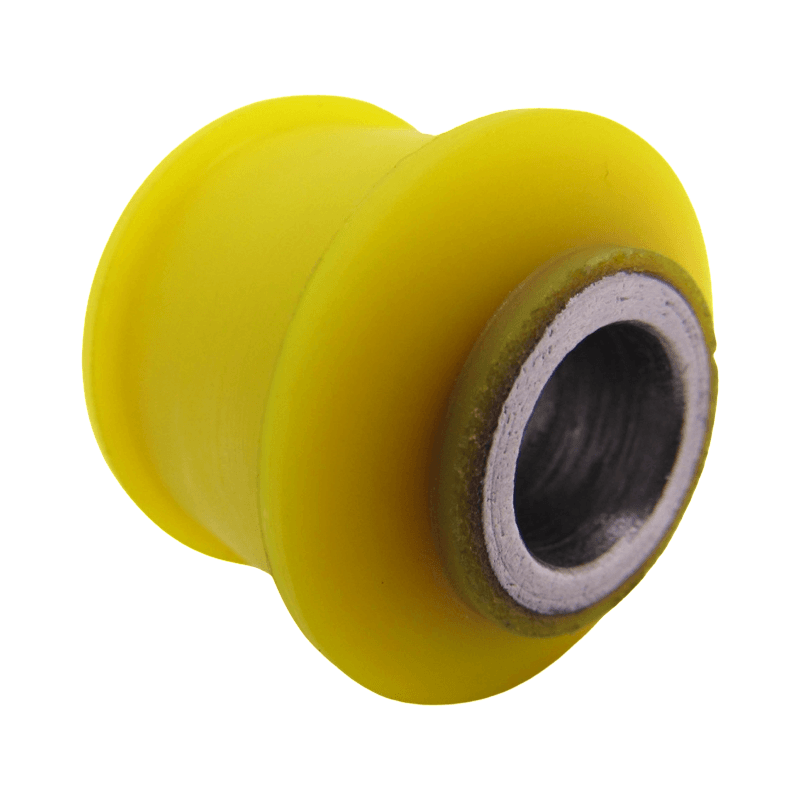
Polyurethane bushing steering rack Audi 80 1972-1978 HARDNESS
In stock15 pcs.Polyurethane bushing steering rack Audi 80 1986-1991
In stock15 pcs.Polyurethane bushing steering rack Audi 80 1986-1991 HARDNESS
In stock15 pcs.Polyurethane bushing steering rack Audi 80 1991-1995
In stock15 pcs.Polyurethane bushing steering rack Audi 80 1991-1995 HARDNESS
In stock15 pcs.Polyurethane bushing steering rack Audi 90 1987-1991
In stock15 pcs.Polyurethane bushing steering rack Audi 90 1987-1991 HARDNESS
In stock15 pcs.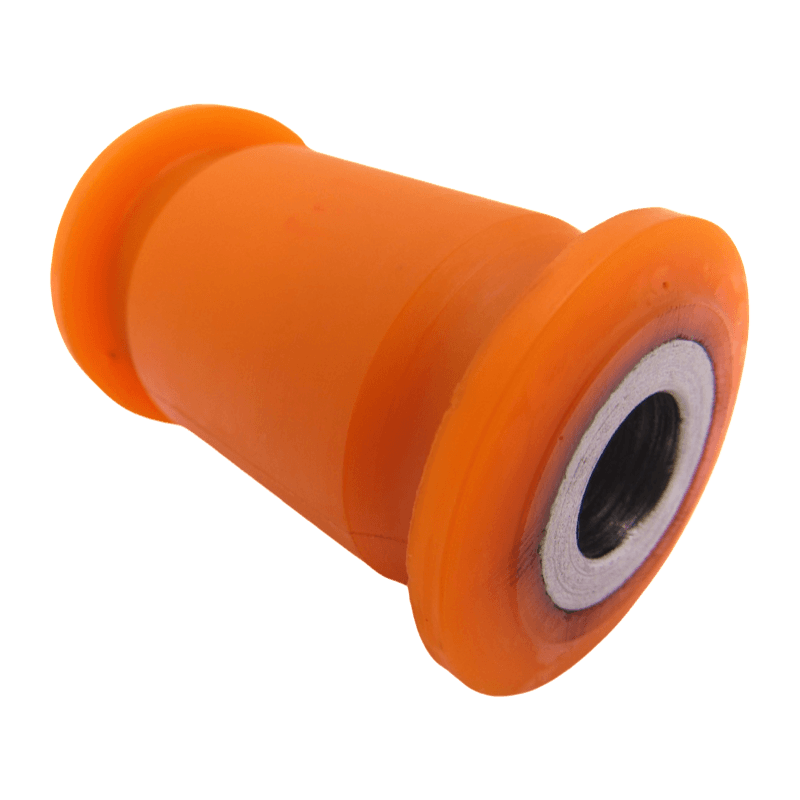
Polyurethane bushing steering rack Audi Q7 2005-2015
In stock15 pcs.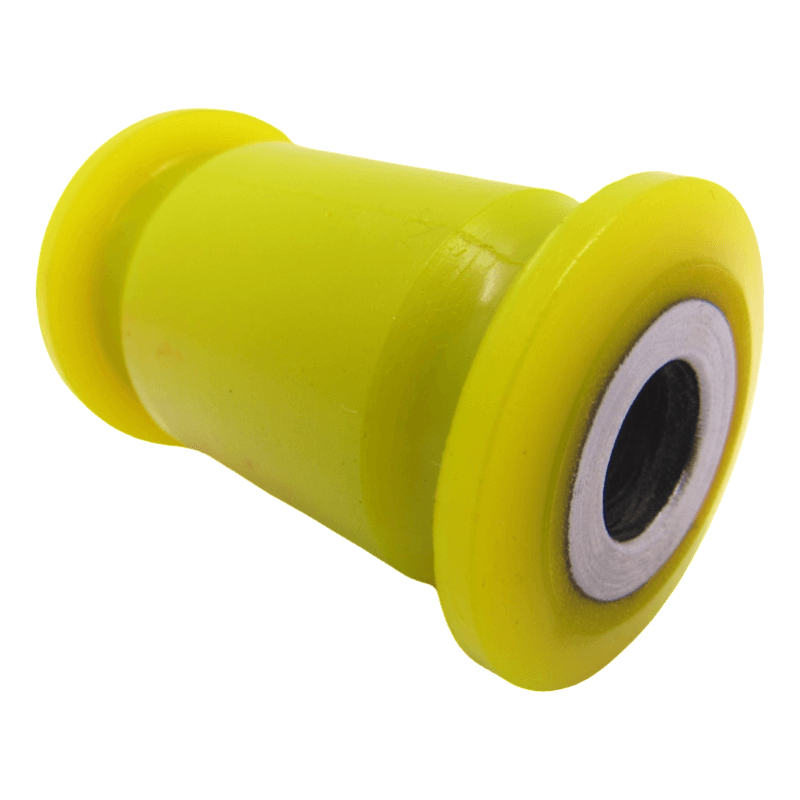
Polyurethane bushing steering rack Audi Q7 2005-2015 HARDNESS
In stock15 pcs.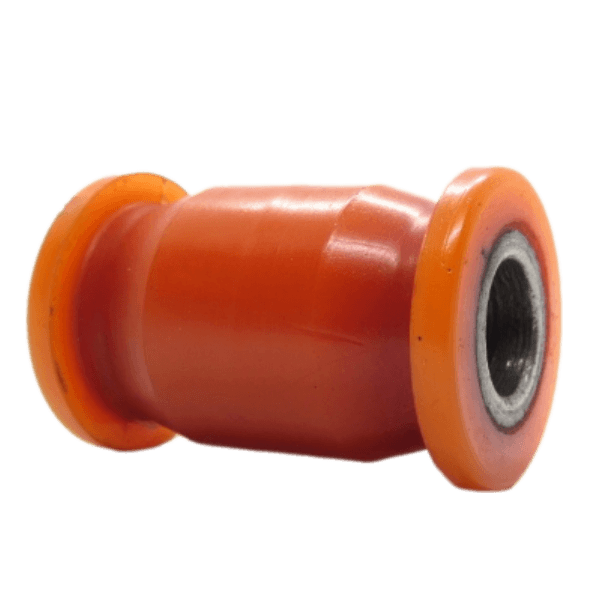
Polyurethane bushing steering rack Chery Tiggo 2005-2011
In stock15 pcs.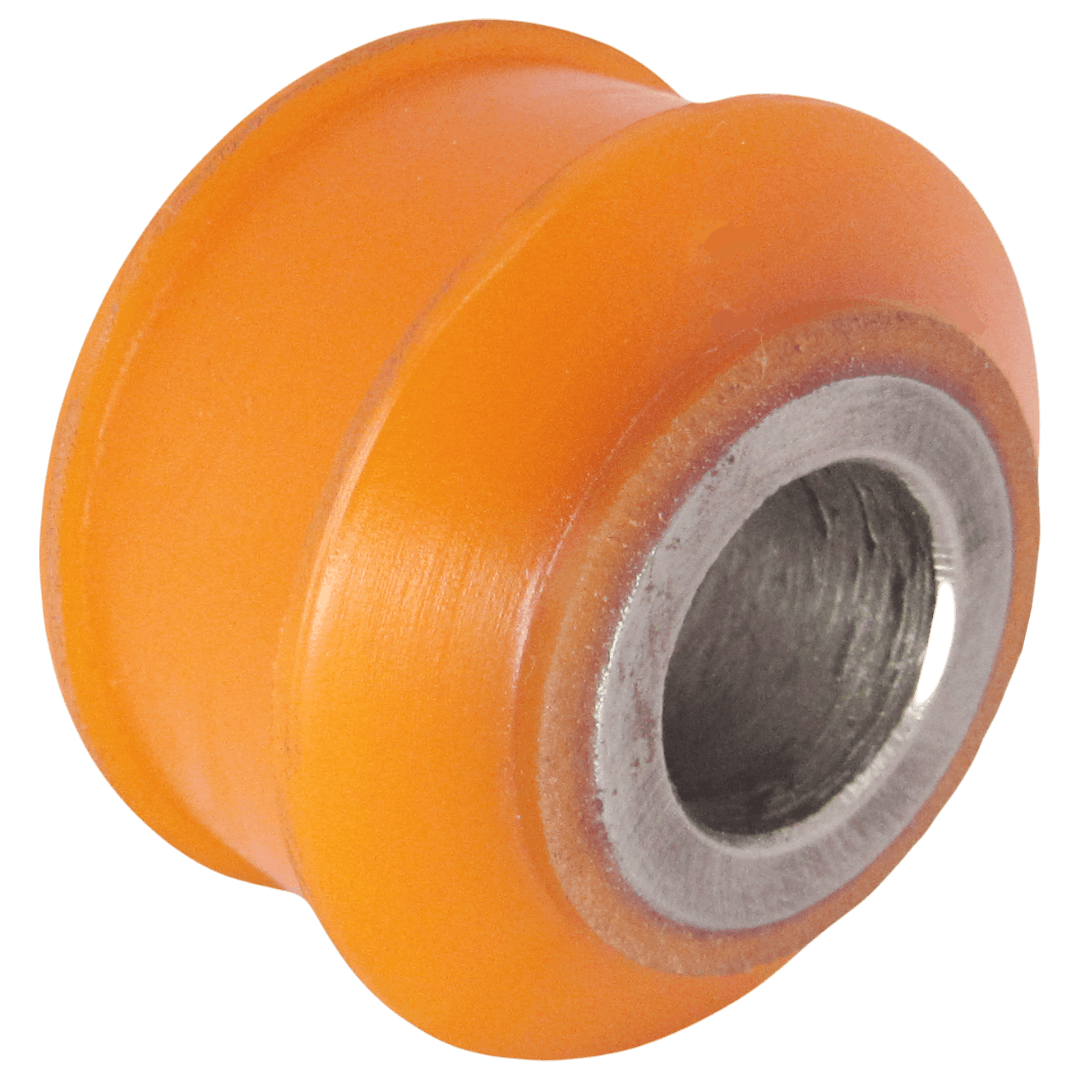
Polyurethane bushing steering rack Daewoo Espero 1990-1999
In stock15 pcs.Polyurethane bushing steering rack Daewoo Lanos 1998-2017
In stock15 pcs.Polyurethane bushing steering rack Daewoo Nexia 1995-2016
In stock15 pcs.Polyurethane bushing steering rack Daewoo Sens 1998-2017
In stock15 pcs.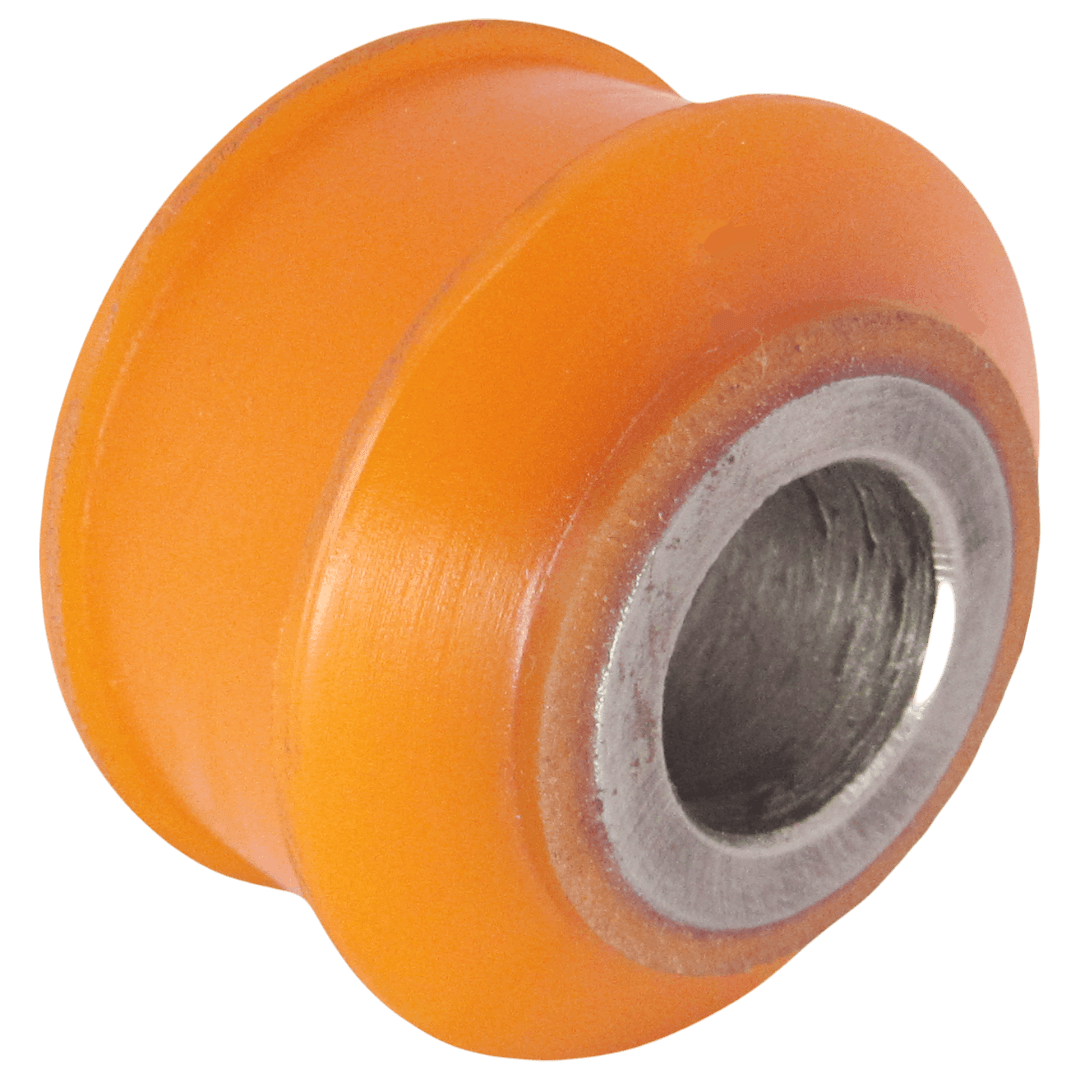
Polyurethane bushing steering rack Land Rover Freelander 1997-2006
In stock15 pcs.Polyurethane bushing steering rack Land Rover Freelander 1997-2006
In stock15 pcs.Polyurethane bushing steering rack Opel Ascona C 1981-1988
In stock15 pcs.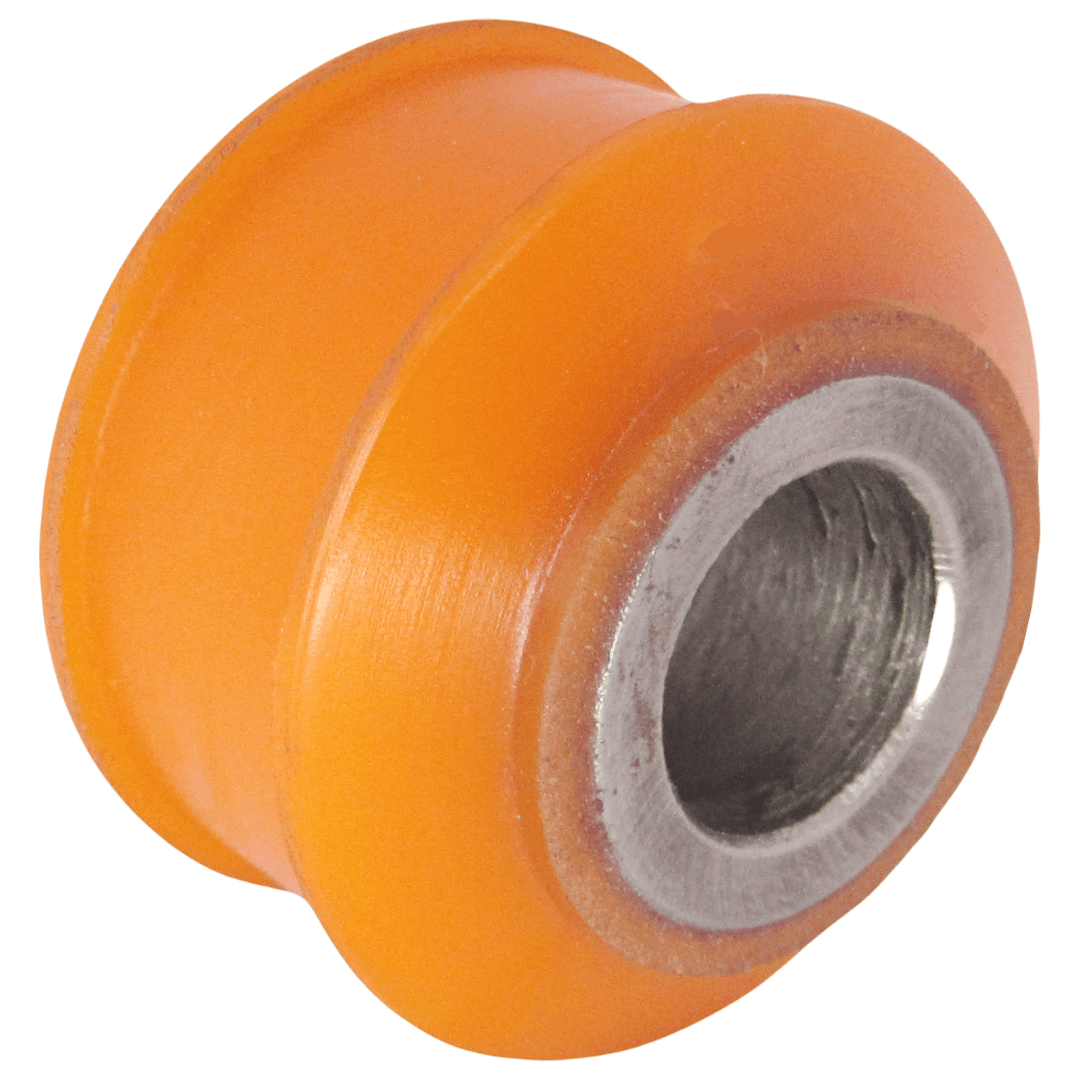
Polyurethane bushing steering rack Opel Astra 1991-1998
In stock15 pcs.Polyurethane bushing steering rack Opel Astra 1998-2004
In stock15 pcs.Polyurethane bushing steering rack Opel Calibra 1989-1997
In stock15 pcs.Polyurethane bushing steering rack Opel Kadett E 1984-1991
In stock15 pcs.Polyurethane bushing steering rack Opel Vectra 1988-1995
In stock15 pcs.Polyurethane bushing steering rack Saab 9-3 1998-2003
In stock15 pcs.Polyurethane bushing steering rack Saab 900 1979-1998
In stock15 pcs.Polyurethane bushing steering rack Toyota RAV4 2000-2005
In stock15 pcs.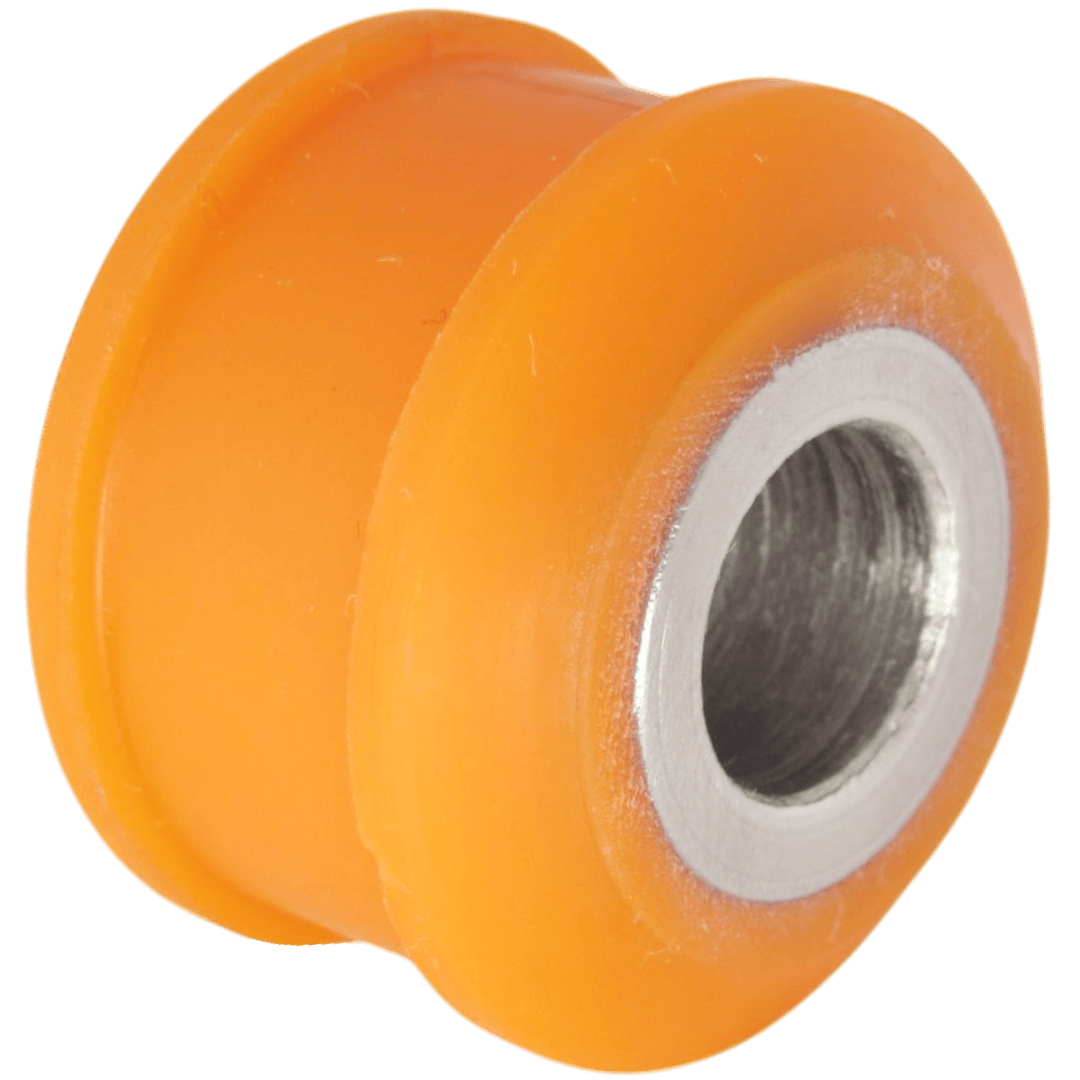
Polyurethane bushing steering rack VAZ 2110-2112 1995-2014
In stock15 pcs.Polyurethane bushing steering rack Volkswagen Amarok 2010-
In stock15 pcs.Polyurethane bushing steering rack Volkswagen Amarok 2010- HARDNESS
In stock15 pcs.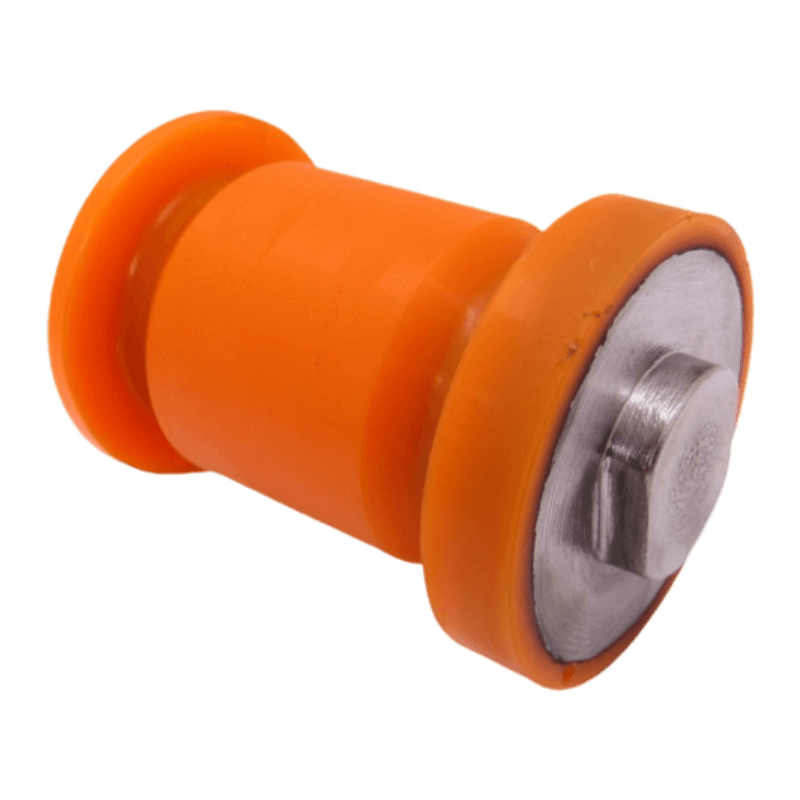
Polyurethane bushing steering rack Volkswagen Crafter 2016-
In stock15 pcs.Polyurethane bushing steering rack Volkswagen Passat 1980-1988
In stock15 pcs.Polyurethane bushing steering rack Volkswagen Passat B2 1980-1988 HARDNESS
In stock15 pcs.Polyurethane bushing steering rack Volkswagen Touareg 2010-2018
In stock15 pcs.Polyurethane bushing steering rack Volkswagen Touareg 2010-2018 HARDNESS
In stock15 pcs.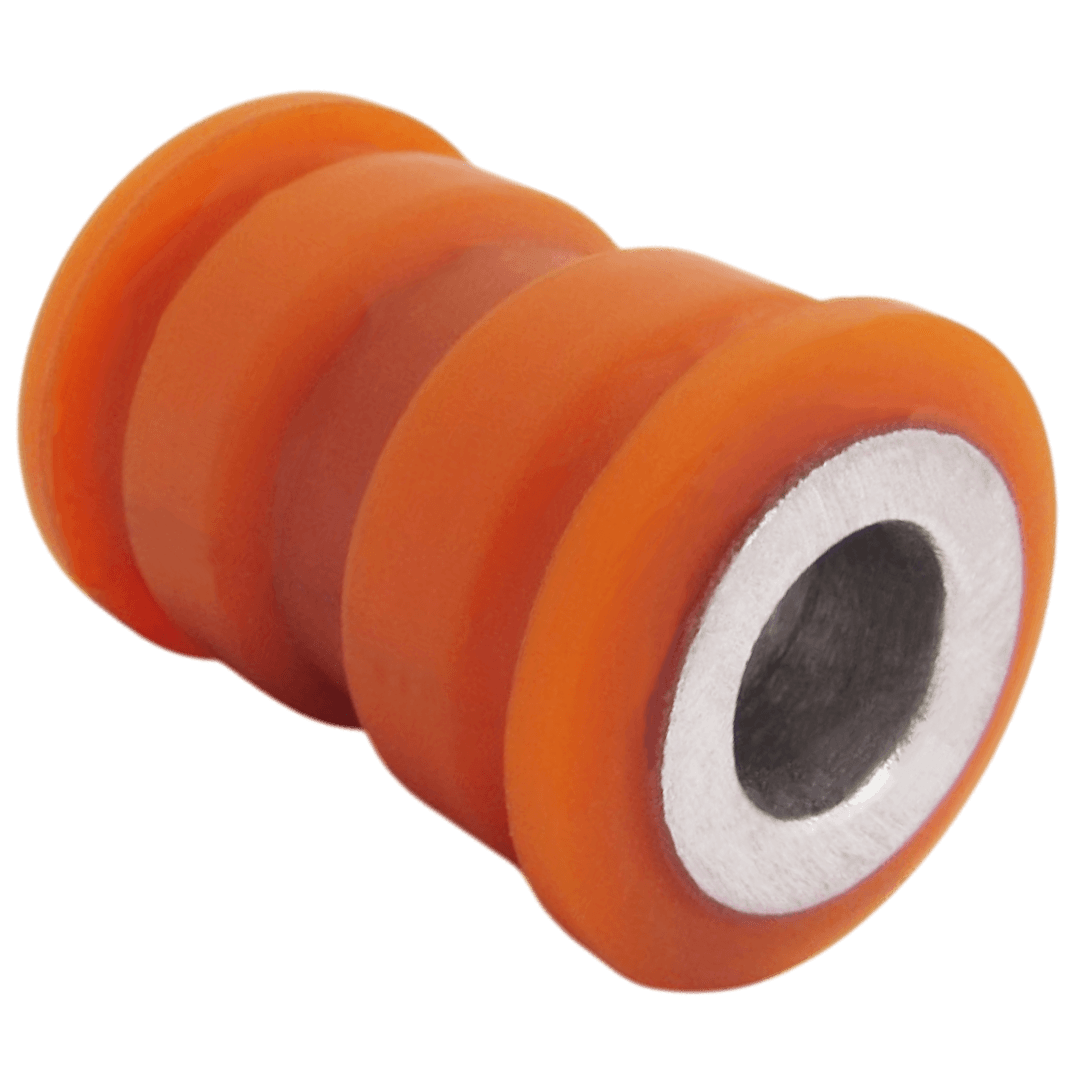
Polyurethane bushing steering rack left Chevrolet Captiva 2006-2018
In stock30 pcs.Polyurethane bushing steering rack left Gmc Terrain 2009-2017
In stock30 pcs.Polyurethane bushing steering rack left Opel Antara 2006-2010
In stock30 pcs.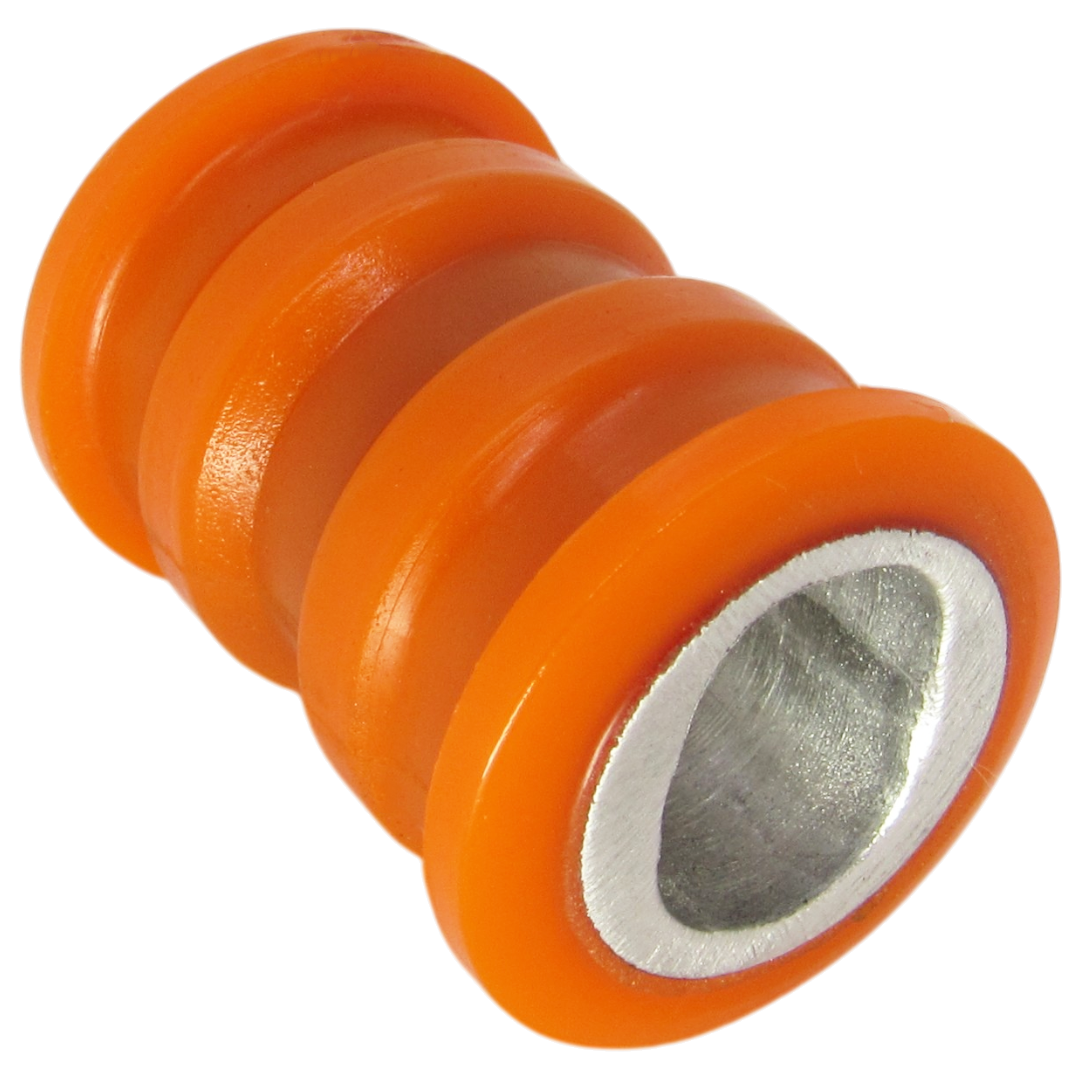
Polyurethane bushing steering rack right Chevrolet Captiva 2006-2018
In stock30 pcs.Polyurethane bushing steering rack right Gmc Terrain 2009-2017
In stock30 pcs.Polyurethane bushing steering rack right Opel Antara 2006-2010
In stock30 pcs.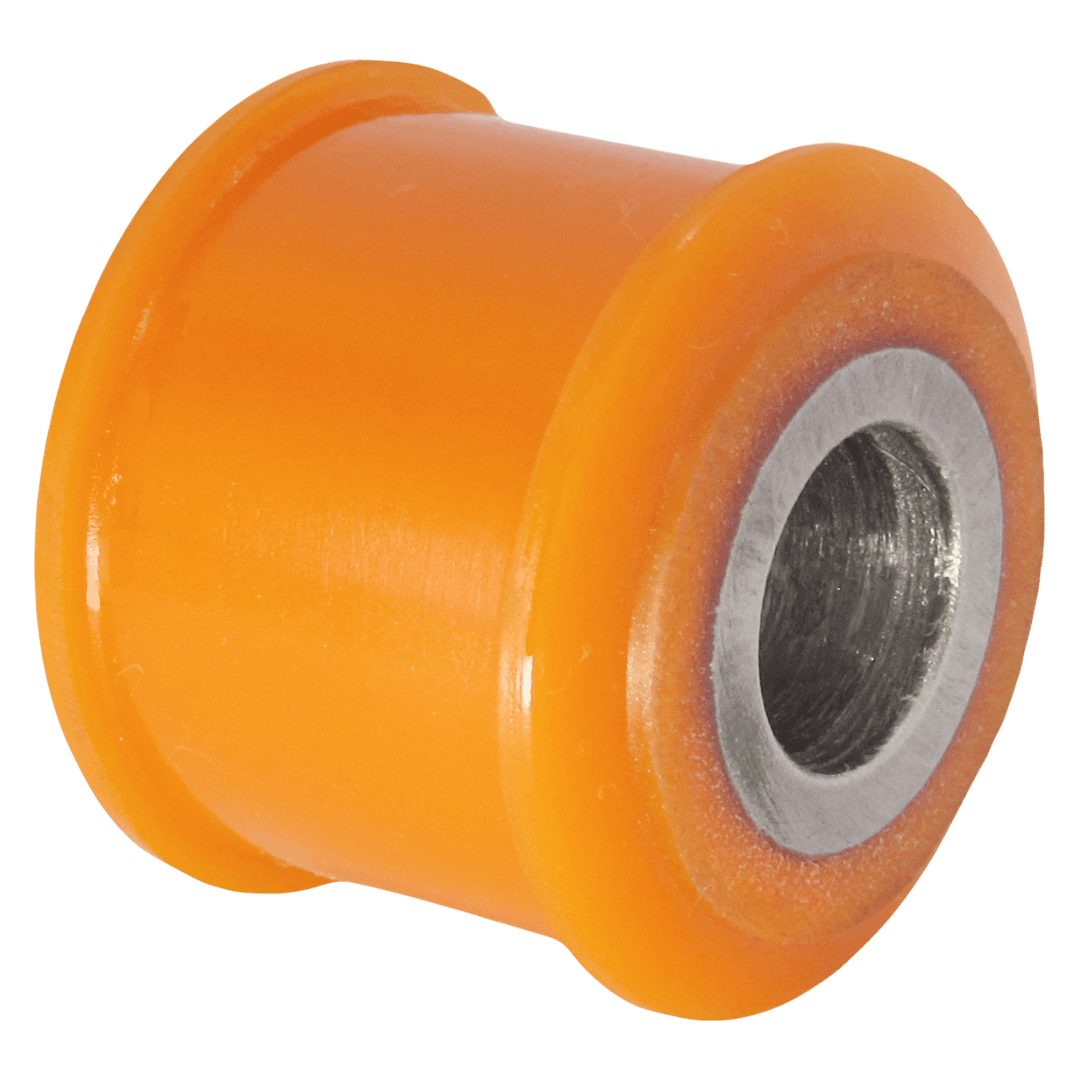
Polyurethane steering rack bushing Audi 100 1982-1991
In stock15 pcs.Polyurethane steering rack bushing Audi 100 C4 1990-1994
In stock15 pcs.Polyurethane steering rack bushing Audi A6 C4 1994-1997
In stock15 pcs.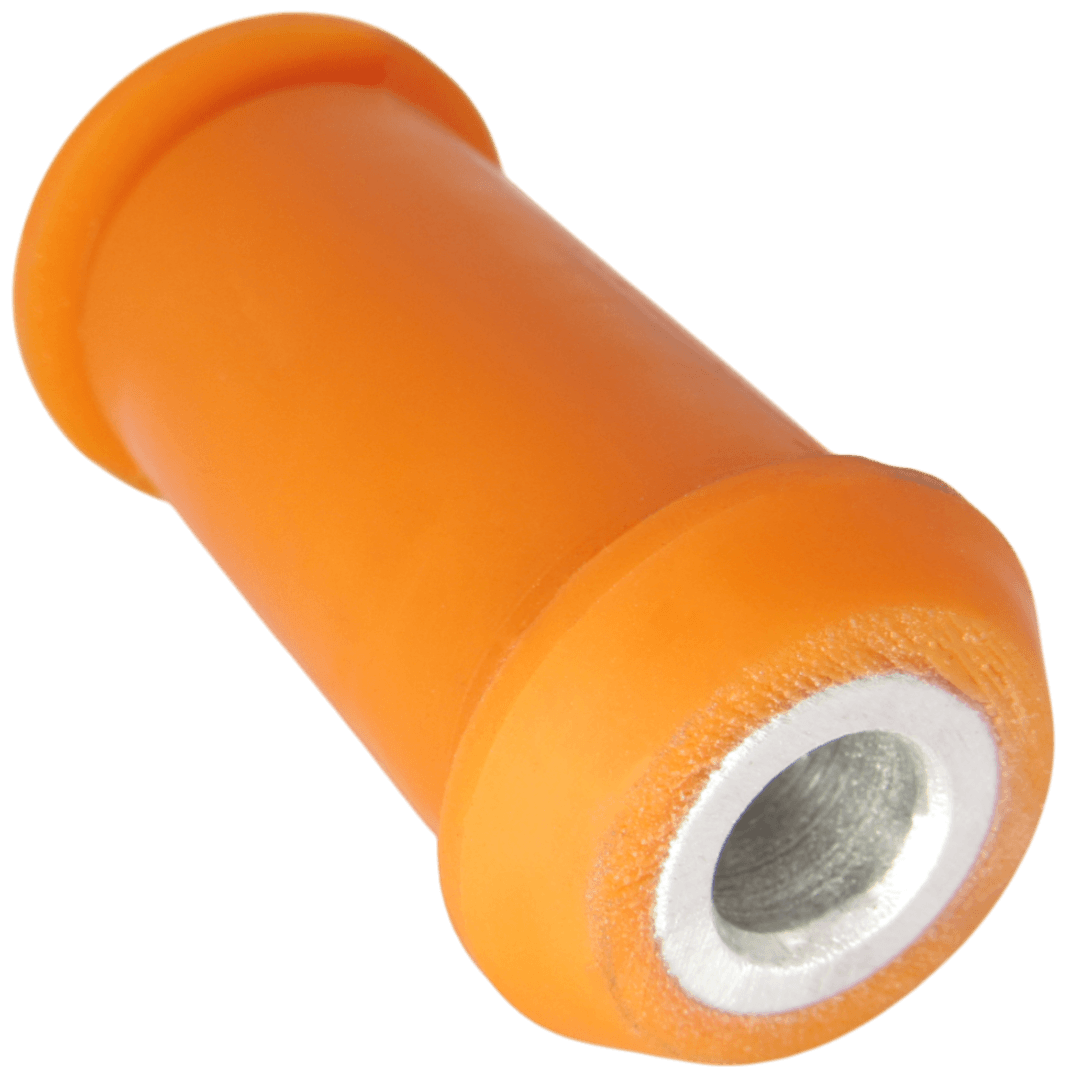
Polyurethane steering rack bushing Ford Transit 1986-2003
In stock15 pcs.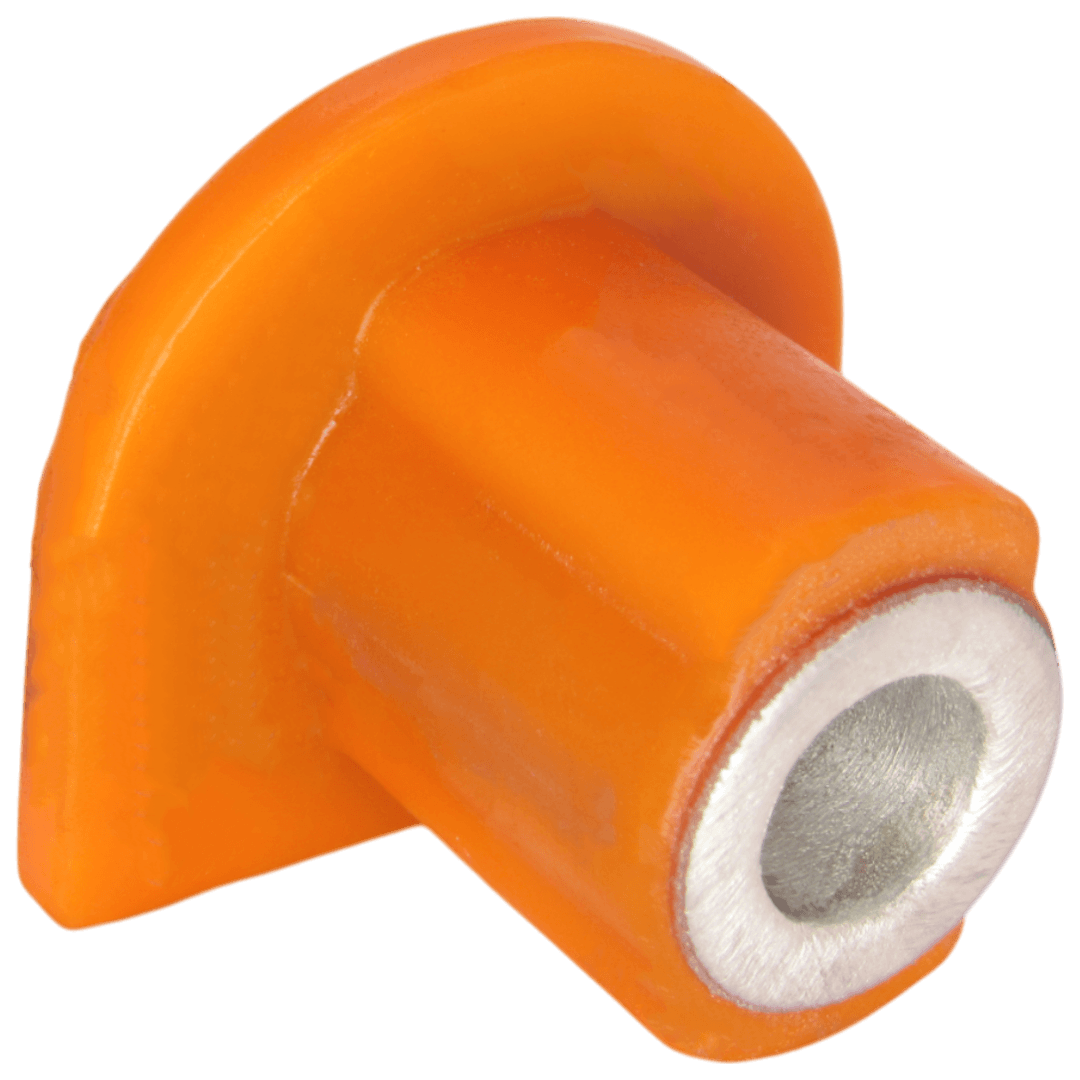
Polyurethane steering rack bushing Mercedes-Benz 163 1997-2005
In stock15 pcs.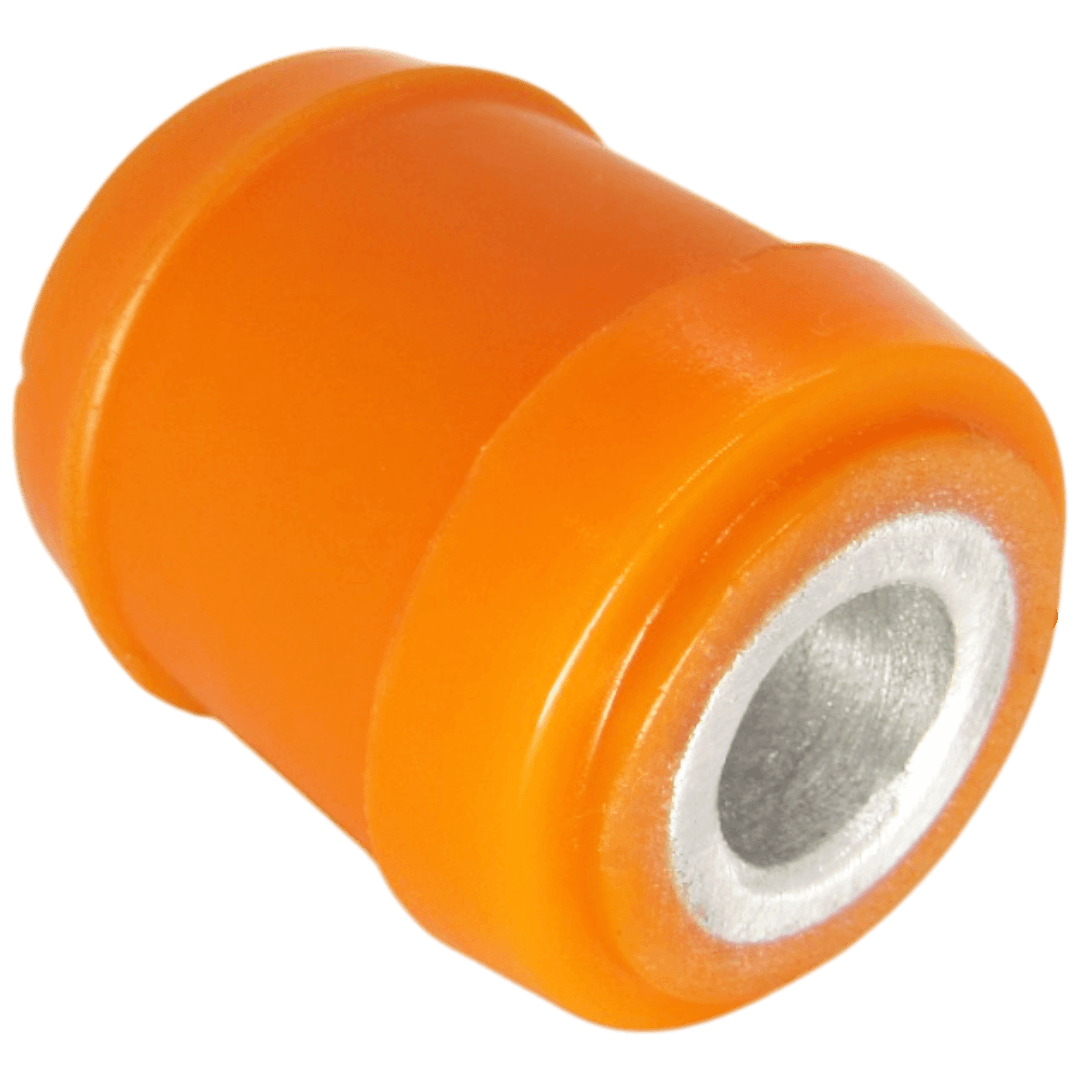
Polyurethane steering rack bushing Volkswagen T4 1990-2003
In stock15 pcs.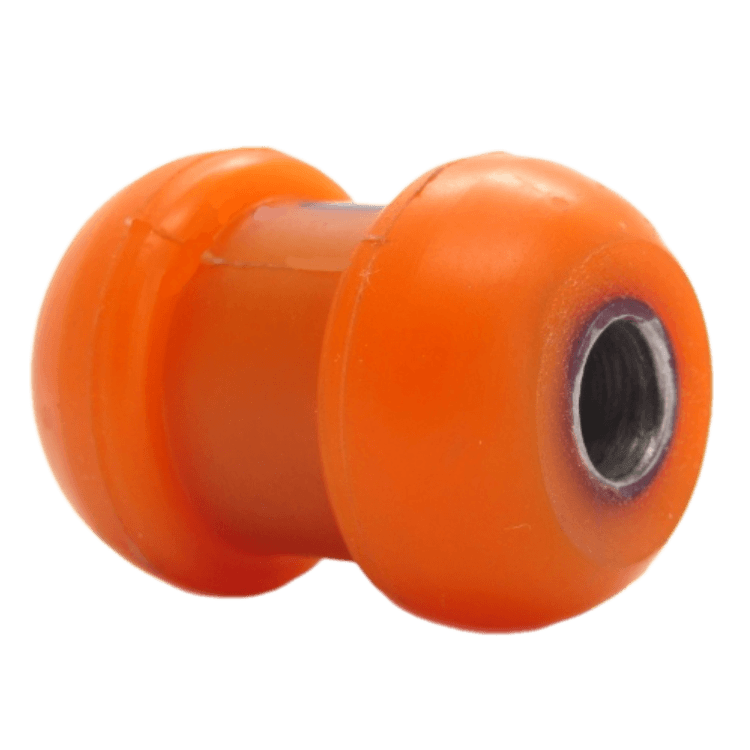
Polyurethane steering rack bushing ZAZ Slavuta 1103 1999-2011
In stock15 pcs.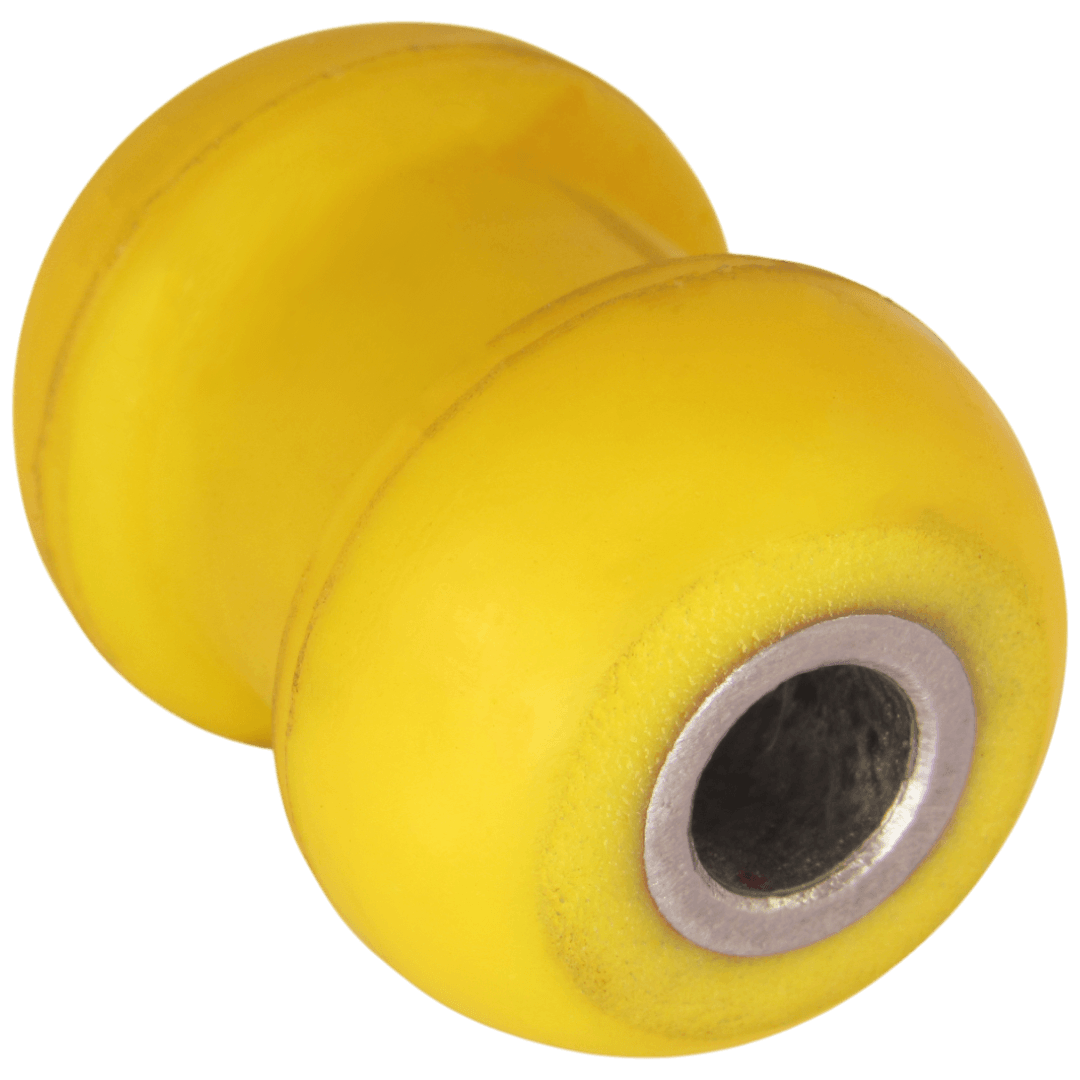
Polyurethane steering rack bushing ZAZ Slavuta 1103 1999-2011 HARDNESS
In stock15 pcs.Polyurethane steering rack bushing ZAZ Tavria 1102 1988-1997
In stock15 pcs.Polyurethane steering rack bushing ZAZ Tavria 1102 1988-1997 HARDNESS
In stock15 pcs.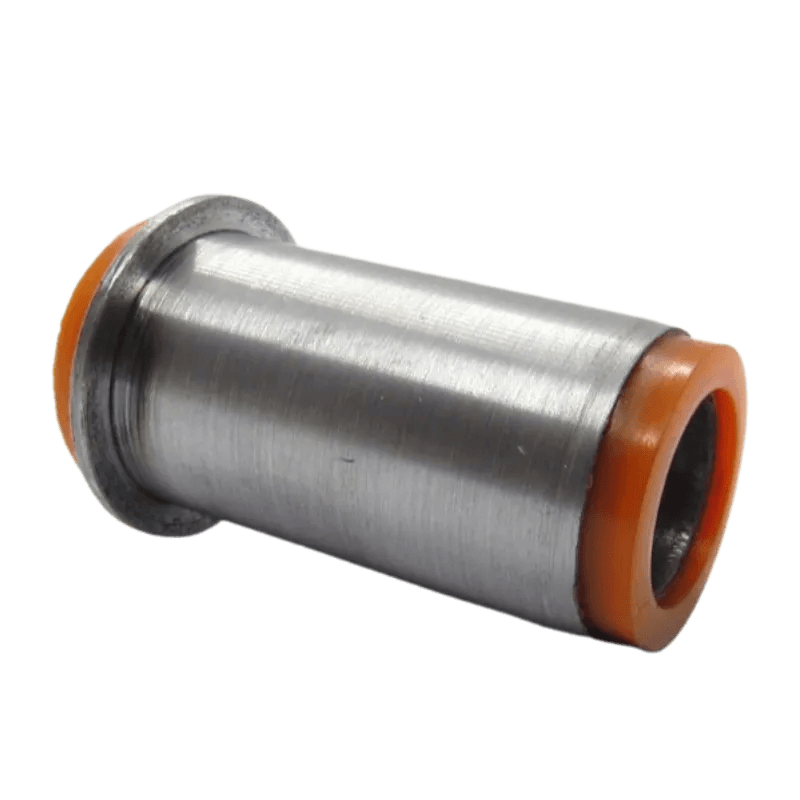
Polyurethane pendulum bushing Opel Commodore A 1967-1972
In stock15 pcs.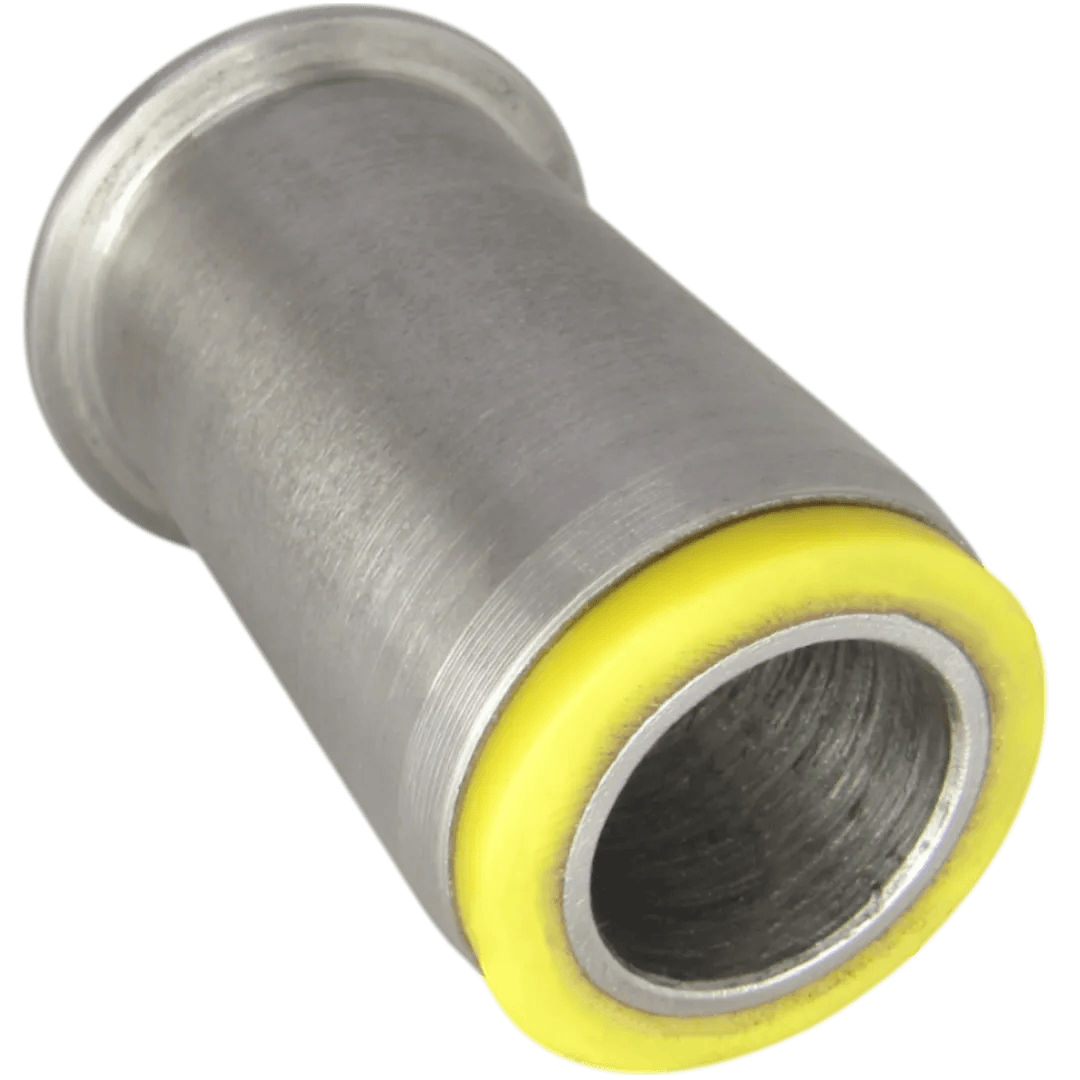
Polyurethane pendulum bushing Opel Commodore A 1967-1972 HARDNESS
In stock15 pcs.Polyurethane pendulum bushing Opel Commodore B 1972-1798
In stock15 pcs.Polyurethane pendulum bushing Opel Commodore B 1972-1798 HARDNESS
In stock15 pcs.Polyurethane pendulum bushing Opel Commodore C 1978-1982
In stock15 pcs.Polyurethane pendulum bushing Opel Commodore C 1978-1982 HARDNESS
In stock15 pcs.Polyurethane pendulum bushing Opel Monza 1978-1986
In stock15 pcs.Polyurethane pendulum bushing Opel Monza 1978-1986 HARDNESS
In stock15 pcs.Polyurethane pendulum bushing Opel Omega 1986-1993
In stock15 pcs.Polyurethane pendulum bushing Opel Omega 1986-1993 HARDNESS
In stock15 pcs.Polyurethane pendulum bushing Opel Omega 1994-2003
In stock15 pcs.Polyurethane pendulum bushing Opel Omega 1994-2003 HARDNESS
In stock15 pcs.Polyurethane pendulum bushing Opel Rekord A 1965-1967
In stock15 pcs.Polyurethane pendulum bushing Opel Rekord A 1965-1967 HARDNESS
In stock15 pcs.Polyurethane pendulum bushing Opel Rekord B 1967-1971
In stock15 pcs.Polyurethane pendulum bushing Opel Rekord B 1967-1971 HARDNESS
In stock15 pcs.Polyurethane pendulum bushing Opel Rekord C 1971-1977
In stock15 pcs.Polyurethane pendulum bushing Opel Rekord C 1971-1977 HARDNESS
In stock15 pcs.Polyurethane pendulum bushing Opel Rekord E 1977-1986
In stock15 pcs.Polyurethane pendulum bushing Opel Rekord E 1977-1986 HARDNESS
In stock15 pcs.Polyurethane pendulum bushing Opel Senator 1978-1987
In stock15 pcs.Polyurethane pendulum bushing Opel Senator 1978-1987 HARDNESS
In stock15 pcs.Polyurethane pendulum bushing Opel Senator 1987-1993
In stock15 pcs.Polyurethane pendulum bushing Opel Senator 1987-1993 HARDNESS
In stock15 pcs.
Polyurethane bushing steering rack Infiniti Fx 2003-2007
In stock15 pcs.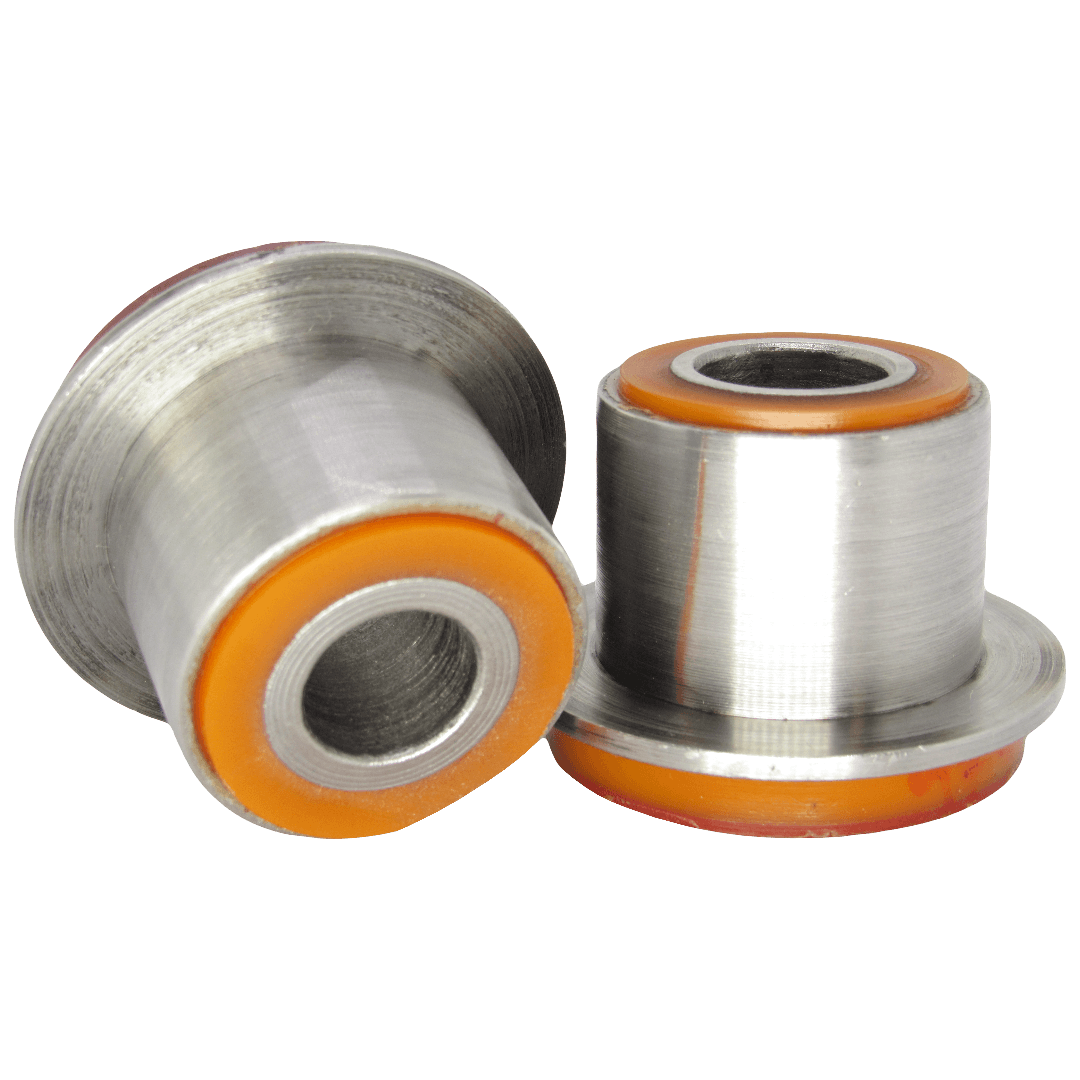
Polyurethane bushing steering rack Land Cruiser Prado 2009-
In stock15 pcs.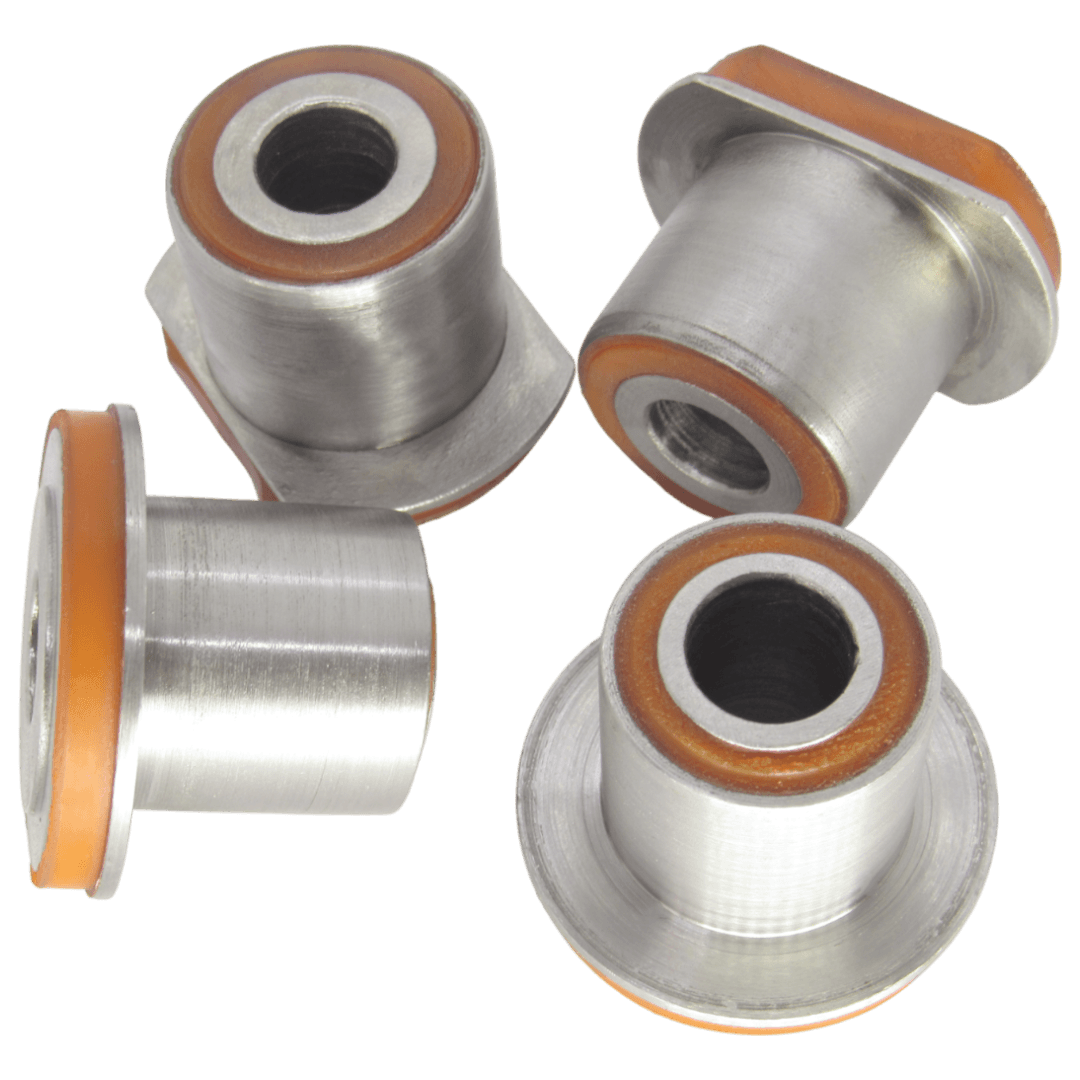
Polyurethane bushing steering rack Lexus Gx 2002-2009
In stock15 pcs.Polyurethane bushing steering rack Lexus Gx 2009-
In stock15 pcs.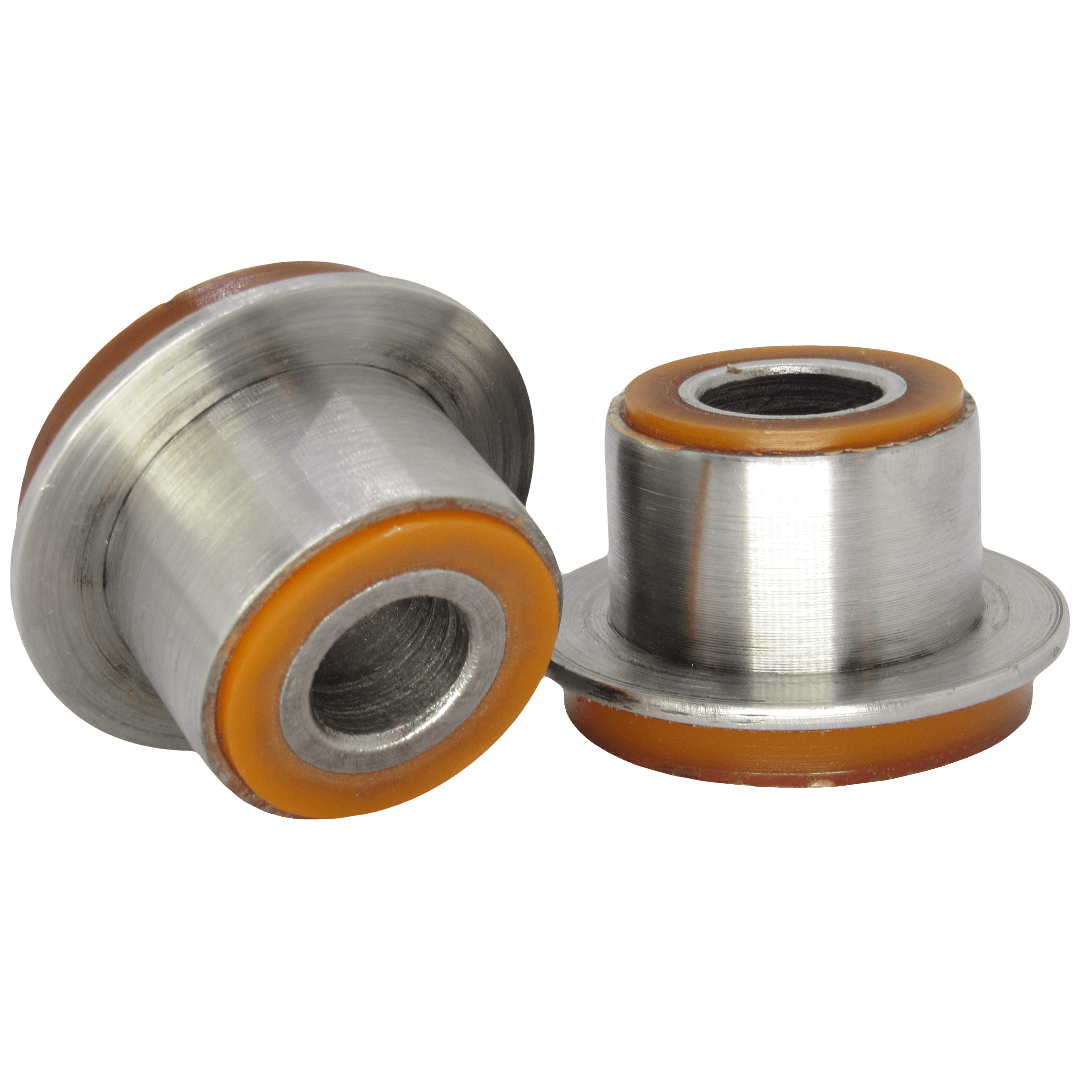
Polyurethane bushing steering rack Lexus Lx 1998-2007
In stock15 pcs.Polyurethane bushing steering rack Toyota 4Runner 2003-2009
In stock15 pcs.Polyurethane bushing steering rack Toyota 4Runner 2009-
In stock15 pcs.Polyurethane bushing steering rack Toyota Alphard 2002-2008
In stock15 pcs.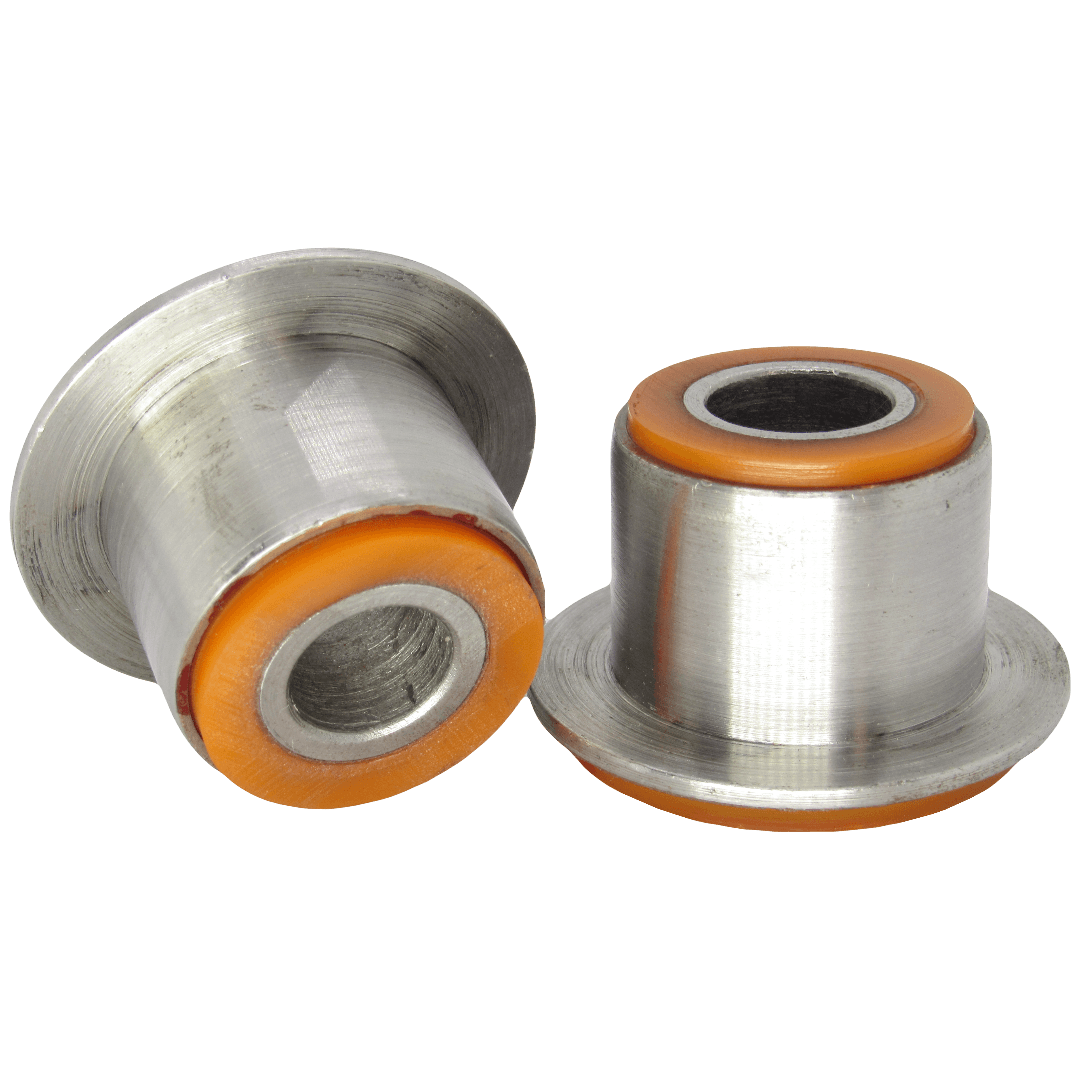
Polyurethane bushing steering rack Toyota Fortuner 2015-
In stock15 pcs.Polyurethane bushing steering rack Toyota Harrier 2003-2013
In stock15 pcs.Polyurethane bushing steering rack Toyota Hilux 2004-2015
In stock15 pcs.Polyurethane bushing steering rack Toyota Hilux 2015-
In stock15 pcs.Polyurethane bushing steering rack Toyota Hilux 2015- 2,4L
In stock15 pcs.Polyurethane bushing steering rack Toyota Land Cruiser 1998-2007
In stock15 pcs.Polyurethane bushing steering rack Toyota Land Cruiser Prado 2002-2009
In stock15 pcs.Polyurethane bushing steering rack Toyota Land Cruiser Prado 2009-
In stock15 pcs.Polyurethane bushing steering rack Toyota Previa 2000-2006
In stock15 pcs.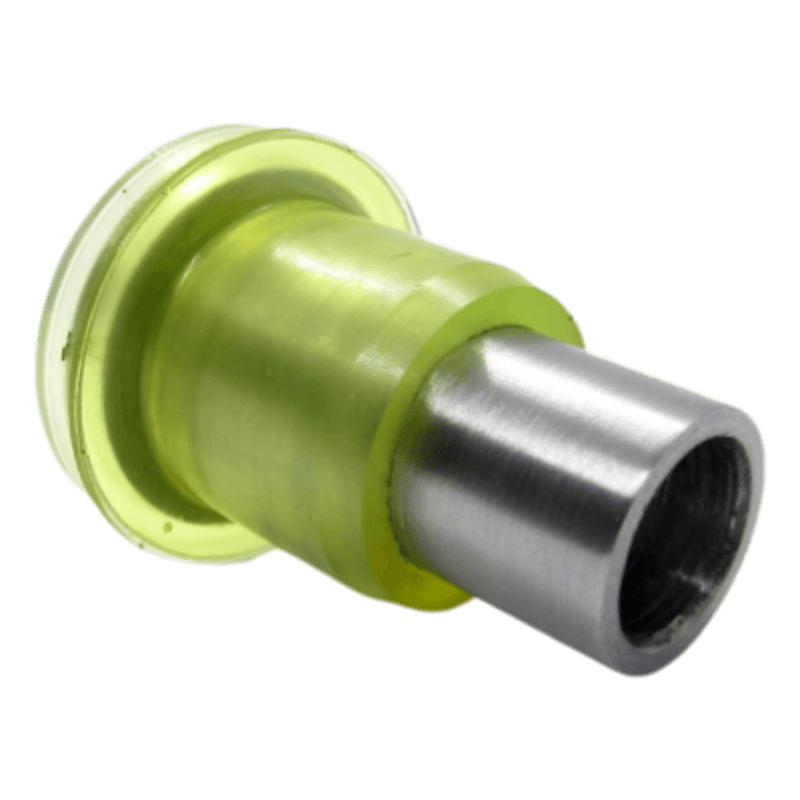
Polyurethane pendulum bushing Maybach 240 2002-2012
In stock15 pcs.Polyurethane pendulum bushing Mercedes-Benz 140 1991-1998
In stock15 pcs.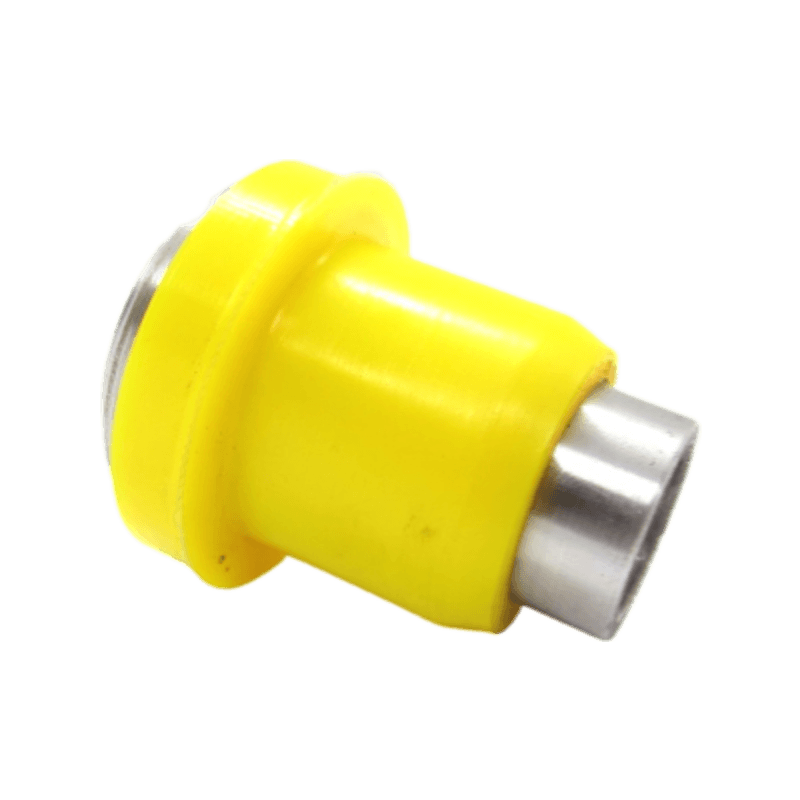
Polyurethane pendulum bushing Merсedes 115 1968-1977
In stock15 pcs.Polyurethane pendulum bushing Merсedes 116 1972-1980
In stock15 pcs.Polyurethane pendulum bushing Merсedes 123 1975-1986
In stock15 pcs.Polyurethane pendulum bushing Merсedes 124 1984-1997
In stock15 pcs.Polyurethane pendulum bushing Merсedes 126 1979-1991
In stock15 pcs.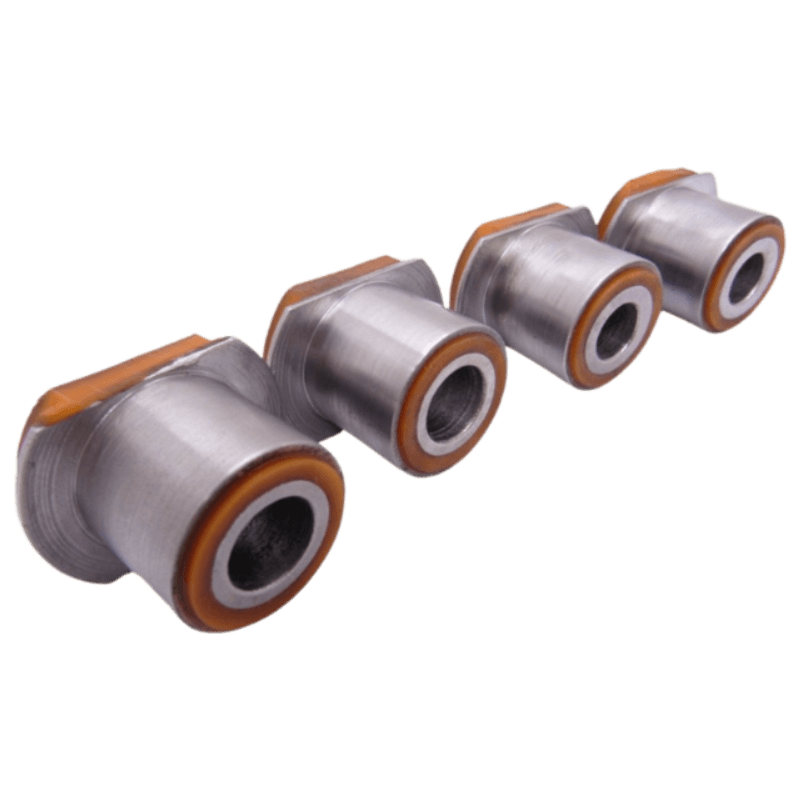
Polyurethane steering rack bushing Lexus Gx 2002-2009
In stock15 pcs.Polyurethane steering rack bushing Lexus Rx 1997-2003
In stock15 pcs.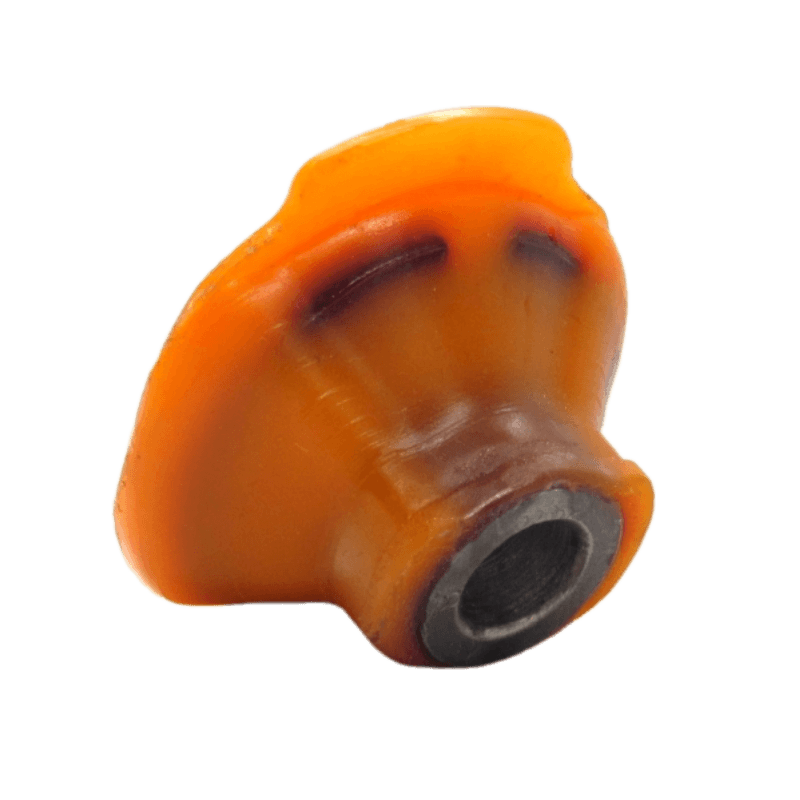
Polyurethane steering rack bushing Merсedes C-Class (203) 2000-2007
In stock15 pcs.Polyurethane steering rack bushing Merсedes E-Class (211) 2002-2009
In stock15 pcs.Polyurethane steering rack bushing Merсedes S-Class (220) 1998-2005
In stock15 pcs.Polyurethane steering rack bushing Toyota 4Runner 2003-2009
In stock15 pcs.Polyurethane steering rack bushing Toyota Hilux 2004-2015
In stock15 pcs.Polyurethane steering rack bushing Toyota Land Cruiser Prado 2002-2009
In stock15 pcs.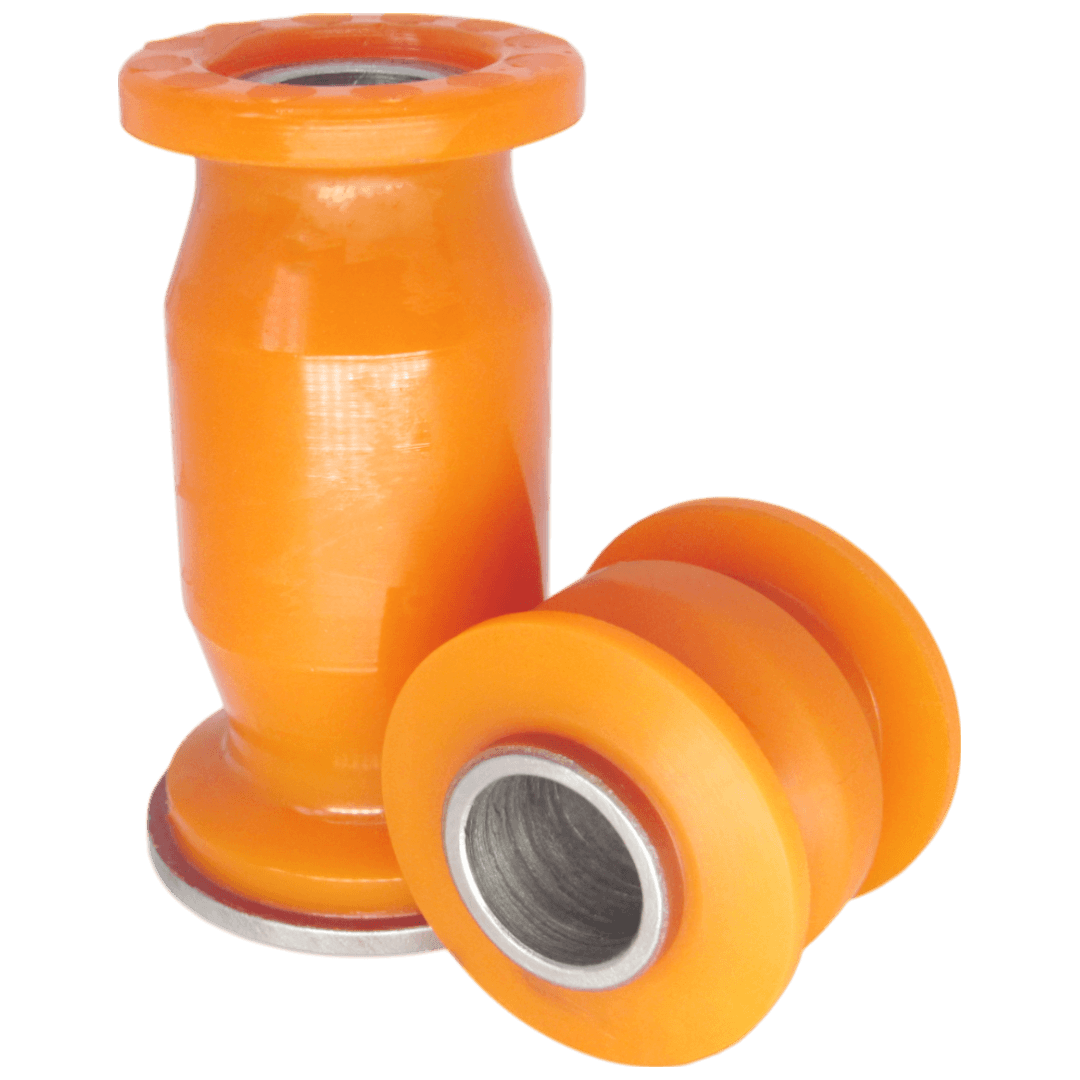
Polyurethane steering rack bushing Toyota Sequoia 2000-2007
In stock15 pcs.Polyurethane steering rack bushing Toyota Tundra 2000-2006
In stock15 pcs.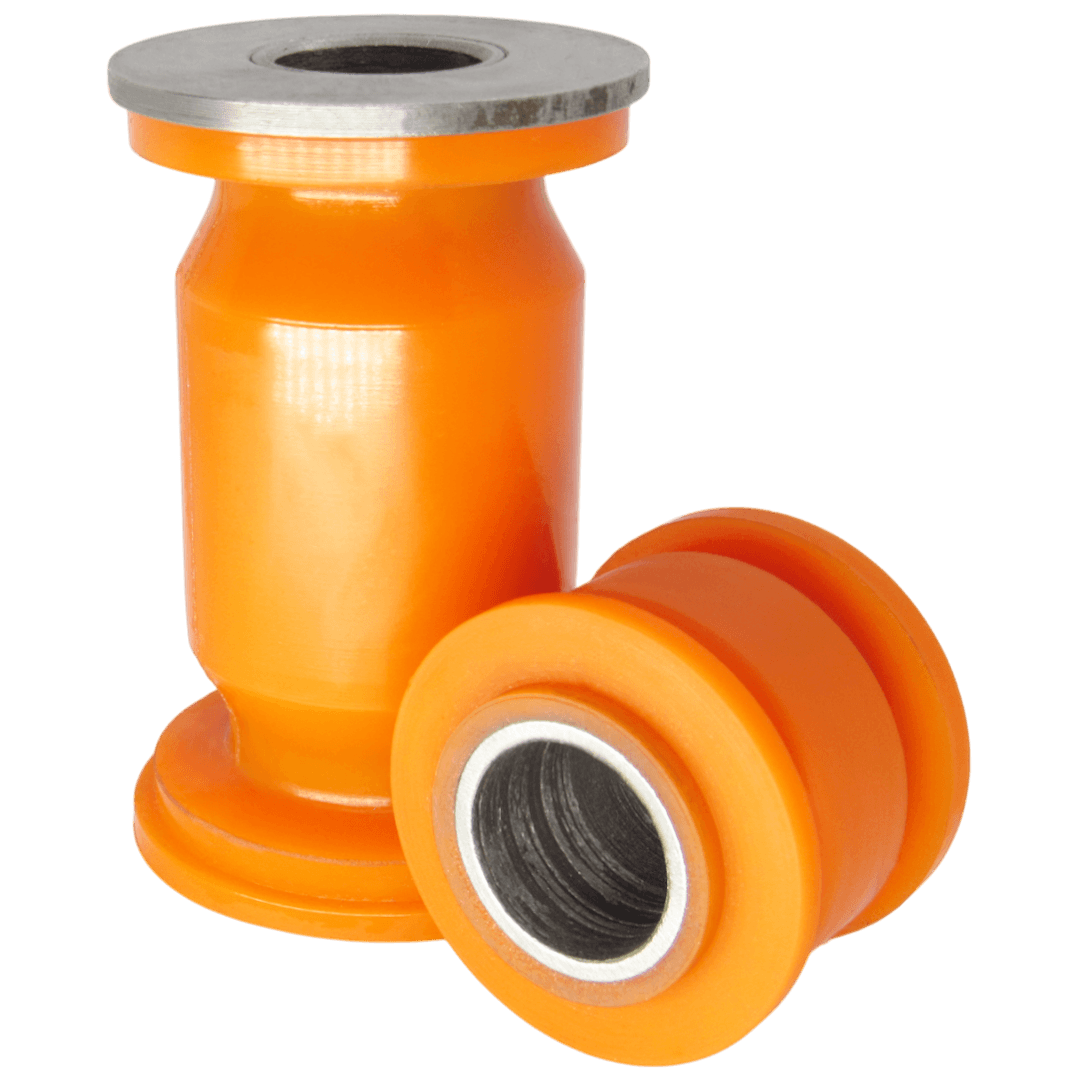
Steering rack polyurethane bushing Toyota 4Runner 1995-2002
In stock15 pcs.Steering rack polyurethane bushing Toyota Hilux 1997-2005
In stock15 pcs.Steering rack polyurethane bushing Toyota Land Cruiser Prado 1996-2002
In stock15 pcs.Steering rack polyurethane bushing Toyota Tacoma 1995-2002
In stock15 pcs.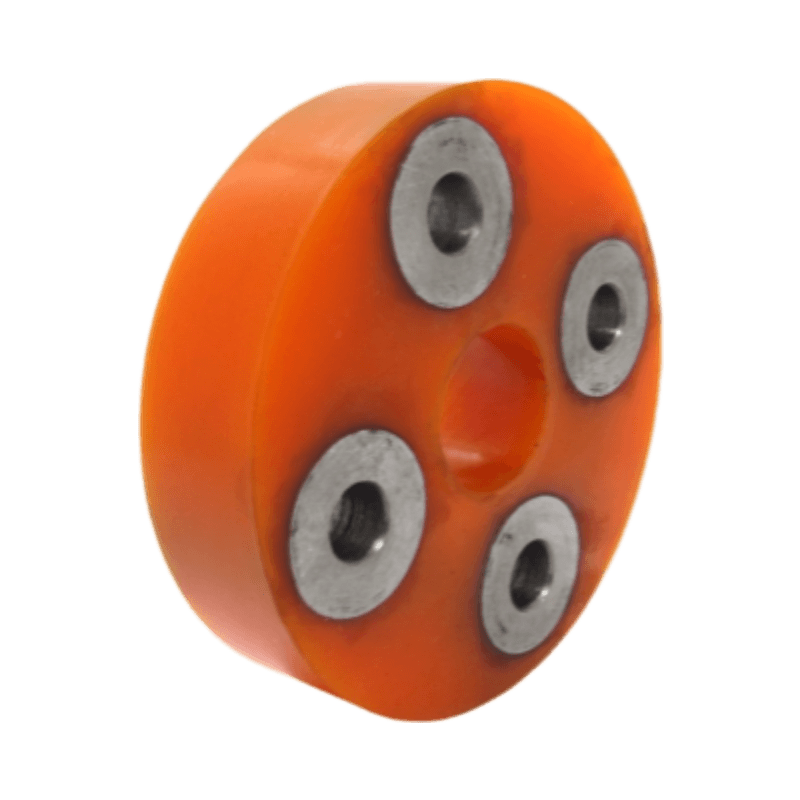
Polyurethane flexible coupling of the steering column universal joint Ford Taunus 1973-1983
In stock15 pcs.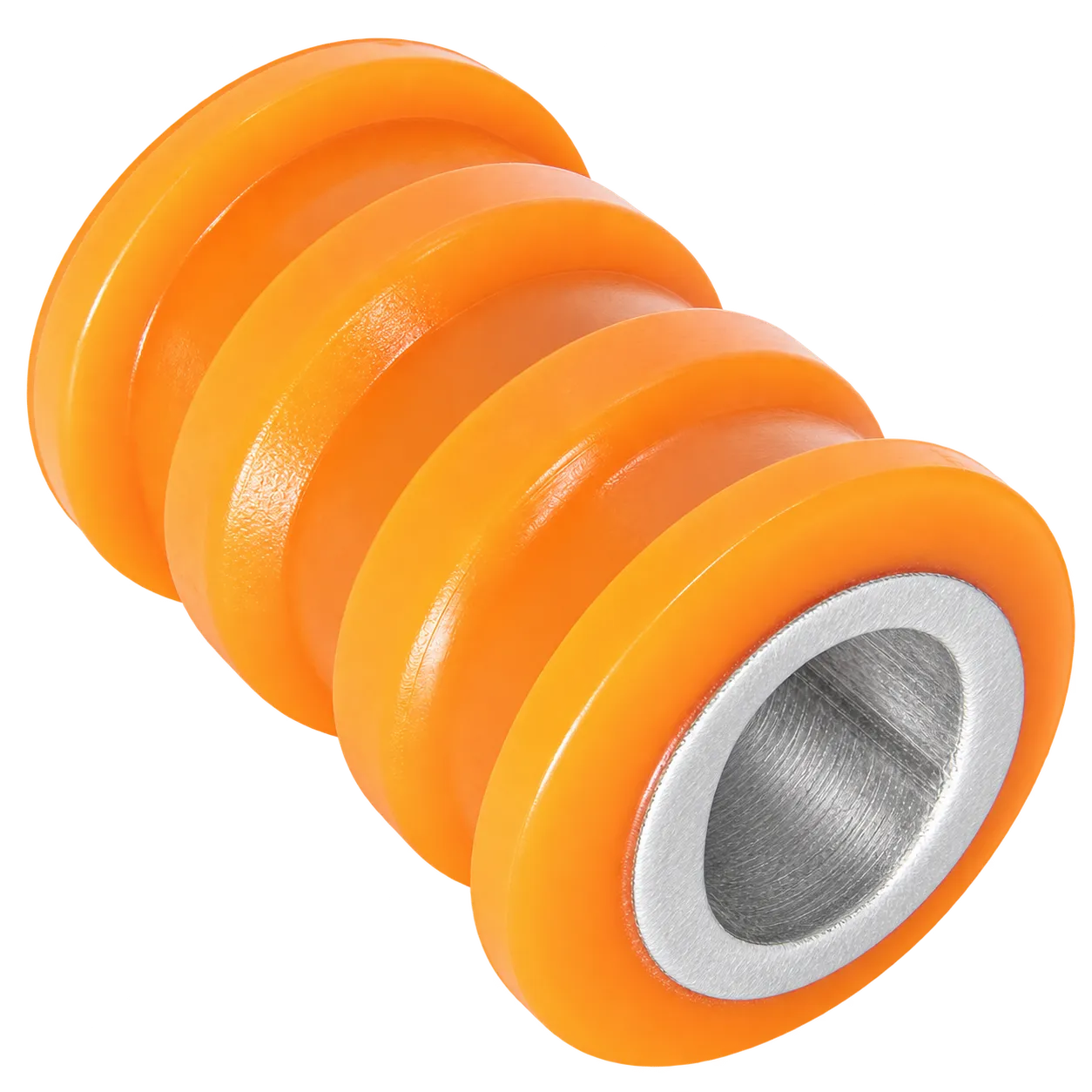
A rack and pinion bushing holds the steering rack housing on the subframe or body and centres the rack shaft inside that housing, so steering precision, feedback and the absence of knocking over bumps all depend on it. Once the seat is worn out, play appears and the driver feels it as a delayed response at small steering angles. PolyPro moulds these bushings from polyurethane in its own tooling for passenger cars, vans and light commercial vehicles. The rest of the range is in the catalogue.
Most designs use two groups of parts in this assembly. The first is the support bushing inside the rack housing: it keeps the rack shaft on its axis, sets the clearance and takes the side loads that build up when the wheels are turned. The second is the steering rack mount bushing, which clamps the housing to the subframe or body; it holds the rack in place and damps vibration travelling from the road into the steering column.
The rack is loaded all the time the car is moving: force from the wheels passes through the tie rods into the housing, and the housing rests on the bushings. Once the material has sagged or worn, the housing starts to shift slightly against its mount, and part of the steering wheel travel is spent taking up that play instead of turning the wheels. Hence the vague on-centre feel, the knock over joints and the uneven response to small inputs.
Worn steering rack bushings rarely fail suddenly — the play builds up slowly and the driver gets used to it. The simplest check needs two people: one rocks the steering wheel gently within the free play while the other watches the rack housing and its mounting points.
These symptoms overlap with worn tie rods and ends, so the whole assembly is inspected.
The factory steering rack bushing is usually rubber. Rubber is soft and absorbs small vibration well, but under constant load and in contact with oil, road salt and engine heat it hardens, cracks and shrinks. That shrinkage is exactly what creates the play felt at the steering wheel.
Polyurethane is denser and more resistant to abrasion, oils and temperature swings, so the geometry of the seat holds far longer and the rack housing stays where it belongs. The trade-off is slightly more fine vibration reaching the steering wheel, and in practice the difference shows mainly on broken surfaces. For cars driven hard, for commercial vehicles and for high-mileage machines that trade is usually worth making: steering becomes more precise and more predictable. The Shore hardness is listed on every product page.
Selection is driven by dimensions and mounting type, not by the car badge. Remove the old part, measure it and compare it with the drawing; we can also copy a sample.
The key figures are the inner diameter for the shaft or mounting bolt, the outer diameter of the seat, the length of the bushing and the flange height where the design has one. Measure the worn part with a caliper in two planes: after years of service the seat often goes oval, so the largest reading and the bore in the housing are taken as the reference. If the old bushing has crumbled away, dimensions are taken directly from the rack housing and from the subframe mounting eye. From a drawing, a sample or a worn part we produce custom-made items from a single piece.
Durometer is chosen to match how the vehicle is actually used and how much load it carries. For a city car driven calmly, a grade closer to the factory part in comfort makes sense: it restores steering precision without adding noise inside the cabin. For cars driven hard, for vans and for light commercial vehicles that run loaded, a firmer grade is the logical choice — it deflects less under side load and holds the geometry of the assembly for longer. The exact Shore value for each item is given on its product page, so grades can be compared directly in the catalogue.
Steering rack bushings come as one-piece, split and two-half designs, and the last of these can be fitted without dropping the rack from the car. A separate distinction is the metal outer sleeve: a sleeved bushing sets a rigid outer fit in the housing, while a sleeveless one bears directly on the metal of the mount. Check the part count in the assembly as well: there are usually two or four, and replacing them as a set is the sensible approach, since a fresh bushing next to a worn one wears out quickly. While the rack is apart, renew the steering rack boot if it is damaged.
PolyPro is a manufacturer, not a reseller. Tooling, casting, dimensional inspection of finished parts and sales all happen without intermediaries, so the part reaches you straight from production. Retail orders go by the piece: one bushing, a pair for the mount or the full set. If the size you need is not in stock, the part is produced from a drawing, a sample or the worn bushing itself — again from a single piece. Our products carry a warranty and we ship internationally.
On the wholesale side we work with repair shops, parts retailers, fleets and resellers. The partner programme gives bonuses for turnover or for the size of a single order, access to prices and stock levels, and shipment under the partner's own brand.
It depends on the design. Most often the housing is clamped at two points, so there are two bushings; on some models the mount is a three-part arrangement, or each point takes a pair, which makes four. The exact count is established on the assembly itself once the undertray is off, rather than from a generic diagram.
That depends on the part type and on access to the mount. Split bushings and two-half designs are made specifically for replacement in place: the housing is loosened, lifted slightly and the new halves are fitted around it. A one-piece bushing cannot go in that way, so the rack has to come out. The old part shows which type you have.
The play caused by sagging rubber disappears, so the steering answers more precisely near centre and the knock over joints and small bumps fades or stops completely. Polyurethane is less affected by oils, road salt and heat, so the seat keeps its geometry longer. In exchange, slightly more fine vibration reaches the steering wheel.
Yes, it is worth checking. Changing the position of the rack housing affects the length of the tie rods relative to the steering knuckles, and therefore front wheel toe. If the old bushings were badly worn, the angles have almost certainly drifted. The check is done after the mounts are torqued with the car standing on its wheels.
A knock from the bushings is usually a double sound heard near the bulkhead when crossing small bumps. With the car parked, have someone rock the wheel within the free play while you hold a hand on the rack housing: movement of the housing against the subframe points to the bushings, play felt in the joints points to the rods and ends.
Selection goes by dimensions, not by the badge on the car. Remove the old part, measure the inner and outer diameters, the length and the flange height, then compare them with the items in this category. If nothing matches, the part is produced from a drawing, a sample or the worn bushing, including as a one-off.
Yes. Retail is per piece: one bushing, a pair for the mount or a complete set. Non-standard sizes are made from a drawing, a sample or a worn part, again starting from one piece. Our products carry a warranty and we ship internationally. The Shore hardness of each item is stated on its product page.
Wholesale supply goes to repair shops, parts retailers, fleets and resellers. The partner programme opens access to prices and stock levels, bonuses for turnover or for the size of a single order, and shipment under the partner's own brand. Terms are agreed case by case.