

SKU: PP303451
Polyurethane bushing front arm Audi Q5 2017-
In stock15 pcs.$40.12Log in as dealer

Polyurethane bushing front arm Audi Q5 2017-
In stock15 pcs.
Polyurethane bushing front arm BMW 3 E30 1982-1994
In stock15 pcs.
Polyurethane bushing front arm BMW 3 E30 1982-1994 HARDNESS
In stock15 pcs.Polyurethane bushing front arm BMW 3 E36 1990-2001
In stock15 pcs.Polyurethane bushing front arm BMW 3 E36 1990-2001 HARDNESS
In stock15 pcs.Polyurethane bushing front arm BMW Z3 1995-2003
In stock15 pcs.Polyurethane bushing front arm BMW Z3 1995-2003 HARDNESS
In stock15 pcs.
Polyurethane bushing front arm Cadillac Ats 2012-
In stock15 pcs.
Polyurethane bushing front arm Cadillac Cts 2013-
In stock15 pcs.
Polyurethane bushing front arm Dacia Solenza 2003-2005
In stock15 pcs.
Polyurethane bushing front arm Lexus LX450 FZJ80 1995-1997 front and inner
In stock15 pcs.Polyurethane bushing front arm Nissan Patrol Y61 1997-2013 front and inner
In stock15 pcs.Polyurethane bushing front arm Nissan Safari Y61 1997-2013 front and inner
In stock15 pcs.Polyurethane bushing front arm Renault 11 1981-1988
In stock15 pcs.Polyurethane bushing front arm Renault 21 1986-1989
In stock15 pcs.Polyurethane bushing front arm Renault 5 1972-1985
In stock15 pcs.Polyurethane bushing front arm Renault 9 1981-1988
In stock15 pcs.Polyurethane bushing front arm Renault Express 1984-2000
In stock15 pcs.Polyurethane bushing front arm Renault Safrane 1992-2000
In stock15 pcs.
Polyurethane bushing front arm Rover 75 1998-2005
In stock15 pcs.
Polyurethane bushing front arm Rover 75 1998-2005 HARDNESS
In stock15 pcs.Polyurethane bushing front arm Toyota Land Cruiser 100 1998-2007 front and inner
In stock15 pcs.Polyurethane bushing front arm Toyota Land Cruiser 70 1984-1996 front and inner
In stock15 pcs.Polyurethane bushing front arm Toyota Land Cruiser 80 1990-1997 front and inner
In stock15 pcs.Polyurethane bushing front arm Volvo 850 1991-1997
In stock15 pcs.Polyurethane bushing front arm Volvo C70 1997-2002
In stock15 pcs.Polyurethane bushing front arm Volvo S70 1996-2000
In stock15 pcs.Polyurethane bushing front arm Volvo V70 1996-2000
In stock15 pcs.Polyurethane bushing front arm Volvo V70 2000-2007
In stock15 pcs.Polyurethane bushing front arm Volvo Xc70 2000-2007
In stock15 pcs.
Polyurethane bushing front arm front Acura Tlx США 2014-2020
In stock15 pcs.
Polyurethane bushing front arm front Acura Tsx 2004-2008
In stock15 pcs.
Polyurethane bushing front arm front Acura Tsx 2004-2008 HARDNESS
In stock15 pcs.
Polyurethane bushing front arm front Acura Tsx 2009-2014
In stock15 pcs.
Polyurethane bushing front arm front Bmw F25 2010-
In stock15 pcs.Polyurethane bushing front arm front Bmw F26 2014-
In stock15 pcs.
Polyurethane bushing front arm front Chery Eastar 2003- d40,5mm
In stock15 pcs.
Polyurethane bushing front arm front Chery Eastar 2003- d41,5mm
In stock15 pcs.Polyurethane bushing front arm front Chevrolet Epica 2006-2014 d40,5mm
In stock15 pcs.Polyurethane bushing front arm front Chevrolet Epica 2006-2014 d41,5mm
In stock15 pcs.Polyurethane bushing front arm front Chevrolet Evanda 2000-2006 d40,5mm
In stock15 pcs.Polyurethane bushing front arm front Chevrolet Evanda 2000-2006 d41,5mm
In stock15 pcs.
Polyurethane bushing front arm front Chrysler 200 2010-2014 with outer shell
In stock13 pcs.
Polyurethane bushing front arm front Chrysler 200 2015-2021
In stock15 pcs.Polyurethane bushing front arm front Chrysler Sebring 2001-2006 with outer shell
In stock13 pcs.Polyurethane bushing front arm front Chrysler Sebring 2007-2010 with outer shell
In stock13 pcs.Polyurethane bushing front arm front Chrysler Voyager 2001-2007 with outer shell
In stock13 pcs.Polyurethane bushing front arm front Chrysler Voyager 2008-2016 with outer shell
In stock13 pcs.
Polyurethane bushing front arm front Citroen C2 2003-2005
In stock15 pcs.Polyurethane bushing front arm front Citroen C3 2009-2016
In stock15 pcs.Polyurethane bushing front arm front Citroen C3 2016-
In stock15 pcs.Polyurethane bushing front arm front Citroen C3 Picasso 2009-2017
In stock15 pcs.
Polyurethane bushing front arm front Citroen C4 Picasso 2013-
In stock15 pcs.
Polyurethane bushing front arm front Citroen C5 2008-2017
In stock15 pcs.Polyurethane bushing front arm front Citroen C6 2005-2012
In stock15 pcs.Polyurethane bushing front arm front Citroen Ds3 2009-2016
In stock15 pcs.
Polyurethane bushing front arm front Daewoo Kondor 1997-2008
In stock15 pcs.Polyurethane bushing front arm front Daewoo Leganza 1997-2008
In stock15 pcs.
Polyurethane bushing front arm front Daewoo Nubira 1997-2003
In stock15 pcs.Polyurethane bushing front arm front Dodge Avenger 2007-2014 with outer shell
In stock13 pcs.Polyurethane bushing front arm front Dodge Caravan 2008-2011 with outer shell
In stock13 pcs.Polyurethane bushing front arm front Dodge DART 2013-2021
In stock15 pcs.Polyurethane bushing front arm front Dodge Journey 2008-2011 with outer shell
In stock13 pcs.Polyurethane bushing front arm front Fiat Freemont 2011- with outer shell
In stock13 pcs.
Polyurethane bushing front arm front Ford Cougar 1998-2001
In stock15 pcs.
Polyurethane bushing front arm front Ford Edge 2014-2022
In stock15 pcs.
Polyurethane bushing front arm front Ford Edge 2014-2022
In stock15 pcs.Polyurethane bushing front arm front Ford Escort 1990-1992
In stock15 pcs.
Polyurethane bushing front arm front Ford Escort 1995-1998
In stock15 pcs.
Polyurethane bushing front arm front Ford Escort 5 1990-1992
In stock15 pcs.Polyurethane bushing front arm front Ford Escort 6 1992-1995
In stock15 pcs.Polyurethane bushing front arm front Ford Fiesta 1989-1997
In stock15 pcs.Polyurethane bushing front arm front Ford Fiesta 1989-1997
In stock15 pcs.Polyurethane bushing front arm front Ford Fiesta 1995-2002
In stock15 pcs.Polyurethane bushing front arm front Ford Fiesta 1995-2002
In stock15 pcs.Polyurethane bushing front arm front Ford Fiesta 2002-2008
In stock15 pcs.Polyurethane bushing front arm front Ford Fiesta 3 1989-1997
In stock15 pcs.
Polyurethane bushing front arm front Ford Fusion 2012-2020
In stock15 pcs.
Polyurethane bushing front arm front Ford Galaxy 2006-2015
In stock15 pcs.Polyurethane bushing front arm front Ford Ka 1996-2008
In stock15 pcs.
Polyurethane bushing front arm front Ford Mondeo 1993-1996
In stock15 pcs.Polyurethane bushing front arm front Ford Mondeo 1993-1996
In stock15 pcs.Polyurethane bushing front arm front Ford Mondeo 1996-2000
In stock15 pcs.Polyurethane bushing front arm front Ford Mondeo 1996-2000
In stock15 pcs.Polyurethane bushing front arm front Ford Mondeo 2000-2007
In stock15 pcs.Polyurethane bushing front arm front Ford Mondeo 2007-2014
In stock15 pcs.Polyurethane bushing front arm front Ford Mondeo 2014-
In stock15 pcs.
Polyurethane bushing front arm front Ford Mustang 2015-
In stock15 pcs.Polyurethane bushing front arm front Ford Orion 3 1990-1996
In stock15 pcs.Polyurethane bushing front arm front Ford Puma 1997-2002
In stock15 pcs.Polyurethane bushing front arm front Ford Puma 1997-2002
In stock15 pcs.Polyurethane bushing front arm front Ford S-Max 2006-2014
In stock15 pcs.Polyurethane bushing front arm front Honda Accord 7 2002-2008
In stock15 pcs.Polyurethane bushing front arm front Honda Accord 7 2002-2008 HARDNESS
In stock15 pcs.Polyurethane bushing front arm front Honda Accord IX 2002-2017
In stock15 pcs.Polyurethane bushing front arm front Honda Accord VII 2002-2008
In stock15 pcs.Polyurethane bushing front arm front Honda Accord VIII 2008-2015
In stock15 pcs.Polyurethane bushing front arm front Honda Accord США 2012-2020
In stock15 pcs.
Polyurethane bushing front arm front Honda CR-V 2001-2006
In stock15 pcs.
Polyurethane bushing front arm front Honda CR-V 2001-2006 HARDNESS
In stock15 pcs.Polyurethane bushing front arm front Honda Civic 2000-2005
In stock15 pcs.Polyurethane bushing front arm front Honda Civic 2000-2005 HARDNESS
In stock15 pcs.Polyurethane bushing front arm front Honda Civic 2005-2011 PP-0534c
In stock15 pcs.Polyurethane bushing front arm front Honda Civic 2005-2011 PP-0534c HARDNESS
In stock15 pcs.
Polyurethane bushing front arm front Honda Civic 2011-2017
In stock15 pcs.Polyurethane bushing front arm front Honda Crosstour 2009-
In stock15 pcs.Polyurethane bushing front arm front Honda FR-V 2004-2009
In stock15 pcs.Polyurethane bushing front arm front Honda FR-V 2004-2009 HARDNESS
In stock15 pcs.
Polyurethane bushing front arm front Honda HR-V 1998-2006
In stock15 pcs.Polyurethane bushing front arm front Honda Inspire 2003-2007
In stock15 pcs.Polyurethane bushing front arm front Honda Inspire 2003-2007 HARDNESS
In stock15 pcs.Polyurethane bushing front arm front Honda Integra 2001-2006
In stock15 pcs.Polyurethane bushing front arm front Honda Integra 2001-2006 HARDNESS
In stock15 pcs.
Polyurethane bushing front arm front Honda Legend 2004-2012
In stock15 pcs.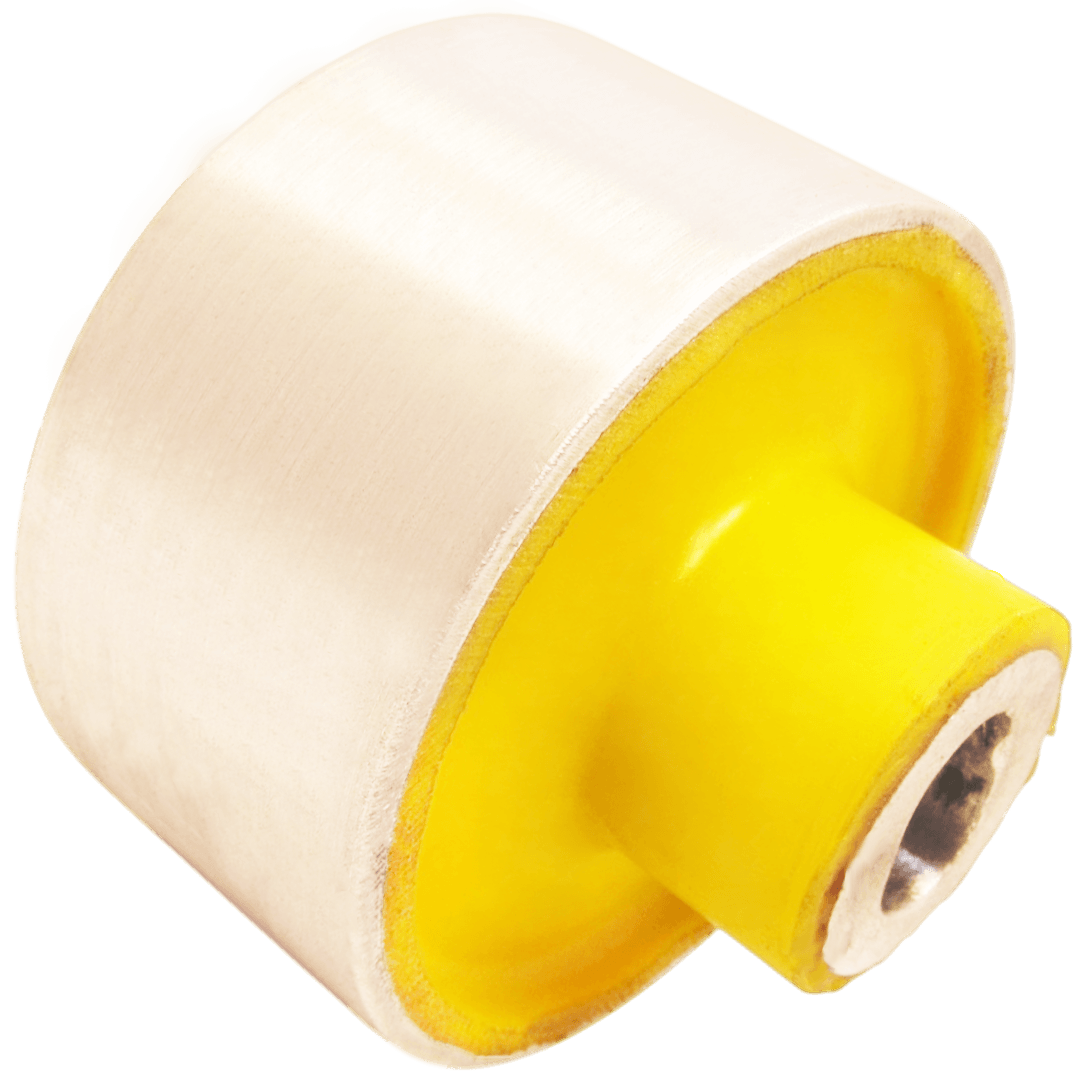
Polyurethane bushing front arm front Honda Legend 2004-2012 HARDNESS
In stock15 pcs.
Polyurethane bushing front arm front Honda Ridgeline 2005-2014
In stock15 pcs.Polyurethane bushing front arm front Honda Stream 2000-2014
In stock15 pcs.Polyurethane bushing front arm front Honda Stream 2000-2014 HARDNESS
In stock15 pcs.
Polyurethane bushing front arm front Hyundai I30 2011-2015
In stock15 pcs.Polyurethane bushing front arm front Hyundai Ix35 2010-2017
In stock15 pcs.
Polyurethane bushing front arm front Infiniti G 2006-2013
In stock15 pcs.
Polyurethane bushing front arm front Infiniti G20 P11 1998-2002
In stock15 pcs.Polyurethane bushing front arm front Infiniti I 1996-2001
In stock15 pcs.
Polyurethane bushing front arm front Infiniti M 2010-
In stock15 pcs.Polyurethane bushing front arm front Infiniti Q50 2013-
In stock15 pcs.Polyurethane bushing front arm front Infiniti Q60 2013-2016
In stock15 pcs.Polyurethane bushing front arm front Infiniti Q60 2016-
In stock15 pcs.Polyurethane bushing front arm front Infiniti Q70 2013-
In stock15 pcs.Polyurethane bushing front arm front Infiniti Q70 2013- 3,7L
In stock15 pcs.Polyurethane bushing front arm front Infiniti Qx50 2007-2017
In stock15 pcs.Polyurethane bushing front arm front Jeep Cherokee 2013-2018
In stock15 pcs.Polyurethane bushing front arm front Jeep Grand Cherokee 2013-
In stock15 pcs.
Polyurethane bushing front arm front Kia Carens 1999-2006
In stock15 pcs.Polyurethane bushing front arm front Kia Carens 2006-2012
In stock15 pcs.Polyurethane bushing front arm front Kia Ceed 2012-2018
In stock15 pcs.Polyurethane bushing front arm front Kia Optima 2010-2015
In stock15 pcs.Polyurethane bushing front arm front Kia Sephia 1993-2001
In stock15 pcs.Polyurethane bushing front arm front Kia Shuma 1997-2004
In stock15 pcs.Polyurethane bushing front arm front Kia Spectra 2000-2011
In stock15 pcs.Polyurethane bushing front arm front Kia Sportage 2010-2015
In stock15 pcs.Polyurethane bushing front arm front Lancia Voyager 2011-2014 with outer shell
In stock13 pcs.
Polyurethane bushing front arm front Land Rover Discovery Sport 2014-
In stock15 pcs.
Polyurethane bushing front arm front Land Rover Discovery Sport 2014- 2,0L
In stock15 pcs.
Polyurethane bushing front arm front Land Rover Freelander 1997-2006
In stock15 pcs.Polyurethane bushing front arm front Land Rover Freelander 2006-2014
In stock15 pcs.
Polyurethane bushing front arm front Land Rover Range Rover Evoque 2011-2018
In stock15 pcs.Polyurethane bushing front arm front Lincoln Continental 2016-2020
In stock15 pcs.
Polyurethane bushing front arm front Lincoln Continental 2016-2020 3.0L
In stock15 pcs.Polyurethane bushing front arm front Lincoln Mkx 2016-
In stock15 pcs.Polyurethane bushing front arm front Lincoln Mkx 2016-
In stock15 pcs.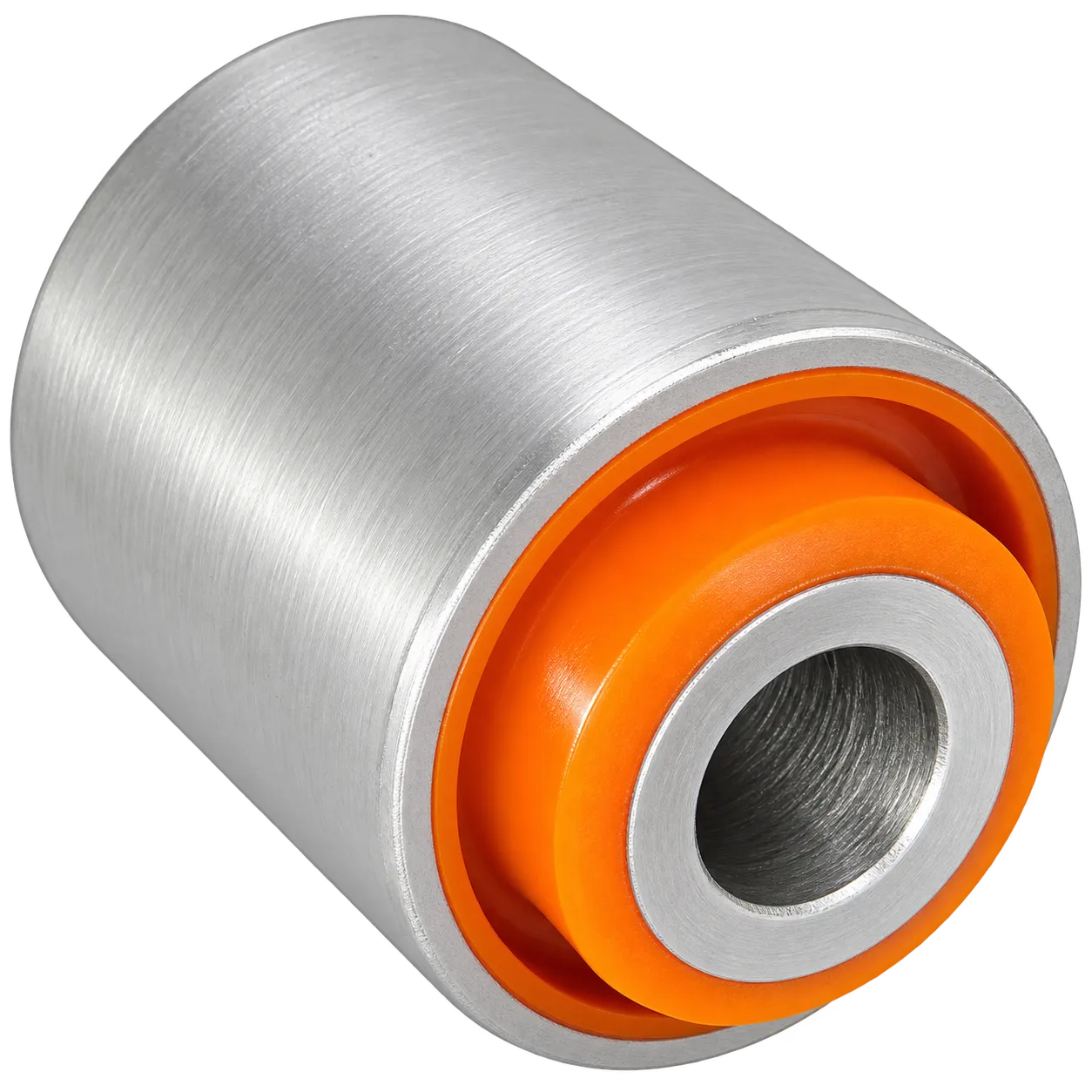
A front lower control arm bushing is the compliant joint that ties the arm of the front suspension to the subframe or body. It holds front axle geometry, absorbs road impacts and lets the arm follow suspension travel without binding. PolyPro molds these bushings from polyurethane on its own equipment, for passenger cars, crossovers, vans and light commercial vehicles. The full list of sizes is in the catalog.
The front arm is attached to the body or subframe through two pivots, and those pivots decide how accurately the wheel holds its line. The bushing consists of a metal shell and an elastic insert: the shell is pressed into the eye of the arm, the inner sleeve is clamped by a bolt on the bracket, and the elastic layer works in torsion and compression. Together with the other suspension bushings it sets how firmly the wheel is tied to the chassis.
As the suspension moves, the insert twists through a small angle and returns to its original position when the wheel unloads. Under braking and cornering the joint takes longitudinal and lateral loads that try to move the arm away from its mounting point. The smaller that movement, the more stable camber and caster stay, and the more precisely the front end answers the steering wheel.
A worn joint usually shows itself through behavior rather than noise: the car starts wandering in ruts, the steering feels vague around center, and under hard braking the car pulls to one side. A dull double knock over small bumps and when pulling away is already a late stage, with the elastic layer separated from the shell.
Check the joint on a lift or over a pit: pry the arm longitudinally and laterally and watch how far the inner sleeve moves relative to the shell. Visible free play, a circumferential tear in the elastic layer, oil traces or corrosion on the shell all call for replacement. Replace the joints in pairs on one axle, otherwise a new part works next to a worn one and the geometry stays unsettled.
A rubber insert is softer and damps small vibration better, which is why it is fitted on the assembly line for cabin quietness. The trade-off is compliance: under load the arm shifts further, front axle angles drift, and the rubber itself ages from ozone, oils and road salt until it cracks around the bore.
Polyurethane is denser and shows almost no permanent set, so front geometry stays consistent and the steering keeps its feel both on the straight and through a corner. It resists oils and salt better and holds its dimensions longer, but it passes slightly more road noise into the body. Calm city use calls for softer grades, loaded vehicles for firmer ones; the Shore value is listed on each product page.
Selection goes by fitting dimensions and joint design, not by car brand. The safest route is to remove the old part, measure it and compare the figures with the product pages in the catalog.
Three figures decide the fit: outer diameter of the shell, inner diameter for the bolt and overall length of the joint. Take them with calipers from the old part rather than from a rough description, because within one model the arm eyes differ across production years and body types. If the insert is destroyed and the shell spins, measure the bore in the arm and the diameter of the mounting bolt instead. With the arm off the car it is also worth checking bore depth: a bushing that is too long will foul the bracket, a short one will sit skewed. All three figures appear on every catalog page.
Front arms use several joint designs: without a shell, with an outer shell, with a flanged outer shell and with an inner plate. The design defines how the part is retained in the eye and what it bears against under load, so swapping types at will is a bad idea. A shell-less bushing goes where the bore is continuous and holds the part by the fit alone, a flanged one where the part must bear against the face of the arm. If the original was pressed in together with a metal cup, look for a version with the same cup, otherwise the joint will settle as the bolt is torqued.
Pick hardness for the way the car is used, not on the assumption that firmer is always better. A daily driver in town does well on softer grades: they stay close to factory ride comfort and pass less fine vibration into the steering wheel. Loaded vehicles, vans, cars that run broken roads and spirited driving suit firmer grades, which let the arm move less under braking and in a corner. The Shore value is stated on each product page; when in doubt, go by vehicle weight and the roads you actually drive. Within one axle keep both sides in the same grade, so left and right joints work alike.
PolyPro is a manufacturer, not a reseller: the molds, the casting shop and dimensional control are ours, so parts reach the buyer without a chain of middlemen. Retail is by the piece — you can order a single bushing for one arm instead of paying for a full kit. If a size is missing from the catalog, we make non-standard parts from a drawing, a sample or a worn bushing, starting from one unit. Our products carry a warranty, and we ship internationally.
Wholesale covers repair shops, parts stores, fleets and resellers: the partner program offers bonuses for turnover or for the size of a single order, access to prices and stock, and shipments under the partner's own brand.
In material and in behavior under load. Polyurethane is denser and deforms less under longitudinal and lateral forces, so front axle angles stay more stable and the steering keeps its feedback. It also stands up better to oils, salt and road chemicals. The trade-off is slightly more road noise reaching the cabin.
Yes, with a softer grade. Those bushings stay close to factory ride quality while holding geometry better than worn rubber. Firmer grades make sense for loaded vehicles, vans and spirited driving. Go by vehicle weight and by the roads the car actually sees; the Shore value is listed on every product page.
By how the car behaves and by inspection. Wandering in ruts, vague steering around center, pulling under braking and inner-edge tire wear are the usual signs. On a lift, pry the arm: visible movement of the inner sleeve against the shell, cracks around the bore or a delaminated insert all mean replacement.
Yes. A new joint returns the arm to its designed position, and front axle angles change even when nothing looks different by eye. Without adjustment, disturbed toe will eat a set of tires within a few thousand kilometers. Check the geometry after the car has settled on its wheels under its own weight.
Yes. Apply assembly grease to the working surfaces of the bushing and to the inner sleeve before putting the joint together. It prevents early squeak and makes pressing easier. Torque the mounting bolts with the car standing on its wheels, not with the suspension hanging, or the insert stays pre-twisted and wears faster.
We will make it. Made-to-order parts are produced from a drawing, a sample or a worn bushing, starting from a single unit. We need outer diameter, inner diameter, length and the design type; if you have no figures, simply send us the old bushing. The same route covers rare sizes that retail chains do not stock.
Yes, retail here is by the piece. If only one joint has failed, a full axle kit is not compulsory, although replacing in pairs on one axle is the technically sound approach. For anyone who prefers to refresh the whole assembly at once, the catalog also has bushing kits.
They are served on wholesale terms. The partner program includes bonuses for turnover or for the volume of a single order, access to current prices and stock, and shipments under the partner's brand. Terms are agreed by profile: workshop, retail store, fleet or reseller.