
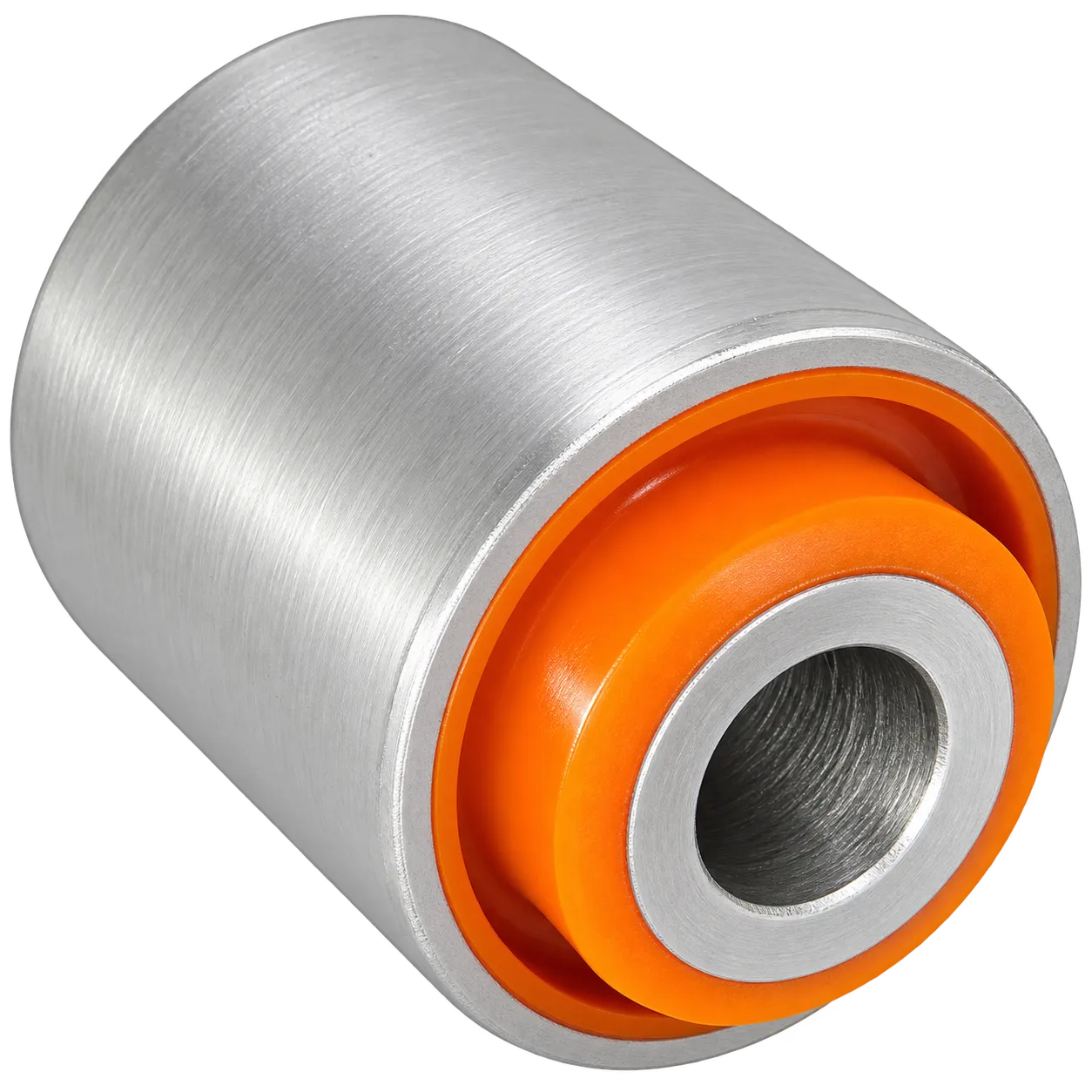
 Сайлентблоки передніх важелів

Polyurethane bushings
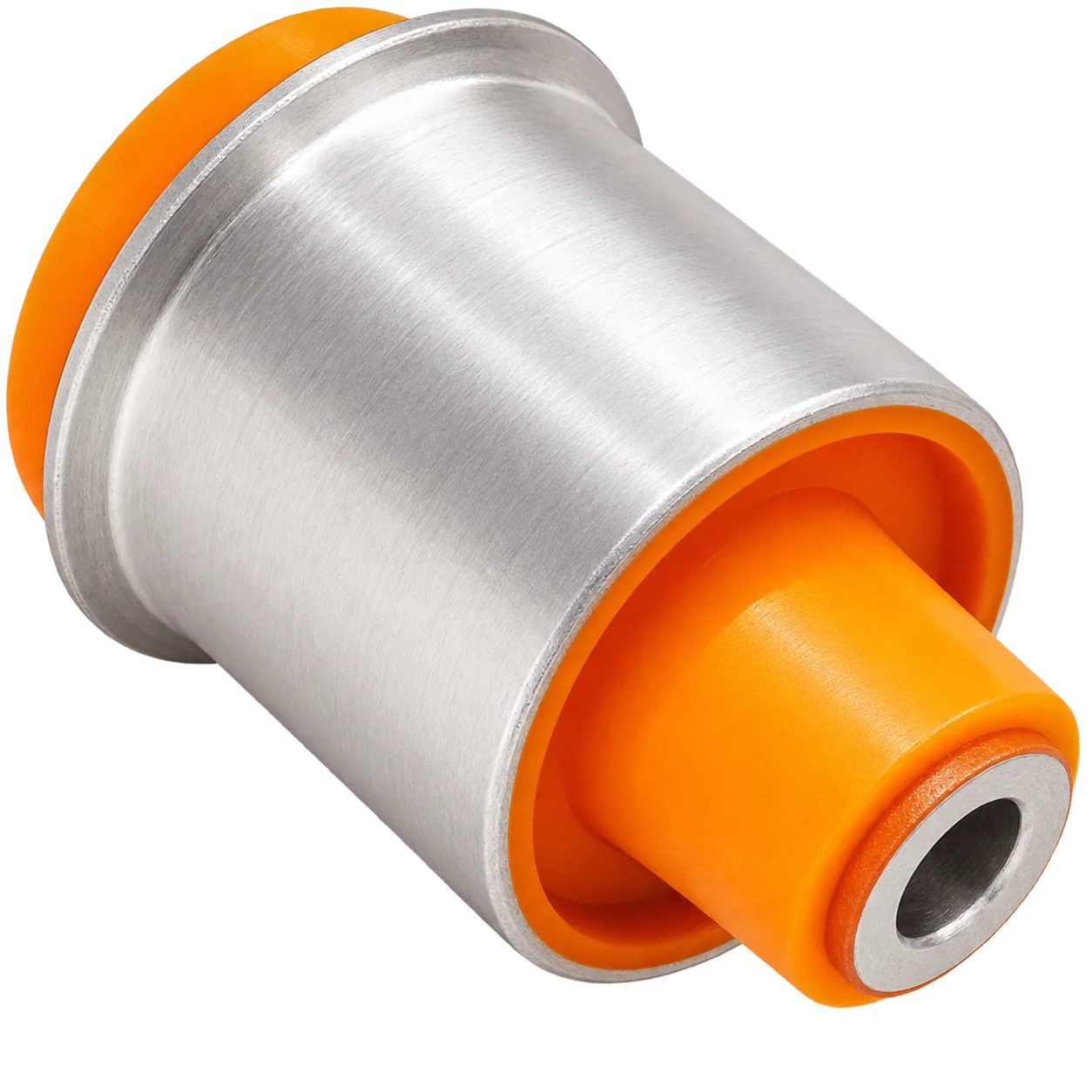
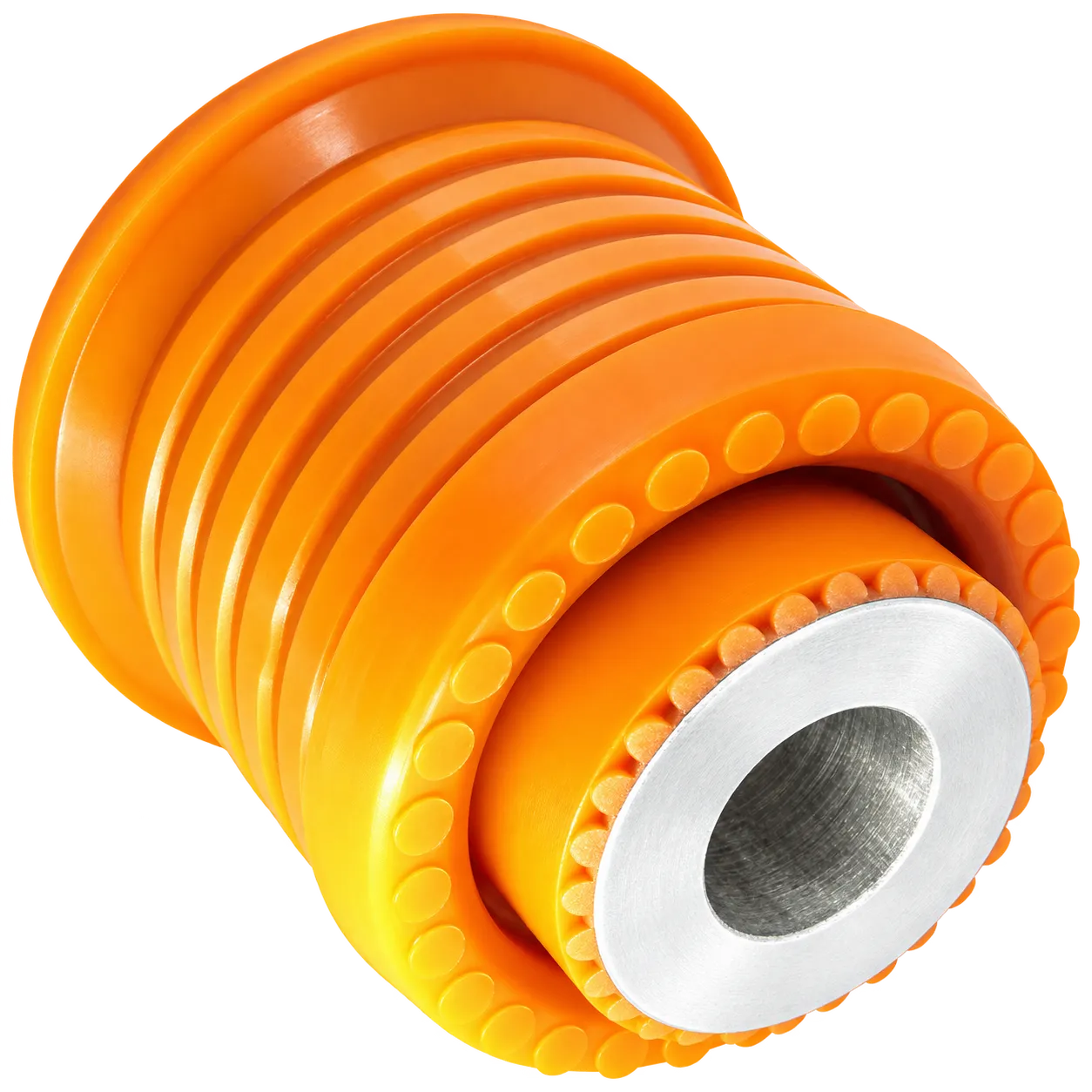
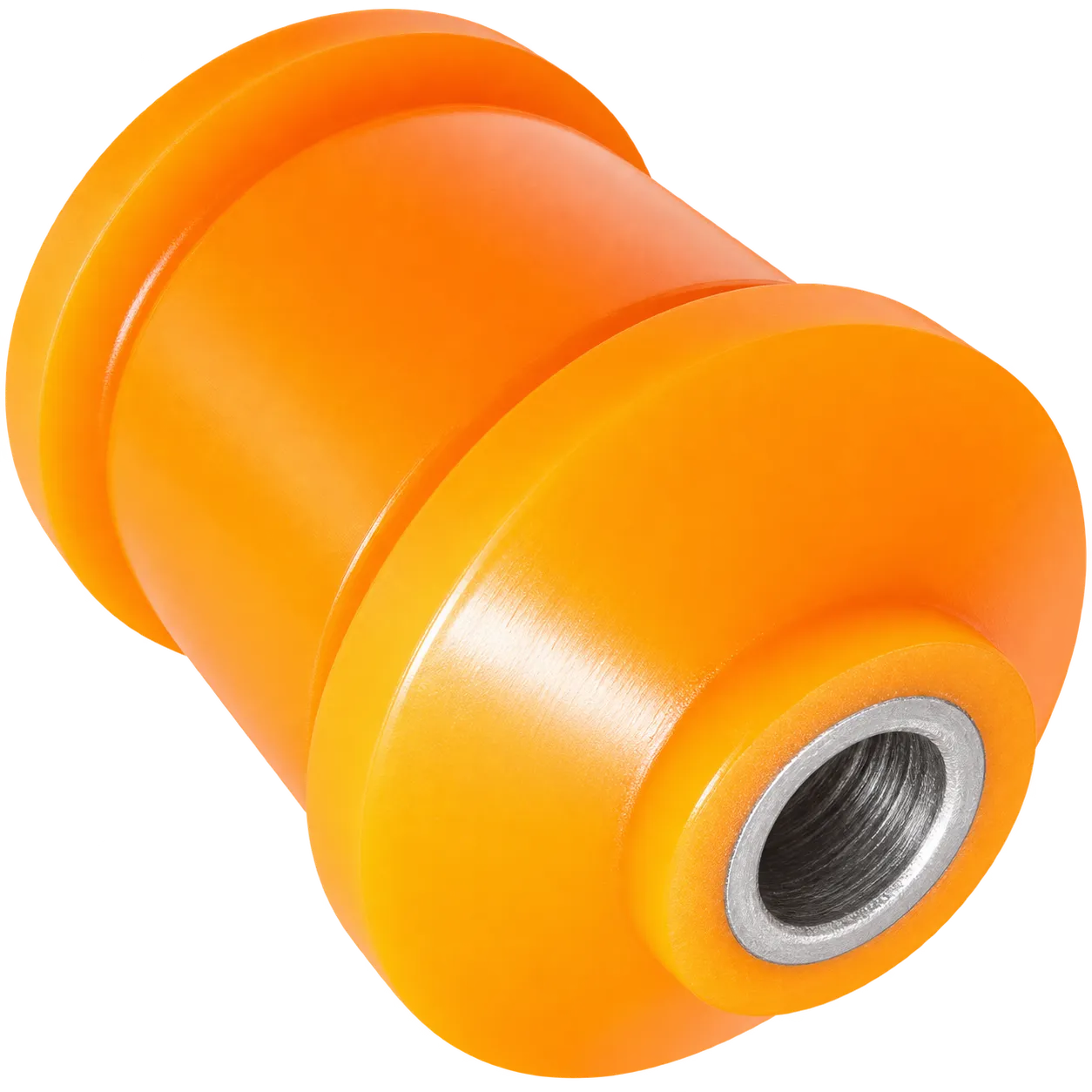
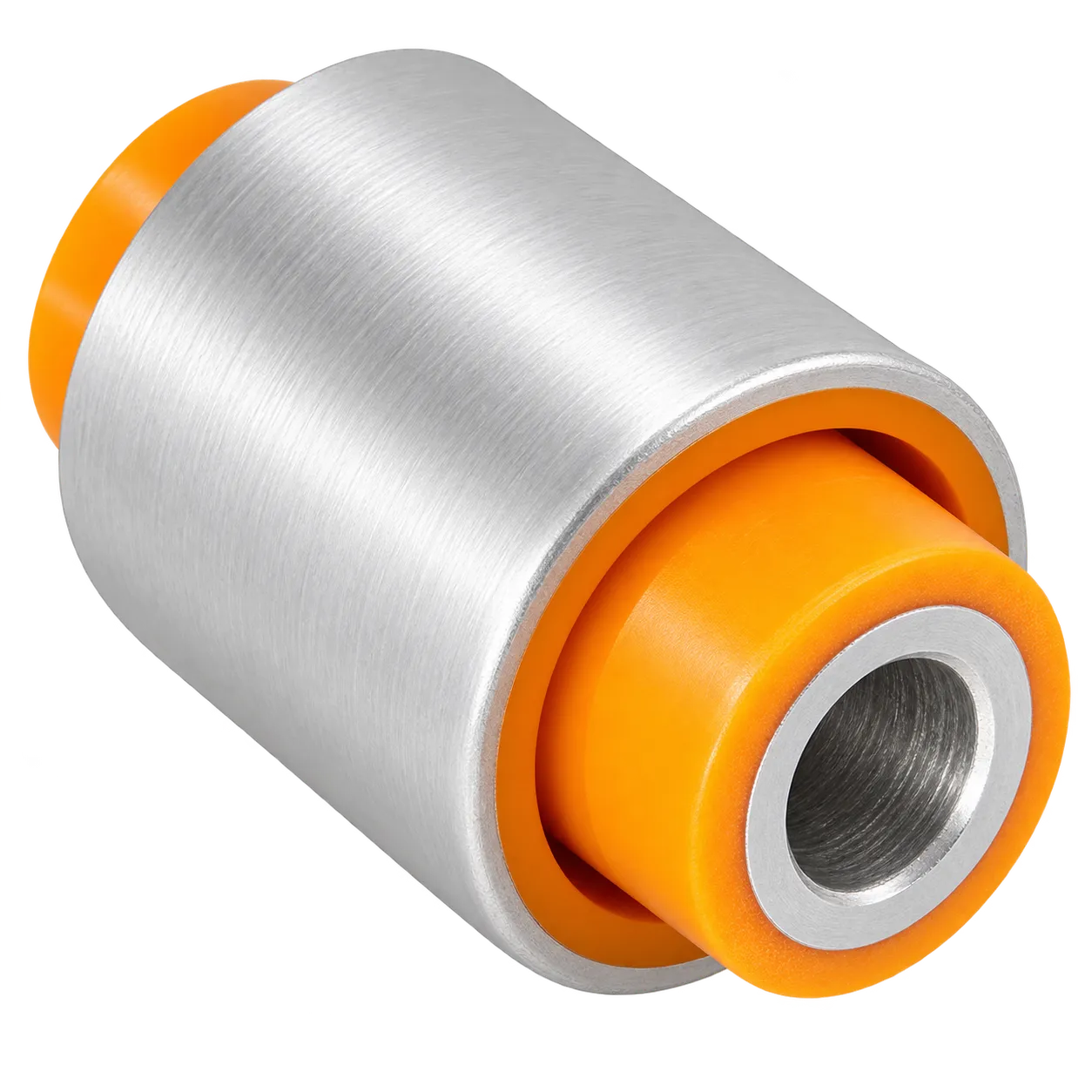


- Сайлентблок заднього прямого важеля посередині під амортизатор PP300800
 SKU: PP300800
Сайлентблок заднього прямого важеля посередині під амортизатор PP300800
In stock15 pcs.$12.06Log in as dealer - Сайлентблок заднього прямого важеля посередині під амортизатор PP300800SKU: PP300800
Сайлентблок заднього прямого важеля посередині під амортизатор PP300800
In stock15 pcs.$12.06Log in as dealer - Polyurethane big bushing of the rear lower arm Ford Fusion 2012-2020
 SKU: PP202265
Polyurethane big bushing of the rear lower arm Ford Fusion 2012-2020
In stock15 pcs.$34.79Log in as dealer - Polyurethane big bushing of the rear lower arm Ford Mondeo 2014-SKU: PP202265
Polyurethane big bushing of the rear lower arm Ford Mondeo 2014-
In stock15 pcs.$34.79Log in as dealer - Polyurethane big bushing of the rear under-spring arm Ford Fusion 2012-2020
 SKU: PP203225
Polyurethane big bushing of the rear under-spring arm Ford Fusion 2012-2020
In stock15 pcs.$34.79Log in as dealer - Polyurethane big bushing of the rear under-spring arm Ford Fusion 2012-2020
 SKU: PP202263
Polyurethane big bushing of the rear under-spring arm Ford Fusion 2012-2020
In stock15 pcs.$34.79Log in as dealer - Polyurethane big bushing of the rear under-spring arm Ford Mondeo 2014-SKU: PP203225
Polyurethane big bushing of the rear under-spring arm Ford Mondeo 2014-
In stock15 pcs.$34.79Log in as dealer - Polyurethane big bushing of the rear under-spring arm Ford Mondeo 2014-SKU: PP202263
Polyurethane big bushing of the rear under-spring arm Ford Mondeo 2014-
In stock15 pcs.$34.79Log in as dealer - Polyurethane big bushing rear vertical arm Bmw F01 2009-2015
 SKU: PP104625
Polyurethane big bushing rear vertical arm Bmw F01 2009-2015
In stock15 pcs.$20.41Log in as dealer - Polyurethane big bushing rear vertical arm Bmw F02 2009-2015SKU: PP104625
Polyurethane big bushing rear vertical arm Bmw F02 2009-2015
In stock15 pcs.$20.41Log in as dealer - Polyurethane big bushing rear vertical arm Bmw F03 2009-2015SKU: PP104625
Polyurethane big bushing rear vertical arm Bmw F03 2009-2015
In stock15 pcs.$20.41Log in as dealer - Polyurethane big bushing rear vertical arm Bmw F04 2009-2015SKU: PP104625
Polyurethane big bushing rear vertical arm Bmw F04 2009-2015
In stock15 pcs.$20.41Log in as dealer - Polyurethane big bushing rear vertical arm Bmw F06 2010-SKU: PP104625
Polyurethane big bushing rear vertical arm Bmw F06 2010-
In stock15 pcs.$20.41Log in as dealer - Polyurethane big bushing rear vertical arm Bmw F07 2009-2017SKU: PP104625
Polyurethane big bushing rear vertical arm Bmw F07 2009-2017
In stock15 pcs.$20.41Log in as dealer - Polyurethane big bushing rear vertical arm Bmw F10 2010-2017SKU: PP104625
Polyurethane big bushing rear vertical arm Bmw F10 2010-2017
In stock15 pcs.$20.41Log in as dealer - Polyurethane big bushing rear vertical arm Bmw F11 2010-2017SKU: PP104625
Polyurethane big bushing rear vertical arm Bmw F11 2010-2017
In stock15 pcs.$20.41Log in as dealer - Polyurethane big bushing rear vertical arm Bmw F12 2010-SKU: PP104625
Polyurethane big bushing rear vertical arm Bmw F12 2010-
In stock15 pcs.$20.41Log in as dealer - Polyurethane big bushing rear vertical arm Bmw F13 2010-SKU: PP104625
Polyurethane big bushing rear vertical arm Bmw F13 2010-
In stock15 pcs.$20.41Log in as dealer - Polyurethane big bushing rear vertical arm Bmw G11 2015-2022SKU: PP104625
Polyurethane big bushing rear vertical arm Bmw G11 2015-2022
In stock15 pcs.$20.41Log in as dealer - Polyurethane big bushing rear vertical arm Bmw G12 2015-2022SKU: PP104625
Polyurethane big bushing rear vertical arm Bmw G12 2015-2022
In stock15 pcs.$20.41Log in as dealer - Polyurethane bush rear trunnion under the transverse arm Chevrolet Epica 2006-2014
 SKU: PP101907
Polyurethane bush rear trunnion under the transverse arm Chevrolet Epica 2006-2014
In stock15 pcs.$13.22Log in as dealer - Polyurethane bush rear trunnion under the transverse arm Chevrolet Evanda 2000-2006SKU: PP101907
Polyurethane bush rear trunnion under the transverse arm Chevrolet Evanda 2000-2006
In stock15 pcs.$13.22Log in as dealer - Polyurethane bushinLevante front shock absorber Maserati Levante 2017-
 SKU: PP202591
Polyurethane bushinLevante front shock absorber Maserati Levante 2017-
In stock15 pcs.$26.9Log in as dealer - Polyurethane bushing Case 221
 SKU: PP102280
Polyurethane bushing Case 221
In stock15 pcs.$13.22Log in as dealer - Polyurethane bushing Case 321SKU: PP102280
Polyurethane bushing Case 321
In stock15 pcs.$13.22Log in as dealer - Polyurethane bushing Case 431SKU: PP102280
Polyurethane bushing Case 431
In stock15 pcs.$13.22Log in as dealer - Polyurethane bushing Case 531SKU: PP102280
Polyurethane bushing Case 531
In stock15 pcs.$13.22Log in as dealer - Polyurethane bushing Case 923SKU: PP102280
Polyurethane bushing Case 923
In stock15 pcs.$13.22Log in as dealer - Polyurethane bushing Case 933SKU: PP102280
Polyurethane bushing Case 933
In stock15 pcs.$13.22Log in as dealer - Polyurethane bushing Case 943SKU: PP102280
Polyurethane bushing Case 943
In stock15 pcs.$13.22Log in as dealer - Polyurethane bushing camber rear arm Jaguar X-Type 2001-2009
 SKU: PP201948
Polyurethane bushing camber rear arm Jaguar X-Type 2001-2009
In stock15 pcs. - Polyurethane bushing crescent arm inner Fiat Croma 2005-2010
 SKU: PP300980
Polyurethane bushing crescent arm inner Fiat Croma 2005-2010
In stock15 pcs.$13.22Log in as dealer - Polyurethane bushing crescent arm inner Opel Signum 2003-2008SKU: PP300980
Polyurethane bushing crescent arm inner Opel Signum 2003-2008
In stock15 pcs.$13.22Log in as dealer - Polyurethane bushing crescent arm inner Opel Vectra C 2002-2008SKU: PP300980
Polyurethane bushing crescent arm inner Opel Vectra C 2002-2008
In stock15 pcs.$13.22Log in as dealer - Polyurethane bushing crescent arm inner Saab 9-3 2002-2014SKU: PP300980
Polyurethane bushing crescent arm inner Saab 9-3 2002-2014
In stock15 pcs.$13.22Log in as dealer - Polyurethane bushing for air conditioning compressor mounting bracket Tesla Model 3 2017-
 SKU: PP202415
Polyurethane bushing for air conditioning compressor mounting bracket Tesla Model 3 2017-
In stock15 pcs.$13.45Log in as dealer - Polyurethane bushing for air conditioning compressor mounting bracket Tesla Model Y 2020-SKU: PP202415
Polyurethane bushing for air conditioning compressor mounting bracket Tesla Model Y 2020-
In stock15 pcs.$13.45Log in as dealer - Polyurethane bushing for cardan shaft Cadillac Cts 2014-
 SKU: PP302482
Polyurethane bushing for cardan shaft Cadillac Cts 2014-
In stock15 pcs.$21.8Log in as dealer - Polyurethane bushing front arm Audi Q5 2017-
 SKU: PP303451
Polyurethane bushing front arm Audi Q5 2017-
In stock15 pcs.$40.12Log in as dealer - Polyurethane bushing front arm BMW 3 E30 1982-1994
 SKU: PP300994
Polyurethane bushing front arm BMW 3 E30 1982-1994
In stock15 pcs.$17.16Log in as dealer - Polyurethane bushing front arm BMW 3 E30 1982-1994 HARDNESS
 SKU: PP300995
Polyurethane bushing front arm BMW 3 E30 1982-1994 HARDNESS
In stock15 pcs.$22.5Log in as dealer - Polyurethane bushing front arm BMW 3 E36 1990-2001SKU: PP300994
Polyurethane bushing front arm BMW 3 E36 1990-2001
In stock15 pcs.$17.16Log in as dealer - Polyurethane bushing front arm BMW 3 E36 1990-2001 HARDNESSSKU: PP300995
Polyurethane bushing front arm BMW 3 E36 1990-2001 HARDNESS
In stock15 pcs.$22.5Log in as dealer - Polyurethane bushing front arm BMW Z3 1995-2003SKU: PP300994
Polyurethane bushing front arm BMW Z3 1995-2003
In stock15 pcs.$17.16Log in as dealer - Polyurethane bushing front arm BMW Z3 1995-2003 HARDNESSSKU: PP300995
Polyurethane bushing front arm BMW Z3 1995-2003 HARDNESS
In stock15 pcs.$22.5Log in as dealer - Polyurethane bushing front arm Cadillac Ats 2012-
 SKU: PP103113
Polyurethane bushing front arm Cadillac Ats 2012-
In stock15 pcs.$38.96Log in as dealer - Polyurethane bushing front arm Cadillac Cts 2013-
 SKU: PP103114
Polyurethane bushing front arm Cadillac Cts 2013-
In stock15 pcs.$38.96Log in as dealer - Polyurethane bushing front arm Dacia Solenza 2003-2005
 SKU: PP102827
Polyurethane bushing front arm Dacia Solenza 2003-2005
In stock15 pcs.$13.22Log in as dealer - Polyurethane bushing front arm Lexus LX450 FZJ80 1995-1997 front and inner
 SKU: PP300871
Polyurethane bushing front arm Lexus LX450 FZJ80 1995-1997 front and inner
In stock15 pcs.$21.8Log in as dealer - Polyurethane bushing front arm Nissan Patrol Y61 1997-2013 front and innerSKU: PP300871
Polyurethane bushing front arm Nissan Patrol Y61 1997-2013 front and inner
In stock15 pcs.$21.8Log in as dealer - Polyurethane bushing front arm Nissan Safari Y61 1997-2013 front and innerSKU: PP300871
Polyurethane bushing front arm Nissan Safari Y61 1997-2013 front and inner
In stock15 pcs.$21.8Log in as dealer - Polyurethane bushing front arm Renault 11 1981-1988SKU: PP102827
Polyurethane bushing front arm Renault 11 1981-1988
In stock15 pcs.$13.22Log in as dealer - Polyurethane bushing front arm Renault 21 1986-1989SKU: PP102827
Polyurethane bushing front arm Renault 21 1986-1989
In stock15 pcs.$13.22Log in as dealer - Polyurethane bushing front arm Renault 5 1972-1985SKU: PP102827
Polyurethane bushing front arm Renault 5 1972-1985
In stock15 pcs.$13.22Log in as dealer - Polyurethane bushing front arm Renault 9 1981-1988SKU: PP102827
Polyurethane bushing front arm Renault 9 1981-1988
In stock15 pcs.$13.22Log in as dealer - Polyurethane bushing front arm Renault Express 1984-2000SKU: PP102827
Polyurethane bushing front arm Renault Express 1984-2000
In stock15 pcs.$13.22Log in as dealer - Polyurethane bushing front arm Renault Safrane 1992-2000SKU: PP102827
Polyurethane bushing front arm Renault Safrane 1992-2000
In stock15 pcs.$13.22Log in as dealer - Polyurethane bushing front arm Rover 75 1998-2005
 SKU: PP301000
Polyurethane bushing front arm Rover 75 1998-2005
In stock15 pcs.$17.16Log in as dealer - Polyurethane bushing front arm Rover 75 1998-2005 HARDNESS
 SKU: PP301001
Polyurethane bushing front arm Rover 75 1998-2005 HARDNESS
In stock15 pcs.$22.5Log in as dealer - Polyurethane bushing front arm Toyota Land Cruiser 100 1998-2007 front and innerSKU: PP300871
Polyurethane bushing front arm Toyota Land Cruiser 100 1998-2007 front and inner
In stock15 pcs.$21.8Log in as dealer - Polyurethane bushing front arm Toyota Land Cruiser 70 1984-1996 front and innerSKU: PP300871
Polyurethane bushing front arm Toyota Land Cruiser 70 1984-1996 front and inner
In stock15 pcs.$21.8Log in as dealer - Polyurethane bushing front arm Toyota Land Cruiser 80 1990-1997 front and innerSKU: PP300871
Polyurethane bushing front arm Toyota Land Cruiser 80 1990-1997 front and inner
In stock15 pcs.$21.8Log in as dealer - Polyurethane bushing front arm Volvo 850 1991-1997SKU: PP102827
Polyurethane bushing front arm Volvo 850 1991-1997
In stock15 pcs.$13.22Log in as dealer - Polyurethane bushing front arm Volvo C70 1997-2002SKU: PP102827
Polyurethane bushing front arm Volvo C70 1997-2002
In stock15 pcs.$13.22Log in as dealer - Polyurethane bushing front arm Volvo S70 1996-2000SKU: PP102827
Polyurethane bushing front arm Volvo S70 1996-2000
In stock15 pcs.$13.22Log in as dealer - Polyurethane bushing front arm Volvo V70 1996-2000SKU: PP102827
Polyurethane bushing front arm Volvo V70 1996-2000
In stock15 pcs.$13.22Log in as dealer - Polyurethane bushing front arm Volvo V70 2000-2007SKU: PP102827
Polyurethane bushing front arm Volvo V70 2000-2007
In stock15 pcs.$13.22Log in as dealer - Polyurethane bushing front arm Volvo Xc70 2000-2007SKU: PP102827
Polyurethane bushing front arm Volvo Xc70 2000-2007
In stock15 pcs.$13.22Log in as dealer - Polyurethane bushing front arm front Acura Tlx США 2014-2020
 SKU: PP302333
Polyurethane bushing front arm front Acura Tlx США 2014-2020
In stock15 pcs.$38.96Log in as dealer - Polyurethane bushing front arm front Acura Tsx 2004-2008
 SKU: PP201276
Polyurethane bushing front arm front Acura Tsx 2004-2008
In stock15 pcs.$21.8Log in as dealer - Polyurethane bushing front arm front Acura Tsx 2004-2008 HARDNESS
 SKU: PP201277
Polyurethane bushing front arm front Acura Tsx 2004-2008 HARDNESS
In stock15 pcs.$28.06Log in as dealer - Polyurethane bushing front arm front Acura Tsx 2009-2014
 SKU: PP102649
Polyurethane bushing front arm front Acura Tsx 2009-2014
In stock15 pcs.$28.06Log in as dealer - Polyurethane bushing front arm front Bmw F25 2010-
 SKU: PP103288
Polyurethane bushing front arm front Bmw F25 2010-
In stock15 pcs.$25.74Log in as dealer - Polyurethane bushing front arm front Bmw F26 2014-SKU: PP103288
Polyurethane bushing front arm front Bmw F26 2014-
In stock15 pcs.$25.74Log in as dealer - Polyurethane bushing front arm front Chery Eastar 2003- d40,5mm
 SKU: PP201316
Polyurethane bushing front arm front Chery Eastar 2003- d40,5mm
In stock15 pcs.$15.54Log in as dealer - Polyurethane bushing front arm front Chery Eastar 2003- d41,5mm
 SKU: PP303742
Polyurethane bushing front arm front Chery Eastar 2003- d41,5mm
In stock15 pcs.$15.54Log in as dealer - Polyurethane bushing front arm front Chevrolet Epica 2006-2014 d40,5mmSKU: PP201316
Polyurethane bushing front arm front Chevrolet Epica 2006-2014 d40,5mm
In stock15 pcs.$15.54Log in as dealer - Polyurethane bushing front arm front Chevrolet Epica 2006-2014 d41,5mmSKU: PP303742
Polyurethane bushing front arm front Chevrolet Epica 2006-2014 d41,5mm
In stock15 pcs.$15.54Log in as dealer - Polyurethane bushing front arm front Chevrolet Evanda 2000-2006 d40,5mmSKU: PP201316
Polyurethane bushing front arm front Chevrolet Evanda 2000-2006 d40,5mm
In stock15 pcs.$15.54Log in as dealer - Polyurethane bushing front arm front Chevrolet Evanda 2000-2006 d41,5mmSKU: PP303742
Polyurethane bushing front arm front Chevrolet Evanda 2000-2006 d41,5mm
In stock15 pcs.$15.54Log in as dealer - Polyurethane bushing front arm front Chrysler 200 2010-2014 with outer shell
 SKU: PP301581
Polyurethane bushing front arm front Chrysler 200 2010-2014 with outer shell
In stock13 pcs.$15.54Log in as dealer - Polyurethane bushing front arm front Chrysler 200 2015-2021
 SKU: PP101649
Polyurethane bushing front arm front Chrysler 200 2015-2021
In stock15 pcs.$21.8Log in as dealer - Polyurethane bushing front arm front Chrysler Sebring 2001-2006 with outer shellSKU: PP301581
Polyurethane bushing front arm front Chrysler Sebring 2001-2006 with outer shell
In stock13 pcs.$15.54Log in as dealer - Polyurethane bushing front arm front Chrysler Sebring 2007-2010 with outer shellSKU: PP301581
Polyurethane bushing front arm front Chrysler Sebring 2007-2010 with outer shell
In stock13 pcs.$15.54Log in as dealer - Polyurethane bushing front arm front Chrysler Voyager 2001-2007 with outer shellSKU: PP301581
Polyurethane bushing front arm front Chrysler Voyager 2001-2007 with outer shell
In stock13 pcs.$15.54Log in as dealer - Polyurethane bushing front arm front Chrysler Voyager 2008-2016 with outer shellSKU: PP301581
Polyurethane bushing front arm front Chrysler Voyager 2008-2016 with outer shell
In stock13 pcs.$15.54Log in as dealer - Polyurethane bushing front arm front Citroen C2 2003-2005
 SKU: PP104030
Polyurethane bushing front arm front Citroen C2 2003-2005
In stock15 pcs. - Polyurethane bushing front arm front Citroen C3 2009-2016SKU: PP104030
Polyurethane bushing front arm front Citroen C3 2009-2016
In stock15 pcs. - Polyurethane bushing front arm front Citroen C3 2016-SKU: PP104030
Polyurethane bushing front arm front Citroen C3 2016-
In stock15 pcs. - Polyurethane bushing front arm front Citroen C3 Picasso 2009-2017SKU: PP104030
Polyurethane bushing front arm front Citroen C3 Picasso 2009-2017
In stock15 pcs. - Polyurethane bushing front arm front Citroen C4 Picasso 2013-
 SKU: PP104218
Polyurethane bushing front arm front Citroen C4 Picasso 2013-
In stock15 pcs.$19.48Log in as dealer - Polyurethane bushing front arm front Citroen C5 2008-2017
 SKU: PP101746
Polyurethane bushing front arm front Citroen C5 2008-2017
In stock15 pcs. - Polyurethane bushing front arm front Citroen C6 2005-2012SKU: PP101746
Polyurethane bushing front arm front Citroen C6 2005-2012
In stock15 pcs. - Polyurethane bushing front arm front Citroen Ds3 2009-2016SKU: PP104030
Polyurethane bushing front arm front Citroen Ds3 2009-2016
In stock15 pcs. - Polyurethane bushing front arm front Daewoo Kondor 1997-2008
 SKU: PP201942
Polyurethane bushing front arm front Daewoo Kondor 1997-2008
In stock15 pcs.$13.91Log in as dealer - Polyurethane bushing front arm front Daewoo Leganza 1997-2008SKU: PP201942
Polyurethane bushing front arm front Daewoo Leganza 1997-2008
In stock15 pcs.$13.91Log in as dealer - Polyurethane bushing front arm front Daewoo Nubira 1997-2003
 SKU: PP201093
Polyurethane bushing front arm front Daewoo Nubira 1997-2003
In stock15 pcs.$15.54Log in as dealer - Polyurethane bushing front arm front Dodge Avenger 2007-2014 with outer shellSKU: PP301581
Polyurethane bushing front arm front Dodge Avenger 2007-2014 with outer shell
In stock13 pcs.$15.54Log in as dealer - Polyurethane bushing front arm front Dodge Caravan 2008-2011 with outer shellSKU: PP301581
Polyurethane bushing front arm front Dodge Caravan 2008-2011 with outer shell
In stock13 pcs.$15.54Log in as dealer - Polyurethane bushing front arm front Dodge DART 2013-2021SKU: PP101649
Polyurethane bushing front arm front Dodge DART 2013-2021
In stock15 pcs.$21.8Log in as dealer - Polyurethane bushing front arm front Dodge Journey 2008-2011 with outer shellSKU: PP301581
Polyurethane bushing front arm front Dodge Journey 2008-2011 with outer shell
In stock13 pcs.$15.54Log in as dealer - Polyurethane bushing front arm front Fiat Freemont 2011- with outer shellSKU: PP301581
Polyurethane bushing front arm front Fiat Freemont 2011- with outer shell
In stock13 pcs.$15.54Log in as dealer - Polyurethane bushing front arm front Ford Cougar 1998-2001
 SKU: PP201234
Polyurethane bushing front arm front Ford Cougar 1998-2001
In stock15 pcs.$15.54Log in as dealer - Polyurethane bushing front arm front Ford Edge 2014-2022
 SKU: PP302907
Polyurethane bushing front arm front Ford Edge 2014-2022
In stock15 pcs.$28.06Log in as dealer - Polyurethane bushing front arm front Ford Edge 2014-2022
 SKU: PP301958
Polyurethane bushing front arm front Ford Edge 2014-2022
In stock15 pcs.$28.06Log in as dealer - Polyurethane bushing front arm front Ford Escort 1990-1992SKU: PP201234
Polyurethane bushing front arm front Ford Escort 1990-1992
In stock15 pcs.$15.54Log in as dealer - Polyurethane bushing front arm front Ford Escort 1995-1998
 SKU: PP301484
Polyurethane bushing front arm front Ford Escort 1995-1998
In stock15 pcs.$13.22Log in as dealer - Polyurethane bushing front arm front Ford Escort 5 1990-1992
 SKU: PP201233
Polyurethane bushing front arm front Ford Escort 5 1990-1992
In stock15 pcs.$15.54Log in as dealer - Polyurethane bushing front arm front Ford Escort 6 1992-1995SKU: PP201233
Polyurethane bushing front arm front Ford Escort 6 1992-1995
In stock15 pcs.$15.54Log in as dealer - Polyurethane bushing front arm front Ford Fiesta 1989-1997SKU: PP301484
Polyurethane bushing front arm front Ford Fiesta 1989-1997
In stock15 pcs.$13.22Log in as dealer - Polyurethane bushing front arm front Ford Fiesta 1989-1997SKU: PP201234
Polyurethane bushing front arm front Ford Fiesta 1989-1997
In stock15 pcs.$15.54Log in as dealer - Polyurethane bushing front arm front Ford Fiesta 1995-2002SKU: PP301484
Polyurethane bushing front arm front Ford Fiesta 1995-2002
In stock15 pcs.$13.22Log in as dealer - Polyurethane bushing front arm front Ford Fiesta 1995-2002SKU: PP201234
Polyurethane bushing front arm front Ford Fiesta 1995-2002
In stock15 pcs.$15.54Log in as dealer - Polyurethane bushing front arm front Ford Fiesta 2002-2008SKU: PP301484
Polyurethane bushing front arm front Ford Fiesta 2002-2008
In stock15 pcs.$13.22Log in as dealer - Polyurethane bushing front arm front Ford Fiesta 3 1989-1997SKU: PP201233
Polyurethane bushing front arm front Ford Fiesta 3 1989-1997
In stock15 pcs.$15.54Log in as dealer - Polyurethane bushing front arm front Ford Fusion 2012-2020
 SKU: PP301959
Polyurethane bushing front arm front Ford Fusion 2012-2020
In stock15 pcs.$28.06Log in as dealer - Polyurethane bushing front arm front Ford Galaxy 2006-2015
 SKU: PP303520
Polyurethane bushing front arm front Ford Galaxy 2006-2015
In stock15 pcs.$23.89Log in as dealer - Polyurethane bushing front arm front Ford Ka 1996-2008SKU: PP301484
Polyurethane bushing front arm front Ford Ka 1996-2008
In stock15 pcs.$13.22Log in as dealer - Polyurethane bushing front arm front Ford Mondeo 1993-1996
 SKU: PP201284
Polyurethane bushing front arm front Ford Mondeo 1993-1996
In stock15 pcs.$15.54Log in as dealer - Polyurethane bushing front arm front Ford Mondeo 1993-1996SKU: PP201234
Polyurethane bushing front arm front Ford Mondeo 1993-1996
In stock15 pcs.$15.54Log in as dealer - Polyurethane bushing front arm front Ford Mondeo 1996-2000SKU: PP201284
Polyurethane bushing front arm front Ford Mondeo 1996-2000
In stock15 pcs.$15.54Log in as dealer - Polyurethane bushing front arm front Ford Mondeo 1996-2000SKU: PP201234
Polyurethane bushing front arm front Ford Mondeo 1996-2000
In stock15 pcs.$15.54Log in as dealer - Polyurethane bushing front arm front Ford Mondeo 2000-2007SKU: PP201234
Polyurethane bushing front arm front Ford Mondeo 2000-2007
In stock15 pcs.$15.54Log in as dealer - Polyurethane bushing front arm front Ford Mondeo 2007-2014SKU: PP303520
Polyurethane bushing front arm front Ford Mondeo 2007-2014
In stock15 pcs.$23.89Log in as dealer - Polyurethane bushing front arm front Ford Mondeo 2014-SKU: PP301959
Polyurethane bushing front arm front Ford Mondeo 2014-
In stock15 pcs.$28.06Log in as dealer - Polyurethane bushing front arm front Ford Mustang 2015-
 SKU: PP302407
Polyurethane bushing front arm front Ford Mustang 2015-
In stock15 pcs.$25.74Log in as dealer - Polyurethane bushing front arm front Ford Orion 3 1990-1996SKU: PP201233
Polyurethane bushing front arm front Ford Orion 3 1990-1996
In stock15 pcs.$15.54Log in as dealer - Polyurethane bushing front arm front Ford Puma 1997-2002SKU: PP301484
Polyurethane bushing front arm front Ford Puma 1997-2002
In stock15 pcs.$13.22Log in as dealer - Polyurethane bushing front arm front Ford Puma 1997-2002SKU: PP201234
Polyurethane bushing front arm front Ford Puma 1997-2002
In stock15 pcs.$15.54Log in as dealer - Polyurethane bushing front arm front Ford S-Max 2006-2014SKU: PP303520
Polyurethane bushing front arm front Ford S-Max 2006-2014
In stock15 pcs.$23.89Log in as dealer - Polyurethane bushing front arm front Honda Accord 7 2002-2008SKU: PP201276
Polyurethane bushing front arm front Honda Accord 7 2002-2008
In stock15 pcs.$21.8Log in as dealer - Polyurethane bushing front arm front Honda Accord 7 2002-2008 HARDNESSSKU: PP201277
Polyurethane bushing front arm front Honda Accord 7 2002-2008 HARDNESS
In stock15 pcs.$28.06Log in as dealer - Polyurethane bushing front arm front Honda Accord IX 2002-2017SKU: PP102649
Polyurethane bushing front arm front Honda Accord IX 2002-2017
In stock15 pcs.$28.06Log in as dealer - Polyurethane bushing front arm front Honda Accord VII 2002-2008SKU: PP102649
Polyurethane bushing front arm front Honda Accord VII 2002-2008
In stock15 pcs.$28.06Log in as dealer - Polyurethane bushing front arm front Honda Accord VIII 2008-2015SKU: PP102649
Polyurethane bushing front arm front Honda Accord VIII 2008-2015
In stock15 pcs.$28.06Log in as dealer - Polyurethane bushing front arm front Honda Accord США 2012-2020SKU: PP302333
Polyurethane bushing front arm front Honda Accord США 2012-2020
In stock15 pcs.$38.96Log in as dealer - Polyurethane bushing front arm front Honda CR-V 2001-2006
 SKU: PP301075
Polyurethane bushing front arm front Honda CR-V 2001-2006
In stock15 pcs.$21.8Log in as dealer - Polyurethane bushing front arm front Honda CR-V 2001-2006 HARDNESS
 SKU: PP301076
Polyurethane bushing front arm front Honda CR-V 2001-2006 HARDNESS
In stock15 pcs.$28.06Log in as dealer - Polyurethane bushing front arm front Honda Civic 2000-2005SKU: PP301075
Polyurethane bushing front arm front Honda Civic 2000-2005
In stock15 pcs.$21.8Log in as dealer - Polyurethane bushing front arm front Honda Civic 2000-2005 HARDNESSSKU: PP301076
Polyurethane bushing front arm front Honda Civic 2000-2005 HARDNESS
In stock15 pcs.$28.06Log in as dealer - Polyurethane bushing front arm front Honda Civic 2005-2011 PP-0534cSKU: PP301075
Polyurethane bushing front arm front Honda Civic 2005-2011 PP-0534c
In stock15 pcs.$21.8Log in as dealer - Polyurethane bushing front arm front Honda Civic 2005-2011 PP-0534c HARDNESSSKU: PP301076
Polyurethane bushing front arm front Honda Civic 2005-2011 PP-0534c HARDNESS
In stock15 pcs.$28.06Log in as dealer - Polyurethane bushing front arm front Honda Civic 2011-2017
 SKU: PP300769
Polyurethane bushing front arm front Honda Civic 2011-2017
In stock15 pcs.$21.8Log in as dealer - Polyurethane bushing front arm front Honda Crosstour 2009-SKU: PP102649
Polyurethane bushing front arm front Honda Crosstour 2009-
In stock15 pcs.$28.06Log in as dealer - Polyurethane bushing front arm front Honda FR-V 2004-2009SKU: PP301075
Polyurethane bushing front arm front Honda FR-V 2004-2009
In stock15 pcs.$21.8Log in as dealer - Polyurethane bushing front arm front Honda FR-V 2004-2009 HARDNESSSKU: PP301076
Polyurethane bushing front arm front Honda FR-V 2004-2009 HARDNESS
In stock15 pcs.$28.06Log in as dealer - Polyurethane bushing front arm front Honda HR-V 1998-2006
 SKU: PP101481
Polyurethane bushing front arm front Honda HR-V 1998-2006
In stock15 pcs.$13.22Log in as dealer - Polyurethane bushing front arm front Honda Inspire 2003-2007SKU: PP201276
Polyurethane bushing front arm front Honda Inspire 2003-2007
In stock15 pcs.$21.8Log in as dealer - Polyurethane bushing front arm front Honda Inspire 2003-2007 HARDNESSSKU: PP201277
Polyurethane bushing front arm front Honda Inspire 2003-2007 HARDNESS
In stock15 pcs.$28.06Log in as dealer - Polyurethane bushing front arm front Honda Integra 2001-2006SKU: PP301075
Polyurethane bushing front arm front Honda Integra 2001-2006
In stock15 pcs.$21.8Log in as dealer
Bushings for Car and Commercial Vehicle Suspension
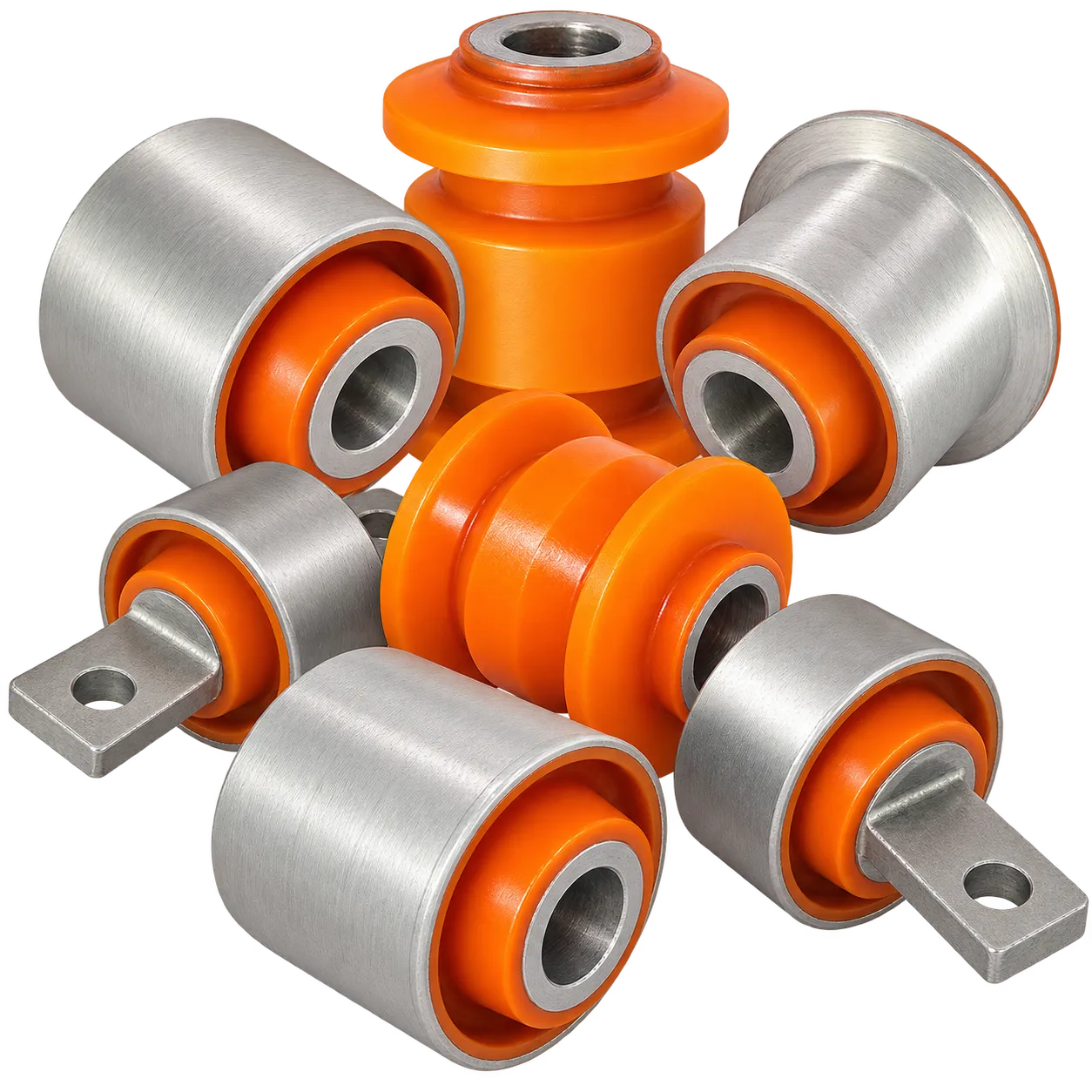
Bushings are elastic joints that connect control arms, beams, subframes and links to the body and to each other. They damp vibration, hold the suspension geometry in place and let parts pivot through a small angle without metal-on-metal contact. PolyPro casts them from polyurethane in its own tooling, for passenger cars, vans, trucks and trailers. The full range of groups is listed in the catalog.
What a Bushing Is and How It Works
A bushing is a sleeve of elastic material held between two metal surfaces: an outer shell, or the bore of the arm itself, and an inner sleeve that takes the bolt. When the arm travels up and down, the elastic layer works in torsion and compression instead of sliding. That is why the joint needs no grease and has no running clearance: movement comes from deformation of the material, not from a friction pair.
The joint does two jobs at once. It keeps the arm axis in a fixed position so camber, caster and toe do not wander under load, and it isolates the body from small impacts on expansion joints and potholes. A softer compound is quieter in the cabin but lets the geometry move more in corners and under braking; a firmer one gives sharper steering at the cost of slightly more vibration on coarse surfaces.
Signs of Worn Suspension Bushings
Worn car bushings rarely fail all at once. First a knock appears over small bumps, then the car starts to wander and one shoulder of the tyre wears faster than the rest. The joint is checked on a lift with a pry bar: the arm is loaded and the gap between the shell and the elastic body is watched.
- a dull knock or clunk from the front or rear over bumps and in corners
- uneven tyre wear with one shoulder scrubbed down faster than the rest
- the car pulls to one side and needs constant steering corrections
- visible cracks, delamination or missing chunks in the elastic body
- the inner sleeve sitting off-centre in the shell, with rust or dust at the flange
- camber and toe drifting out again shortly after an alignment
If the play can be felt by hand, an alignment will no longer hold and the part has to be replaced together with a check of the ball joints and stabiliser bushings.
Polyurethane or Rubber
Rubber is soft and cheap and soaks up high-frequency vibration well, but it ages: ozone, road salt, oil and temperature swings harden it until it cracks and tears out of its seat. Polyurethane is denser and has a higher tear strength, so it keeps its shape under load and does not delaminate where a rubber joint is already destroyed.
In practice poly bushings last longer, hold geometry more consistently and do not creep under lateral load, so the steering answers more precisely and the wheels change angle less in corners. The trade-off is a little more vibration on rough joints and the need to grease the seating surfaces at installation so the joint stays quiet. The Shore hardness of every item is listed on its product page, so a set can be chosen for quiet daily use or for hard, loaded work.
How to Choose Bushings
Selection follows three things: the assembly the joint belongs to, its construction, and the dimensions of the seat. Hardness is chosen separately, to match how the vehicle is actually used.
By Suspension Assembly
The first step is to establish where the part sits. The heaviest load is carried by the front control arm bushings, which take potholes and braking forces first. Next comes the rear beam bushing, which decides whether the rear axle holds its toe setting, and the subframe bushing, which sets the position of the whole assembly along with the engine and steering rack. Rear arms, links and mounts form separate groups, so a bushing kit should never be ordered without naming the assembly. The same car often carries three or four different joints at different points, and they are not interchangeable.
By Construction Type
Structurally these joints come in several versions. A shell-less bushing is a plain sleeve pressed into the existing bore of the arm. A bushing with an outer shell is an elastic body inside a metal ring that enters the arm together with it; the flanged version also locates the part against the face and stops it moving along the axis. There are versions with an inner plate and with a double sleeve for a long bolt. The type is identified from the removed part: if the old press-fit comes out with a metal ring, the shelled version is needed, otherwise the plain sleeve is correct.
By Dimensions
Polyurethane does not stretch the way rubber does, so the dimensions have to match. Three figures are taken: the outer diameter across the bore or the shell, the inner diameter for the bolt, and the overall height of the body including any lips. Measure with a caliper on an undamaged area of the old part, not on a torn edge. If the joint has disintegrated and there is nothing left to measure, take the size from the seat in the arm. From a drawing, a sample or a worn part PolyPro makes non-standard items from a single piece. Check the measured figures against a drawing, or send them with a photo of the part, and the selection goes faster.
By Durometer
Hardness is matched to the duty cycle, not chosen on the principle that harder is always better. Softer grades behave closer to the factory rubber: quieter over small bumps and more comfortable in town. Firmer grades hold geometry under high lateral load, which suits loaded vehicles, towing, broken road surfaces and hard driving. The Shore value is listed on every product page, so items can be compared directly in the catalog before an order is placed. If the vehicle carries a load every day or runs on gravel, a firmer grade is worth the slightly higher vibration.
Why Buy Bushings from PolyPro — Retail and Wholesale
PolyPro is a manufacturer, not a reseller. Tooling, casting and dimensional control are all in house, so every batch is made to the same geometry and the price carries no middleman margin. Retail is sold by the piece: if one joint for one arm is what you need, that is what we ship. Non-standard items are made from a drawing, a sample or a worn part, also from a single piece. The products are covered by a warranty, with delivery across Ukraine and international shipping on request.
Wholesale is available to garages, parts shops, fleets and resellers through the partner programme: bonuses for turnover or for the size of a single order, access to prices and stock levels, and shipment under the partner's own brand.
Frequently Asked Questions
How long do polyurethane bushings last?
Service life depends on the assembly, the load and the road surface, so there is no fixed mileage figure. Polyurethane does not age from ozone and oil the way rubber does and does not delaminate under load, so in practice it outlasts the standard rubber joint by a wide margin. What matters is the correct size and a square press fit: a skewed installation destroys any material.
Can polyurethane replace the original rubber parts?
Yes, provided the seat dimensions and the construction type match. The polyurethane joint goes into the same arm and onto the same bolt. The difference is in behaviour: the steering becomes more precise, the geometry stops moving under load, and a little vibration that the soft rubber used to absorb may come through on coarse joints.
Should bushings be replaced in pairs or one at a time?
On the same axle it is better to do both sides. A new joint is firmer than a worn one, and leaving the old part on one side makes the axle work asymmetrically, which shows up in tyre wear and in how the car behaves under braking. If an arm carries several joints, replace them all while it is off the vehicle.
Do polyurethane bushings squeak?
The squeak does not come from the material itself but from the boundary between the joint and the metal when the seating surfaces are dry. At installation the inner sleeve, the bolt and the bore are coated with a grease that does not attack polyurethane. Fitted correctly and torqued with the car on its wheels, the joint stays quiet.
How do I know whether I need a shelled or a plain bushing?
Look at the removed part. If a metal ring comes out with the old joint, the arm uses the version with an outer shell; if only the elastic body stays in the bore, a plain sleeve is what you need. A flange on the face is equally visible. Photos of the worn part and measured dimensions make the selection accurate.
Is a wheel alignment needed after replacement?
Yes. Bushings set the position of the arms, so camber and toe change once they are replaced. The alignment is done with the suspension assembled and the car resting on its wheels. The joint bolts must also be tightened in that position, otherwise the elastic layer works permanently twisted and fails far sooner.
Can I buy a single bushing instead of a kit?
Yes, retail is sold by the piece. You can take one sleeve for a specific arm or put together exactly the items your repair needs. Non-standard parts from a drawing, a sample or a worn original are also made from a single piece. Delivery covers Ukraine, international shipping is arranged on request, and the products carry a warranty.
What are the terms for garages and parts shops?
Garages, parts shops, fleets and resellers buy wholesale directly from the production site. The details are set out in the partner programme: bonuses for turnover or for the size of a single order, access to prices and stock levels, and shipment under the partner's brand. The product range is agreed individually.