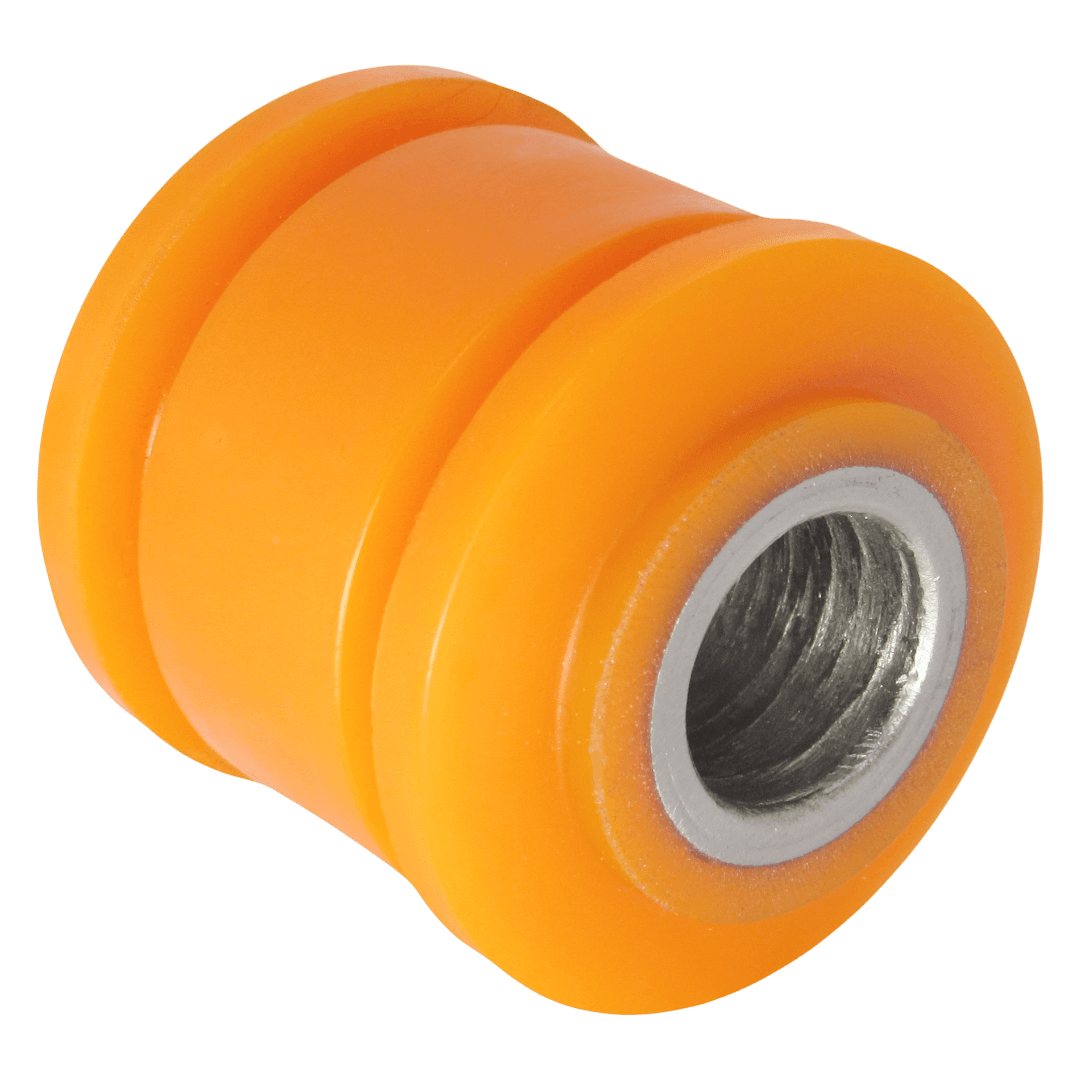
SKU: PP303363
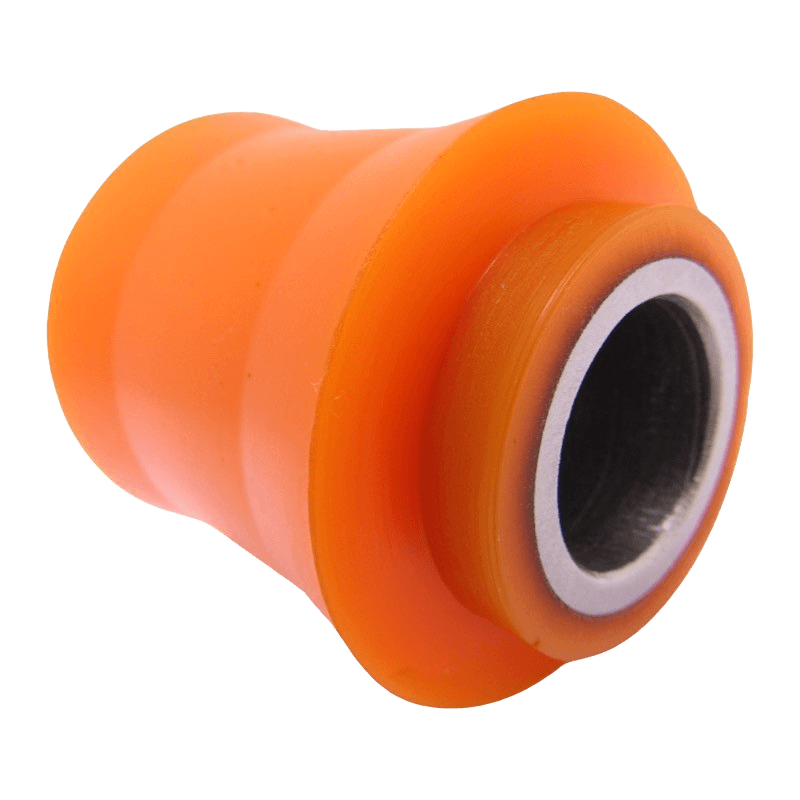
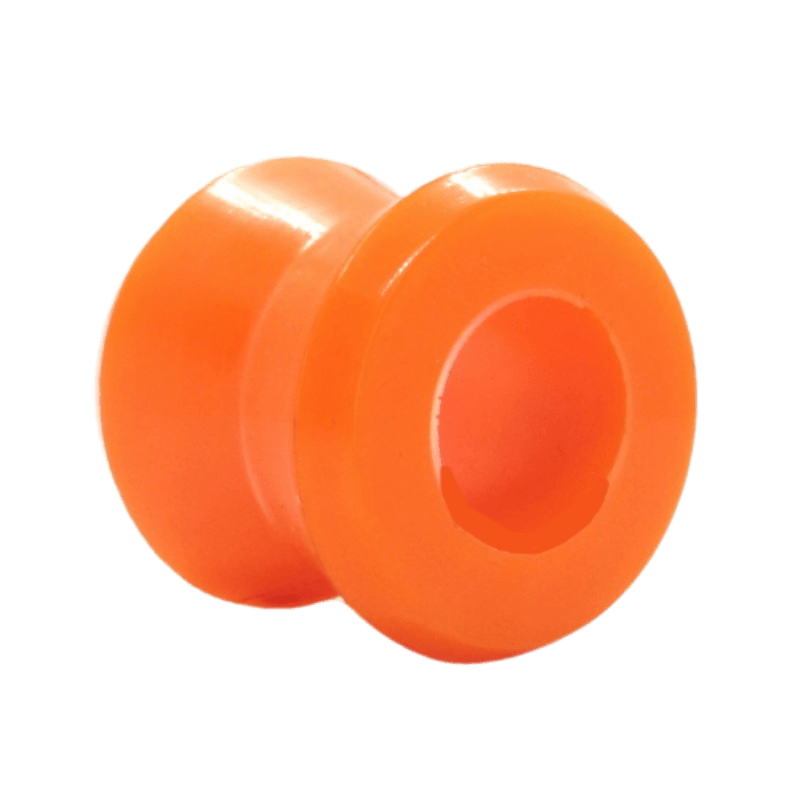
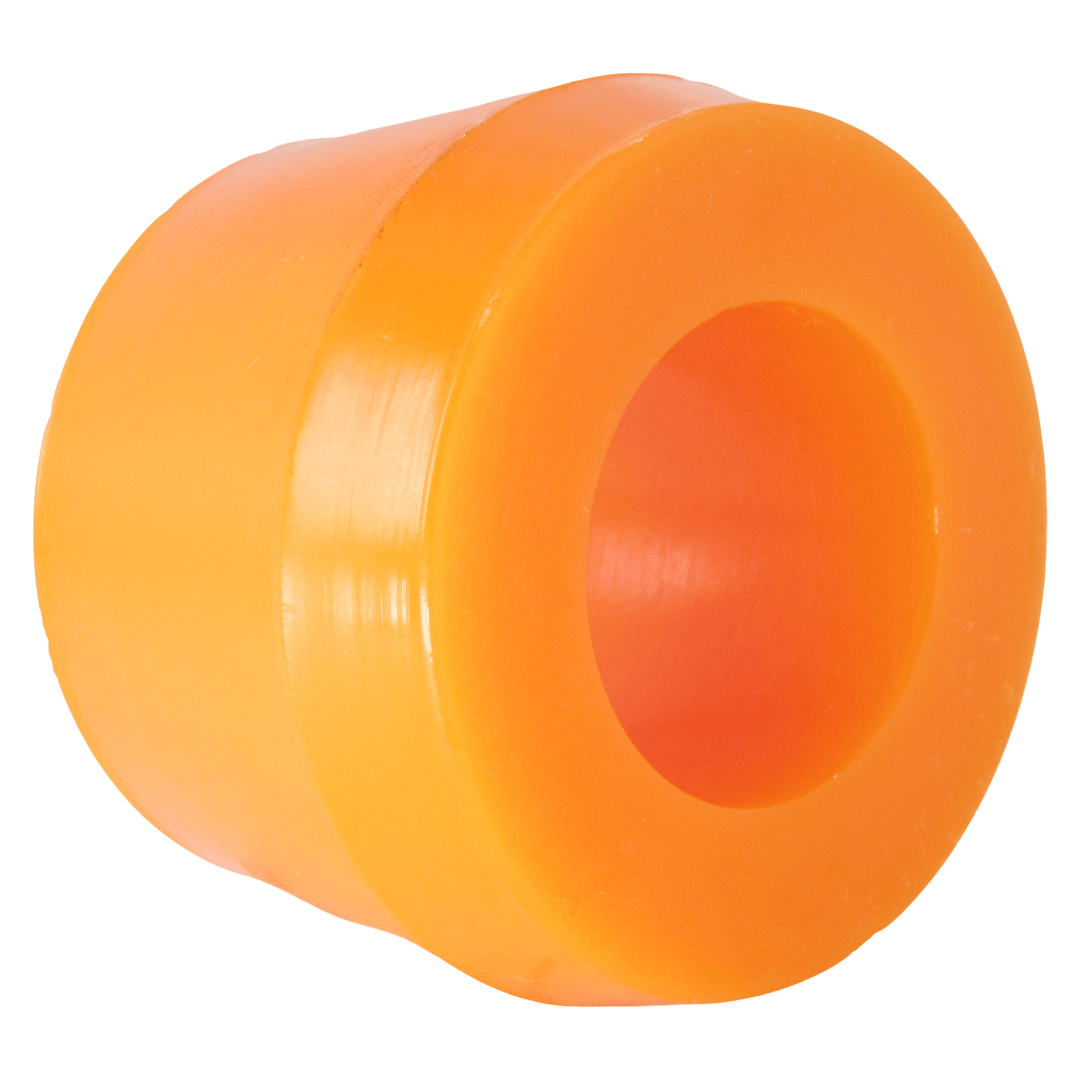
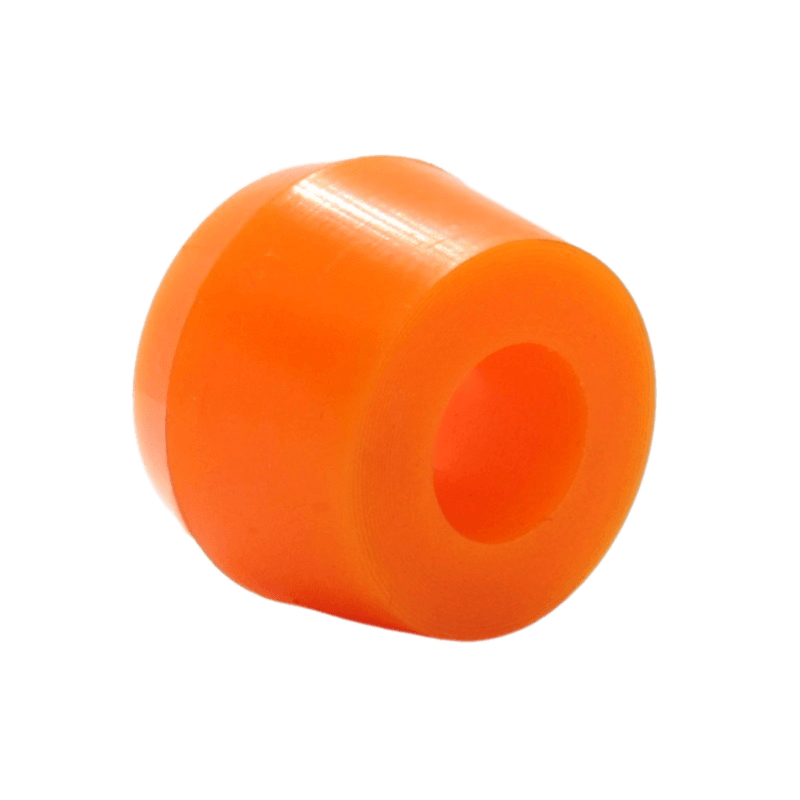
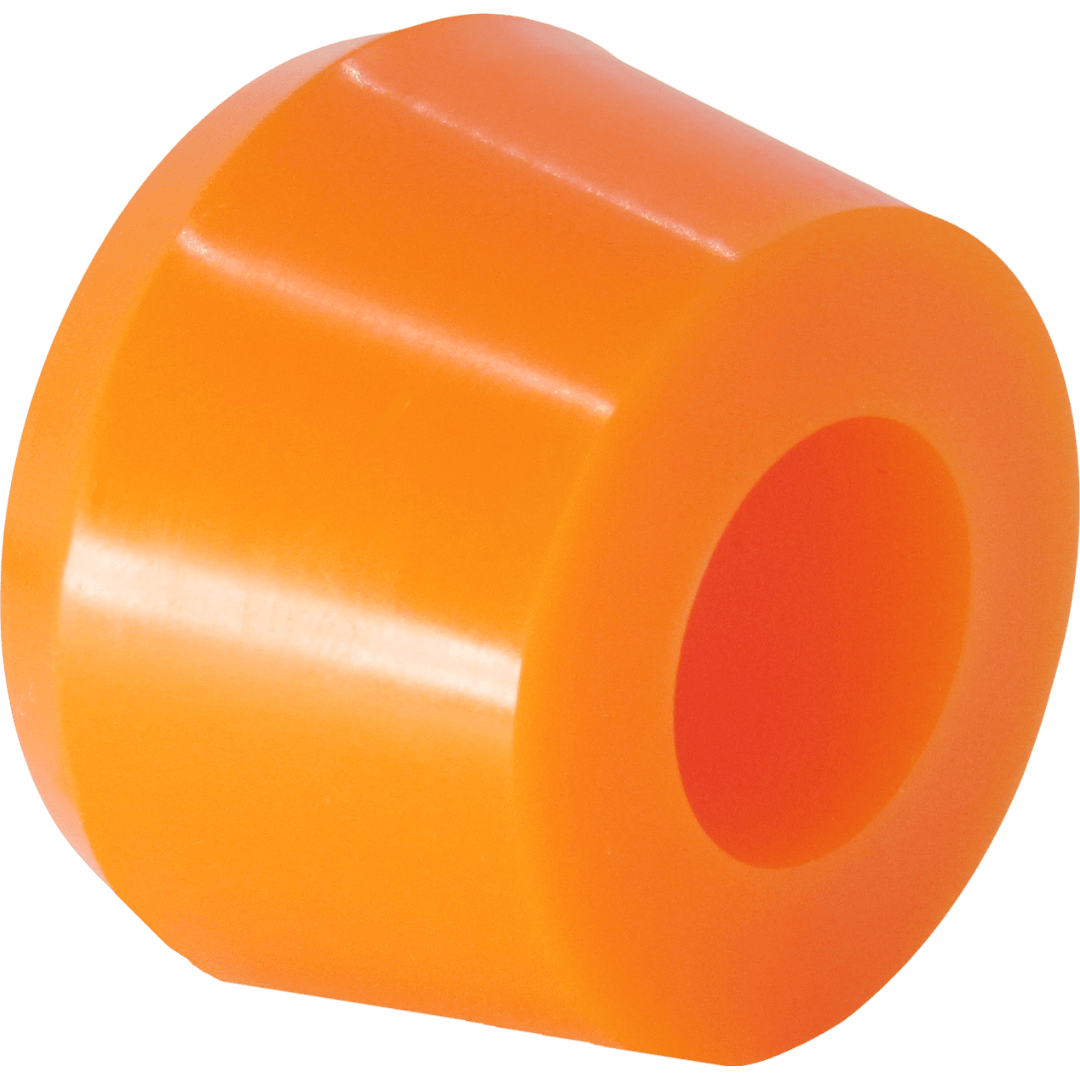
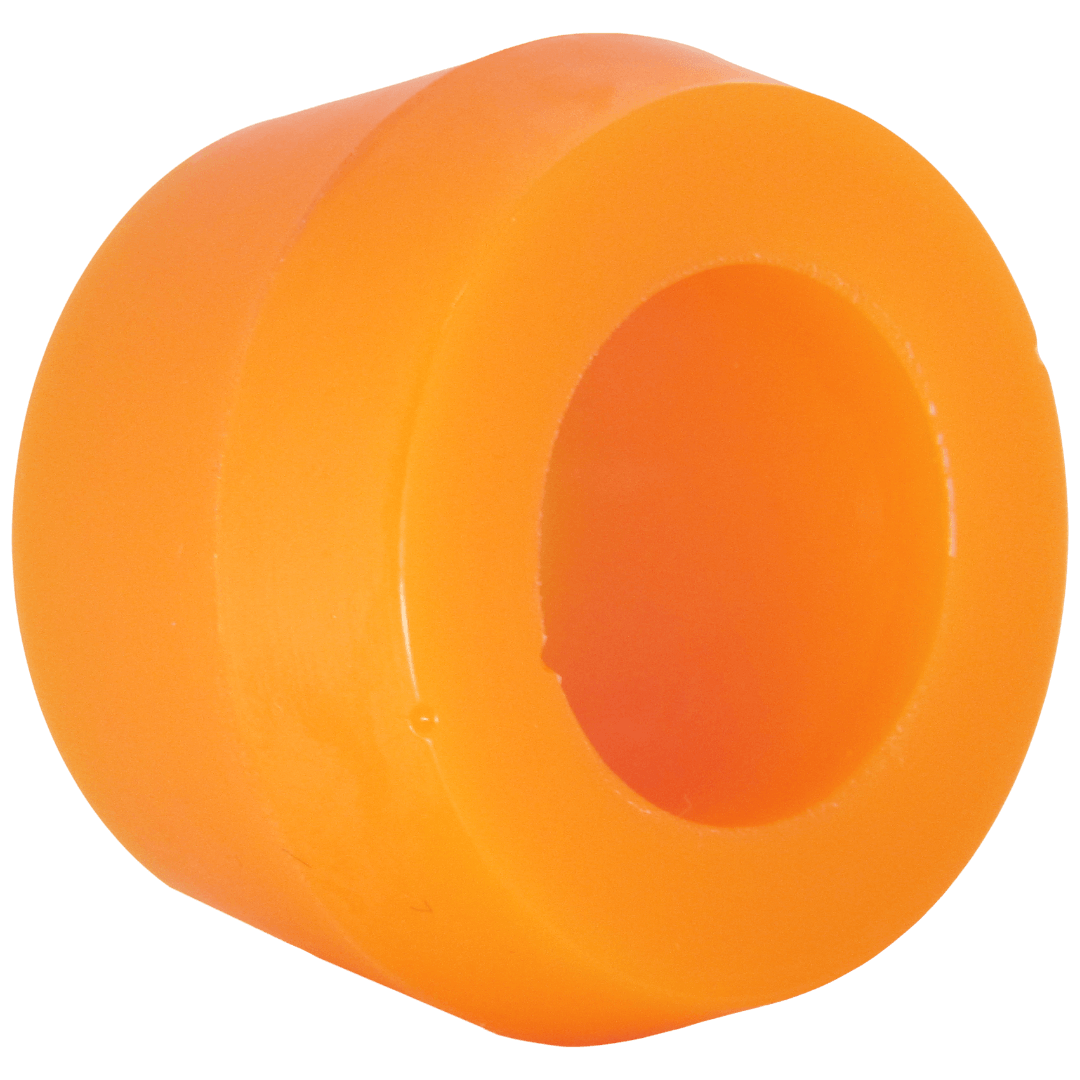
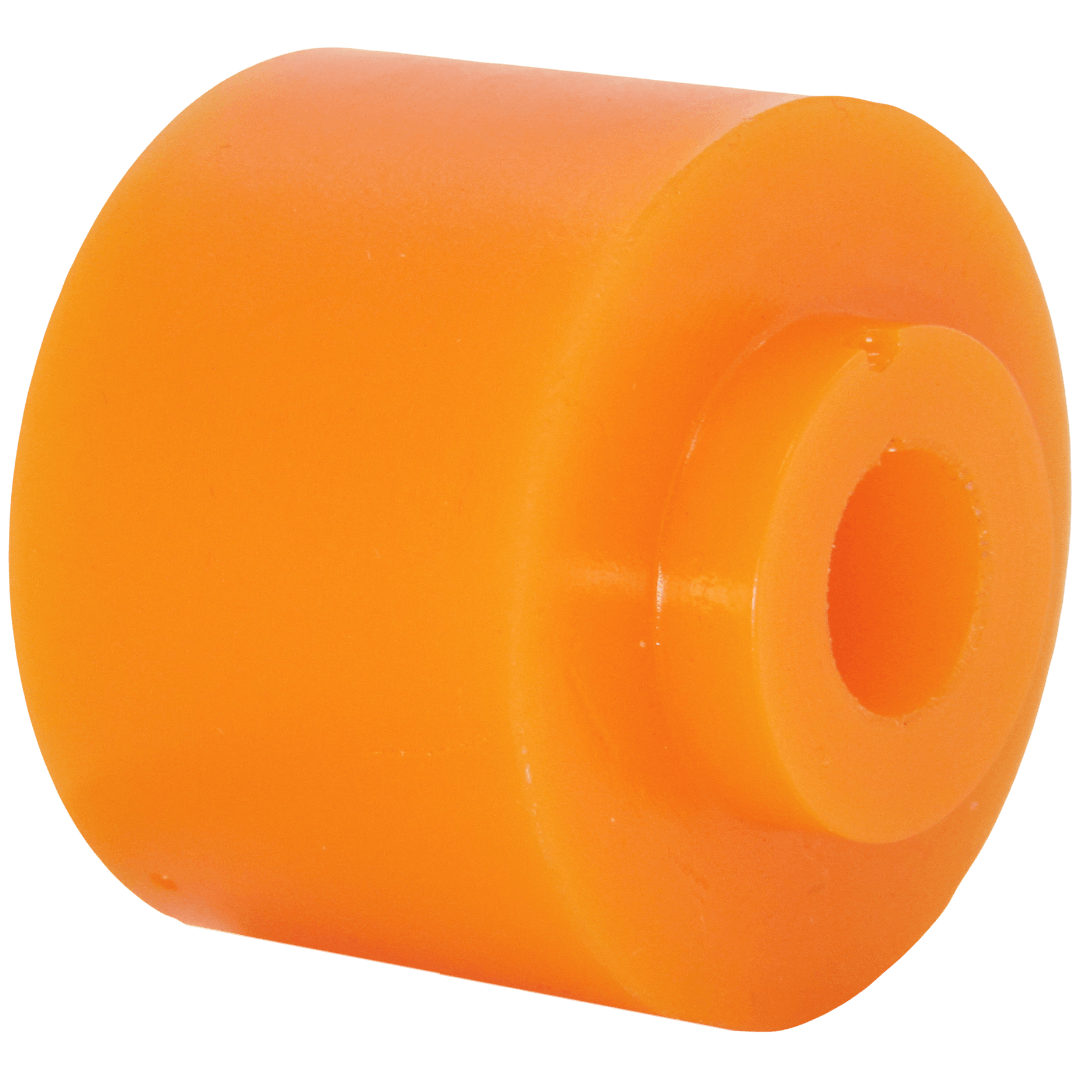
Polyurethane damper bushing Mitsubishi L400 1994-2007
In stock15 pcs.$13.22Log in as dealer
1 EUR = 51,06 грн1 USD = 43,12 грн


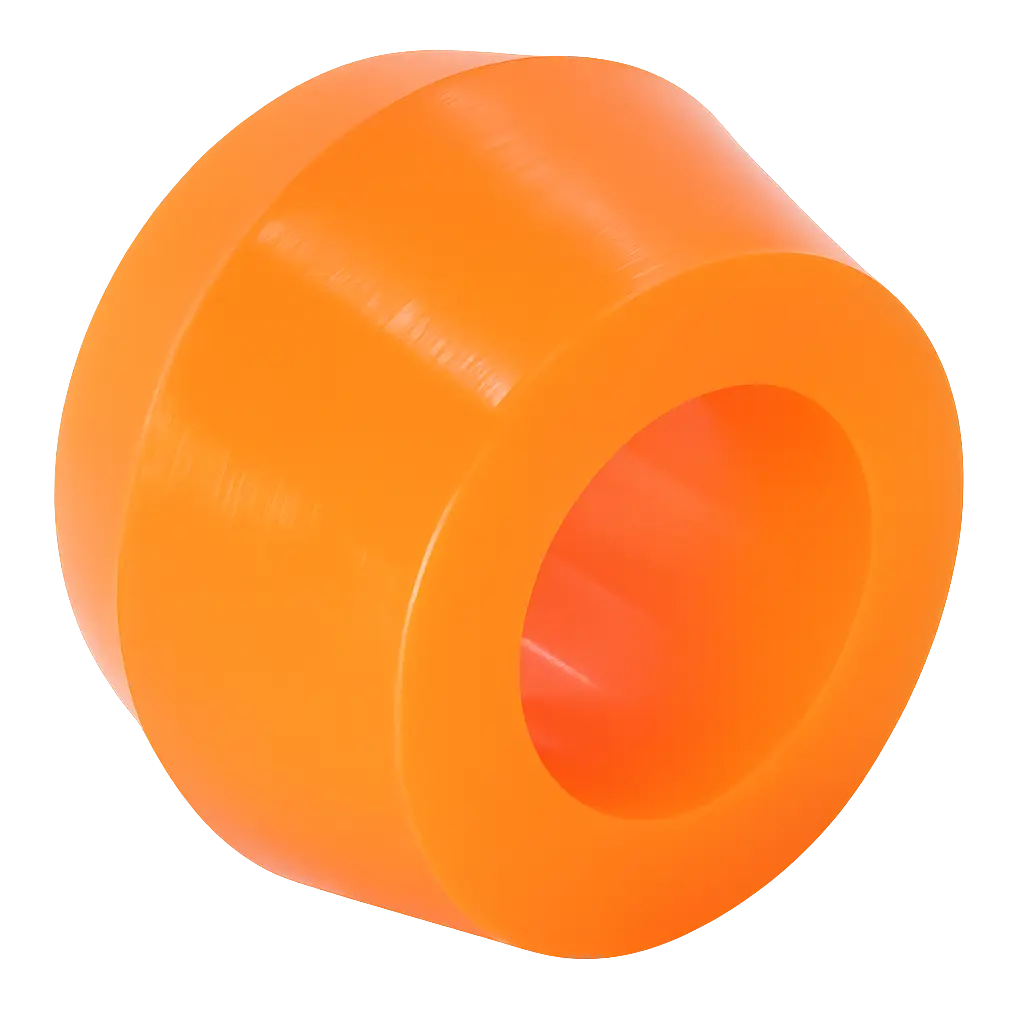
A shock absorber bushing is the flexible insert inside the damper eye that connects the shock to the body and control arm. It absorbs the sharp hits the hydraulics cannot handle and keeps metal from hammering metal. PolyPro molds polyurethane bushings for cars, trucks, motorcycles and heavy equipment. Browse the full range in our polyurethane bushings catalog.
A shock is never bolted rigidly to the chassis. Both eyes ride on bushings that act as compliant pivots. Every stroke swings the damper through a small angle relative to the body and the arm; the bushing takes that misalignment while isolating the rod from the shell.
Physically it is a sleeve with a bore for the bolt or pin, often flanged to locate it in the eye. Older designs use two loose bushings and washers per mounting point; most modern cars press a bonded bushing in instead — either way the job is identical: separate the metals, absorb the angular movement. The mount sits in the worst environment on the vehicle — road salt, grit, standing water and constant heat off the damper body — which is why rubber bushings usually fail before the rest of the suspension does.
A collapsed bushing leaves no oil stain the way a blown damper does, so it gets missed and the whole shock gets replaced instead. In practice, knocking over small bumps often comes from the mount, not the hydraulics. Bounce the corner and listen, then lever the eye with the car on a lift.
Noise rarely comes from a single part. Inspect your sway bar bushings at the same time — they wear on similar mileage, sound similar, and replacing both on one lift visit costs far less than two separate trips.
Rubber shock absorber bushings fail in three ways: they crack from ozone and temperature cycling, they are attacked by oil mist and road salt, and under sustained load they extrude out of the eye. Polyurethane has none of those weaknesses — chemically stable against oil, fuel and de-icing salt, working from roughly -50 to +100 °C, and it does not age on the shelf or on the vehicle.
The second difference is compression set. Rubber under constant load takes a permanent squat and moves in its seat, which is where the knock a year later comes from. Polyurethane recovers its shape, so clamp load stays put; expect three to five times the service life of rubber.
The honest trade-off: polyurethane is stiffer, so slightly more vibration reaches the body on fine road texture than with fresh rubber. Most drivers never notice that; every driver notices the knock is gone. For high-mileage cars, trucks and anything working off pavement, the choice is clear.
Three things decide the fit: dimensions, vehicle, and durometer. Get one wrong and either the mount will not assemble or the noise returns within a month.
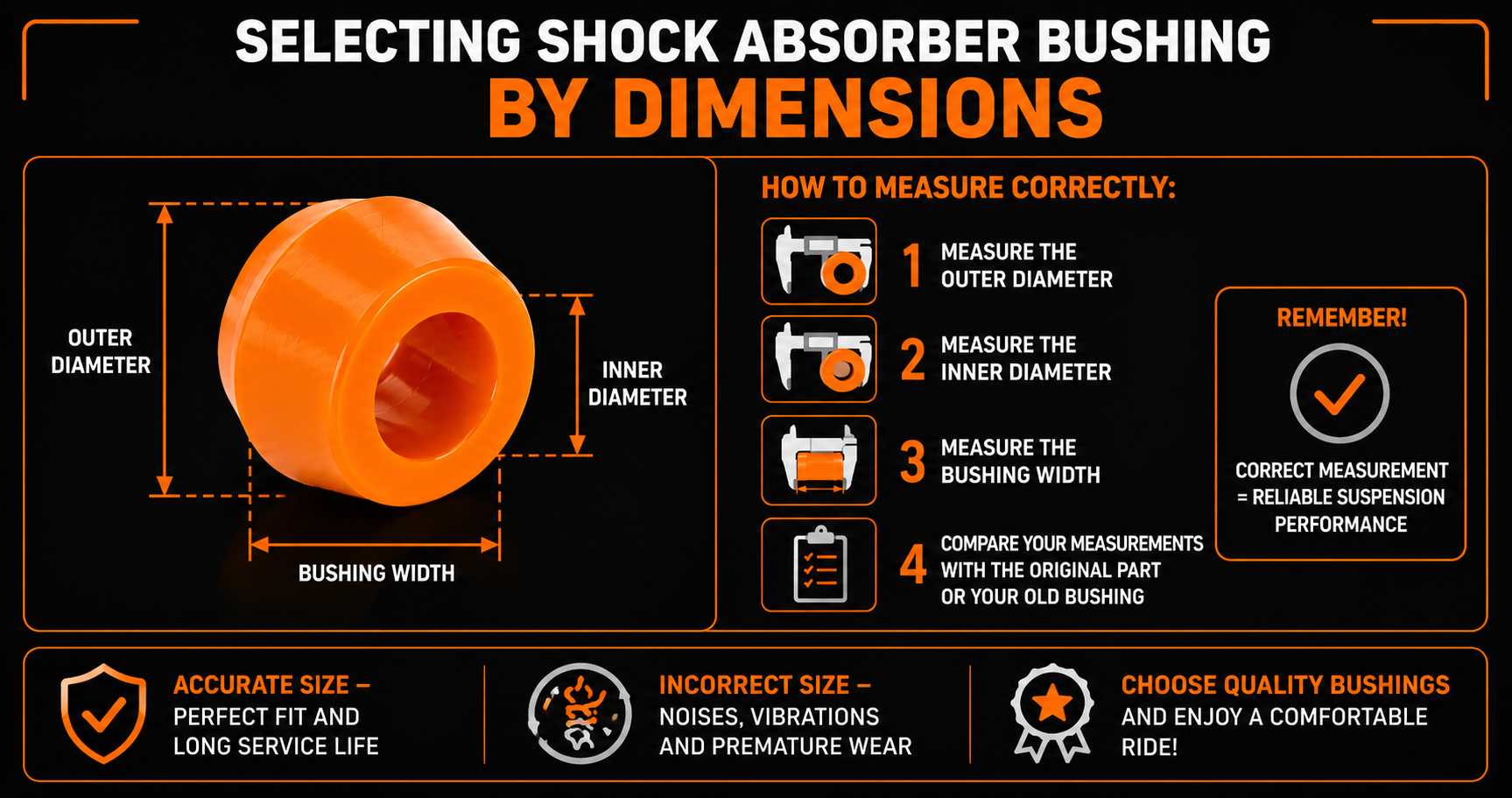
Every shock absorber bushing is defined by three numbers: inner diameter (the bore for the bolt or pin), outer diameter (the press fit into the eye), and height. Measure the old part with calipers on an undamaged section — a worn bore reads oversize. If the bushing is flanged, record flange diameter and thickness too. A part number also works: we can match dimensions from it even when the old bushing has crumbled.
We supply bushings for common passenger applications, older platforms mainstream suppliers have dropped, and light commercial and motorcycle shocks. No listing? We build to sample. The catalog narrows by vehicle type, then make and model.
If the model is not listed, order by size: outer diameter, inner diameter for the bolt and height. Measure the old part with a caliper, or send photos next to a ruler and we match it from the size database.
Standard durometer suits normal road use: ride quality close to rubber, service life of polyurethane. Choose the firmer grade for loaded vehicles, towing, rough roads and motorcycles. Do not confuse this part with upper strut bushings: those sit on the piston rod under the mount and load in compression along the axis, not in torsion inside an eye — different sizes, different hardness, not interchangeable.
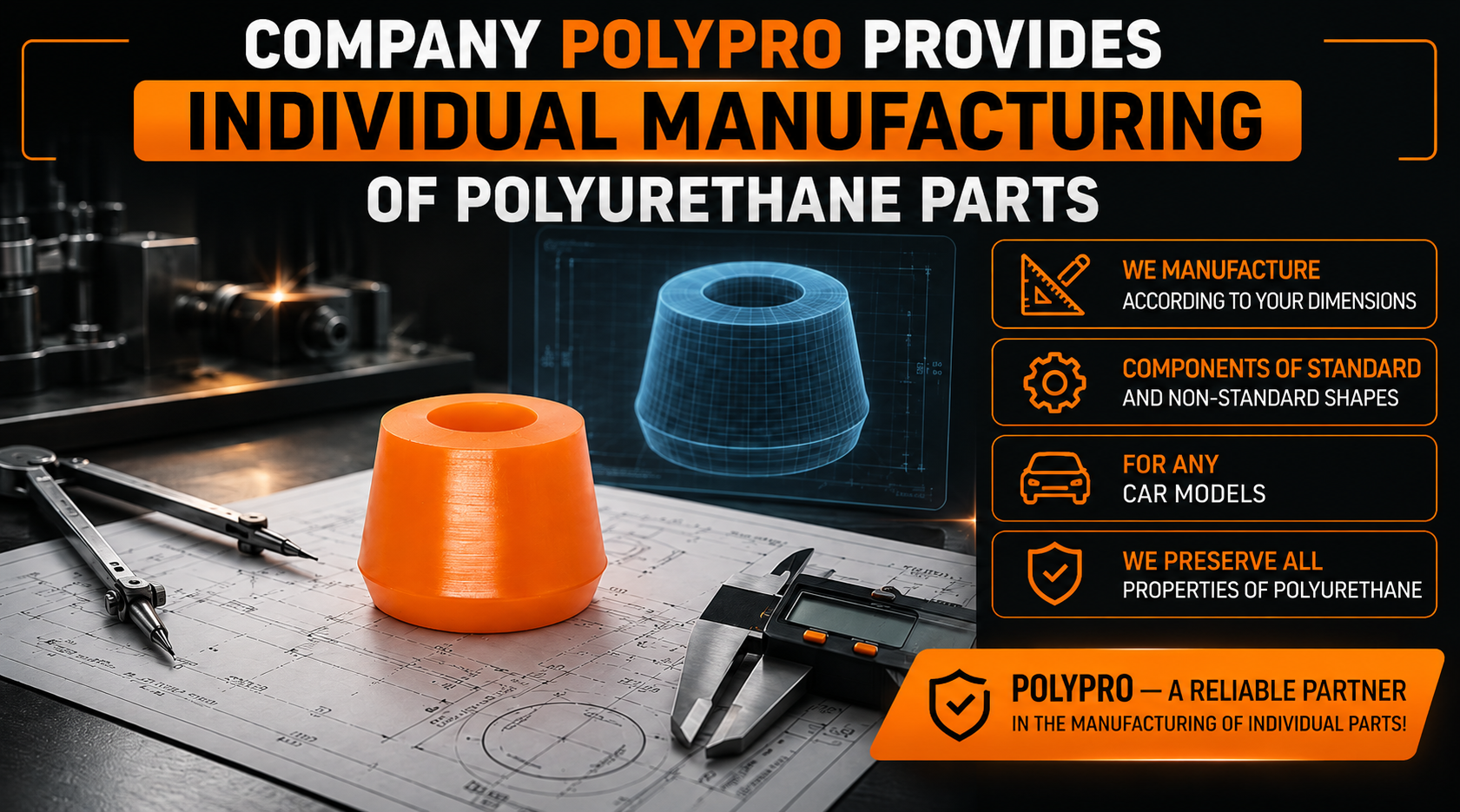
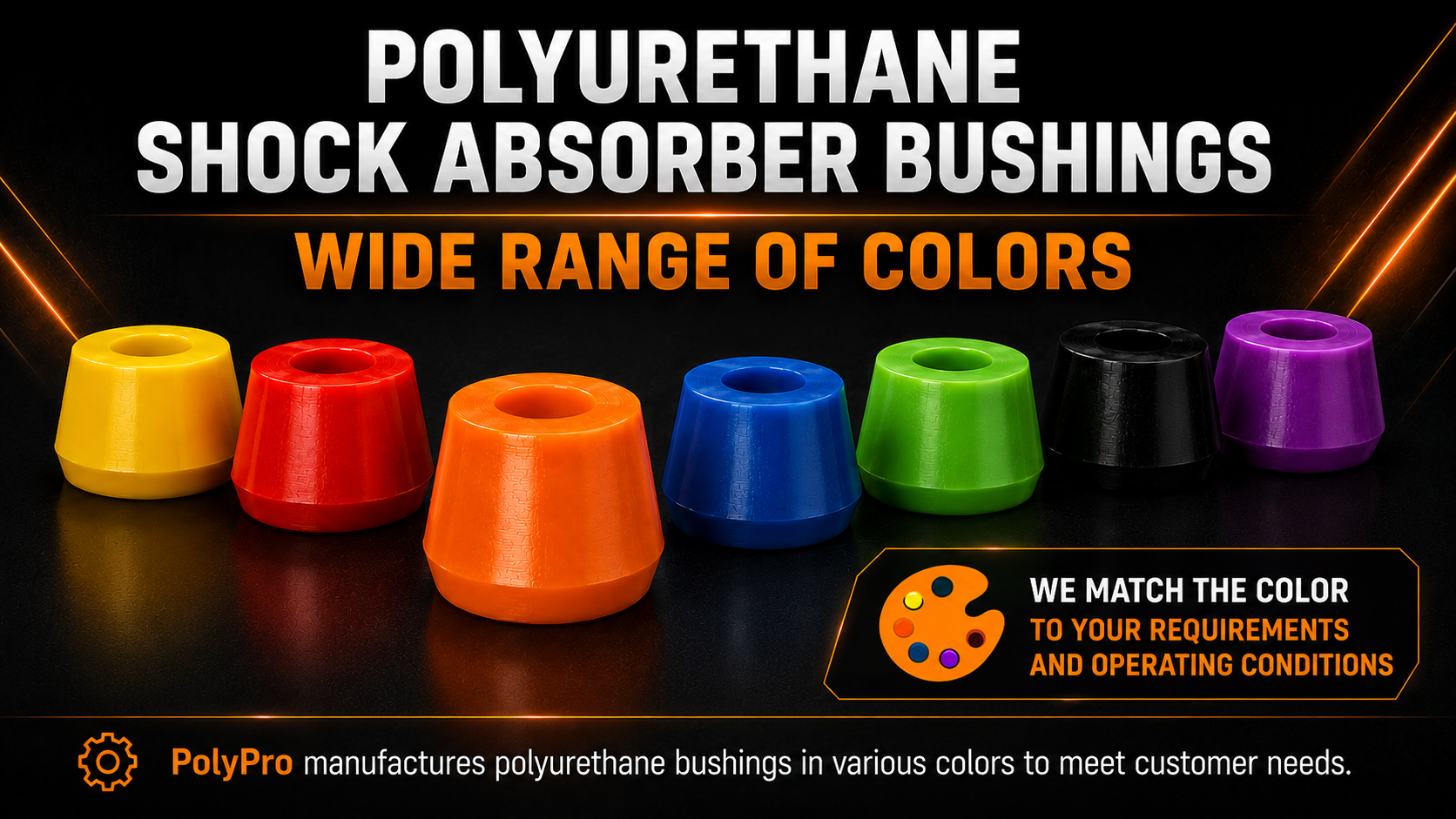
We cast the polyurethane ourselves, in Ukraine, with nobody between the mold and the customer. That means manufacturer-direct pricing, a warranty on every part, and true custom work — from a drawing, a sample, or the worn bushing itself, single pieces included. For vehicles no longer in supplier catalogs, custom polyurethane parts is often the only route; refreshing the whole suspension is cheaper with a polyurethane bushing kit than part by part. We ship worldwide; retail runs from one piece, wholesale through our partner program for shops and fleets.
The giveaway is a dull knock over small bumps while the damper itself is dry with no sign of a leak. Add squeaking in cold or wet weather, visible play of the eye on its bolt, crumbled or extruded rubber, and a bore worn oval. If retorquing the nut only quiets it for a few days, replace the bushing.
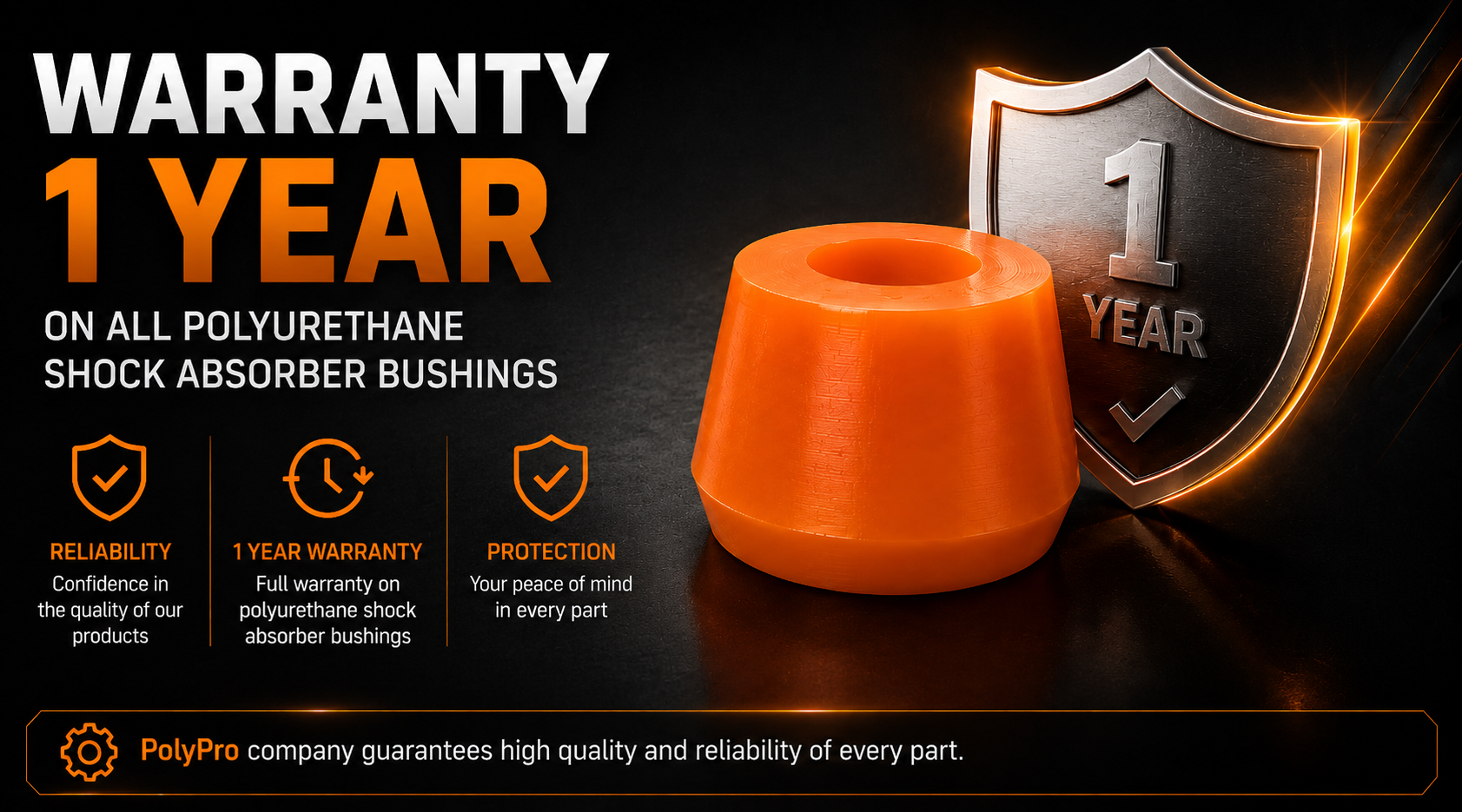
A quality polyurethane bushing lasts roughly 100,000 to 150,000 km — three to five times a rubber equivalent. Polyurethane does not crack with age, road salt or temperature swings, and it does not take a compression set under sustained load. Clamp load holds for the life of the part. PolyPro warranties its products.
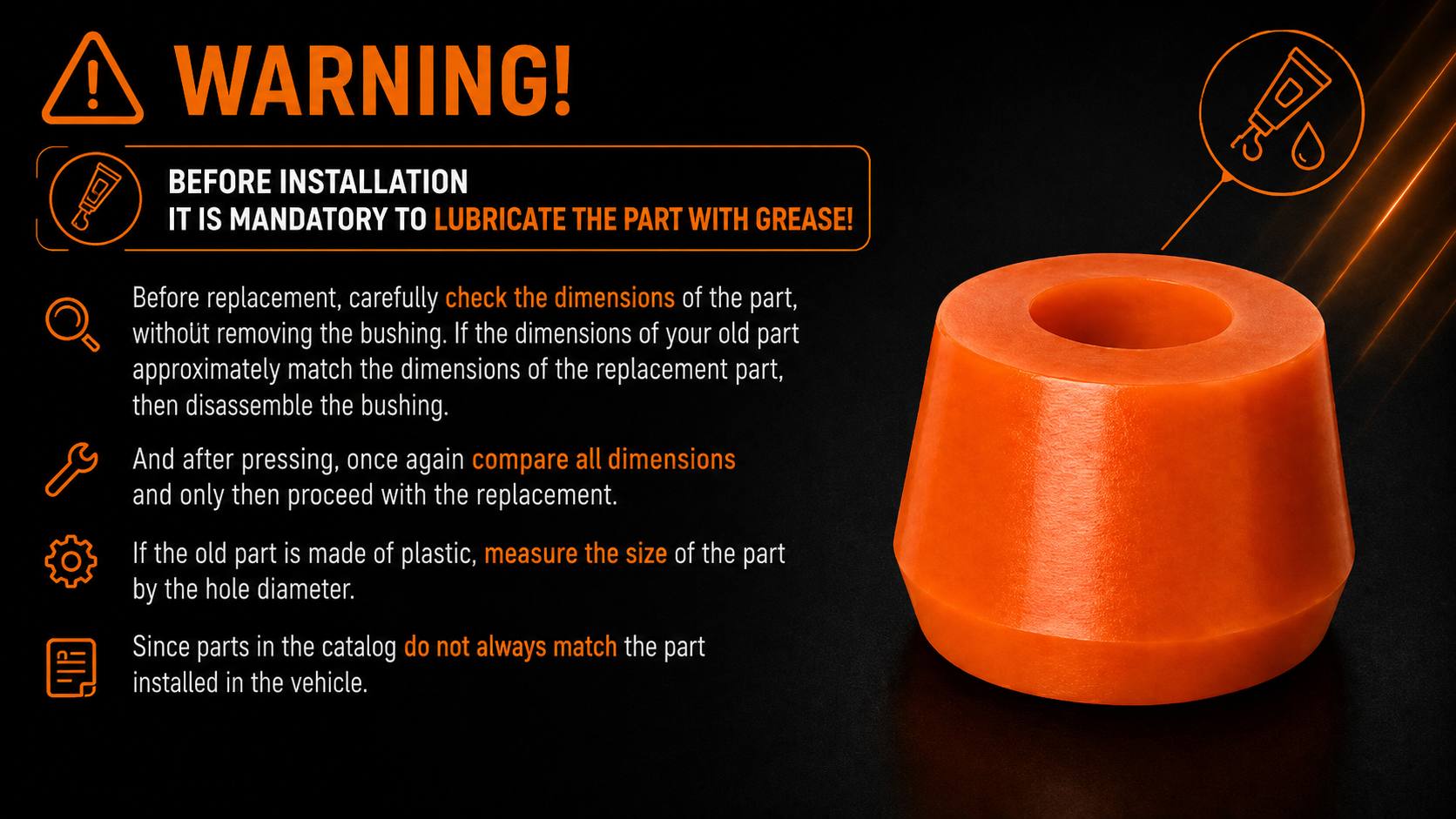
Use silicone grease or a dedicated suspension assembly lube. It eases the bushing into the eye and prevents squeak. Avoid petroleum greases: they are not critical for PolyPro polyurethane, but they attack any rubber components nearby. Torque the mounting hardware with the vehicle at ride height, wheels on the ground.
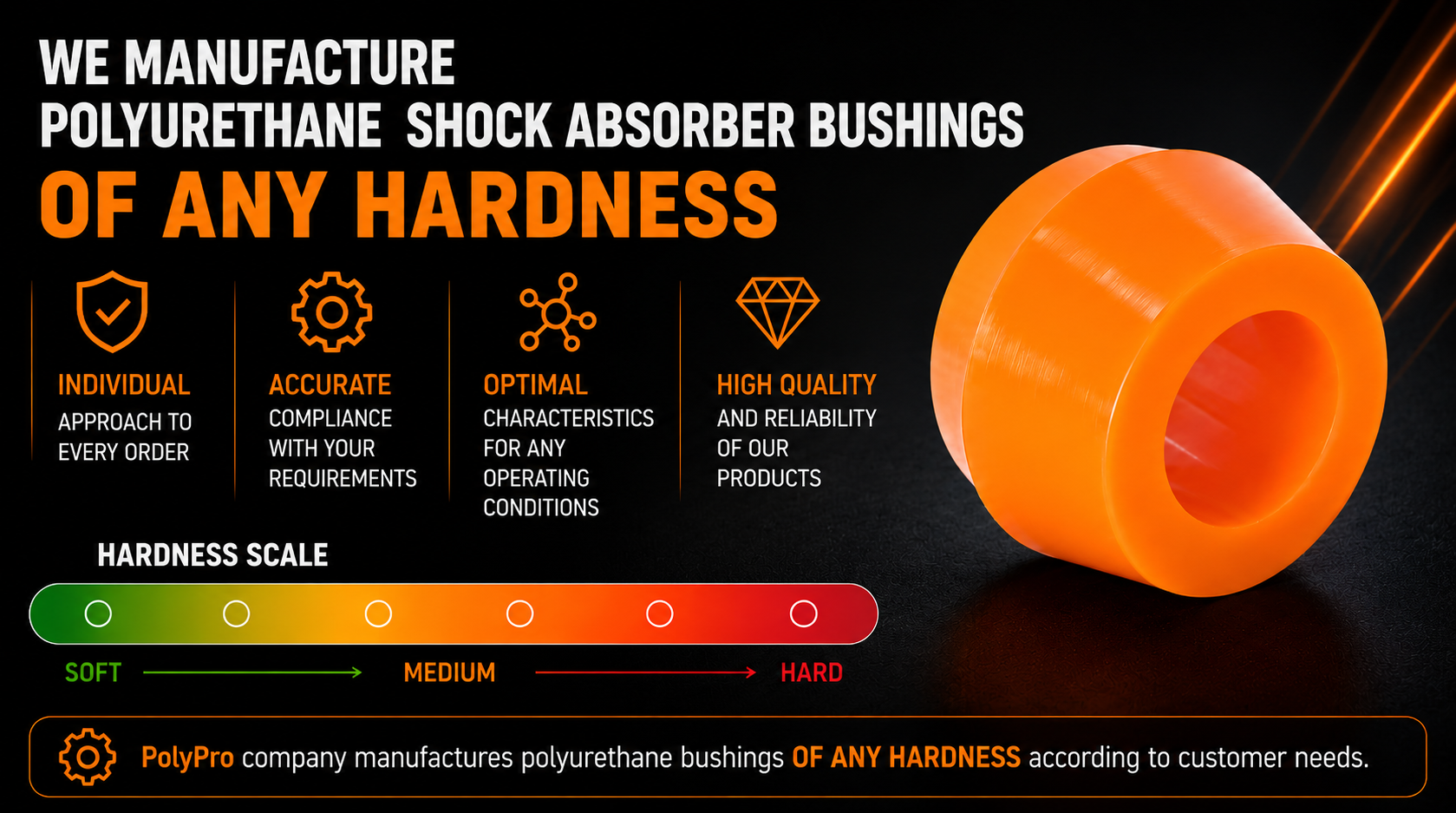
Standard durometer is right for normal street use — ride comfort close to rubber with polyurethane service life. Go firmer for loaded vehicles, towing, rough roads, trucks and motorcycles, where the mount runs near its limit: it holds tighter at the cost of slightly more vibration. Durometer is listed on every product page.
A shock absorber bushing sits in the eye of the damper body or rod and works in torsion, absorbing angular movement between the damper, body and control arm. An upper strut bushing slides onto the piston rod beneath the strut mount and loads in compression along the axis. Different dimensions, different hardness, not interchangeable.
Yes. PolyPro produces bushings, control arm bushings and non-standard polyurethane parts to order — from a drawing, a physical sample, or the worn part itself, from a single piece. That covers owners of rare cars, discontinued trucks and motorcycles for which no replacement parts are manufactured anymore.
Retail orders start at one piece, so a single bushing for one damper is a normal order. Many buyers still take a pair so both sides of the axle are in the same condition, or a kit when the suspension is being refreshed in full. Parts made to order are poured from one piece up as well.
Wholesale is aimed at repair shops, parts stores, fleets and resellers. The arrangement is described in the partner program: bonuses for turnover or for the volume of a single order, access to prices, stock balances and shipping dates, and the option to ship under the partner's own brand.