
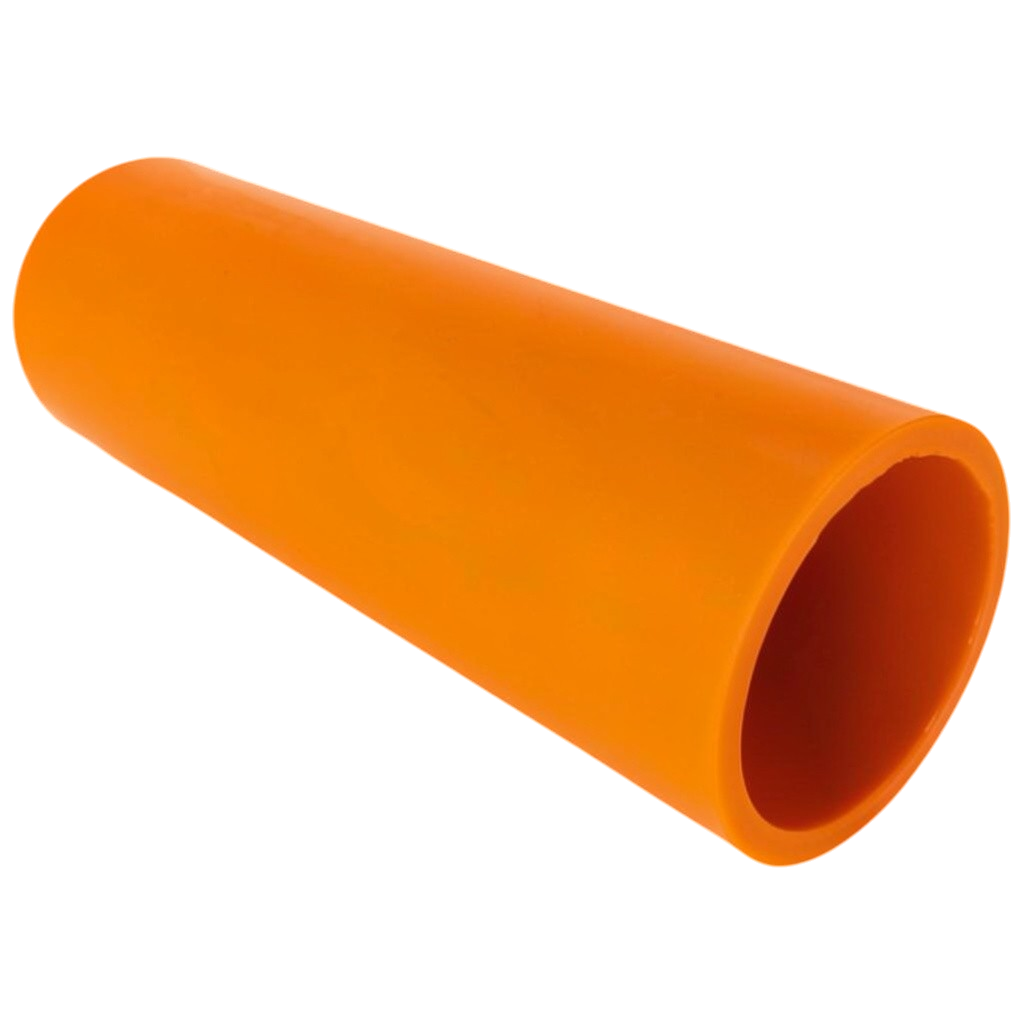
SKU: PP202839
Polyurethane damping cup (big)
In stock15 pcs.$18.55Log in as dealer

Polyurethane damping cup (big)
In stock15 pcs.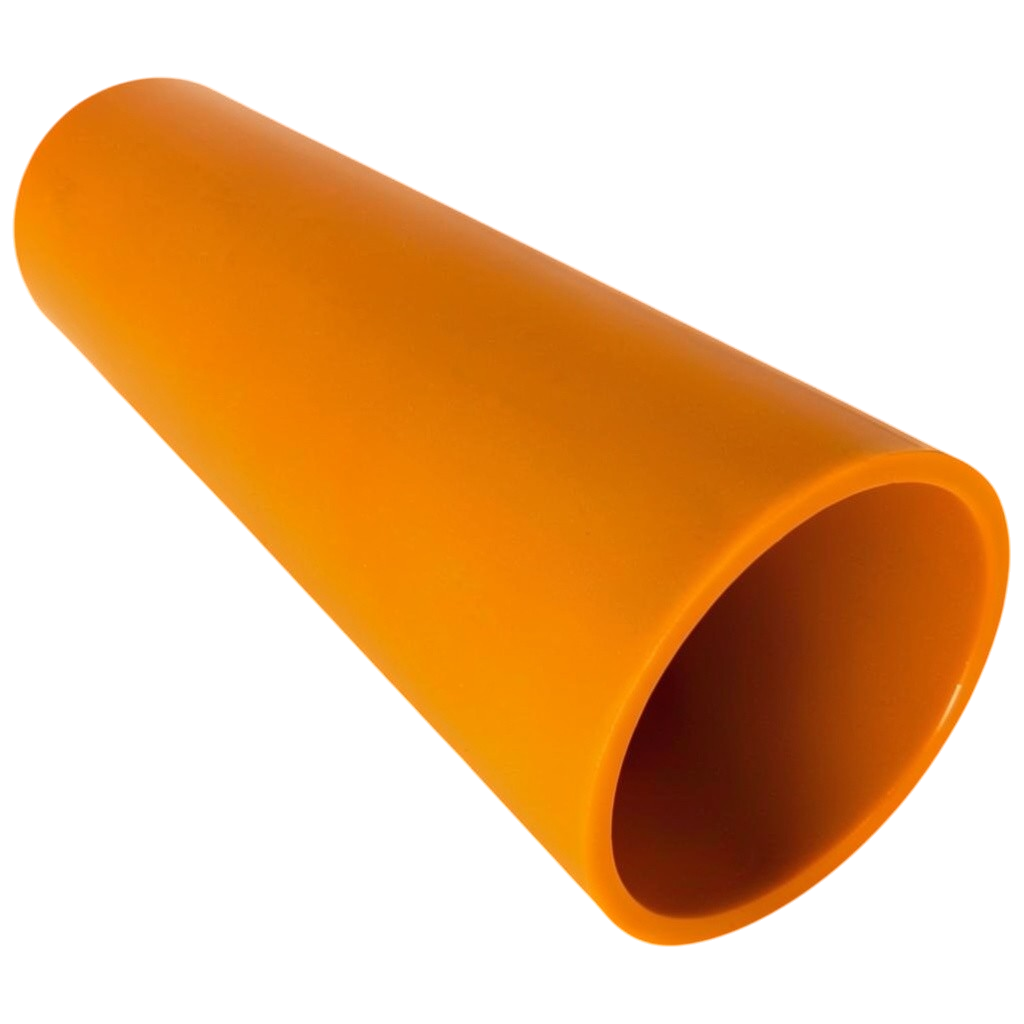
Polyurethane damping cup (small)
In stock15 pcs.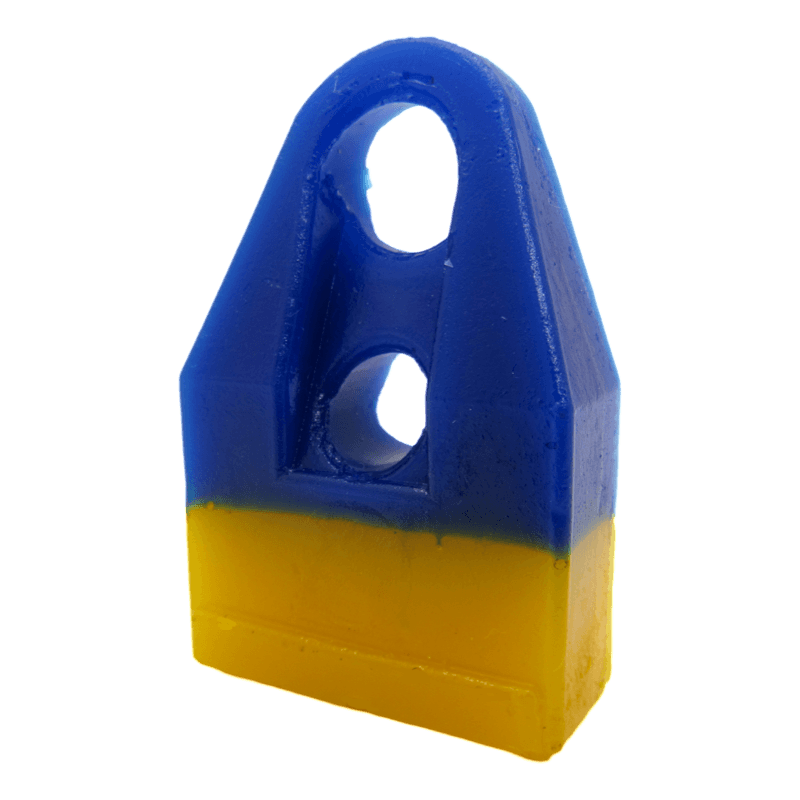
Polyurethane recoil damper for AK-47, AK-74, AKM, AKSU, SVD, AKS Universal
In stock15 pcs.A harmonic balancer is the damped crank pulley that sits on the nose of the crankshaft: it drives the accessory belt and at the same time absorbs the torsional vibration of the shaft itself. It is built from a hub, an outer ring with belt grooves and an elastomer layer between them. PolyPro casts these pulleys from polyurethane in its own shop for passenger cars, commercial vehicles and special equipment; the remaining suspension and engine mount groups are listed in the catalog.
A piston engine does not turn the crankshaft smoothly: every power stroke adds a sharp impulse, and the shaft winds up and springs back thousands of times per minute. These torsional pulses meet the natural frequency of the shaft, and at resonant engine speeds they are able to hammer the main bearings, shear the keyway and push the rear main seal out of its bore.
A harmonic balancer breaks that chain. The hub is a tight fit on the crank nose, the outer ring with the serpentine belt grooves is separated from the hub by an elastomer layer, and that layer works in shear, turning vibration energy into heat. The same part still drives the alternator, water pump and compressor, so it has to do two jobs at once: keep the ring concentric with the hub and keep the layer elastic across the whole under-hood temperature range.
The layer between hub and ring ages from heat, oil and ozone. Once it loses its bond to the metal, the ring starts to walk on the hub: runout appears, the belt runs off square, and nothing damps the crankshaft pulses any more.
There is no point inspecting the pulley with the belt still loaded: release belt tension first, then look into the face joint and check ring position with a dial indicator. If the damping layer has broken down, the part is replaced — it cannot be rebuilt in a workshop.
A factory damper is built on vulcanised rubber: it absorbs vibration well, but it copes poorly with heat, oil and ozone. Within a few years the layer hardens, cracks open at the face and the bond to the metal weakens, after which the ring begins to slip. Polyurethane has higher tear and abrasion resistance, it is unaffected by oil and coolant splash and it does not delaminate from ozone, so it holds the geometry of the assembly longer.
The trade-off is a different working character: polyurethane is stiffer than rubber of the same thickness, it sags less under load, but it damps on a different curve. That is why the material is chosen for the job — a softer compound closer to the factory part for daily driving, a harder one for loaded and modified engines where the ring has to stay concentric. The exact Shore value is given in the product card of every item.
A crankshaft pulley is not universal: it is tied to the crank fit, to the belt profile and to the mass the damper was calculated for. Match it by three groups of dimensions rather than by how it looks.
Start with the bore diameter and the length of the fit, then check how the part is located: key, flat, splines or a central bolt clamping onto a taper. A mistake here costs the crankshaft — a pulley fitted with clearance will hammer the nose out within a few hundred kilometres. Hub thickness and offset from the cover face are measured separately, because they decide whether the ring lines up with the rest of the accessory drive. If the old part is already off the engine, measure that: a worn nose and a beaten keyway show up straight away. Check the crank nose itself as well: a worn seat or a battered keyway means a new pulley will not stay tight for long.
Next comes the outer ring. Count the serpentine belt grooves, identify the rib pitch and measure the outer diameter, because that diameter sets alternator and water pump speed. A ring of another size upsets that balance: the alternator will fall short of current at idle or overspin at the top end. If the drive uses two belt planes or a separate compressor pulley, check both planes and the distance between them. Groove surfaces must be free of scoring and rolled edges, or a new belt will start to howl within the first kilometres. Compare ring width and the offset of the outer groove with the alternator pulley, or the belt will run off square and shred its edge.
Layer hardness decides how much vibration energy turns into heat and how much returns to the crankshaft. Softer polyurethane sits closer to factory rubber: it is quieter and kills low-end resonance better, but it deforms more under sharp torque changes. A harder compound keeps the ring concentric under high torque and lasts longer on loaded engines, at the cost of more vibration reaching the body. Choose by duty cycle: city and highway, towing, power take-off work. The Shore value for each item is stated in its product card. If the car sees mixed duty, take the middle option: it gives away little in noise and little in ring stability.
PolyPro is a manufacturer, not a reseller: the moulds, the casting shop and the dimensional control are our own, so the price carries no middleman margin and one batch repeats the next. Retail is sold per unit — you can order a single pulley for one specific car. If an item is out of the catalog or the assembly is non-standard, we make it from a drawing, a sample or the worn part itself, also starting from one piece.
Service shops, parts stores, fleets and resellers work on wholesale terms and through the partner programme: bonuses for turnover or for the size of a single order, access to prices and stock levels, shipping under the partner's own brand. Products are covered by a warranty, and we ship across Ukraine and internationally.
A solid pulley is one piece of metal and only drives the belt. A harmonic balancer pulley has a hub and a separate outer ring with a damping layer between them. That layer absorbs crankshaft torsional vibration, so the main bearings, the keyway and the front seal see far less load. Fitting a solid pulley to an engine designed around a damper is not an option.
The quickest check is with a timing light: if the TDC mark on the pulley no longer matches the scale on the cover while the engine still runs smoothly, the ring has moved on the hub. The second sign is visible wobble of the ring at idle. The third is black dust from the broken layer on the belt cover. Any one of them means replacement.
Not advisable. While the layer still holds, the pulley keeps driving the belt, but the damping is gone and the pulses go straight into the crankshaft, bearings and timing drive. Once the ring slips, ignition timing drifts, and full separation can throw the ring and the belt off the engine. Inspect the engine mounts too: extra engine movement adds load to the damper.
Polyurethane resists abrasion, tearing, ozone and oil or coolant splash better, so it keeps its geometry longer than vulcanised rubber of the same thickness. It is also stiffer and damps on a different curve, which is why the compound is selected for the duty cycle rather than on the assumption that harder is automatically better.
Yes. The pulley is an interference fit on the crank nose, so a puller is required, along with a way to lock the crankshaft against rotation while the central bolt is undone. Mark the position of the pulley against the shaft and the timing marks before removal. Take the bolt torque from the manual for that specific engine rather than by feel.
Measure the old part: bore diameter and fit length, locating method (key, flat, splines), outer ring diameter, groove count and rib pitch, overall width and offset. From those dimensions we either match a stock item or make the pulley from a drawing or a sample. A worn original works perfectly well as that sample.
Yes, retail is per unit and there is no minimum order for a private buyer. Non-standard and rare items are produced from a drawing, a sample or the worn part, again starting from one piece. The Shore hardness of the polyurethane is listed in the product card of every item, so the choice is not based on guesswork.
Service shops, parts stores, fleets and resellers are offered wholesale terms and the partner programme: bonuses for turnover or for the size of a single order, access to prices and stock levels, and shipping under the partner's own brand. Terms are agreed individually, based on the range and the volume.