
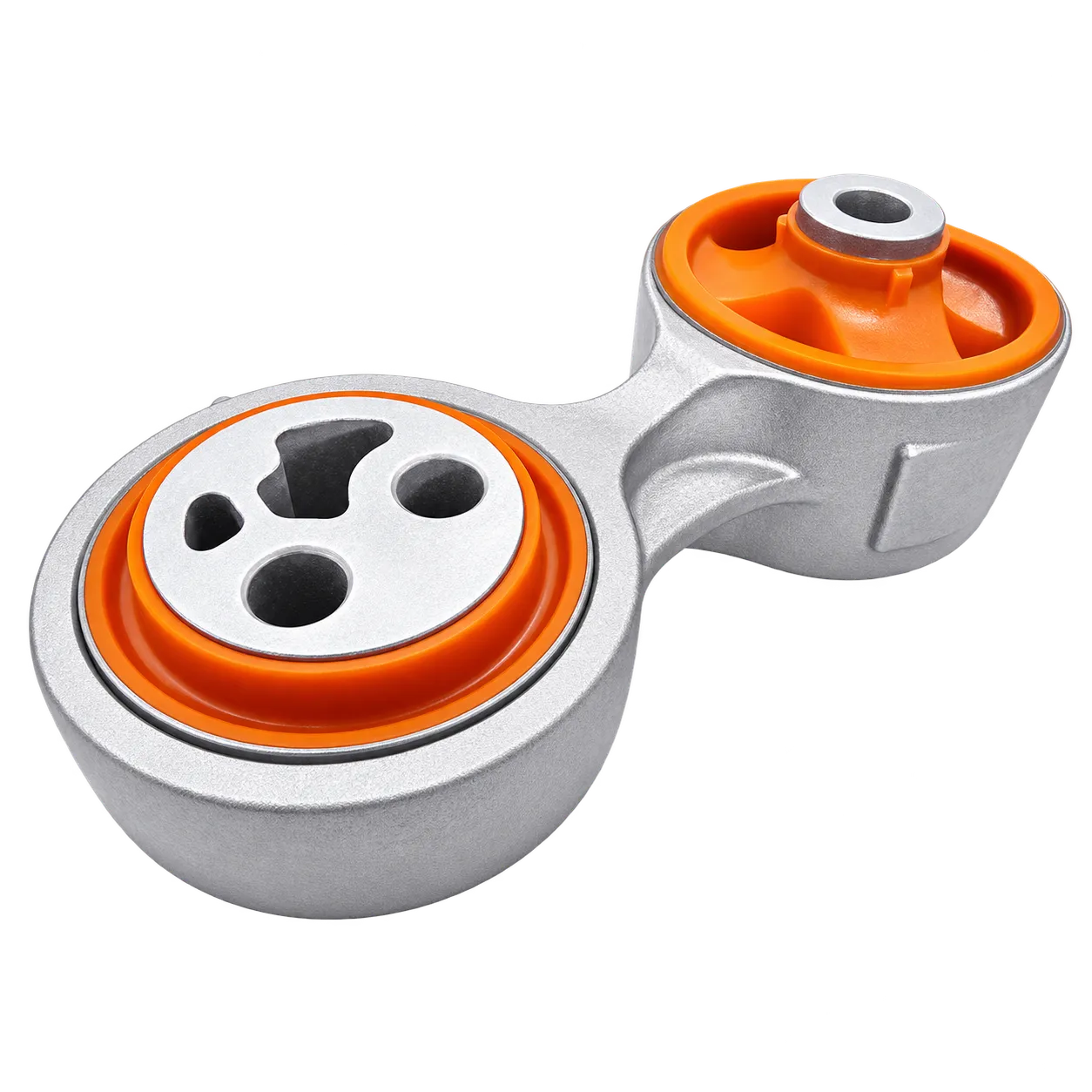
 Подушка двигуна

Polyurethane engine and transmission mounts
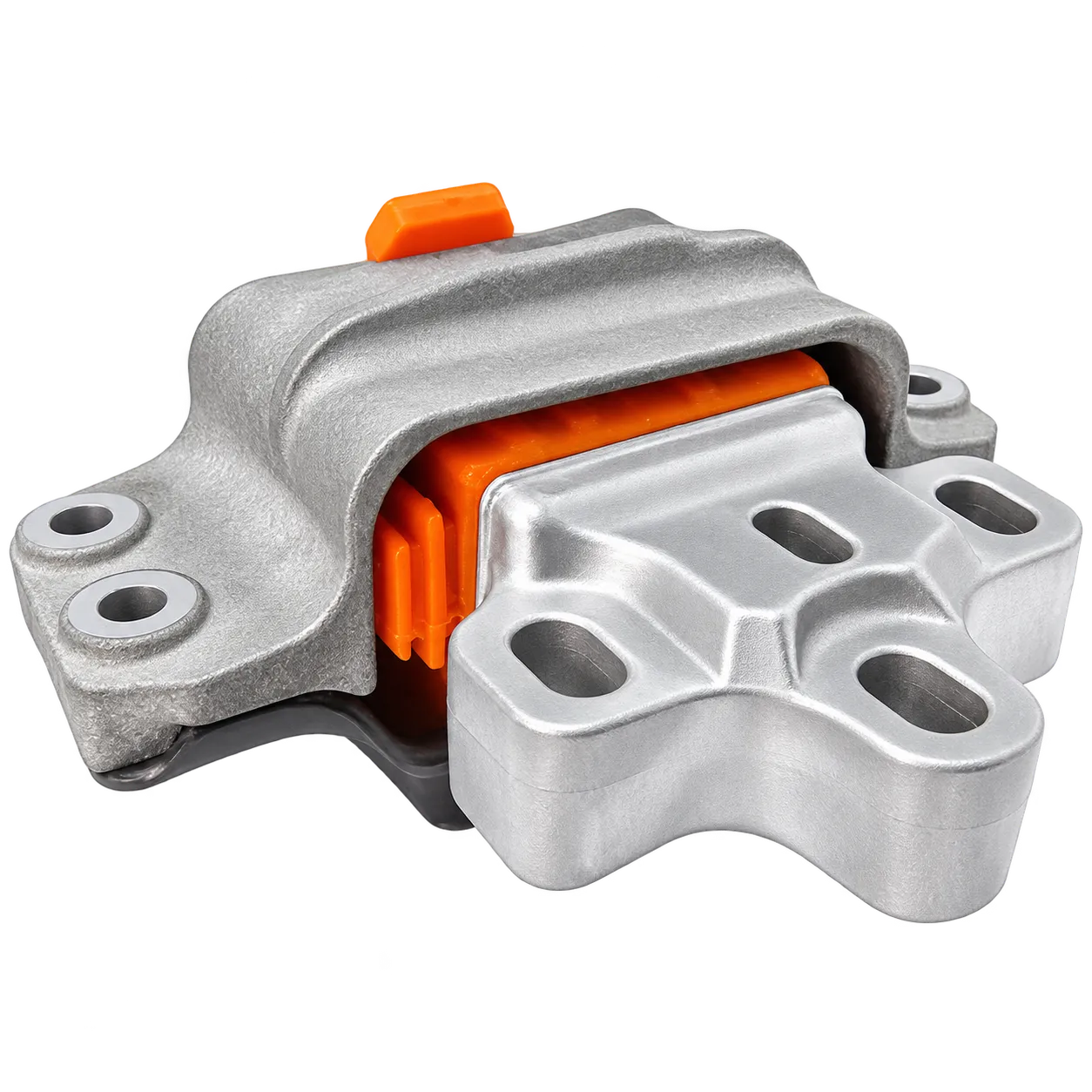
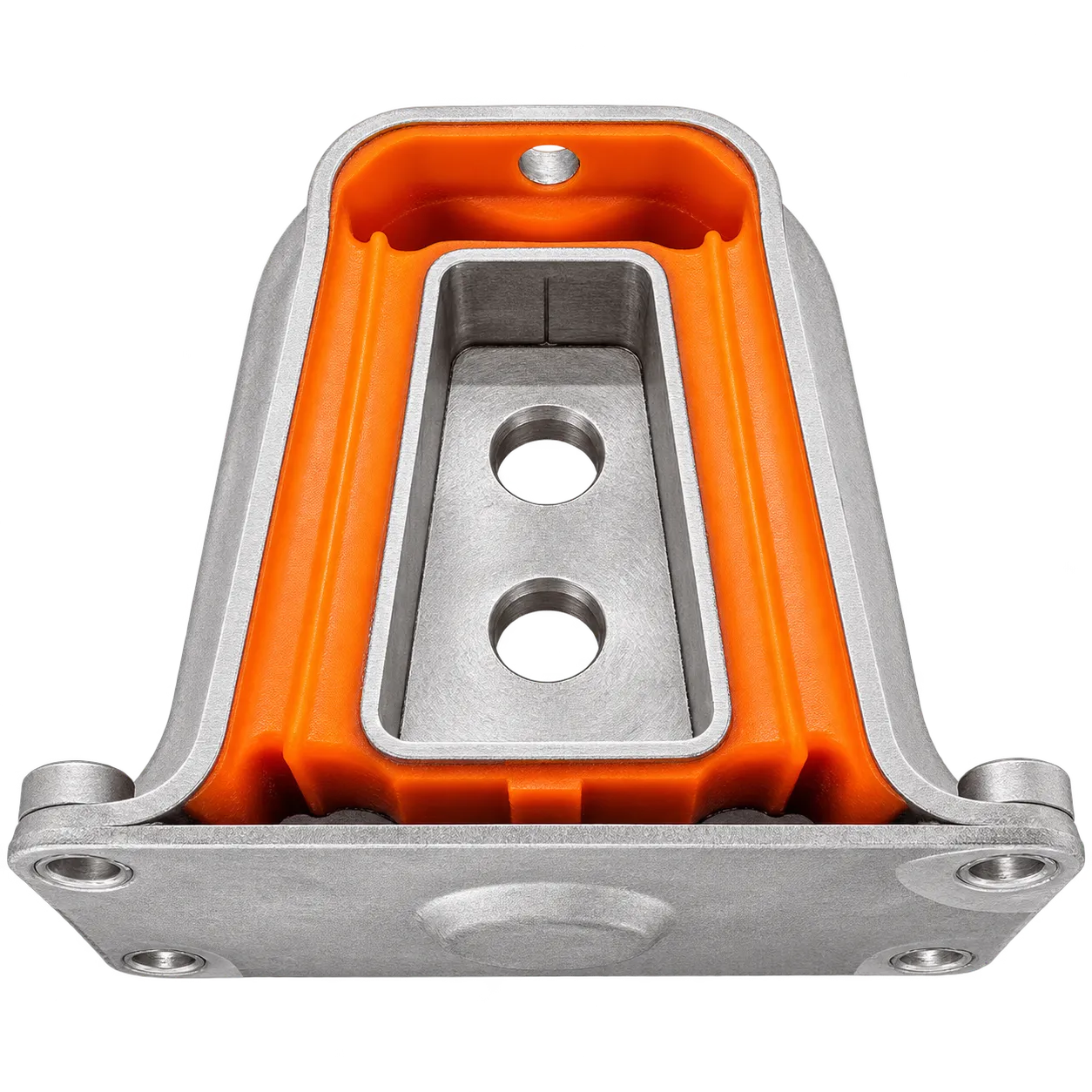
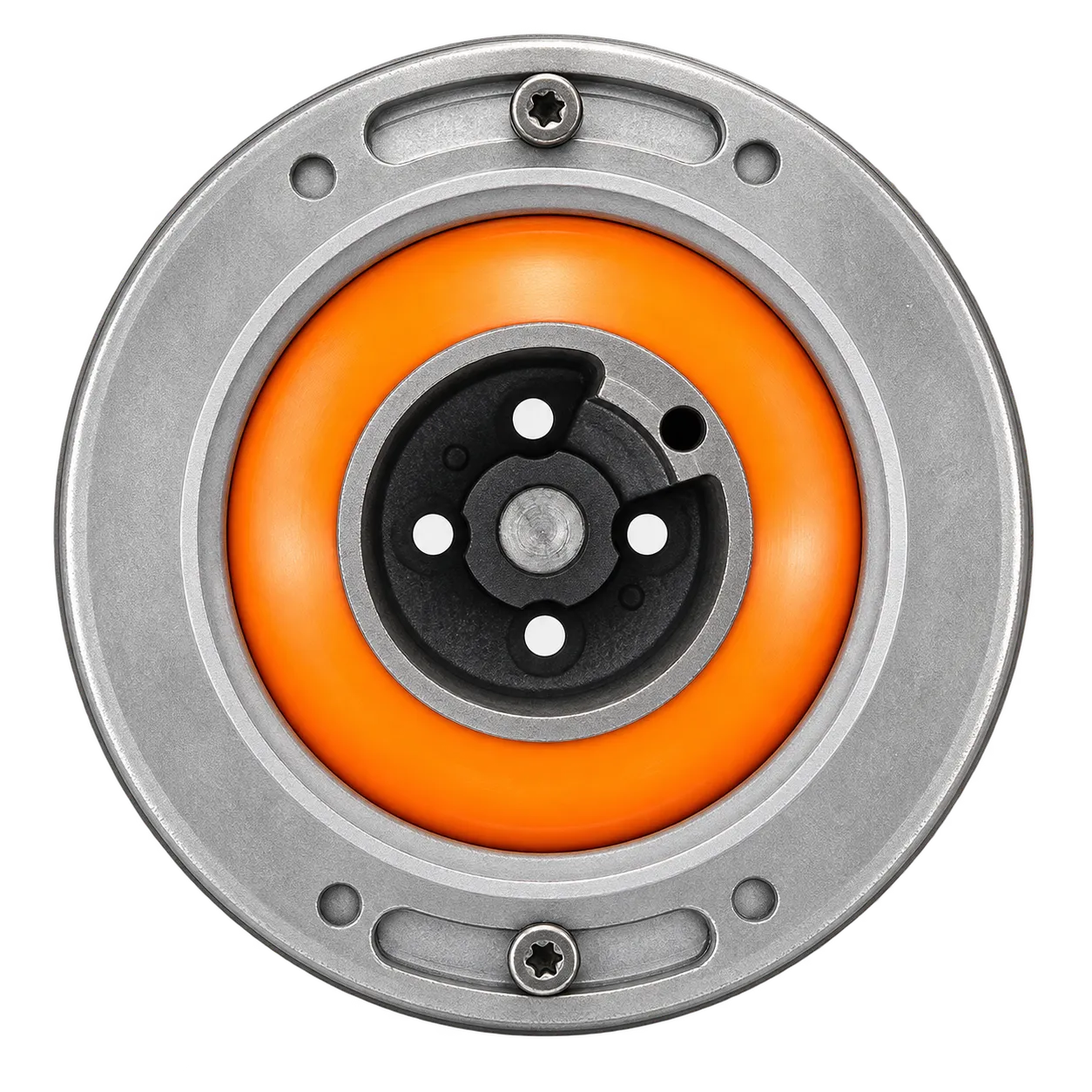
- Polyurethane bushing engine Honda Dio 1988-1990, 28-22-10 мм
 SKU: PP102488
Polyurethane bushing engine Honda Dio 1988-1990, 28-22-10 мм
In stock15 pcs.$6.73Log in as dealer - Polyurethane bushing engine Honda Dio 1990-1996, 28-22-10 ммSKU: PP102488
Polyurethane bushing engine Honda Dio 1990-1996, 28-22-10 мм
In stock15 pcs.$6.73Log in as dealer - Polyurethane bushing engine Honda Dio 1994-2004, 28-22-10 ммSKU: PP102488
Polyurethane bushing engine Honda Dio 1994-2004, 28-22-10 мм
In stock15 pcs.$6.73Log in as dealer - Polyurethane bushing engine Honda Giorno 1992-2000, 28-22-10 ммSKU: PP102488
Polyurethane bushing engine Honda Giorno 1992-2000, 28-22-10 мм
In stock15 pcs.$6.73Log in as dealer - Polyurethane bushing engine Honda Lead 1996-, 28-22-10 ммSKU: PP102488
Polyurethane bushing engine Honda Lead 1996-, 28-22-10 мм
In stock15 pcs.$6.73Log in as dealer - Polyurethane bushing engine Honda Tact 1993-, 28-22-10 ммSKU: PP102488
Polyurethane bushing engine Honda Tact 1993-, 28-22-10 мм
In stock15 pcs.$6.73Log in as dealer - Polyurethane bushing engine Honda Topic 1995-2004, 28-22-10 ммSKU: PP102488
Polyurethane bushing engine Honda Topic 1995-2004, 28-22-10 мм
In stock15 pcs.$6.73Log in as dealer - Polyurethane bushing engine Suzuki Inch Up Sport 2000-2009, 28-22-10 ммSKU: PP102488
Polyurethane bushing engine Suzuki Inch Up Sport 2000-2009, 28-22-10 мм
In stock15 pcs.$6.73Log in as dealer - Polyurethane bushing engine Suzuki Lets 1996-, 28-22-10 ммSKU: PP102488
Polyurethane bushing engine Suzuki Lets 1996-, 28-22-10 мм
In stock15 pcs.$6.73Log in as dealer - Polyurethane bushing engine Suzuki Mollet 1998-2004, 28-22-10 ммSKU: PP102488
Polyurethane bushing engine Suzuki Mollet 1998-2004, 28-22-10 мм
In stock15 pcs.$6.73Log in as dealer - Polyurethane bushing engine Suzuki Sepia 1993-, 28-22-10 ммSKU: PP102488
Polyurethane bushing engine Suzuki Sepia 1993-, 28-22-10 мм
In stock15 pcs.$6.73Log in as dealer - Polyurethane bushing engine Suzuki Sepia ZZ 1983-1993, 28-22-10 ммSKU: PP102488
Polyurethane bushing engine Suzuki Sepia ZZ 1983-1993, 28-22-10 мм
In stock15 pcs.$6.73Log in as dealer - Polyurethane bushing engine Suzuki Street Magic 1996-, 28-22-10 ммSKU: PP102488
Polyurethane bushing engine Suzuki Street Magic 1996-, 28-22-10 мм
In stock15 pcs.$6.73Log in as dealer - Polyurethane bushing front gear rear Land Rover Range Rover Sport 2005-2013
 SKU: PP103959
Polyurethane bushing front gear rear Land Rover Range Rover Sport 2005-2013
In stock15 pcs.$59.14Log in as dealer - Polyurethane bushing of a forward reducer Toyota Hiace 2004-
 SKU: PP103724
Polyurethane bushing of a forward reducer Toyota Hiace 2004-
In stock15 pcs.$26.21Log in as dealer - Polyurethane bushing rear engine mount Chevrolet Aveo 2002-2011 SMALL
 SKU: PP202578
Polyurethane bushing rear engine mount Chevrolet Aveo 2002-2011 SMALL
In stock15 pcs.$15.54Log in as dealer - Polyurethane bushing rear gear BMW 3 E30 1982-1994
 SKU: PP300883
Polyurethane bushing rear gear BMW 3 E30 1982-1994
In stock15 pcs.$29.92Log in as dealer - Polyurethane bushing rear gear BMW 5 E39
 SKU: PP201934
Polyurethane bushing rear gear BMW 5 E39
In stock15 pcs.$22.73Log in as dealer - Polyurethane bushing rear gear BMW 5 E39 HARDNESS
 SKU: PP201935
Polyurethane bushing rear gear BMW 5 E39 HARDNESS
In stock15 pcs.$31.31Log in as dealer - Polyurethane bushing rear gear Bmw E38 1994-2001
 SKU: PP301829
Polyurethane bushing rear gear Bmw E38 1994-2001
In stock15 pcs.$26.9Log in as dealer - Polyurethane bushing rear gear Bmw Е65 2001-2009SKU: PP301829
Polyurethane bushing rear gear Bmw Е65 2001-2009
In stock15 pcs.$26.9Log in as dealer - Polyurethane bushing rear gear Bmw Е66 2001-2009SKU: PP301829
Polyurethane bushing rear gear Bmw Е66 2001-2009
In stock15 pcs.$26.9Log in as dealer - Polyurethane bushing rear gear Bmw Е67 2001-2009SKU: PP301829
Polyurethane bushing rear gear Bmw Е67 2001-2009
In stock15 pcs.$26.9Log in as dealer - Polyurethane bushing rear gear Chrysler 300 2004-2010
 SKU: PP303200
Polyurethane bushing rear gear Chrysler 300 2004-2010
In stock15 pcs.$23.89Log in as dealer - Polyurethane bushing rear gear Chrysler 300 2004-2010
 SKU: PP301747
Polyurethane bushing rear gear Chrysler 300 2004-2010
In stock15 pcs.$17.16Log in as dealer - Polyurethane bushing rear gear Ford Scorpio 1994-1998
 SKU: PP102597
Polyurethane bushing rear gear Ford Scorpio 1994-1998
In stock15 pcs.$23.89Log in as dealer - Polyurethane bushing rear gear Nissan Armada 2003-2015
 SKU: PP203181
Polyurethane bushing rear gear Nissan Armada 2003-2015
In stock15 pcs.$34.79Log in as dealer - Polyurethane bushing rear gear Nissan Pathfinder 2005-2014SKU: PP203181
Polyurethane bushing rear gear Nissan Pathfinder 2005-2014
In stock15 pcs.$34.79Log in as dealer - Polyurethane bushing rear gear Nissan Titan 2004-2015SKU: PP203181
Polyurethane bushing rear gear Nissan Titan 2004-2015
In stock15 pcs.$34.79Log in as dealer - Polyurethane bushing rear gear front Audi A4 2007-2015
 SKU: PP302579
Polyurethane bushing rear gear front Audi A4 2007-2015
In stock15 pcs.$25.74Log in as dealer - Polyurethane bushing rear gear front Audi A5 2007-2016SKU: PP302579
Polyurethane bushing rear gear front Audi A5 2007-2016
In stock15 pcs.$25.74Log in as dealer - Polyurethane bushing rear gear front Audi A8 2010-2017SKU: PP302579
Polyurethane bushing rear gear front Audi A8 2010-2017
In stock15 pcs.$25.74Log in as dealer - Polyurethane bushing rear gear front Audi Q5 2008-2018SKU: PP302579
Polyurethane bushing rear gear front Audi Q5 2008-2018
In stock15 pcs.$25.74Log in as dealer - Polyurethane bushing rear gear front Mazda 6 2002-2008
 SKU: PP103758
Polyurethane bushing rear gear front Mazda 6 2002-2008
In stock15 pcs.$29.92Log in as dealer - Polyurethane bushing rear gear front Porsche Macan 2014-2018SKU: PP302579
Polyurethane bushing rear gear front Porsche Macan 2014-2018
In stock15 pcs.$25.74Log in as dealer - Polyurethane bushing rear gear front left Toyota Rav4 2000-2005
 SKU: PP303798
Polyurethane bushing rear gear front left Toyota Rav4 2000-2005
In stock15 pcs.$25.51Log in as dealer - Polyurethane bushing rear gear front right Toyota Rav4 2000-2005
 SKU: PP303797
Polyurethane bushing rear gear front right Toyota Rav4 2000-2005
In stock15 pcs.$25.51Log in as dealer - Polyurethane bushing rear gear rear Audi A4 2007-2015
 SKU: PP302578
Polyurethane bushing rear gear rear Audi A4 2007-2015
In stock15 pcs.$25.74Log in as dealer - Polyurethane bushing rear gear rear Audi A5 2007-2016SKU: PP302578
Polyurethane bushing rear gear rear Audi A5 2007-2016
In stock15 pcs.$25.74Log in as dealer - Polyurethane bushing rear gear rear Audi A6 2011-2018SKU: PP302578
Polyurethane bushing rear gear rear Audi A6 2011-2018
In stock15 pcs.$25.74Log in as dealer - Polyurethane bushing rear gear rear Audi A7 2010-2018SKU: PP302578
Polyurethane bushing rear gear rear Audi A7 2010-2018
In stock15 pcs.$25.74Log in as dealer - Polyurethane bushing rear gear rear Audi A8 2010-2017SKU: PP302578
Polyurethane bushing rear gear rear Audi A8 2010-2017
In stock15 pcs.$25.74Log in as dealer - Polyurethane bushing rear gear rear Audi Q5 2008-2018SKU: PP302578
Polyurethane bushing rear gear rear Audi Q5 2008-2018
In stock15 pcs.$25.74Log in as dealer - Polyurethane bushing rear gear rear BMW E28 1981-1987 HARDNESS
 SKU: PP103432
Polyurethane bushing rear gear rear BMW E28 1981-1987 HARDNESS
In stock15 pcs.$29.92Log in as dealer - Polyurethane bushing rear gear rear BMW E32 1987-1995 HARDNESSSKU: PP103432
Polyurethane bushing rear gear rear BMW E32 1987-1995 HARDNESS
In stock15 pcs.$29.92Log in as dealer - Polyurethane bushing rear gear rear BMW E34 1987-1995 HARDNESSSKU: PP103432
Polyurethane bushing rear gear rear BMW E34 1987-1995 HARDNESS
In stock15 pcs.$29.92Log in as dealer - Polyurethane bushing rear gear rear BMW E39 1995-2003 HARDNESSSKU: PP103432
Polyurethane bushing rear gear rear BMW E39 1995-2003 HARDNESS
In stock15 pcs.$29.92Log in as dealer - Polyurethane bushing rear gear rear Bmw F01 2009-2015 2.4L
 SKU: PP303660
Polyurethane bushing rear gear rear Bmw F01 2009-2015 2.4L
In stock15 pcs.$32.24Log in as dealer - Polyurethane bushing rear gear rear Bmw F01 2009-2015 2.4L HARDNESS
 SKU: PP202924
Polyurethane bushing rear gear rear Bmw F01 2009-2015 2.4L HARDNESS
In stock15 pcs.$41.98Log in as dealer - Polyurethane bushing rear gear rear Bmw F02 2009-2015 2.4LSKU: PP303660
Polyurethane bushing rear gear rear Bmw F02 2009-2015 2.4L
In stock15 pcs.$32.24Log in as dealer - Polyurethane bushing rear gear rear Bmw F02 2009-2015 2.4L HARDNESSSKU: PP202924
Polyurethane bushing rear gear rear Bmw F02 2009-2015 2.4L HARDNESS
In stock15 pcs.$41.98Log in as dealer - Polyurethane bushing rear gear rear Bmw F03 2009-2015 2.4LSKU: PP303660
Polyurethane bushing rear gear rear Bmw F03 2009-2015 2.4L
In stock15 pcs.$32.24Log in as dealer - Polyurethane bushing rear gear rear Bmw F03 2009-2015 2.4L HARDNESSSKU: PP202924
Polyurethane bushing rear gear rear Bmw F03 2009-2015 2.4L HARDNESS
In stock15 pcs.$41.98Log in as dealer - Polyurethane bushing rear gear rear Bmw F04 2009-2015 2.4LSKU: PP303660
Polyurethane bushing rear gear rear Bmw F04 2009-2015 2.4L
In stock15 pcs.$32.24Log in as dealer - Polyurethane bushing rear gear rear Bmw F04 2009-2015 2.4L HARDNESSSKU: PP202924
Polyurethane bushing rear gear rear Bmw F04 2009-2015 2.4L HARDNESS
In stock15 pcs.$41.98Log in as dealer - Polyurethane bushing rear gear rear Bmw F06 2010- 2.4LSKU: PP303660
Polyurethane bushing rear gear rear Bmw F06 2010- 2.4L
In stock15 pcs.$32.24Log in as dealer - Polyurethane bushing rear gear rear Bmw F06 2010- 2.4L HARDNESSSKU: PP202924
Polyurethane bushing rear gear rear Bmw F06 2010- 2.4L HARDNESS
In stock15 pcs.$41.98Log in as dealer - Polyurethane bushing rear gear rear Bmw F07 2009-2017 2.4LSKU: PP303660
Polyurethane bushing rear gear rear Bmw F07 2009-2017 2.4L
In stock15 pcs.$32.24Log in as dealer - Polyurethane bushing rear gear rear Bmw F07 2009-2017 2.4L HARDNESSSKU: PP202924
Polyurethane bushing rear gear rear Bmw F07 2009-2017 2.4L HARDNESS
In stock15 pcs.$41.98Log in as dealer - Polyurethane bushing rear gear rear Bmw F10 2010-2017 2.4LSKU: PP303660
Polyurethane bushing rear gear rear Bmw F10 2010-2017 2.4L
In stock15 pcs.$32.24Log in as dealer - Polyurethane bushing rear gear rear Bmw F10 2010-2017 2.4L HARDNESSSKU: PP202924
Polyurethane bushing rear gear rear Bmw F10 2010-2017 2.4L HARDNESS
In stock15 pcs.$41.98Log in as dealer - Polyurethane bushing rear gear rear Bmw F11 2010-2017 2.4LSKU: PP303660
Polyurethane bushing rear gear rear Bmw F11 2010-2017 2.4L
In stock15 pcs.$32.24Log in as dealer - Polyurethane bushing rear gear rear Bmw F11 2010-2017 2.4L HARDNESSSKU: PP202924
Polyurethane bushing rear gear rear Bmw F11 2010-2017 2.4L HARDNESS
In stock15 pcs.$41.98Log in as dealer - Polyurethane bushing rear gear rear Bmw F12 2010- 2.4LSKU: PP303660
Polyurethane bushing rear gear rear Bmw F12 2010- 2.4L
In stock15 pcs.$32.24Log in as dealer - Polyurethane bushing rear gear rear Bmw F12 2010- 2.4L HARDNESSSKU: PP202924
Polyurethane bushing rear gear rear Bmw F12 2010- 2.4L HARDNESS
In stock15 pcs.$41.98Log in as dealer - Polyurethane bushing rear gear rear Bmw F13 2010- 2.4LSKU: PP303660
Polyurethane bushing rear gear rear Bmw F13 2010- 2.4L
In stock15 pcs.$32.24Log in as dealer - Polyurethane bushing rear gear rear Bmw F13 2010- 2.4L HARDNESSSKU: PP202924
Polyurethane bushing rear gear rear Bmw F13 2010- 2.4L HARDNESS
In stock15 pcs.$41.98Log in as dealer - Polyurethane bushing rear gear rear Bmw F18 2010-2017 2.4LSKU: PP303660
Polyurethane bushing rear gear rear Bmw F18 2010-2017 2.4L
In stock15 pcs.$32.24Log in as dealer - Polyurethane bushing rear gear rear Bmw F18 2010-2017 2.4L HARDNESSSKU: PP202924
Polyurethane bushing rear gear rear Bmw F18 2010-2017 2.4L HARDNESS
In stock15 pcs.$41.98Log in as dealer - Polyurethane bushing rear gear rear Ford Edge 2014-2022
 SKU: PP302909
Polyurethane bushing rear gear rear Ford Edge 2014-2022
In stock15 pcs.$39.19Log in as dealer - Polyurethane bushing rear gear rear Lincoln Mkx 2016-SKU: PP302909
Polyurethane bushing rear gear rear Lincoln Mkx 2016-
In stock15 pcs.$39.19Log in as dealer - Polyurethane bushing rear gear rear Lincoln Nautilus 2018-SKU: PP302909
Polyurethane bushing rear gear rear Lincoln Nautilus 2018-
In stock15 pcs.$39.19Log in as dealer - Polyurethane bushing rear gear rear Mercedes-Benz 129 1989-2001
 SKU: PP202857
Polyurethane bushing rear gear rear Mercedes-Benz 129 1989-2001
In stock30 pcs.$19.71Log in as dealer - Polyurethane bushing rear gear rear Mercedes-Benz 129 1989-2001 HARDNESS
 SKU: PP202946
Polyurethane bushing rear gear rear Mercedes-Benz 129 1989-2001 HARDNESS
In stock30 pcs.$25.74Log in as dealer - Polyurethane bushing rear gear rear Mercedes-Benz 140 1991-1998SKU: PP202857
Polyurethane bushing rear gear rear Mercedes-Benz 140 1991-1998
In stock30 pcs.$19.71Log in as dealer - Polyurethane bushing rear gear rear Mercedes-Benz 140 1991-1998 HARDNESSSKU: PP202946
Polyurethane bushing rear gear rear Mercedes-Benz 140 1991-1998 HARDNESS
In stock30 pcs.$25.74Log in as dealer - Polyurethane bushing rear gear rear Mercedes-Benz 215 1999-2006
 SKU: PP104064
Polyurethane bushing rear gear rear Mercedes-Benz 215 1999-2006
In stock15 pcs.$19.71Log in as dealer - Polyurethane bushing rear gear rear Mercedes-Benz 219 2004-2010
 SKU: PP201819
Polyurethane bushing rear gear rear Mercedes-Benz 219 2004-2010
In stock15 pcs.$28.99Log in as dealer - Polyurethane bushing rear gear rear Mercedes-Benz 220 1998-2005SKU: PP104064
Polyurethane bushing rear gear rear Mercedes-Benz 220 1998-2005
In stock15 pcs.$19.71Log in as dealer - Polyurethane bushing rear gear rear Mercedes-Benz 230 2001-2011SKU: PP201819
Polyurethane bushing rear gear rear Mercedes-Benz 230 2001-2011
In stock15 pcs.$28.99Log in as dealer - Polyurethane bushing rear gear rear Merсedes 124 1984-1997
 SKU: PP301607
Polyurethane bushing rear gear rear Merсedes 124 1984-1997
In stock15 pcs.$15.54Log in as dealer - Polyurethane bushing rear gear rear Merсedes 124 1984-1997 HARDNESS
 SKU: PP301608
Polyurethane bushing rear gear rear Merсedes 124 1984-1997 HARDNESS
In stock15 pcs.$20.18Log in as dealer - Polyurethane bushing rear gear rear Merсedes 140
 SKU: PP102613
Polyurethane bushing rear gear rear Merсedes 140
In stock15 pcs.$17.16Log in as dealer - Polyurethane bushing rear gear rear Merсedes 140 HARDNESS
 SKU: PP102614
Polyurethane bushing rear gear rear Merсedes 140 HARDNESS
In stock15 pcs.$22.5Log in as dealer - Polyurethane bushing rear gear rear Merсedes 170SKU: PP102613
Polyurethane bushing rear gear rear Merсedes 170
In stock15 pcs.$17.16Log in as dealer - Polyurethane bushing rear gear rear Merсedes 170 1996-2004SKU: PP301607
Polyurethane bushing rear gear rear Merсedes 170 1996-2004
In stock15 pcs.$15.54Log in as dealer - Polyurethane bushing rear gear rear Merсedes 170 1996-2004 HARDNESSSKU: PP301608
Polyurethane bushing rear gear rear Merсedes 170 1996-2004 HARDNESS
In stock15 pcs.$20.18Log in as dealer - Polyurethane bushing rear gear rear Merсedes 170 HARDNESSSKU: PP102614
Polyurethane bushing rear gear rear Merсedes 170 HARDNESS
In stock15 pcs.$22.5Log in as dealer - Polyurethane bushing rear gear rear Merсedes 171SKU: PP102613
Polyurethane bushing rear gear rear Merсedes 171
In stock15 pcs.$17.16Log in as dealer - Polyurethane bushing rear gear rear Merсedes 171 HARDNESSSKU: PP102614
Polyurethane bushing rear gear rear Merсedes 171 HARDNESS
In stock15 pcs.$22.5Log in as dealer - Polyurethane bushing rear gear rear Merсedes 172SKU: PP102613
Polyurethane bushing rear gear rear Merсedes 172
In stock15 pcs.$17.16Log in as dealer - Polyurethane bushing rear gear rear Merсedes 172 HARDNESSSKU: PP102614
Polyurethane bushing rear gear rear Merсedes 172 HARDNESS
In stock15 pcs.$22.5Log in as dealer - Polyurethane bushing rear gear rear Merсedes 202SKU: PP102613
Polyurethane bushing rear gear rear Merсedes 202
In stock15 pcs.$17.16Log in as dealer - Polyurethane bushing rear gear rear Merсedes 202 1993-2001SKU: PP301607
Polyurethane bushing rear gear rear Merсedes 202 1993-2001
In stock15 pcs.$15.54Log in as dealer - Polyurethane bushing rear gear rear Merсedes 202 1993-2001 HARDNESSSKU: PP301608
Polyurethane bushing rear gear rear Merсedes 202 1993-2001 HARDNESS
In stock15 pcs.$20.18Log in as dealer - Polyurethane bushing rear gear rear Merсedes 202 HARDNESSSKU: PP102614
Polyurethane bushing rear gear rear Merсedes 202 HARDNESS
In stock15 pcs.$22.5Log in as dealer - Polyurethane bushing rear gear rear Merсedes 203SKU: PP102613
Polyurethane bushing rear gear rear Merсedes 203
In stock15 pcs.$17.16Log in as dealer - Polyurethane bushing rear gear rear Merсedes 203 2000-2007SKU: PP301607
Polyurethane bushing rear gear rear Merсedes 203 2000-2007
In stock15 pcs.$15.54Log in as dealer - Polyurethane bushing rear gear rear Merсedes 203 2000-2007 HARDNESSSKU: PP301608
Polyurethane bushing rear gear rear Merсedes 203 2000-2007 HARDNESS
In stock15 pcs.$20.18Log in as dealer - Polyurethane bushing rear gear rear Merсedes 203 HARDNESSSKU: PP102614
Polyurethane bushing rear gear rear Merсedes 203 HARDNESS
In stock15 pcs.$22.5Log in as dealer - Polyurethane bushing rear gear rear Merсedes 208SKU: PP102613
Polyurethane bushing rear gear rear Merсedes 208
In stock15 pcs.$17.16Log in as dealer - Polyurethane bushing rear gear rear Merсedes 208 1997-2002SKU: PP301607
Polyurethane bushing rear gear rear Merсedes 208 1997-2002
In stock15 pcs.$15.54Log in as dealer - Polyurethane bushing rear gear rear Merсedes 208 1997-2002 HARDNESSSKU: PP301608
Polyurethane bushing rear gear rear Merсedes 208 1997-2002 HARDNESS
In stock15 pcs.$20.18Log in as dealer - Polyurethane bushing rear gear rear Merсedes 208 HARDNESSSKU: PP102614
Polyurethane bushing rear gear rear Merсedes 208 HARDNESS
In stock15 pcs.$22.5Log in as dealer - Polyurethane bushing rear gear rear Merсedes 209SKU: PP102613
Polyurethane bushing rear gear rear Merсedes 209
In stock15 pcs.$17.16Log in as dealer - Polyurethane bushing rear gear rear Merсedes 209 2002-2009SKU: PP301607
Polyurethane bushing rear gear rear Merсedes 209 2002-2009
In stock15 pcs.$15.54Log in as dealer - Polyurethane bushing rear gear rear Merсedes 209 2002-2009 HARDNESSSKU: PP301608
Polyurethane bushing rear gear rear Merсedes 209 2002-2009 HARDNESS
In stock15 pcs.$20.18Log in as dealer - Polyurethane bushing rear gear rear Merсedes 209 HARDNESSSKU: PP102614
Polyurethane bushing rear gear rear Merсedes 209 HARDNESS
In stock15 pcs.$22.5Log in as dealer - Polyurethane bushing rear gear rear Merсedes 210SKU: PP102613
Polyurethane bushing rear gear rear Merсedes 210
In stock15 pcs.$17.16Log in as dealer - Polyurethane bushing rear gear rear Merсedes 210 HARDNESSSKU: PP102614
Polyurethane bushing rear gear rear Merсedes 210 HARDNESS
In stock15 pcs.$22.5Log in as dealer - Polyurethane bushing rear gear rear Merсedes-Benz 211 2002-2009SKU: PP201819
Polyurethane bushing rear gear rear Merсedes-Benz 211 2002-2009
In stock15 pcs.$28.99Log in as dealer - Polyurethane bushing rear gear rear Nissan Murano 2002-2007
 SKU: PP202776
Polyurethane bushing rear gear rear Nissan Murano 2002-2007
In stock15 pcs.$34.79Log in as dealer - Polyurethane bushing rear gear rear Opel Omega 1994-2003
 SKU: PP303565
Polyurethane bushing rear gear rear Opel Omega 1994-2003
In stock15 pcs.$22.73Log in as dealer - Polyurethane bushing rear gear rear Porsche Macan 2014-2018SKU: PP302578
Polyurethane bushing rear gear rear Porsche Macan 2014-2018
In stock15 pcs.$25.74Log in as dealer - Polyurethane bushing rear gear rear Ssang Yong Chairman 1997-2014
 SKU: PP303631
Polyurethane bushing rear gear rear Ssang Yong Chairman 1997-2014
In stock15 pcs.$32.24Log in as dealer - Polyurethane bushing rear gear rear Ssang Yong Chairman 2008-2017SKU: PP303631
Polyurethane bushing rear gear rear Ssang Yong Chairman 2008-2017
In stock15 pcs.$32.24Log in as dealer - Polyurethane bushing rear gear rear Ssang Yong Rodius 2001-2012SKU: PP303631
Polyurethane bushing rear gear rear Ssang Yong Rodius 2001-2012
In stock15 pcs.$32.24Log in as dealer - Polyurethane bushing rear gear rear Ssang Yong Stavic 2001-2012SKU: PP303631
Polyurethane bushing rear gear rear Ssang Yong Stavic 2001-2012
In stock15 pcs.$32.24Log in as dealer - Polyurethane bushing rear gear, front BMW E38 1994-2001
 SKU: PP201884
Polyurethane bushing rear gear, front BMW E38 1994-2001
In stock15 pcs.$26.9Log in as dealer - Polyurethane bushing rear gear, front BMW E38 1994-2001 HARDNESS
 SKU: PP201885
Polyurethane bushing rear gear, front BMW E38 1994-2001 HARDNESS
In stock15 pcs.$34.79Log in as dealer - Polyurethane bushing rear gear, front BMW E39 1995-2003SKU: PP201884
Polyurethane bushing rear gear, front BMW E39 1995-2003
In stock15 pcs.$26.9Log in as dealer - Polyurethane bushing rear gear, front BMW E39 1995-2003 HARDNESSSKU: PP201885
Polyurethane bushing rear gear, front BMW E39 1995-2003 HARDNESS
In stock15 pcs.$34.79Log in as dealer - Polyurethane bushing rear gear, front BMW E52 2000-2003SKU: PP201884
Polyurethane bushing rear gear, front BMW E52 2000-2003
In stock15 pcs.$26.9Log in as dealer - Polyurethane bushing rear gear, front BMW E52 2000-2003 HARDNESSSKU: PP201885
Polyurethane bushing rear gear, front BMW E52 2000-2003 HARDNESS
In stock15 pcs.$34.79Log in as dealer - Polyurethane bushing rear gear, rear BMW E30 1982-1994
 SKU: PP201886
Polyurethane bushing rear gear, rear BMW E30 1982-1994
In stock15 pcs.$22.73Log in as dealer - Polyurethane bushing rear gear, rear BMW E30 1982-1994 HARDNESS
 SKU: PP201887
Polyurethane bushing rear gear, rear BMW E30 1982-1994 HARDNESS
In stock15 pcs.$29.68Log in as dealer - Polyurethane bushing rear gear, rear BMW E36 1990-2001SKU: PP201886
Polyurethane bushing rear gear, rear BMW E36 1990-2001
In stock15 pcs.$22.73Log in as dealer - Polyurethane bushing rear gear, rear BMW E36 1990-2001 HARDNESSSKU: PP201887
Polyurethane bushing rear gear, rear BMW E36 1990-2001 HARDNESS
In stock15 pcs.$29.68Log in as dealer - Polyurethane bushing rear gearbox Mitsubishi Colt 1996-2003
 SKU: PP303295
Polyurethane bushing rear gearbox Mitsubishi Colt 1996-2003
In stock15 pcs.$23.89Log in as dealer - Polyurethane bushing rear gearbox Mitsubishi Lancer 1991-1996SKU: PP303295
Polyurethane bushing rear gearbox Mitsubishi Lancer 1991-1996
In stock15 pcs.$23.89Log in as dealer - Polyurethane bushing rear gearbox Mitsubishi Lancer 1996-2003SKU: PP303295
Polyurethane bushing rear gearbox Mitsubishi Lancer 1996-2003
In stock15 pcs.$23.89Log in as dealer - Polyurethane bushing rear gearbox Mitsubishi Lancer 2000-2009SKU: PP303295
Polyurethane bushing rear gearbox Mitsubishi Lancer 2000-2009
In stock15 pcs.$23.89Log in as dealer - Polyurethane bushing rear gearbox Mitsubishi Lancer 2007-SKU: PP303295
Polyurethane bushing rear gearbox Mitsubishi Lancer 2007-
In stock15 pcs.$23.89Log in as dealer - Polyurethane bushing rear gearbox Mitsubishi Mirage 1991-2003SKU: PP303295
Polyurethane bushing rear gearbox Mitsubishi Mirage 1991-2003
In stock15 pcs.$23.89Log in as dealer - Polyurethane bushing rear gearbox front BMW 5 E34 1987-1995
 SKU: PP102656
Polyurethane bushing rear gearbox front BMW 5 E34 1987-1995
In stock15 pcs.$22.73Log in as dealer - Polyurethane bushing rear gearbox front BMW 5 E34 1987-1995 HARDNESS
 SKU: PP102657
Polyurethane bushing rear gearbox front BMW 5 E34 1987-1995 HARDNESS
In stock15 pcs.$29.92Log in as dealer - Polyurethane bushing rear gearbox front BMW 7 E32 1987-1995SKU: PP102656
Polyurethane bushing rear gearbox front BMW 7 E32 1987-1995
In stock15 pcs.$22.73Log in as dealer - Polyurethane bushing rear gearbox front BMW 7 E32 1987-1995 HARDNESSSKU: PP102657
Polyurethane bushing rear gearbox front BMW 7 E32 1987-1995 HARDNESS
In stock15 pcs.$29.92Log in as dealer - Polyurethane bushing rear gearbox front BMW E31 1989-1999SKU: PP102656
Polyurethane bushing rear gearbox front BMW E31 1989-1999
In stock15 pcs.$22.73Log in as dealer - Polyurethane bushing rear gearbox front BMW E31 1989-1999 HARDNESSSKU: PP102657
Polyurethane bushing rear gearbox front BMW E31 1989-1999 HARDNESS
In stock15 pcs.$29.92Log in as dealer - Polyurethane bushing rear gearbox front Bmw E36 1990-2001
 SKU: PP201640
Polyurethane bushing rear gearbox front Bmw E36 1990-2001
In stock15 pcs.$23.89Log in as dealer - Polyurethane bushing rear gearbox front Bmw E36 1990-2001 HARDNESS
 SKU: PP201641
Polyurethane bushing rear gearbox front Bmw E36 1990-2001 HARDNESS
In stock15 pcs.$29.92Log in as dealer - Polyurethane bushing rear gearbox front Bmw E46 1998-2006SKU: PP201640
Polyurethane bushing rear gearbox front Bmw E46 1998-2006
In stock15 pcs.$23.89Log in as dealer - Polyurethane bushing rear gearbox front Bmw E46 1998-2006 HARDNESSSKU: PP201641
Polyurethane bushing rear gearbox front Bmw E46 1998-2006 HARDNESS
In stock15 pcs.$29.92Log in as dealer - Polyurethane bushing rear gearbox front Bmw E83 2003-2011SKU: PP201640
Polyurethane bushing rear gearbox front Bmw E83 2003-2011
In stock15 pcs.$23.89Log in as dealer - Polyurethane bushing rear gearbox front Bmw E83 2003-2011 HARDNESSSKU: PP201641
Polyurethane bushing rear gearbox front Bmw E83 2003-2011 HARDNESS
In stock15 pcs.$29.92Log in as dealer - Polyurethane bushing rear gearbox front Bmw E85 2002-2008SKU: PP201640
Polyurethane bushing rear gearbox front Bmw E85 2002-2008
In stock15 pcs.$23.89Log in as dealer - Polyurethane bushing rear gearbox front Bmw E85 2002-2008 HARDNESSSKU: PP201641
Polyurethane bushing rear gearbox front Bmw E85 2002-2008 HARDNESS
In stock15 pcs.$29.92Log in as dealer - Polyurethane bushing rear gearbox front Bmw E86 2002-2008SKU: PP201640
Polyurethane bushing rear gearbox front Bmw E86 2002-2008
In stock15 pcs.$23.89Log in as dealer - Polyurethane bushing rear gearbox front Bmw E86 2002-2008 HARDNESSSKU: PP201641
Polyurethane bushing rear gearbox front Bmw E86 2002-2008 HARDNESS
In stock15 pcs.$29.92Log in as dealer
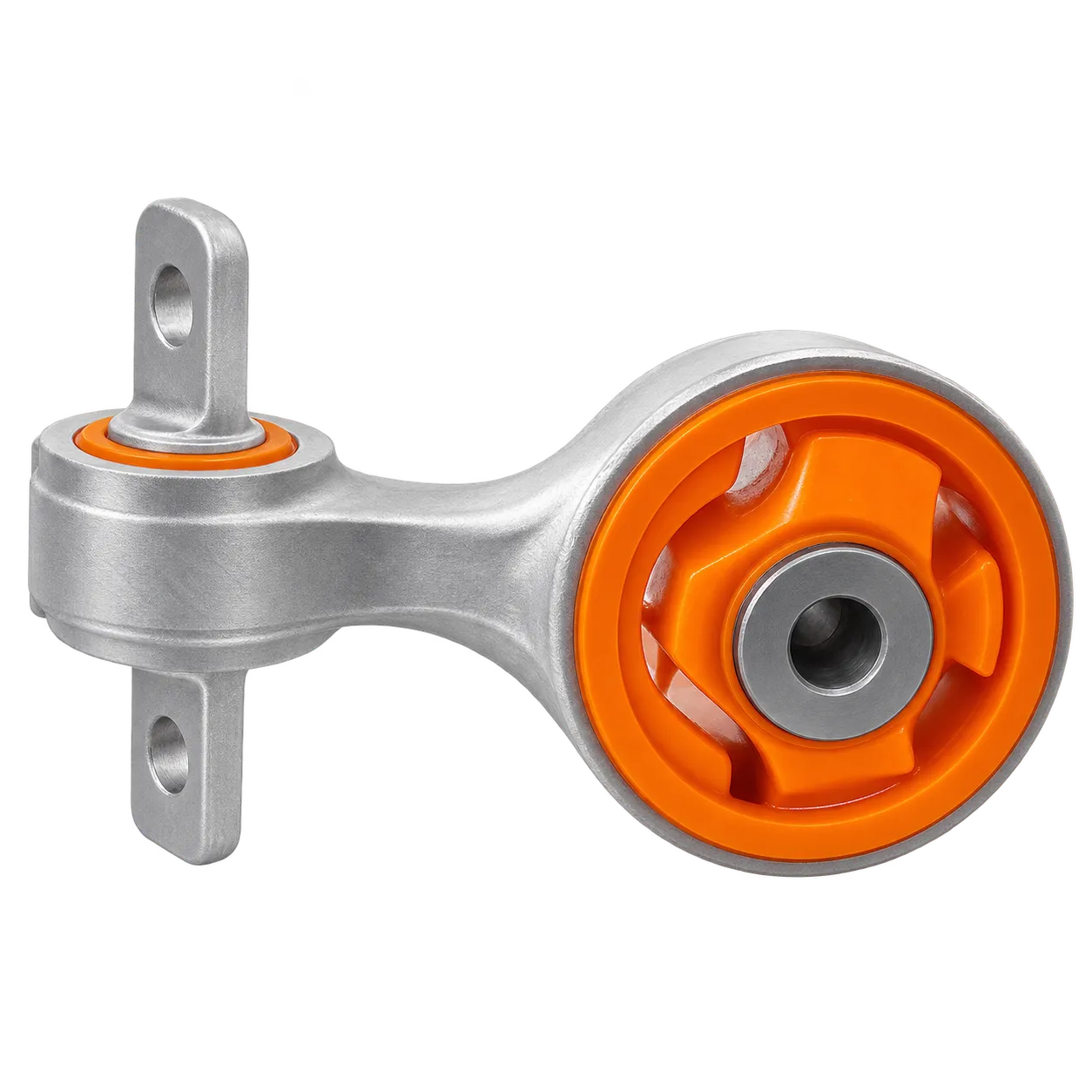
Polyurethane Engine and Transmission Mounts
Engine and transmission mounts hold the powertrain to the body or subframe, carry its weight and damp the vibration and torque reaction it produces. This section covers engine mounts, gearbox mounts, differential mounts and damper crankshaft pulleys. PolyPro casts them from polyurethane in its own moulds, for passenger cars, commercial vehicles and special machinery. The rest of the suspension and driveline range sits in the PolyPro catalogue.
What Engine and Transmission Mounts Are and How They Work
An engine mount is a flexible element between the powertrain bracket and the body or subframe. It carries the weight of the engine and gearbox, holds the assembly in its designed position and isolates the shell from the vibration produced by combustion pulses and rotating masses. Its second job is to absorb torque reaction: under acceleration and braking the engine tries to rotate about its own axis, and the mounts are what stop it from shifting.
In most layouts the powertrain rests on three or four points, and each mount works in its own direction: one mainly in compression, the others in shear and torsion. Transmission mounts — the gearbox mount and the differential mount — also take drive thrust and the shock that comes with load changes. The damper crankshaft pulley sits apart: it absorbs torsional vibration of the shaft itself and carries no weight.
Signs of Worn Engine and Transmission Mounts
Mount wear builds up slowly, so the driver gets used to the new vibration level and notices the fault late. The flexible element hardens, cracks or separates from the metal sleeve, the assembly sags, and the load moves onto the neighbouring mounting points.
- vibration at idle that carries into the steering wheel and gear lever
- a dull knock when pulling away, braking or changing gear
- the powertrain lurching or jumping when the throttle is snapped open
- cracks, delamination or torn-out chunks in the flexible element
- the assembly sitting low: misaligned pulleys and stretched hoses
- oil traces or fluid leaking from a hydraulic mount
Check on a lift: prise each mounting point with a bar to feel the play, then have someone load the engine briefly in gear — movement of a few millimetres means the flexible element is finished. Look at the brackets too, since cracked metal follows a collapsed mount.
Polyurethane or Rubber in Engine Mounts
Factory mounts are made from a rubber compound tuned first of all for comfort: it is soft and absorbs high-frequency vibration well, but it ages faster from heat, oil and ozone, and after a few seasons it takes a permanent set and sags. Polyurethane is denser, far more resistant to oil, fuel and temperature swings, deforms less under steady load and keeps the height of the mounting point through its service life.
In practice a polyurethane mount lets the powertrain move less: driveshaft angles stay where they should, gear changes feel cleaner and the lurch when the throttle is released disappears. The trade-off is slightly more vibration reaching the shell — barely noticeable on commercial vehicles and machinery, more of a question on a passenger car, where it depends on the durometer chosen. The Shore value is listed on each product page.
How to Choose Engine and Transmission Mounts
Selection starts from the assembly and its fitting dimensions, not from the vehicle name: mounts that look identical often differ in height, sleeve diameter and bolt spacing. There are four things to check.
By Assembly Type
Work out which element has actually failed. The mount under the engine carries the weight and the torque reaction — that is the engine mount. A gearbox mount works mainly in shear and takes the jolts of gear changes, so a collapsed one shows up as a knock when shifting rather than as idle vibration. Behind the rear axle or transfer case sits the differential mount, which absorbs driveline shock. The damper crankshaft pulley is separate again: it controls torsional vibration of the shaft and is not a mount at all. Replacing the wrong part will not remove the vibration.
By Fitting Dimensions
Remove the old mount and measure it before ordering: overall body size or outer sleeve diameter, height of the flexible section, stud diameter and length, centre-to-centre spacing of the fixing holes and the inner bush bore. Compare those figures with the product page. If the old part has broken up and there is nothing left to measure, work from the bracket and the seat in the body. For rare machinery PolyPro makes a mount to a drawing, a sample or a worn part, from one piece up. Check left and right mounts separately, as they often differ in height and seat angle.
By Durometer
Durometer is chosen for the duty cycle, not on the principle that harder is always better. A car used daily in town takes the softer option, so comfort is kept and no extra vibration is fed into the shell. A truck, a bus, special machinery or an engine with higher torque needs a denser polyurethane, otherwise the assembly shifts under drive and loads the driveshafts. The Shore value is listed on each product page — go by that figure, because the colour of the part says nothing about hardness. Keep the same grade across all mounting points, which matters most on a vehicle used in a mixed duty cycle.
By Operating Conditions
Take account of how the vehicle is used. Constant contact with oil and fuel, high under-bonnet temperatures, road salt and rough ground shorten the life of rubber mounts far faster than smooth tarmac does. On machines that pull away loaded, tow a trailer or run on unmade roads it makes sense to move to polyurethane at every mounting point at once: one new mount alongside three worn ones takes the bulk of the load and will not last. If the assembly is already out, changing all the mounts in one go saves a second strip-down. It is worth checking the brackets as well, because metal often cracks after a mount collapses.
Why Engine and Transmission Mounts Are Bought from PolyPro — Retail and Wholesale
PolyPro is the manufacturer, not a reseller: its own moulds, its own casting shop, dimensional control on site and sales without intermediaries. That means an engine mount reaches you without a chain of mark-ups, and its dimensions follow the drawing rather than the batch. The products carry a warranty. Retail is by the piece: you can order a single mount for one mounting point instead of a set. Non-standard parts are made to a drawing, a sample or a worn part, also from one piece up.
Wholesale is set up for workshops, parts shops, fleets and resellers. The partner programme gives bonuses on turnover or on the size of a single order, access to prices and stock levels, and shipment under the partner's own brand. International shipping is available.
Frequently Asked Questions
What is the difference between an engine mount and an engine cushion?
They are the same part: mount is the term used in manufacturer catalogues, while cushion or pillow is the workshop name. This section brings together every flexible mounting point of the powertrain and driveline: engine mounts, gearbox mounts, differential mounts and damper crankshaft pulleys.
How many mounts hold the powertrain?
It depends on the layout. On most passenger cars with a transverse engine there are three or four points for the engine and gearbox together, rear-wheel-drive layouts add a differential mount, and trucks and machinery use more points. Check the mounting diagram for the specific assembly.
Do all the mounts have to be replaced at once?
Technically one can be replaced on its own, but a new mount next to worn ones takes the larger share of the load and gives up sooner. If the mileage is the same at every point, it is more sensible to replace the set, so the assembly sits square and vibration does not move from one mount to the next.
Can polyurethane replace a hydraulic mount?
A polyurethane mount has no fluid chamber, so it works as a plain flexible element: it holds the assembly more precisely and cannot leak, but it damps high-frequency vibration differently from a hydraulic unit. On commercial vehicles and in hard service the swap makes sense; on a passenger car a softer grade is chosen.
How can mounts be checked without a lift?
Put the vehicle on the handbrake, select a gear and briefly raise the revs while watching the engine. Visible shifting or jumping of the assembly, a knock, or parts touching the body mean the flexible element has failed. Then inspect the mounts for cracks and for any fluid leak.
Which durometer should be chosen?
The Shore value is listed on each product page. For daily town driving the softer option is normal; for goods vehicles, special machinery and engines with higher torque a denser grade is used. Go by the duty cycle and the mass of the assembly rather than by the colour of the part.
Is it possible to buy a single mount rather than a set?
Yes, retail is by the piece, so one mount can be ordered for one mounting point. If the item you need is not in stock, PolyPro makes it to a drawing, a sample or a worn part, also from one piece up. The products carry a warranty, and international shipping is available.
What are the terms for workshops, parts shops and fleets?
Wholesale is available to workshops, parts shops, fleets and resellers. The partner programme gives bonuses on turnover or on the size of a single order, access to prices and stock levels, and shipment under the partner's brand. Terms are agreed individually.