
SKU: PP302657
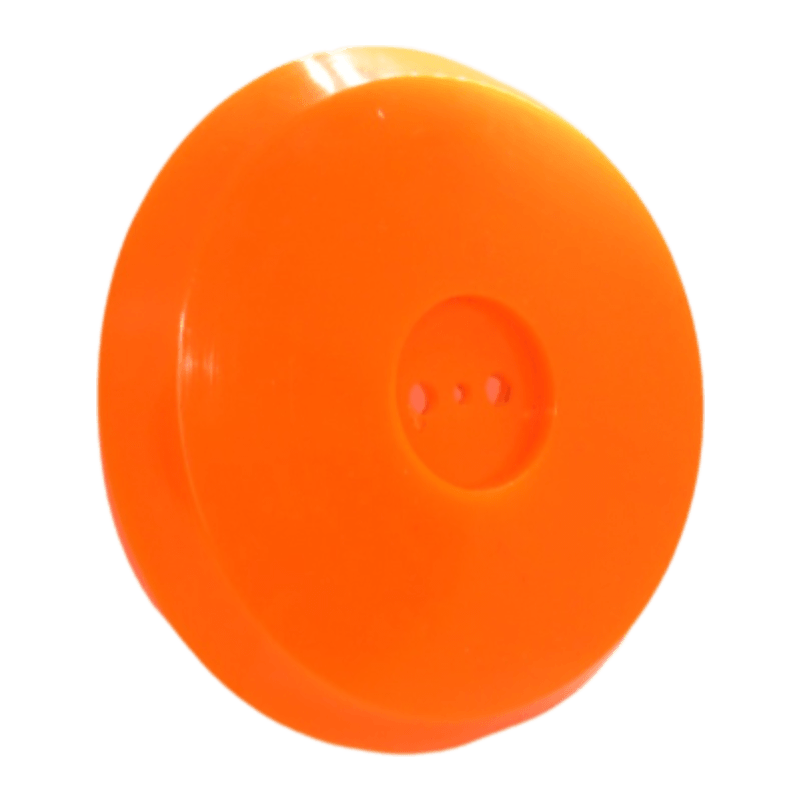
Polyurethane centrifugal plate for tumbling Аvalon PW-4
In stock15 pcs.$34.79Log in as dealer

Polyurethane centrifugal plate for tumbling Аvalon PW-4
In stock15 pcs.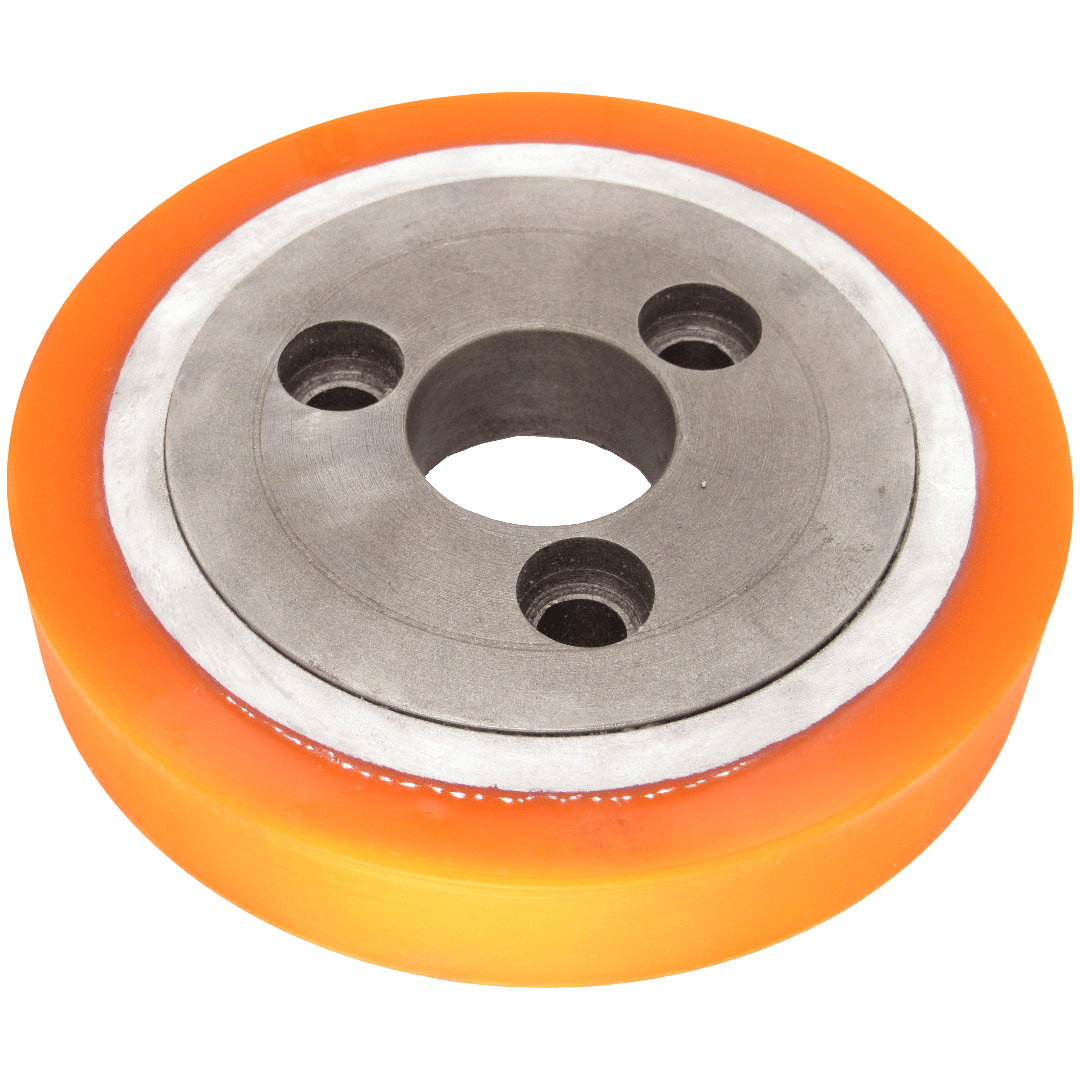
Polyurethane feed roller woodworking machine 140x35x25 RECONSTRUCTION OF YOUR
In stock15 pcs.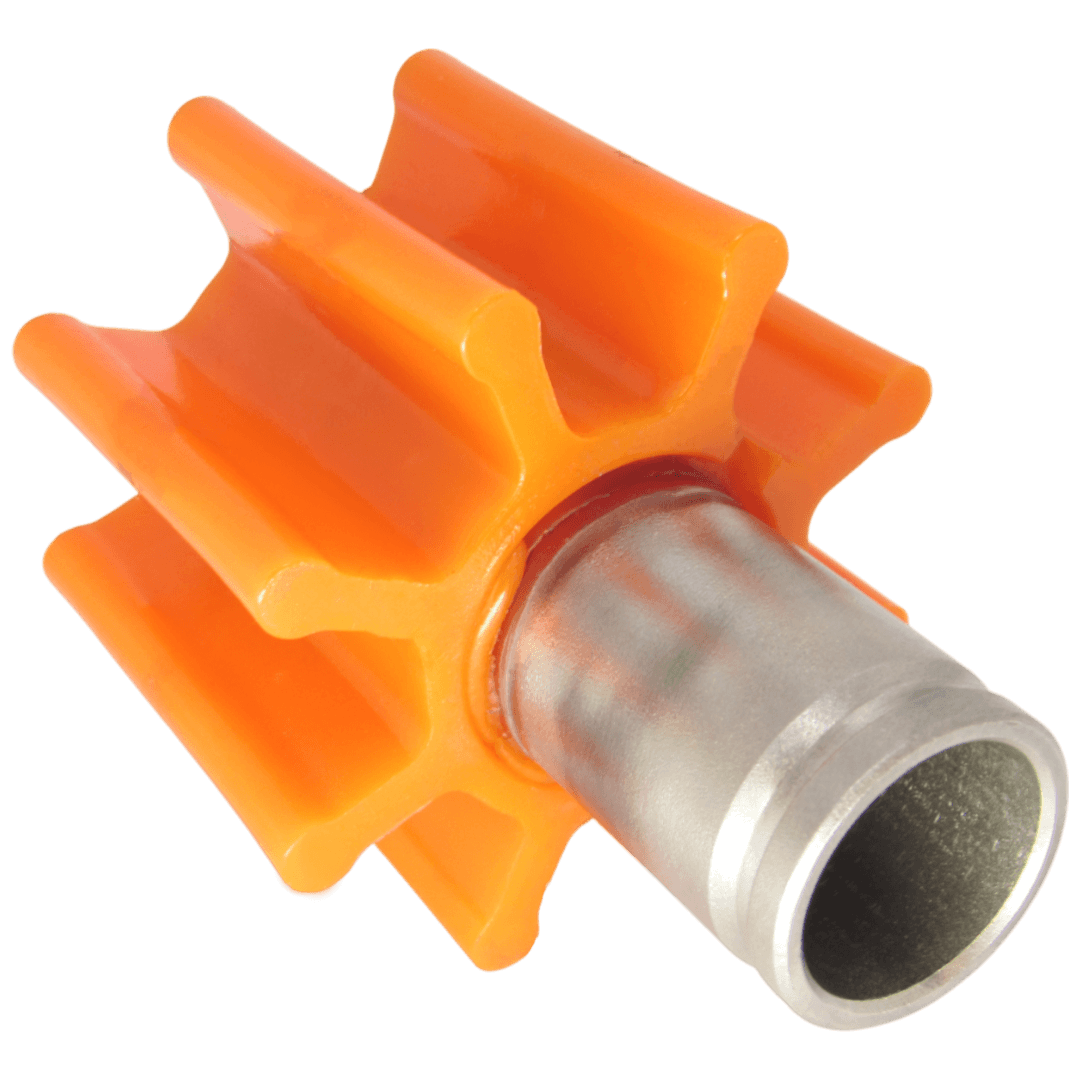
Polyurethane impeller Liverani 2000- 3173007
In stock15 pcs.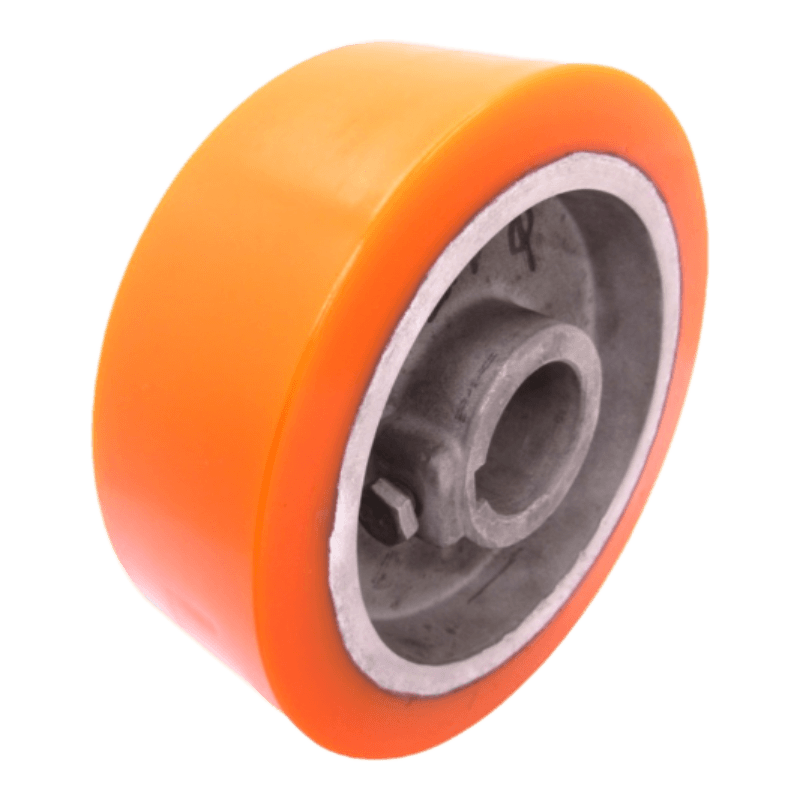
Polyurethane roller shaft woodworking machine Weinig Profimat 26 Super RECONSTRUCTION OF YOUR
In stock15 pcs.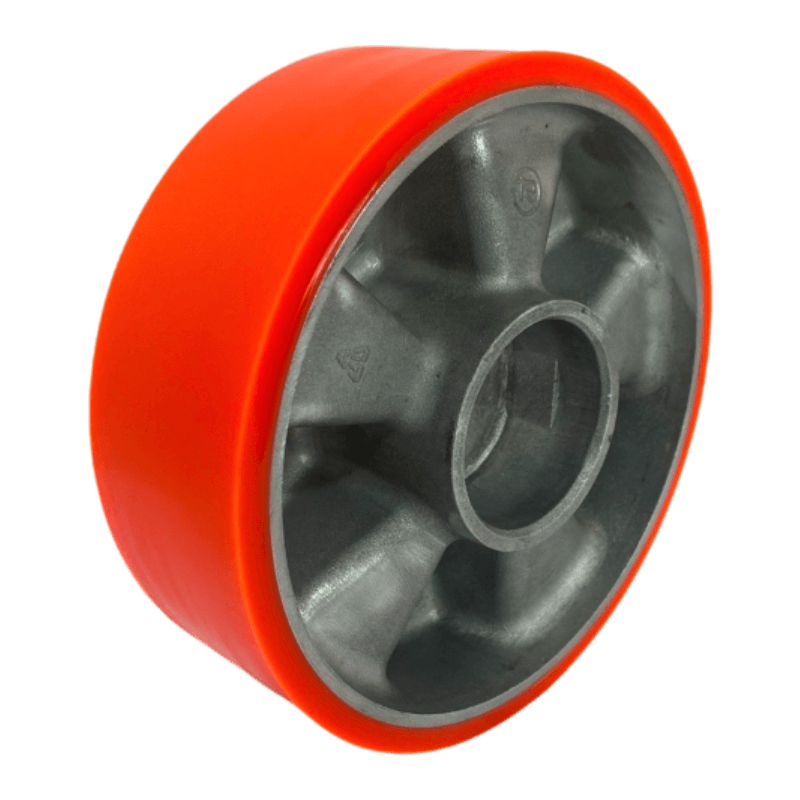
Polyurethane trolley wheel
In stock15 pcs.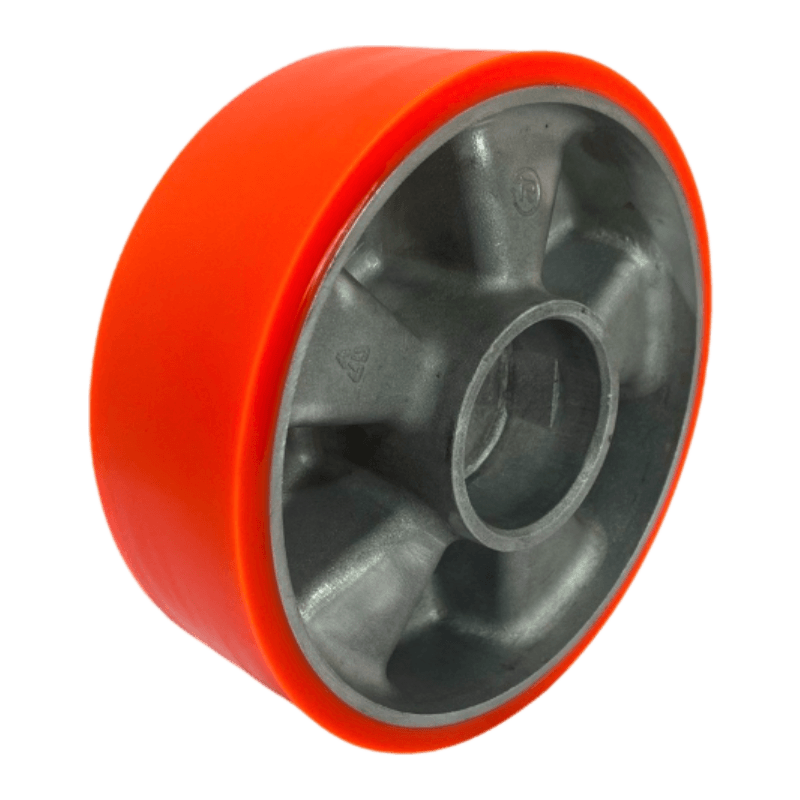
Polyurethane trolley wheel RECONSTRUCTION OF YOUR
In stock15 pcs.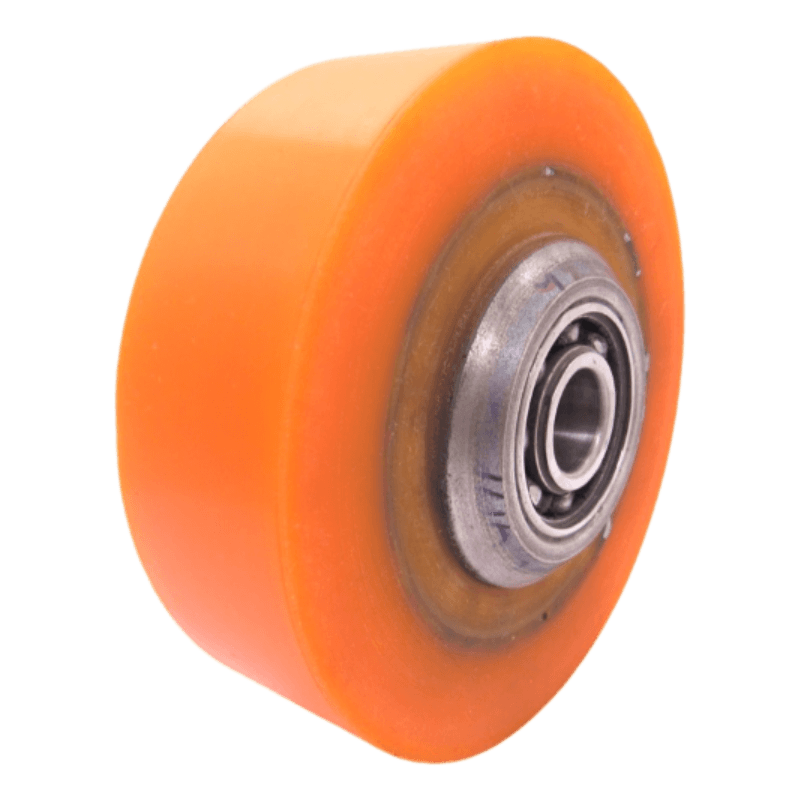
Polyurethane wheel for electric stacker RECONSTRUCTION OF YOUR
In stock15 pcs.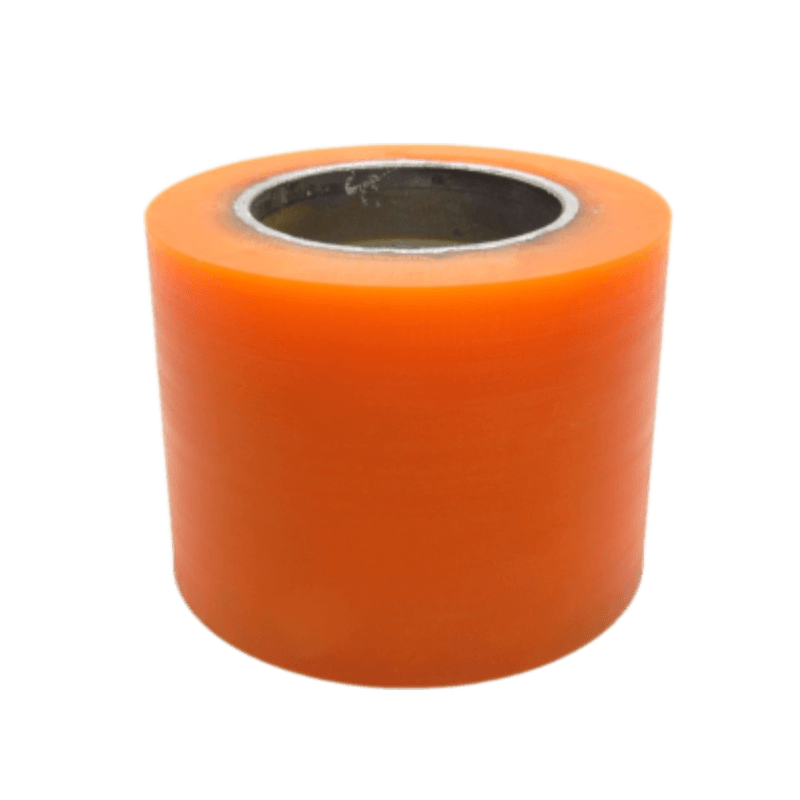
Polyurethane wheel for rockers 80mm RECONSTRUCTION OF YOUR
In stock15 pcs.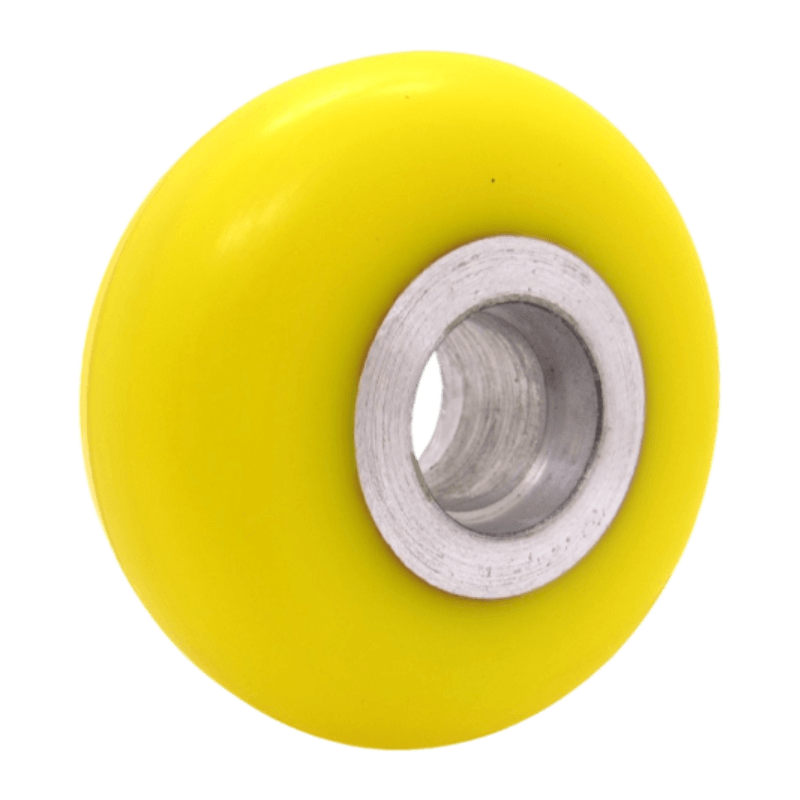
Polyurethane wheel for roller skates Ø - 72мм
In stock15 pcs.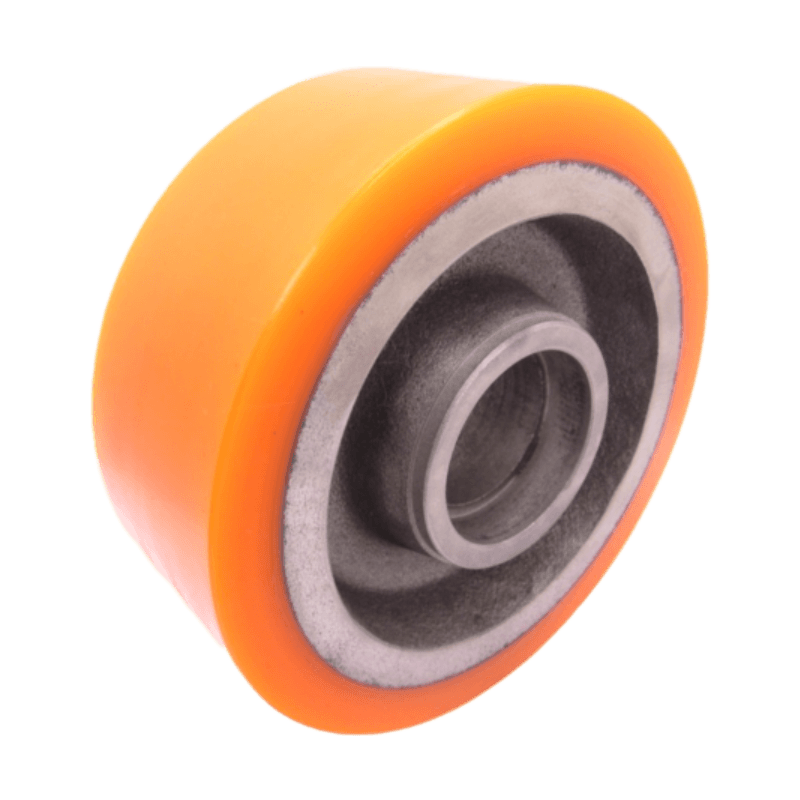
Polyurethane wheel for stacker Noblelift CG1646 RECONSTRUCTION OF YOUR
In stock15 pcs.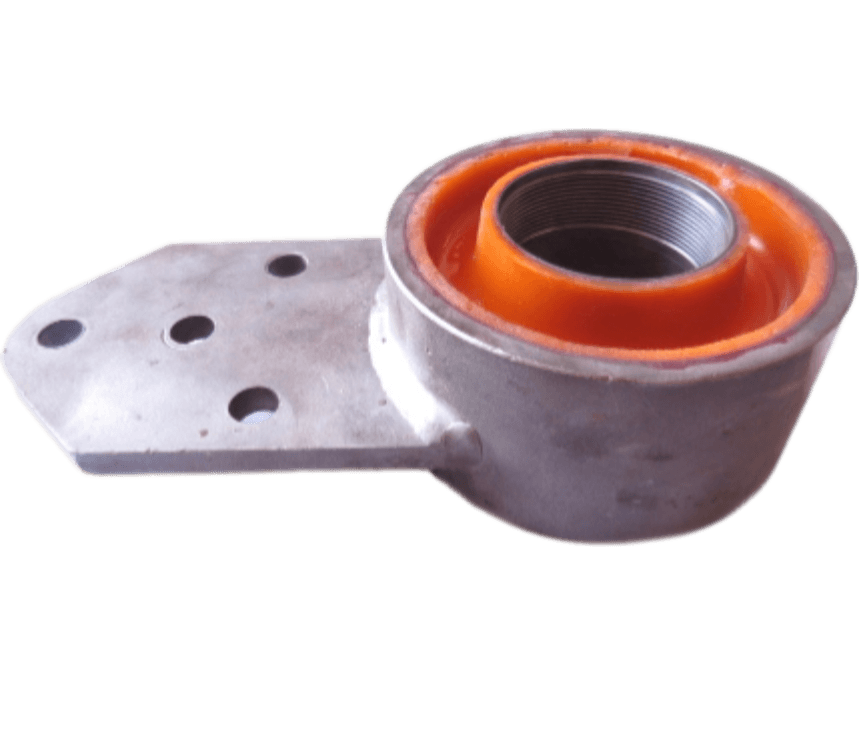
Polyurethane wheel hub for disc harrow Vaderstad RECONSTRUCTION OF YOUR
In stock15 pcs.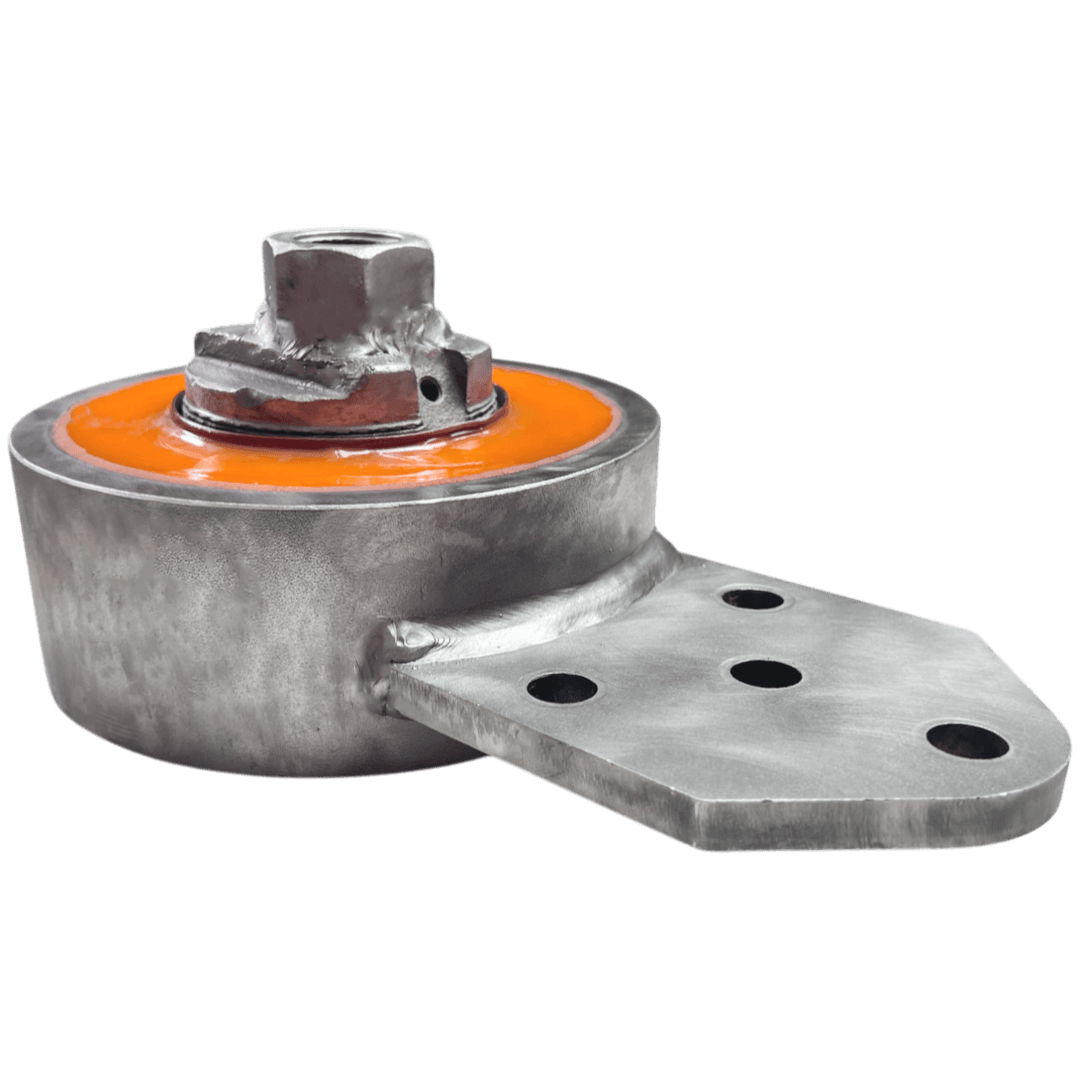
Polyurethane wheel hub for disc harrow Vaderstad d-50 RECONSTRUCTION OF YOUR
In stock15 pcs.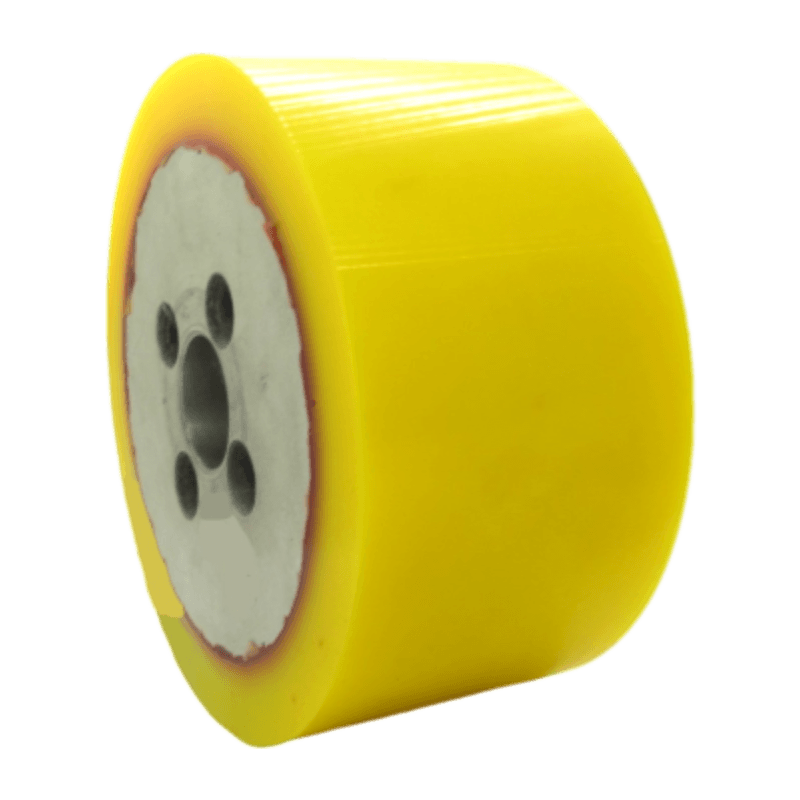
Roll for laboratory rice and millet huller Olis PR-1 RECONSTRUCTION OF YOUR
In stock15 pcs.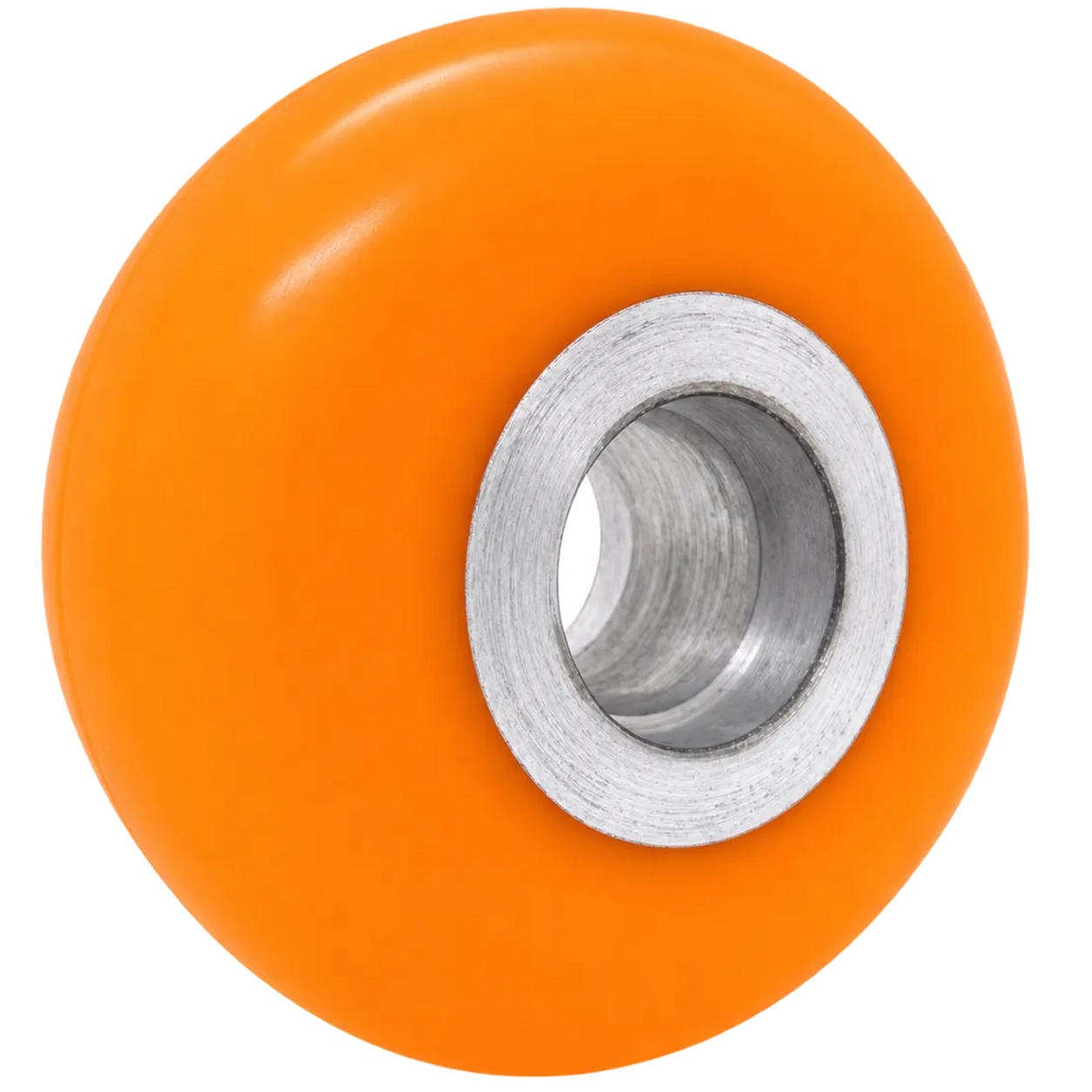
A polyurethane wheel is a roller with a cast polyurethane tread bonded to a hub made of steel, polyamide or cast iron. Such wheels run on hydraulic pallet trucks, platform and rack carts, tool trolleys and conveyor lines, where the tread works against concrete, tiles or a resin floor. We cast them in our own moulds and sell them without middlemen — as single units or in batches, for standard assemblies and for custom ones. See the rest of the range in the catalogue.
PU wheels have two parts: a load-bearing hub and a cast tread poured directly onto it. The bond between the layers is chemical, so the tread does not spin on the hub or peel off under a sharp start or a hard stop. The hub carries the load from the axle and the bearing, while the polyurethane works at the floor contact: it deflects slightly in the contact patch, rides over small debris and tile joints, and then returns to shape.
Unlike solid rubber, polyurethane combines high tear strength with low rolling resistance. A loaded cart is easier to break away from standstill and easier to steer through a turn, and the wheel sinks less on a soft floor. The material shrugs off oils, solvents and most technical fluids, leaves no black mark on a light floor, and holds its shape under a static load when the equipment stands loaded for a long time.
Polyurethane wears slowly and quietly, so wheels are often replaced only after they have started damaging the floor or the bearing. Look not only at tread thickness, but also at the mark on the floor, the noise and the effort at the cart handle.
Check the axle seat separately: a worn bore in the hub or play in the bearing will destroy a new tread within a few weeks.
A rubber wheel is softer and quieter on an uneven floor and absorbs impacts at joints and thresholds better. But rubber has higher rolling resistance, handles point loads worse, creeps under long standing and leaves a black mark on light flooring. Oils, fuel and solvents break it down quickly, and it stiffens in the cold.
Polyurethane tires carry a higher load for the same cross-section, deflect less under weight and last longer on abrasive concrete. The material resists oils and chemicals, does not stain the floor and keeps its elasticity in an unheated warehouse. The trade-off is harsher behaviour on rough ground: where the floor is broken, poly wheels pass impacts into the frame and run louder. For a level concrete or resin floor the choice is clear; for a damaged one it is a balance between service life and comfort.
Wheels are selected by four parameters: load per support, tread hardness, mounting type and working conditions. An error in any of them cuts service life several times over.
Take the full mass of the equipment together with its cargo and divide it by the number of supports. On a four-wheel cart not all four wheels actually carry at once: on an uneven floor the weight shifts onto three, so a safety margin of at least one and a half is normal practice. On pallet trucks the fork rollers and the steer wheels are calculated separately, because their duty cycles differ. Dynamic load is always lower than static: if the unit stands loaded for long periods, the tread must hold the weight without a permanent flat. The rated load per wheel is given in the product card.
Shore hardness decides how the wheel behaves under weight and over bumps. A softer tread has a wider contact patch, runs quieter and spares delicate flooring, but it sinks more and rolls harder under a load. A harder tread deflects less, gives low rolling resistance and a longer life on concrete, yet it passes impacts into the frame and is noisier over joints. The Shore value is stated in each product card — go by that figure rather than by the look of the material, since colour and transparency say nothing about hardness. Overloading a soft tread and over-hardening for a rough floor are the two most common selection errors.
The wheel itself sits on an axle inside a fork, while a complete assembly bolts on through a swivel or a fixed bracket. Three dimensions are needed for a replacement: wheel diameter, tread width and the bore diameter for the axle or bearing. Then check what sits inside: a plain through bushing, a roller bearing or a ball bearing. If you are replacing the whole unit, also compare the mounting plate or the threaded stem of the bracket. Swivel castors additionally carry a lock and a brake, matched to the existing mount. Measure the old wheel with a caliper instead of trusting a catalogue description: a worn tread is always under its nominal size.
For level concrete, resin floors and tiles take a harder tread: it rolls more easily and lasts longer. On a broken floor, thresholds and steel ramps a softer tread wins, because it absorbs impacts and protects the bearing. Account for the environment as well: constant contact with oils, cleaning solutions or fuel, work in a cold store or an unheated warehouse, wet cleaning. Polyurethane handles cold and chemicals better than rubber, but the hub material is matched to the duty cycle too. For wash-down areas and wet cleaning, check the bearing type inside the assembly and its protection against water.
PolyPro is a manufacturer, not a reseller: our own moulds, our own casting shop and dimensional control at the output, so the geometry of the seat repeats from batch to batch. We sell without middlemen — single units at retail and full batches alike. If the size you need is not in stock, the wheel is produced from a drawing, a sample or a worn part, starting from one piece. Our products carry a warranty; delivery covers Ukraine, with international shipping available.
For workshops, parts shops, fleets and resellers we run a partner programme with bonuses for turnover or single-order volume and access to prices and stock levels. Volumes and the item list are agreed separately, and repeat orders run on dimensions already on file.
They carry a higher load for the same cross-section, deflect less under weight and give lower rolling resistance, so a loaded cart is easier to move off. Polyurethane stands up to oils, fuel and cleaning chemicals better, leaves no black mark on a light floor and lasts longer on abrasive concrete. Rubber only wins on comfort over a broken floor.
Start from the floor and the load. Level concrete, tiles, resin floors and heavy weights call for a harder tread: lower rolling resistance and a longer life. A broken floor, thresholds, ramps, a quiet zone or delicate flooring call for a softer one. The exact Shore value is stated in each product card, so use that figure when comparing options.
Yes, this is one of their main applications. Fork rollers and steer wheels are calculated separately, though: they see different loads, different seat dimensions and a different bearing type. Before ordering, measure the diameter, the tread width and the axle bore, and check whether the seat in the fork itself has been worn out of shape.
Polyurethane does not stain flooring the way black rubber does, so rolling alone leaves no dark streak. Marks appear for other reasons: a locked wheel dragged along the floor, sand and metal swarf pressed into the tread, or a bare hub once the tread layer is fully worn. In those cases the wheel is replaced rather than cleaned.
It keeps its elasticity in an unheated warehouse or a cold store better than rubber, which stiffens and cracks in frost. The material resists oils, fuel, solvents and most detergents, which suits workshops and wash-down areas. If the duty cycle is aggressive all the time, mention it when you are selecting a size.
Yes. A non-standard size, a different tread profile or a bore matched to your axle can be produced from a drawing, a sample or a worn part, starting from a single piece. That is our made-to-order line: send the dimensions or bring the old part in for measurement.
Yes, we sell by the piece, with no minimum batch. You can take one wheel as a replacement or a full set for a cart. Non-standard items made from a drawing or a sample also start from one piece. Shore hardness and the rated load are listed in the product card, so you can match a replacement before placing the order.
Wholesale covers workshops, spare parts shops, fleets and resellers. The terms are arranged through our partner programme: bonuses for turnover or single-order volume, access to prices and stock levels, and shipment under the partner's own brand. As we are the manufacturer, a batch is quoted without middlemen.