
 Опора карданного валу (підвісний підшипник)

Polyurethane driveshaft supports and couplings
- Опора карданного валу (підвісний підшипник)
 Flexible coupling of the cardan shaft
- Polyurethane bushing for cardan shaft Cadillac Cts 2014-
 SKU: PP302482
Polyurethane bushing for cardan shaft Cadillac Cts 2014-
In stock15 pcs.$21.8Log in as dealer - Polyurethane bushing for outboard bearing arm Chevrolet Chevette 1976-1987
 SKU: PP202473
Polyurethane bushing for outboard bearing arm Chevrolet Chevette 1976-1987
In stock15 pcs.$15.54Log in as dealer - Polyurethane bushing for outboard bearing arm Opel Ascona 1975-1981SKU: PP202473
Polyurethane bushing for outboard bearing arm Opel Ascona 1975-1981
In stock15 pcs.$15.54Log in as dealer - Polyurethane bushing for outboard bearing arm Opel Manta 1975-1988SKU: PP202473
Polyurethane bushing for outboard bearing arm Opel Manta 1975-1988
In stock15 pcs.$15.54Log in as dealer - Polyurethane bushing of the propshaft Maz 543 1962-
 SKU: PP303107
Polyurethane bushing of the propshaft Maz 543 1962-
In stock15 pcs.$16.47Log in as dealer - Polyurethane bushing of the propshaft Maz 7310 1962-SKU: PP303107
Polyurethane bushing of the propshaft Maz 7310 1962-
In stock15 pcs.$16.47Log in as dealer - Polyurethane spline coupling Case IH REPLACEABLE BUSHING BLOCK
 SKU: PP103721
Polyurethane spline coupling Case IH REPLACEABLE BUSHING BLOCK
In stock15 pcs.$13.91Log in as dealer - Polyurethane outboard bearing for driveshaft Audi Q3 2019- REPLACEABLE BUSHING
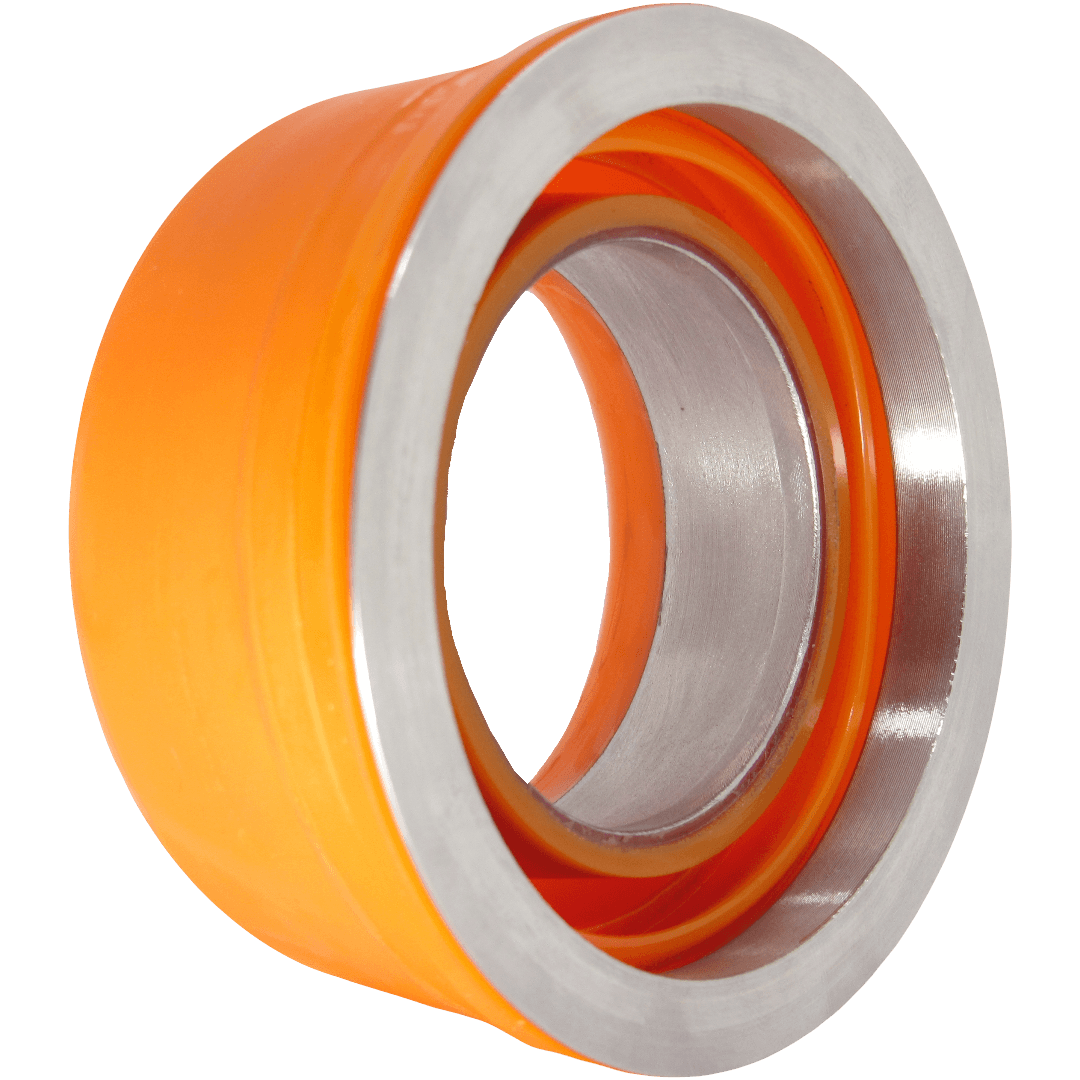 SKU: PP104203
Polyurethane outboard bearing for driveshaft Audi Q3 2019- REPLACEABLE BUSHING
In stock15 pcs.$93.69Log in as dealer - Polyurethane outboard bearing for driveshaft Land Rover Freelander 1997-2006 REPLACEABLE INSERT
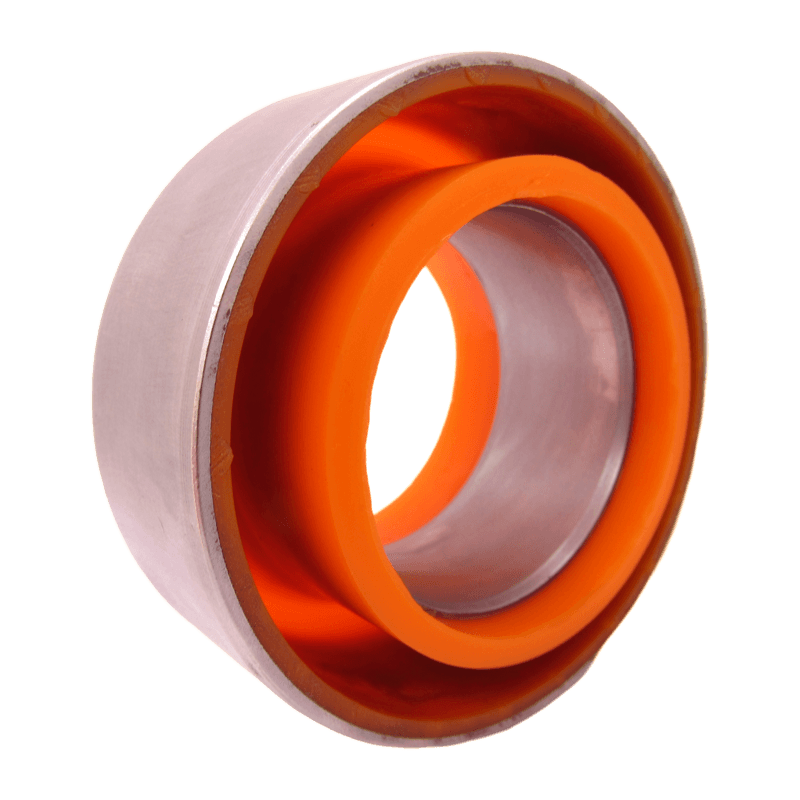 SKU: PP202273
Polyurethane outboard bearing for driveshaft Land Rover Freelander 1997-2006 REPLACEABLE INSERT
In stock15 pcs.$51.48Log in as dealer - Polyurethane outboard bearing for driveshaft Seat Tarraco 2018- REPLACEABLE BUSHINGSKU: PP104203
Polyurethane outboard bearing for driveshaft Seat Tarraco 2018- REPLACEABLE BUSHING
In stock15 pcs.$93.69Log in as dealer - Polyurethane outboard bearing for driveshaft Skoda Kodiaq 2017- REPLACEABLE BUSHINGSKU: PP104203
Polyurethane outboard bearing for driveshaft Skoda Kodiaq 2017- REPLACEABLE BUSHING
In stock15 pcs.$93.69Log in as dealer - Polyurethane outboard bearing for driveshaft Volkswagen Tiguan 2015- REPLACEABLE BUSHINGSKU: PP104203
Polyurethane outboard bearing for driveshaft Volkswagen Tiguan 2015- REPLACEABLE BUSHING
In stock15 pcs.$93.69Log in as dealer - Polyurethane outboard bearing for driveshaft rear Merсedes Sprinter 2006- REPLACEABLE BUSHING
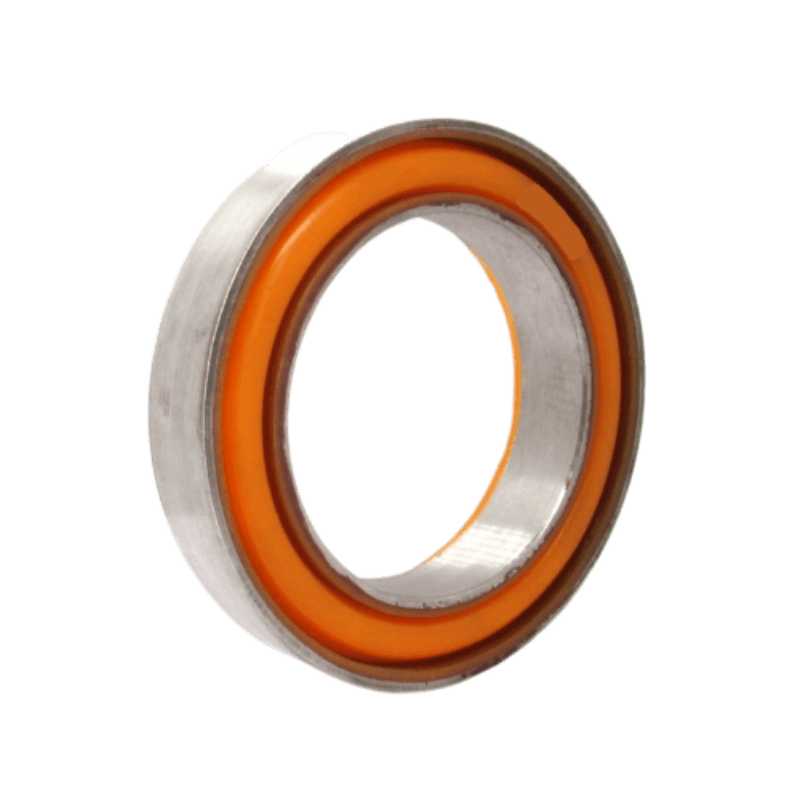 SKU: PP202280
Polyurethane outboard bearing for driveshaft rear Merсedes Sprinter 2006- REPLACEABLE BUSHING
In stock15 pcs.$51.48Log in as dealer - Polyurethane outboard bearing for driveshaft rear Volkswagen Crafter 2006-2016 REPLACEABLE BUSHINGSKU: PP202280
Polyurethane outboard bearing for driveshaft rear Volkswagen Crafter 2006-2016 REPLACEABLE BUSHING
In stock15 pcs.$51.48Log in as dealer - Polyurethane outboard bearing of the cordan shaft Ssang Yong Actyon 2012- REPLACEABLE BUSHING
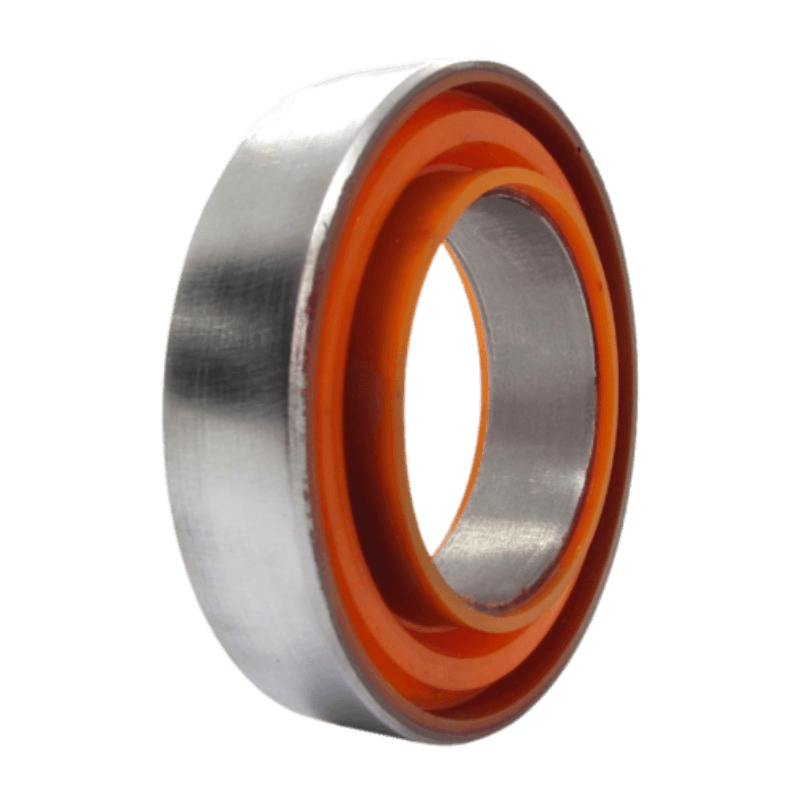 SKU: PP104799
Polyurethane outboard bearing of the cordan shaft Ssang Yong Actyon 2012- REPLACEABLE BUSHING
In stock15 pcs.$51.48Log in as dealer - Polyurethane outboard bearing of the cordan shaft Ssang Yong Korando 2010- REPLACEABLE BUSHINGSKU: PP104799
Polyurethane outboard bearing of the cordan shaft Ssang Yong Korando 2010- REPLACEABLE BUSHING
In stock15 pcs.$51.48Log in as dealer - Polyurethane outboard bearing of the cordan shaft Ssang Yong Rodius 2013- REPLACEABLE BUSHINGSKU: PP104799
Polyurethane outboard bearing of the cordan shaft Ssang Yong Rodius 2013- REPLACEABLE BUSHING
In stock15 pcs.$51.48Log in as dealer - Polyurethane propeller shaft support Bmw E10 1966-1977 REPLACEABLE BUSHING
 SKU: PP302352
Polyurethane propeller shaft support Bmw E10 1966-1977 REPLACEABLE BUSHING
In stock15 pcs.$54.04Log in as dealer - Polyurethane propeller shaft support Bmw E12 1972-1981 REPLACEABLE BUSHINGSKU: PP302352
Polyurethane propeller shaft support Bmw E12 1972-1981 REPLACEABLE BUSHING
In stock15 pcs.$54.04Log in as dealer - Polyurethane propeller shaft support Bmw E21 1975-1983 REPLACEABLE BUSHINGSKU: PP302352
Polyurethane propeller shaft support Bmw E21 1975-1983 REPLACEABLE BUSHING
In stock15 pcs.$54.04Log in as dealer - Polyurethane propeller shaft support Bmw E23 1976-1986 REPLACEABLE BUSHINGSKU: PP302352
Polyurethane propeller shaft support Bmw E23 1976-1986 REPLACEABLE BUSHING
In stock15 pcs.$54.04Log in as dealer - Polyurethane propeller shaft support Bmw E24 1976-1989 REPLACEABLE BUSHINGSKU: PP302352
Polyurethane propeller shaft support Bmw E24 1976-1989 REPLACEABLE BUSHING
In stock15 pcs.$54.04Log in as dealer - Polyurethane propeller shaft support Bmw E28 1981-1987 REPLACEABLE BUSHINGSKU: PP302352
Polyurethane propeller shaft support Bmw E28 1981-1987 REPLACEABLE BUSHING
In stock15 pcs.$54.04Log in as dealer - Polyurethane propeller shaft support Bmw E30 1982-1994 REPLACEABLE BUSHINGSKU: PP302352
Polyurethane propeller shaft support Bmw E30 1982-1994 REPLACEABLE BUSHING
In stock15 pcs.$54.04Log in as dealer - Polyurethane propeller shaft support Bmw E31 1989-1999 REPLACEABLE BUSHINGSKU: PP302352
Polyurethane propeller shaft support Bmw E31 1989-1999 REPLACEABLE BUSHING
In stock15 pcs.$54.04Log in as dealer - Polyurethane propeller shaft support Bmw E32 1987-1994 REPLACEABLE BUSHINGSKU: PP302352
Polyurethane propeller shaft support Bmw E32 1987-1994 REPLACEABLE BUSHING
In stock15 pcs.$54.04Log in as dealer - Polyurethane propeller shaft support Bmw E34 1987-1995 REPLACEABLE BUSHINGSKU: PP302352
Polyurethane propeller shaft support Bmw E34 1987-1995 REPLACEABLE BUSHING
In stock15 pcs.$54.04Log in as dealer - Polyurethane propeller shaft support Bmw E36 1990-2001 REPLACEABLE BUSHINGSKU: PP302352
Polyurethane propeller shaft support Bmw E36 1990-2001 REPLACEABLE BUSHING
In stock15 pcs.$54.04Log in as dealer - Polyurethane propeller shaft support Bmw E38 1994-2001 REPLACEABLE BUSHINGSKU: PP302352
Polyurethane propeller shaft support Bmw E38 1994-2001 REPLACEABLE BUSHING
In stock15 pcs.$54.04Log in as dealer - Polyurethane propeller shaft support Bmw E39 1995-2003 REPLACEABLE BUSHINGSKU: PP302352
Polyurethane propeller shaft support Bmw E39 1995-2003 REPLACEABLE BUSHING
In stock15 pcs.$54.04Log in as dealer - Polyurethane propeller shaft support Bmw E46 1998-2006 REPLACEABLE BUSHINGSKU: PP302352
Polyurethane propeller shaft support Bmw E46 1998-2006 REPLACEABLE BUSHING
In stock15 pcs.$54.04Log in as dealer - Polyurethane propeller shaft support Bmw E6 1971-1975 REPLACEABLE BUSHINGSKU: PP302352
Polyurethane propeller shaft support Bmw E6 1971-1975 REPLACEABLE BUSHING
In stock15 pcs.$54.04Log in as dealer - Polyurethane propeller shaft support Bmw E60 2003-2010 REPLACEABLE BUSHINGSKU: PP302352
Polyurethane propeller shaft support Bmw E60 2003-2010 REPLACEABLE BUSHING
In stock15 pcs.$54.04Log in as dealer - Polyurethane propeller shaft support Bmw E61 2003-2010 REPLACEABLE BUSHINGSKU: PP302352
Polyurethane propeller shaft support Bmw E61 2003-2010 REPLACEABLE BUSHING
In stock15 pcs.$54.04Log in as dealer - Polyurethane propeller shaft support Bmw E63 2005-2010 REPLACEABLE BUSHINGSKU: PP302352
Polyurethane propeller shaft support Bmw E63 2005-2010 REPLACEABLE BUSHING
In stock15 pcs.$54.04Log in as dealer - Polyurethane propeller shaft support Bmw E64 2005-2010 REPLACEABLE BUSHINGSKU: PP302352
Polyurethane propeller shaft support Bmw E64 2005-2010 REPLACEABLE BUSHING
In stock15 pcs.$54.04Log in as dealer - Polyurethane propeller shaft support Bmw E65 2002-2009 REPLACEABLE BUSHINGSKU: PP302352
Polyurethane propeller shaft support Bmw E65 2002-2009 REPLACEABLE BUSHING
In stock15 pcs.$54.04Log in as dealer - Polyurethane propeller shaft support Bmw E66 2002-2009 REPLACEABLE BUSHINGSKU: PP302352
Polyurethane propeller shaft support Bmw E66 2002-2009 REPLACEABLE BUSHING
In stock15 pcs.$54.04Log in as dealer - Polyurethane propeller shaft support Bmw E67 2002-2009 REPLACEABLE BUSHINGSKU: PP302352
Polyurethane propeller shaft support Bmw E67 2002-2009 REPLACEABLE BUSHING
In stock15 pcs.$54.04Log in as dealer - Polyurethane propeller shaft support Bmw E70 2006-2013 REPLACEABLE BUSHINGSKU: PP302352
Polyurethane propeller shaft support Bmw E70 2006-2013 REPLACEABLE BUSHING
In stock15 pcs.$54.04Log in as dealer - Polyurethane propeller shaft support Bmw E71 2008-2012 REPLACEABLE BUSHINGSKU: PP302352
Polyurethane propeller shaft support Bmw E71 2008-2012 REPLACEABLE BUSHING
In stock15 pcs.$54.04Log in as dealer - Polyurethane propeller shaft support Bmw E72 2008-2012 REPLACEABLE BUSHINGSKU: PP302352
Polyurethane propeller shaft support Bmw E72 2008-2012 REPLACEABLE BUSHING
In stock15 pcs.$54.04Log in as dealer - Polyurethane propeller shaft support Bmw E81 2004-2011 REPLACEABLE BUSHINGSKU: PP302352
Polyurethane propeller shaft support Bmw E81 2004-2011 REPLACEABLE BUSHING
In stock15 pcs.$54.04Log in as dealer - Polyurethane propeller shaft support Bmw E82 2004-2011 REPLACEABLE BUSHINGSKU: PP302352
Polyurethane propeller shaft support Bmw E82 2004-2011 REPLACEABLE BUSHING
In stock15 pcs.$54.04Log in as dealer - Polyurethane propeller shaft support Bmw E83 2003-2011 REPLACEABLE BUSHINGSKU: PP302352
Polyurethane propeller shaft support Bmw E83 2003-2011 REPLACEABLE BUSHING
In stock15 pcs.$54.04Log in as dealer - Polyurethane propeller shaft support Bmw E84 2008-2015 REPLACEABLE BUSHINGSKU: PP302352
Polyurethane propeller shaft support Bmw E84 2008-2015 REPLACEABLE BUSHING
In stock15 pcs.$54.04Log in as dealer - Polyurethane propeller shaft support Bmw E85 2002-2008 REPLACEABLE BUSHINGSKU: PP302352
Polyurethane propeller shaft support Bmw E85 2002-2008 REPLACEABLE BUSHING
In stock15 pcs.$54.04Log in as dealer - Polyurethane propeller shaft support Bmw E86 2002-2008 REPLACEABLE BUSHINGSKU: PP302352
Polyurethane propeller shaft support Bmw E86 2002-2008 REPLACEABLE BUSHING
In stock15 pcs.$54.04Log in as dealer - Polyurethane propeller shaft support Bmw E88 2004-2011 REPLACEABLE BUSHINGSKU: PP302352
Polyurethane propeller shaft support Bmw E88 2004-2011 REPLACEABLE BUSHING
In stock15 pcs.$54.04Log in as dealer - Polyurethane propeller shaft support Bmw E89 2009-2016 REPLACEABLE BUSHINGSKU: PP302352
Polyurethane propeller shaft support Bmw E89 2009-2016 REPLACEABLE BUSHING
In stock15 pcs.$54.04Log in as dealer - Polyurethane propeller shaft support Bmw E90 2002-2012 REPLACEABLE BUSHINGSKU: PP302352
Polyurethane propeller shaft support Bmw E90 2002-2012 REPLACEABLE BUSHING
In stock15 pcs.$54.04Log in as dealer - Polyurethane propeller shaft support Bmw E91 2002-2012 REPLACEABLE BUSHINGSKU: PP302352
Polyurethane propeller shaft support Bmw E91 2002-2012 REPLACEABLE BUSHING
In stock15 pcs.$54.04Log in as dealer - Polyurethane propeller shaft support Bmw E92 2002-2012 REPLACEABLE BUSHINGSKU: PP302352
Polyurethane propeller shaft support Bmw E92 2002-2012 REPLACEABLE BUSHING
In stock15 pcs.$54.04Log in as dealer - Polyurethane propeller shaft support Bmw E93 2002-2012 REPLACEABLE BUSHINGSKU: PP302352
Polyurethane propeller shaft support Bmw E93 2002-2012 REPLACEABLE BUSHING
In stock15 pcs.$54.04Log in as dealer - Polyurethane propeller shaft support Bmw F01 2009-2015 REPLACEABLE BUSHINGSKU: PP302352
Polyurethane propeller shaft support Bmw F01 2009-2015 REPLACEABLE BUSHING
In stock15 pcs.$54.04Log in as dealer - Polyurethane propeller shaft support Bmw F02 2009-2015 REPLACEABLE BUSHINGSKU: PP302352
Polyurethane propeller shaft support Bmw F02 2009-2015 REPLACEABLE BUSHING
In stock15 pcs.$54.04Log in as dealer - Polyurethane propeller shaft support Bmw F03 2009-2015 REPLACEABLE BUSHINGSKU: PP302352
Polyurethane propeller shaft support Bmw F03 2009-2015 REPLACEABLE BUSHING
In stock15 pcs.$54.04Log in as dealer - Polyurethane propeller shaft support Bmw F04 2009-2015 REPLACEABLE BUSHINGSKU: PP302352
Polyurethane propeller shaft support Bmw F04 2009-2015 REPLACEABLE BUSHING
In stock15 pcs.$54.04Log in as dealer - Polyurethane propeller shaft support Bmw F11 2010-2017 REPLACEABLE BUSHINGSKU: PP302352
Polyurethane propeller shaft support Bmw F11 2010-2017 REPLACEABLE BUSHING
In stock15 pcs.$54.04Log in as dealer - Polyurethane propeller shaft support Bmw F20 2011- REPLACEABLE BUSHINGSKU: PP302352
Polyurethane propeller shaft support Bmw F20 2011- REPLACEABLE BUSHING
In stock15 pcs.$54.04Log in as dealer - Polyurethane propeller shaft support Bmw F25 2010-2014 REPLACEABLE BUSHINGSKU: PP302352
Polyurethane propeller shaft support Bmw F25 2010-2014 REPLACEABLE BUSHING
In stock15 pcs.$54.04Log in as dealer - Polyurethane propeller shaft support Bmw Z1 1988-1991 REPLACEABLE BUSHINGSKU: PP302352
Polyurethane propeller shaft support Bmw Z1 1988-1991 REPLACEABLE BUSHING
In stock15 pcs.$54.04Log in as dealer - Polyurethane propeller shaft support Bmw Z3 1995-2003 REPLACEABLE BUSHINGSKU: PP302352
Polyurethane propeller shaft support Bmw Z3 1995-2003 REPLACEABLE BUSHING
In stock15 pcs.$54.04Log in as dealer - Polyurethane propeller shaft support Bmw Z4 2002-2008 REPLACEABLE BUSHINGSKU: PP302352
Polyurethane propeller shaft support Bmw Z4 2002-2008 REPLACEABLE BUSHING
In stock15 pcs.$54.04Log in as dealer - Polyurethane propeller shaft support Daihatsu Terios 2005- REPLACEABLE BUSHING
 SKU: PP104798
Polyurethane propeller shaft support Daihatsu Terios 2005- REPLACEABLE BUSHING
In stock15 pcs.$51.48Log in as dealer - Polyurethane propeller shaft support GAZ 3102 1981-2008 REPLACEABLE BUSHING
 SKU: PP102983
Polyurethane propeller shaft support GAZ 3102 1981-2008 REPLACEABLE BUSHING
In stock15 pcs.$42.9Log in as dealer - Polyurethane propshaft support Bmw E46 1998-2006 REPLACEABLE BUSHING
 SKU: PP103998
Polyurethane propshaft support Bmw E46 1998-2006 REPLACEABLE BUSHING
In stock15 pcs.$48.7Log in as dealer - Polyurethane propshaft support Bmw E46 1998-2006 REPLACEABLE BUSHING HARDNESS
 SKU: PP104000
Polyurethane propshaft support Bmw E46 1998-2006 REPLACEABLE BUSHING HARDNESS
In stock15 pcs.$63.78Log in as dealer - Polyurethane propshaft support Bmw E60 2003-2010 REMOVABLE BUSH
 SKU: PP103808
Polyurethane propshaft support Bmw E60 2003-2010 REMOVABLE BUSH
In stock15 pcs.$48.7Log in as dealer - Polyurethane propshaft support Bmw E61 2003-2010 REMOVABLE BUSHSKU: PP103808
Polyurethane propshaft support Bmw E61 2003-2010 REMOVABLE BUSH
In stock15 pcs.$48.7Log in as dealer - Polyurethane propshaft support Bmw E63 2005-2010 REMOVABLE BUSHSKU: PP103808
Polyurethane propshaft support Bmw E63 2005-2010 REMOVABLE BUSH
In stock15 pcs.$48.7Log in as dealer - Polyurethane propshaft support Bmw E64 2005-2010 REMOVABLE BUSHSKU: PP103808
Polyurethane propshaft support Bmw E64 2005-2010 REMOVABLE BUSH
In stock15 pcs.$48.7Log in as dealer - Polyurethane propshaft support Bmw E83 2003-2010 REMOVABLE BUSHSKU: PP103808
Polyurethane propshaft support Bmw E83 2003-2010 REMOVABLE BUSH
In stock15 pcs.$48.7Log in as dealer - Polyurethane propshaft support Mercedes-Benz 107 1971-1989 HARDNESS REPLACEABLE BUSHING
 SKU: PP303194
Polyurethane propshaft support Mercedes-Benz 107 1971-1989 HARDNESS REPLACEABLE BUSHING
In stock15 pcs.$61.69Log in as dealer - Polyurethane propshaft support Mercedes-Benz 107 1971-1989 REPLACEABLE BUSHING
 SKU: PP303192
Polyurethane propshaft support Mercedes-Benz 107 1971-1989 REPLACEABLE BUSHING
In stock15 pcs.$47.31Log in as dealer - Polyurethane propshaft support Mercedes-Benz 123 1975-1986 REPLACEABLE BUSHING
 SKU: PP303892
Polyurethane propshaft support Mercedes-Benz 123 1975-1986 REPLACEABLE BUSHING
In stock15 pcs.$46.38Log in as dealer - Polyurethane propshaft support Mercedes-Benz 124 1984-1997 HARDNESS REPLACEABLE BUSHINGSKU: PP303194
Polyurethane propshaft support Mercedes-Benz 124 1984-1997 HARDNESS REPLACEABLE BUSHING
In stock15 pcs.$61.69Log in as dealer - Polyurethane propshaft support Mercedes-Benz 124 1984-1997 REPLACEABLE BUSHINGSKU: PP303892
Polyurethane propshaft support Mercedes-Benz 124 1984-1997 REPLACEABLE BUSHING
In stock15 pcs.$46.38Log in as dealer - Polyurethane propshaft support Mercedes-Benz 124 1984-1997 REPLACEABLE BUSHINGSKU: PP303192
Polyurethane propshaft support Mercedes-Benz 124 1984-1997 REPLACEABLE BUSHING
In stock15 pcs.$47.31Log in as dealer - Polyurethane propshaft support Mercedes-Benz 126 1979-1991 HARDNESS REPLACEABLE BUSHINGSKU: PP303194
Polyurethane propshaft support Mercedes-Benz 126 1979-1991 HARDNESS REPLACEABLE BUSHING
In stock15 pcs.$61.69Log in as dealer - Polyurethane propshaft support Mercedes-Benz 126 1979-1991 REPLACEABLE BUSHINGSKU: PP303192
Polyurethane propshaft support Mercedes-Benz 126 1979-1991 REPLACEABLE BUSHING
In stock15 pcs.$47.31Log in as dealer - Polyurethane propshaft support Mercedes-Benz 129 1989-2001 REPLACEABLE BUSHING
 SKU: PP104826
Polyurethane propshaft support Mercedes-Benz 129 1989-2001 REPLACEABLE BUSHING
In stock15 pcs.$73.98Log in as dealer - Polyurethane propshaft support Mercedes-Benz 140 1991-1998 REPLACEABLE BUSHINGSKU: PP104826
Polyurethane propshaft support Mercedes-Benz 140 1991-1998 REPLACEABLE BUSHING
In stock15 pcs.$73.98Log in as dealer - Polyurethane propshaft support Mercedes-Benz 140 1991-1998 REPLACEABLE BUSHING
 SKU: PP202658
Polyurethane propshaft support Mercedes-Benz 140 1991-1998 REPLACEABLE BUSHING
In stock15 pcs.$73.98Log in as dealer - Polyurethane propshaft support Mercedes-Benz 202 1993-2001 REPLACEABLE BUSHING
 SKU: PP303136
Polyurethane propshaft support Mercedes-Benz 202 1993-2001 REPLACEABLE BUSHING
In stock15 pcs.$47.31Log in as dealer - Polyurethane propshaft support Mercedes-Benz 210 1995-2002 REPLACEABLE BUSHINGSKU: PP303136
Polyurethane propshaft support Mercedes-Benz 210 1995-2002 REPLACEABLE BUSHING
In stock15 pcs.$47.31Log in as dealer - Polyurethane propshaft support Mercedes-Benz 211 2002-2009 REPLACEABLE BUSHINGSKU: PP303136
Polyurethane propshaft support Mercedes-Benz 211 2002-2009 REPLACEABLE BUSHING
In stock15 pcs.$47.31Log in as dealer - Polyurethane propshaft support Mercedes-Benz 215 1999-2006 REPLACEABLE BUSHINGSKU: PP303136
Polyurethane propshaft support Mercedes-Benz 215 1999-2006 REPLACEABLE BUSHING
In stock15 pcs.$47.31Log in as dealer - Polyurethane propshaft support Mercedes-Benz 219 2004-2010 REPLACEABLE BUSHINGSKU: PP303136
Polyurethane propshaft support Mercedes-Benz 219 2004-2010 REPLACEABLE BUSHING
In stock15 pcs.$47.31Log in as dealer - Polyurethane propshaft support Mercedes-Benz 220 1998-2005 REPLACEABLE BUSHINGSKU: PP303136
Polyurethane propshaft support Mercedes-Benz 220 1998-2005 REPLACEABLE BUSHING
In stock15 pcs.$47.31Log in as dealer - Polyurethane propshaft support Volkswagen T5 2003-2015 REPLACEABLE BUSHING
 SKU: PP302798
Polyurethane propshaft support Volkswagen T5 2003-2015 REPLACEABLE BUSHING
In stock15 pcs.$47.31Log in as dealer - Polyurethane Flexible Coupling Flender Elpex-S
 SKU: PP103282
Polyurethane Flexible Coupling Flender Elpex-S
In stock15 pcs.$117.81Log in as dealer - Polyurethane Flexible Coupling Flender Elpex-S RECONSTRUCTION OF YOUR OLD FLANGE
 SKU: PP103283
Polyurethane Flexible Coupling Flender Elpex-S RECONSTRUCTION OF YOUR OLD FLANGE
In stock15 pcs.$61.92Log in as dealer - Polyurethane cardan shaft Bmw R1150 2001-2005 RECONSTRUCTION OF YOUR
 SKU: PP103317
Polyurethane cardan shaft Bmw R1150 2001-2005 RECONSTRUCTION OF YOUR
In stock15 pcs. - Polyurethane driveshaft Manitou MLT 731 RECONSTRUCTION OF YOUR
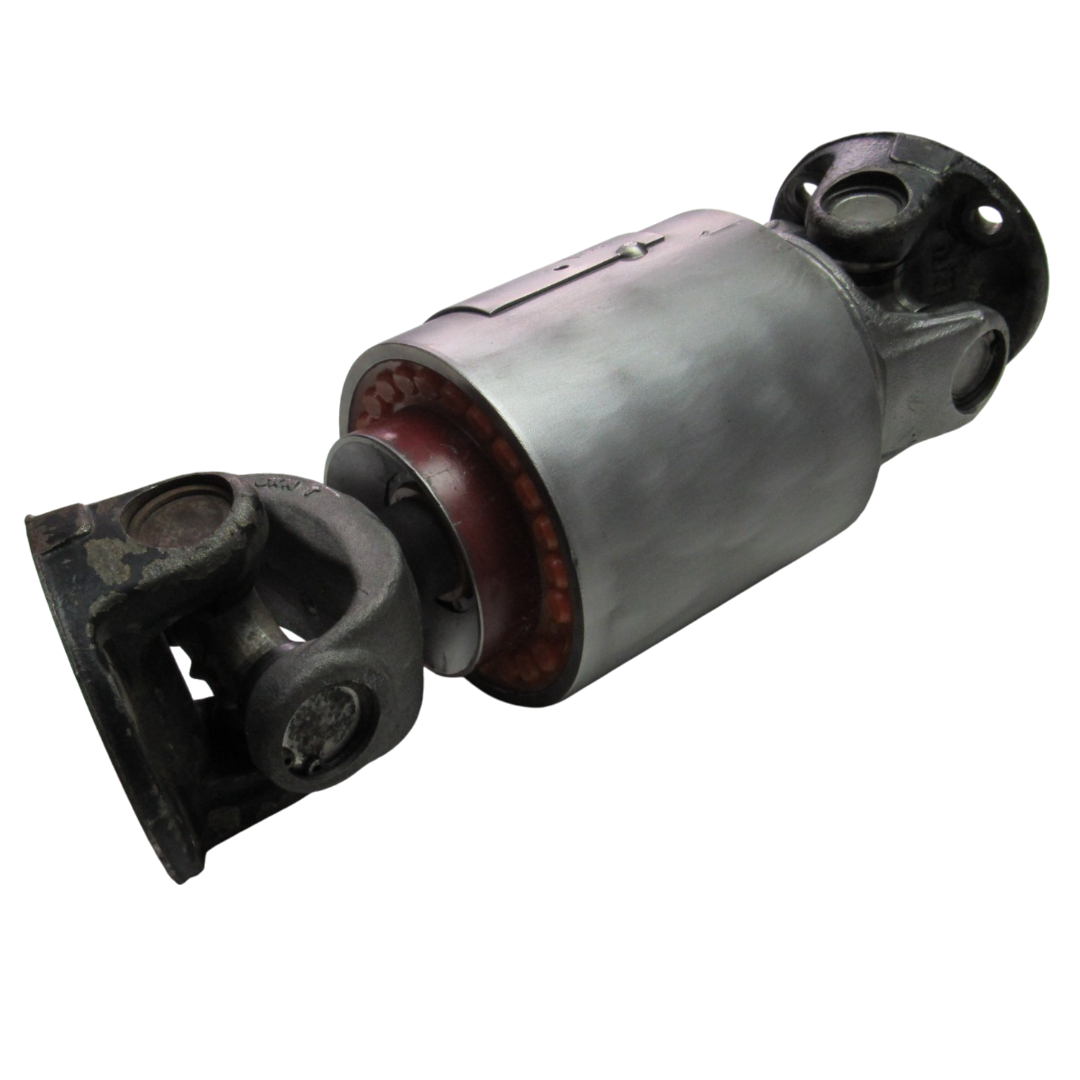 SKU: PP203374
Polyurethane driveshaft Manitou MLT 731 RECONSTRUCTION OF YOUR
In stock15 pcs.$112.48Log in as dealer - Polyurethane elastic element of the coupling HRC 180 D160mm ,d75mm
 SKU: PP302675
Polyurethane elastic element of the coupling HRC 180 D160mm ,d75mm
In stock15 pcs.$51.48Log in as dealer - Polyurethane flexible driveshaft coupling Vaz 2101-2107 1970-2004
 SKU: PP200741
Polyurethane flexible driveshaft coupling Vaz 2101-2107 1970-2004
In stock15 pcs.$53.57Log in as dealer - Polyurethane flexible driveshaft coupling Vaz Niva 1977-SKU: PP200741
Polyurethane flexible driveshaft coupling Vaz Niva 1977-
In stock15 pcs.$53.57Log in as dealer - Polyurethane outboard bearing for driveshaft Audi Q3 2019-
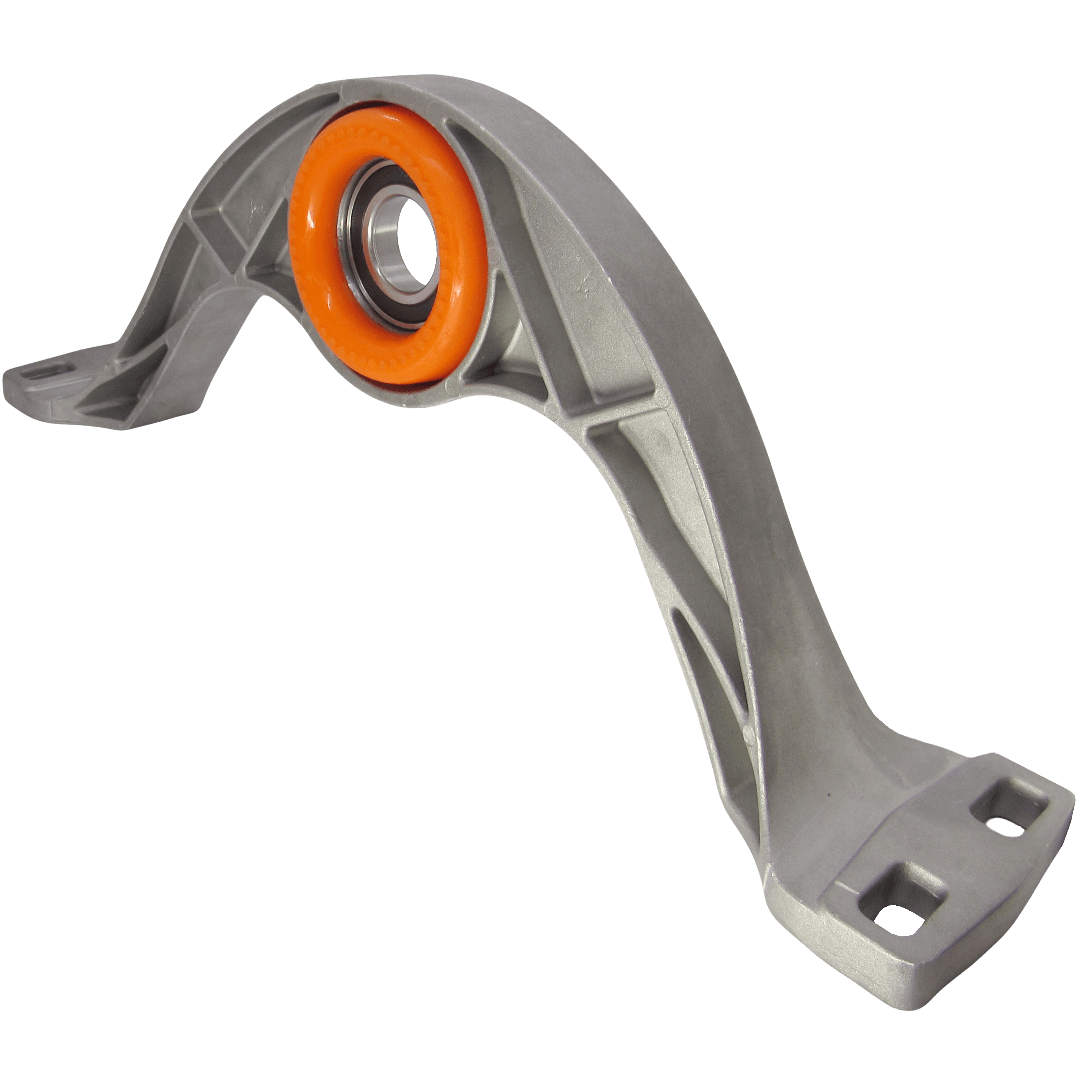 SKU: PP104202
Polyurethane outboard bearing for driveshaft Audi Q3 2019-
In stock15 pcs.$406.77Log in as dealer - Polyurethane outboard bearing for driveshaft Audi Q7 2006-2015 RECONSTRUCTION OF YOUR
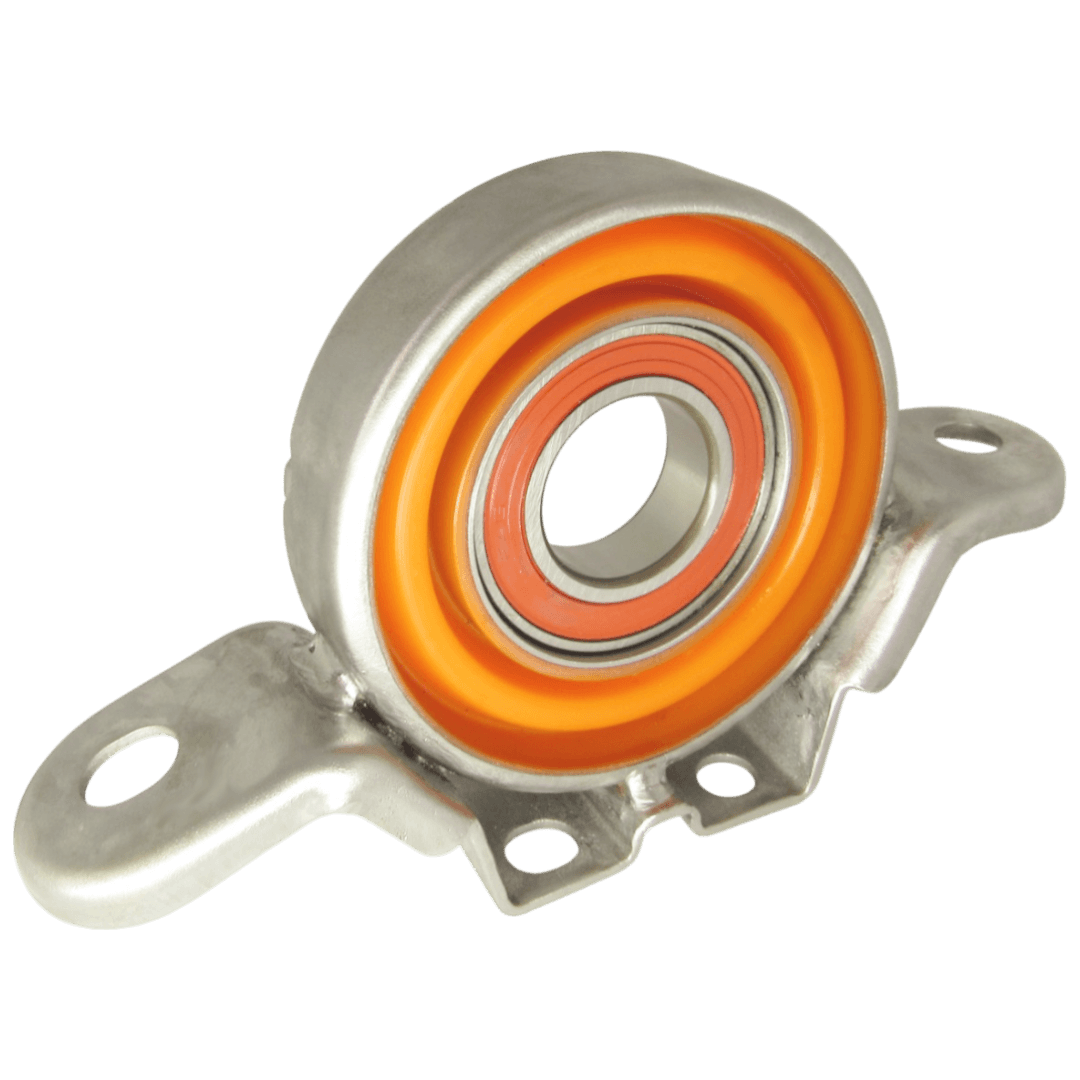 SKU: PP201862
Polyurethane outboard bearing for driveshaft Audi Q7 2006-2015 RECONSTRUCTION OF YOUR
In stock15 pcs.$76.3Log in as dealer - Polyurethane outboard bearing for driveshaft Isuzu Trooper 1981-1991
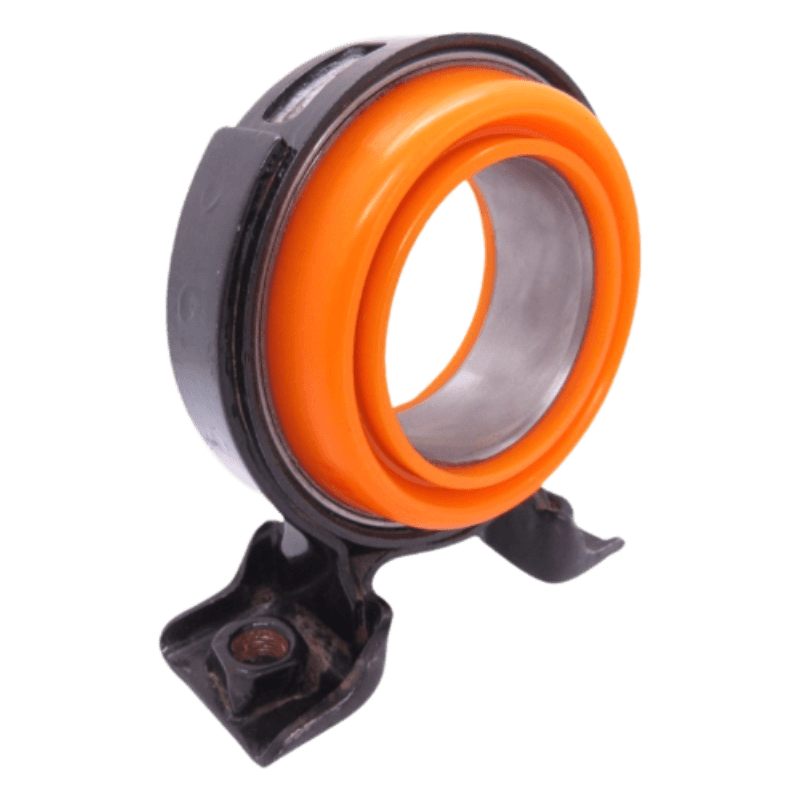 SKU: PP102945
Polyurethane outboard bearing for driveshaft Isuzu Trooper 1981-1991
In stock15 pcs.$121.52Log in as dealer - Polyurethane outboard bearing for driveshaft Isuzu Trooper 1981-1991 REPLACEABLE BUSHING
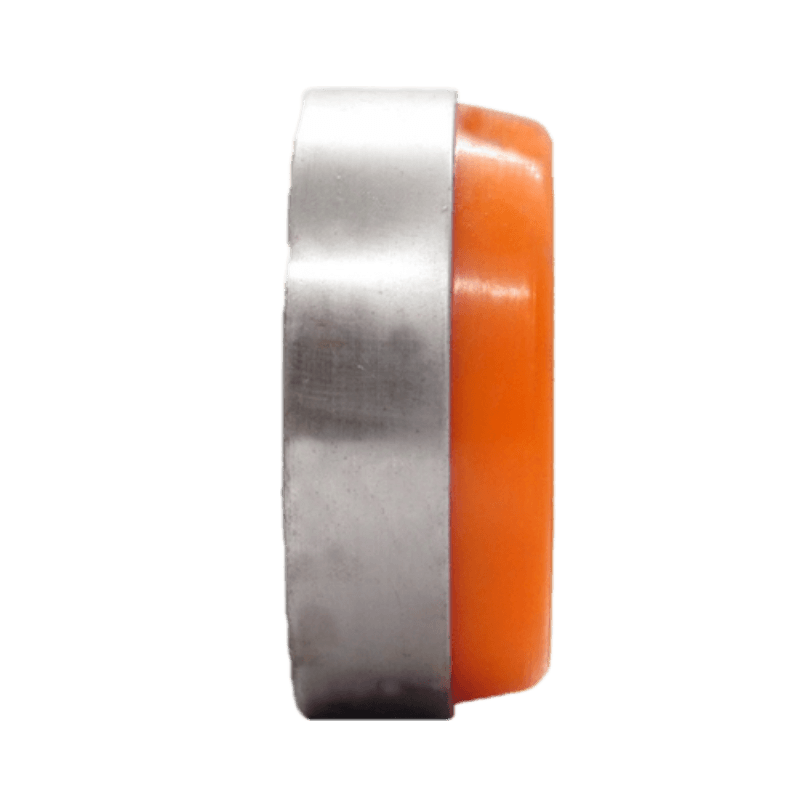 SKU: PP102946
Polyurethane outboard bearing for driveshaft Isuzu Trooper 1981-1991 REPLACEABLE BUSHING
In stock15 pcs.$51.48Log in as dealer - Polyurethane outboard bearing for driveshaft Iveco Daily 1989-1999
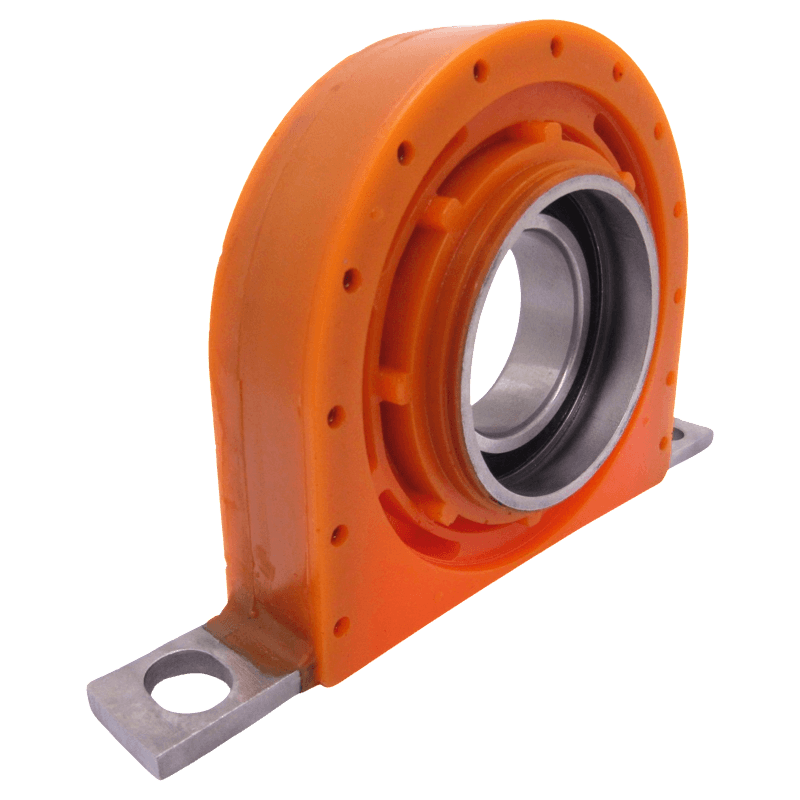 SKU: PP200860
Polyurethane outboard bearing for driveshaft Iveco Daily 1989-1999
In stock13 pcs.$114.1Log in as dealer - Polyurethane outboard bearing for driveshaft Iveco Daily 1989-1999 RECONSTRUCTION OF YOUR
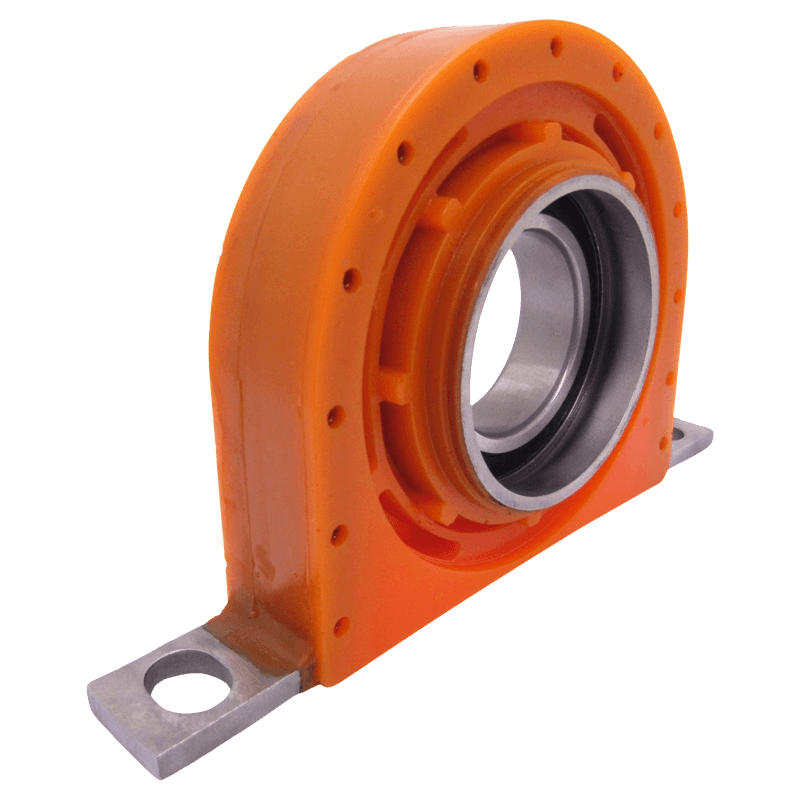 SKU: PP200861
Polyurethane outboard bearing for driveshaft Iveco Daily 1989-1999 RECONSTRUCTION OF YOUR
In stock15 pcs.$88.82Log in as dealer - Polyurethane outboard bearing for driveshaft Iveco Daily 2006-2011SKU: PP200860
Polyurethane outboard bearing for driveshaft Iveco Daily 2006-2011
In stock13 pcs.$114.1Log in as dealer - Polyurethane outboard bearing for driveshaft Iveco Daily 2006-2011 RECONSTRUCTION OF YOURSKU: PP200861
Polyurethane outboard bearing for driveshaft Iveco Daily 2006-2011 RECONSTRUCTION OF YOUR
In stock15 pcs.$88.82Log in as dealer - Polyurethane outboard bearing for driveshaft Iveco Daily 2011-2014SKU: PP200860
Polyurethane outboard bearing for driveshaft Iveco Daily 2011-2014
In stock13 pcs.$114.1Log in as dealer - Polyurethane outboard bearing for driveshaft Iveco Daily 2011-2014 RECONSTRUCTION OF YOURSKU: PP200861
Polyurethane outboard bearing for driveshaft Iveco Daily 2011-2014 RECONSTRUCTION OF YOUR
In stock15 pcs.$88.82Log in as dealer - Polyurethane outboard bearing for driveshaft Iveco Daily 2014-SKU: PP200860
Polyurethane outboard bearing for driveshaft Iveco Daily 2014-
In stock13 pcs.$114.1Log in as dealer - Polyurethane outboard bearing for driveshaft Iveco Daily 2014- RECONSTRUCTION OF YOURSKU: PP200861
Polyurethane outboard bearing for driveshaft Iveco Daily 2014- RECONSTRUCTION OF YOUR
In stock15 pcs.$88.82Log in as dealer - Polyurethane outboard bearing for driveshaft Land Rover Freelander 1997-2006
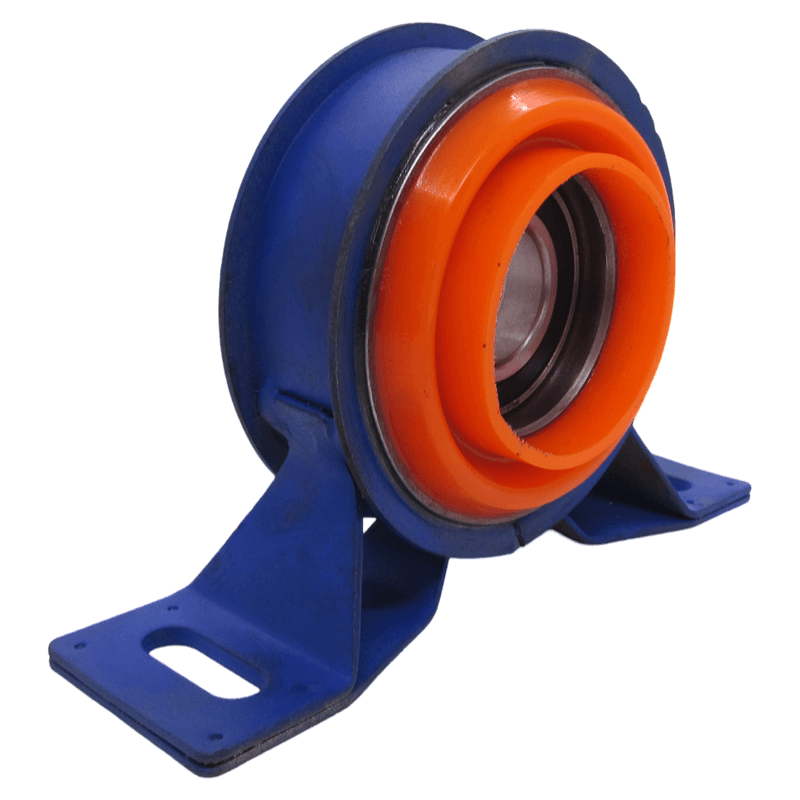 SKU: PP202272
Polyurethane outboard bearing for driveshaft Land Rover Freelander 1997-2006
In stock15 pcs.$76.99Log in as dealer - Polyurethane outboard bearing for driveshaft Seat Tarraco 2018-SKU: PP104202
Polyurethane outboard bearing for driveshaft Seat Tarraco 2018-
In stock15 pcs.$406.77Log in as dealer - Polyurethane outboard bearing for driveshaft Skoda Kodiaq 2017-SKU: PP104202
Polyurethane outboard bearing for driveshaft Skoda Kodiaq 2017-
In stock15 pcs.$406.77Log in as dealer - Polyurethane outboard bearing for driveshaft Volkswagen Tiguan 2015-SKU: PP104202
Polyurethane outboard bearing for driveshaft Volkswagen Tiguan 2015-
In stock15 pcs.$406.77Log in as dealer - Polyurethane outboard bearing for driveshaft rear Merсedes Sprinter 2006-
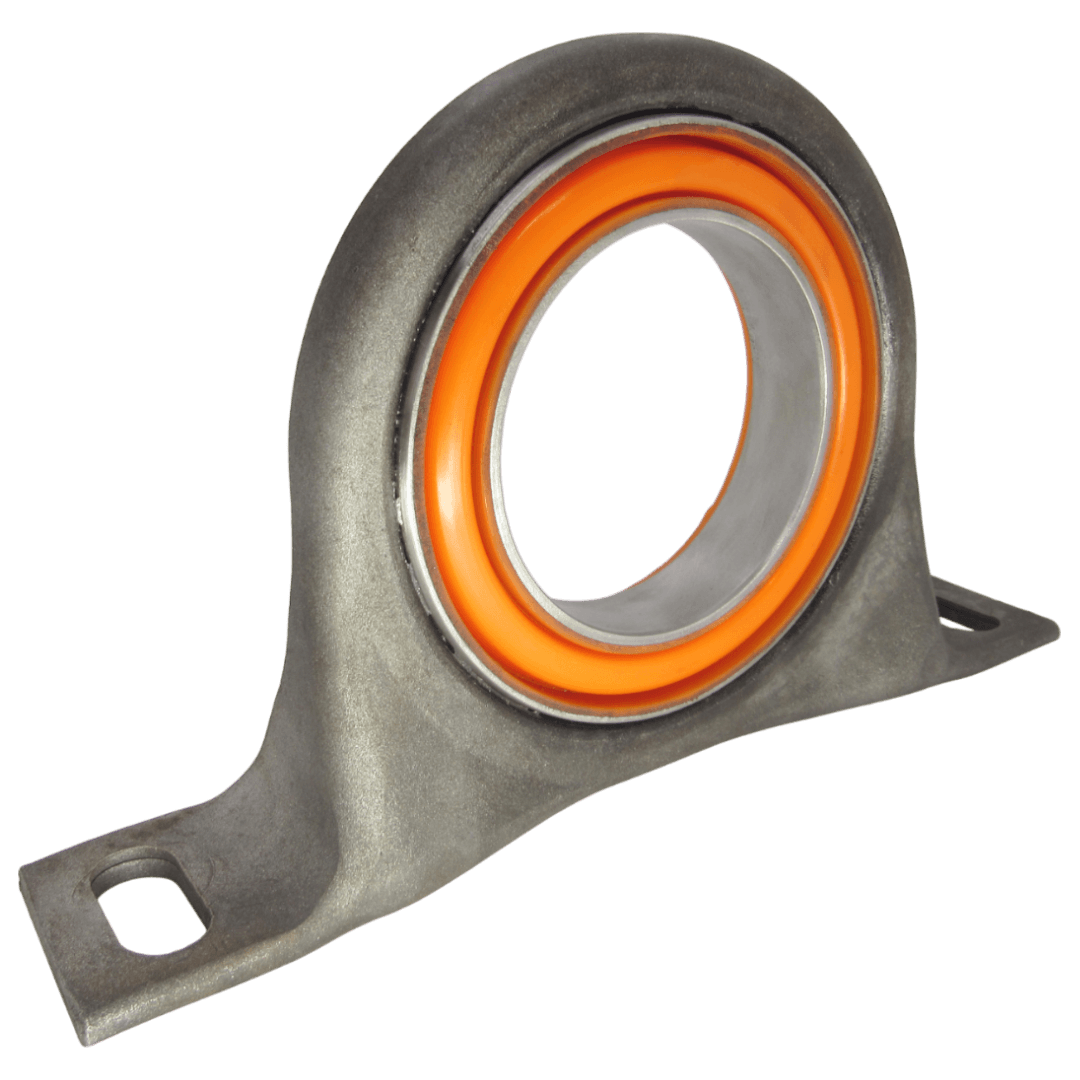 SKU: PP202278
Polyurethane outboard bearing for driveshaft rear Merсedes Sprinter 2006-
In stock15 pcs.$95.08Log in as dealer - Polyurethane outboard bearing for driveshaft rear Volkswagen Crafter 2006-2016SKU: PP202278
Polyurethane outboard bearing for driveshaft rear Volkswagen Crafter 2006-2016
In stock15 pcs.$95.08Log in as dealer - Polyurethane outboard bearing of the cordan shaft Ssang Yong Actyon 2012-
 SKU: PP104802
Polyurethane outboard bearing of the cordan shaft Ssang Yong Actyon 2012-
In stock15 pcs.$117.58Log in as dealer - Polyurethane outboard bearing of the cordan shaft Ssang Yong Korando 2010-SKU: PP104802
Polyurethane outboard bearing of the cordan shaft Ssang Yong Korando 2010-
In stock15 pcs.$117.58Log in as dealer - Polyurethane outboard bearing of the cordan shaft Ssang Yong Rodius 2013-SKU: PP104802
Polyurethane outboard bearing of the cordan shaft Ssang Yong Rodius 2013-
In stock15 pcs.$117.58Log in as dealer - Polyurethane outboard bearing support Renault G 1980-1991
 SKU: PP200722
Polyurethane outboard bearing support Renault G 1980-1991
In stock15 pcs.$104.82Log in as dealer - Polyurethane outboard bearing support Renault G 1980-1991 RECONSTRUCTION OF YOUR
 SKU: PP200723
Polyurethane outboard bearing support Renault G 1980-1991 RECONSTRUCTION OF YOUR
In stock15 pcs.$61.92Log in as dealer - Polyurethane outboard bearing support Renault Manager 1991-1996SKU: PP200722
Polyurethane outboard bearing support Renault Manager 1991-1996
In stock15 pcs.$104.82Log in as dealer - Polyurethane outboard bearing support Renault Manager 1991-1996 RECONSTRUCTION OF YOURSKU: PP200723
Polyurethane outboard bearing support Renault Manager 1991-1996 RECONSTRUCTION OF YOUR
In stock15 pcs.$61.92Log in as dealer - Polyurethane outboard bearing support Renault Midlum 2000-2006SKU: PP200722
Polyurethane outboard bearing support Renault Midlum 2000-2006
In stock15 pcs.$104.82Log in as dealer - Polyurethane outboard bearing support Renault Midlum 2000-2006 RECONSTRUCTION OF YOURSKU: PP200723
Polyurethane outboard bearing support Renault Midlum 2000-2006 RECONSTRUCTION OF YOUR
In stock15 pcs.$61.92Log in as dealer - Polyurethane outboard bearing support Renault Premium 1996-2006SKU: PP200722
Polyurethane outboard bearing support Renault Premium 1996-2006
In stock15 pcs.$104.82Log in as dealer - Polyurethane outboard bearing support Renault Premium 1996-2006 RECONSTRUCTION OF YOURSKU: PP200723
Polyurethane outboard bearing support Renault Premium 1996-2006 RECONSTRUCTION OF YOUR
In stock15 pcs.$61.92Log in as dealer - Polyurethane propeller shaft support Bmw E10 1966-1977SKU: PP302351
Polyurethane propeller shaft support Bmw E10 1966-1977
In stock15 pcs.$68.18Log in as dealer - Polyurethane propeller shaft support Bmw E12 1972-1981SKU: PP302351
Polyurethane propeller shaft support Bmw E12 1972-1981
In stock15 pcs.$68.18Log in as dealer - Polyurethane propeller shaft support Bmw E21 1975-1983SKU: PP302351
Polyurethane propeller shaft support Bmw E21 1975-1983
In stock15 pcs.$68.18Log in as dealer - Polyurethane propeller shaft support Bmw E23 1976-1986SKU: PP302351
Polyurethane propeller shaft support Bmw E23 1976-1986
In stock15 pcs.$68.18Log in as dealer - Polyurethane propeller shaft support Bmw E24 1976-1989SKU: PP302351
Polyurethane propeller shaft support Bmw E24 1976-1989
In stock15 pcs.$68.18Log in as dealer - Polyurethane propeller shaft support Bmw E28 1981-1987SKU: PP302351
Polyurethane propeller shaft support Bmw E28 1981-1987
In stock15 pcs.$68.18Log in as dealer - Polyurethane propeller shaft support Bmw E30 1982-1994SKU: PP302351
Polyurethane propeller shaft support Bmw E30 1982-1994
In stock15 pcs.$68.18Log in as dealer - Polyurethane propeller shaft support Bmw E31 1989-1999SKU: PP302351
Polyurethane propeller shaft support Bmw E31 1989-1999
In stock15 pcs.$68.18Log in as dealer - Polyurethane propeller shaft support Bmw E32 1987-1994SKU: PP302351
Polyurethane propeller shaft support Bmw E32 1987-1994
In stock15 pcs.$68.18Log in as dealer - Polyurethane propeller shaft support Bmw E34 1987-1995SKU: PP302351
Polyurethane propeller shaft support Bmw E34 1987-1995
In stock15 pcs.$68.18Log in as dealer - Polyurethane propeller shaft support Bmw E36 1990-2001SKU: PP302351
Polyurethane propeller shaft support Bmw E36 1990-2001
In stock15 pcs.$68.18Log in as dealer - Polyurethane propeller shaft support Bmw E38 1994-2001SKU: PP302351
Polyurethane propeller shaft support Bmw E38 1994-2001
In stock15 pcs.$68.18Log in as dealer - Polyurethane propeller shaft support Bmw E39 1995-2003SKU: PP302351
Polyurethane propeller shaft support Bmw E39 1995-2003
In stock15 pcs.$68.18Log in as dealer - Polyurethane propeller shaft support Bmw E46 1998-2006SKU: PP302351
Polyurethane propeller shaft support Bmw E46 1998-2006
In stock15 pcs.$68.18Log in as dealer - Polyurethane propeller shaft support Bmw E6 1971-1975SKU: PP302351
Polyurethane propeller shaft support Bmw E6 1971-1975
In stock15 pcs.$68.18Log in as dealer - Polyurethane propeller shaft support Bmw E60 2003-2010SKU: PP302351
Polyurethane propeller shaft support Bmw E60 2003-2010
In stock15 pcs.$68.18Log in as dealer - Polyurethane propeller shaft support Bmw E61 2003-2010SKU: PP302351
Polyurethane propeller shaft support Bmw E61 2003-2010
In stock15 pcs.$68.18Log in as dealer - Polyurethane propeller shaft support Bmw E63 2005-2010SKU: PP302351
Polyurethane propeller shaft support Bmw E63 2005-2010
In stock15 pcs.$68.18Log in as dealer - Polyurethane propeller shaft support Bmw E64 2005-2010SKU: PP302351
Polyurethane propeller shaft support Bmw E64 2005-2010
In stock15 pcs.$68.18Log in as dealer - Polyurethane propeller shaft support Bmw E65 2002-2009SKU: PP302351
Polyurethane propeller shaft support Bmw E65 2002-2009
In stock15 pcs.$68.18Log in as dealer - Polyurethane propeller shaft support Bmw E66 2002-2009SKU: PP302351
Polyurethane propeller shaft support Bmw E66 2002-2009
In stock15 pcs.$68.18Log in as dealer - Polyurethane propeller shaft support Bmw E67 2002-2009SKU: PP302351
Polyurethane propeller shaft support Bmw E67 2002-2009
In stock15 pcs.$68.18Log in as dealer - Polyurethane propeller shaft support Bmw E70 2006-2013SKU: PP302351
Polyurethane propeller shaft support Bmw E70 2006-2013
In stock15 pcs.$68.18Log in as dealer
Driveshaft Parts in Polyurethane
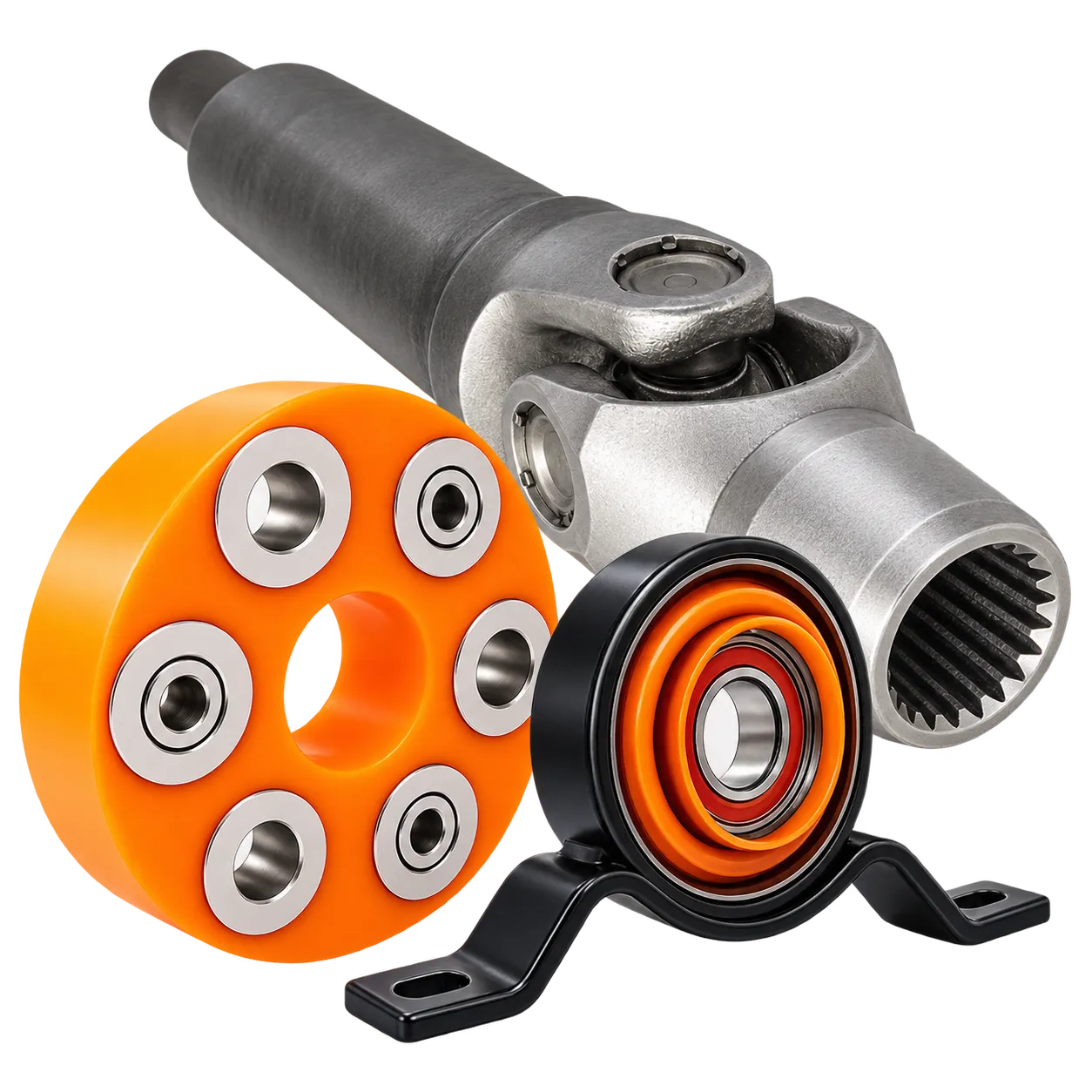
A driveshaft carries torque from the gearbox to the axle and at the same time lets that axle move with the suspension. Two parts in the chain are made of an elastic compound and wear out well before the metal does: the centre support that holds the carrier bearing, and the flex disc between the flanges. These are the parts that most often cause vibration and driveline noise. PolyPro moulds both in polyurethane; the rest of the range is in the catalogue.
What a driveshaft is and how it works
A propshaft is one tube, or two tubes joined by a splined slip yoke, with universal joints or CV joints at the ends. The joints let the shaft bend as the axle moves up and down, while the splines take up the change in length. The shaft spins fast, so any imbalance or play is felt straight away as vibration through the floor and the transmission tunnel.
A two-piece shaft is carried by a centre support: the bearing is pressed into a rubber or polyurethane element that damps vibration and allows the shaft small movements. On many vehicles a flex disc replaces the front universal joint — a flexible disc bolted between the gearbox flange and the shaft, which absorbs torque shocks when pulling away and when shifting gear.
Signs of worn driveshaft parts
Symptoms from this area are easy to confuse with the suspension or the gearbox, so check the assembly on a lift: rock the shaft by hand and look at the play and at the condition of the elastic parts.
- vibration through the floor that builds with speed and fades when coasting
- a clunk or shunt in the driveline when pulling away or changing gear
- a hum or whine that follows shaft speed rather than engine speed
- cracks, delamination or torn rubber in the centre support cushion
- the shaft visibly off-centre in the tunnel, bearing not on the shaft axis
- a cracked or split flex disc, with elongated bolt holes
Once the elastic element is broken, the load moves onto the joints and the splines, so replacement should not be put off: the repair that follows costs far more than the single part would have.
Polyurethane or rubber
Rubber in a centre support works softly and damps noise well, but it sits close to the exhaust and is heated constantly, while water, salt and sand reach it from below. In time it delaminates, the bearing starts to move inside the cushion, the shaft loses alignment and the vibration comes back even after the shaft has been balanced.
Polyurethane does not delaminate, it holds the geometry of the bearing seat and copes better with oil, salt and repeated heat cycles. It is stiffer, so slightly more noise reaches the body, but the bearing stays on the shaft axis far longer. PolyPro moulds these parts in its own tooling with dimensional checks, and the Shore hardness is listed on each product page.
How to choose driveshaft parts
Choose by the dimensions of the removed part rather than by vehicle name: bearing seat, the fixing to the body, flange diameter and the number of holes in the disc.
Centre support bearing mount
Three figures matter here: the outer diameter of the bearing that sits in the cushion, the centre distance between the mounting holes, and the height from the shaft axis to the mounting face. That last one sets where the shaft sits in the tunnel, and an error there gives misalignment and vibration even with a new part fitted. Stock items are listed under driveshaft centre support. Width matters too: a narrow cushion lets the bearing move axially, while an over-wide one will not go between the brackets. Check the bolt hole diameter and the condition of the body studs too.
Flex disc coupling
A flex disc is chosen by the outer diameter of the disc, the number of holes and how they are arranged, the bolt hole diameter and the thickness of the disc. Counting the holes is not enough: two discs with the same count can have a different pitch circle, so measure the centre distance. Thickness sets the gap between the flanges. Options are listed under flex disc coupling. Look at the centring features as well: some discs carry metal sleeves in the holes, and their condition affects alignment. If the bolts have been working in the holes, check the flange faces too.
By Durometer
Hardness is picked to suit how the vehicle is used. A softer compound absorbs torque shocks and noise better, which suits ordinary road use. A harder one deforms less under load, holds the shaft on its axis more precisely and lasts longer where there is towing, payload or frequent hard starts, at the cost of more vibration reaching the body. The Shore figure is given on each product page. There is no universal answer: several versions can suit the same geometry, and the choice follows how the vehicle is used. If the previous part broke up after a short time in service, a harder compound is worth considering.
By drawing or sample
If nothing in the standard range matches, or the shaft has already been modified, the part can be made to a drawing, a sample or a worn component, from a single piece upwards. All fitting dimensions are needed: diameters, thicknesses, hole centres and the height of the shaft axis. A worn part is best measured in several places, since it may have sagged. A sample can also be sent so the dimensions are taken in production. The drawing should also say how the part works: the direction of the load and whether metal sleeves are moulded in, since that affects the tooling. Finished parts are checked to size, so they fit the original location without reworking.
Why buy driveshaft parts from PolyPro — retail and wholesale
PolyPro is a manufacturer: our own moulds, our own casting facility, dimensional checks on every batch and direct sales with no middlemen. Retail is per piece, so a single centre support or a single flex disc is a normal order and there is no need to buy a set. Non-standard items are made to a drawing, a sample or a worn part, again from one piece upwards.
Wholesale is set up for garages, parts shops, fleets and resellers. The partner programme covers bonuses for turnover or for the size of a single order, access to prices and stock levels, and shipping under the partner's own brand. Products carry a warranty, and international shipping is available.
Frequently asked questions
Which driveshaft parts does PolyPro make?
The polyurethane elastic elements: the centre support cushion that the carrier bearing is pressed into, and the flex disc that sits between the flanges. Metal parts such as tubes, universal joints and splined yokes are not produced here. If the geometry you need is not in the standard range, the part can be made to your dimensions.
Why does the carrier bearing hum?
Usually because the support cushion has broken down: the bearing no longer sits on the shaft axis, the load goes in at an angle and the cage wears out quickly. The other common cause is grease that has been washed out or has dried in the bearing itself. A hum from the shaft follows shaft speed and does not change with the gear selected.
Can only the cushion be replaced?
Yes, provided the bearing itself is sound: it should turn smoothly, with no play, noise or roughness. Replacing the cushion on its own costs less than a complete support assembly. If the bearing already hums or has lateral play, replace both at once, otherwise the new cushion will be destroyed in a short time.
How is a flex disc different from a universal joint?
A universal joint is a mechanical hinge on needle bearings that lets the shaft work at an angle. A flex disc is a flexible disc bolted between two flanges: it also allows a small angle, but its main job is to absorb torque shocks when pulling away and shifting. They are different by design and are not interchangeable.
What does polyurethane give here?
Resistance to oil, salt and repeated heat cycles, plus stable geometry: the material does not delaminate and does not let the bearing wander off the shaft axis. In exchange, slightly more noise reaches the body than with soft rubber. On vehicles that carry loads, tow or run on poor roads that trade-off is usually worth it.
Does the shaft need balancing after the repair?
If only the support cushion or the flex disc was changed, and the shaft itself was not dismantled and the flanges were not separated, balancing is normally unnecessary. It is done when the shaft has been taken apart, when joints or tubes were replaced, or when vibration remains after the elastic parts have been renewed.
Can I buy a single centre support or flex disc?
Yes, retail is per piece, so a single part without a kit is a normal order. If the geometry you need is not among the standard items, it can be produced to a drawing, a sample or a worn component, also from one piece. It is best to confirm the dimensions from the removed part before the order is placed.
What are the terms for garages, shops and fleets?
Garages, parts shops, fleets and resellers are served on wholesale terms. The partner programme opens access to prices and stock levels, gives bonuses for turnover or for the volume of a single order and allows shipping under the partner's brand. Terms are agreed with a manager.