
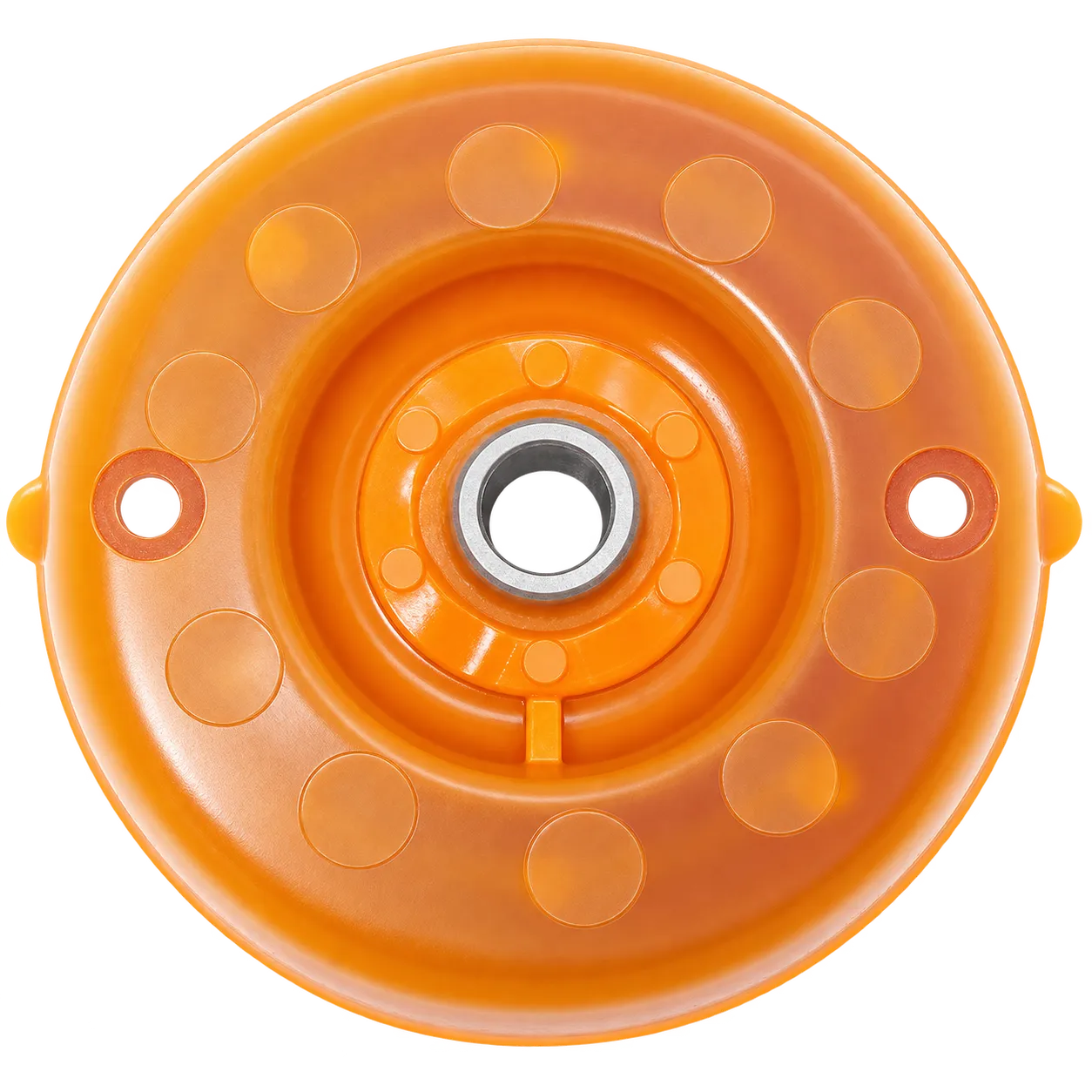
 Опора переднього амортизатора

Polyurethane strut mounts
- Опора переднього амортизатора
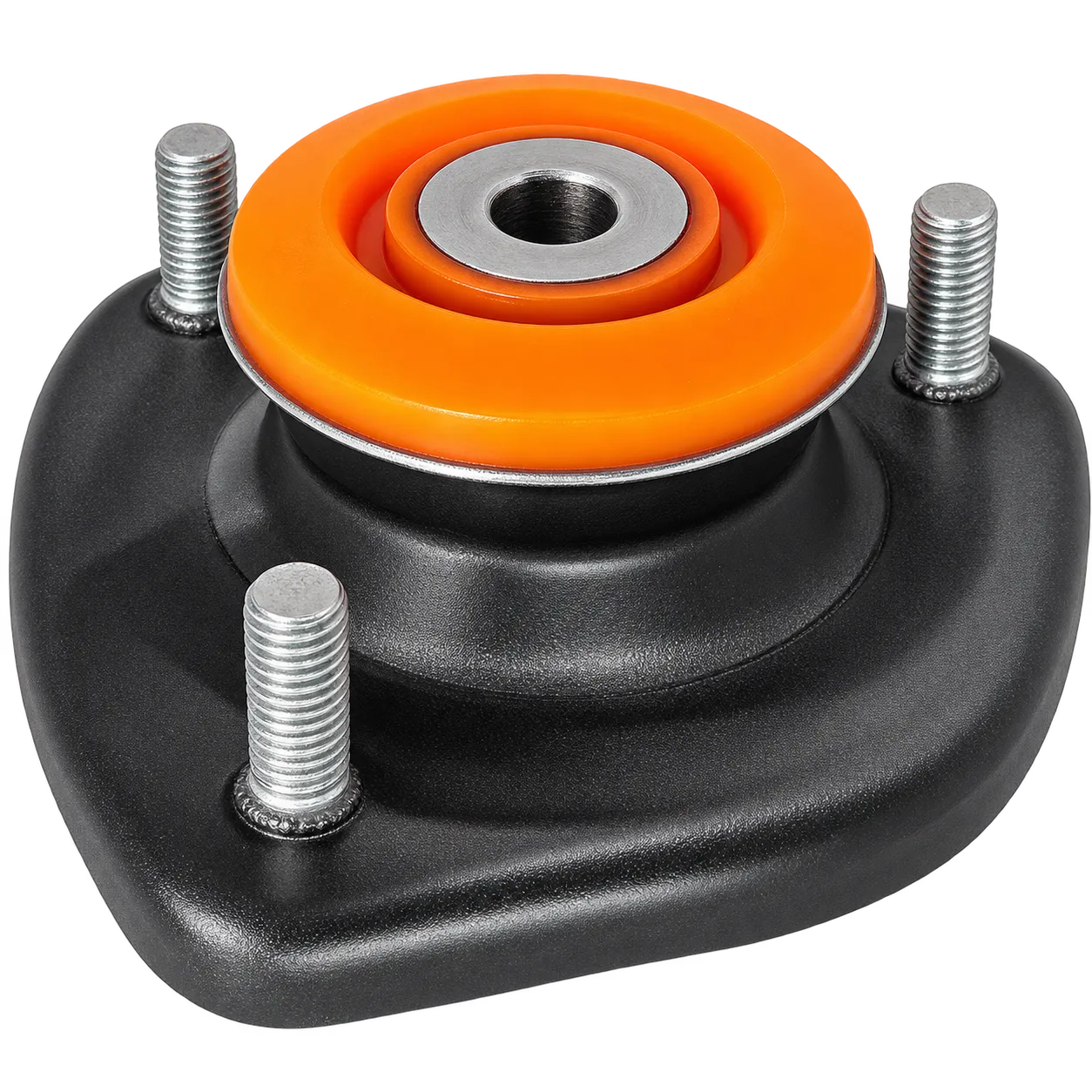 Опора заднього амортизатора
- Front shock absorber support repair kit Toyota 4Runner 2003-2009
 SKU: PP104773
Front shock absorber support repair kit Toyota 4Runner 2003-2009
In stock15 pcs.$40.12Log in as dealer - Front shock absorber support repair kit Toyota Fj Cruiser 2006-2010SKU: PP104773
Front shock absorber support repair kit Toyota Fj Cruiser 2006-2010
In stock15 pcs.$40.12Log in as dealer - Front shock absorber support repair kit Toyota Fortuner 2015-SKU: PP104773
Front shock absorber support repair kit Toyota Fortuner 2015-
In stock15 pcs.$40.12Log in as dealer - Front shock absorber support repair kit Toyota Gx 2009-SKU: PP104773
Front shock absorber support repair kit Toyota Gx 2009-
In stock15 pcs.$40.12Log in as dealer - Front shock absorber support repair kit Toyota Hilux 2015-SKU: PP104773
Front shock absorber support repair kit Toyota Hilux 2015-
In stock15 pcs.$40.12Log in as dealer - Front shock absorber support repair kit Toyota Land Cruiser 1998-2007SKU: PP104773
Front shock absorber support repair kit Toyota Land Cruiser 1998-2007
In stock15 pcs.$40.12Log in as dealer - Front shock absorber support repair kit Toyota Land Cruiser Prado 2002-2009SKU: PP104773
Front shock absorber support repair kit Toyota Land Cruiser Prado 2002-2009
In stock15 pcs.$40.12Log in as dealer - Polyurethane C-pillar Support Audi 80 1991-1995
 SKU: PP202602
Polyurethane C-pillar Support Audi 80 1991-1995
In stock15 pcs.$39.42Log in as dealer - Polyurethane C-pillar Support Audi 80 1991-1995 HARDNESS
 SKU: PP202605
Polyurethane C-pillar Support Audi 80 1991-1995 HARDNESS
In stock15 pcs.$46.61Log in as dealer - Polyurethane C-pillar Support Audi 80 1991-1995 HARDNESS RECONSTRUCTION OF YOUR
 SKU: PP202606
Polyurethane C-pillar Support Audi 80 1991-1995 HARDNESS RECONSTRUCTION OF YOUR
In stock15 pcs.$37.34Log in as dealer - Polyurethane C-pillar Support Audi 80 1991-1995 RECONSTRUCTION OF YOUR
 SKU: PP202603
Polyurethane C-pillar Support Audi 80 1991-1995 RECONSTRUCTION OF YOUR
In stock15 pcs.$28.76Log in as dealer - Polyurethane C-pillar Support Audi A1 2010-2018SKU: PP202602
Polyurethane C-pillar Support Audi A1 2010-2018
In stock15 pcs.$39.42Log in as dealer - Polyurethane C-pillar Support Audi A1 2010-2018 HARDNESSSKU: PP202605
Polyurethane C-pillar Support Audi A1 2010-2018 HARDNESS
In stock15 pcs.$46.61Log in as dealer - Polyurethane C-pillar Support Audi A1 2010-2018 HARDNESS RECONSTRUCTION OF YOURSKU: PP202606
Polyurethane C-pillar Support Audi A1 2010-2018 HARDNESS RECONSTRUCTION OF YOUR
In stock15 pcs.$37.34Log in as dealer - Polyurethane C-pillar Support Audi A1 2010-2018 RECONSTRUCTION OF YOURSKU: PP202603
Polyurethane C-pillar Support Audi A1 2010-2018 RECONSTRUCTION OF YOUR
In stock15 pcs.$28.76Log in as dealer - Polyurethane C-pillar Support Audi A2 1999-2005SKU: PP202602
Polyurethane C-pillar Support Audi A2 1999-2005
In stock15 pcs.$39.42Log in as dealer - Polyurethane C-pillar Support Audi A2 1999-2005 HARDNESSSKU: PP202605
Polyurethane C-pillar Support Audi A2 1999-2005 HARDNESS
In stock15 pcs.$46.61Log in as dealer - Polyurethane C-pillar Support Audi A2 1999-2005 HARDNESS RECONSTRUCTION OF YOURSKU: PP202606
Polyurethane C-pillar Support Audi A2 1999-2005 HARDNESS RECONSTRUCTION OF YOUR
In stock15 pcs.$37.34Log in as dealer - Polyurethane C-pillar Support Audi A2 1999-2005 RECONSTRUCTION OF YOURSKU: PP202603
Polyurethane C-pillar Support Audi A2 1999-2005 RECONSTRUCTION OF YOUR
In stock15 pcs.$28.76Log in as dealer - Polyurethane C-pillar Support Audi A3 1996-2006SKU: PP202602
Polyurethane C-pillar Support Audi A3 1996-2006
In stock15 pcs.$39.42Log in as dealer - Polyurethane C-pillar Support Audi A3 1996-2006 HARDNESSSKU: PP202605
Polyurethane C-pillar Support Audi A3 1996-2006 HARDNESS
In stock15 pcs.$46.61Log in as dealer - Polyurethane C-pillar Support Audi A3 1996-2006 HARDNESS RECONSTRUCTION OF YOURSKU: PP202606
Polyurethane C-pillar Support Audi A3 1996-2006 HARDNESS RECONSTRUCTION OF YOUR
In stock15 pcs.$37.34Log in as dealer - Polyurethane C-pillar Support Audi A3 1996-2006 RECONSTRUCTION OF YOURSKU: PP202603
Polyurethane C-pillar Support Audi A3 1996-2006 RECONSTRUCTION OF YOUR
In stock15 pcs.$28.76Log in as dealer - Polyurethane C-pillar Support Audi A3 2003-2012SKU: PP202602
Polyurethane C-pillar Support Audi A3 2003-2012
In stock15 pcs.$39.42Log in as dealer - Polyurethane C-pillar Support Audi A3 2003-2012 HARDNESSSKU: PP202605
Polyurethane C-pillar Support Audi A3 2003-2012 HARDNESS
In stock15 pcs.$46.61Log in as dealer - Polyurethane C-pillar Support Audi A3 2003-2012 HARDNESS RECONSTRUCTION OF YOURSKU: PP202606
Polyurethane C-pillar Support Audi A3 2003-2012 HARDNESS RECONSTRUCTION OF YOUR
In stock15 pcs.$37.34Log in as dealer - Polyurethane C-pillar Support Audi A3 2003-2012 RECONSTRUCTION OF YOURSKU: PP202603
Polyurethane C-pillar Support Audi A3 2003-2012 RECONSTRUCTION OF YOUR
In stock15 pcs.$28.76Log in as dealer - Polyurethane C-pillar Support Audi A4 2007-2015SKU: PP202602
Polyurethane C-pillar Support Audi A4 2007-2015
In stock15 pcs.$39.42Log in as dealer - Polyurethane C-pillar Support Audi A4 2007-2015 HARDNESSSKU: PP202605
Polyurethane C-pillar Support Audi A4 2007-2015 HARDNESS
In stock15 pcs.$46.61Log in as dealer - Polyurethane C-pillar Support Audi A4 2007-2015 HARDNESS RECONSTRUCTION OF YOURSKU: PP202606
Polyurethane C-pillar Support Audi A4 2007-2015 HARDNESS RECONSTRUCTION OF YOUR
In stock15 pcs.$37.34Log in as dealer - Polyurethane C-pillar Support Audi A4 2007-2015 RECONSTRUCTION OF YOURSKU: PP202603
Polyurethane C-pillar Support Audi A4 2007-2015 RECONSTRUCTION OF YOUR
In stock15 pcs.$28.76Log in as dealer - Polyurethane C-pillar Support Audi A5 2007-2016SKU: PP202602
Polyurethane C-pillar Support Audi A5 2007-2016
In stock15 pcs.$39.42Log in as dealer - Polyurethane C-pillar Support Audi A5 2007-2016 HARDNESSSKU: PP202605
Polyurethane C-pillar Support Audi A5 2007-2016 HARDNESS
In stock15 pcs.$46.61Log in as dealer - Polyurethane C-pillar Support Audi A5 2007-2016 HARDNESS RECONSTRUCTION OF YOURSKU: PP202606
Polyurethane C-pillar Support Audi A5 2007-2016 HARDNESS RECONSTRUCTION OF YOUR
In stock15 pcs.$37.34Log in as dealer - Polyurethane C-pillar Support Audi A5 2007-2016 RECONSTRUCTION OF YOURSKU: PP202603
Polyurethane C-pillar Support Audi A5 2007-2016 RECONSTRUCTION OF YOUR
In stock15 pcs.$28.76Log in as dealer - Polyurethane C-pillar Support Audi Q5 2008-2018SKU: PP202602
Polyurethane C-pillar Support Audi Q5 2008-2018
In stock15 pcs.$39.42Log in as dealer - Polyurethane C-pillar Support Audi Q5 2008-2018 HARDNESSSKU: PP202605
Polyurethane C-pillar Support Audi Q5 2008-2018 HARDNESS
In stock15 pcs.$46.61Log in as dealer - Polyurethane C-pillar Support Audi Q5 2008-2018 HARDNESS RECONSTRUCTION OF YOURSKU: PP202606
Polyurethane C-pillar Support Audi Q5 2008-2018 HARDNESS RECONSTRUCTION OF YOUR
In stock15 pcs.$37.34Log in as dealer - Polyurethane C-pillar Support Audi Q5 2008-2018 RECONSTRUCTION OF YOURSKU: PP202603
Polyurethane C-pillar Support Audi Q5 2008-2018 RECONSTRUCTION OF YOUR
In stock15 pcs.$28.76Log in as dealer - Polyurethane C-pillar Support Audi TT 1998-2006SKU: PP202602
Polyurethane C-pillar Support Audi TT 1998-2006
In stock15 pcs.$39.42Log in as dealer - Polyurethane C-pillar Support Audi TT 1998-2006 HARDNESSSKU: PP202605
Polyurethane C-pillar Support Audi TT 1998-2006 HARDNESS
In stock15 pcs.$46.61Log in as dealer - Polyurethane C-pillar Support Audi TT 1998-2006 HARDNESS RECONSTRUCTION OF YOURSKU: PP202606
Polyurethane C-pillar Support Audi TT 1998-2006 HARDNESS RECONSTRUCTION OF YOUR
In stock15 pcs.$37.34Log in as dealer - Polyurethane C-pillar Support Audi TT 1998-2006 RECONSTRUCTION OF YOURSKU: PP202603
Polyurethane C-pillar Support Audi TT 1998-2006 RECONSTRUCTION OF YOUR
In stock15 pcs.$28.76Log in as dealer - Polyurethane C-pillar Support Seat Cordoba 1993-2002SKU: PP202602
Polyurethane C-pillar Support Seat Cordoba 1993-2002
In stock15 pcs.$39.42Log in as dealer - Polyurethane C-pillar Support Seat Cordoba 1993-2002 HARDNESSSKU: PP202605
Polyurethane C-pillar Support Seat Cordoba 1993-2002 HARDNESS
In stock15 pcs.$46.61Log in as dealer - Polyurethane C-pillar Support Seat Cordoba 1993-2002 HARDNESS RECONSTRUCTION OF YOURSKU: PP202606
Polyurethane C-pillar Support Seat Cordoba 1993-2002 HARDNESS RECONSTRUCTION OF YOUR
In stock15 pcs.$37.34Log in as dealer - Polyurethane C-pillar Support Seat Cordoba 1993-2002 RECONSTRUCTION OF YOURSKU: PP202603
Polyurethane C-pillar Support Seat Cordoba 1993-2002 RECONSTRUCTION OF YOUR
In stock15 pcs.$28.76Log in as dealer - Polyurethane C-pillar Support Seat Cordoba 2002-2008SKU: PP202602
Polyurethane C-pillar Support Seat Cordoba 2002-2008
In stock15 pcs.$39.42Log in as dealer - Polyurethane C-pillar Support Seat Cordoba 2002-2008 HARDNESSSKU: PP202605
Polyurethane C-pillar Support Seat Cordoba 2002-2008 HARDNESS
In stock15 pcs.$46.61Log in as dealer - Polyurethane C-pillar Support Seat Cordoba 2002-2008 HARDNESS RECONSTRUCTION OF YOURSKU: PP202606
Polyurethane C-pillar Support Seat Cordoba 2002-2008 HARDNESS RECONSTRUCTION OF YOUR
In stock15 pcs.$37.34Log in as dealer - Polyurethane C-pillar Support Seat Cordoba 2002-2008 RECONSTRUCTION OF YOURSKU: PP202603
Polyurethane C-pillar Support Seat Cordoba 2002-2008 RECONSTRUCTION OF YOUR
In stock15 pcs.$28.76Log in as dealer - Polyurethane C-pillar Support Seat Ibiza 1993-2002SKU: PP202602
Polyurethane C-pillar Support Seat Ibiza 1993-2002
In stock15 pcs.$39.42Log in as dealer - Polyurethane C-pillar Support Seat Ibiza 1993-2002 HARDNESSSKU: PP202605
Polyurethane C-pillar Support Seat Ibiza 1993-2002 HARDNESS
In stock15 pcs.$46.61Log in as dealer - Polyurethane C-pillar Support Seat Ibiza 1993-2002 HARDNESS RECONSTRUCTION OF YOURSKU: PP202606
Polyurethane C-pillar Support Seat Ibiza 1993-2002 HARDNESS RECONSTRUCTION OF YOUR
In stock15 pcs.$37.34Log in as dealer - Polyurethane C-pillar Support Seat Ibiza 1993-2002 RECONSTRUCTION OF YOURSKU: PP202603
Polyurethane C-pillar Support Seat Ibiza 1993-2002 RECONSTRUCTION OF YOUR
In stock15 pcs.$28.76Log in as dealer - Polyurethane C-pillar Support Seat Ibiza 2002-2008SKU: PP202602
Polyurethane C-pillar Support Seat Ibiza 2002-2008
In stock15 pcs.$39.42Log in as dealer - Polyurethane C-pillar Support Seat Ibiza 2002-2008 HARDNESSSKU: PP202605
Polyurethane C-pillar Support Seat Ibiza 2002-2008 HARDNESS
In stock15 pcs.$46.61Log in as dealer - Polyurethane C-pillar Support Seat Ibiza 2002-2008 HARDNESS RECONSTRUCTION OF YOURSKU: PP202606
Polyurethane C-pillar Support Seat Ibiza 2002-2008 HARDNESS RECONSTRUCTION OF YOUR
In stock15 pcs.$37.34Log in as dealer - Polyurethane C-pillar Support Seat Ibiza 2002-2008 RECONSTRUCTION OF YOURSKU: PP202603
Polyurethane C-pillar Support Seat Ibiza 2002-2008 RECONSTRUCTION OF YOUR
In stock15 pcs.$28.76Log in as dealer - Polyurethane C-pillar Support Seat Ibiza 2008-2017SKU: PP202602
Polyurethane C-pillar Support Seat Ibiza 2008-2017
In stock15 pcs.$39.42Log in as dealer - Polyurethane C-pillar Support Seat Ibiza 2008-2017 HARDNESSSKU: PP202605
Polyurethane C-pillar Support Seat Ibiza 2008-2017 HARDNESS
In stock15 pcs.$46.61Log in as dealer - Polyurethane C-pillar Support Seat Ibiza 2008-2017 HARDNESS RECONSTRUCTION OF YOURSKU: PP202606
Polyurethane C-pillar Support Seat Ibiza 2008-2017 HARDNESS RECONSTRUCTION OF YOUR
In stock15 pcs.$37.34Log in as dealer - Polyurethane C-pillar Support Seat Ibiza 2008-2017 RECONSTRUCTION OF YOURSKU: PP202603
Polyurethane C-pillar Support Seat Ibiza 2008-2017 RECONSTRUCTION OF YOUR
In stock15 pcs.$28.76Log in as dealer - Polyurethane C-pillar Support Seat Leon 1998-2006SKU: PP202602
Polyurethane C-pillar Support Seat Leon 1998-2006
In stock15 pcs.$39.42Log in as dealer - Polyurethane C-pillar Support Seat Leon 1998-2006 HARDNESSSKU: PP202605
Polyurethane C-pillar Support Seat Leon 1998-2006 HARDNESS
In stock15 pcs.$46.61Log in as dealer - Polyurethane C-pillar Support Seat Leon 1998-2006 HARDNESS RECONSTRUCTION OF YOURSKU: PP202606
Polyurethane C-pillar Support Seat Leon 1998-2006 HARDNESS RECONSTRUCTION OF YOUR
In stock15 pcs.$37.34Log in as dealer - Polyurethane C-pillar Support Seat Leon 1998-2006 RECONSTRUCTION OF YOURSKU: PP202603
Polyurethane C-pillar Support Seat Leon 1998-2006 RECONSTRUCTION OF YOUR
In stock15 pcs.$28.76Log in as dealer - Polyurethane C-pillar Support Seat Leon 2005-2012SKU: PP202602
Polyurethane C-pillar Support Seat Leon 2005-2012
In stock15 pcs.$39.42Log in as dealer - Polyurethane C-pillar Support Seat Leon 2005-2012 HARDNESSSKU: PP202605
Polyurethane C-pillar Support Seat Leon 2005-2012 HARDNESS
In stock15 pcs.$46.61Log in as dealer - Polyurethane C-pillar Support Seat Leon 2005-2012 HARDNESS RECONSTRUCTION OF YOURSKU: PP202606
Polyurethane C-pillar Support Seat Leon 2005-2012 HARDNESS RECONSTRUCTION OF YOUR
In stock15 pcs.$37.34Log in as dealer - Polyurethane C-pillar Support Seat Leon 2005-2012 RECONSTRUCTION OF YOURSKU: PP202603
Polyurethane C-pillar Support Seat Leon 2005-2012 RECONSTRUCTION OF YOUR
In stock15 pcs.$28.76Log in as dealer - Polyurethane C-pillar Support Seat Toledo 1991-1999SKU: PP202602
Polyurethane C-pillar Support Seat Toledo 1991-1999
In stock15 pcs.$39.42Log in as dealer - Polyurethane C-pillar Support Seat Toledo 1991-1999 HARDNESSSKU: PP202605
Polyurethane C-pillar Support Seat Toledo 1991-1999 HARDNESS
In stock15 pcs.$46.61Log in as dealer - Polyurethane C-pillar Support Seat Toledo 1991-1999 HARDNESS RECONSTRUCTION OF YOURSKU: PP202606
Polyurethane C-pillar Support Seat Toledo 1991-1999 HARDNESS RECONSTRUCTION OF YOUR
In stock15 pcs.$37.34Log in as dealer - Polyurethane C-pillar Support Seat Toledo 1991-1999 RECONSTRUCTION OF YOURSKU: PP202603
Polyurethane C-pillar Support Seat Toledo 1991-1999 RECONSTRUCTION OF YOUR
In stock15 pcs.$28.76Log in as dealer - Polyurethane C-pillar Support Seat Toledo 1999-2004SKU: PP202602
Polyurethane C-pillar Support Seat Toledo 1999-2004
In stock15 pcs.$39.42Log in as dealer - Polyurethane C-pillar Support Seat Toledo 1999-2004 HARDNESSSKU: PP202605
Polyurethane C-pillar Support Seat Toledo 1999-2004 HARDNESS
In stock15 pcs.$46.61Log in as dealer - Polyurethane C-pillar Support Seat Toledo 1999-2004 HARDNESS RECONSTRUCTION OF YOURSKU: PP202606
Polyurethane C-pillar Support Seat Toledo 1999-2004 HARDNESS RECONSTRUCTION OF YOUR
In stock15 pcs.$37.34Log in as dealer - Polyurethane C-pillar Support Seat Toledo 1999-2004 RECONSTRUCTION OF YOURSKU: PP202603
Polyurethane C-pillar Support Seat Toledo 1999-2004 RECONSTRUCTION OF YOUR
In stock15 pcs.$28.76Log in as dealer - Polyurethane C-pillar Support Seat Toledo 2004-2009SKU: PP202602
Polyurethane C-pillar Support Seat Toledo 2004-2009
In stock15 pcs.$39.42Log in as dealer - Polyurethane C-pillar Support Seat Toledo 2004-2009 HARDNESSSKU: PP202605
Polyurethane C-pillar Support Seat Toledo 2004-2009 HARDNESS
In stock15 pcs.$46.61Log in as dealer - Polyurethane C-pillar Support Seat Toledo 2004-2009 HARDNESS RECONSTRUCTION OF YOURSKU: PP202606
Polyurethane C-pillar Support Seat Toledo 2004-2009 HARDNESS RECONSTRUCTION OF YOUR
In stock15 pcs.$37.34Log in as dealer - Polyurethane C-pillar Support Seat Toledo 2004-2009 RECONSTRUCTION OF YOURSKU: PP202603
Polyurethane C-pillar Support Seat Toledo 2004-2009 RECONSTRUCTION OF YOUR
In stock15 pcs.$28.76Log in as dealer - Polyurethane C-pillar Support Seat Toledo 2012-SKU: PP202602
Polyurethane C-pillar Support Seat Toledo 2012-
In stock15 pcs.$39.42Log in as dealer - Polyurethane C-pillar Support Seat Toledo 2012- HARDNESSSKU: PP202605
Polyurethane C-pillar Support Seat Toledo 2012- HARDNESS
In stock15 pcs.$46.61Log in as dealer - Polyurethane C-pillar Support Seat Toledo 2012- HARDNESS RECONSTRUCTION OF YOURSKU: PP202606
Polyurethane C-pillar Support Seat Toledo 2012- HARDNESS RECONSTRUCTION OF YOUR
In stock15 pcs.$37.34Log in as dealer - Polyurethane C-pillar Support Seat Toledo 2012- RECONSTRUCTION OF YOURSKU: PP202603
Polyurethane C-pillar Support Seat Toledo 2012- RECONSTRUCTION OF YOUR
In stock15 pcs.$28.76Log in as dealer - Polyurethane C-pillar Support Skoda Fabia 1999-2007SKU: PP202602
Polyurethane C-pillar Support Skoda Fabia 1999-2007
In stock15 pcs.$39.42Log in as dealer - Polyurethane C-pillar Support Skoda Fabia 1999-2007 HARDNESSSKU: PP202605
Polyurethane C-pillar Support Skoda Fabia 1999-2007 HARDNESS
In stock15 pcs.$46.61Log in as dealer - Polyurethane C-pillar Support Skoda Fabia 1999-2007 HARDNESS RECONSTRUCTION OF YOURSKU: PP202606
Polyurethane C-pillar Support Skoda Fabia 1999-2007 HARDNESS RECONSTRUCTION OF YOUR
In stock15 pcs.$37.34Log in as dealer - Polyurethane C-pillar Support Skoda Fabia 1999-2007 RECONSTRUCTION OF YOURSKU: PP202603
Polyurethane C-pillar Support Skoda Fabia 1999-2007 RECONSTRUCTION OF YOUR
In stock15 pcs.$28.76Log in as dealer - Polyurethane C-pillar Support Skoda Fabia 2007-2014SKU: PP202602
Polyurethane C-pillar Support Skoda Fabia 2007-2014
In stock15 pcs.$39.42Log in as dealer - Polyurethane C-pillar Support Skoda Fabia 2007-2014 HARDNESSSKU: PP202605
Polyurethane C-pillar Support Skoda Fabia 2007-2014 HARDNESS
In stock15 pcs.$46.61Log in as dealer - Polyurethane C-pillar Support Skoda Fabia 2007-2014 HARDNESS RECONSTRUCTION OF YOURSKU: PP202606
Polyurethane C-pillar Support Skoda Fabia 2007-2014 HARDNESS RECONSTRUCTION OF YOUR
In stock15 pcs.$37.34Log in as dealer - Polyurethane C-pillar Support Skoda Fabia 2007-2014 RECONSTRUCTION OF YOURSKU: PP202603
Polyurethane C-pillar Support Skoda Fabia 2007-2014 RECONSTRUCTION OF YOUR
In stock15 pcs.$28.76Log in as dealer - Polyurethane C-pillar Support Skoda Fabia 2014-SKU: PP202602
Polyurethane C-pillar Support Skoda Fabia 2014-
In stock15 pcs.$39.42Log in as dealer - Polyurethane C-pillar Support Skoda Fabia 2014- HARDNESSSKU: PP202605
Polyurethane C-pillar Support Skoda Fabia 2014- HARDNESS
In stock15 pcs.$46.61Log in as dealer - Polyurethane C-pillar Support Skoda Fabia 2014- HARDNESS RECONSTRUCTION OF YOURSKU: PP202606
Polyurethane C-pillar Support Skoda Fabia 2014- HARDNESS RECONSTRUCTION OF YOUR
In stock15 pcs.$37.34Log in as dealer - Polyurethane C-pillar Support Skoda Fabia 2014- RECONSTRUCTION OF YOURSKU: PP202603
Polyurethane C-pillar Support Skoda Fabia 2014- RECONSTRUCTION OF YOUR
In stock15 pcs.$28.76Log in as dealer - Polyurethane C-pillar Support Skoda Octavia 2004-2010SKU: PP202602
Polyurethane C-pillar Support Skoda Octavia 2004-2010
In stock15 pcs.$39.42Log in as dealer - Polyurethane C-pillar Support Skoda Octavia 2004-2010 HARDNESSSKU: PP202605
Polyurethane C-pillar Support Skoda Octavia 2004-2010 HARDNESS
In stock15 pcs.$46.61Log in as dealer - Polyurethane C-pillar Support Skoda Octavia 2004-2010 HARDNESS RECONSTRUCTION OF YOURSKU: PP202606
Polyurethane C-pillar Support Skoda Octavia 2004-2010 HARDNESS RECONSTRUCTION OF YOUR
In stock15 pcs.$37.34Log in as dealer - Polyurethane C-pillar Support Skoda Octavia 2004-2010 RECONSTRUCTION OF YOURSKU: PP202603
Polyurethane C-pillar Support Skoda Octavia 2004-2010 RECONSTRUCTION OF YOUR
In stock15 pcs.$28.76Log in as dealer - Polyurethane C-pillar Support Skoda Rapid 2012-SKU: PP202602
Polyurethane C-pillar Support Skoda Rapid 2012-
In stock15 pcs.$39.42Log in as dealer - Polyurethane C-pillar Support Skoda Rapid 2012- HARDNESSSKU: PP202605
Polyurethane C-pillar Support Skoda Rapid 2012- HARDNESS
In stock15 pcs.$46.61Log in as dealer - Polyurethane C-pillar Support Skoda Rapid 2012- HARDNESS RECONSTRUCTION OF YOURSKU: PP202606
Polyurethane C-pillar Support Skoda Rapid 2012- HARDNESS RECONSTRUCTION OF YOUR
In stock15 pcs.$37.34Log in as dealer - Polyurethane C-pillar Support Skoda Rapid 2012- RECONSTRUCTION OF YOURSKU: PP202603
Polyurethane C-pillar Support Skoda Rapid 2012- RECONSTRUCTION OF YOUR
In stock15 pcs.$28.76Log in as dealer - Polyurethane C-pillar Support Skoda Roomster 2006-2015SKU: PP202602
Polyurethane C-pillar Support Skoda Roomster 2006-2015
In stock15 pcs.$39.42Log in as dealer - Polyurethane C-pillar Support Skoda Roomster 2006-2015 HARDNESSSKU: PP202605
Polyurethane C-pillar Support Skoda Roomster 2006-2015 HARDNESS
In stock15 pcs.$46.61Log in as dealer - Polyurethane C-pillar Support Skoda Roomster 2006-2015 HARDNESS RECONSTRUCTION OF YOURSKU: PP202606
Polyurethane C-pillar Support Skoda Roomster 2006-2015 HARDNESS RECONSTRUCTION OF YOUR
In stock15 pcs.$37.34Log in as dealer - Polyurethane C-pillar Support Skoda Roomster 2006-2015 RECONSTRUCTION OF YOURSKU: PP202603
Polyurethane C-pillar Support Skoda Roomster 2006-2015 RECONSTRUCTION OF YOUR
In stock15 pcs.$28.76Log in as dealer - Polyurethane C-pillar Support Volkswagen Bora 1998-2005SKU: PP202602
Polyurethane C-pillar Support Volkswagen Bora 1998-2005
In stock15 pcs.$39.42Log in as dealer - Polyurethane C-pillar Support Volkswagen Bora 1998-2005 HARDNESSSKU: PP202605
Polyurethane C-pillar Support Volkswagen Bora 1998-2005 HARDNESS
In stock15 pcs.$46.61Log in as dealer - Polyurethane C-pillar Support Volkswagen Bora 1998-2005 HARDNESS RECONSTRUCTION OF YOURSKU: PP202606
Polyurethane C-pillar Support Volkswagen Bora 1998-2005 HARDNESS RECONSTRUCTION OF YOUR
In stock15 pcs.$37.34Log in as dealer - Polyurethane C-pillar Support Volkswagen Bora 1998-2005 RECONSTRUCTION OF YOURSKU: PP202603
Polyurethane C-pillar Support Volkswagen Bora 1998-2005 RECONSTRUCTION OF YOUR
In stock15 pcs.$28.76Log in as dealer - Polyurethane C-pillar Support Volkswagen Fox 2003-2014SKU: PP202602
Polyurethane C-pillar Support Volkswagen Fox 2003-2014
In stock15 pcs.$39.42Log in as dealer - Polyurethane C-pillar Support Volkswagen Fox 2003-2014 HARDNESSSKU: PP202605
Polyurethane C-pillar Support Volkswagen Fox 2003-2014 HARDNESS
In stock15 pcs.$46.61Log in as dealer - Polyurethane C-pillar Support Volkswagen Fox 2003-2014 HARDNESS RECONSTRUCTION OF YOURSKU: PP202606
Polyurethane C-pillar Support Volkswagen Fox 2003-2014 HARDNESS RECONSTRUCTION OF YOUR
In stock15 pcs.$37.34Log in as dealer - Polyurethane C-pillar Support Volkswagen Fox 2003-2014 RECONSTRUCTION OF YOURSKU: PP202603
Polyurethane C-pillar Support Volkswagen Fox 2003-2014 RECONSTRUCTION OF YOUR
In stock15 pcs.$28.76Log in as dealer - Polyurethane C-pillar Support Volkswagen Golf 1991-1998SKU: PP202602
Polyurethane C-pillar Support Volkswagen Golf 1991-1998
In stock15 pcs.$39.42Log in as dealer - Polyurethane C-pillar Support Volkswagen Golf 1991-1998 HARDNESSSKU: PP202605
Polyurethane C-pillar Support Volkswagen Golf 1991-1998 HARDNESS
In stock15 pcs.$46.61Log in as dealer - Polyurethane C-pillar Support Volkswagen Golf 1991-1998 HARDNESS RECONSTRUCTION OF YOURSKU: PP202606
Polyurethane C-pillar Support Volkswagen Golf 1991-1998 HARDNESS RECONSTRUCTION OF YOUR
In stock15 pcs.$37.34Log in as dealer - Polyurethane C-pillar Support Volkswagen Golf 1991-1998 RECONSTRUCTION OF YOURSKU: PP202603
Polyurethane C-pillar Support Volkswagen Golf 1991-1998 RECONSTRUCTION OF YOUR
In stock15 pcs.$28.76Log in as dealer - Polyurethane C-pillar Support Volkswagen Golf 1997-2003SKU: PP202602
Polyurethane C-pillar Support Volkswagen Golf 1997-2003
In stock15 pcs.$39.42Log in as dealer - Polyurethane C-pillar Support Volkswagen Golf 1997-2003 HARDNESSSKU: PP202605
Polyurethane C-pillar Support Volkswagen Golf 1997-2003 HARDNESS
In stock15 pcs.$46.61Log in as dealer - Polyurethane C-pillar Support Volkswagen Golf 1997-2003 HARDNESS RECONSTRUCTION OF YOURSKU: PP202606
Polyurethane C-pillar Support Volkswagen Golf 1997-2003 HARDNESS RECONSTRUCTION OF YOUR
In stock15 pcs.$37.34Log in as dealer - Polyurethane C-pillar Support Volkswagen Golf 1997-2003 RECONSTRUCTION OF YOURSKU: PP202603
Polyurethane C-pillar Support Volkswagen Golf 1997-2003 RECONSTRUCTION OF YOUR
In stock15 pcs.$28.76Log in as dealer - Polyurethane C-pillar Support Volkswagen Golf 2008-2012SKU: PP202602
Polyurethane C-pillar Support Volkswagen Golf 2008-2012
In stock15 pcs.$39.42Log in as dealer - Polyurethane C-pillar Support Volkswagen Golf 2008-2012 HARDNESSSKU: PP202605
Polyurethane C-pillar Support Volkswagen Golf 2008-2012 HARDNESS
In stock15 pcs.$46.61Log in as dealer - Polyurethane C-pillar Support Volkswagen Golf 2008-2012 HARDNESS RECONSTRUCTION OF YOURSKU: PP202606
Polyurethane C-pillar Support Volkswagen Golf 2008-2012 HARDNESS RECONSTRUCTION OF YOUR
In stock15 pcs.$37.34Log in as dealer - Polyurethane C-pillar Support Volkswagen Golf 2008-2012 RECONSTRUCTION OF YOURSKU: PP202603
Polyurethane C-pillar Support Volkswagen Golf 2008-2012 RECONSTRUCTION OF YOUR
In stock15 pcs.$28.76Log in as dealer - Polyurethane C-pillar Support Volkswagen New Beetle 1998-2010SKU: PP202602
Polyurethane C-pillar Support Volkswagen New Beetle 1998-2010
In stock15 pcs.$39.42Log in as dealer - Polyurethane C-pillar Support Volkswagen New Beetle 1998-2010 HARDNESSSKU: PP202605
Polyurethane C-pillar Support Volkswagen New Beetle 1998-2010 HARDNESS
In stock15 pcs.$46.61Log in as dealer - Polyurethane C-pillar Support Volkswagen New Beetle 1998-2010 HARDNESS RECONSTRUCTION OF YOURSKU: PP202606
Polyurethane C-pillar Support Volkswagen New Beetle 1998-2010 HARDNESS RECONSTRUCTION OF YOUR
In stock15 pcs.$37.34Log in as dealer - Polyurethane C-pillar Support Volkswagen New Beetle 1998-2010 RECONSTRUCTION OF YOURSKU: PP202603
Polyurethane C-pillar Support Volkswagen New Beetle 1998-2010 RECONSTRUCTION OF YOUR
In stock15 pcs.$28.76Log in as dealer - Polyurethane C-pillar Support Volkswagen Passat 2005-2010SKU: PP202602
Polyurethane C-pillar Support Volkswagen Passat 2005-2010
In stock15 pcs.$39.42Log in as dealer - Polyurethane C-pillar Support Volkswagen Passat 2005-2010 HARDNESSSKU: PP202605
Polyurethane C-pillar Support Volkswagen Passat 2005-2010 HARDNESS
In stock15 pcs.$46.61Log in as dealer - Polyurethane C-pillar Support Volkswagen Passat 2005-2010 HARDNESS RECONSTRUCTION OF YOURSKU: PP202606
Polyurethane C-pillar Support Volkswagen Passat 2005-2010 HARDNESS RECONSTRUCTION OF YOUR
In stock15 pcs.$37.34Log in as dealer - Polyurethane C-pillar Support Volkswagen Passat 2005-2010 RECONSTRUCTION OF YOURSKU: PP202603
Polyurethane C-pillar Support Volkswagen Passat 2005-2010 RECONSTRUCTION OF YOUR
In stock15 pcs.$28.76Log in as dealer - Polyurethane C-pillar Support Volkswagen Polo 1994-2001SKU: PP202602
Polyurethane C-pillar Support Volkswagen Polo 1994-2001
In stock15 pcs.$39.42Log in as dealer - Polyurethane C-pillar Support Volkswagen Polo 1994-2001 HARDNESSSKU: PP202605
Polyurethane C-pillar Support Volkswagen Polo 1994-2001 HARDNESS
In stock15 pcs.$46.61Log in as dealer - Polyurethane C-pillar Support Volkswagen Polo 1994-2001 HARDNESS RECONSTRUCTION OF YOURSKU: PP202606
Polyurethane C-pillar Support Volkswagen Polo 1994-2001 HARDNESS RECONSTRUCTION OF YOUR
In stock15 pcs.$37.34Log in as dealer - Polyurethane C-pillar Support Volkswagen Polo 1994-2001 RECONSTRUCTION OF YOURSKU: PP202603
Polyurethane C-pillar Support Volkswagen Polo 1994-2001 RECONSTRUCTION OF YOUR
In stock15 pcs.$28.76Log in as dealer - Polyurethane C-pillar Support Volkswagen Polo 2001-2009SKU: PP202602
Polyurethane C-pillar Support Volkswagen Polo 2001-2009
In stock15 pcs.$39.42Log in as dealer - Polyurethane C-pillar Support Volkswagen Polo 2001-2009 HARDNESSSKU: PP202605
Polyurethane C-pillar Support Volkswagen Polo 2001-2009 HARDNESS
In stock15 pcs.$46.61Log in as dealer - Polyurethane C-pillar Support Volkswagen Polo 2001-2009 HARDNESS RECONSTRUCTION OF YOURSKU: PP202606
Polyurethane C-pillar Support Volkswagen Polo 2001-2009 HARDNESS RECONSTRUCTION OF YOUR
In stock15 pcs.$37.34Log in as dealer - Polyurethane C-pillar Support Volkswagen Polo 2001-2009 RECONSTRUCTION OF YOURSKU: PP202603
Polyurethane C-pillar Support Volkswagen Polo 2001-2009 RECONSTRUCTION OF YOUR
In stock15 pcs.$28.76Log in as dealer - Polyurethane C-pillar Support Volkswagen Polo 2009-SKU: PP202602
Polyurethane C-pillar Support Volkswagen Polo 2009-
In stock15 pcs.$39.42Log in as dealer - Polyurethane C-pillar Support Volkswagen Polo 2009- HARDNESSSKU: PP202605
Polyurethane C-pillar Support Volkswagen Polo 2009- HARDNESS
In stock15 pcs.$46.61Log in as dealer - Polyurethane C-pillar Support Volkswagen Polo 2009- HARDNESS RECONSTRUCTION OF YOURSKU: PP202606
Polyurethane C-pillar Support Volkswagen Polo 2009- HARDNESS RECONSTRUCTION OF YOUR
In stock15 pcs.$37.34Log in as dealer
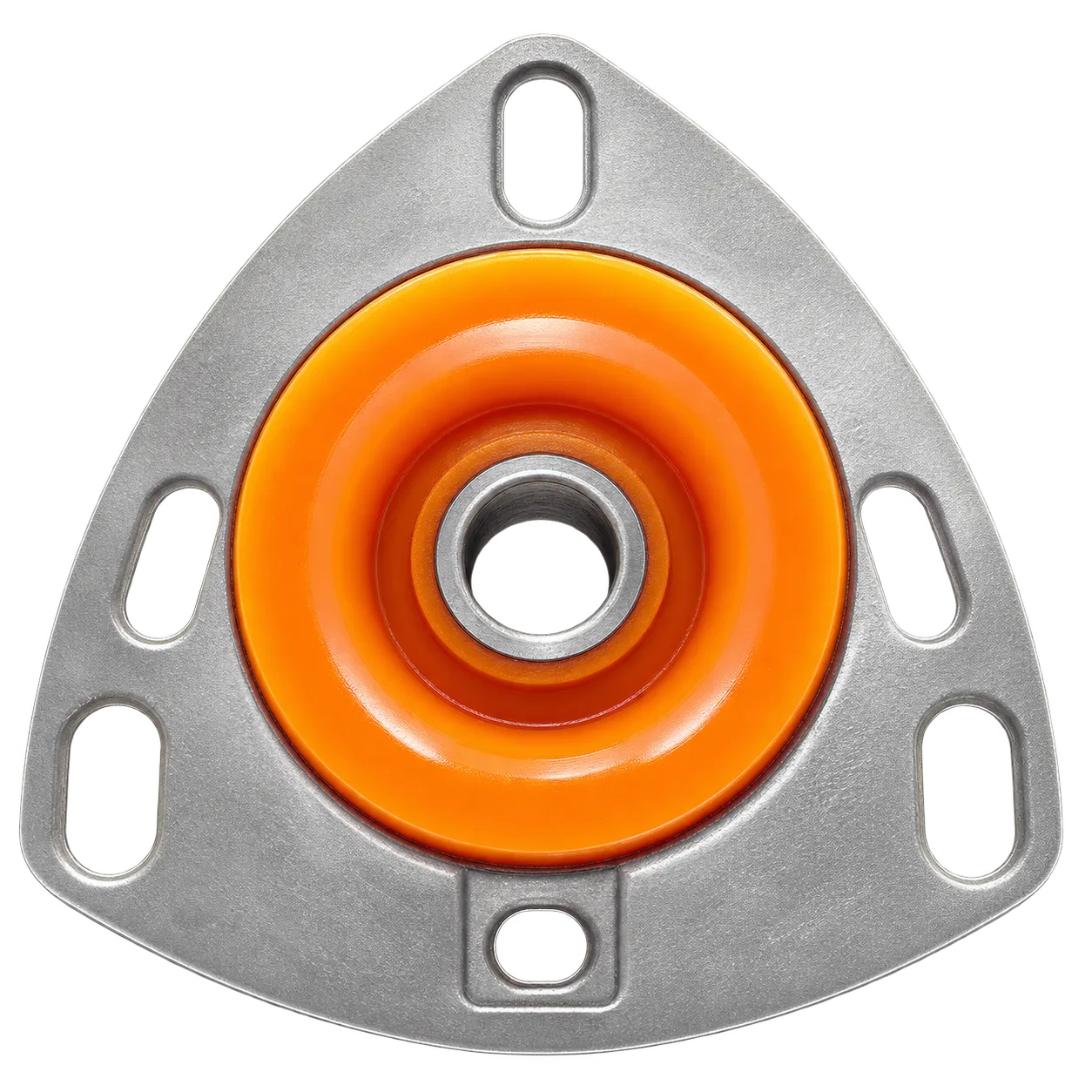
Strut Mount (Upper Shock Mount)
A strut mount is the upper attachment point between the strut or shock absorber and the body: it carries rod loads into the tower, isolates road vibration and, on a MacPherson front axle, lets the whole strut rotate with the steered wheel. PolyPro casts these mounts from polyurethane on its own equipment for passenger cars, vans and commercial vehicles. Related suspension groups are listed in the catalog.
What a Strut Mount Is and How It Works
The mount is the top fixing point of the strut to the body. Everything that comes up from the road passes through it into the tower: rod force, spring reaction and the side loads built up in a corner. Inside the assembly sits an elastomer element that separates strut metal from body metal, absorbs high-frequency impacts and noise, and at the same time holds the rod in its designed position.
On a MacPherson front axle the part has a second job: the strut turns with the wheel, so the strut mount assembly carries a bearing or a sliding face, and the mount itself defines the upper point of the steering axis. A rear mount is simpler — the rod normally does not rotate, so the part only damps and locates. That is why front and rear items are not interchangeable even when they look alike.
Signs of Strut Mount Wear
The elastomer element works without pause and ages faster than the housing. Once it sags, the rod gains extra freedom and road impacts reach the body directly — from there the tower gets hammered out and alignment angles drift.
- a dull knock from the top of the tower over small bumps and when pulling away
- creaking or clicking when turning the wheel at standstill
- steering wheel vibration that changes with vehicle load
- a dropped front ride height with camber and toe out of spec
- uneven tyre wear in patches along the inner shoulder
- visible rod play, cracks or separation of the elastomer element
- rust and fretting on the tower around the seat
Check the mount with the wheel off the ground: hold the rod, rock the strut, then have someone turn the steering while you listen at the top of the tower. Inspect the bump stop at the same time — a collapsed bump stop almost always comes with a worn mount.
Polyurethane or Rubber
A factory mount is built on vulcanised rubber: soft and quiet, but quick to age from salt, oils, ozone and temperature swings. First the rubber hardens, then it cracks in a ring around the rod, and the assembly starts to knock even with the housing intact. Polyurethane has higher tear and abrasion resistance and absorbs neither water nor road chemicals, so it does not break down in an area that is constantly sprayed from the wheel arch.
The working character differs too. A polyurethane mount sags less under static load and holds the upper strut point more consistently, so alignment angles do not drift after every pothole and the steering stays predictable. In exchange it passes slightly more fine vibration into the body over coarse joints. The Shore value of each item is stated in its product card, so quiet daily use and heavy duty work can be matched with different options.
How to Choose a Strut Mount
Three things decide the choice: where the mount sits in the suspension, how the assembly is built, and the dimensions of its seat. Hardness is picked separately, according to duty cycle and vehicle load.
By Axle: Front or Rear
Start with the axle. The front unit works on a steered strut, carries the bearing and takes side loads in corners — those items are grouped under front strut mounts. The rear unit is simpler: the rod does not rotate, loading is mostly vertical and the design is often a cushion with washers, which is the rear shock mounts group. The two must not be mixed up: even with an identical rod diameter, the height and the fixing pattern differ. With the car already on a lift, the design itself gives the answer: a bearing in the assembly and a rod that turns with the wheel point to the front axle.
By Dimensions and Seating
Next, take the dimensions from the old part: rod bore, outer diameter of the seating section in the tower, overall height and collar height, the number and pitch of studs or bolt holes. Check separately how the assembly is oriented in the tower — there is often a mark or an asymmetry that allows only one correct position. If the design includes a bearing, inspect its seat and the dust lip around it. Measure both sides of the vehicle: towers are rarely worn to the same degree left and right. Height is easier to measure with the washers and the nut in place, the way the assembly actually sits in the tower, rather than as a loose part on the bench.
By Durometer
The hardness of the elastomer element sets the balance between comfort and precision. A softer polyurethane sits closer to factory rubber: it absorbs small impacts and noise better and suits daily city use in a passenger car. A harder one sags less under load, holds the upper strut point more firmly and lasts longer on loaded vans, buses and vehicles that tow regularly, at the cost of slightly more vibration at the wheel. The Shore value is given in each product card, so the choice is made on a number rather than by eye. For a vehicle that runs permanently loaded the harder option is the logical one; for a city car, the softer.
Why Buy a Strut Mount from PolyPro — Retail and Wholesale
PolyPro is a manufacturer: the moulds, the casting shop and the dimensional control are our own and we sell without intermediaries, so the geometry repeats from batch to batch and the price carries no outside margin. Retail is sold per unit — you can order a single mount when only one has failed. Items that are out of stock and non-standard assemblies are made from a drawing, a sample or the worn part itself, again starting from one piece.
Service shops, parts stores, fleets and resellers work on wholesale terms and through the partner programme: bonuses for turnover or for the size of a single order, access to prices and stock levels, shipping under the partner's own brand. Products are covered by a warranty, and we ship across Ukraine and internationally.
Frequently Asked Questions
Should strut mounts be replaced in pairs on one axle
Yes, mounts on the same axle are replaced in pairs. They work under identical conditions and age at a similar rate, so a new mount on one side and a sagged one on the other give different ride heights and different alignment angles. After a front axle job, camber and toe must be checked, because the upper strut point has moved.
Is a wheel alignment needed after replacement
On the front axle, yes. The mount defines the upper point of the strut, and a few millimetres of shift are enough to change camber and caster. On the rear axle it is checked when the suspension design allows adjustment, or when the car behaves differently after the job or the tread starts to wear unevenly.
Why does the mount knock when the shock is fine
The noise comes from the worn elastomer element, not from the damper: the rod gains play and hits the tower. That knock is heard at the top of the arch over small bumps and when pulling away, and it does not disappear after a new strut is fitted. Check it with the wheel raised, rocking the rod by hand and listening at the top of the strut.
What is the difference between front and rear mounts
The front one works on a steered strut: it contains a bearing or a sliding face, takes side loads and defines the upper point of the steering axis. The rear one is simpler — the rod does not rotate and loading is mostly vertical. Rod dimensions may match, but the height, the fixing pattern and the way the part works are different.
Does a polyurethane mount fit the standard location
Yes, the seating dimensions repeat the factory part: the same tower, the same studs or bolts, the same rod bore. No bodywork modification is needed. During fitting, watch the orientation of the assembly in the tower, grease the seating faces and tighten the fasteners with the suspension loaded if the manual calls for it.
What else should be inspected during the job
Together with the mount, look at the bump stop and strut boot, the condition of the tower, the spring and its seats. A collapsed bump stop almost always comes with a worn mount, because compression impacts travel straight upwards. If the tower is deformed or corroded, a new mount will not last long on it.
Can I buy a single strut mount at retail
Yes, retail is sold per unit and there is no minimum order for a private buyer, although mounts on one axle are better replaced as a pair. Non-standard and rare items are produced from a drawing, a sample or the worn part, starting from one piece. The Shore hardness is listed in the product card of every item.
What are the wholesale terms for shops and fleets
Service shops, parts stores, fleets and resellers are offered wholesale terms and the partner programme: bonuses for turnover or for the size of a single order, access to prices and stock levels, and shipping under the partner's own brand. Terms are agreed individually, based on the range and the volume.