
 CV joint boot

Polyurethane CV joint, steering and suspension boots
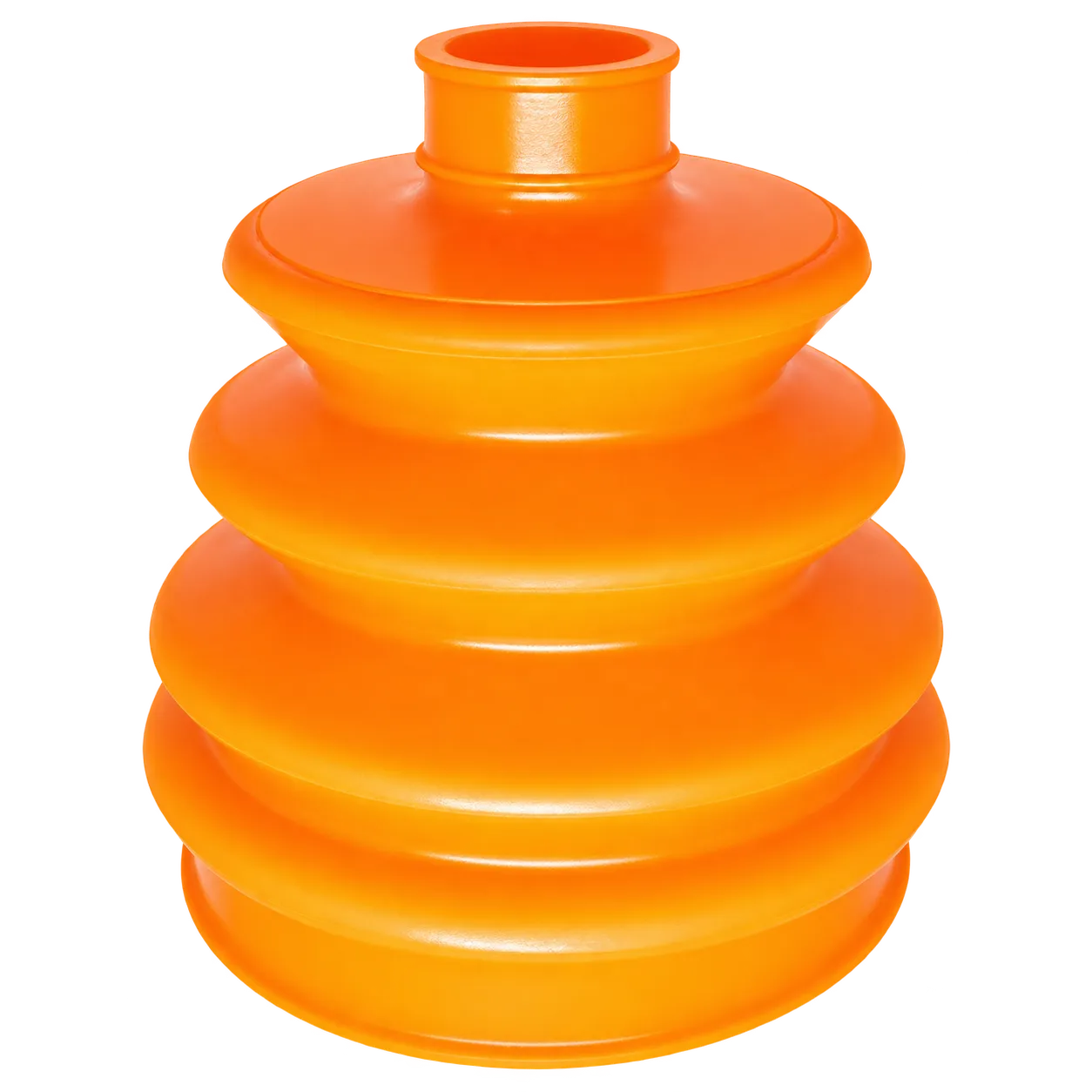
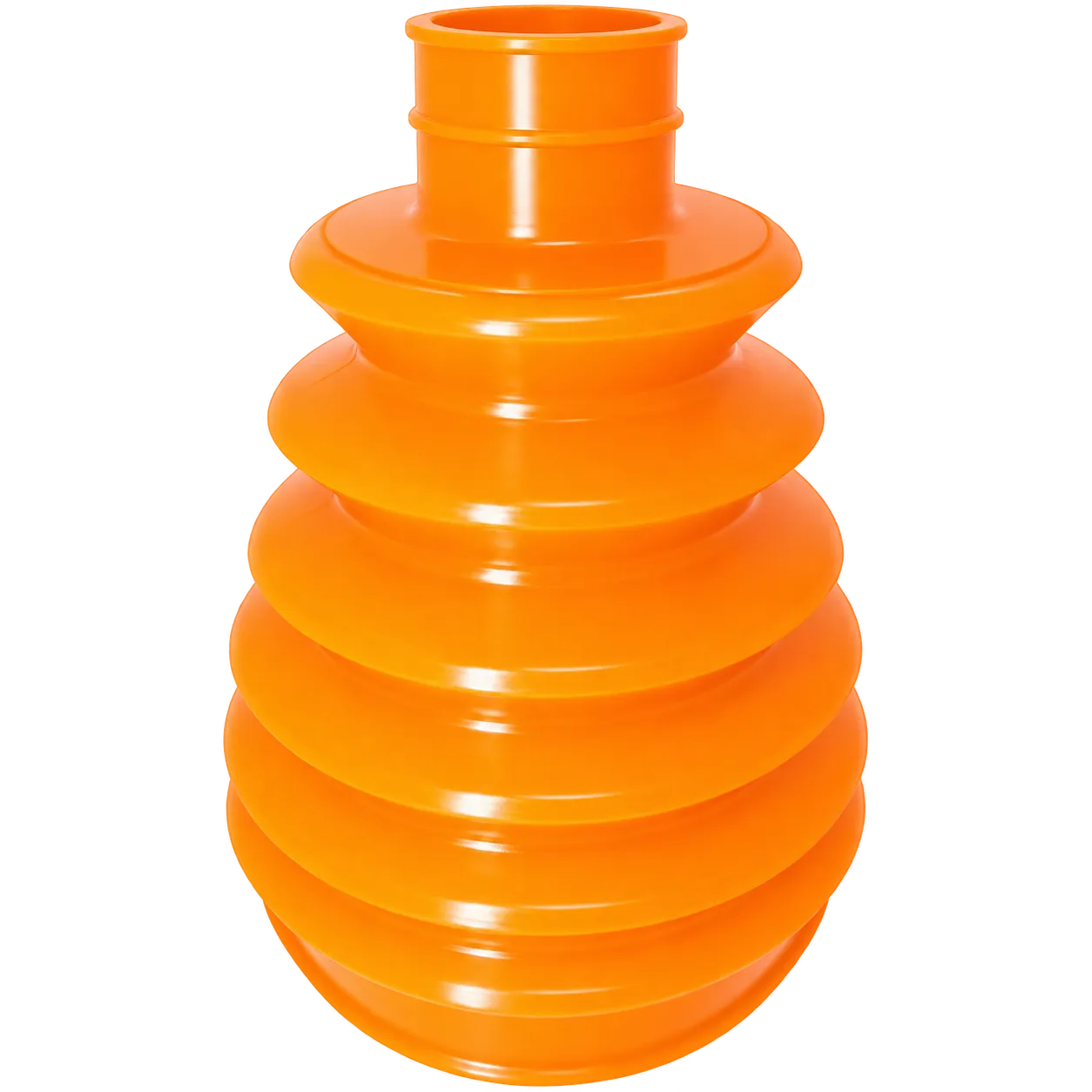
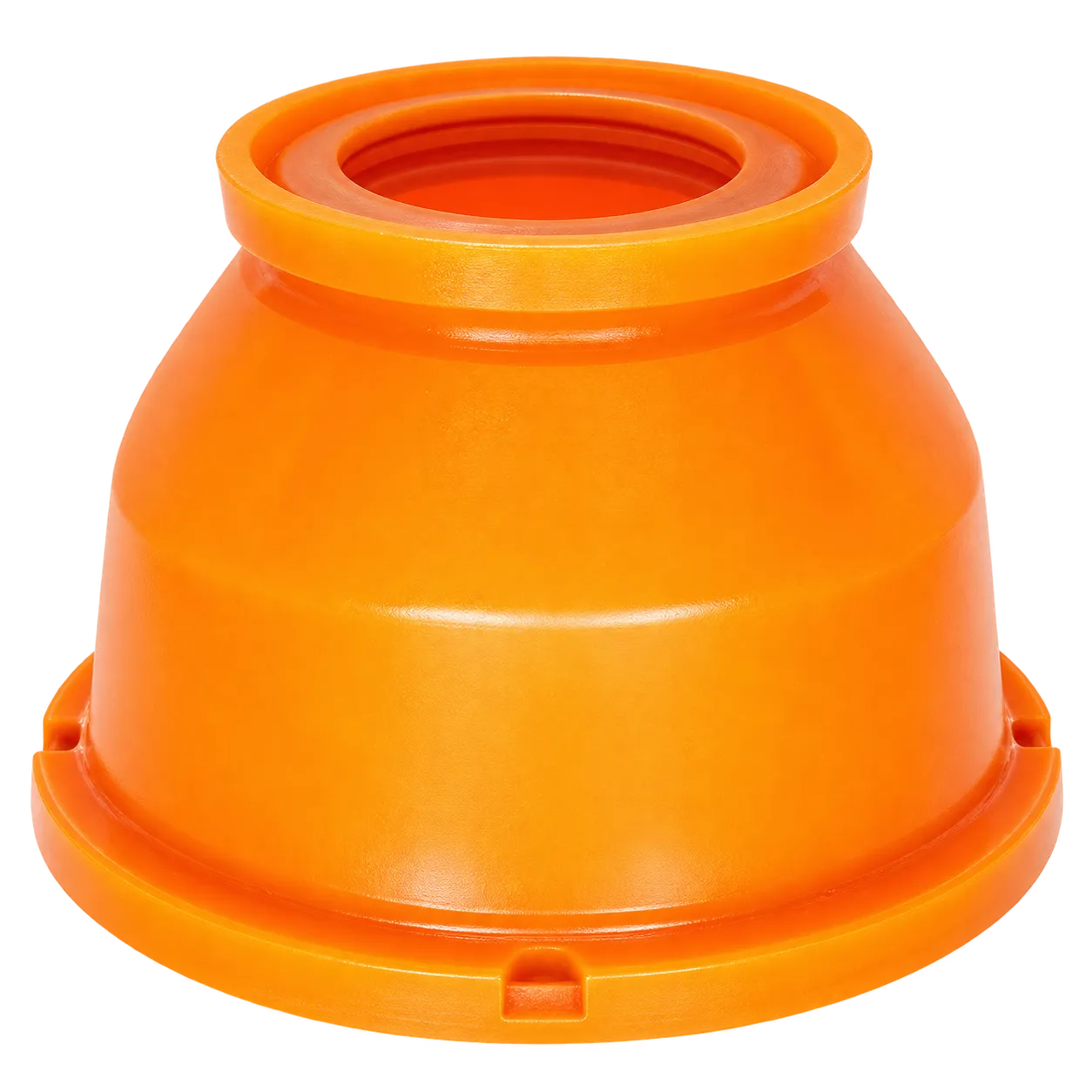


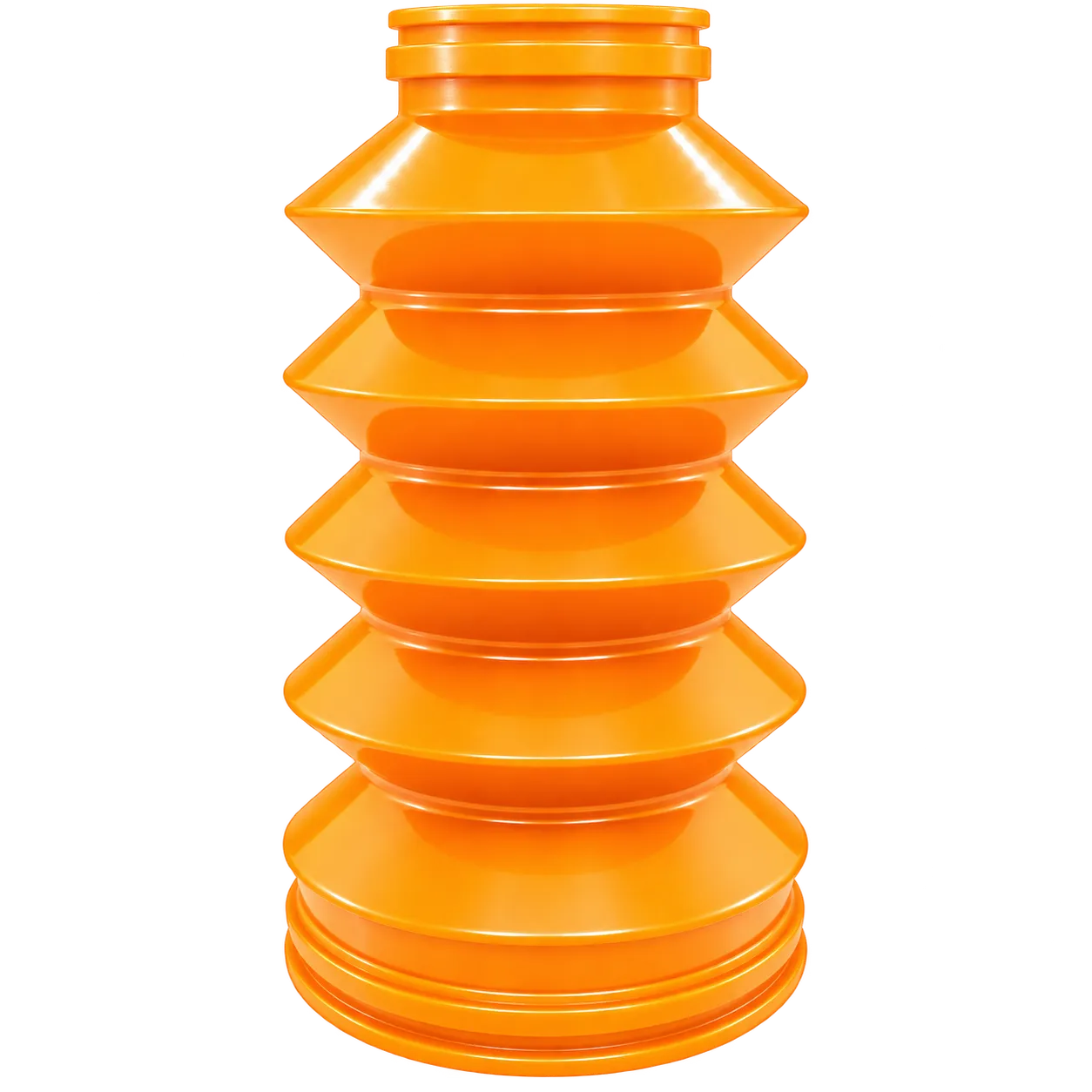
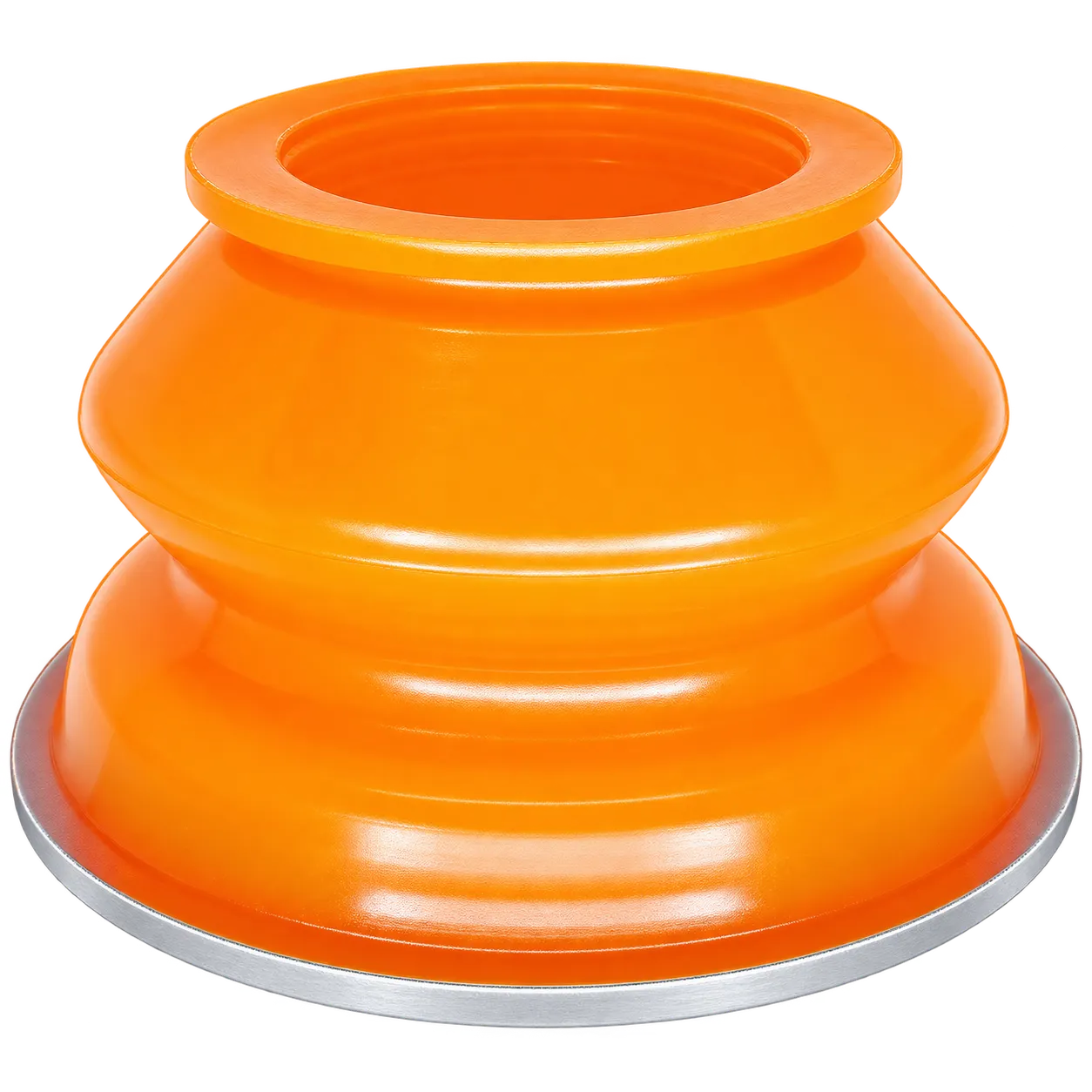
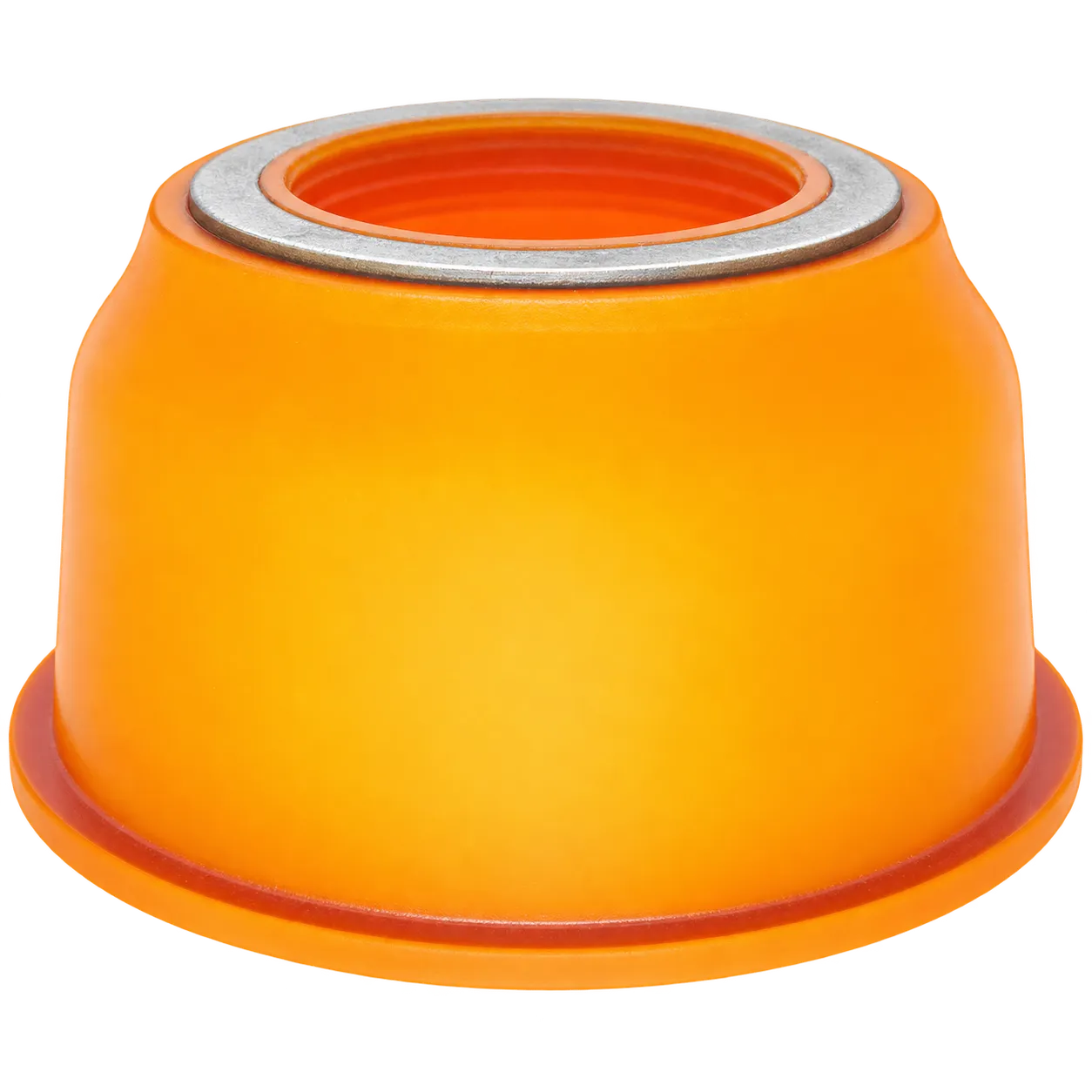
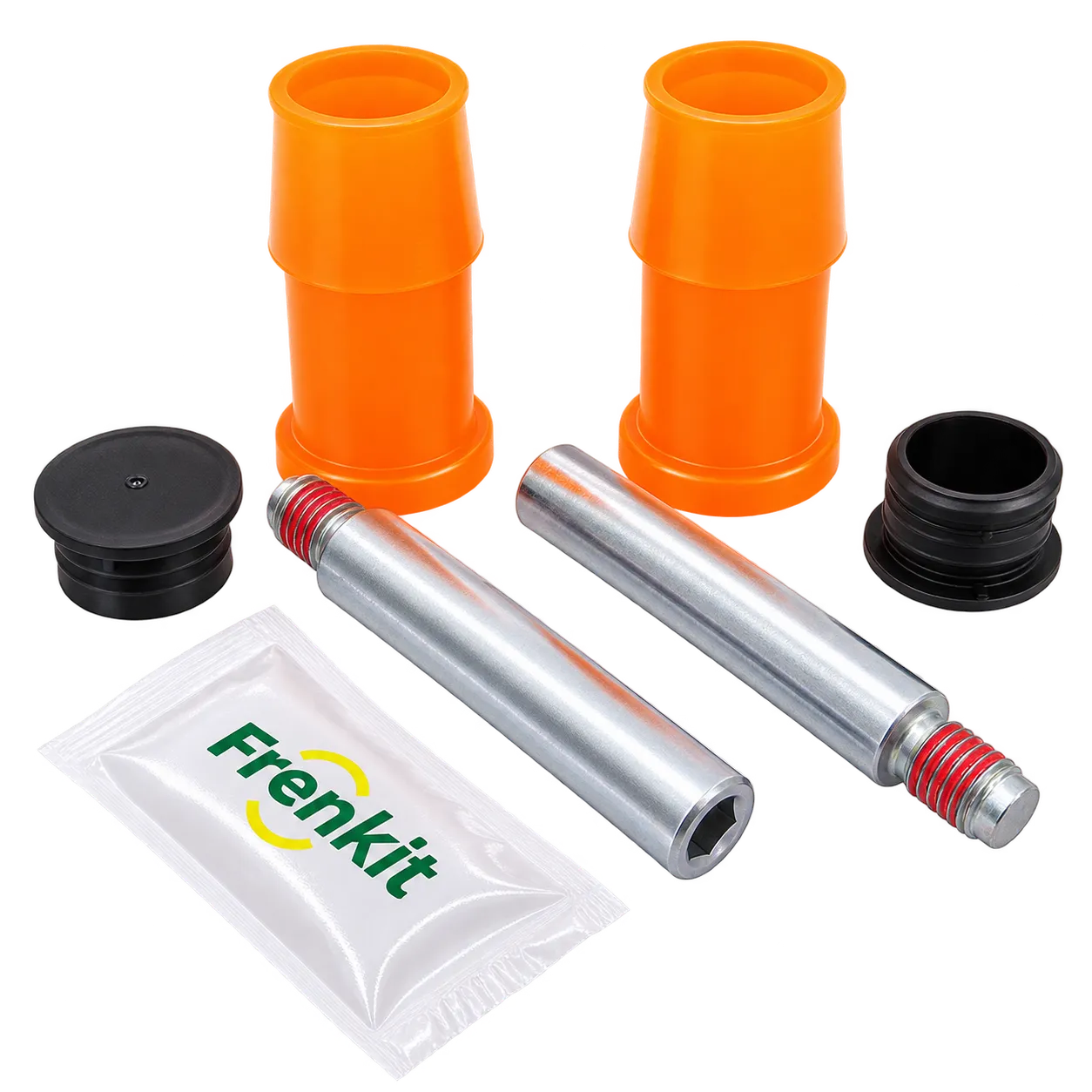
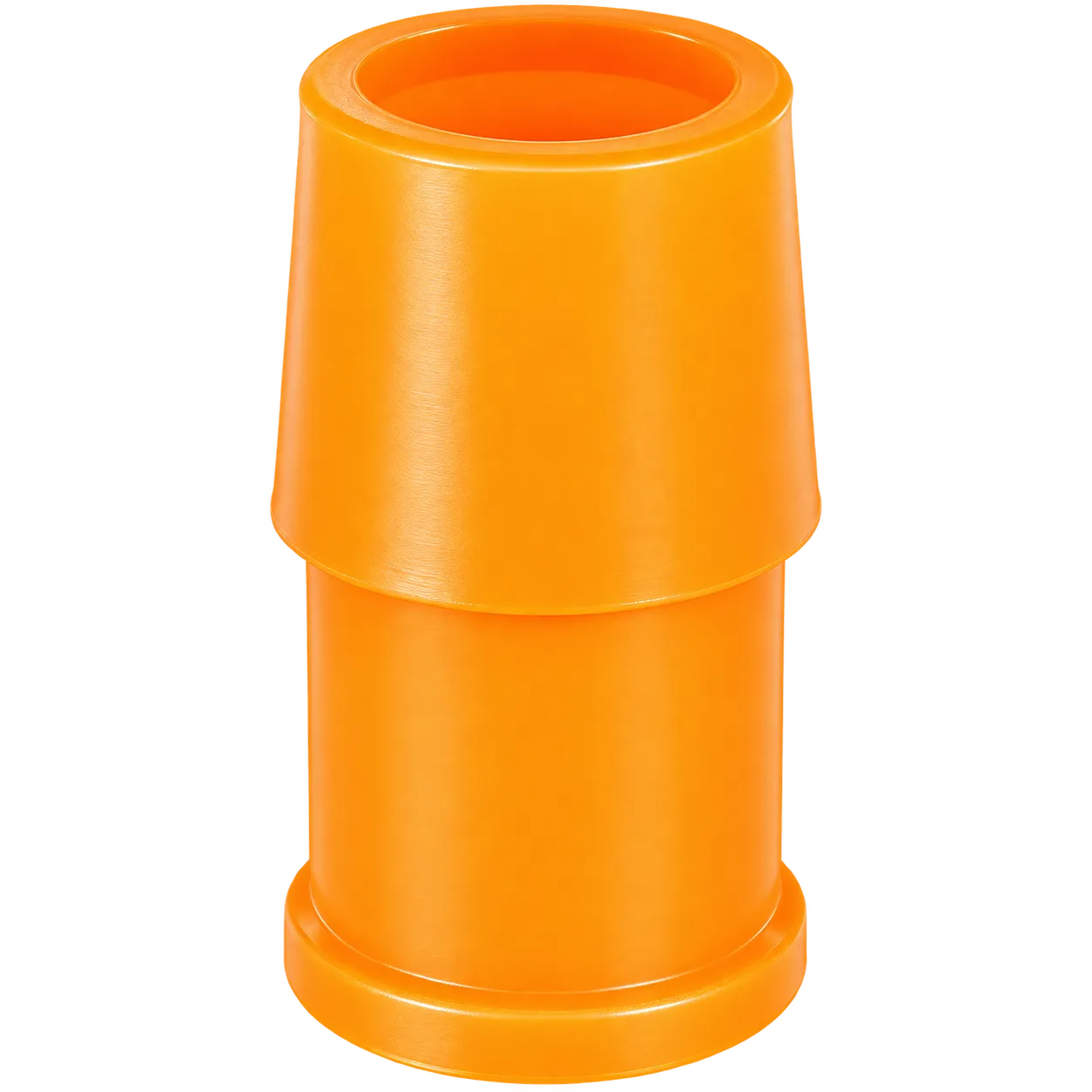
- Polyurethane anther of a steering tip Kugelgelenk DT Spare
 SKU: PP203110
Polyurethane anther of a steering tip Kugelgelenk DT Spare
In stock13 pcs.$13.57Log in as dealer - Polyurethane boot for rear upper control arm ball joint Subaru Brz 2012-
 SKU: PP203101
Polyurethane boot for rear upper control arm ball joint Subaru Brz 2012-
In stock13 pcs.$6.26Log in as dealer - Polyurethane boot for rear upper control arm ball joint Subaru Forester 2008-2012SKU: PP203101
Polyurethane boot for rear upper control arm ball joint Subaru Forester 2008-2012
In stock13 pcs.$6.26Log in as dealer - Polyurethane boot for rear upper control arm ball joint Subaru Impreza 2000-2007SKU: PP203101
Polyurethane boot for rear upper control arm ball joint Subaru Impreza 2000-2007
In stock13 pcs.$6.26Log in as dealer - Polyurethane boot for rear upper control arm ball joint Subaru Impreza 2007-2011SKU: PP203101
Polyurethane boot for rear upper control arm ball joint Subaru Impreza 2007-2011
In stock13 pcs.$6.26Log in as dealer - Polyurethane boot for rear upper control arm ball joint Subaru Legacy 2003-2009SKU: PP203101
Polyurethane boot for rear upper control arm ball joint Subaru Legacy 2003-2009
In stock13 pcs.$6.26Log in as dealer - Polyurethane boot for rear upper control arm ball joint Subaru Legacy 2009-2014SKU: PP203101
Polyurethane boot for rear upper control arm ball joint Subaru Legacy 2009-2014
In stock13 pcs.$6.26Log in as dealer - Polyurethane boot for rear upper control arm ball joint Subaru Tribeca 2005-2014SKU: PP203101
Polyurethane boot for rear upper control arm ball joint Subaru Tribeca 2005-2014
In stock13 pcs.$6.26Log in as dealer - Polyurethane boot for steering tip of central rear tie rod right Toyota Corolla 1987-1992
 SKU: PP203002
Polyurethane boot for steering tip of central rear tie rod right Toyota Corolla 1987-1992
In stock13 pcs.$6.26Log in as dealer - Polyurethane boot for steering tip of central rear tie rod right Toyota Corolla 1991-1997SKU: PP203002
Polyurethane boot for steering tip of central rear tie rod right Toyota Corolla 1991-1997
In stock13 pcs.$6.26Log in as dealer - Polyurethane boot for steering tip of central rear tie rod right Toyota Land Cruiser 1960-1984SKU: PP203002
Polyurethane boot for steering tip of central rear tie rod right Toyota Land Cruiser 1960-1984
In stock13 pcs.$6.26Log in as dealer - Polyurethane boot for steering tip of central rear tie rod right Toyota Land Cruiser 1984-1990SKU: PP203002
Polyurethane boot for steering tip of central rear tie rod right Toyota Land Cruiser 1984-1990
In stock13 pcs.$6.26Log in as dealer - Polyurethane boot for steering tip of central rear tie rod right Toyota Land Cruiser 1990-1997SKU: PP203002
Polyurethane boot for steering tip of central rear tie rod right Toyota Land Cruiser 1990-1997
In stock13 pcs.$6.26Log in as dealer - Polyurethane boot for steering tip of central rear tie rod right Toyota Land Cruiser 1998-2007SKU: PP203002
Polyurethane boot for steering tip of central rear tie rod right Toyota Land Cruiser 1998-2007
In stock13 pcs.$6.26Log in as dealer - Polyurethane boot for steering tip of central rear tie rod right Toyota Land Cruiser 2007-SKU: PP203002
Polyurethane boot for steering tip of central rear tie rod right Toyota Land Cruiser 2007-
In stock13 pcs.$6.26Log in as dealer - Polyurethane boot for steering tip of central tie rod Opel Omega 1986-1993
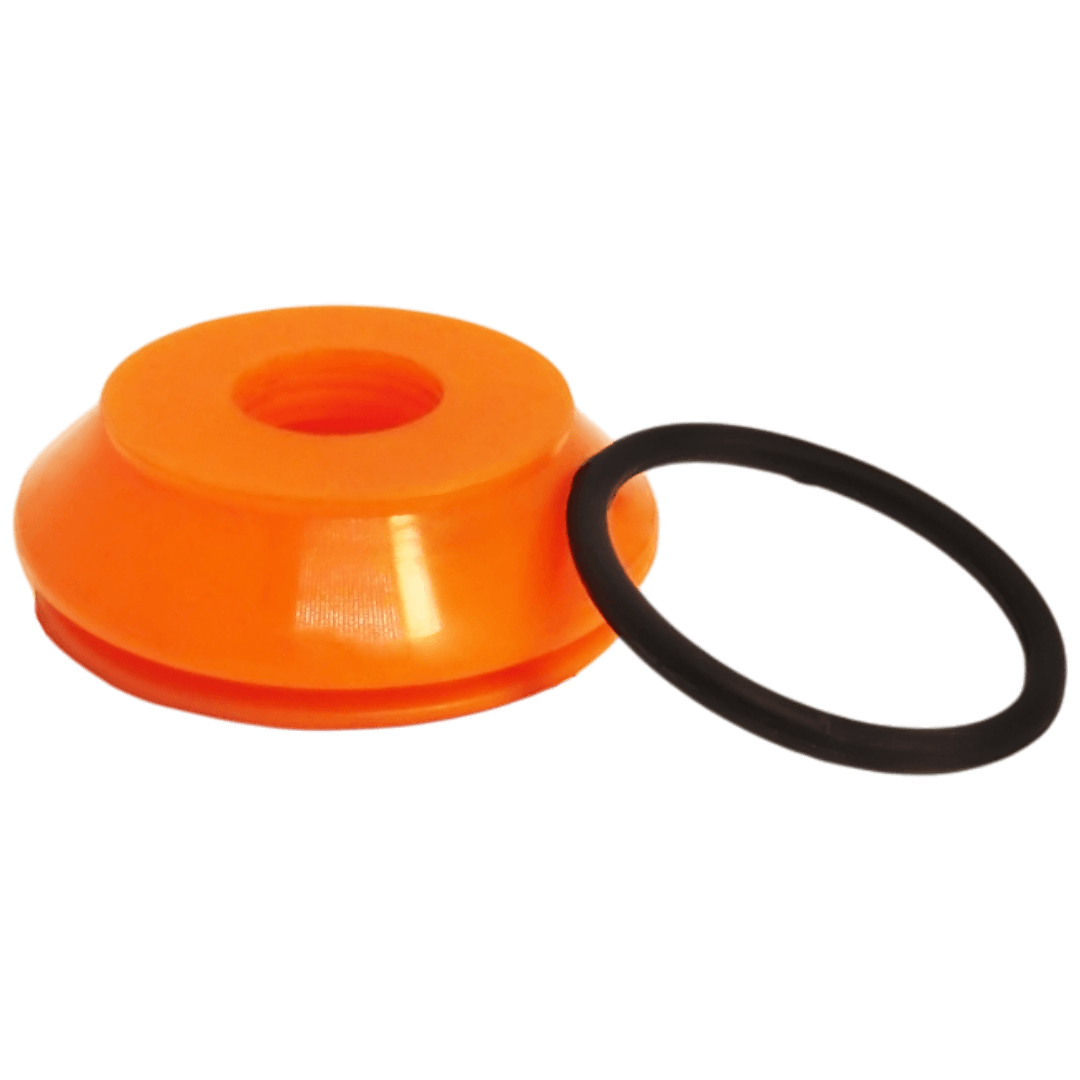 SKU: PP104873
Polyurethane boot for steering tip of central tie rod Opel Omega 1986-1993
In stock10 pcs.$5.91Log in as dealer - Polyurethane boot for steering tip of central tie rod Opel Omega 1994-2003SKU: PP104873
Polyurethane boot for steering tip of central tie rod Opel Omega 1994-2003
In stock10 pcs.$5.91Log in as dealer - Polyurethane boot for steering tip of central tie rod right Toyota Land Cruiser 1960-1984
 SKU: PP203031
Polyurethane boot for steering tip of central tie rod right Toyota Land Cruiser 1960-1984
In stock15 pcs.$6.26Log in as dealer - Polyurethane boot for steering tip of central tie rod right Toyota Land Cruiser 1984-1990SKU: PP203031
Polyurethane boot for steering tip of central tie rod right Toyota Land Cruiser 1984-1990
In stock15 pcs.$6.26Log in as dealer - Polyurethane boot for steering tip of central tie rod right Toyota Land Cruiser 1990-1997SKU: PP203031
Polyurethane boot for steering tip of central tie rod right Toyota Land Cruiser 1990-1997
In stock15 pcs.$6.26Log in as dealer - Polyurethane boot for steering tip of tie rod Man CLA 2007-
 SKU: PP203149
Polyurethane boot for steering tip of tie rod Man CLA 2007-
In stock15 pcs.$6.26Log in as dealer - Polyurethane boot for steering tip of tie rod Man E 2000 2000-SKU: PP203149
Polyurethane boot for steering tip of tie rod Man E 2000 2000-
In stock15 pcs.$6.26Log in as dealer - Polyurethane boot for steering tip of tie rod Man ELSKU: PP203149
Polyurethane boot for steering tip of tie rod Man EL
In stock15 pcs.$6.26Log in as dealer - Polyurethane boot for steering tip of tie rod Man EMSKU: PP203149
Polyurethane boot for steering tip of tie rod Man EM
In stock15 pcs.$6.26Log in as dealer - Polyurethane boot for steering tip of tie rod Man F 90 1986-1994SKU: PP203149
Polyurethane boot for steering tip of tie rod Man F 90 1986-1994
In stock15 pcs.$6.26Log in as dealer - Polyurethane boot for steering tip of tie rod Man F 90 Unterflur 1986-1994SKU: PP203149
Polyurethane boot for steering tip of tie rod Man F 90 Unterflur 1986-1994
In stock15 pcs.$6.26Log in as dealer - Polyurethane boot for steering tip of tie rod Man F2000 1994-2000SKU: PP203149
Polyurethane boot for steering tip of tie rod Man F2000 1994-2000
In stock15 pcs.$6.26Log in as dealer - Polyurethane boot for steering tip of tie rod Man L2000 1994-2005SKU: PP203149
Polyurethane boot for steering tip of tie rod Man L2000 1994-2005
In stock15 pcs.$6.26Log in as dealer - Polyurethane boot for steering tip of tie rod Man Lion S Coach 1996-2002SKU: PP203149
Polyurethane boot for steering tip of tie rod Man Lion S Coach 1996-2002
In stock15 pcs.$6.26Log in as dealer - Polyurethane boot for steering tip of tie rod Man Lion S Regio 2004-2017SKU: PP203149
Polyurethane boot for steering tip of tie rod Man Lion S Regio 2004-2017
In stock15 pcs.$6.26Log in as dealer - Polyurethane boot for steering tip of tie rod Man Lion S Star 1994-SKU: PP203149
Polyurethane boot for steering tip of tie rod Man Lion S Star 1994-
In stock15 pcs.$6.26Log in as dealer - Polyurethane boot for steering tip of tie rod Man M2000L 1996-2005SKU: PP203149
Polyurethane boot for steering tip of tie rod Man M2000L 1996-2005
In stock15 pcs.$6.26Log in as dealer - Polyurethane boot for steering tip of tie rod Man M2000M 1996-2005SKU: PP203149
Polyurethane boot for steering tip of tie rod Man M2000M 1996-2005
In stock15 pcs.$6.26Log in as dealer - Polyurethane boot for steering tip of tie rod Man M90 1988-1996SKU: PP203149
Polyurethane boot for steering tip of tie rod Man M90 1988-1996
In stock15 pcs.$6.26Log in as dealer - Polyurethane boot for steering tip of tie rod Man NG 1990-1992SKU: PP203149
Polyurethane boot for steering tip of tie rod Man NG 1990-1992
In stock15 pcs.$6.26Log in as dealer - Polyurethane boot for steering tip of tie rod Man NLSKU: PP203149
Polyurethane boot for steering tip of tie rod Man NL
In stock15 pcs.$6.26Log in as dealer - Polyurethane boot for steering tip of tie rod Man NMSKU: PP203149
Polyurethane boot for steering tip of tie rod Man NM
In stock15 pcs.$6.26Log in as dealer - Polyurethane boot for steering tip of tie rod Man NUSKU: PP203149
Polyurethane boot for steering tip of tie rod Man NU
In stock15 pcs.$6.26Log in as dealer - Polyurethane boot for steering tip of tie rod Man SGSKU: PP203149
Polyurethane boot for steering tip of tie rod Man SG
In stock15 pcs.$6.26Log in as dealer - Polyurethane boot for steering tip of tie rod Man SL 1973-1988SKU: PP203149
Polyurethane boot for steering tip of tie rod Man SL 1973-1988
In stock15 pcs.$6.26Log in as dealer - Polyurethane boot for steering tip of tie rod Man SM 1989-1992SKU: PP203149
Polyurethane boot for steering tip of tie rod Man SM 1989-1992
In stock15 pcs.$6.26Log in as dealer - Polyurethane boot for steering tip of tie rod Man SRSKU: PP203149
Polyurethane boot for steering tip of tie rod Man SR
In stock15 pcs.$6.26Log in as dealer - Polyurethane boot for steering tip of tie rod Man SUSKU: PP203149
Polyurethane boot for steering tip of tie rod Man SU
In stock15 pcs.$6.26Log in as dealer - Polyurethane boot for steering tip of tie rod Man TGM 2005-SKU: PP203149
Polyurethane boot for steering tip of tie rod Man TGM 2005-
In stock15 pcs.$6.26Log in as dealer - Polyurethane boot for steering tip of tie rod Man Tga 2000-2011SKU: PP203149
Polyurethane boot for steering tip of tie rod Man Tga 2000-2011
In stock15 pcs.$6.26Log in as dealer - Polyurethane boot for steering tip of tie rod Man Tgl 2005-SKU: PP203149
Polyurethane boot for steering tip of tie rod Man Tgl 2005-
In stock15 pcs.$6.26Log in as dealer - Polyurethane boot for steering tip of tie rod Man Tgs 2007-SKU: PP203149
Polyurethane boot for steering tip of tie rod Man Tgs 2007-
In stock15 pcs.$6.26Log in as dealer - Polyurethane boot for steering tip of tie rod Man Tgx 2007-SKU: PP203149
Polyurethane boot for steering tip of tie rod Man Tgx 2007-
In stock15 pcs.$6.26Log in as dealer - Polyurethane boot for steering tip of tie rod Man ULSKU: PP203149
Polyurethane boot for steering tip of tie rod Man UL
In stock15 pcs.$6.26Log in as dealer - Polyurethane boot for steering tip of tie rod Mercedes-Benz Sk 1989–1998SKU: PP203149
Polyurethane boot for steering tip of tie rod Mercedes-Benz Sk 1989–1998
In stock15 pcs.$6.26Log in as dealer - Polyurethane boot for the steering tip Bmw E38 1994-2001 3,9L
 SKU: PP104875
Polyurethane boot for the steering tip Bmw E38 1994-2001 3,9L
In stock15 pcs.$6.26Log in as dealer - Polyurethane boot of the ball suppor of the front trailing arm Tesla Model S 2012-
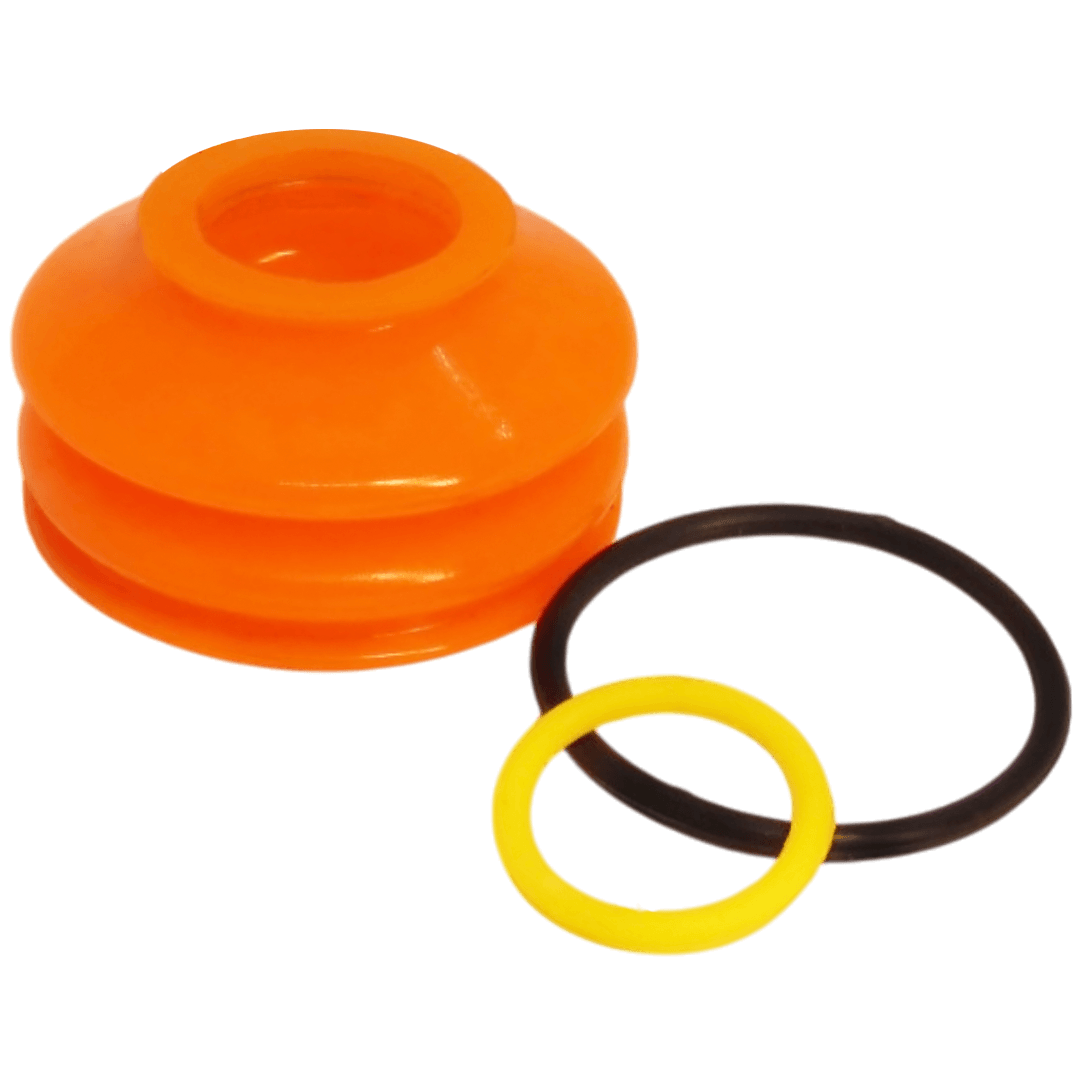 SKU: PP104874
Polyurethane boot of the ball suppor of the front trailing arm Tesla Model S 2012-
In stock15 pcs.$6.26Log in as dealer - Polyurethane boot of the ball support VAZ 1118 2004-2018SKU: PP104891
Polyurethane boot of the ball support VAZ 1118 2004-2018
In stock15 pcs.$6.26Log in as dealer - Polyurethane boot of the ball support VAZ 2101-2107 1970-2004SKU: PP104891
Polyurethane boot of the ball support VAZ 2101-2107 1970-2004
In stock15 pcs.$6.26Log in as dealer - Polyurethane boot of the ball support VAZ 2108-21099 1984-2011SKU: PP104891
Polyurethane boot of the ball support VAZ 2108-21099 1984-2011
In stock15 pcs.$6.26Log in as dealer - Polyurethane boot of the ball support VAZ 2110-2112 1995-2014SKU: PP104891
Polyurethane boot of the ball support VAZ 2110-2112 1995-2014
In stock15 pcs.$6.26Log in as dealer - Polyurethane boot of the ball support VAZ 2113-2115 2001-2013SKU: PP104891
Polyurethane boot of the ball support VAZ 2113-2115 2001-2013
In stock15 pcs.$6.26Log in as dealer - Polyurethane boot of the ball support VAZ 2170 2007-2018SKU: PP104891
Polyurethane boot of the ball support VAZ 2170 2007-2018
In stock15 pcs.$6.26Log in as dealer - Polyurethane boot of the ball support Vaz 2101-2107 1970-2004
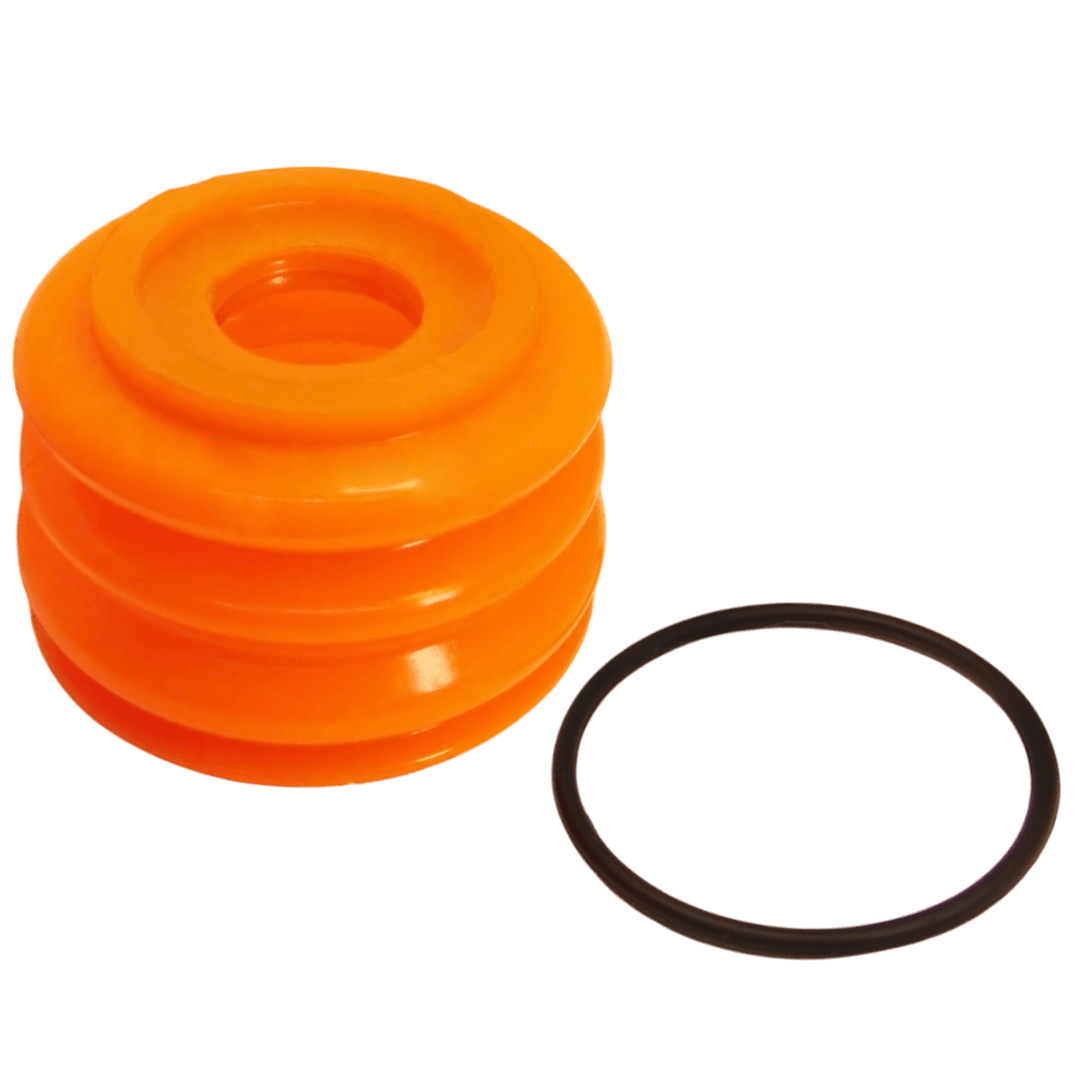 SKU: PP104889
Polyurethane boot of the ball support Vaz 2101-2107 1970-2004
In stock15 pcs.$11.94Log in as dealer - Polyurethane boot of the ball support Vaz 2113-2115 2001-2013SKU: PP104889
Polyurethane boot of the ball support Vaz 2113-2115 2001-2013
In stock15 pcs.$11.94Log in as dealer - Polyurethane boot of the ball support Vaz Нива 1977-SKU: PP104889
Polyurethane boot of the ball support Vaz Нива 1977-
In stock15 pcs.$11.94Log in as dealer - Polyurethane boot of the ball support for the steering tip Bmw E38 1994-2001 2,2L-2,5L
 SKU: PP203194
Polyurethane boot of the ball support for the steering tip Bmw E38 1994-2001 2,2L-2,5L
In stock13 pcs.$6.26Log in as dealer - Polyurethane boot of the ball support for the steering tip Bmw E38 1994-2001 4,4L
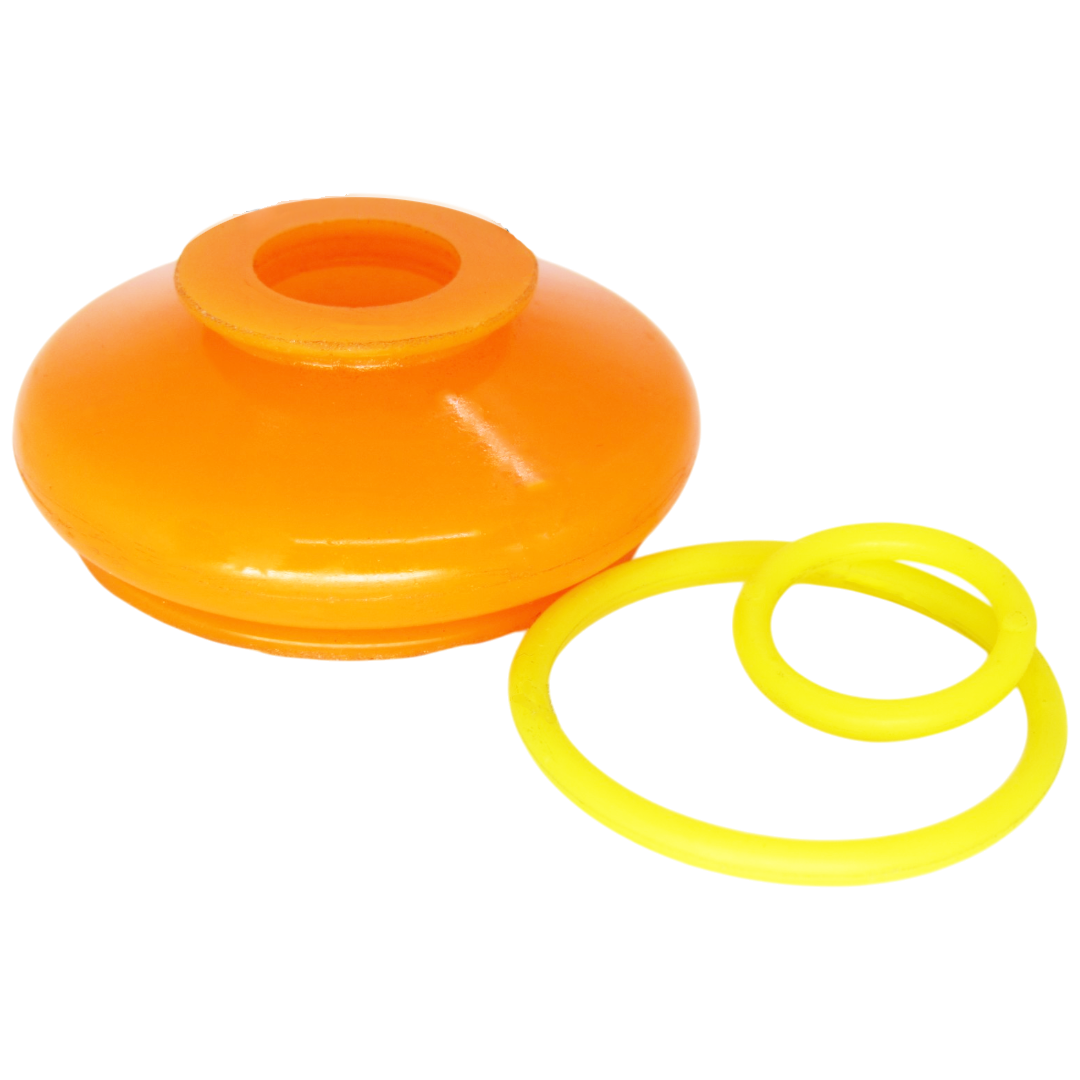 SKU: PP203199
Polyurethane boot of the ball support for the steering tip Bmw E38 1994-2001 4,4L
In stock15 pcs.$6.26Log in as dealer - Polyurethane boot of the ball support for the steering tip Bmw E39 1995-2003 2,2L-2,5LSKU: PP203194
Polyurethane boot of the ball support for the steering tip Bmw E39 1995-2003 2,2L-2,5L
In stock13 pcs.$6.26Log in as dealer - Polyurethane boot of the ball support for the steering tip Bmw E39 1995-2003 4,4LSKU: PP203199
Polyurethane boot of the ball support for the steering tip Bmw E39 1995-2003 4,4L
In stock15 pcs.$6.26Log in as dealer - Polyurethane boot of the ball support for the steering tip Bmw E46 1998-2006 2,2L-2,5LSKU: PP203194
Polyurethane boot of the ball support for the steering tip Bmw E46 1998-2006 2,2L-2,5L
In stock13 pcs.$6.26Log in as dealer - Polyurethane boot of the ball support for the steering tip Ford Transit 1978-1985
 SKU: PP203171
Polyurethane boot of the ball support for the steering tip Ford Transit 1978-1985
In stock13 pcs.$6.26Log in as dealer - Polyurethane boot of the ball support for the steering tip Ford Transit 1986-2003SKU: PP203171
Polyurethane boot of the ball support for the steering tip Ford Transit 1986-2003
In stock13 pcs.$6.26Log in as dealer - Polyurethane boot of the ball support for the steering tip Ford Transit 1986-2003 2,0L
 SKU: PP203180
Polyurethane boot of the ball support for the steering tip Ford Transit 1986-2003 2,0L
In stock13 pcs.$6.26Log in as dealer - Polyurethane boot of the ball support for the steering tip Ford Transit 1994-2003 2,0LSKU: PP203180
Polyurethane boot of the ball support for the steering tip Ford Transit 1994-2003 2,0L
In stock13 pcs.$6.26Log in as dealer - Polyurethane boot of the ball support for the steering tip Ford Transit 1994-2003 2,2L-2,5LSKU: PP203194
Polyurethane boot of the ball support for the steering tip Ford Transit 1994-2003 2,2L-2,5L
In stock13 pcs.$6.26Log in as dealer - Polyurethane boot of the ball support for the steering tip Ford Transit 2000-2006 2,0LSKU: PP203180
Polyurethane boot of the ball support for the steering tip Ford Transit 2000-2006 2,0L
In stock13 pcs.$6.26Log in as dealer - Polyurethane boot of the ball support for the steering tip Ford Transit 2006-2014 2,2L
 SKU: PP203174
Polyurethane boot of the ball support for the steering tip Ford Transit 2006-2014 2,2L
In stock13 pcs.$6.26Log in as dealer - Polyurethane boot of the ball support for the steering tip Ford Transit 2006-2014 2,2L-2,5LSKU: PP203194
Polyurethane boot of the ball support for the steering tip Ford Transit 2006-2014 2,2L-2,5L
In stock13 pcs.$6.26Log in as dealer - Polyurethane boot of the ball support for the steering tip Ford Transit 2013- 2,2LSKU: PP203174
Polyurethane boot of the ball support for the steering tip Ford Transit 2013- 2,2L
In stock13 pcs.$6.26Log in as dealer - Polyurethane boot of the ball support for the steering tip Iveco Daily 1998-2009 2,3L
 SKU: PP203178
Polyurethane boot of the ball support for the steering tip Iveco Daily 1998-2009 2,3L
In stock13 pcs.$6.26Log in as dealer - Polyurethane boot of the ball support for the steering tip Iveco Daily 2006-2011 2,3LSKU: PP203178
Polyurethane boot of the ball support for the steering tip Iveco Daily 2006-2011 2,3L
In stock13 pcs.$6.26Log in as dealer - Polyurethane boot of the ball support for the steering tip Iveco Daily 2011-2014 2,3LSKU: PP203178
Polyurethane boot of the ball support for the steering tip Iveco Daily 2011-2014 2,3L
In stock13 pcs.$6.26Log in as dealer - Polyurethane boot of the ball support for the steering tip Lexus Es 1996-2001 2,4L
 SKU: PP203190
Polyurethane boot of the ball support for the steering tip Lexus Es 1996-2001 2,4L
In stock10 pcs.$6.26Log in as dealer - Polyurethane boot of the ball support for the steering tip Lexus Es 2001-2006 2,4LSKU: PP203190
Polyurethane boot of the ball support for the steering tip Lexus Es 2001-2006 2,4L
In stock10 pcs.$6.26Log in as dealer - Polyurethane boot of the ball support for the steering tip Lexus Rx 2003-2009 2,4LSKU: PP203190
Polyurethane boot of the ball support for the steering tip Lexus Rx 2003-2009 2,4L
In stock10 pcs.$6.26Log in as dealer - Polyurethane boot of the ball support for the steering tip Lexus Rx 2009-2015 2,4LSKU: PP203190
Polyurethane boot of the ball support for the steering tip Lexus Rx 2009-2015 2,4L
In stock10 pcs.$6.26Log in as dealer - Polyurethane boot of the ball support for the steering tip Mercedes-Benz Sprinter 2006-
 SKU: PP203176
Polyurethane boot of the ball support for the steering tip Mercedes-Benz Sprinter 2006-
In stock13 pcs.$6.26Log in as dealer - Polyurethane boot of the ball support for the steering tip Nissan Interstar 1998-2010 2,2L-2,5LSKU: PP203194
Polyurethane boot of the ball support for the steering tip Nissan Interstar 1998-2010 2,2L-2,5L
In stock13 pcs.$6.26Log in as dealer - Polyurethane boot of the ball support for the steering tip Peugeot 307 2001-2008 2,4LSKU: PP203190
Polyurethane boot of the ball support for the steering tip Peugeot 307 2001-2008 2,4L
In stock10 pcs.$6.26Log in as dealer - Polyurethane boot of the ball support for the steering tip Toyota Alphard 2002-2008 2,4LSKU: PP203190
Polyurethane boot of the ball support for the steering tip Toyota Alphard 2002-2008 2,4L
In stock10 pcs.$6.26Log in as dealer - Polyurethane boot of the ball support for the steering tip Toyota Camry 1996-2001 2,4LSKU: PP203190
Polyurethane boot of the ball support for the steering tip Toyota Camry 1996-2001 2,4L
In stock10 pcs.$6.26Log in as dealer - Polyurethane boot of the ball support for the steering tip Toyota Camry 2001-2006 2,4LSKU: PP203190
Polyurethane boot of the ball support for the steering tip Toyota Camry 2001-2006 2,4L
In stock10 pcs.$6.26Log in as dealer - Polyurethane boot of the ball support for the steering tip Toyota Highlander 2008-2013 2,4LSKU: PP203190
Polyurethane boot of the ball support for the steering tip Toyota Highlander 2008-2013 2,4L
In stock10 pcs.$6.26Log in as dealer - Polyurethane boot of the ball support for the steering tip Toyota Land Cruiser 1960-1984 2,4LSKU: PP203190
Polyurethane boot of the ball support for the steering tip Toyota Land Cruiser 1960-1984 2,4L
In stock10 pcs.$6.26Log in as dealer - Polyurethane boot of the ball support for the steering tip Toyota Land Cruiser 1984-1990 2,4LSKU: PP203190
Polyurethane boot of the ball support for the steering tip Toyota Land Cruiser 1984-1990 2,4L
In stock10 pcs.$6.26Log in as dealer - Polyurethane boot of the ball support for the steering tip Toyota Land Cruiser 1990-1997 2,4LSKU: PP203190
Polyurethane boot of the ball support for the steering tip Toyota Land Cruiser 1990-1997 2,4L
In stock10 pcs.$6.26Log in as dealer - Polyurethane boot of the ball support for the steering tip Toyota LiteAce 1979-1986 2,4LSKU: PP203190
Polyurethane boot of the ball support for the steering tip Toyota LiteAce 1979-1986 2,4L
In stock10 pcs.$6.26Log in as dealer - Polyurethane boot of the ball support for the steering tip Toyota LiteAce 1986-1992 2,4LSKU: PP203190
Polyurethane boot of the ball support for the steering tip Toyota LiteAce 1986-1992 2,4L
In stock10 pcs.$6.26Log in as dealer - Polyurethane boot of the ball support for the steering tip Toyota LiteAce 1992-1998 2,4LSKU: PP203190
Polyurethane boot of the ball support for the steering tip Toyota LiteAce 1992-1998 2,4L
In stock10 pcs.$6.26Log in as dealer - Polyurethane boot of the ball support for the steering tip Toyota Model F 1982-1990 2,4LSKU: PP203190
Polyurethane boot of the ball support for the steering tip Toyota Model F 1982-1990 2,4L
In stock10 pcs.$6.26Log in as dealer - Polyurethane boot of the ball support for the steering tip Toyota Previa 2000-2006 2,4LSKU: PP203190
Polyurethane boot of the ball support for the steering tip Toyota Previa 2000-2006 2,4L
In stock10 pcs.$6.26Log in as dealer - Polyurethane boot of the ball support for the steering tip Toyota Sienna 2003-2009 2,4LSKU: PP203190
Polyurethane boot of the ball support for the steering tip Toyota Sienna 2003-2009 2,4L
In stock10 pcs.$6.26Log in as dealer - Polyurethane boot of the ball support for the steering tip Toyota Venza 2008-2017 2,4LSKU: PP203190
Polyurethane boot of the ball support for the steering tip Toyota Venza 2008-2017 2,4L
In stock10 pcs.$6.26Log in as dealer - Polyurethane boot of the ball support for the steering tip VAZ 1118 2004-2018
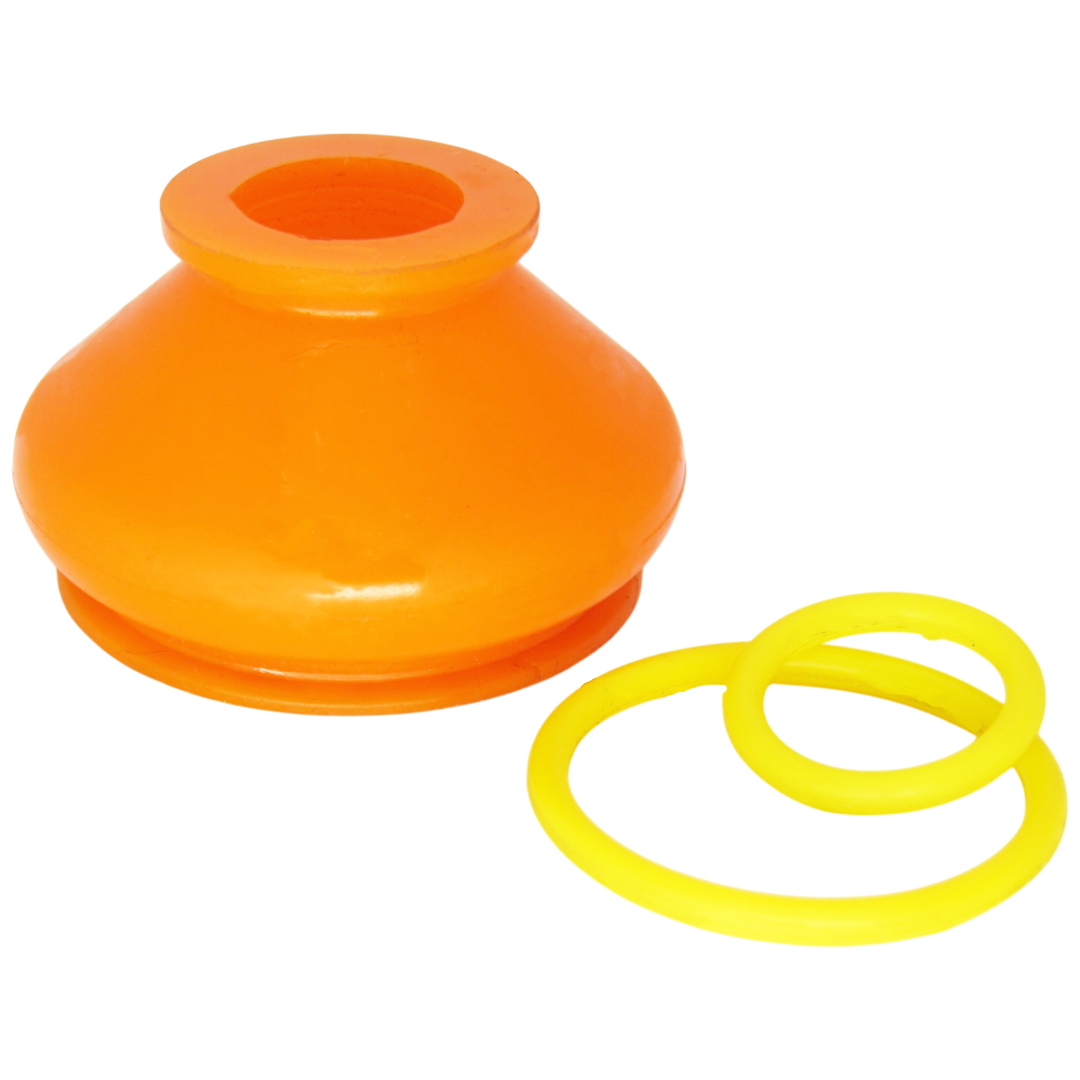 SKU: PP203198
Polyurethane boot of the ball support for the steering tip VAZ 1118 2004-2018
In stock15 pcs.$6.26Log in as dealer - Polyurethane boot of the ball support for the steering tip VAZ 2108-21099 1984-2011SKU: PP203198
Polyurethane boot of the ball support for the steering tip VAZ 2108-21099 1984-2011
In stock15 pcs.$6.26Log in as dealer - Polyurethane boot of the ball support for the steering tip VAZ 2110-2112 1995-2014SKU: PP203198
Polyurethane boot of the ball support for the steering tip VAZ 2110-2112 1995-2014
In stock15 pcs.$6.26Log in as dealer - Polyurethane boot of the ball support for the steering tip VAZ 2113-2115 2001-2013SKU: PP203198
Polyurethane boot of the ball support for the steering tip VAZ 2113-2115 2001-2013
In stock15 pcs.$6.26Log in as dealer - Polyurethane boot of the ball support for the steering tip VAZ 2170 2007-2018SKU: PP203198
Polyurethane boot of the ball support for the steering tip VAZ 2170 2007-2018
In stock15 pcs.$6.26Log in as dealer - Polyurethane boot of the ball support for the steering tip Volkswagen Crafter 2006-2016SKU: PP203176
Polyurethane boot of the ball support for the steering tip Volkswagen Crafter 2006-2016
In stock13 pcs.$6.26Log in as dealer - Polyurethane boot of the ball support for the steering tip Volkswagen T3 1979-1992SKU: PP203171
Polyurethane boot of the ball support for the steering tip Volkswagen T3 1979-1992
In stock13 pcs.$6.26Log in as dealer - Polyurethane boot of the ball support of rear rack stabilizer bar Audi A1 2010-2018 21мм bushings WELDED into stabilizer
 SKU: PP203042
Polyurethane boot of the ball support of rear rack stabilizer bar Audi A1 2010-2018 21мм bushings WELDED into stabilizer
In stock13 pcs.$6.26Log in as dealer - Polyurethane boot of the ball support of rear rack stabilizer bar Audi A3 2012-2020 21мм bushings WELDED into stabilizerSKU: PP203042
Polyurethane boot of the ball support of rear rack stabilizer bar Audi A3 2012-2020 21мм bushings WELDED into stabilizer
In stock13 pcs.$6.26Log in as dealer - Polyurethane boot of the ball support of rear rack stabilizer bar Audi Q2 2016- 21мм bushings WELDED into stabilizerSKU: PP203042
Polyurethane boot of the ball support of rear rack stabilizer bar Audi Q2 2016- 21мм bushings WELDED into stabilizer
In stock13 pcs.$6.26Log in as dealer - Polyurethane boot of the ball support of rear rack stabilizer bar Audi TT 2014-2023 21мм bushings WELDED into stabilizerSKU: PP203042
Polyurethane boot of the ball support of rear rack stabilizer bar Audi TT 2014-2023 21мм bushings WELDED into stabilizer
In stock13 pcs.$6.26Log in as dealer - Polyurethane boot of the ball support of rear rack stabilizer bar Seat Ateca 2016- 21мм bushings WELDED into stabilizerSKU: PP203042
Polyurethane boot of the ball support of rear rack stabilizer bar Seat Ateca 2016- 21мм bushings WELDED into stabilizer
In stock13 pcs.$6.26Log in as dealer - Polyurethane boot of the ball support of rear rack stabilizer bar Seat Leon 2012-2020 21мм bushings WELDED into stabilizerSKU: PP203042
Polyurethane boot of the ball support of rear rack stabilizer bar Seat Leon 2012-2020 21мм bushings WELDED into stabilizer
In stock13 pcs.$6.26Log in as dealer - Polyurethane boot of the ball support of rear rack stabilizer bar Skoda Octavia 2013-2020 21мм bushings WELDED into stabilizeSKU: PP203042
Polyurethane boot of the ball support of rear rack stabilizer bar Skoda Octavia 2013-2020 21мм bushings WELDED into stabilize
In stock13 pcs.$6.26Log in as dealer - Polyurethane boot of the ball support of rear rack stabilizer bar Skoda Superb 2015- 21мм bushings WELDED into stabilizerSKU: PP203042
Polyurethane boot of the ball support of rear rack stabilizer bar Skoda Superb 2015- 21мм bushings WELDED into stabilizer
In stock13 pcs.$6.26Log in as dealer - Polyurethane boot of the ball support of rear rack stabilizer bar Volkswagen Golf 2012-2020 21мм bushings WELDED into stabiliSKU: PP203042
Polyurethane boot of the ball support of rear rack stabilizer bar Volkswagen Golf 2012-2020 21мм bushings WELDED into stabili
In stock13 pcs.$6.26Log in as dealer - Polyurethane boot of the ball support of rear rack stabilizer bar Volkswagen Passat 2014- 21мм bushings WELDED into stabilizeSKU: PP203042
Polyurethane boot of the ball support of rear rack stabilizer bar Volkswagen Passat 2014- 21мм bushings WELDED into stabilize
In stock13 pcs.$6.26Log in as dealer - Polyurethane boot of the ball support of rear rack stabilizer bar Volkswagen Tiguan 2015- 21мм bushings WELDED into stabilizeSKU: PP203042
Polyurethane boot of the ball support of rear rack stabilizer bar Volkswagen Tiguan 2015- 21мм bushings WELDED into stabilize
In stock13 pcs.$6.26Log in as dealer - Polyurethane boot of the ball support of rear rack stabilizer bar Volkswagen Touran 2015- 21мм bushings WELDED into stabilizeSKU: PP203042
Polyurethane boot of the ball support of rear rack stabilizer bar Volkswagen Touran 2015- 21мм bushings WELDED into stabilize
In stock13 pcs.$6.26Log in as dealer - Polyurethane boot of the ball support of the front arm Ford Cougar 1998-2001
 SKU: PP203103
Polyurethane boot of the ball support of the front arm Ford Cougar 1998-2001
In stock13 pcs.$6.26Log in as dealer - Polyurethane boot of the ball support of the front arm Ford Mondeo 1993-1996SKU: PP203103
Polyurethane boot of the ball support of the front arm Ford Mondeo 1993-1996
In stock13 pcs.$6.26Log in as dealer - Polyurethane boot of the ball support of the front arm Acura Mdx 2013-2020
 SKU: PP203119
Polyurethane boot of the ball support of the front arm Acura Mdx 2013-2020
In stock13 pcs.$6.26Log in as dealer - Polyurethane boot of the ball support of the front arm Audi A2 1999-2005
 SKU: PP203008
Polyurethane boot of the ball support of the front arm Audi A2 1999-2005
In stock15 pcs.$6.26Log in as dealer - Polyurethane boot of the ball support of the front arm Audi A3 1996-2006SKU: PP203008
Polyurethane boot of the ball support of the front arm Audi A3 1996-2006
In stock15 pcs.$6.26Log in as dealer - Polyurethane boot of the ball support of the front arm Audi A3 2003-2012
 SKU: PP203051
Polyurethane boot of the ball support of the front arm Audi A3 2003-2012
In stock13 pcs.$6.26Log in as dealer - Polyurethane boot of the ball support of the front arm Audi A3 2003-2012SKU: PP203008
Polyurethane boot of the ball support of the front arm Audi A3 2003-2012
In stock15 pcs.$6.26Log in as dealer - Polyurethane boot of the ball support of the front arm Audi A3 2012-2020SKU: PP203051
Polyurethane boot of the ball support of the front arm Audi A3 2012-2020
In stock13 pcs.$6.26Log in as dealer - Polyurethane boot of the ball support of the front arm Audi A4 1994-2001 1,6L
 SKU: PP203193
Polyurethane boot of the ball support of the front arm Audi A4 1994-2001 1,6L
In stock13 pcs.$6.26Log in as dealer - Polyurethane boot of the ball support of the front arm Audi A4 1994-2001 1.9L
 SKU: PP203187
Polyurethane boot of the ball support of the front arm Audi A4 1994-2001 1.9L
In stock15 pcs.$6.26Log in as dealer - Polyurethane boot of the ball support of the front arm Audi A4 2000-2004 1,6LSKU: PP203193
Polyurethane boot of the ball support of the front arm Audi A4 2000-2004 1,6L
In stock13 pcs.$6.26Log in as dealer - Polyurethane boot of the ball support of the front arm Audi A4 2000-2004 1.9LSKU: PP203187
Polyurethane boot of the ball support of the front arm Audi A4 2000-2004 1.9L
In stock15 pcs.$6.26Log in as dealer - Polyurethane boot of the ball support of the front arm Audi A4 2004-2008 1,6LSKU: PP203193
Polyurethane boot of the ball support of the front arm Audi A4 2004-2008 1,6L
In stock13 pcs.$6.26Log in as dealer - Polyurethane boot of the ball support of the front arm Audi A6 1994-1997 1,6LSKU: PP203193
Polyurethane boot of the ball support of the front arm Audi A6 1994-1997 1,6L
In stock13 pcs.$6.26Log in as dealer - Polyurethane boot of the ball support of the front arm Audi A6 1997-2004 1,6LSKU: PP203193
Polyurethane boot of the ball support of the front arm Audi A6 1997-2004 1,6L
In stock13 pcs.$6.26Log in as dealer - Polyurethane boot of the ball support of the front arm Audi A6 2004-2011 1,6LSKU: PP203193
Polyurethane boot of the ball support of the front arm Audi A6 2004-2011 1,6L
In stock13 pcs.$6.26Log in as dealer - Polyurethane boot of the ball support of the front arm Audi A8 1994-2002 1.9LSKU: PP203187
Polyurethane boot of the ball support of the front arm Audi A8 1994-2002 1.9L
In stock15 pcs.$6.26Log in as dealer - Polyurethane boot of the ball support of the front arm Audi A8 2002-2009 1,6LSKU: PP203193
Polyurethane boot of the ball support of the front arm Audi A8 2002-2009 1,6L
In stock13 pcs.$6.26Log in as dealer - Polyurethane boot of the ball support of the front arm Audi Allroad 2000-2005 1,6LSKU: PP203193
Polyurethane boot of the ball support of the front arm Audi Allroad 2000-2005 1,6L
In stock13 pcs.$6.26Log in as dealer - Polyurethane boot of the ball support of the front arm Audi Q2 2016-SKU: PP203051
Polyurethane boot of the ball support of the front arm Audi Q2 2016-
In stock13 pcs.$6.26Log in as dealer - Polyurethane boot of the ball support of the front arm Audi Q3 2011-2014SKU: PP203051
Polyurethane boot of the ball support of the front arm Audi Q3 2011-2014
In stock13 pcs.$6.26Log in as dealer - Polyurethane boot of the ball support of the front arm Audi Q3 2014-2018SKU: PP203051
Polyurethane boot of the ball support of the front arm Audi Q3 2014-2018
In stock13 pcs.$6.26Log in as dealer - Polyurethane boot of the ball support of the front arm Bmw E30 1982-1994 1,8L-1,9L
 SKU: PP203186
Polyurethane boot of the ball support of the front arm Bmw E30 1982-1994 1,8L-1,9L
In stock15 pcs.$6.26Log in as dealer - Polyurethane boot of the ball support of the front arm Bmw E34 1987-1995 1,8L-1,9LSKU: PP203186
Polyurethane boot of the ball support of the front arm Bmw E34 1987-1995 1,8L-1,9L
In stock15 pcs.$6.26Log in as dealer - Polyurethane boot of the ball support of the front arm Bmw E53 1999-2006SKU: PP104876
Polyurethane boot of the ball support of the front arm Bmw E53 1999-2006
In stock15 pcs.$6.26Log in as dealer - Polyurethane boot of the ball support of the front arm Bmw E70 2006-2013 3,0L-4,4LSKU: PP104877
Polyurethane boot of the ball support of the front arm Bmw E70 2006-2013 3,0L-4,4L
In stock15 pcs.$6.26Log in as dealer - Polyurethane boot of the ball support of the front arm Bmw E71 2008-2012 3,0L-4,4LSKU: PP104877
Polyurethane boot of the ball support of the front arm Bmw E71 2008-2012 3,0L-4,4L
In stock15 pcs.$6.26Log in as dealer - Polyurethane boot of the ball support of the front arm Bmw E72 2008-2012 3,0L-4,4LSKU: PP104877
Polyurethane boot of the ball support of the front arm Bmw E72 2008-2012 3,0L-4,4L
In stock15 pcs.$6.26Log in as dealer - Polyurethane boot of the ball support of the front arm Bmw Z1 1988-1991 1,8L-1,9LSKU: PP203186
Polyurethane boot of the ball support of the front arm Bmw Z1 1988-1991 1,8L-1,9L
In stock15 pcs.$6.26Log in as dealer - Polyurethane boot of the ball support of the front arm Citroen Berlingo 1996-2010
 SKU: PP203050
Polyurethane boot of the ball support of the front arm Citroen Berlingo 1996-2010
In stock13 pcs.$6.26Log in as dealer - Polyurethane boot of the ball support of the front arm Citroen Berlingo 1996-2010 2,4L
 SKU: PP203043
Polyurethane boot of the ball support of the front arm Citroen Berlingo 1996-2010 2,4L
In stock13 pcs.$6.26Log in as dealer - Polyurethane boot of the ball support of the front arm Citroen Berlingo 2008-2018SKU: PP203050
Polyurethane boot of the ball support of the front arm Citroen Berlingo 2008-2018
In stock13 pcs.$6.26Log in as dealer
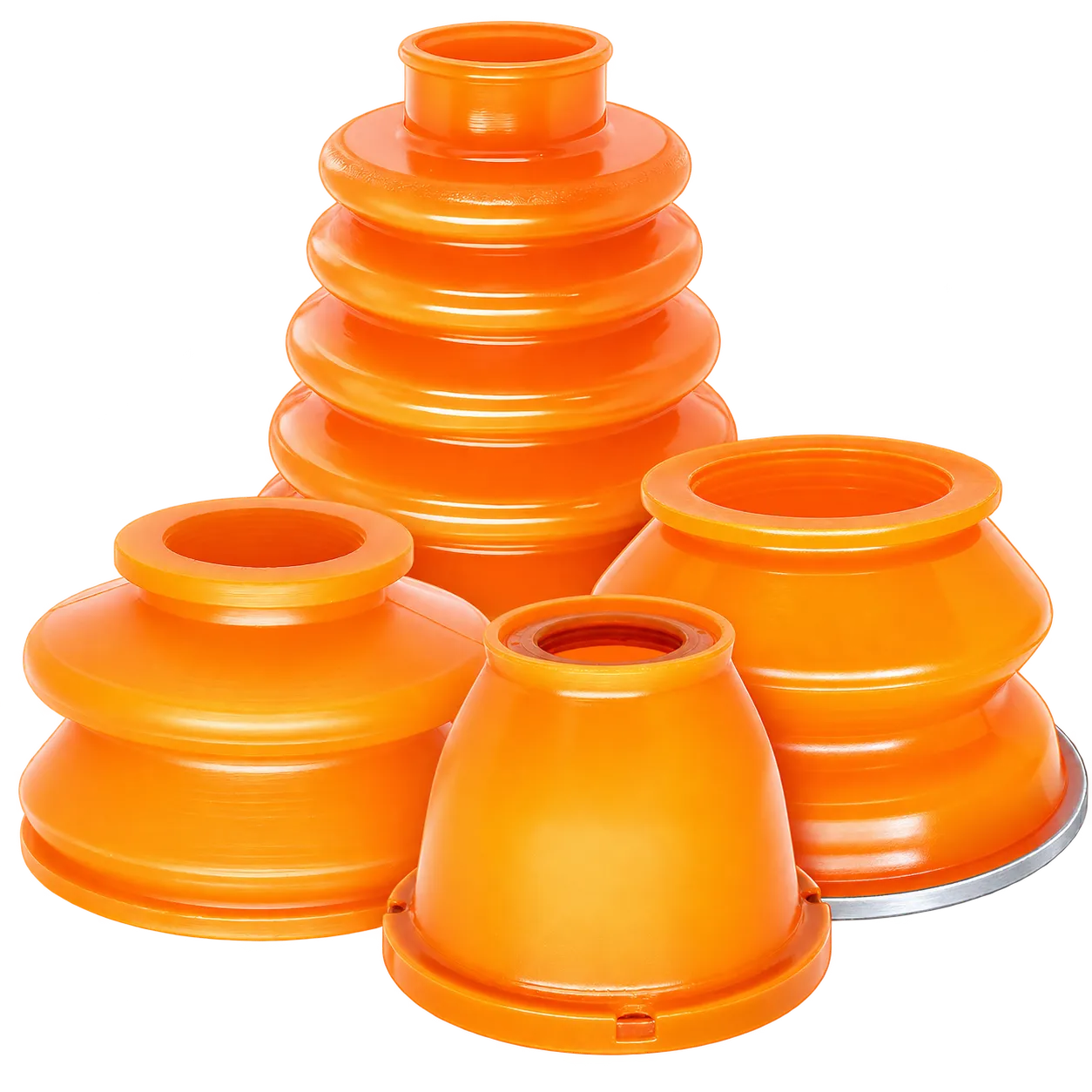
Dust boots for suspension, steering and brakes
Dust boots are flexible bellows-type covers that seal the moving joints of the suspension, steering and brake system against dirt, water, sand and road salt, and at the same time keep the grease inside the joint. They are fitted to driveshaft CV joints, ball joints, steering racks, tie rods and tie rod ends, shock absorbers and caliper guide pins. PolyPro moulds them from polyurethane in its own plant, and the full list of groups is in the catalogue.
What a dust boot is and how it works
A dust boot is a cover with a convoluted wall that seals a moving joint. It does two jobs at once: it keeps abrasive grit, water and chemicals out, and it stops the grease the joint runs on from escaping. The folds let the boot compress and extend as the suspension travels, the steering turns or a piston moves out, without stretching the material itself.
The boot is held by clamps or snap rings seated in grooves: one band on the housing of the joint, the other on the shaft, stud or rod. As long as that seal is closed, the joint runs in clean grease and reaches its normal service life. Once the boot splits or slips off its seat, sand gets in, the grease washes out and the joint is destroyed within a few hundred kilometres. That is why a boot is replaced by condition, not by mileage.
Signs of dust boot wear
A boot rarely fails unnoticed: the first sign is grease thrown around the joint. Inspect the car on a lift or over a pit with the wheels turned to full lock, so the folds open on both sides and cracks that are hidden by a fold in the straight-ahead position become visible.
- cracks on the tops of the folds that open up at full steering lock
- a split, a puncture through it, or a torn sealing band
- grease thrown onto the arm, subframe, brake disc or backing plate
- a dry, contaminated joint with no grease left inside it
- a loose clamp, or a boot that has come off its seating groove
- clicking, knocking or vibration from that joint under load
A split boot cannot be repaired with sealant and cable ties: grit is already inside, so the joint is washed out, packed with fresh grease and fitted with a new boot. If the joint already has play or noise, a new boot changes nothing and the joint itself is replaced.
Polyurethane or rubber
A rubber boot is softer and cheaper, but it ages faster: ozone, salt and temperature swings harden the rubber and it cracks along the tops of the folds, usually in the zone of the sharpest bend. Polyurethane has higher resistance to abrasion and tearing and stands up to oils and road chemicals, so it holds the shape of the folds and of the sealing band much longer.
That does not make polyurethane universal: the material is denser, so the size has to match exactly, the boot must be seated without distortion and the clamps must not be overtightened. The Shore hardness of every item is given on its product page, so use that figure rather than general advice. For vehicles working on unpaved roads, construction sites and winter roads treated with salt, a polyurethane boot lasts noticeably longer, and that is the main reason to switch.
How to choose a dust boot
A dust boot is chosen by the joint and by the dimensions of its seats, not by the car badge. You will need the old part and a caliper. Four criteria decide the choice.
By Joint
First establish where the part sits, because each group has its own design. The heaviest duty falls on the CV joint boot, which works at an angle and at road speed; inner, outer and universal versions are listed separately. A ball joint boot is smaller, has a stiff sealing band and is held by a press fit or a snap ring. Then come rack, tie rod and tie rod end boots, shock absorber boots and caliper guide pin and piston boots. These groups are not interchangeable. Even within one group boots differ in the way they seat: under a clamp, under a snap ring, or pressed into the housing, so the seat has to be compared as well as the diameter.
By Dimensions
Within a group the boot is selected by three dimensions: the large seating diameter on the housing, the small seating diameter on the shaft or stud, and the overall length in the working position. Also check the number of folds and the taper, because they decide whether there is enough travel at full lock or on full suspension rebound. Measure the old part at its grooves rather than guessing from the joint. If the old boot is torn beyond recognition, use the boot selection form and send dimensions and photos. A boot that is too long folds incorrectly and chafes against the parts around it.
By Durometer
Hardness decides how the boot behaves at a large angle and in cold weather. A softer material folds more easily, resists the movement of the rod or the joint less, and suits joints with long travel. A harder material holds its shape better and resists stone damage and rubbing against a shield or an arm, but it demands an accurate fit. The exact Shore value is given on each product page, so make the choice from that figure and from how the vehicle is used: city, highway, unpaved roads, or daily taxi and delivery work. For vehicles that run loaded and on broken surfaces a denser grade is the usual choice.
By Kit Content And Fitting
The last thing to check is how the boot is fitted. A conventional one-piece boot means removing the assembly: the driveshaft comes out, the tie rod end is pressed off, the caliper is stripped. A split universal boot goes on without dismantling, but the seam needs a careful clamp and a compatible grease. Check whether the item comes with clamps, a snap ring and a portion of grease — the kit content is stated on the product page. Non-standard boots are made to a drawing, a sample or a worn part. Before fitting, clean rust and old grease out of the seating grooves, or the band will not seat tightly and the boot will come off within the first kilometres.
Why buy dust boots from PolyPro — retail and wholesale
PolyPro is the manufacturer, not a reseller: we mould dust boots in our own tooling, check the dimensions of the sealing bands and folds, and sell without intermediaries. Retail is by the piece, so you can order exactly the one boot a repair needs; and if a size is not in the production range, we make the boot to a drawing, a sample or your worn part, again from a single piece.
Wholesale customers are workshops, auto parts shops, fleets and resellers. The partner programme gives bonuses for turnover or for the size of a single order, access to prices and stock levels, and shipping under the partner's own brand. Our products are covered by a warranty, and we ship within Ukraine and internationally.
Frequently asked questions
Can a split dust boot be glued back together?
No. Glue, sealant and cable ties do not restore the seal of a convoluted wall that flexes constantly, and by the time of the repair grit is already inside. The correct sequence is different: remove the assembly, wash out the old grease together with the sand, pack fresh grease and fit a complete boot with new clamps.
How often should dust boots be checked?
Inspect them at every oil change and always before the seasonal tyre change, when the car is already on a lift. Turn the wheels to full lock and look at the folds from both sides, and check whether there is grease thrown onto the arms, the subframe or the inner face of the wheel.
What happens if I drive with a split boot?
The grease washes out within days and sand and water take its place. The joint then runs dry: clicking on turns, vibration or play appears, and instead of an inexpensive boot you end up replacing the CV joint, the ball joint or the steering rack as a unit. On salted winter roads the process is faster still.
Does the grease have to be changed with the boot?
Yes. The old grease is already mixed with moisture and grit, so it is washed out completely and the joint is packed with fresh grease. The quantity and type depend on the joint: CV joints and ball joints take different grease, and a caliper needs a dedicated guide pin grease compatible with the boot material.
Are universal split boots a good solution?
They are a working solution when there is no way to remove the driveshaft or press off the tie rod end. A split boot is fitted in place and the seam is clamped. Its service life depends on the quality of the fitting: the seam must be even and undistorted and the sealing bands exactly in their grooves. For planned work a one-piece boot is more reliable.
How does a polyurethane boot differ from a rubber one?
Polyurethane has higher resistance to abrasion and tearing and stands up to oils and road chemicals, so it keeps the shape of its folds and does not crack with age as quickly as rubber does. In return it is denser, so the size and the seating have to be exact. The Shore hardness of each item is stated on its product page.
Can I buy a single dust boot?
Yes, retail is by the piece: order exactly the items a repair needs, with no compulsory axle sets. If the size you need is not in the production range, we will make the boot to a drawing, a sample or your worn part, again starting from one piece, and ship it within Ukraine or abroad.
What are the terms for workshops, shops and fleets?
Wholesale buyers get separate terms: access to current prices and stock levels, regular shipments and the option of supply under the partner's own brand. Bonuses are credited for turnover or for the volume of a single order — the details are set out in the partner programme section.